
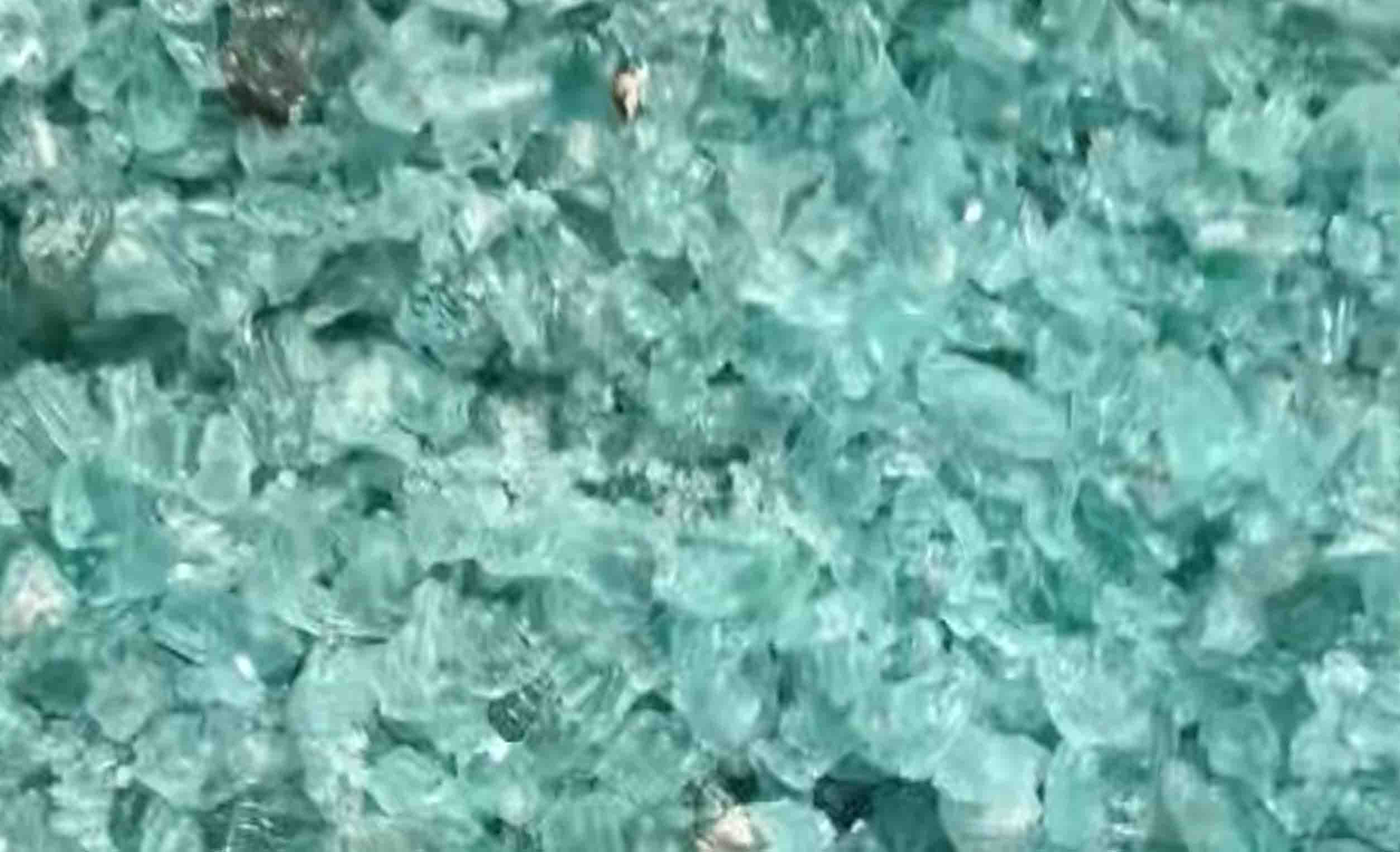
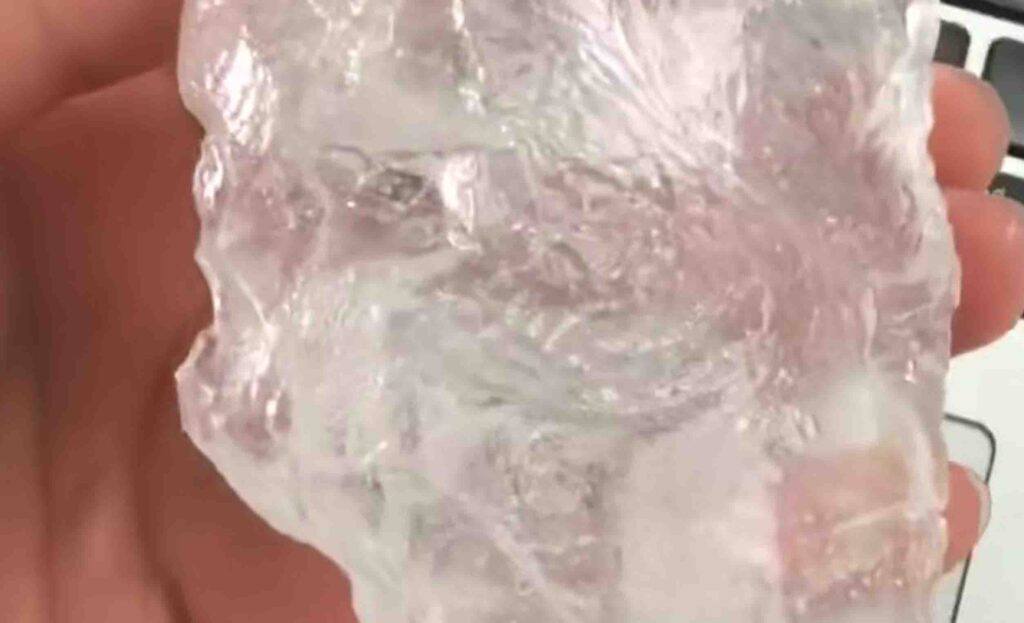
Do you know solid water glass? Or the solid sodium silicate?
When it comes to water glass, many people immediately think of its viscous liquid form, commonly used in applications such as grouting, coatings, and foundry processes.
However, water glass also exists in two common solid forms: sintered lump sodium silicate and spray-dried granular/powder rapidly dissolving water glass. These two solid forms differ significantly in production methods, physical characteristics, and application scenarios, making them essential raw materials in industrial manufacturing.
This article provides a comprehensive overview of the two solid forms of water glass, including their preparation processes, physical features, and key differences, helping readers gain a thorough understanding of solid water glass and solid sodium silicate.
1. Core Classification of Solid Water Glass: Two Forms, Two Production Methods
Solid water glass (also known as solid sodium silicate) is primarily divided into two categories, differing fundamentally in their production processes, which in turn affect their morphology, properties, and suitable applications: lump solid sodium silicate and granular/powder rapidly dissolving water glass. Details are as follows:
(1) Lump Solid Sodium Silicate: Produced by Sintering and Cooling, Irregular in Shape
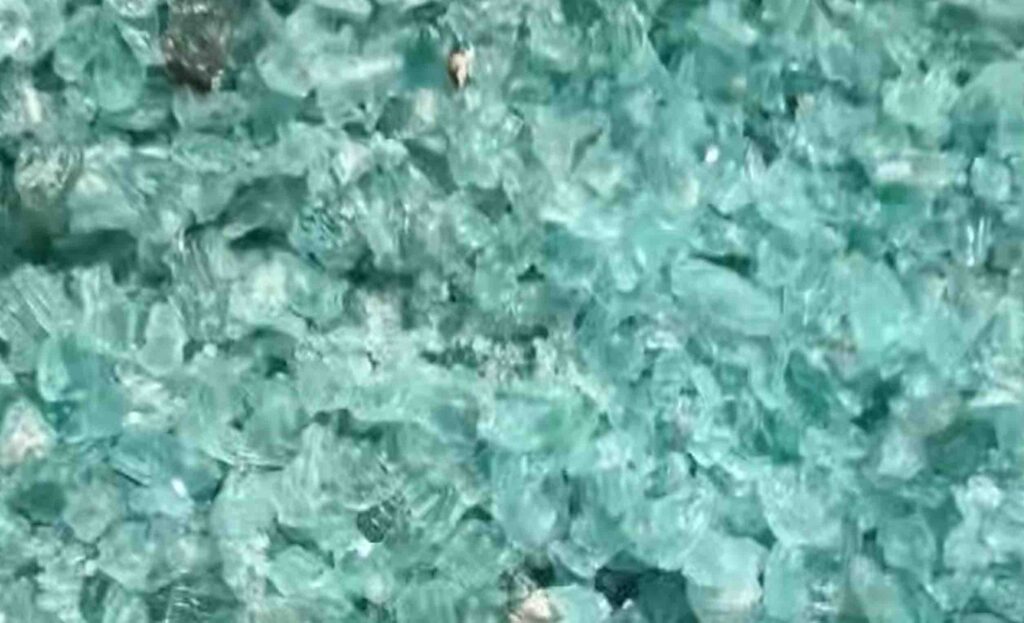
Lump solid sodium silicate represents the most traditional form of solid water glass. Its production relies on a well-established “sintering and cooling” process, widely adopted in large-scale industrial manufacturing. The process begins with mixing quartz sand and soda ash in specific proportions, then feeding the mixture into a high-temperature melting furnace where it melts and reacts fully to form molten sodium silicate.
The molten liquid is continuously discharged from the furnace and cooled using one of two methods: either poured into cooling tanks for rapid quenching or directly injected into custom molds for natural solidification. Once completely cooled and hardened, the material is crushed into irregular large blocks, resulting in lump solid water glass.
The key characteristics of this form include an irregular shape, high hardness, and poor solubility. Before use, it must be broken into smaller pieces and then dissolved in water with heating to convert into liquid water glass. It is best suited for industrial applications where dissolution speed is not critical, such as in foundry mold bonding and refractory material production.
(2) Granular/Powder Solid Water Glass: Spray-Dried, Also Known as Rapidly Dissolving Water Glass
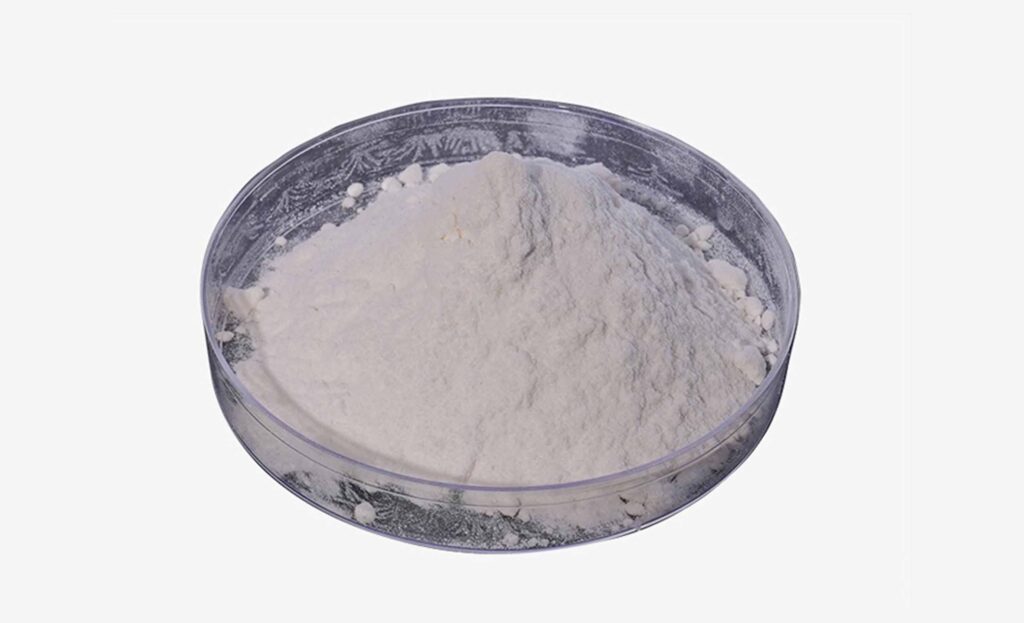
Granular or powdered solid water glass—commonly referred to as rapidly dissolving water glass—is produced through a more refined method called “spray drying,” emphasizing fast dissolution. This form is ideal for applications requiring high dissolution efficiency. The production process involves first diluting liquid sodium silicate to a specified concentration, forming a standardized solution.
This solution is then fed into a spray dryer tower, where a high-pressure atomizer breaks it into fine droplets. Simultaneously, hot air is introduced into the tower, causing the droplets to rapidly evaporate moisture and dry into fine granules or powder. After screening and collection, the final product is granular or powdered rapidly dissolving solid sodium silicate.
Compared to lump solid water glass, the main advantage of rapidly dissolving water glass lies in its fast dissolution rate. It requires no crushing or heating—simply adding it to room-temperature water results in quick, uniform dissolution into liquid water glass, significantly improving construction and production efficiency. It is widely used in industries such as construction, chemical processing, and building materials where high operational efficiency is required.
2. Key Differences and Selection Guidelines Between the Two Solid Forms
In terms of physical form, lump solid water glass consists of hard, irregular chunks, while granular/powder rapidly dissolving water glass appears as fine particles or loose powder. Regarding dissolution speed, lumps require crushing and heating, resulting in slow dissolution; in contrast, the rapid-dissolving type dissolves quickly at room temperature, offering superior efficiency.
Depending on specific application requirements, solid sodium silicate can be selected accordingly: if the production process allows sufficient time for crushing and heating, and cost control is a priority, block-shaped solid sodium silicate is suitable; if construction and production efficiency are critical and rapid dissolution is required, granular or powdered fast-dissolving sodium silicate should be preferred.
3.Conclusion
In summary, solid sodium silicate primarily comes in two forms—block and granular/powdered (fast-dissolving)—produced through sintering-cooling and spray-drying processes, respectively. Each form offers distinct advantages and suits different applications. Understanding the characteristics and manufacturing processes of solid sodium silicate enables industry professionals to make precise choices based on their production needs, fully maximizing its application value.
for more information ,please visit our facebook page