Tel: +86-13630079025 Wechat/Whatsapp:+86-13630079025 Email Address: sales@sanleechem.com

Potassium Silicate Agriculture Applications
Potassium silicate products are premium inorganic silicon and potassium nutrient materials with valuable silicate applications in potassium silicate agriculture. Sanlee Chemical provides high-quality potassium silicate fertilizer and liquid potassium silicate for plants for crop growers requiring enhanced plant stress resistance, improved soil activity and stable crop growth promotion.
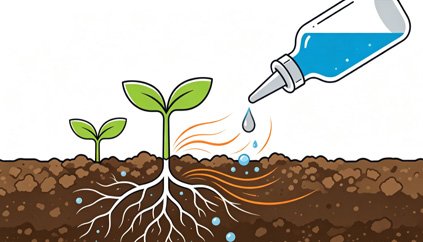
What Are Potassium Silicate Fertilizer
Silicon is a highly beneficial element for plants, supporting healthy growth, boosting stress tolerance and optimizing physiological activities throughout crop development. As core silicate products for agriculture, diversified silicate materials have been widely promoted and applied in modern planting systems for their unique nutritional and regulatory functions.
Serving as efficient silicon nutrients for plants, potassium silicate stands out among common agricultural inputs, as it can steadily release soluble silicon and potassium to supplement essential nutrients for crops. Classified as a professional silicate fertilizer and a high-efficiency silicon fertilizer, potassium silicate perfectly combines dual nutritional value and agricultural applicability.
Sanlee Chemical’s premium potassium silicate fertilizer and liquid potassium silicate for plants feature outstanding water solubility and chemical stability, which can effectively improve plant growth conditions, enhance crop resistance to adverse environments, improve soil status, and help farmers achieve stable yield and quality improvement of various crops.
01
Dual Nutrient Supplementation
This professional silicate fertilizer and high-efficiency silicon fertilizer releases bioavailable silicon and potassium simultaneously, replenishing essential nutrients for crop growth and solving single-nutrient deficiency in conventional planting. As reliable silicon nutrients for plants, it ensures balanced and steady nutrient absorption.
02
Enhanced Stress Resistance
Premium potassium silicate fertilizer and liquid potassium silicate for plants effectively strengthen plant cell walls, greatly improving crops’ tolerance to drought, high temperature, diseases and insect pests, reducing plant damage from adverse environments.
03
Optimized Soil Condition
As mainstream silicate products for agriculture, potassium silicate regulates soil pH value, alleviates soil hardening and salinization, activates soil microorganisms, and improves the overall growing environment of crops.
04
Improved Crop Quality and Yield
It promotes healthy crop growth, accelerates photosynthesis, optimizes fruit development and foliage growth, and steadily increases crop yield while upgrading commodity quality.
Our Silicate Products for Agriculture
Our Silicate Products for Agriculture cover liquid potassium silicate fertilizer, potassium silicate powder and agricultural sodium silicate. As reliable silicon nutrients for plants, our silicate fertilizers deliver bioavailable silicon, enhance plant tolerance to abiotic stress, regulate soil environment and promote healthy crop growth for field crops, vegetables and fruit trees.
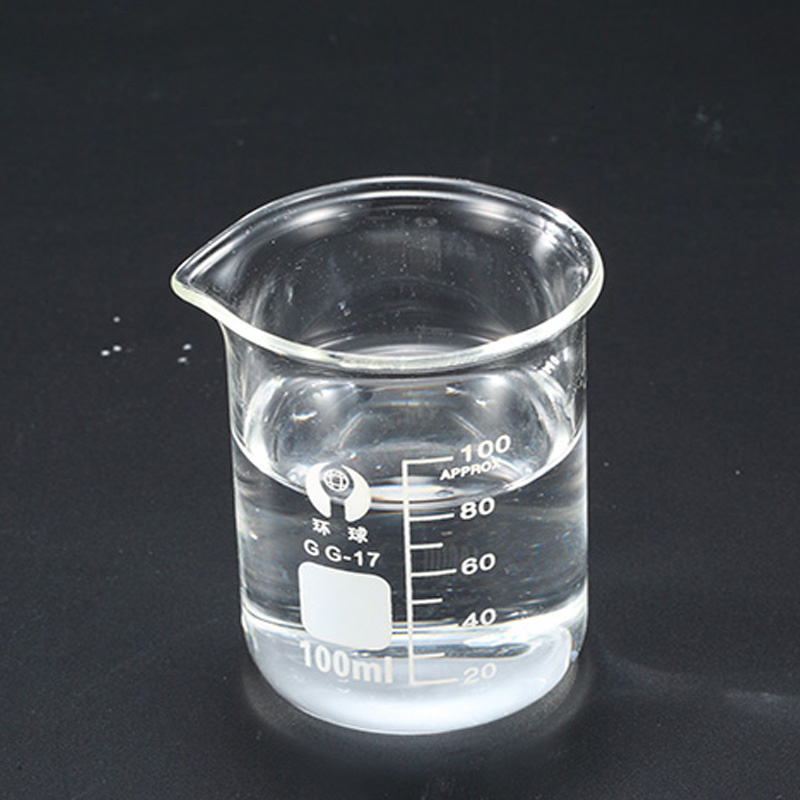
Liquid Potassium Silicate
Liquid Potassium Silicate Fertilizer delivers soluble silicon and potassium to strengthen crops, boost stress resistance and improve soil health.
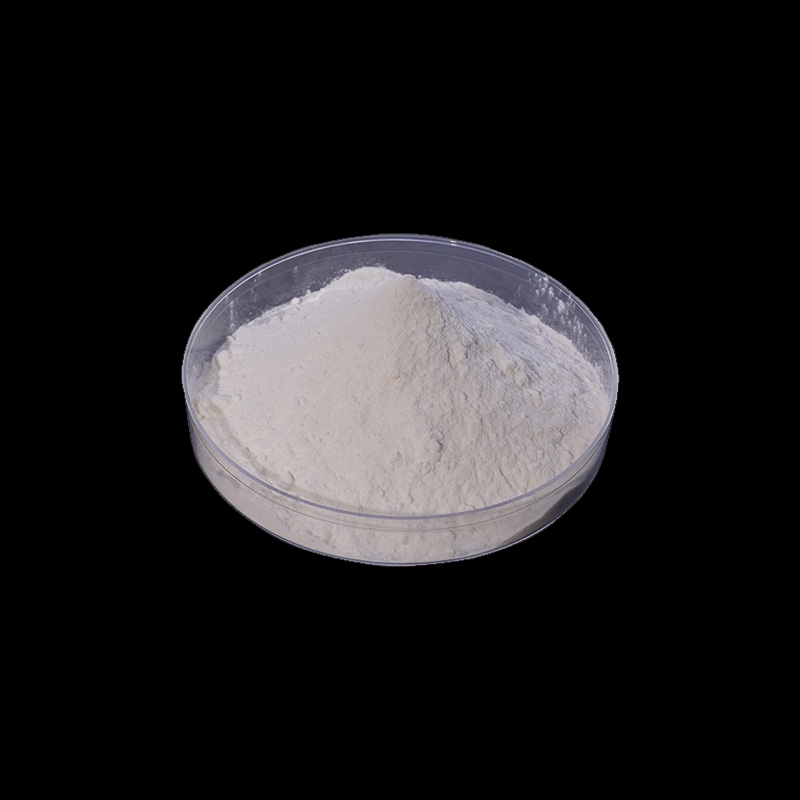
Potassium Silicate Powder
Potassium Silicate Powder provides soluble silicon and potassium to fortify plants, raise stress tolerance and improve soil conditions.
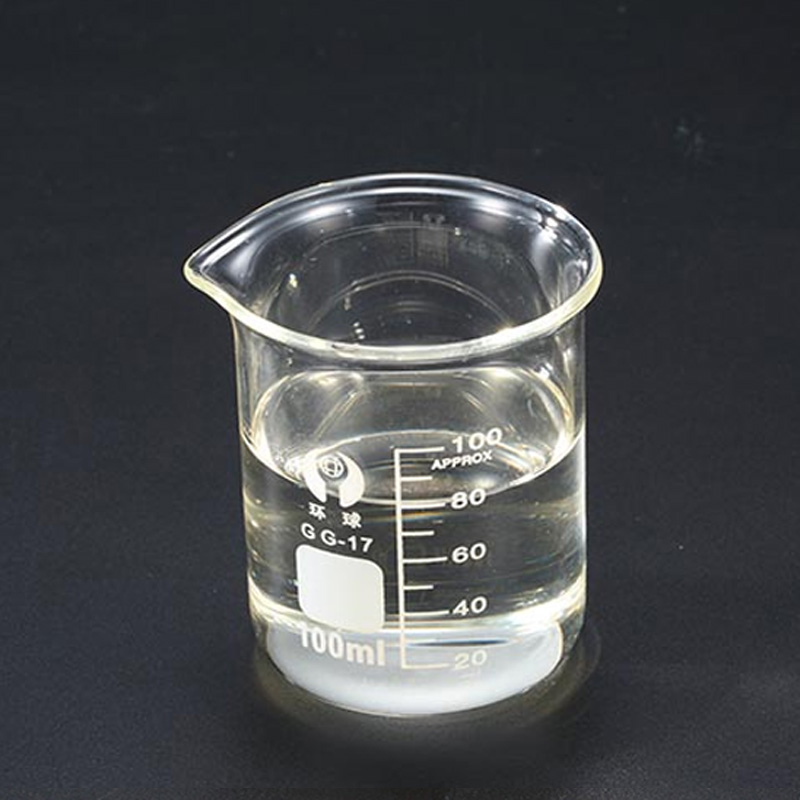
Sodium Silicate Agriculture
Sodium Silicate for agriculture delivers soluble silicon to strengthen plant cell walls, improve stress resistance and regulate soil conditions.
Potassium Silicate for Agriculture Applications
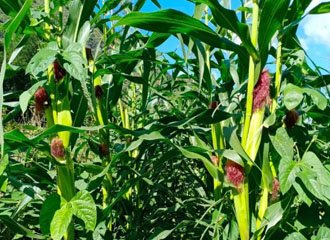
Crop Protection
Potassium silicate can be applied as a plant supplement to improve crop resistance and growth performance.
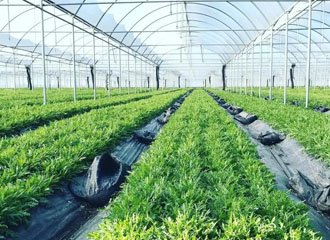
Greenhouse Farming
Liquid potassium silicate is suitable for greenhouse crops requiring soluble silicon nutrients.
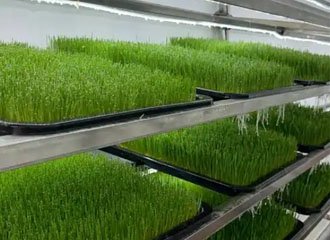
Hydroponic Agriculture
Soluble silicate products are used in hydroponic systems to provide available silicon nutrients.
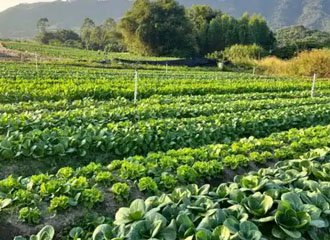
Organic & Sustainable Farming
Silicate fertilizer solutions support sustainable agricultural practices.
Recommended Reading

Powerful Potassium Silicate Foliar Fertilizer: 46–48°Bé, Modulus 2.5 & Simple Application Guide
Learn how to use potassium silicate foliar fertilizer (46–48°Bé, modulus 2.2): dilution rates, 1000x and 1500x small-scale trials, phytotoxicity checks, best spraying stages, and benefits like cell-wall silicification, lodging resistance, pest and drought tolerance. Free samples available.
Soluble Silicon Fertilizer for Plants & Agriculture
Soluble silicon fertilizer is a silicon‑based agricultural input that delivers water‑dissolvable silicon forms, releasing plant‑available silicon that crops can actively absorb for nutrition and stress resistance. Not all silicon sources produce usable silicon for plants, and only properly solubilized materials can deliver real agronomic value.
Potassium Silicate Fertilizer for Agriculture
Potassium silicate combines potassium together with readily‑available soluble silicon, forming a multi‑functional nutrition input widely adopted within modern plant nutrition. Used across many kinds of commercial crops, this material supports plant development via both foliar and soil application pathways.

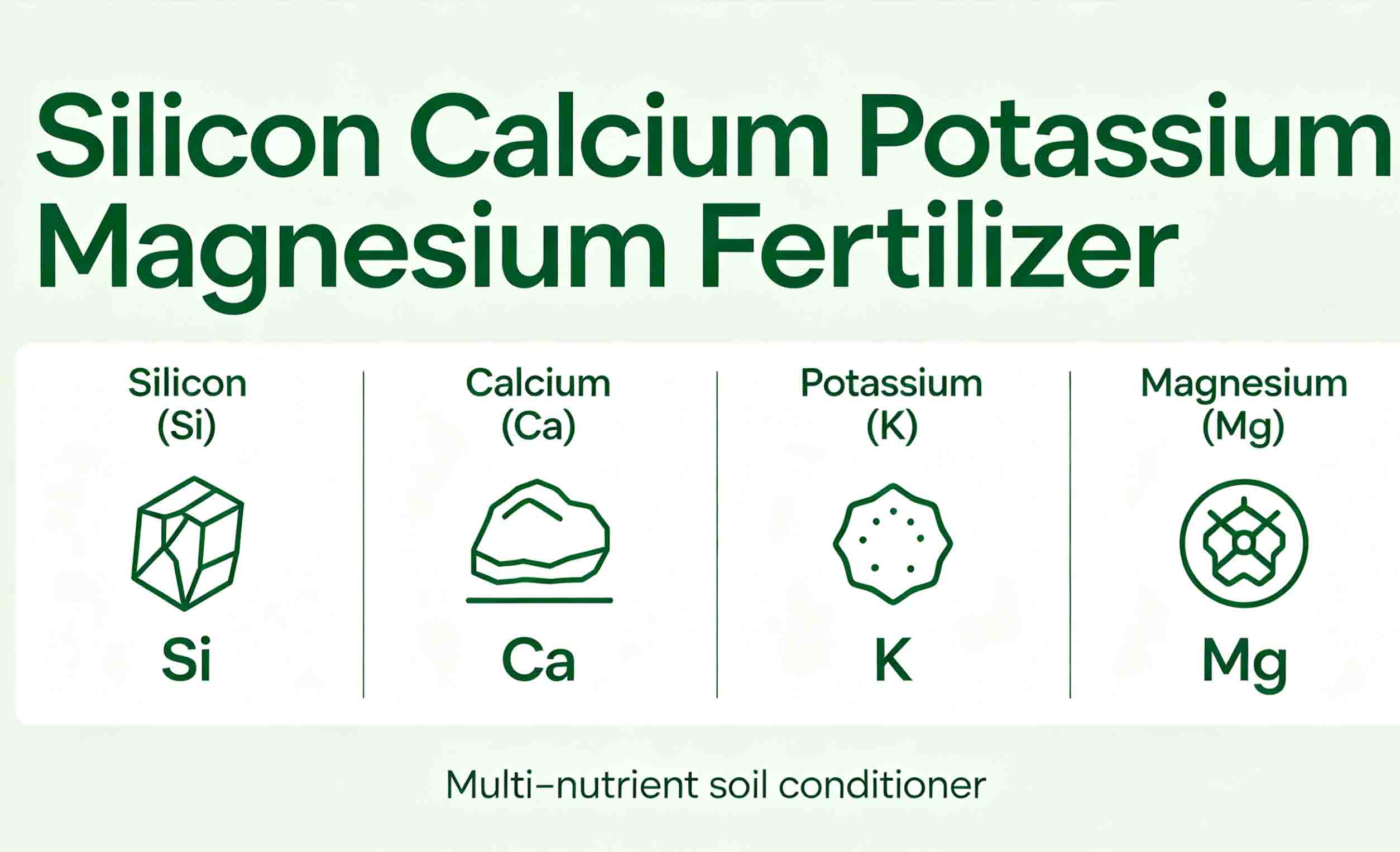
Unlock the Power of Potassium Silicate: 5 Reasons It Positively Boosts Silicon Calcium Potassium Magnesium Fertilizer Productio
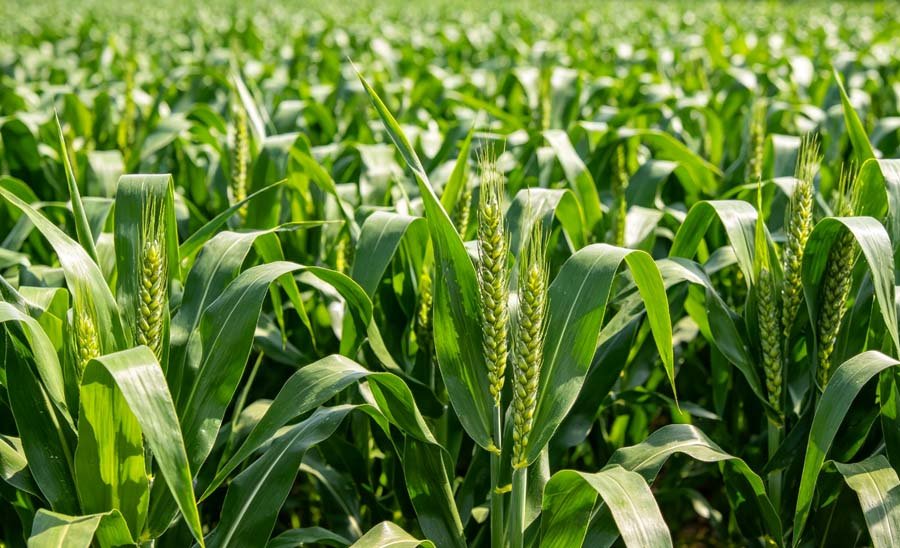
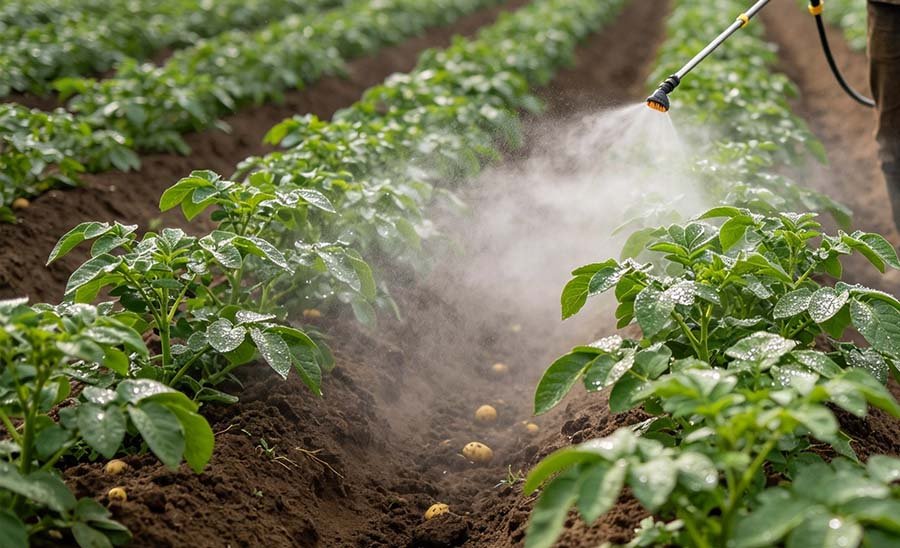
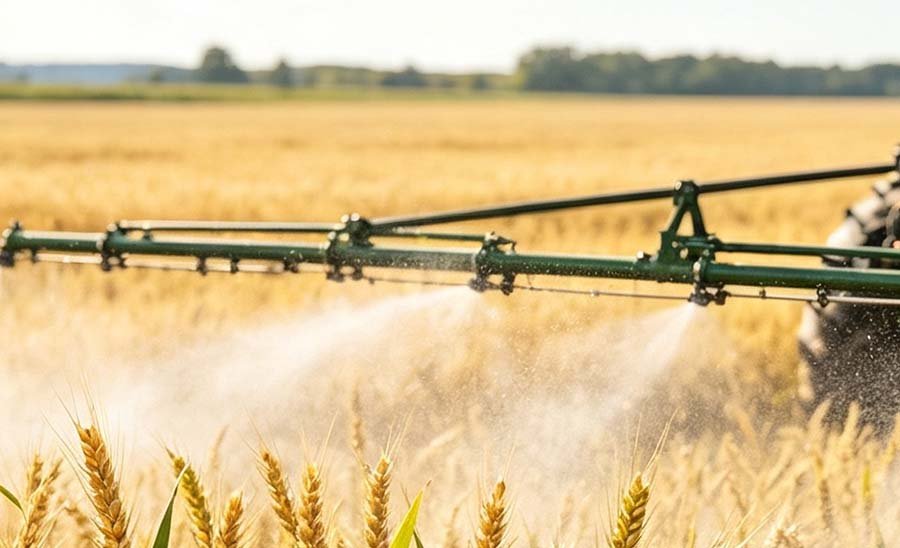
Potassium silicate is an inorganic silicate raw material rich in active silicon and available potassium. Both silicon and potassium are essential beneficial nutrients for crop growth, effectively promoting cell wall thickening, enhancing plant resistance, and improving fruit quality. From a chemical composition and nutritional standpoint, potassium silicate theoretically meets all the basic requirements for producing…
Why Choose Liquid Potassium Silicate For Plants
| Property | Benefit |
| Readily soluble silicon & potassium | Rapid nutrient uptake by crops |
| Strengthens plant cell walls | Improves resistance to pests & diseases |
| Enhances abiotic stress tolerance | Better protection against drought & heat |
| Improves soil conditions | Balances soil pH and activates nutrients |
| Easy application | Compatible with foliar spray and soil drench |
Frequently Asked Questions About Agricultural Silicate Products
Is potassium silicate good for agriculture?
Yes. Potassium silicate is a valuable inorganic silicon fertilizer for modern agriculture. It supplies bioavailable silicon and potassium simultaneously, strengthens plant cell walls, boosts crop resistance to drought, heat, diseases and pests, regulates soil conditions, and helps improve crop yield and quality.
Can liquid potassium silicate be used for plants?
Absolutely. Liquid potassium silicate for plants features excellent water solubility. It can be applied via foliar spraying, soil drenching or drip irrigation for fast nutrient absorption. It is easy to handle and compatible with most common agricultural irrigation systems.
What is potassium silicate fertilizer used for?
It is used to deliver soluble silicon and potassium to crops. It enhances plant stress tolerance, suppresses fungal diseases and pest damage, optimizes soil pH, supports photosynthesis, and improves fruit and foliage quality. It works well for rice, vegetables, fruit trees and field crops.
What is the difference between potassium silicate and sodium silicate?
For agriculture, the key difference lies in cation composition. Potassium silicate provides plant-available potassium without sodium accumulation, making it the preferred silicate fertilizer for long-term crop planting. Sodium silicate contains sodium ions; repeated agricultural use may lead to sodium buildup in soil, harming sensitive plants. Sodium silicate is more commonly used for industrial bonding and construction applications.
What is the difference between liquid potassium silicate and potassium silicate powder?
Liquid potassium silicate dissolves instantly, suitable for foliar spray and irrigation. Potassium silicate powder is a solid form with convenient storage and transportation, ideal for soil base application and custom formulation. Both provide soluble silicon and potassium for crops.
Can potassium silicate be mixed with other fertilizers?
It can be mixed with most compatible fertilizers, yet avoid blending with strongly acidic products that may trigger precipitation. We recommend a small compatibility test before large-scale mixing.
Is potassium silicate eco-friendly?
Yes. It is an inorganic, low-VOC input. It does not leave harmful chemical residues, supports sustainable planting, and is a safe alternative to many synthetic additives.
Get a Free Quote For Agricultural Silicate Solutions!
We believe Sanlee will be your best partner!
Please fill out the form with your contact details or give us a call, and we will get back to you within 24 hours.
For more about Sanlee, please visit our facebook page, Instagram page, and youtube page.