Sodium Silicate Sand Casting Binder for Large & Heavy Steel Castings | High Hot Strength & Veining Resistance
Silicate sodium used for large & heavy steel casting, commonly known as “water glass”, is an important inorganic adhesive. Its key parameter, “modulus”, usually ranges from 3.10 to 3.40.
By reacting with CO₂ or adding hardening agents such as organic esters, the sand mold can be rapidly hardened and achieve the required strength. It is widely used in the manufacturing of sand molds and sand cores for steel casting and iron casting due to its wide source, low cost, and non-toxic and environmentally friendly properties.

Appearance and Packaging

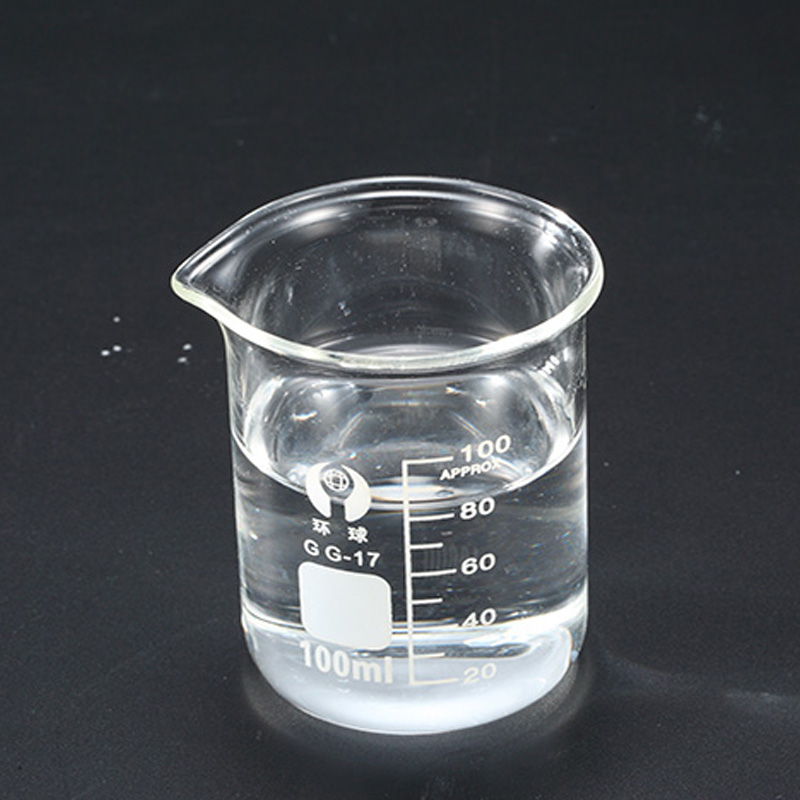
This is a colorless, light yellow transparent viscous liquid that can be easily dissolved in water.

It is usually packaged in ICB barrels or 200-liter plastic barrels.
The core advantages and features of sodium silicate casting binder
1.Deep hardening, uniform inside and out:
The sodium silicate specifically designed for casting features outstanding permeability and hardening properties, ensuring that the sand molds several meters thick harden uniformly both inside and out without any softened layers.
2.Superior high-temperature stability:
The sodium silicate specifically designed for casting endows the sand mold with extremely high thermal stability, effectively preventing defects such as sand flushing, sand inclusion, and sand expansion during the long-term pouring and solidification of large castings.
3.Excellent collapsibility, easy to remove sand:
The modified sodium silicate specifically improves collapsibility, significantly reducing the difficulty and labor intensity of removing sand from large castings.
4. Low moisture absorption, good storage stability
High-quality sodium silicate has a low moisture absorption rate. The sand molds produced can be stored for a longer period of time, reducing the problem of mold failure due to moisture re-entry and making production scheduling more flexible.
Application scenarios of sodium silicate Sand Binder for Steel & Iron Casting
1.Applicable process:
CO₂ cold crucible method
Ester hardening self-setting sand method
Vacuum Replacement Hardening (VRH) method
2.Type of castings produced:

1)Energy equipment: wind turbine hubs, bases, gearboxes; hydro turbine runners, upper and lower crowns; large nuclear reactor cavities.
2)Heavy machinery: machine tool beds, columns, crossbeams; mining equipment end covers of grinding machines, bodies of crushers.
3)Marine vessels and power systems: Large diesel engine cylinder blocks, cylinder heads, marine propellers.
Remarks: It is particularly suitable for large and thick-walled cast steel and cast iron parts produced by ester hardening process and CO₂ process.
Guide for the Use of Sodium Silicate in Casting
1. Mixing ratio suggestion: Based on the characteristics of the raw sand, the casting requirements, and the hardening process, it is recommended to determine the optimal value through experiments.
2. Mixing sand process: It is suggested to add sodium silicate first, mix evenly, and then add other additives to ensure uniform distribution.
3. Hardening control:
CO₂ method: Control the concentration, pressure, and action time of CO₂.
Ester hardening method: Select the appropriate type and ratio of ester curing agent according to the environmental temperature and the size of the sand mold, and control the usable time and demolding time.
4. Storage conditions: Store in a sealed manner in a cool and ventilated place to prevent exposure to sunlight and freezing. The shelf life is usually 6-12 months.
for more information ,please visit our facebook page