Tel: +86-13630079025 Wechat/Whatsapp:+86-13630079025 Email Address: sales@sanleechem.com

Lithium Silicate Manufacturer & Supplier
Lithium silicate is a premium inorganic silicate solution widely used in concrete densifiers, polished concrete systems, floor hardeners, and protective coatings.
Compared with sodium silicate and potassium silicate, lithium silicate provides deeper penetration, faster reaction, and significantly reduces the risk of alkali-silica reaction (ASR), making it the preferred choice for high-performance concrete treatments.
Sanlee Chemical is a professional lithium silicate manufacturer and lithium silicate supplier, producing standardized lithium silicate products worldwide with adjustable modulus ratios to meet diverse industrial application requirements.
What is Lithium Silicate
Chemical Formula
Lithium silicate, commonly known as lithium water glass or lithium silicate solution, is an inorganic substance.Its chemical formula is Li₂O⋅nSiO₂.
As a widely used industrial raw material, industrial lithium silicate possesses unique physical and chemical properties, such as excellent permeability, high hardness after film formation, low shrinkage, alkaline stability, and weather resistance, making it a fundamental material for industries including concrete floor curing agents, inorganic coatings, anti-corrosion primers, and high-grade fireproof coatings.
Modulus N
In the chemical formula Li₂O·nSiO₂, n represents the ratio of the moles of silicon dioxide to those of alkali metal oxides, and is called the modulus of lithium silicate.
This is a key indicator for differentiating various grades of lithium water glass. This modulus directly determines the viscosity, solubility, curing speed and chemical stability of lithium silicate products.
Physical Forms
Lithium silicate only exists in liquid physical form, with no solid block or powdered lithium silicate available on the market.
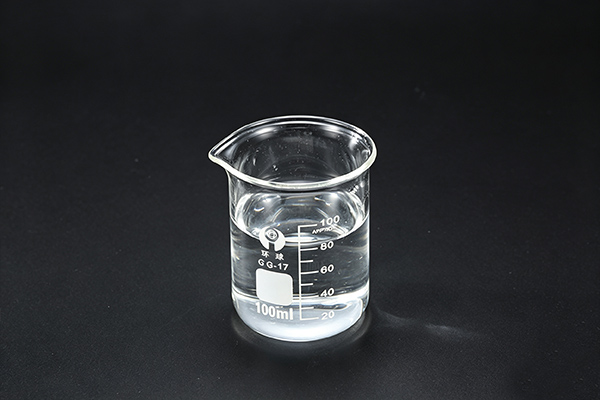
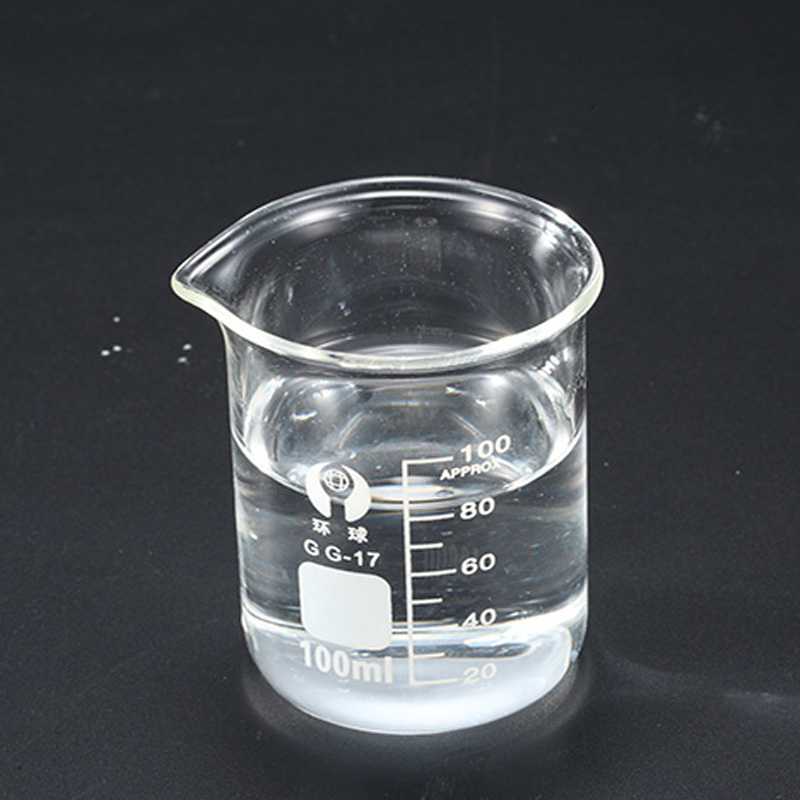
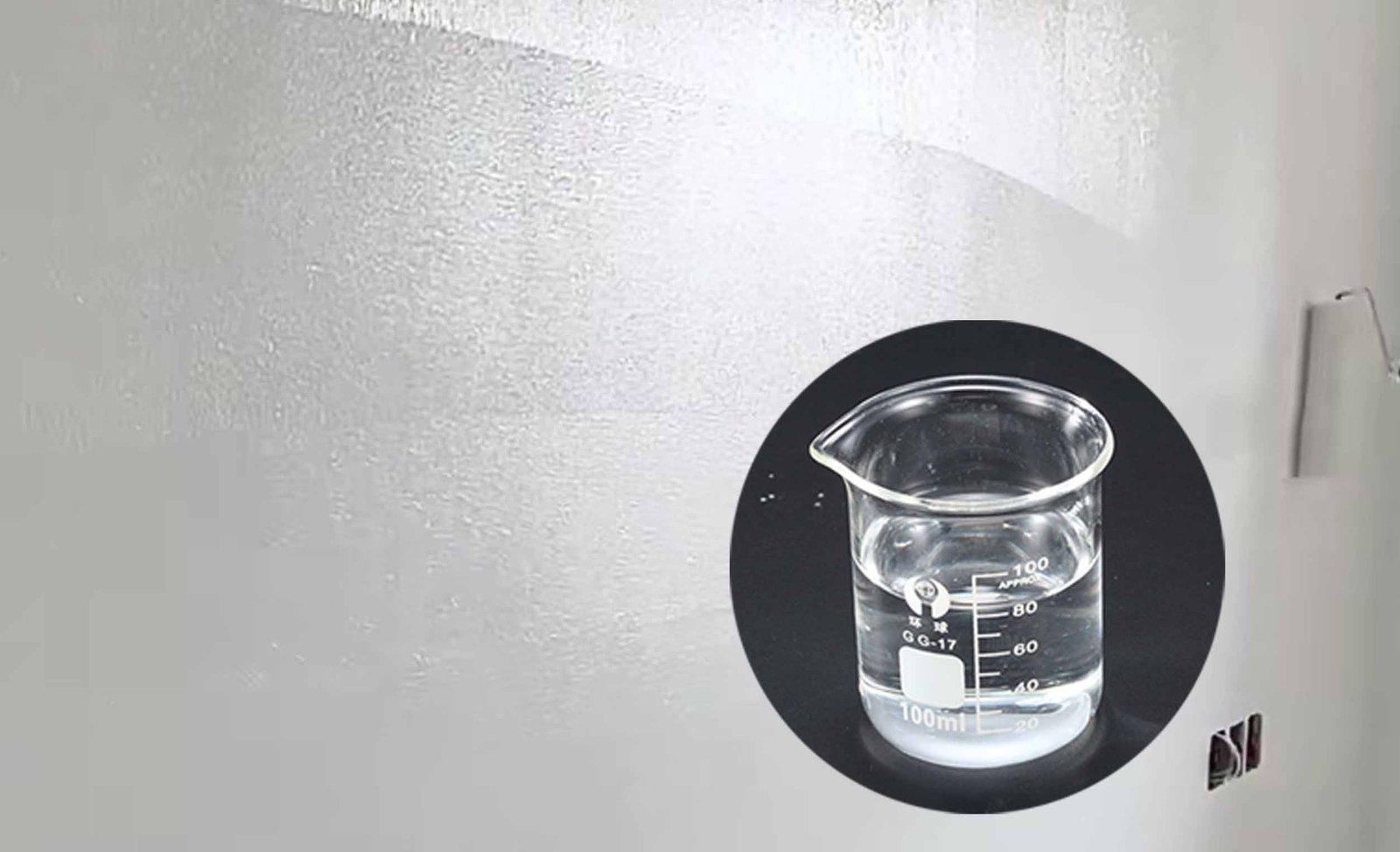
The appearance of liquid lithium silicate varies depending on impurity content. Products with high impurity levels are gray or pale yellow transparent liquids, while high-purity liquid lithium silicate is clear and transparent, similar to pure water.
This single liquid form is specially developed and matched for targeted industrial application scenarios. As an economical and eco-friendly industrial chemical, industrial lithium silicate has substituted numerous traditional chemical additives and become an irreplaceable raw material in modern industrial manufacturing.
Types of lithium silicate
Sanlee Chemical is a reputable lithium silicate supplier. It strictly classifies its products according to industry standards and provides customized lithium silicate solutions for different industrial needs.
Different from potassium silicate, lithium silicate only has one mainstream product form on the market: industrial liquid lithium silicate, with no solid or powdered types available.
Industrial liquid lithium silicate has unique performance advantages and targeted application scenarios in various industrial fields.
The following details the characteristics, specifications, and application fields of core liquid lithium silicate products.
Liquid Lithium Silicate
Liquid lithium silicate is a colorless, transparent and uniform liquid with stable fluidity. It is completely soluble in water and features excellent dilution stability without precipitation. It is regarded as a high-efficiency, green and environmentally friendly industrial inorganic binder that fully conforms to modern industrial sustainable development concepts.
As a high-quality inorganic silicate solution, liquid lithium silicate continues to play an irreplaceable role in building protection, industrial anti-corrosion, high-end coating manufacturing and new material processing due to its ultra-stable chemical properties, outstanding film-forming hardness and superior weather resistance.
Although it has minor limitations in ultra-low temperature construction adaptability, its comprehensive industrial performance can be further optimized through scientific formula adjustment and composite modification technology.
In the future, its innovative applications in building durability reinforcement, new energy protective coatings and environmental protection functional materials are worthy of in-depth exploration. Compared with potassium silicate and sodium silicate, lithium water glass focuses more on long-term stability, anti-aging performance and high film-forming quality, making it an excellent high-end industrial silicate functional material.
The core performance parameters of liquid lithium silicate include Baumé degree and modulus, which determine its application performance in different industrial scenarios. Conventional industrial liquid lithium silicate has a fixed Baumé degree of 22°Bé and a stable modulus ranging from 4.7 to 4.9.
The conventional 4.7–4.9 modulus liquid lithium silicate features low alkalinity, mild curing reaction, low shrinkage rate and ultra-strong weather resistance. It is specially suitable for concrete surface hardening and curing, high-transparency inorganic coatings, long-term anti-corrosion primers and high-grade building protective materials. As a ready-to-use and stable-performance industrial raw material, liquid lithium silicate simplifies downstream production processes, improves product finished quality, and reduces subsequent maintenance costs, making it the preferred high-end silicate material for precision industrial manufacturing and building protection projects.
In addition to standard industrial grades, high-purity liquid lithium silicate is also customized for special industries such as fine inorganic chemical synthesis, high-end new material preparation and precision environmental protection engineering.
Strict production quality control ensures that liquid lithium water glass has no suspended matter or precipitation, excellent storage stability, and will not deteriorate, stratify or fail within the valid storage period, fully meeting the requirements of long-term and continuous standardized industrial production.

lithium silicate liquid Modulus 4.7-4.8
Our modulus 4.7–4.9 lithium silicate liquid is high-purity, water-based lithium silicate solution with a stable silica-lithium oxide ratio. This high-modulus lithium silicate liquid delivers uniform dispersion without heating, featuring mild alkalinity, ultra-low heavy metal impurities and excellent miscibility with mineral fillers, cement substrates and inorganic coatings. Perfect for concrete floor densifier, high-temperature inorganic coatings, anti-corrosion…
Lithium Silicate Specifications
Liquid Lithium Silicate Properties
| Items | Unit | Item No. WNF-401 |
| Appearance | —— | Colorless and transparent liquid |
| Modulus(n) | —— | 4.7-4.9 |
| Baume Degree | ° | 20-22 |
| SiO₂ | % | 19.1-21.0 |
| L₂O | % | 1.85-2.10 |
| Density, 20°C | g/cm³ | 1.1-1.2 |
| PH Value(1% Aqueous Solution,25℃) | —— | 10.8-11.8 |
| Fe | ppm | <100 |
| Water insoluble | % | <0.03 |
Applications of Lithium Silicate
Lithium silicate (lithium water glass) is a high-performance inorganic silicate material featuring a stable fixed modulus, excellent weather resistance, high film-forming hardness, outstanding dimensional stability, and eco-friendly properties.
With unique physical and chemical advantages different from sodium silicate and potassium silicate, it has become an indispensable core raw material in concrete curing and hardening, high-grade inorganic coating production, industrial anti-corrosion engineering, building surface protection, and high-performance refractory material industries. Below is a detailed introduction to its core application scenarios and functional mechanisms.
Concrete Curing and Hardening
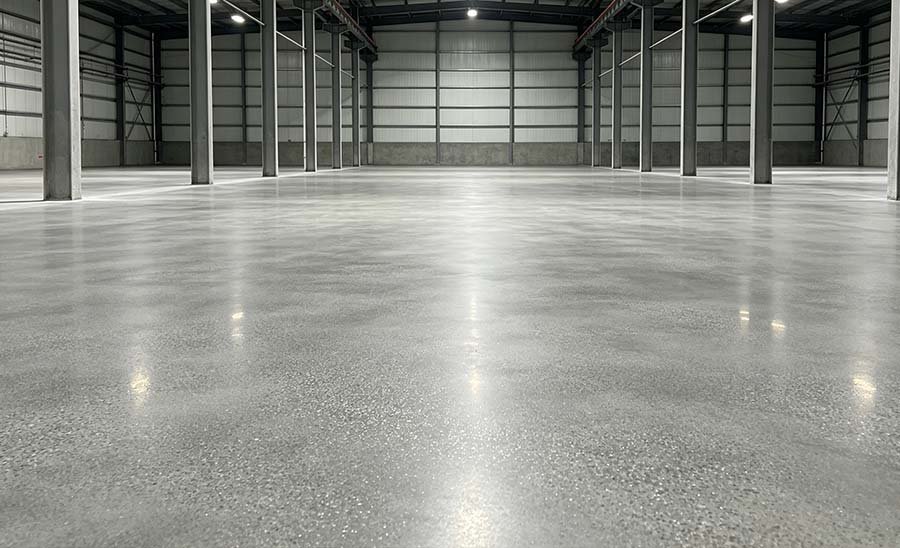
Lithium silicate is a premium functional material widely used in concrete surface treatment and internal curing. With a stable modulus of 4.8–4.9, its low-alkali and low-shrinkage characteristics enable it to penetrate deeply into the capillary pores of concrete.
It reacts with free calcium hydroxide in concrete to generate insoluble calcium silicate hydrate crystals, which fill internal pores, densify the concrete structure, and significantly improve surface hardness and abrasion resistance.
Different from traditional sodium and potassium silicate, lithium silicate will not cause surface efflorescence, cracking or dimensional deformation after curing.
It can effectively lock concrete moisture, promote complete hydration of cement, and greatly enhance the durability, frost resistance and impermeability of concrete floors, bridge decks and building structural layers. It is the preferred curing agent for high-standard industrial floors and commercial building concrete protection.

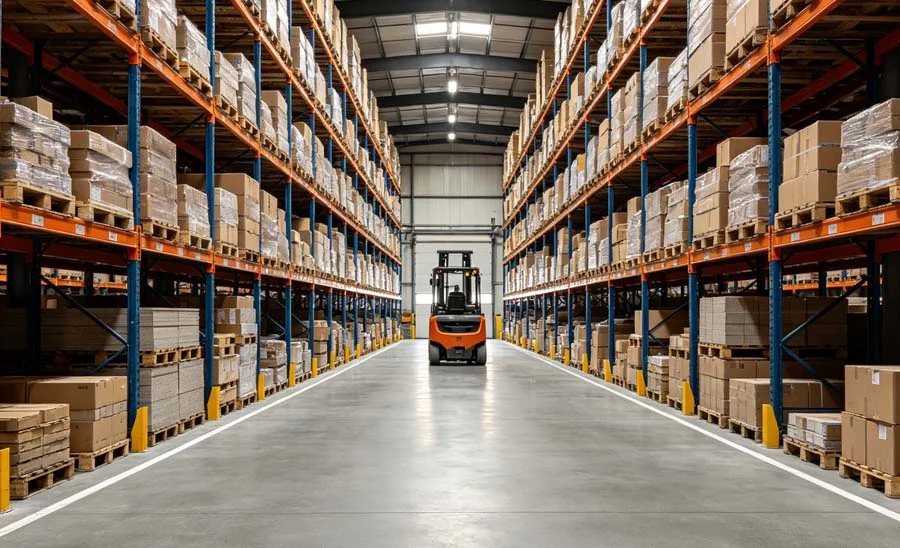
Heavy-Duty Workshop Flooring Guide: Choose the Right Concrete Sealing and Curing Agent So Forklifts Can Run Over It Every Day Without Damage
Heavy-duty workshop floors frequently suffer from dusting, damage, and unevenness. The problem often lies not in the concrete itself, but in choosing the wrong type of concrete sealing and curing agent or failing to apply it properly. This article starts from the working principle of curing agents, explains the advantages of lithium-based and potassium-based silicate,…
Lithium Silicate Concrete Densifier: The Ultimate Guide to Harder, Dust-Proof Floors
Concrete is the backbone of modern infrastructure. However, its inherent porosity is its greatest weakness. In industrial, commercial, and even residential settings, untreated concrete floors suffer from dusting, staining, and rapid wear, leading to high maintenance costs and shortened service life. Many project owners search for a reliable concrete dusting solution to fix this persistent…

4 Essential Facts: What is A Concrete Densifier And The Correct Usage Method
What Is A Concrete Densifier? Concrete densifier is the key material for enhancing the hardness, wear resistance and appearance of concrete floors. It is widely used in various industrial and civilian scenarios such as workshops, warehouses, garages, and factories. Many people may be confused when using it: At which step should the curing agent be…
High-grade Inorganic Coating Production
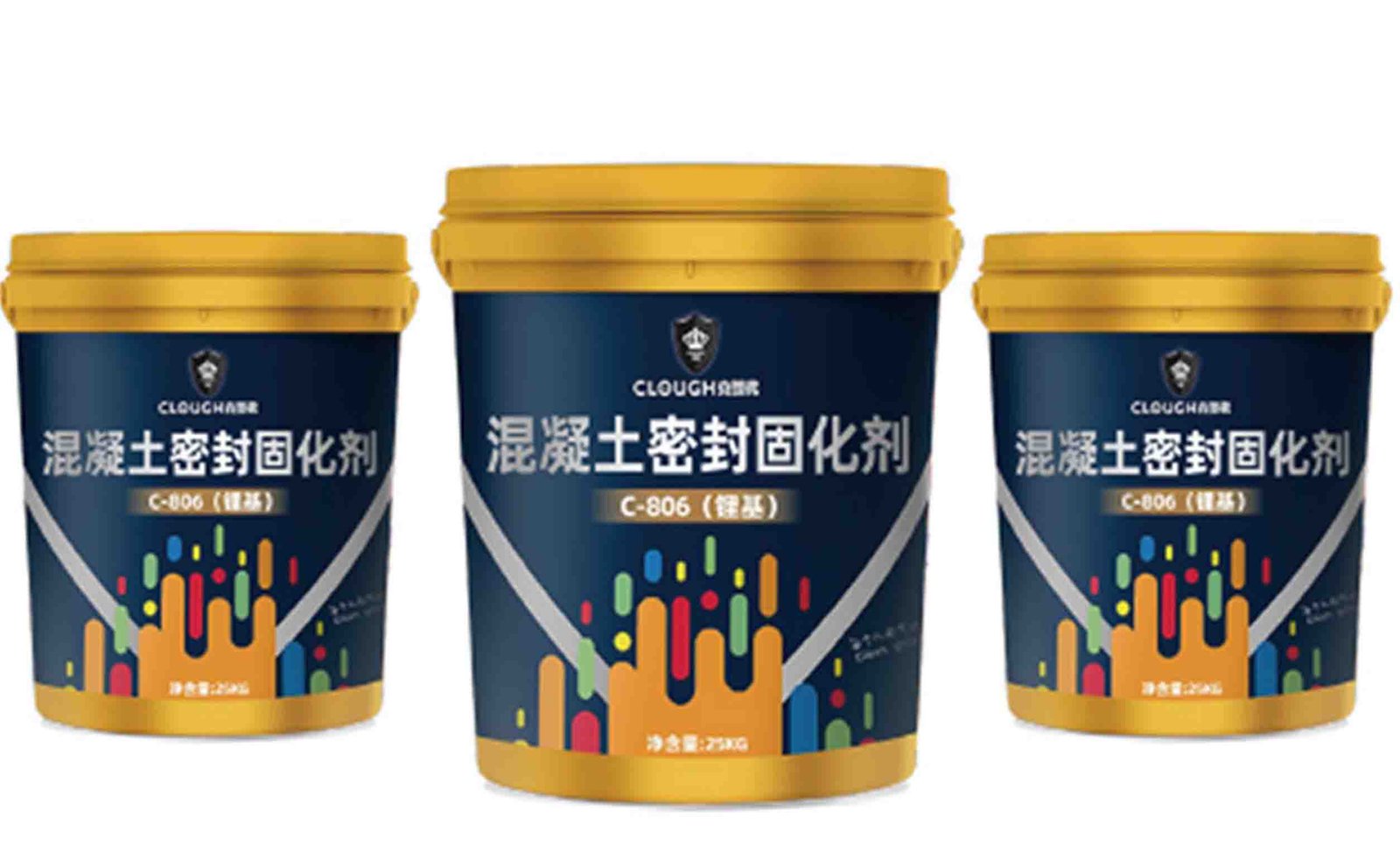
As an eco-friendly inorganic film-forming agent, liquid lithium silicate serves as the core base material for manufacturing high-grade inorganic fireproof coatings, weather-resistant coatings and architectural protective coatings.
Its excellent film-forming property and ultra-high weather resistance allow the cured coating layer to form a dense, hard and breathable inorganic protective film. The coating features strong adhesion to cement substrates, metal surfaces and wall bases, with outstanding anti-aging, UV-resistant and stain-resistant performance.
In addition, lithium silicate-based coatings are free of volatile organic compounds (VOCs), non-toxic and harmless, and possess excellent high-temperature resistance, which can maintain stable protective performance in long-term high-temperature and harsh outdoor environments.
It is widely used in exterior wall finishing, industrial equipment surface protection and high-temperature resistant coating engineering.
Core Properties of Potassium Silicate Inorganic Coatings
Learn about the core properties in potassium silicate inorganic coatings: film formation mechanism, substrate adhesion, hydrophobicity, compatibility & weather resistance. Explore formulation pitfalls, modification and construction tips for mineral silicate coatings.
Potassium Silicate Paint: Formulation, Properties & Applications for Architectural Mineral Surfaces
Potassium silicate paint is a mineral-based paint system that uses potassium silicate as an inorganic binder. It is widely associated with mineral and silicate paints for suitable masonry, mineral plaster, concrete and other mineral building surfaces. What Is Potassium Silicate Paint? What is potassium silicate paint? Potassium silicate is an inorganic silicate salt…
Potassium Silicate Coating for Inorganic & Mineral Coatings
Potassium silicate coating refers to coating systems that use potassium silicate as the core inorganic binder. Potassium silicate coatings deliver unique performance advantages that organic alternatives cannot replicate for mineral building substrates.
Potassium Silicate (Potassium Water Glass): 5 Reasons It’s the Core Film Forming Material for High-performance Inorganic Coatings
Potassium silicate (chemical formula K₂O·nSiO₂), commonly known as potassium water glass, is the core film-forming substance for manufacturing high-grade inorganic coatings and holds an irreplaceable position in the high-end coating field. As a high-performance film forming material, it outperforms traditional organic coating resins and sodium water glass in many aspects. Compared with traditional organic coating…
Building Surface Protection
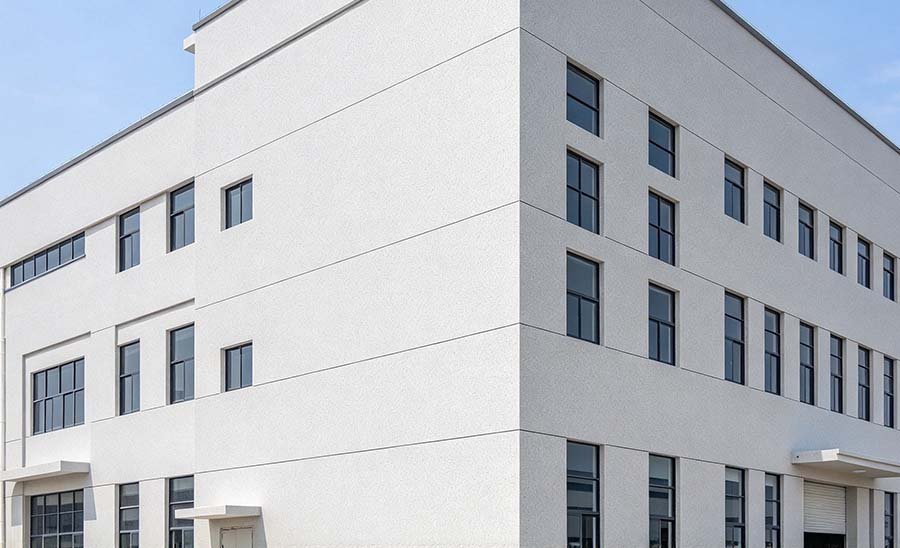
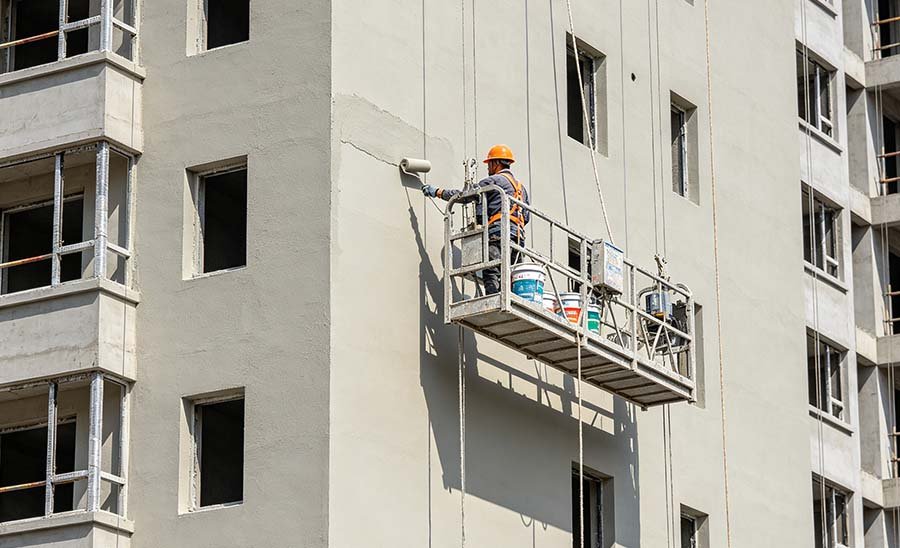
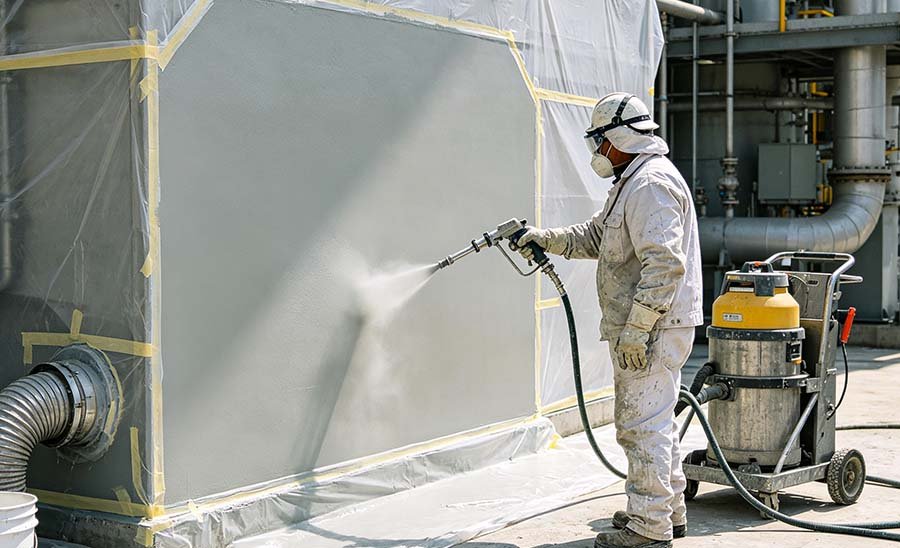
In the field of building protection, lithium silicate is mainly used for surface hardening, anti-weathering and anti-efflorescence treatment of new and old buildings, stone materials and cement-based building materials.
It can effectively improve the surface compactness and wear resistance of building walls, floor tiles and concrete components, solve common building problems such as surface powdering, sanding and weathering peeling. Its low-shrinkage and high-stability properties ensure no cracking or deformation after long-term use.
Meanwhile, the breathable and transparent protective film formed by lithium silicate will not affect the natural breathing of building substrates, and can effectively resist rain erosion, temperature difference change and atmospheric aging, greatly extending the service life of buildings and stone decorations.
High-performance Refractory Material Industry
Lithium silicate acts as a high-quality inorganic binder in the production of high-performance refractory materials and heat-insulating refractory products.
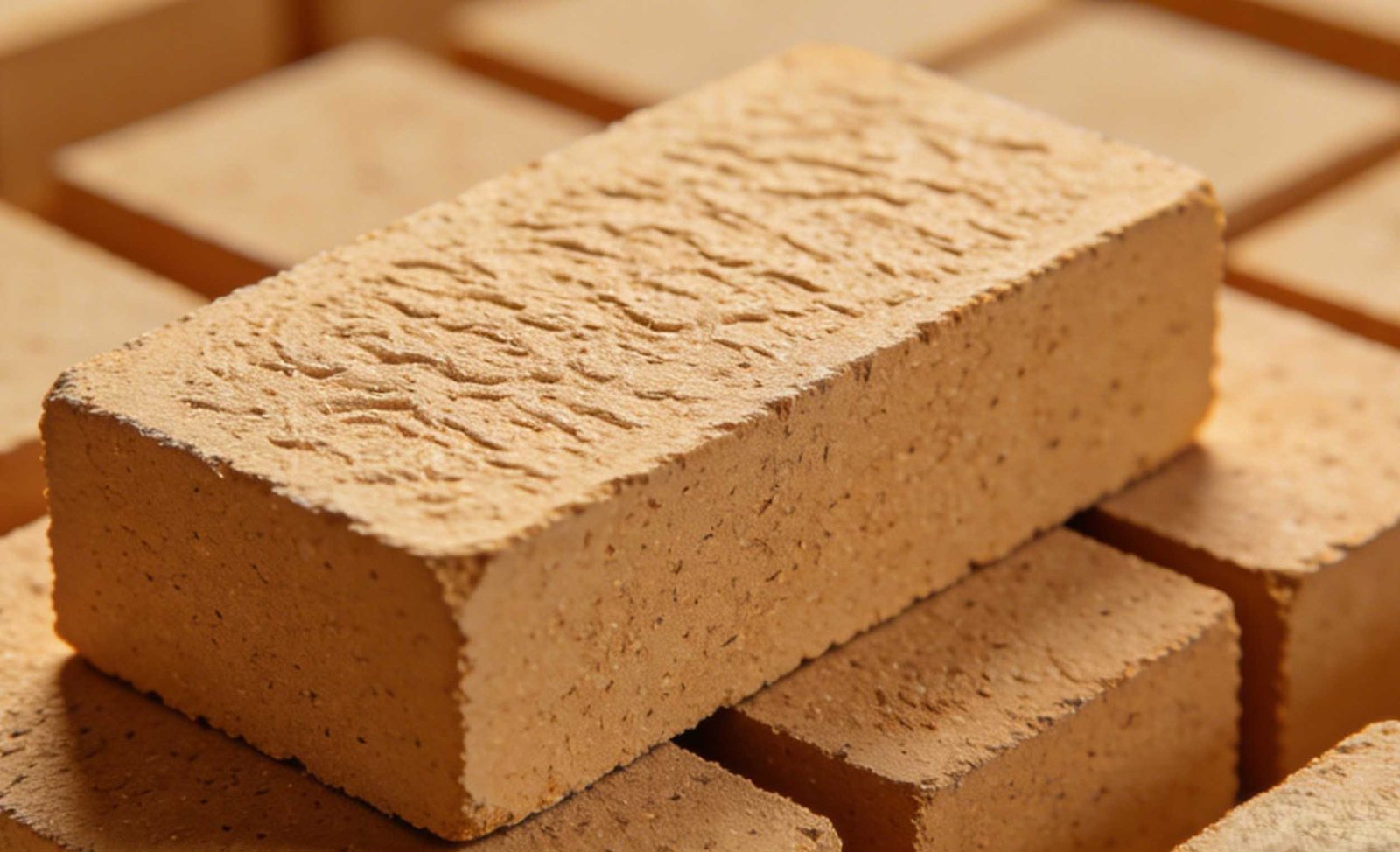
It features excellent high-temperature resistance, strong bonding strength and stable high-temperature dimensional stability. During the production of refractory bricks, refractory castables and heat-insulating materials, lithium silicate can tightly bond refractory aggregate and powder materials.
After curing and high-temperature sintering, it forms a high-strength and high-temperature resistant integral structure, which avoids cracking and loose falling of refractory materials under long-term high-temperature working conditions.
Benefiting from its stable modulus and uniform liquid state, it has good construction fluidity, which can effectively improve the molding quality and high-temperature service performance of refractory products, and is widely used in high-temperature kilns, furnace bodies and industrial thermal equipment refractory engineering.
Potassium Silicate for Fire Resistant Glass and Fire Protection Applications
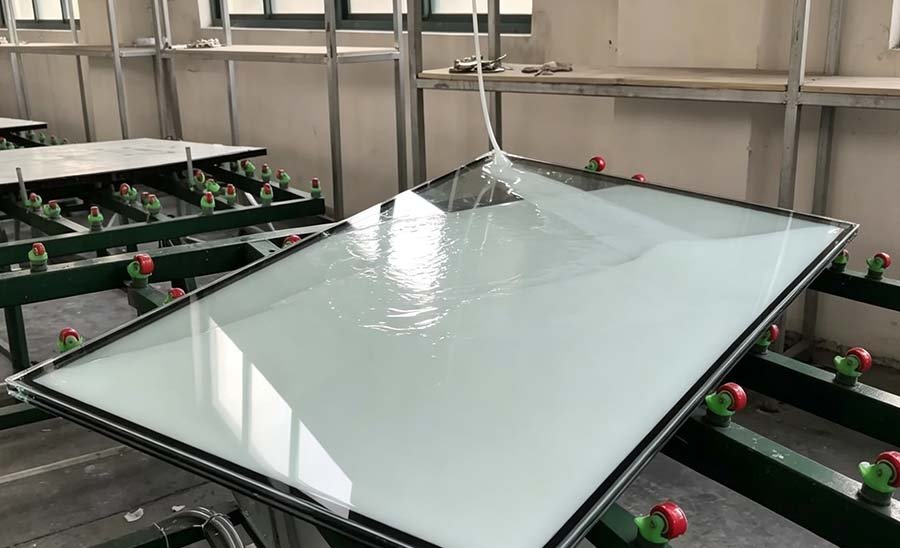
Potassium silicate solution acts as a critical inorganic binder and functional component in select fire‑resistant glass and transparent fire protection formulations. Potassium silicate fire resistant glass systems leverage its excellent film‑forming capability, non‑combustible nature and high‑temperature stability to develop high‑performance transparent fire‑resistant coatings and glass interlayers. As a core raw material, potassium silicate for…
Sodium Silicate Refractory Bricks: 5 Ultimate Advantages for Superior Refractory Brick Strength
Sodium silicate refractory bricks, as core refractory materials in high-temperature industrial fields such as metallurgy, building materials, and chemical engineering, rely on key auxiliary materials for their forming quality and high-temperature resistance performance – sodium silicate (commonly known as water glass). In the production of refractory bricks, water glass mainly serves as a binder, directly…
Advantages of Lithium Silicate
Lithium silicate stands out among inorganic silicate materials due to its superior dimensional stability, lower shrinkage rate and long-term weather resistance compared with conventional sodium silicate and potassium silicate. It integrates high chemical stability, environmental friendliness and excellent mechanical and anti-aging properties, making it a premium raw material for high-grade coatings, industrial anti-corrosion, building protection, concrete reinforcement and high-performance refractory industries.
Ultra-Low Shrinkage and Excellent Dimensional Stability
With a stable modulus of 4.8–4.9, lithium silicate features an extremely low curing shrinkage rate, which is far superior to sodium silicate and common potassium silicate. During the film-forming and hardening process, it will not cause substrate deformation, surface cracking or peeling.
This excellent dimensional stability ensures the long-term integrity and flatness of cured coatings and concrete reinforced layers, effectively solving the common quality defects of traditional water glass materials and greatly improving the overall construction finish quality.
Outstanding Long-Term Weather and Aging Resistance
Lithium silicate possesses exceptional UV resistance, temperature difference resistance and atmospheric corrosion resistance. After complete curing, it forms a dense and inert inorganic silicon-oxygen network structure, which can resist long-term outdoor exposure, severe cold, high temperature and rainy erosion.
It will not age, fade or pulverize over time, providing durable protection for building substrates, metal equipment and refractory materials, and significantly extending the service life of terminal products and engineering facilities.
High Chemical and Alkaline Stability
Different from conventional alkali silicates, lithium silicate has mild alkalinity and extremely stable chemical properties after curing. It does not undergo secondary chemical reactions with air components or substrate materials, and effectively avoids common problems such as surface efflorescence, alkali precipitation and substrate corrosion.
Its stable structural performance enables it to adapt to various complex industrial and construction environments, maintaining stable protective and reinforcing effects for a long time.
Superior Hardness and Mechanical Properties
Lithium silicate can react with active components on the surface of cement and concrete substrates to generate dense hydrated silicate crystals, which significantly improve the surface hardness, abrasion resistance and compression resistance of the substrate.
The cured lithium silicate film is hard and compact with strong structural toughness, effectively resisting mechanical friction, impact damage and surface wear, making it ideal for high-hardness and wear-resistant engineering scenarios such as industrial concrete floors.
Stable Storage and Construction Adaptability
Industrial liquid lithium silicate with 22°Bé and 4.8–4.9 modulus has uniform texture, no precipitation and no stratification. It features excellent storage stability and long shelf life without deterioration. In terms of construction, it has good water solubility and fluidity, suitable for spraying, rolling and brushing construction methods. It can be directly used without complex dilution and proportioning, greatly simplifying the production and construction process and reducing labor and time costs for downstream enterprises.
Technical Articles About Lithium Silicate
Sanlee Lithium Silicate Factory Packing And Supply

As a professional integrated lithium silicate factory and lithium silicate supplier, Sanlee Chemical provides standardized packaging, flexible supply and global delivery services for industrial liquid lithium silicate products.
We have large-scale production bases and sufficient inventory reserves, which can stably supply bulk orders and customized orders to ensure timely delivery for customers worldwide. With stable product parameters of 22°Bé and a modulus of 4.8–4.9, our lithium silicate maintains consistent product quality in every batch, supporting long-term stable cooperation for global industrial customers.
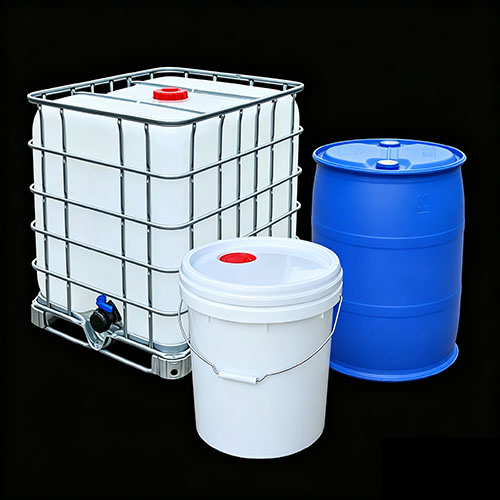
Packaging for Lithium sodium silicate: IBC tanks / 200L plastic drums / 25KG small pails
Frequently Asked Questions
What are the standard specifications of your industrial lithium silicate?
Our industrial liquid lithium silicate features a stable Baumé degree of 22°Bé and a fixed modulus ranging from 4.8 to 4.9. It is a single liquid product with no solid or powdered forms, ensuring stable and consistent performance for industrial applications.
Is lithium silicate different from potassium silicate and sodium silicate?
Yes. Compared with potassium silicate and sodium silicate, lithium silicate has lower shrinkage, better dimensional stability, superior weather resistance and no surface efflorescence after curing. It is more suitable for high-end building protection, high-grade coatings and precision anti-corrosion projects.
Does liquid lithium silicate contain VOCs or harmful substances?
No. Lithium silicate is a pure inorganic water-based material with zero VOCs, non-toxic, harmless and non-polluting. It conforms to global environmental protection standards and is a green industrial raw material for sustainable production.
What construction methods are applicable to liquid lithium silicate?
The product has good fluidity and water solubility, supporting multiple construction methods including brushing, rolling and spraying. It can be used directly without complex proportioning, which greatly simplifies the construction process.
Will lithium silicate crack or peel after curing?
Basically not. With a high and stable modulus of 4.8–4.9, lithium silicate has ultra-low curing shrinkage. It forms a dense and rigid inorganic protective film after curing, with excellent crack resistance and adhesion, and will not peel or deform during long-term use.
Can you provide customized lithium silicate products and services?
Yes. Sanlee Chemical supports both bulk standard orders and personalized customized services. On the premise of stable core parameters, we can adjust individual indicators and provide targeted solutions according to customers’ specific application scenarios.
Get a Free Quote For Industrial Silicate Products!
We believe Sanlee will be your best partner!
Please fill out the form with your contact details or give us a call, and we will get back to you within 24 hours.
For more about Sanlee, please visit our facebook page, Instagram page, and youtube page.