Tel: +86-13630079025 Wechat/Whatsapp:+86-13630079025 Email Address: sales@sanleechem.com

Silicate Refractory Applications
Sanlee Chemicals|Your Trusted refractory binder supplier of sodium silicate refractory binder & water glass refractory.
We supply premium sodium silicate for refractory materials for diverse silicate applications across high‑temperature refractory manufacturing & industrial furnace projects.
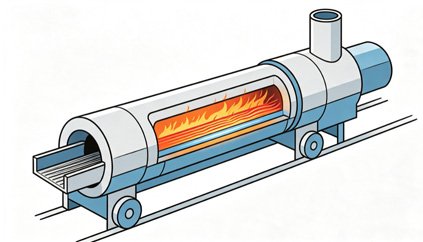
Sodium Silicate for Refractory Materials
Sodium silicate, also known as water glass, is a high‑performance inorganic refractory binder extensively adopted across refractory manufacturing sectors. Valued for outstanding bonding capacity, superior heat resistance and stable chemical performance, sodium silicate for refractory materials serves as a core bonding agent for various high‑temperature refractory components, including refractory bricks, castables, ramming mixes and monolithic furnace linings.
When mixed with refractory aggregates and powders, this water glass refractory binder forms robust inorganic bonding networks after curing and drying. It significantly boosts green strength of pre‑cast refractory parts, reduces material crumbling during handling and installation, and maintains structural integrity under sustained high‑temperature service conditions. Apart from mechanical strength improvement, this refractory binder also delivers good anti‑erosion performance against molten slag and chemical corrosion, extending the service lifespan of refractory linings inside industrial furnaces, kilns and heating equipment.
Customizable modulus and solid‑content grades make sodium silicate for refractory materials adaptable to different refractory formulation requirements. Manufacturers can adjust water glass parameters to match specific construction processes, whether for vibration casting, hand ramming or spray application. For refractory producers, selecting qualified‑grade sodium silicate refractory binder is critical to guarantee consistent finished‑product quality and stable high‑temperature operation of end‑use thermal equipment.
01
Excellent Inorganic Bonding Strength
As a reliable refractory binder, water glass creates tight inorganic bonding networks with refractory aggregates after dehydration curing. It delivers high green strength for refractory bricks, castables and ramming mixes, effectively preventing cracking, chipping or damage during transportation, forming and installation. Sodium silicate for refractory materials ensures pre‑formed refractory parts keep stable shape before formal high‑temperature sintering.
02
Outstanding High‑Temperature Resistance
Featuring stable inorganic chemical structure, this water‑based refractory binder maintains good structural performance under long‑term high‑heat working conditions. It will not decompose easily at furnace operating temperatures, helping refractory linings resist thermal shock from frequent heating‑cooling cycles, and lowering the risk of lining spalling in industrial kilns and furnaces.
03
Good Slag & Chemical Corrosion Resistance
Sodium silicate for refractory materials forms dense bonding phases at elevated temperatures. It improves the compactness of refractory bodies and builds a barrier against molten slag, alkaline fumes and chemical erosion. This property greatly reduces material erosion loss and prolongs the service life of overall refractory linings for high‑temperature equipment.
04
Flexible Formulation & Easy On‑Site Operation
Water glass as a refractory binder supports adjustable modulus and solid‑content grades. Users can customize sodium silicate parameters to fit different refractory formulas and construction workflows, including casting, ramming and spray coating. It mixes smoothly with refractory raw materials without complex pre‑treatment, bringing convenient processing and stable production output for refractory manufacturers.
Types of Sodium Silicate for Refractory Applications
Sodium silicate for refractory materials is supplied in multiple forms to serve diverse refractory production requirements. As a versatile inorganic refractory binder, water glass is mainly differentiated by physical state and silica‑to‑sodium‑oxide modulus.
Different types deliver distinct curing performance, alkali content and high‑temperature behaviours. Selecting the proper type directly impacts green strength, thermal‑shock resistance and anti‑slag performance of finished refractory products. Refractory manufacturers choose between liquid, powder and high‑modulus grades according to their formulas, mixing processes and actual working conditions of furnace linings.
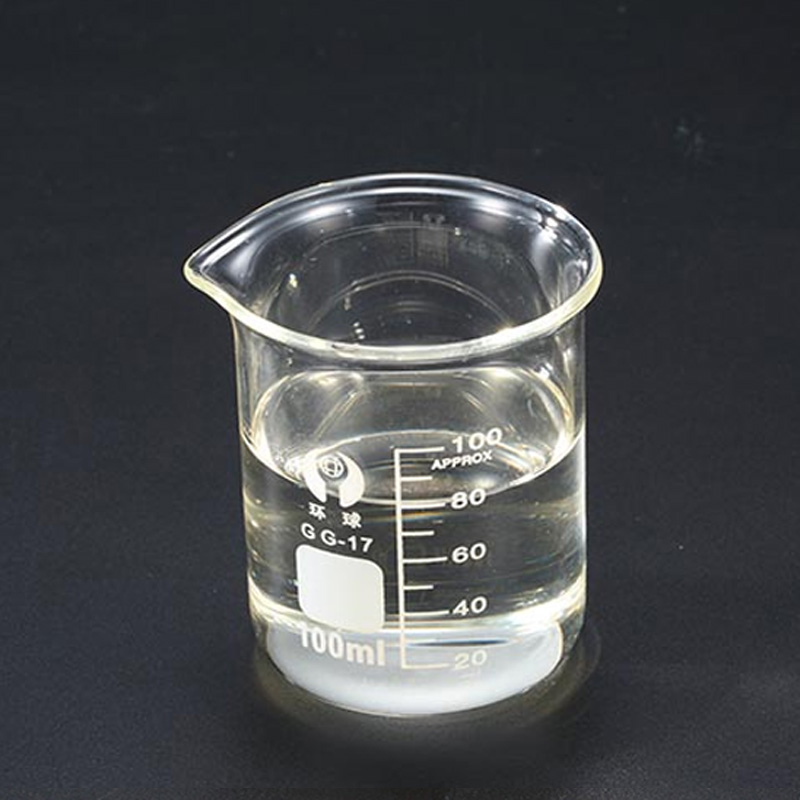
Liquid Sodium Silicate
Liquid sodium silicate, also called water glass, is the most widely‑used refractory binder. It comes as an aqueous solution with adjustable modulus and solid content. Easy to mix directly with refractory aggregates and powders, it suits castables, ramming mixes and spray‑applied refractory linings. No extra dissolving step is needed, which simplifies on‑site batching for refractory production. As mainstream sodium silicate for refractory materials, it delivers stable green strength after air curing.
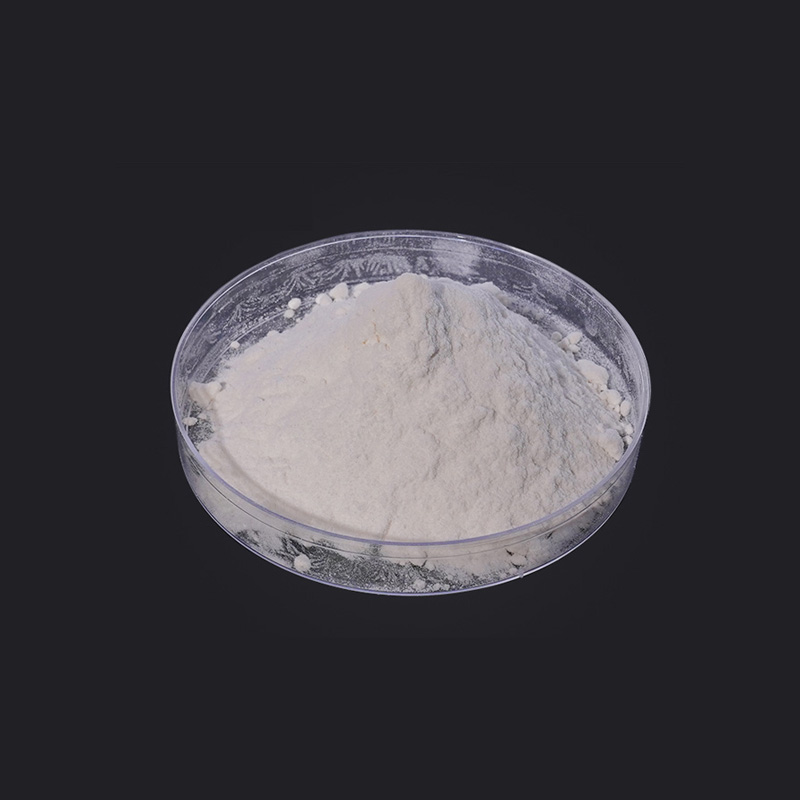
Sodium Silicate Powder
Powder‑form sodium silicate is a solid granular refractory binder. It dissolves rapidly when mixed with water at the production site. Ideal for dry‑mix refractory premixes, it enables convenient storage and long shelf life without leakage. It is perfect for factories that want flexible water addition ratios, especially for small‑batch refractory products and prefabricated refractory components.
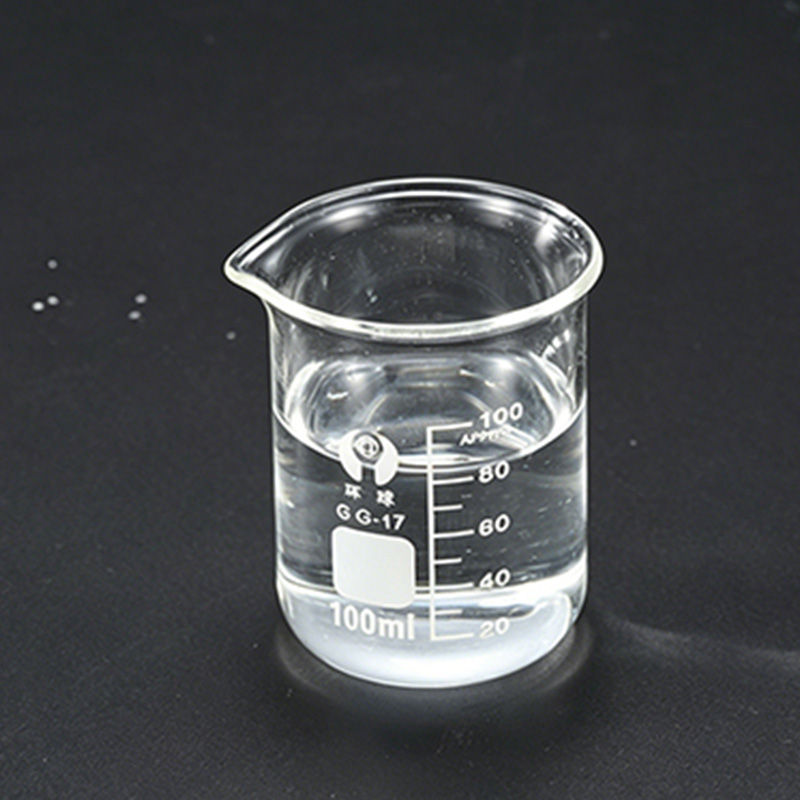
High Modulus Sodium Silicate
High modulus sodium silicate features a higher silica‑to‑sodium oxide ratio. For refractory applications, it offers better high‑temperature stability and lower alkali content. This grade reduces risk of alkali‑related spalling and over‑firing defects in refractory bodies. High modulus sodium silicate for refractory materials is preferred for heavy‑duty kiln linings working under severe thermal cycling and slag corrosion conditions.
Applications of Silicate Refractory Materials
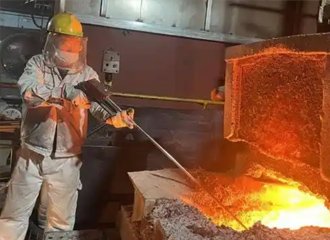
Foundry Industry
Sodium silicate is used as a binder for foundry sand molds and cores, providing good strength and dimensional stability during metal casting processes.
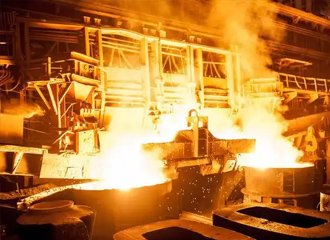
Steel and Metallurgy
Sodium silicate acts as a reliable bonding agent for sodium silicate furnace lining, widely adopted for furnace repair, refractory coatings and protective layers, maintaining structural stability under intense heat in metallurgical production.
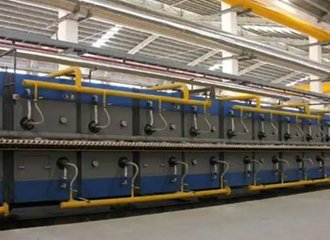
Ceramic Industry
As a functional silicate binder for ceramics, sodium silicate supports ceramic forming and the manufacturing of refractory products, enhancing green strength and shaping performance for ceramic‑refractory blanks before sintering.
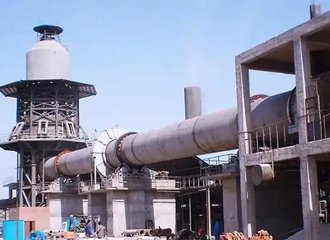
Kiln and High Temperature Equipment
Working as a high temperature refractory binder, sodium silicate bonds aggregates for industrial kiln and heat‑resistant materials, securing the integrity of linings under continuous high‑temperature operating environments.
Recommended Reading

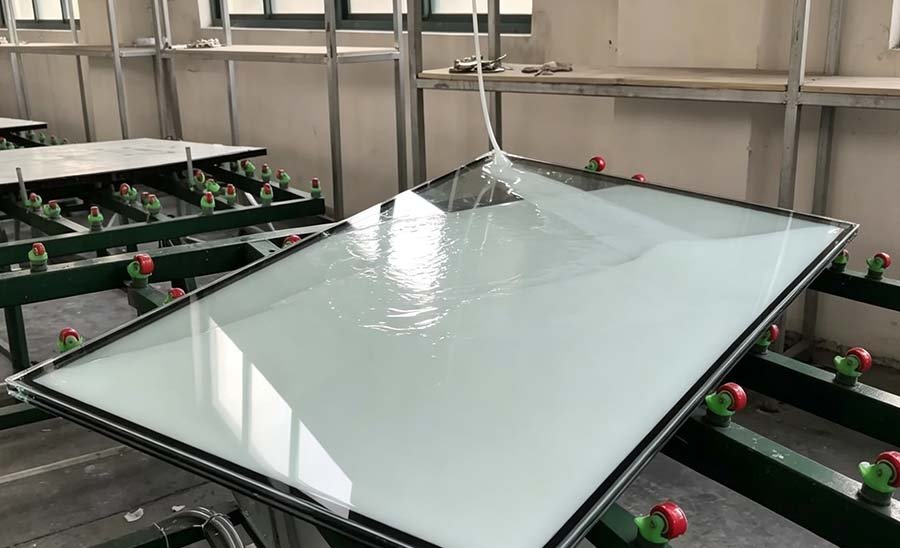
Potassium Silicate for Fire Resistant Glass and Fire Protection Applications
Potassium silicate solution acts as a critical inorganic binder and functional component in select fire‑resistant glass and transparent fire protection formulations. Potassium silicate fire resistant glass systems leverage its excellent film‑forming capability, non‑combustible nature and high‑temperature stability to develop high‑performance transparent fire‑resistant coatings and glass interlayers. As a core raw material, potassium silicate for…

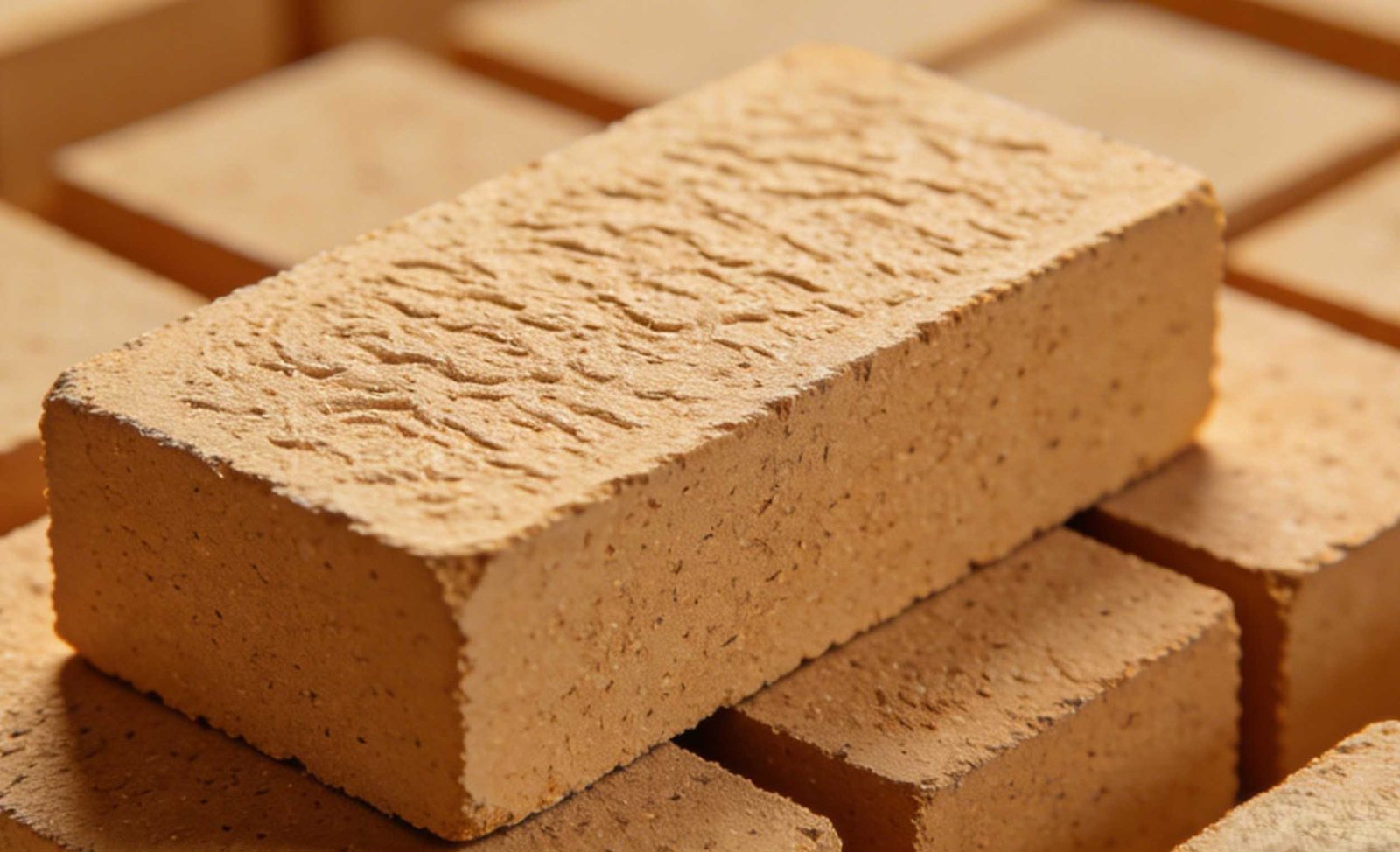
Sodium Silicate Refractory Bricks: 5 Ultimate Advantages for Superior Refractory Brick Strength
Sodium silicate refractory bricks, as core refractory materials in high-temperature industrial fields such as metallurgy, building materials, and chemical engineering, rely on key auxiliary materials for their forming quality and high-temperature resistance performance – sodium silicate (commonly known as water glass). In the production of refractory bricks, water glass mainly serves as a binder, directly…
Benefits of Sodium Silicate as Refractory Binder
| Advantage | Description |
| High bonding strength | Improves material cohesion |
| Heat resistance | Suitable for high-temperature environments |
| Chemical stability | Resistant to many industrial conditions |
| Easy application | Compatible with various refractory formulations |
| Cost-effective | Economical inorganic binder solution |
How Sodium Silicate Works in Refractory Materials
Sodium Silicate Mixing
As a professional refractory binder supplier, Sanlee Chemicals provides premium sodium silicate for refractory materials, which is evenly mixed with refractory aggregates and powders to form a uniform raw material mixture for subsequent bonding reactions.
Binding Reaction
The blended water glass refractory triggers a mild chemical reaction under natural curing conditions, releasing adhesive activity and laying the foundation for combining refractory raw particles.
Gel Formation
With moisture evaporation and chemical crosslinking, the material forms a stable inorganic silica gel network, which is the core intermediate structure of the entire refractory bonding mechanism.
Particle Bonding
The gel network tightly wraps and connects scattered refractory particles, realizing solid inter-particle bonding and eliminating loose and crumbling problems of refractory blanks.
High Strength Refractory Structure
After complete curing and high-temperature stabilization, the sodium silicate refractory binder forms a dense, high-strength, heat-resistant integral structure, adapting to long-term high-temperature industrial working conditions.
Frequently Asked Questions (FAQ)
What is sodium silicate used for in refractory materials?
Sodium silicate for refractory materials acts as the core inorganic bonding agent. It bonds refractory aggregates and powders, improves the green strength and molding stability of refractory products, and enhances the overall compactness, corrosion resistance and service life of high-temperature refractory structures.
Can sodium silicate withstand high temperatures?
Absolutely. Qualified sodium silicate refractory binder possesses excellent thermal stability. It will not decompose or fail at conventional industrial furnace temperatures, effectively resisting thermal shock and high-temperature oxidation, and maintaining stable structural bonding performance of refractory linings for a long time.
What core factors should I prioritize when choosing a silicate binder?
When selecting a silicate binder, prioritize modulus stability, solid content, high-temperature resistance and bonding strength. It is also critical to cooperate with a reliable refractory binder supplier like Sanlee Chemicals to ensure batch consistency and professional technical support for refractory formulation matching.
Is sodium silicate environmentally friendly?
Yes. As a typical inorganic water-soluble binder, water glass refractory features non-toxic, pollution-free and low-carbon properties. It contains no harmful organic components, produces no volatile substances during curing and high-temperature use, and meets industrial environmental protection standards, making it a green bonding material for refractory production.
What is the working principle of sodium silicate refractory binder?
It relies on water evaporation and silica gel crosslinking reaction to form a dense inorganic network structure. This mechanism tightly locks refractory particles, solves the problems of loose molding and easy peeling of refractory blanks, and finally forms high-strength and heat-resistant refractory components after curing.
What types of refractory products suit sodium silicate binder?
Sodium silicate binder is widely applicable to various refractory products, including refractory castables, ramming mixes, spray coatings, refractory bricks and furnace lining protective layers. It adapts to multiple construction processes and meets the production needs of most high-temperature industrial refractory facilities.
How to improve the service life of sodium silicate refractory structures?
To extend service life, select matched modulus and solid content grades of sodium silicate, control scientific curing time, and cooperate with stable raw material formulas. Standardized mixing and construction can maximize the high-temperature resistance and anti-corrosion performance of silicate refractory structures.
Get a Free Quote For Industrial Silicate Products!
We believe Sanlee will be your best partner!
Please fill out the form with your contact details or give us a call, and we will get back to you within 24 hours.
For more about Sanlee, please visit our facebook page, Instagram page, and youtube page.