Tel: +86-13630079025 Wechat/Whatsapp:+86-13630079025 Email Address: sales@sanleechem.com

Silicate Adhesives & Silicate Binders
Silicate adhesives and silicate binders are inorganic bonding materials with extensive silicate applications in foundry, refractory, construction and industrial applications. Sanlee Chemical supplies high-quality sodium silicate and potassium silicate solutions for manufacturers requiring strong bonding performance, heat resistance and chemical stability.
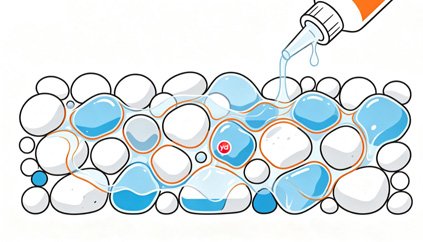
What Are Silicate Adhesives and Silicate Binders
Silicate adhesives and binders are inorganic materials formulated from alkali silicates, with sodium silicate adhesive and potassium silicate serving as the primary raw materials. Widely recognised as high-performance inorganic binders, they form solid, continuous bonding structures after curing to connect different substrates. Among common varieties, sodium silicate binder is extensively used in traditional industrial sectors, while potassium silicate binder performs better in scenarios demanding enhanced weather resistance.
01
Excellent bonding strength
They deliver reliable adhesion to various inorganic substrates, creating firm bonding interfaces and stable mechanical performance.
02
Outstanding heat resistance
Unlike organic adhesives, silicate binders maintain structural integrity under high-temperature conditions without easy decomposition.
03
Good chemical stability
The cured silicate matrix resists corrosion by many common chemical media, resisting erosion in complex service environments.
04
Non-flammable property
As fully inorganic systems, they do not burn or release flammable vapours when exposed to fire, featuring superior fire safety.
Types of Silicate Adhesives and Silicate Binders
Silicate adhesives and binders are categorized according to alkali metal cation types. The most mainstream variants include Sodium Silicate Adhesive & Binder, Potassium Silicate Binder, and Lithium Silicate Solutions.
Sodium Silicate Adhesive & Binder is the most cost-effective option, featuring strong bonding strength, and is widely adopted in casting, refractory materials and general inorganic bonding applications.
Potassium Silicate Binder boasts superior heat resistance and weathering performance compared to sodium silicate types, making it suitable for high-temperature working conditions and outdoor exposed components.
Lithium Silicate Solutions exhibit excellent water resistance after curing. They are commonly applied as surface penetrative sealers, floor hardeners and high-grade coating binders.
Collectively, these alkali silicate products belong to the family of inorganic binders, covering diversified industrial demands from ordinary bonding to high-end anti-corrosion and surface
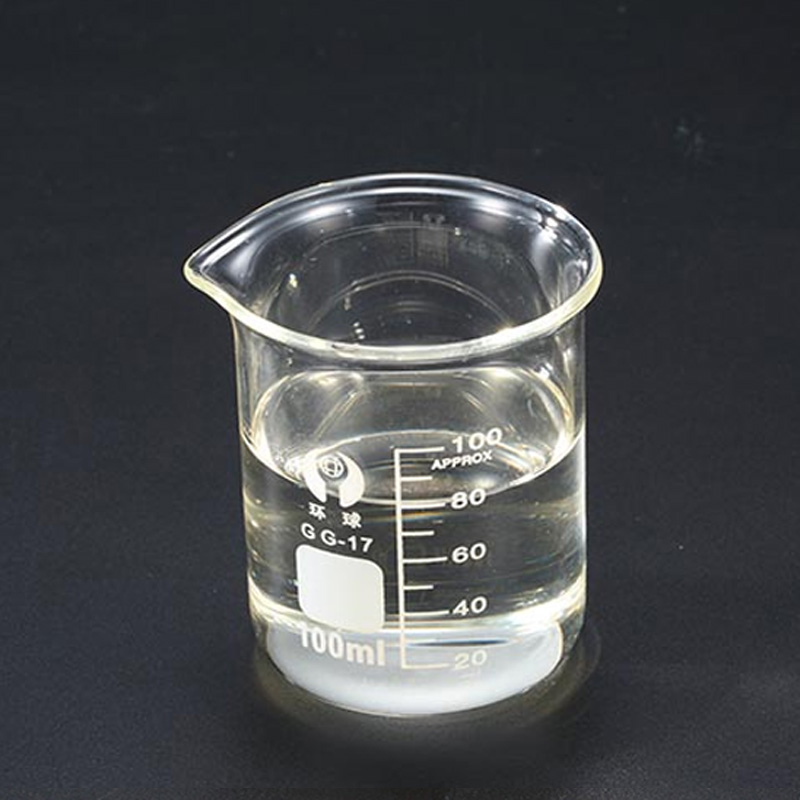
Sodium Silicate Adhesive & Binder
Liquid sodium silicate is widely used as an inorganic adhesive and binder in foundry, refractory materials, construction and industrial applications.
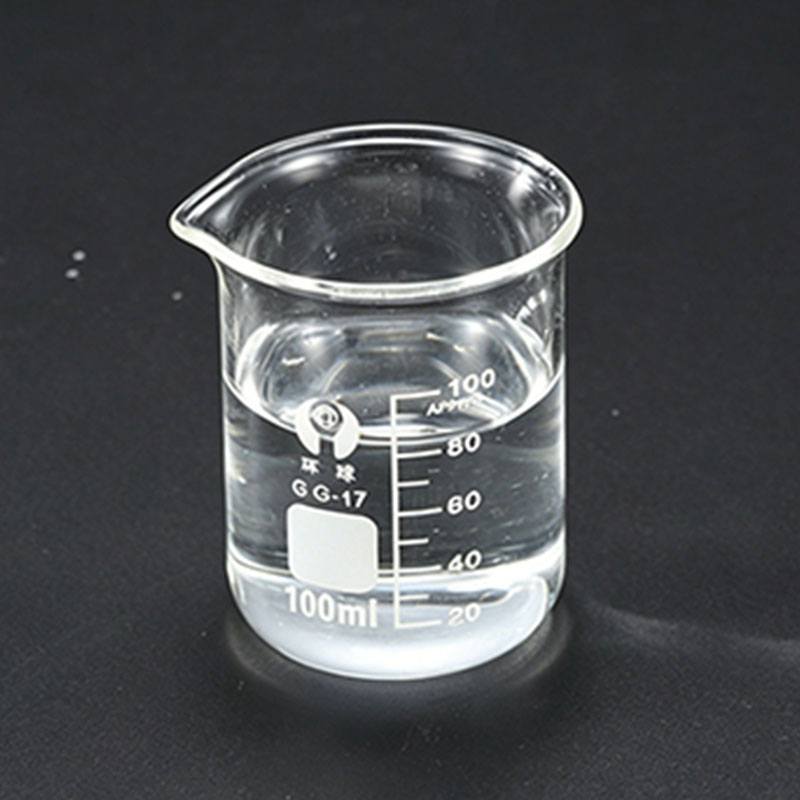
Potassium Silicate Binder
Potassium silicate provides excellent bonding properties, heat resistance and durability for inorganic coatings, welding electrodes and refractory applications.
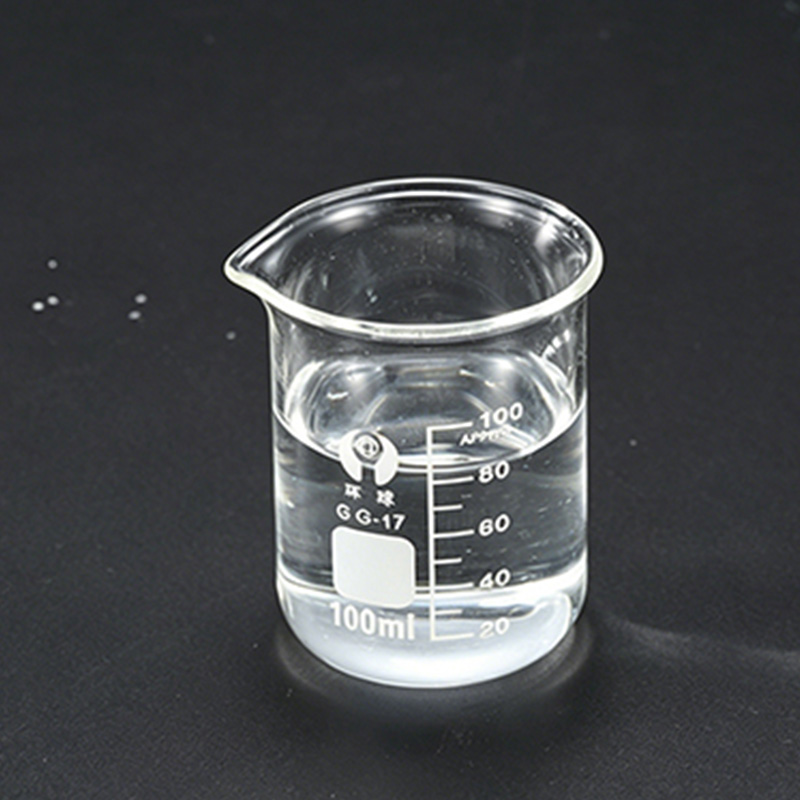
Lithium Silicate Solutions
Lithium silicate is mainly used for concrete densification and surface strengthening applications.
Applications of Silicate Adhesives and Silicate Binders
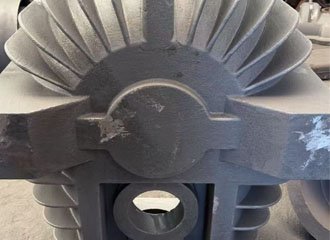
Foundry Binder Applications
Sodium silicate binders are widely used in foundry processes as inorganic binders for sand casting molds and cores.
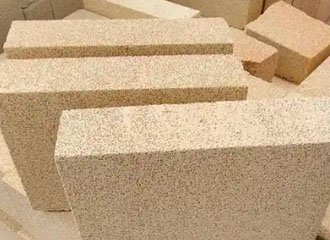
Refractory Material Bonding
Silicate binders provide excellent high-temperature resistance for refractory bricks, ceramics and insulation materials.
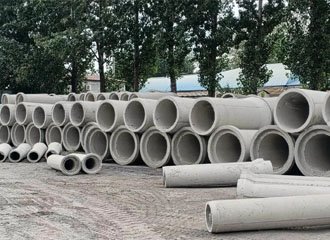
Construction Adhesives
Sodium silicate is used as an inorganic adhesive in construction materials due to its strong bonding properties and durability.
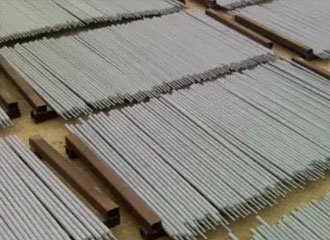
Welding Electrode Manufacturing
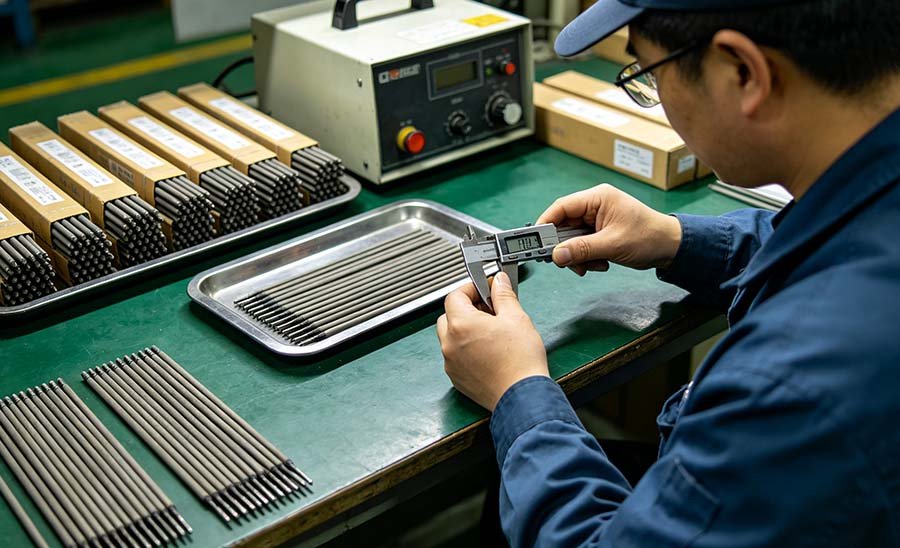
Potassium silicate is commonly used as a binder in welding electrode production.
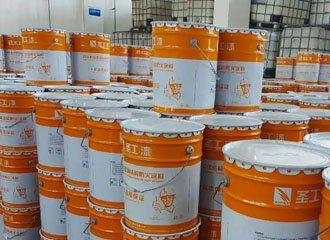
Industrial Coatings
Potassium silicate binders are widely applied in inorganic coatings and mineral paints.
Recommended Reading

Potassium Silicate vs Sodium Silicate: Why Potassium Is the Superior High-Temperature Coating Binder
In the high-temperature resistant coating systems (such as chimney inner walls, boilers, kilns, high-temperature pipes, petrochemical heating furnaces, melting equipment), the adhesive determines the “framework” of the coating, so selecting the right high-temperature coating binder is the first step toward a durable system. Sodium-based silicate (water glass) is the mainstream inorganic adhesive, classified into…
Potassium Silicate Binder
Potassium silicate binder for coatings, welding electrodes, refractory and foundry applications. SanLee Chemicals supplies customized grades, TDS, SDS and COA.
Potassium Silicate for Welding Electrodes
Potassium silicate is a key inorganic binder widely used within welding consumables production. In welding applications, it acts as a core functional material for electrode coating formulations. Potassium silicate welding electrode manufacturers rely on this material to bind dry mineral powders onto metal core wires. It delivers critical inorganic bonding strength and processing stability…

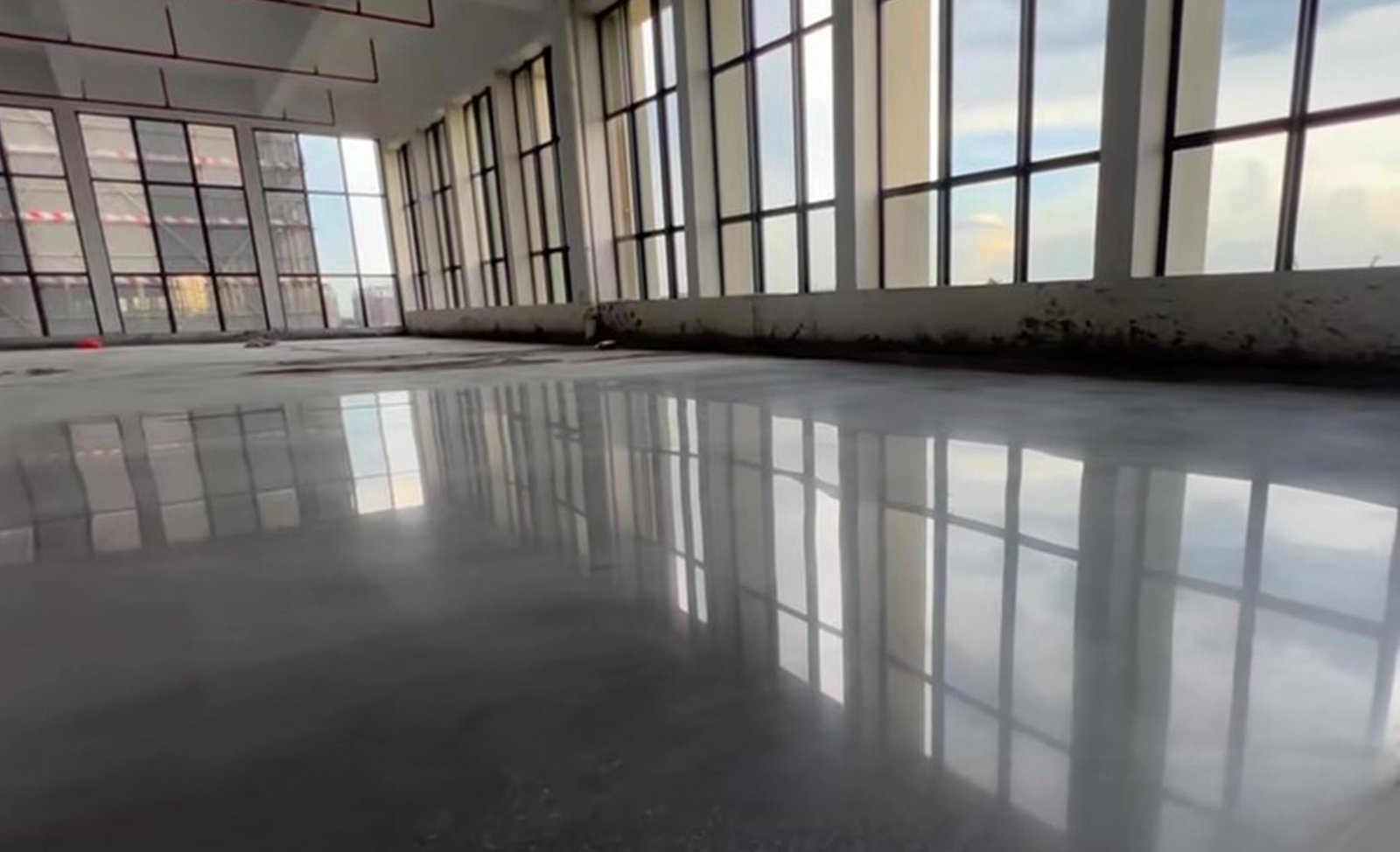
2 Hidden Issues Why Your Floor Coating Fails to Achieve a Flawless Mirror-Like Finish
When doing the floor coating, why do some people end up with a smooth and bright finish like a mirror, while others end up with a dull and lackluster result, or even with blemishes and roughness? The truth is not complicated. Most people fail in two key steps: they overlook the core details of the…
Why Choose Silicate Binders?
| Property | Benefit |
| High temperature resistance | Suitable for refractory applications |
| Strong bonding | Improves material strength |
| Chemical stability | Long-lasting performance |
| Non-flammable | Safe inorganic solution |
| Eco-friendly | Low VOC alternative |
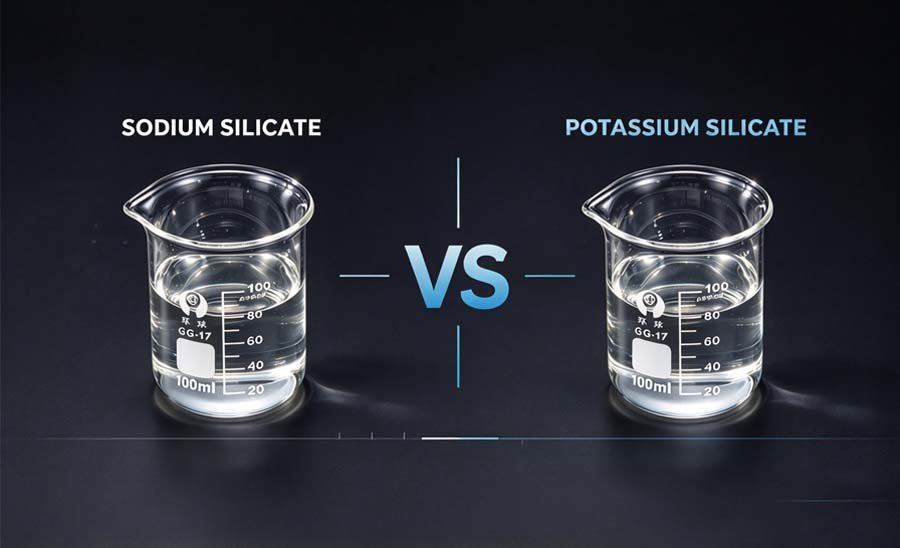
Sodium Silicate vs Potassium Silicate Binder
| Feature | Sodium Silicate | Potassium Silicate |
| Bonding Strength | Excellent initial and final bonding strength; delivers reliable adhesion for most inorganic substrates. | Excellent bonding strength; comparable to sodium silicate, forms denser bonding film under high-temperature conditions. |
| Heat Resistance | High heat resistance, stable at moderate working temperatures. | Higher heat resistance; less tendency to crack or pulverize under continuous high temperature than sodium silicate, ideal for elevated-temperature service environments. |
| Weather & Water Resistance | Acceptable water resistance after curing; extra sealing agent is usually required for long-term outdoor use. | Better weather resistance and anti-efflorescence performance; greatly reduces white bloom phenomenon compared to sodium silicate binders. |
| Film Property | Form rigid solid film after dehydration; prone to shrinkage cracks upon drastic temperature change. | Produces more flexible inorganic film; lower shrinkage rate during drying and heating. |
| Main Applications | Foundry sand binders, building adhesives, refractory materials, mineral bonding, general industrial sealing. | High-temperature protective coatings, welding electrode binders, outdoor refractory products, high-grade inorganic coatings. |
| Cost | Lower raw material cost, economical choice for mass production. | Higher production cost, used for scenarios requiring upgraded performance. |
| Limitations | Easy to generate efflorescence (white salt precipitation) in humid environments. | More expensive, not recommended for cost-sensitive ordinary applications. |
Both sodium silicate and potassium silicate serve as popular alkali silicate binders. Sodium silicate stands out for cost advantages and sufficient bonding capacity for conventional industries. Potassium silicate provides upgraded heat stability and anti-efflorescence performance, which makes it preferred for high-temperature coatings and outdoor exposed products when budget permits.
How to Select the Right Silicate Binder?
Which silicate is better for foundry applications?
Sodium silicate is commonly selected for foundry binders because of its excellent bonding strength and cost efficiency.
Can potassium silicate be used as an adhesive?
Yes. Potassium silicate provides excellent adhesion and heat resistance for inorganic coatings and industrial applications.
What core factors should I prioritize when choosing a silicate binder?
Focus on operating temperature requirements, water/weather resistance, budget, substrate material, and risk of efflorescence (white bloom). These indicators determine whether to choose sodium, potassium or lithium silicate binder.
When should I pick Sodium Silicate Adhesive & Binder?
Choose sodium silicate for cost-sensitive general applications, including foundry sand binding, common refractory materials and indoor construction bonding, where extreme high-temperature and long-term outdoor exposure are not required.
What applications call for Potassium Silicate Binder?
Select potassium silicate binder for projects demanding superior heat resistance and anti-efflorescence performance, such as welding electrodes, high-temperature inorganic coatings and outdoor refractory components.
What are the key advantages of Lithium Silicate Solutions compared to sodium and potassium silicate?
Lithium silicate delivers outstanding water resistance after curing with minimal efflorescence. It is widely used as concrete penetrative hardeners, floor sealers and high-performance coating binders.
Does the modulus of silicate binder affect my selection?
Yes. Modulus impacts curing speed, viscosity, bonding strength and drying shrinkage. Higher modulus silicates generally offer better water resistance, while low-modulus products feature faster curing.
Get a Free Quote For Industrial Silicate Products!
We believe Sanlee will be your best partner!
Please fill out the form with your contact details or give us a call, and we will get back to you within 24 hours.
For more about Sanlee, please visit our facebook page, Instagram page, and youtube page.