Tel: +86-13630079025 Wechat/Whatsapp:+86-13630079025 Email Address: sales@sanleechem.com

Silicate Coatings Applications
Silicate coatings are inorganic coating systems that use sodium silicate, potassium silicate or lithium silicate as binders. They provide excellent adhesion, durability, heat resistance and mineral compatibility for architectural and industrial coating silicate applications.
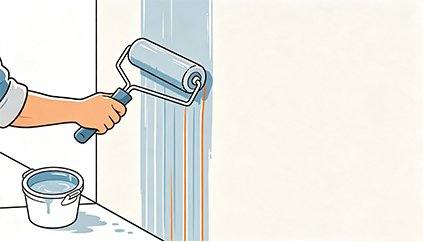
What Are Silicate Coatings?
Silicate coating, also known as mineral coating, is a type of surface protective coating that adopts soluble silicate binder as its core film‑forming component. Water‑soluble silicates (sodium silicate, potassium silicate, lithium silicate etc.) serve as the main raw materials. During the curing process, silicate ingredients chemically react with mineral‑based substrates, generating hard, insoluble silicate networks and forming firmly adhered, long‑lasting protective films on the material surface.
Why Silicate Coatings Belongs To Inorganic Coating
Silicate coating falls into the category of inorganic coating for its chemical nature.
1.Its primary film‑forming substance is silicate binder, which is derived from mineral silica raw materials, composed of inorganic silicon‑oxygen chemical structures, containing no high‑molecular organic polymer backbone.
2.Curing mechanism relies on inorganic chemical reaction: cross‑linking and hardening happen via polycondensation of silicate ions and mineral‑substrate chemical bonding, instead of organic polymer chain formation.
3.Final cured film consists of inorganic silicate mineral phases, matching the core definition of inorganic / mineral coating.
Differences Between Silicate Coatings (Inorganic/Mineral Coating) Vs Acrylic Coating / Organic Coating
| Item | Silicate coating (Inorganic / Mineral coating) | Acrylic coating (Typical organic coating) |
| Main binder | Silicate binder (soluble silicates, inorganic silicon‑oxygen structure) | Acrylic polymer, organic high‑molecular resin |
| Curing principle | Inorganic polycondensation & chemical reaction with mineral substrate; forms mineral‑level bonding | Solvent/water evaporation + organic polymer particle coalescence; physical film‑forming |
| Chemical composition | Inorganic silicate mineral network, no organic polymer backbone | Carbon‑chain organic polymer as continuous film matrix |
| High‑temperature resistance | Excellent, non‑flammable, heat‑stable | Limited heat resistance, prone to softening or burning under high temperature |
| Permeability | High vapor permeability, allows substrate moisture to escape | Relatively low vapor permeability |
| Adhesion mode | Chemical mineral‑bonding with mineral substrates | Mainly physical adhesion |
| Weathering performance | Superior UV‑resistance, hardly ages or yellows | Good outdoor performance but subject to gradual UV ageing and chalking |
Core Four Advantages of Silicate Coatings
01
Superior Inorganic Adhesion
Different from organic coatings’ physical adhesion, silicate coatings react chemically with mineral substrates via silicate binders, forming integrated silicon-oxygen mineral bonds. It avoids peeling, flaking and hollowing, with ultra-stable bonding strength.
02
Excellent Weather Resistance & Durability
As typical inorganic/mineral coatings, they have no organic polymer structure. They resist UV radiation, aging, fading and cracking under extreme weather. The service life is 2-3 times longer than acrylic organic coatings.
03
High Vapor Permeability & Mildew Resistance
The porous mineral film allows internal wall moisture to escape freely while preventing external rainwater penetration. It effectively solves wall dampness, efflorescence and mildew problems, keeping the substrate dry long-term.
04
Fireproof & Eco-friendly
Pure inorganic formula features non-flammability and high temperature resistance, no toxic fumes when exposed to fire. Free of formaldehyde, benzene and VOCs, it is a green and safe coating for architectural decoration and protection.
Types of Silicate Coatings
Silicate coatings are inorganic coating systems that use soluble silicates as binders. Depending on the type of silicate used, silicate coatings can be classified into sodium silicate coatings, potassium silicate coatings and lithium silicate coatings.
Each type offers different properties and is selected according to the coating application, substrate requirements and performance needs.
Sodium Silicate Coatings
Sodium silicate coatings use liquid sodium silicate as an inorganic binder to improve adhesion, heat resistance and chemical stability. They are commonly used in refractory coatings, foundry coatings and industrial protective coatings where high temperature resistance and inorganic properties are required.
Potassium Silicate Coatings
Potassium silicate coatings are widely used in mineral paints and architectural coatings due to their excellent weather resistance, breathability and compatibility with mineral surfaces. Potassium silicate acts as a high-performance inorganic binder that forms a durable coating layer through chemical bonding with substrates.
Lithium Silicate Coatings
Lithium silicate coatings are mainly used for concrete surface protection and densification applications. Due to their small molecular size and excellent penetration ability, lithium silicate can react with concrete components to improve surface hardness, durability and resistance to abrasion.
Applications of Silicate Coatings
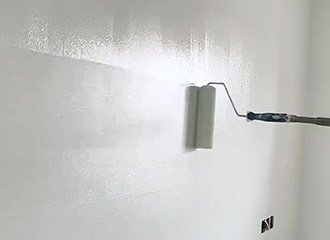
Architectural Mineral Coatings
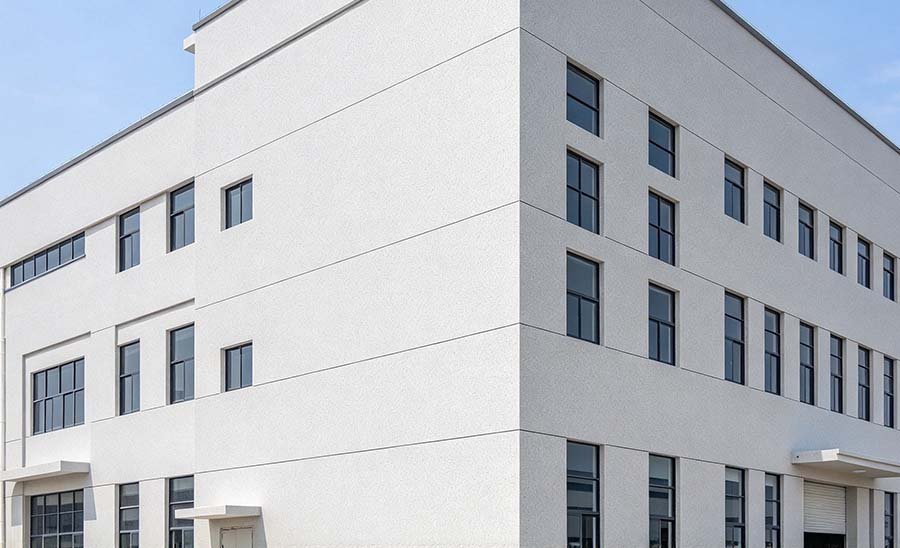
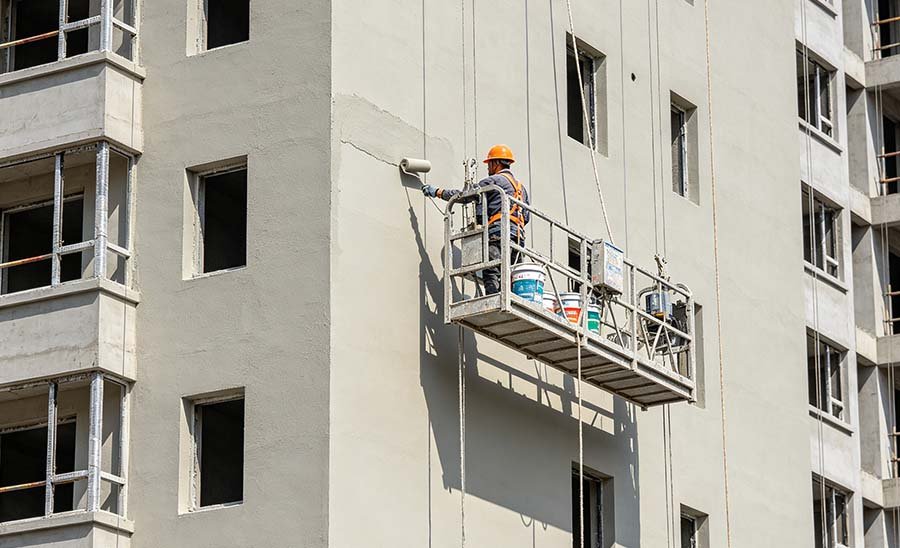
As professional silicate wall coating materials, architectural mineral coatings are specially developed for building surface decoration and long-term protection. Relying on premium inorganic coating binder systems, different from traditional organic wall paints, they form firm chemical bonds with cement, masonry and mineral wall substrates, effectively solving common wall problems including peeling, fading, chalking and mildew.
With high vapor permeability, excellent weather resistance and pure eco-friendly mineral formula, they are perfectly suitable for new building exterior wall decoration, old wall renovation and cultural relic & ancient building restoration projects, maintaining a natural and stable wall effect for decades.
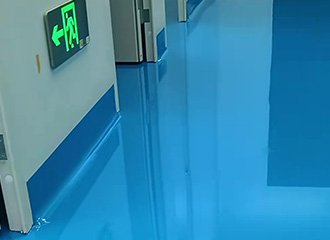
Concrete Protective Coatings
Concrete silicate coatings are professional inorganic protective materials for concrete substrate reinforcement and anti-aging treatment, mainly based on advanced lithium silicate coating technology. They can penetrate deep into the concrete interior, react with free calcium ions in concrete to produce insoluble silicate crystals, effectively densifying the concrete structure.
This significantly improves the hardness, wear resistance, anti-permeability and anti-carbonization performance of concrete surfaces. Serving as an efficient concrete surface hardener and densifier, it is widely used for concrete floor protection, bridge and road concrete reinforcement, and industrial concrete substrate long-term maintenance.
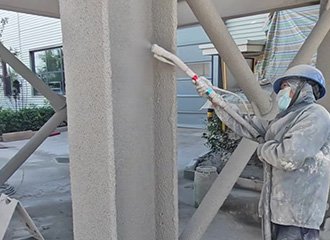
Industrial Protective Coatings
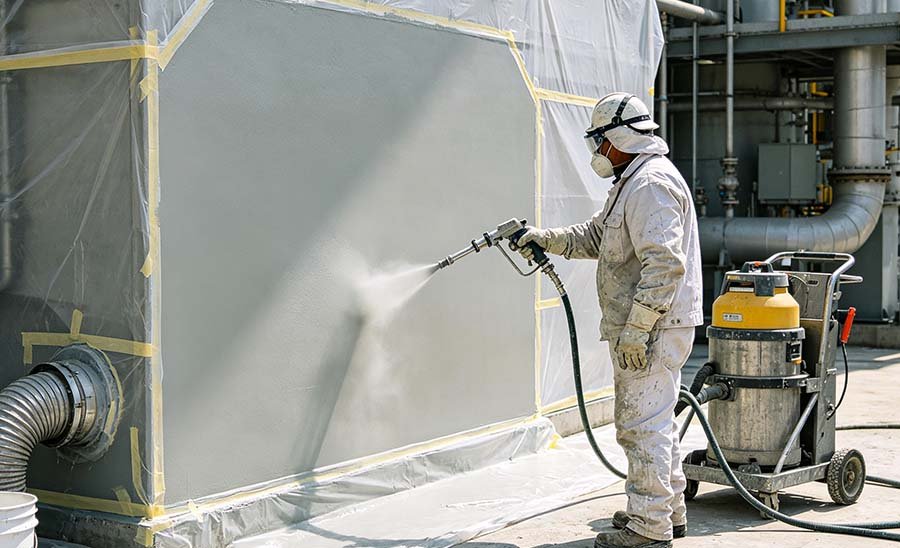
Industrial silicate coatings are high-performance inorganic protective coatings tailored for harsh industrial environments, formulated with stable potassium silicate for coatings raw materials. With excellent high-temperature resistance and chemical corrosion resistance, they can withstand long-term high-temperature baking of furnaces and effectively resist erosion of acid, alkali, salt and various industrial chemical media.
The inorganic mineral film will not burn, soften or decompose under high temperature, and can form a stable protective layer on metal and industrial equipment surfaces. It is widely applied in high-temperature furnace equipment, chemical industrial equipment, mechanical metal parts and other scenarios, providing reliable anti-corrosion, heat-resistant and anti-aging long-term protection for industrial facilities.
Refractory Coatings
Silicate-based refractory coatings are professional high-temperature resistant inorganic coatings mainly formulated with sodium silicate for coatings systems, using high-purity silicate materials as refractory coating binders. Featuring ultra-high temperature resistance, strong sintering stability and excellent thermal insulation performance, the coating can form a dense, hard and heat-resistant inorganic protective film after curing and high-temperature sintering.
It effectively resists ultra-high temperature scouring, molten metal erosion and thermal shock damage, avoiding substrate oxidation, burning loss and deformation under extreme high-temperature working conditions. Widely applicable to foundry and casting industry scenarios, it provides stable refractory protection for casting molds, furnace linings and casting equipment, optimizing casting molding quality and extending the service life of high-temperature casting facilities.
Recommended Reading

Core Properties of Potassium Silicate Inorganic Coatings
Learn about the core properties in potassium silicate inorganic coatings: film formation mechanism, substrate adhesion, hydrophobicity, compatibility & weather resistance. Explore formulation pitfalls, modification and construction tips for mineral silicate coatings.
Potassium Silicate Paint: Formulation, Properties & Applications for Architectural Mineral Surfaces
Potassium silicate paint is a mineral-based paint system that uses potassium silicate as an inorganic binder. It is widely associated with mineral and silicate paints for suitable masonry, mineral plaster, concrete and other mineral building surfaces. What Is Potassium Silicate Paint? What is potassium silicate paint? Potassium silicate is an inorganic silicate salt…
Potassium Silicate Coating for Inorganic & Mineral Coatings
Potassium silicate coating refers to coating systems that use potassium silicate as the core inorganic binder. Potassium silicate coatings deliver unique performance advantages that organic alternatives cannot replicate for mineral building substrates.

Potassium Silicate (Potassium Water Glass): 5 Reasons It’s the Core Film Forming Material for High-performance Inorganic Coatings
Potassium silicate (chemical formula K₂O·nSiO₂), commonly known as potassium water glass, is the core film-forming substance for manufacturing high-grade inorganic coatings and holds an irreplaceable position in the high-end coating field. As a high-performance film forming material, it outperforms traditional organic coating resins and sodium water glass in many aspects. Compared with traditional organic coating…
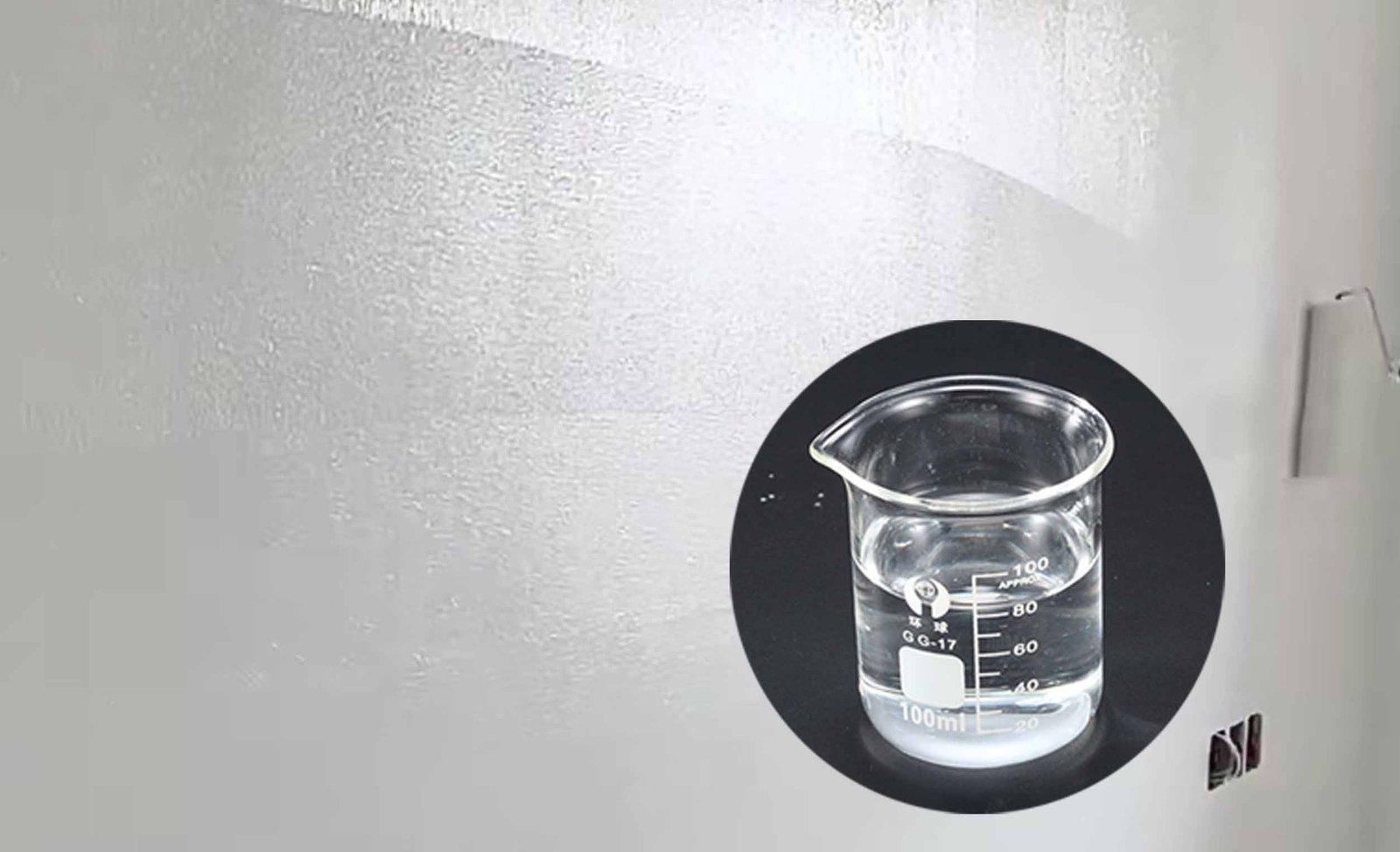
Silicate Coating Binder Solutions
| Product | Applications |
| Liquid Sodium Silicate | Industrial coatings, refractory coatings |
| Potassium Silicate | Mineral paints, architectural coatings |
| Lithium Silicate | Concrete protective coatings |
How Silicate Coatings Work
Silicate refractory coatings achieve high-temperature resistance, structural densification and long-term refractory protection through a complete inorganic chemical curing mechanism. The step-by-step technical formation process below adapts to Gutenberg Steps Block & Columns layout, clearly demonstrating how sodium silicate-based refractory coatings form durable protective films on substrate surfaces.
Silicate Binder Preparation & Application
High-purity sodium silicate for coatings acts as the core inorganic coating binder for refractory systems. Compounded with refractory fillers and functional additives, the silicate binder forms a uniform, stable coating liquid. After professional spraying or brushing on casting molds, furnace linings and high-temperature substrates, the material maintains good surface wettability and lays the foundation for subsequent penetration and bonding.
Penetrates Mineral Surface
The low-viscosity silicate binder penetrates naturally into the micro-pores and tiny cracks of mineral, metal and refractory substrate surfaces. Different from organic coatings that only cover the surface, the silicate solution achieves physical infiltration at the micro level, eliminating hollow bonding and ensuring tight integration between the coating and the base material.
Penetrates Mineral Surface
The low-viscosity silicate binder penetrates naturally into the micro-pores and tiny cracks of mineral, metal and refractory substrate surfaces. Different from organic coatings that only cover the surface, the silicate solution achieves physical infiltration at the micro level, eliminating hollow bonding and ensuring tight integration between the coating and the base material.
In-Situ Chemical Reaction & Cross-Linking
During air drying and high-temperature sintering in casting and furnace environments, the silicate binder undergoes dehydration, polycondensation and cross-linking reactions with mineral components on the substrate surface. The soluble silicate converts into insoluble silicon-oxygen molecular structures, producing stable inorganic mineral crystals. This irreversible chemical reaction is the core reason for the coating’s high temperature resistance and structural stability.
Hard Inorganic Film Formation
With continuous reaction and sintering, the cross-linked silicate structure gradually shrinks, densifies and solidifies, forming a compact, hard, continuous inorganic refractory film. The finished film features high hardness, strong sintering resistance and excellent thermal stability, without softening, melting or decomposing under ultra-high temperature conditions. It completely differs from organic film layers that are prone to thermal aging and burning.
Formation of Durable Protective Coating
The final cured inorganic refractory coating provides comprehensive protection for industrial high-temperature substrates. It effectively resists molten metal scouring, thermal shock, high-temperature oxidation and chemical corrosion in foundry & casting scenarios. The integrated mineral bonding structure avoids peeling and failure, realizing long-term, stable and durable refractory protection for high-temperature equipment and molds.
Why Choose Sanlee Silicate Materials?
As a professional silicate coating raw material supplier and reliable sodium silicate manufacturer& potassium silicate supplier, Sanlee Chemical provides high-purity inorganic coating binders and silicate base materials for architectural, concrete, industrial and refractory coating systems. We support full-dimension customization and stable bulk supply to meet diverse B2B industrial and coating formulation demands.
Factory Direct Supply
Complete self-owned production lines eliminate middlemen markup. We deliver stable, high-consistency sodium silicate and potassium silicate raw materials for all silicate coating formulations, ensuring cost-effective and traceable raw material supply for coating manufacturers.
Custom Modulus
Professional technical team supports precise modulus, Baume degree and formula customization. Tailored silicate binders perfectly adapt to mineral wall coatings, concrete densifiers, high-temperature refractory coatings and industrial anti-corrosion coating scenarios.
OEM Support
We provide flexible OEM and private-label services for silicate coating raw materials and inorganic binder solutions, helping clients launch customized coating products and expand their local market competitiveness.
Bulk Orders Supported
Large-scale production capacity and sufficient inventory support stable bulk order delivery. We offer long-term cooperative pricing and dedicated after-sales technical guidance for coating factories and industrial manufacturers.
FAQs
What is a silicate coating?
A silicate coating is a high-performance inorganic mineral coating formulated with water-soluble silicates as the core inorganic coating binder. Different from traditional organic acrylic coatings, it cures through irreversible inorganic chemical reactions with mineral substrates instead of simple physical film formation. The final mineral-grade coating features excellent weather resistance, vapor permeability, fire resistance and structural durability, widely used in architectural decoration, concrete protection and industrial high-temperature anti-corrosion scenarios.
What is potassium silicate used for in coatings?
Potassium silicate for coatings is a premium inorganic binder commonly used in high-grade mineral wall coatings and industrial protective coatings. It offers better weather resistance, lower efflorescence risk and stronger bonding stability compared with ordinary sodium silicate. It is mainly applied in exterior architectural mineral coatings, historic building restoration and mid-to-high-end inorganic coating formulations, effectively improving coating hardness, UV resistance and long-term anti-aging performance.
What is the difference between sodium silicate and potassium silicate coating?
The core difference lies in formula stability and application grade. Sodium silicate refractory coating features low cost, high hardness and excellent high-temperature sintering performance, mainly suitable for refractory coatings, casting industry high-temperature protection and industrial heavy-duty anti-corrosion scenarios. In contrast, potassium silicate coating has weaker hygroscopicity, fewer surface blooming issues and superior outdoor weatherability, making it more suitable for building exterior wall mineral coatings and long-term outdoor decorative protection.
Can lithium silicate be used for concrete coatings?
Yes, lithium silicate coating is the most professional inorganic material for concrete protective treatment. Lithium silicate can deeply penetrate concrete pores, react with free calcium hydroxide in concrete to form insoluble silicate crystal precipitates, effectively densifying concrete structure. It serves as an efficient concrete surface hardener and densifier, improving concrete wear resistance, anti-permeability and anti-carbonization ability, widely used in concrete floor reinforcement and concrete long-term protection projects.
Are silicate coatings better than acrylic coatings?
Silicate coatings outperform acrylic organic coatings in outdoor durability, fire safety and vapor permeability. As pure inorganic mineral coatings, they will not age, yellow or chalk under long-term UV exposure, and feature non-flammable and mildew-proof advantages. Acrylic coatings have better flexibility and surface smoothness but suffer from short service life, poor air permeability and flammability. For long-term outdoor building and industrial protection, silicate coatings are more reliable.
Are silicate coatings fire resistant?
Yes, all silicate-based inorganic coatings have excellent inherent fire resistance. Made of pure mineral silicate structures without any organic combustible components, they are non-flammable, do not support combustion, and release no toxic smoke under high temperature or open fire. They can meet high-level fire protection standards for buildings, furnaces and industrial equipment, serving as ideal refractory and fireproof protective coatings.
Do silicate coatings peel or fade over time?
Silicate coatings hardly peel or fade in long-term service. Different from organic coatings that only attach physically, silicate binders form molecular-level chemical bonding with mineral substrates. The cured inorganic mineral film has ultra-stable chemical properties, resisting UV erosion, rain washing and temperature cycling. It maintains stable color and complete coating structure for decades without peeling, chalking or fading.
Get a Free Quote For Industrial Silicate Products!
We believe Sanlee will be your best partner!
Please fill out the form with your contact details or give us a call, and we will get back to you within 24 hours.
For more about Sanlee, please visit our facebook page, Instagram page, and youtube page.