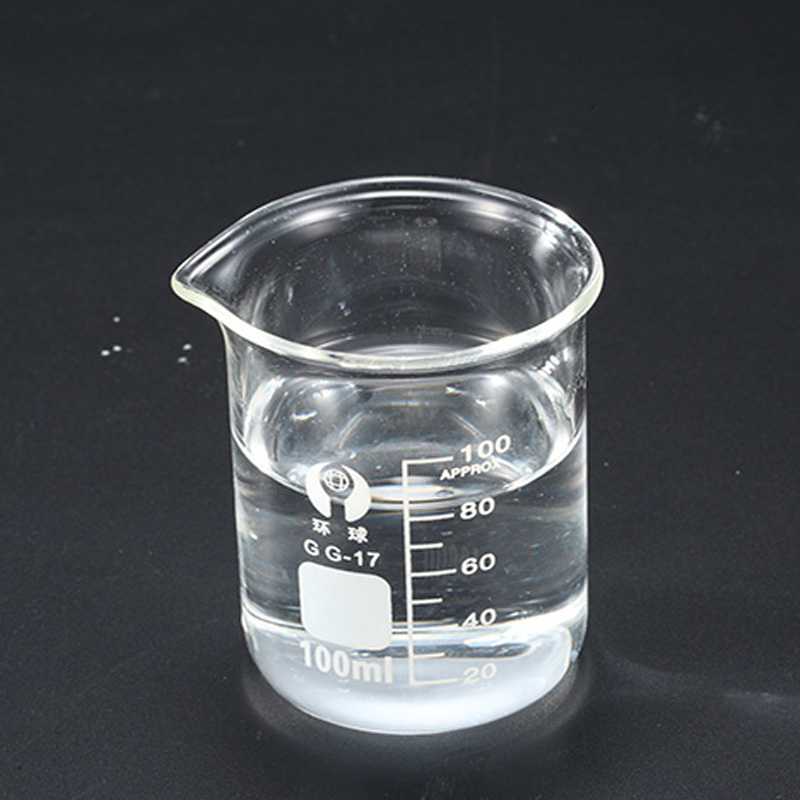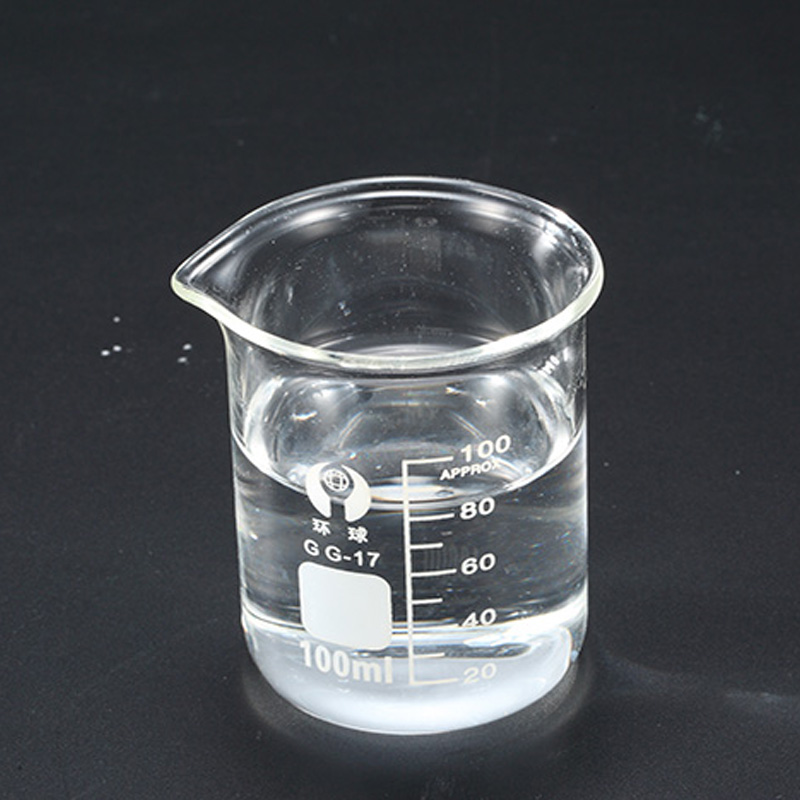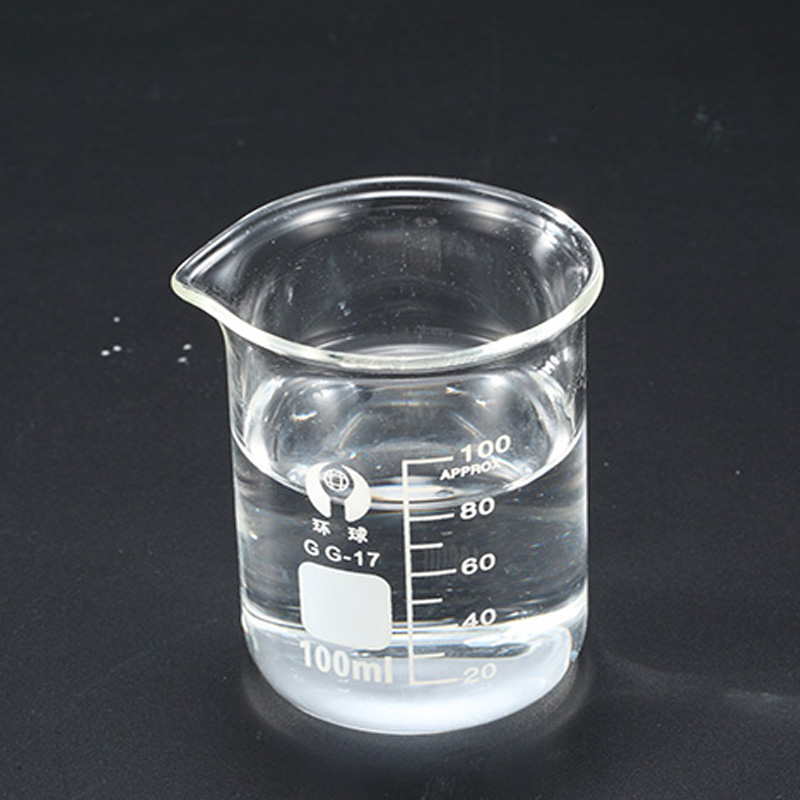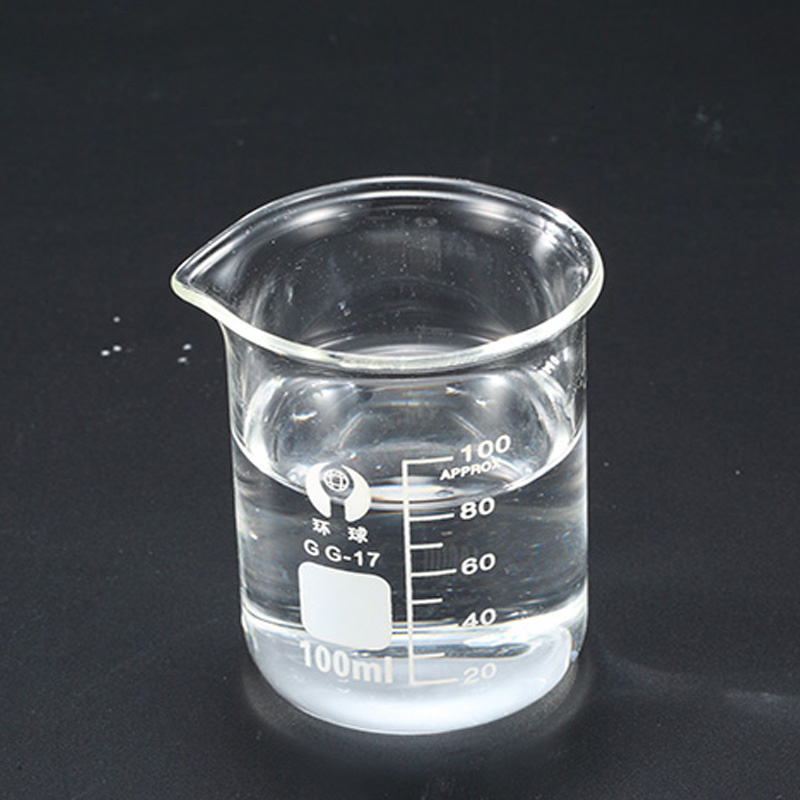

Potassium silicate paint is a mineral-based paint system that uses potassium silicate as an inorganic binder. It is widely associated with mineral and silicate paints for suitable masonry, mineral plaster, concrete and other mineral building surfaces.
What Is Potassium Silicate Paint?
What is potassium silicate paint? Potassium silicate is an inorganic silicate salt widely adopted as a core binder within mineral paint systems. As an inorganic raw material, it forms strong mineral-bonded films when curing, which makes it ideal for producing potassium silicate based paint and mineral-grade architectural finishes.
Mineral paint refers to paint systems built from inorganic raw materials, relying on mineral binders instead of organic polymer resins. Silicate paint is a major category of mineral paint, using soluble silicates as the primary binding agent. Within paint formulas, potassium silicate acts as the key inorganic binder, locking solid paint components onto mineral substrates to deliver long-lasting inorganic finishing effects. Potassium silicate mineral paint stands out among silicate paint variants for stable outdoor performance on building facades.
Potassium Silicate as a Mineral Paint Binder
Potassium silicate serves as the core mineral paint binder for silicate paint systems. Unlike organic binders, it cures via mineral-type chemical reaction rather than simple solvent evaporation, forming inorganic film structures compatible with mineral building materials. It is the foundational raw material to produce durable mineral silicate paint for architectural projects.
Mineral-Based Paint System
A mineral-based paint system prioritizes inorganic raw materials for binders, pigments and fillers. This system avoids heavy organic resin components and matches the chemical nature of mineral building substrates. Potassium silicate wall paint is a typical representative of such mineral-based paint systems for interior and exterior building walls.
Suitable Mineral Substrates
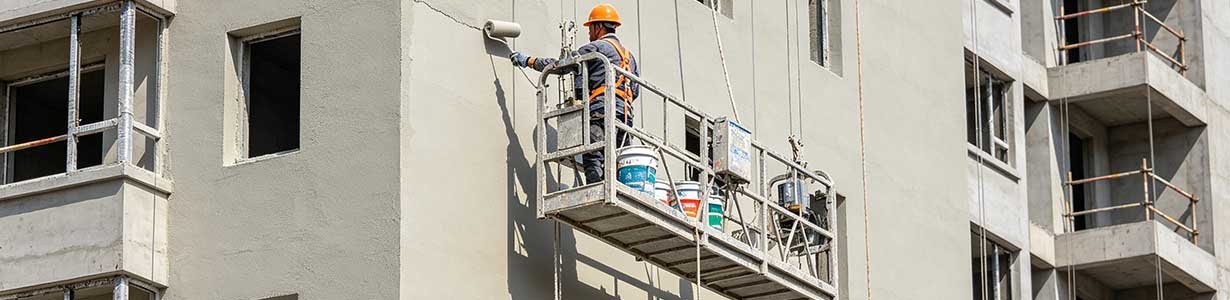
This silicate-based finish performs best on alkaline mineral substrates, including mineral plaster, masonry, concrete and cement-based surfaces. Good chemical affinity between the paint film and substrate supports stable long-term finishing results on these mineral-rich building materials.
How Potassium Silicate Paint Works
Binder Function
As a high-performance inorganic binder, potassium silicate binds pigments, mineral fillers and other compatible components together inside the paint system. It holds all solid paint components uniformly dispersed before application, then forms a continuous mineral film throughout the curing process. This binding mechanism defines the core working principle of this mineral paint.
Interaction with Mineral Surfaces
When applied onto mineral plaster, masonry, concrete and cement-based surfaces, potassium silicate generates chemical affinity with alkaline mineral substrates. Instead of only physically sitting on the surface, partial mineral-level bonding happens between the paint and substrate, improving anchoring performance of the applied layer.
Mineral Paint Formation
After application, water evaporates from wet paint, and potassium silicate undergoes mineral curing reactions with carbon dioxide from ambient air. Gradually, a hard, inorganic mineral film forms on substrate surfaces. This mineral-formed film delivers the characteristic inorganic performance of silicate architectural finishes.

Key Properties of Potassium Silicate Paint
Mineral-Based Composition
This finish features dominant inorganic composition. Binder, main pigments and fillers are mineral-origin materials. This core feature distinguishes potassium silicate based paint from conventional organic architectural paints and builds the foundation of its mineral-grade performance.
High Vapor Permeability
High vapor permeability is one signature advantage. As a breathable paint and vapor permeable paint, it allows water vapor to pass through the paint film. Moisture trapped inside mineral walls can escape outward, reducing risks of blistering or peeling for mineral-constructed buildings. Potassium silicate mineral paint retains this critical breathable property for both interior and exterior scenarios.
Mineral Surface Compatibility
It shows excellent mineral surface compatibility. Its chemical properties align with alkaline mineral substrates, delivering stable adhesion on masonry, concrete and mineral plaster. Proper formulation is required to match exact substrate conditions before practical use.
Natural Mineral Appearance
Finished surfaces show natural mineral appearance without glossy plastic-like texture. It retains the matte, earthy visual effect preferred for mineral-style architectural decoration.
Suitable for Architectural Applications
Developed for architectural paint purposes, it adapts to various building wall finishing demands. It fits both new-build decoration and building renovation projects with mineral-constructed walls.
Durable Exterior Performance
With properly adjusted paint formulation, potassium silicate paint can realize reliable durable exterior performance. It resists UV degradation common to many organic paints. Note that it is not inherently waterproof; final surface water-related performance depends on complete paint formula design.
Potassium Silicate Paint Applications
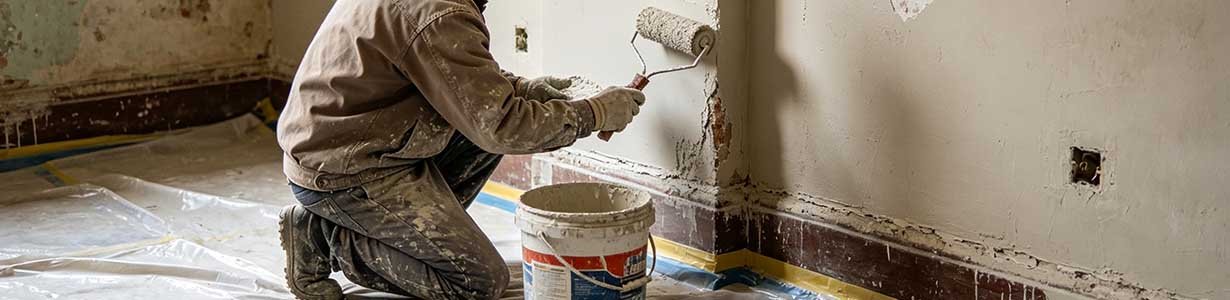
Focused on architectural walls and mineral surfaces, this silicate finish covers multiple typical building finishing scenarios.
Interior Wall Paint
As potassium silicate interior paint and mineral interior paint, silicate wall paint is widely used for interior mineral walls. It brings breathable mineral finishing for indoor spaces. Mineral silicate paint creates healthy interior wall finishes for residential and commercial interior projects.
Exterior Wall Paint
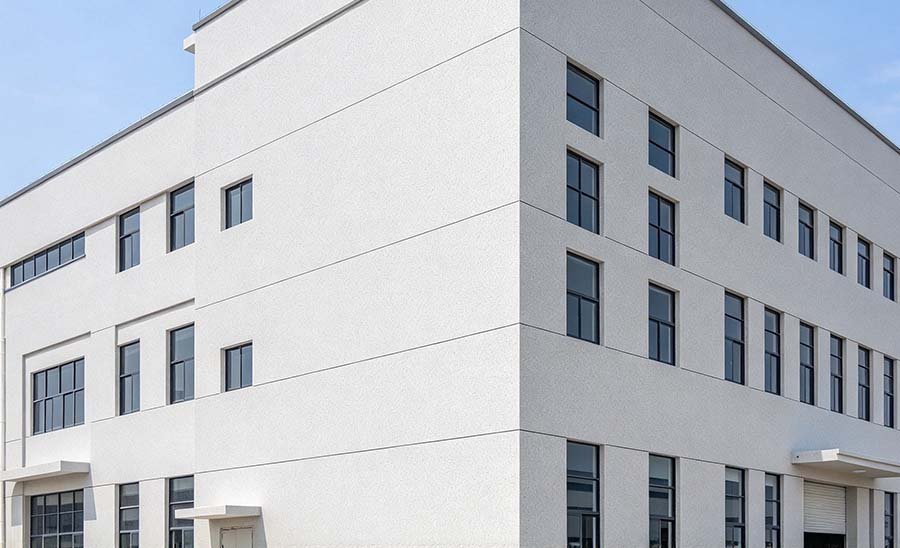
Potassium silicate exterior paint, also known as mineral exterior paint or exterior silicate paint, applies to outside building walls. It delivers inorganic exterior finishing for mineral facades under outdoor environmental exposure. Potassium silicate wall paint is frequently selected for exterior mineral wall decoration.
Masonry Paint
It works as masonry paint for brick, masonry, cement render and mineral plaster surfaces. It decorates and finishes masonry-type mineral building substrates.
Concrete Wall Paint
Suitable as paint for concrete and mineral paint for concrete. It decorates concrete wall surfaces and forms compatible mineral-based finishing layers on concrete substrates.
Mineral Plaster
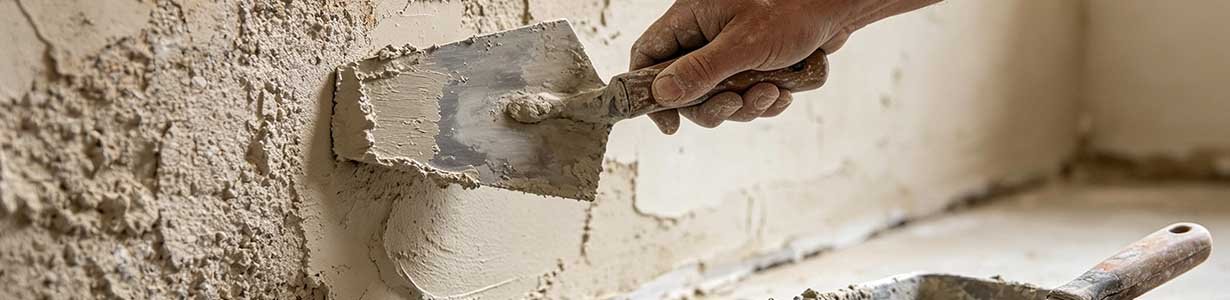
It matches mineral plaster substrates perfectly. The paint system forms integrated finishing together with mineral plaster layers for consistent mineral-style wall effects.
Architectural & Heritage Buildings
It is well-suited for architectural and heritage buildings. Applied on historical buildings for restoration work, it maintains original mineral-building aesthetic features. Please note: without relevant certification, do not mark the product as officially approved for heritage restoration projects.
Benefits of Potassium Silicate Paint
Below are core benefits presented as icon-card style points for page layout:
1.Breathable
Suitable for paint systems where vapor permeability is important. It functions as breathable architectural paint for mineral wall substrates.
2.Mineral-Based
An inorganic binder for mineral paint formulations. It supports fully or mostly inorganic paint system design.
3.Mineral Compatibility
Suitable for selected mineral substrates. It achieves good adhesion on qualified alkaline mineral building surfaces.
4.Architectural Appearance
Provides a natural mineral-style surface appearance, delivering matte inorganic visual effects for architectural decoration.
5.Exterior Application Potential
Suitable for selected exterior architectural paint systems. Good formulation design unlocks outdoor application capability.
6.Durable Mineral Paint System
Can support durable paint formulations when properly designed, bringing long-term service life for mineral architectural finishing.
Potassium Silicate Paint Formulation
Paint formulation determines the final performance of this silicate finish. Every component needs careful matching for architectural paint production.
Potassium Silicate Binder
Potassium silicate binder for paint is the core raw material. Modulus, solid content and viscosity of potassium silicate directly influence paint curing speed, film hardness and overall stability of mineral paint formulation.
Mineral Pigments
Mineral pigments are preferred for silicate paint formulation. Select alkali-resistant mineral pigments to avoid discoloration caused by high-pH silicate systems.
Mineral Fillers
Mineral fillers adjust paint hiding power, texture and film properties. Common mineral fillers cooperate with potassium silicate binder to build solid mineral paint film structures.
Water Content
Water acts as dispersion medium in the paint formula. Water content controls paint viscosity, construction property and drying progress.
Additives and Compatibility
Select compatible additives for mineral paint formulation. Special attention must be paid to chemical compatibility between additives and high-alkaline potassium silicate to prevent gelling or destabilization.
Pigment Dispersion
Good pigment dispersion is critical. Insufficient dispersion will cause color unevenness, affecting final finished appearance of architectural paint.
pH and Storage Stability
The paint system maintains high pH value. Control pH range reasonably to guarantee storage stability of liquid silicate paint and avoid early gelation inside packaging.
Potassium Silicate Paint for Interior and Exterior Surfaces
| Application | Typical Substrates | Key Considerations |
| Interior Paint | Mineral plaster, masonry, concrete | Breathability, appearance |
| Exterior Paint | Masonry, cement render, mineral surfaces | Weather exposure, substrate preparation |
| Restoration | Mineral building surfaces | Substrate compatibility |
| Commercial Buildings | Mineral walls and masonry | Durability and maintenance |
Interior scenarios focus on breathable performance and visual effect. Exterior projects must handle weather aging and strict substrate pre-treatment. Restoration and commercial projects require further customization according to on-site substrate status.
Potassium Silicate Paint vs Other Mineral Paints
Potassium Silicate Paint vs Acrylic Paint
Compare potassium silicate paint vs acrylic paint. Acrylic paint uses organic acrylic polymer binders; the silicate variant adopts inorganic mineral binder. Acrylic paint delivers flexible organic film, while silicate mineral paint creates vapor-permeable inorganic mineral film. Differences cover breathability, surface texture and outdoor aging resistance.
Potassium Silicate Paint vs Lime Paint
For potassium silicate paint vs lime paint: lime paint takes lime as binder, featuring high breathability but relatively low water-resistance. The silicate alternative provides better film hardness and weather stability, with different curing mechanisms and applicable scenarios.
Potassium Silicate Paint vs Traditional Mineral Paint
Different mineral paints adopt varied inorganic binder systems. Some traditional mineral paints use lime or other silicate raw materials. Potassium silicate-based variants strike balance between curing performance and outdoor adaptability.
Summary: The best paint system depends on the substrate, environmental conditions, formulation requirements and desired performance.
How to Apply Potassium Silicate Paint
Follow standard paint application workflow. Specific construction parameters please refer to corresponding product TDS document.
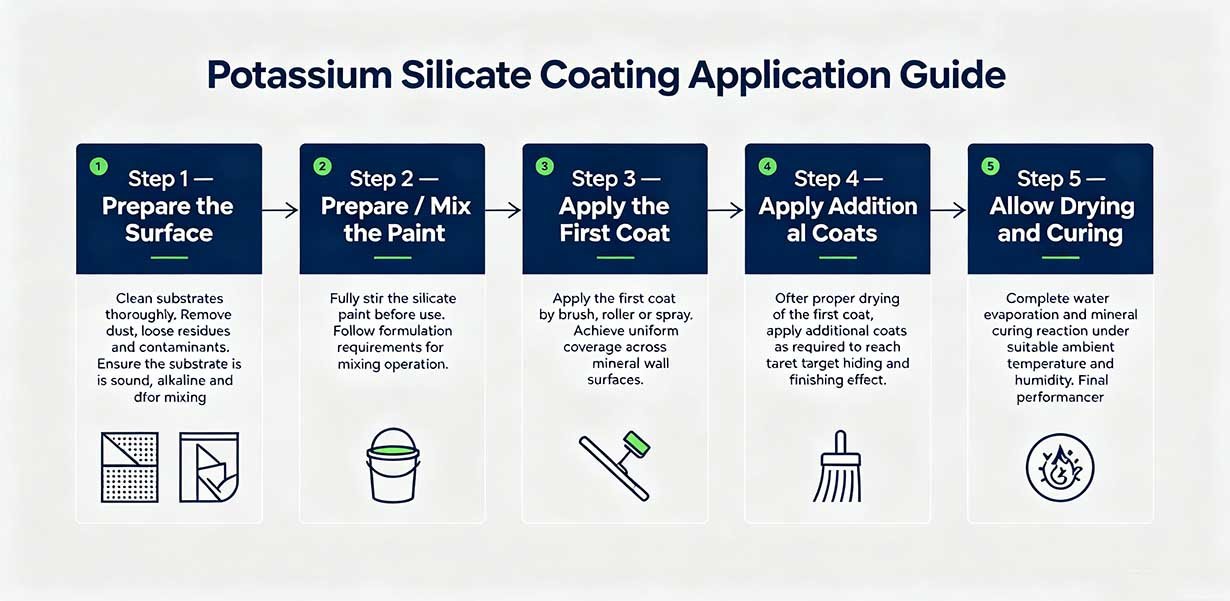
Step 1 — Prepare the Surface
Clean substrates thoroughly. Remove dust, loose residues and contaminants. Ensure the substrate is sound, alkaline and dry before painting.
Step 2 — Prepare / Mix the Paint
Fully stir the silicate paint before use. Follow formulation requirements for mixing operation.
Step 3 — Apply the First Coat
Apply the first coat by brush, roller or spray. Achieve uniform coverage across mineral wall surfaces.
Step 4 — Apply Additional Coats
After proper drying of the first coat, apply additional coats as required to reach target hiding and finishing effect.
Step 5 — Allow Drying and Curing
Complete water evaporation and mineral curing reaction under suitable ambient temperature and humidity. Final performance forms after full curing.
Choosing Potassium Silicate for Paint Manufacturing
Modulus
Modulus is a core indicator. Different modulus potassium silicate brings big differences in curing speed, film hardness and compatibility for paint formulation.
Solid Content
Solid content decides effective binder content in liquid potassium silicate, affecting paint viscosity, film-forming performance and formula cost.
SiO₂/K₂O Ratio
The SiO₂/K₂O ratio corresponds to modulus properties, directly impacting chemical reaction characteristics when making mineral paint.
Viscosity
Viscosity influences paint mixing operation and construction property. Select proper viscosity grade matching your paint production process.
Purity
High-purity raw materials reduce impurity-caused defects such as discoloration or unstable storage for finished paint products.
Compatibility with Pigments and Fillers
Verify compatibility with your selected pigments and mineral fillers in advance, to avoid flocculation, precipitation or color shift inside paint systems.
The appropriate potassium silicate grade should be selected according to the paint formulation, pigment system, substrate and required application performance.
FAQ
What is potassium silicate paint?
It is an inorganic architectural paint using potassium silicate as primary binder. It belongs to silicate mineral paint series for mineral building substrates.
What is potassium silicate mineral paint?
Potassium silicate mineral paint is another name for mineral-type silicate paint. It uses inorganic potassium silicate binder together with mineral pigments and fillers for architectural wall finishing.
What is potassium silicate paint used for?
It is widely used for interior wall paint, exterior wall paint, masonry, concrete wall, mineral plaster and architectural heritage building finishing.
Is potassium silicate paint suitable for exterior walls?
Yes. With reasonable formulation design, it can be used for exterior walls. Substrate preparation and local weather conditions need to be considered.
Can potassium silicate paint be used on concrete?
Yes. It can be applied as paint for concrete walls. Concrete substrate shall be sound and properly pre-processed before application.
Is potassium silicate paint breathable?
Yes. High vapor permeability is one core feature. It works as breathable paint allowing water vapor to pass through the paint film.
What is the difference between potassium silicate paint and acrylic paint?
Silicate mineral paint uses inorganic mineral binder with good vapor permeability and mineral-matte appearance. Acrylic paint uses organic resin binder with flexible film, lower vapor permeability and richer gloss options.
What is the difference between potassium silicate paint and lime paint?
Lime paint uses lime binder. The silicate variant owns higher film hardness and better weather resistance. Both belong to breathable mineral paint systems.
How do you make potassium silicate paint?
Produce via mixing selected-grade potassium silicate binder, alkali-resistant mineral pigments, mineral fillers, water and compatible additives. Optimize formula according to target performance requirements.
How do you apply potassium silicate paint?
Complete surface preparation → fully mix paint → apply first coat with brush/roller/spray → apply extra coats → allow full drying and mineral curing.
How do I choose potassium silicate for paint manufacturing?
Evaluate modulus, solid content, SiO₂/K₂O ratio, viscosity, purity and compatibility with your pigment-filler system. Match grade according to your paint formula, substrate and application needs.
for more information ,please visit our facebook page