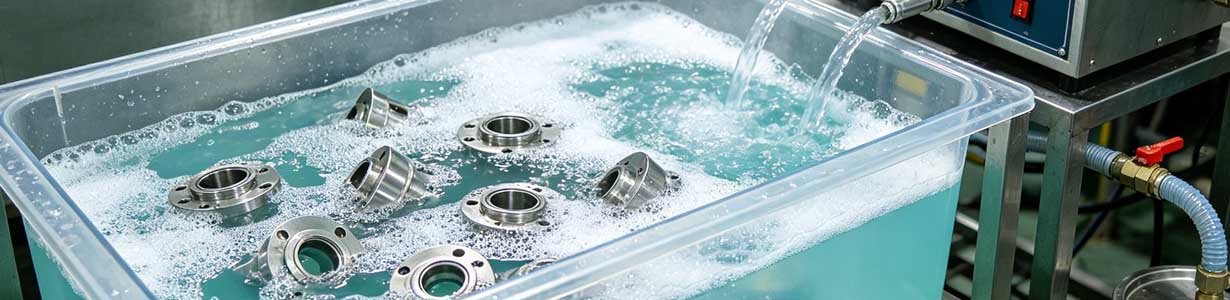
Sodium Silicate for Industrial Cleaning Agents: Builder, Formulation and Anti-Corrosion Performance
Sodium silicate is a well-established raw material in the production of industrial cleaning agents. It functions primarily as a builder, improving the overall detergency of alkaline cleaner systems while helping to protect metal surfaces from excessive corrosion. For manufacturers of industrial cleaning agents, sodium silicate for industrial cleaning agents offers a cost-effective way to balance cleaning power, formulation stability and metal compatibility.
This article explains how sodium silicate is used in industrial cleaning agents, why it cannot serve as a standalone detergent, how typical alkaline formulations are prepared, and what performance benefits it delivers in metal degreasing applications.
Recommended Sodium Silicate Solution
| ||
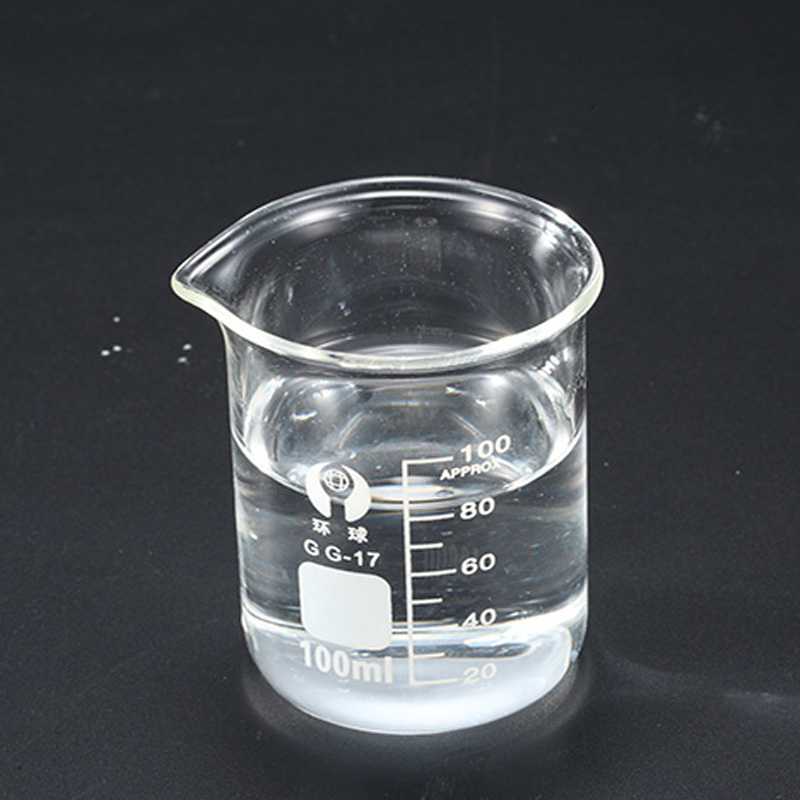
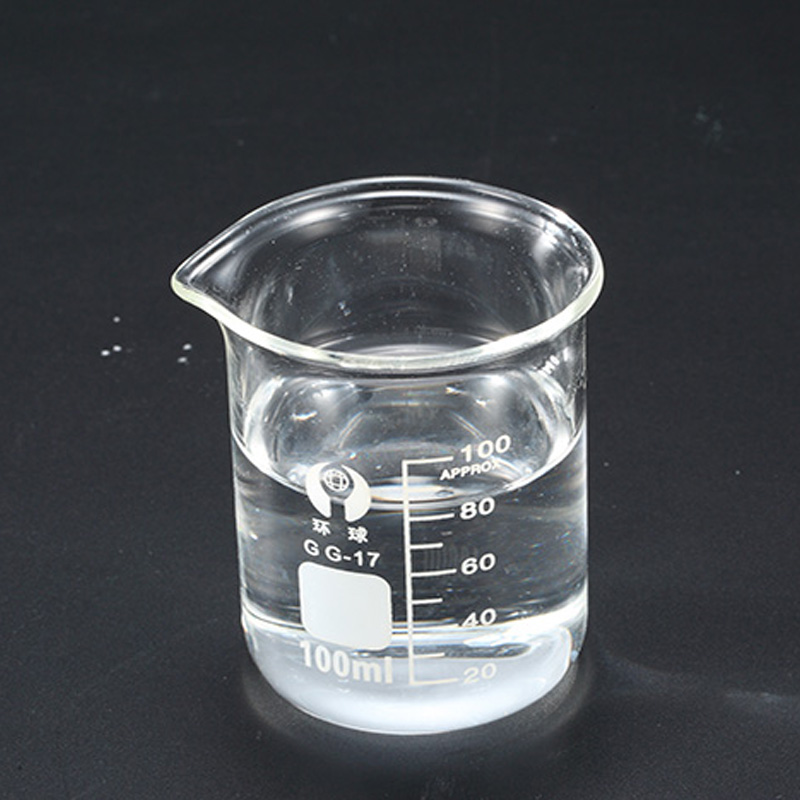
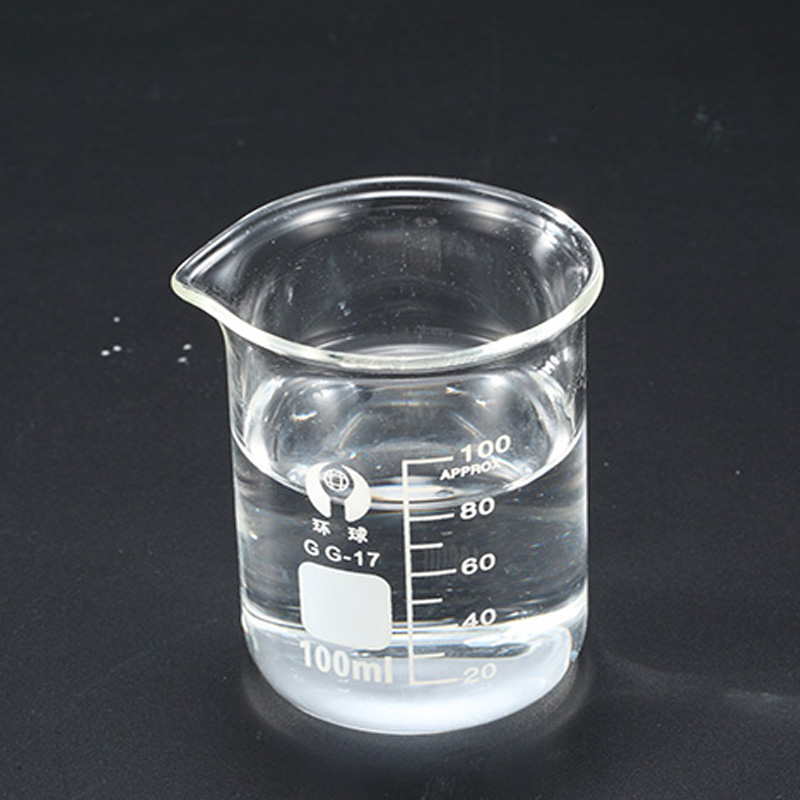
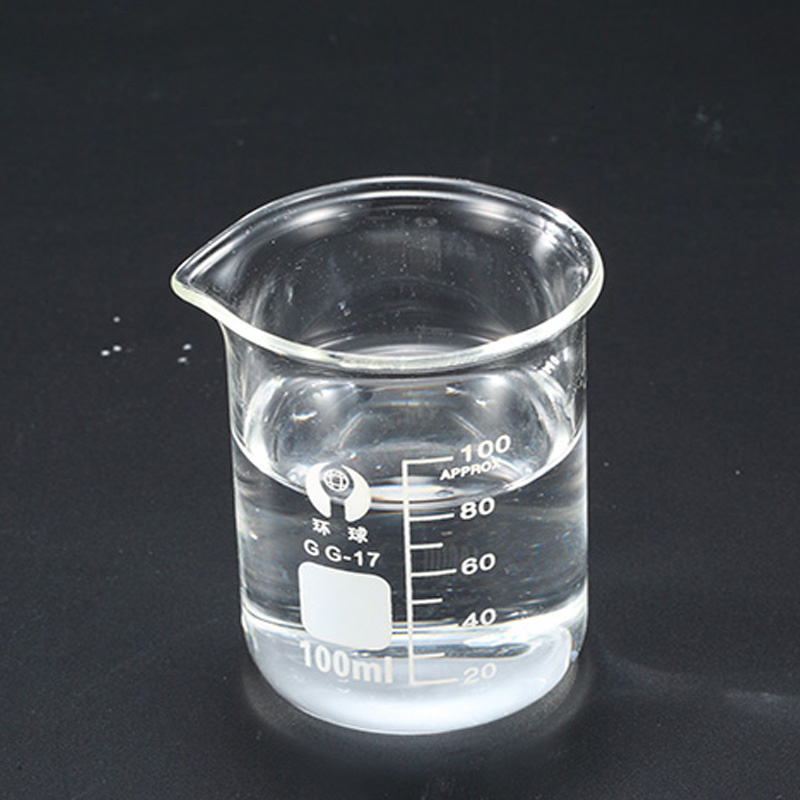
Liquid Sodium Silicate Modulus 2.2-2.4 | ||
| High-quality liquid sodium silicate modulus 2.2-2.4 and 50° Bé concentration. Suitable for detergents, foundry, refractory materials, construction chemicals and industrial applications. Custom specifications available from an experienced manufacturer and exporter. |
Why Sodium Silicate Is Used as a Builder in Industrial Cleaners
Sodium silicate is not a surfactant. It does not form micelles or directly emulsify oily soil on its own. Instead, it works as a sodium silicate builder — an auxiliary component that enhances the performance of the primary detergent system.
In industrial cleaning agents, a sodium silicate builder contributes in several ways:
·Alkalinity buffering: It helps maintain a stable alkaline pH, which is essential for saponifying fats and dispersing oily soils.
·Soil dispersion: Silicate species can adsorb onto solid particles and help keep them suspended in the cleaning bath, preventing redeposition.
·Corrosion inhibition: It forms a thin protective film on certain metal surfaces, reducing attack by alkaline components.
·Cost efficiency: As an economical inorganic builder, it reduces the required dosage of more expensive surfactants and chelating agents.
Because of these functions, sodium silicate is commonly found in alkaline cleaners for sodium silicate metal degreasing, bottle washing, floor cleaning and heavy-duty industrial maintenance.
Sodium Silicate Cannot Work Alone as a Primary Detergent
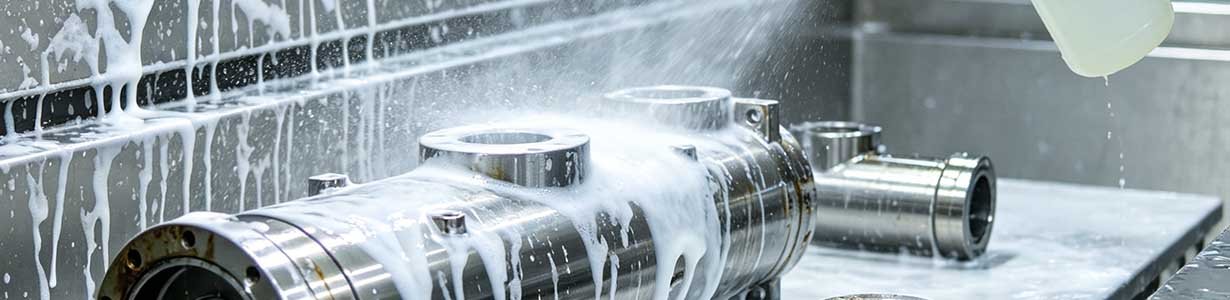
Although sodium silicate is valuable as a builder, it cannot serve as a primary detergent on its own. A cleaning agent based only on sodium silicate would have limited ability to emulsify grease, wet surfaces or remove complex organic soils.
To achieve real detergency, sodium silicate for industrial cleaning agents must be compounded with:
·Surfactants — to reduce surface tension, wet surfaces and emulsify oils
·Chelating agents — to bind calcium, magnesium and other hardness ions
·Other builders — such as sodium hydroxide and sodium tripolyphosphate (STPP)
·Dispersants — to prevent soil redeposition
By adjusting pH values and adding appropriate dispersants, formulators can manufacture a composite cleaning agent that combines strong detergency with sodium silicate anti-corrosion performance. This is the core reason sodium silicate is almost always used in multi-component systems rather than as a single-ingredient cleaner.
Typical Alkaline Industrial Cleaner Formulation
A typical alkaline industrial cleaner formulation for metal surface degreasing may include the following raw materials:
| Component | Function |
| Sodium silicate solution | Builder, corrosion inhibitor |
| Sodium hydroxide (NaOH) | Alkali source, saponification |
| Sodium tripolyphosphate (STPP) | Chelating / sequestering builder |
| Surfactants | Wetting, emulsification, detergency |
| Dispersants | Prevent soil redeposition |
| Water | Solvent / carrier |
Typical compounding procedure for an alkaline industrial cleaner formulation:
1.Charge water and sodium silicate solution into a mixing vessel.
2.Add sodium hydroxide and sodium tripolyphosphate proportionally.
3.Heat the mixture to approximately 80 °C with continuous stirring.
4.Maintain stirring and reaction until a homogeneous alkaline cleaner concentrate is obtained.
5.Cool, filter if necessary, and package.
The exact ratios depend on the target application — whether the cleaner is intended for spray cleaning, immersion degreasing, ultrasonic cleaning or manual wiping. Formulators typically adjust the silicate-to-alkali ratio to balance cleaning strength against metal compatibility.
How the Compounding Process Reduces Precipitation Risk
One practical challenge with sodium silicate is its tendency to precipitate or form gels under certain conditions, especially when mixed with hard water or incompatible ingredients. The compounding process helps reduce this inherent precipitation risk in several ways:
·Controlled addition order:Adding silicate into an alkaline medium with proper stirring prevents localized high-concentration zones.
·Chelating agents:STPP and other chelators bind hardness ions that could otherwise react with silicate.
·pH control:Maintaining a stable alkaline pH keeps silicate species soluble and active.
·Dispersants:These help keep silicate and soil particles dispersed rather than flocculating.
As a result, the finished product remains stable during storage and dilution, and delivers consistent performance in the cleaning bath.
Degreasing Performance on Metal Surfaces
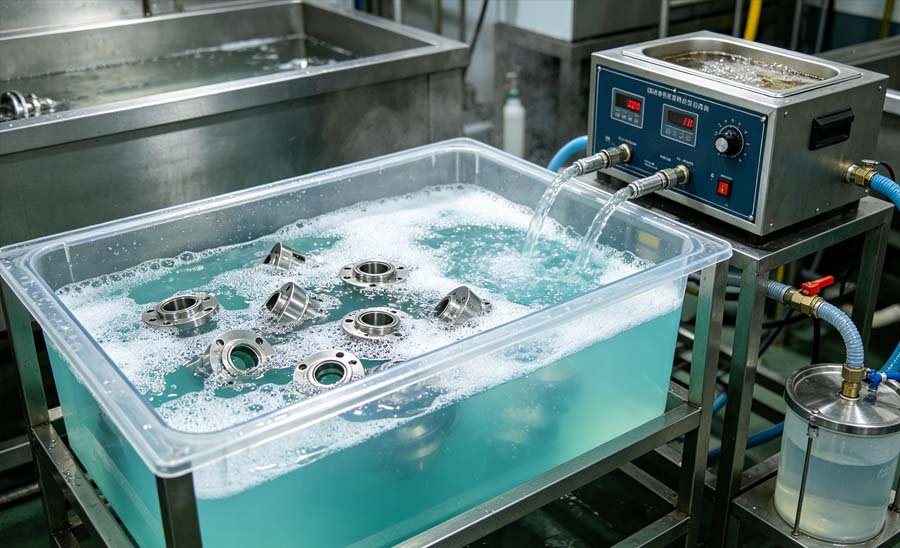
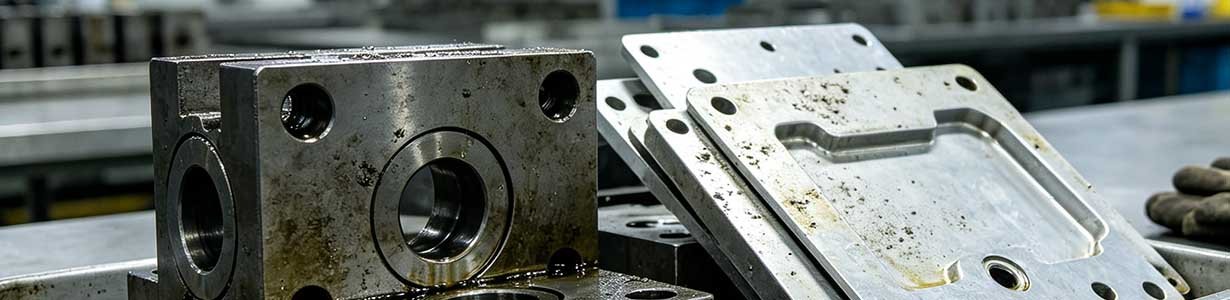
The finished alkaline cleaner effectively emulsifies grease and removes oily soil from metal surfaces. For sodium silicate metal degreasing, the mechanism combines:
·Saponification of animal and vegetable fats by sodium hydroxide
·Emulsification of mineral oils and synthetic greases by surfactants
·Dispersion of solid particles and pigments by silicate and dispersants
·Wetting of metal surfaces to allow the cleaning solution to penetrate soil layers
This makes sodium silicate–based alkaline cleaners suitable for degreasing steel, stainless steel, cast iron and other ferrous metal surfaces in applications such as:
·Parts washing and immersion degreasing
·Workshop floor and equipment cleaning
·Bottle and container washing
·Maintenance cleaning in manufacturing plants
Protecting Amphoteric Metals: Aluminum and Zinc
One of the most important advantages of sodium silicate in alkaline cleaning agents is its ability to protect amphoteric metals such as aluminum and zinc.
These metals are sensitive to strong alkaline solutions because they can dissolve in both acidic and alkaline environments. Without proper inhibition, a highly alkaline cleaner may cause:
·Surface etching
·Discoloration
·Excessive weight loss
·Pitting corrosion
Sodium silicate helps form a protective silicate film on the metal surface, which significantly reduces excessive corrosion. This sodium silicate anti-corrosion effect allows formulators to use alkaline chemistry for effective degreasing while keeping aluminum and zinc parts within acceptable corrosion limits.
For cleaning agents used on mixed-metal assemblies — where steel, aluminum and zinc may be present together — this anti-corrosion performance is a critical requirement in any alkaline industrial cleaner formulation.
Why Choose Our Sodium Silicate for Cleaning Agent Production
We supply sodium silicate solutions suitable for the production of alkaline industrial cleaning agents. Our product can be used as a sodium silicate builder in formulations containing surfactants, chelating agents, sodium hydroxide and sodium tripolyphosphate.
Benefits for cleaning agent manufacturers include:
·Consistent composition and stable supply
·Suitable for compounding at around 80 °C
·Good compatibility with common alkaline cleaner raw materials
Support for alkaline industrial cleaner formulation and technical troubleshooting
Whether you are developing a new alkaline degreaser or improving an existing metal cleaning product, sodium silicate for industrial cleaning agents can help you achieve the right balance of detergency, stability and anti-corrosion protection.
Contact Us for Sodium Silicate Supply and Technical Exchange
Manufacturers of industrial cleaning agents:if you require sodium silicate for your production, please leave your contact information. We welcome technical exchanges on formulation design, dosage optimization and application-specific performance.
Our team can provide:
Product specifications and samples
Recommended dosage ranges for alkaline cleaner systems
Technical support on compounding and stability
Supply coordination for ongoing production
Leave your contact information today — let’s discuss how sodium silicate for industrial cleaning agents can improve your formulations.