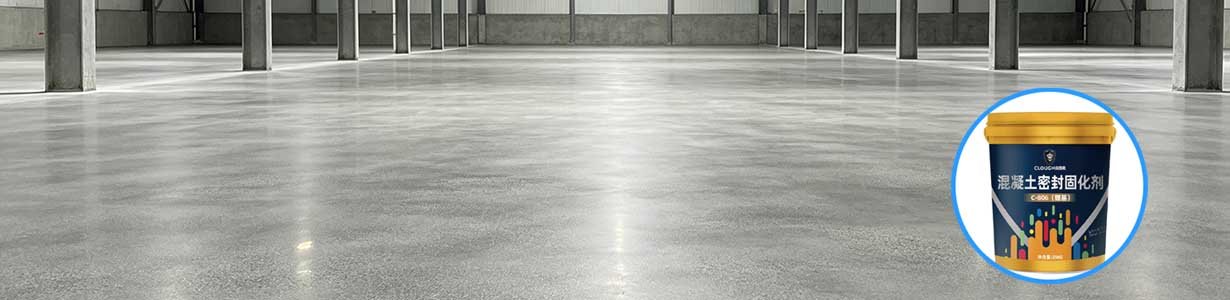
Concrete is the backbone of modern infrastructure. However, its inherent porosity is its greatest weakness. In industrial, commercial, and even residential settings, untreated concrete floors suffer from dusting, staining, and rapid wear, leading to high maintenance costs and shortened service life. Many project owners search for a reliable concrete dusting solution to fix this persistent floor problem.
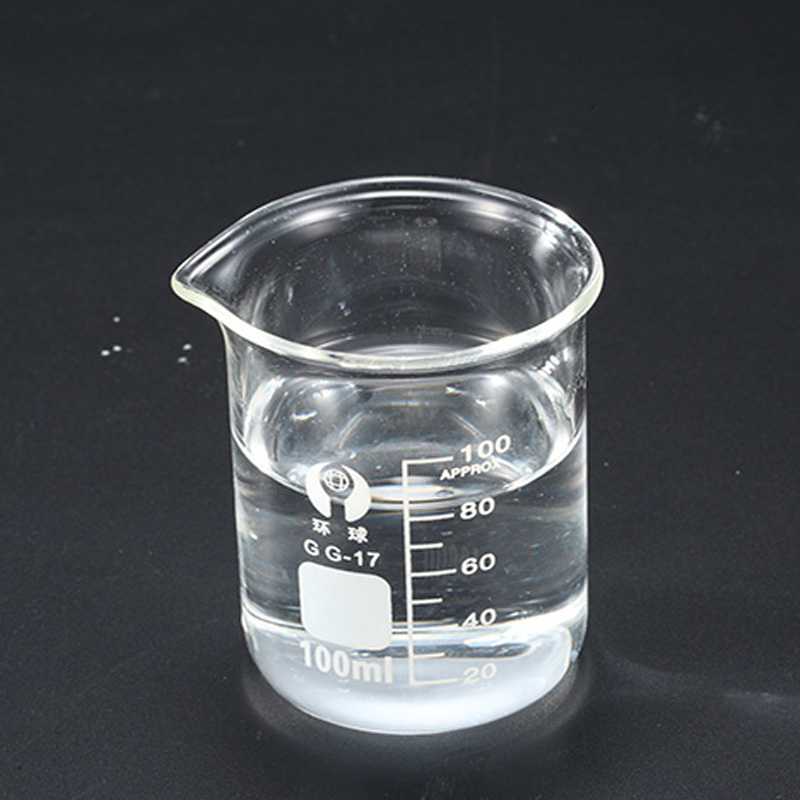
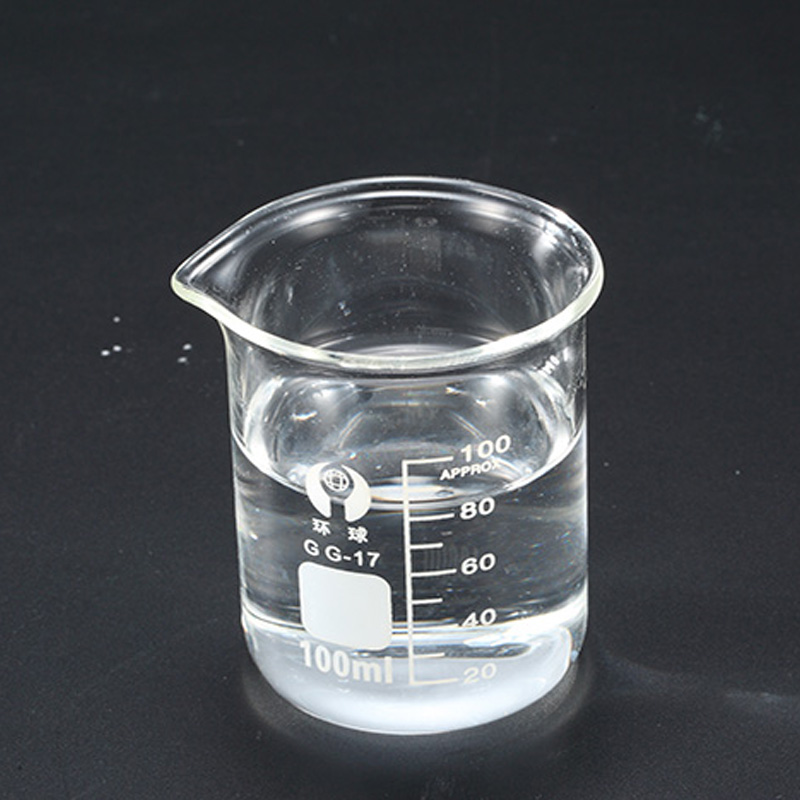
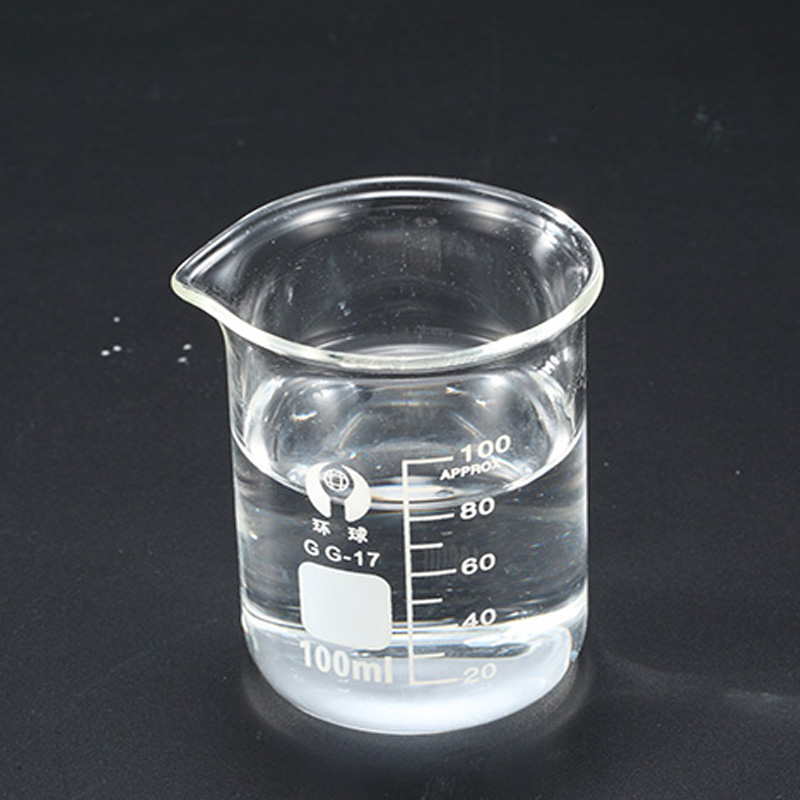
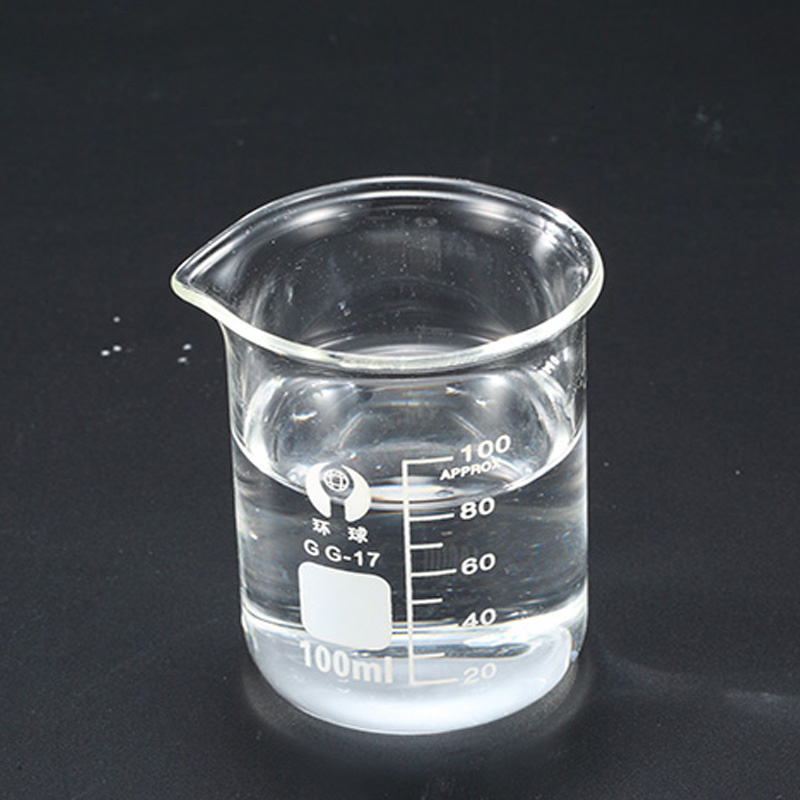
This is where chemical densifiers come into play. Among these, lithium silicate concrete densifier has emerged as the industry gold standard. Unlike topical coatings that merely sit on the surface, lithium silicate concrete densifier penetrates deep into the concrete matrix, creating a permanent, chemical bond that fundamentally alters the material’s physical properties.
In this comprehensive guide, we will explore the chemistry, benefits, and applications of lithium silicate concrete densifier, explaining why this technology is being rapidly adopted in construction projects worldwide. We will also cover how to harden concrete floor properly for long-lasting performance.
What is Lithium Silicate and How Does it Work?
To understand the effectiveness of lithium silicate, we must first understand the enemy: Concrete Porosity.
Fresh concrete is a mixture of cement, aggregates, and water. As it cures, excess water evaporates, leaving behind a network of microscopic capillaries and voids. Additionally, the hydration process leaves behind free lime, or calcium hydroxide (Ca(OH)₂) , within these pores.
Lithium silicate is an aqueous solution of lithium oxide (Li₂O) and silicon dioxide (SiO₂), characterized by its very small molecular size. A high-performance lithium silicate densifier relies on this small molecular structure to achieve deep penetration.
The Chemical Reaction: From Calcium Hydroxide to Calcium Silicate Hydrate (C-S-H)
When applied to concrete, the lithium silicate solution penetrates deeply through the capillary network. It reacts chemically with the free calcium hydroxide present in the concrete matrix.
The reaction proceeds as follows:
Li₂SiO₃ + Ca(OH)₂ → CaSiO₃ (Calcium Silicate Hydrate) + 2 LiOH
The byproduct, Lithium Hydroxide (LiOH), further reacts with atmospheric CO₂ to form Lithium Carbonate, which also contributes to densification. The primary product, Calcium Silicate Hydrate (C-S-H), is the same strong, crystalline compound that gives concrete its original strength.
Penetration vs. Coating: A Fundamental Difference
This is the critical distinction: lithium silicate densifier is a densifier, not a film-forming sealer, though many buyers refer to it as a lithium silicate concrete sealer.
Topical Sealers (Acrylics, Epoxies): Sit on the surface and can peel, yellow, or wear off.
Lithium silicate concrete sealer: Reacts in situ within the pore structure. They become an integral part of the concrete, filling the voids from the inside out. This creates a continuous, monolithic structure that is significantly more durable than the original concrete slab.
Recommended Lithium Silicate Concrete Densifier
|
|
|
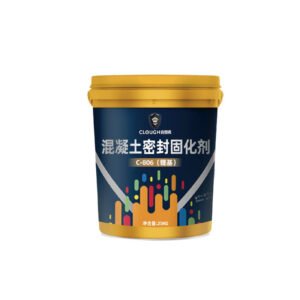
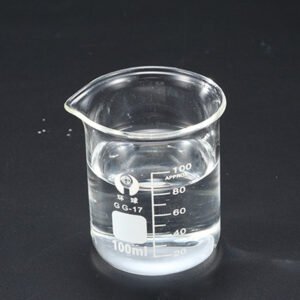
Lithium Silicate Densifier WNF-Li-Na-0190 | Lithium Silicate Densifier WNF-Li-Na-0280 | lithium silicate liquid Modulus 4.7-4.8 |
| Premium lithium silicate floor densifier for polished & raw concrete. Water-based zero-VOC solution penetrates deep to densify, harden and dustproof floors permanently via chemical C-S-H reaction. Less efflorescence than sodium silicate, abrasion-resistant, breathable and easy to polish. Perfect for industrial, commercial and warehouse concrete flooring. | Our liquid lithium silicate densifier features ultra-stable silica-lithium oxide ratio, high purity and minimal impurities. It penetrates concrete pores deeply for permanent hardening, delivers consistent low alkalinity and excellent compatibility with concrete sealers, polishing agents and mineral admixtures. Perfect for industrial floor densification, warehouse concrete polishing, commercial building ground treatment, garage floor reinforcement and high-durability cement surface renovation projects. | Our modulus 4.7–4.9 lithium silicate liquid is high-purity, water-based lithium silicate solution with a stable silica-lithium oxide ratio. This high-modulus lithium silicate liquid delivers uniform dispersion without heating, featuring mild alkalinity, ultra-low heavy metal impurities and excellent miscibility with mineral fillers, cement substrates and inorganic coatings. |
Top 4 Performance Benefits of Using Lithium Silicate Concrete Densifier
The chemical reaction described above translates into tangible, measurable advantages for your flooring project.
1. Unmatched Surface Hardness and Abrasion Resistance
As the C-S-H crystals fill the pores, the overall density of the concrete increases exponentially. This results in a floor that can withstand heavy foot traffic, forklifts, and impact loads without significant surface degradation. The Mohs hardness rating of the surface can increase by 1 to 2 points immediately after treatment. This is the core principle behind how to harden concrete floor.
2. Effective Dust-Proofing and Easier Maintenance
Concrete dusting is caused by the physical breakdown of the weak, loose laitance on the surface. By hardening the paste and locking the aggregate together, lithium silicate essentially “armors” the surface. This eliminates dusting, making floors easier to clean and reducing the risk of contamination in sensitive environments (like food processing or electronics manufacturing). It serves as a permanent concrete dusting solution.
3. Superior Water and Oil Repellency
By blocking the capillary pores, the densifier significantly reduces liquid absorption. While it does not create a completely impermeable membrane (like epoxy), it drastically reduces the rate of water and oil ingress. This protects the rebar from corrosion and prevents freeze-thaw damage in colder climates. As a lithium silicate concrete sealer, it delivers excellent liquid resistance without surface peeling.
4. Enhanced UV Resistance and Longevity
Unlike resinous coatings that degrade and discolor under ultraviolet (UV) light, lithium silicate is inorganic and UV-stable. It will not yellow or chalk. Its performance actually improves over time as the chemical reaction continues to develop. As a lithium silicate concrete sealer, it maintains the natural concrete appearance for decades.
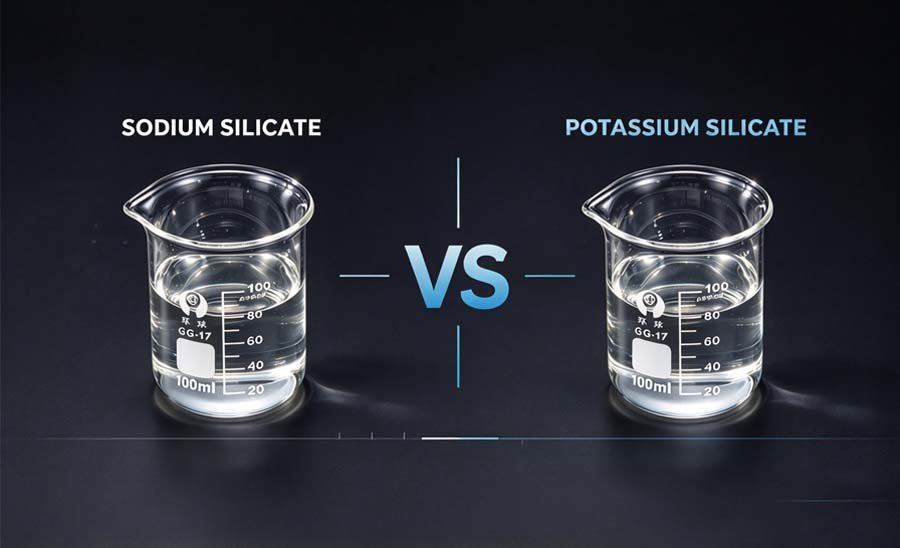
Lithium Silicate vs. Sodium Silicate vs. Potassium Silicate: A Crucial Comparison
While all alkali silicates densify concrete, lithium silicate offers distinct advantages that justify its often-premium cost.
| Feature | Lithium Silicate | Sodium/Potassium Silicate |
|---|---|---|
| Reaction Rate | Reacts thoroughly but at a controlled rate. | Reacts quickly, often too fast, limiting penetration depth. |
| Efflorescence | Produces little to no efflorescence (white salt residue) because the reaction byproduct is soluble. | High risk of efflorescence as excess silicates remain on the surface and react with CO₂. |
| Penetration Depth | Deeper penetration due to smaller molecular size and slower reaction time. | Shallower penetration, resulting in a thinner hardened layer. |
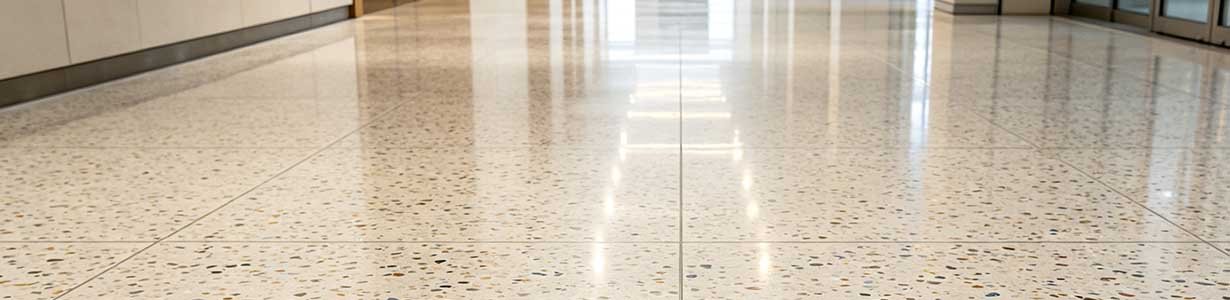
| Gloss Development | Polishes to a deeper, more reflective gloss. | Often yields a “hazy” or “milky” finish, requiring more effort to burnish. |
Summary: If you are looking for a “set it and forget it” solution that won’t ruin the aesthetics of a polished floor, lithium silicate concrete densifier is the superior choice.
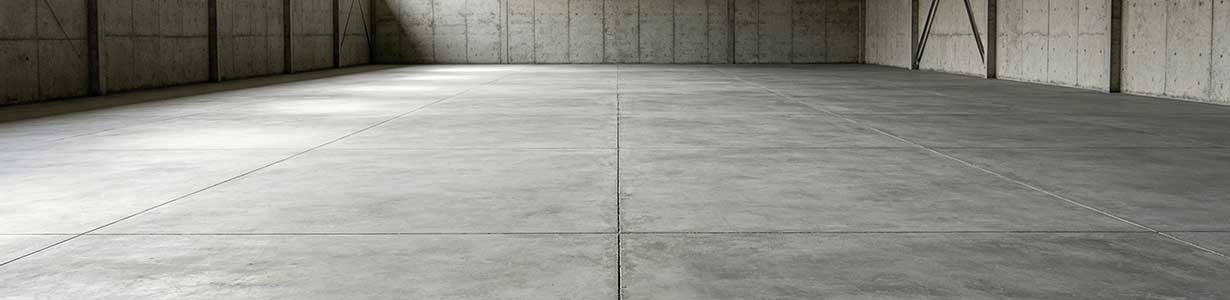
Ideal Application Scenarios for Lithium Silicate Densifiers
Due to its high performance and aesthetic benefits, lithium silicate concrete densifier is suitable for a wide range of projects:
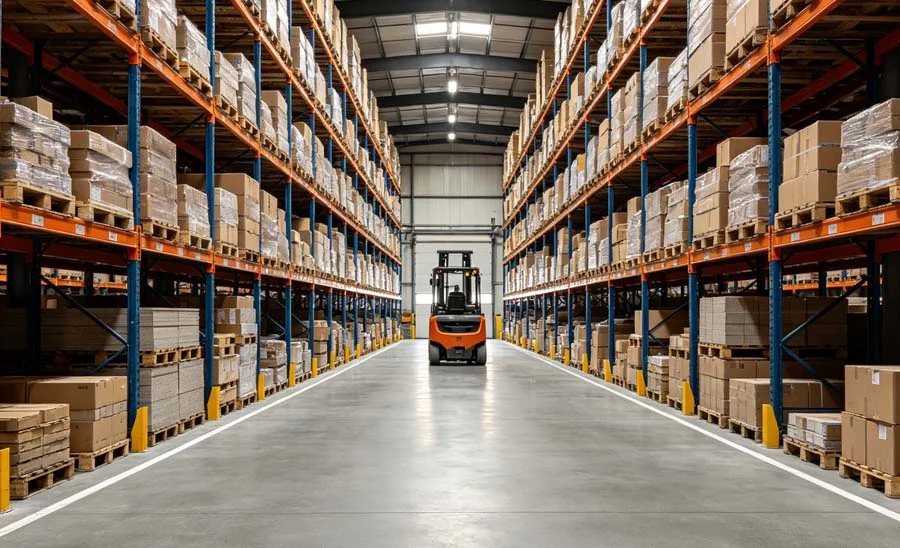
Industrial Warehouses: High-traffic zones requiring high durability and dust control.
Commercial Retail Spaces: Works beautifully under polished concrete, creating a sleek, high-end look that is easy to maintain.
Manufacturing Facilities: Resists oil stains and chemical spills (mild exposure).
Transportation Hubs: Airports and train stations benefit from the high abrasion resistance.
Existing Floors: Can be used as a remedial treatment for old, dusty, or worn concrete floors to restore integrity.
Application Guide: How to Apply Lithium Silicate for Maximum Results
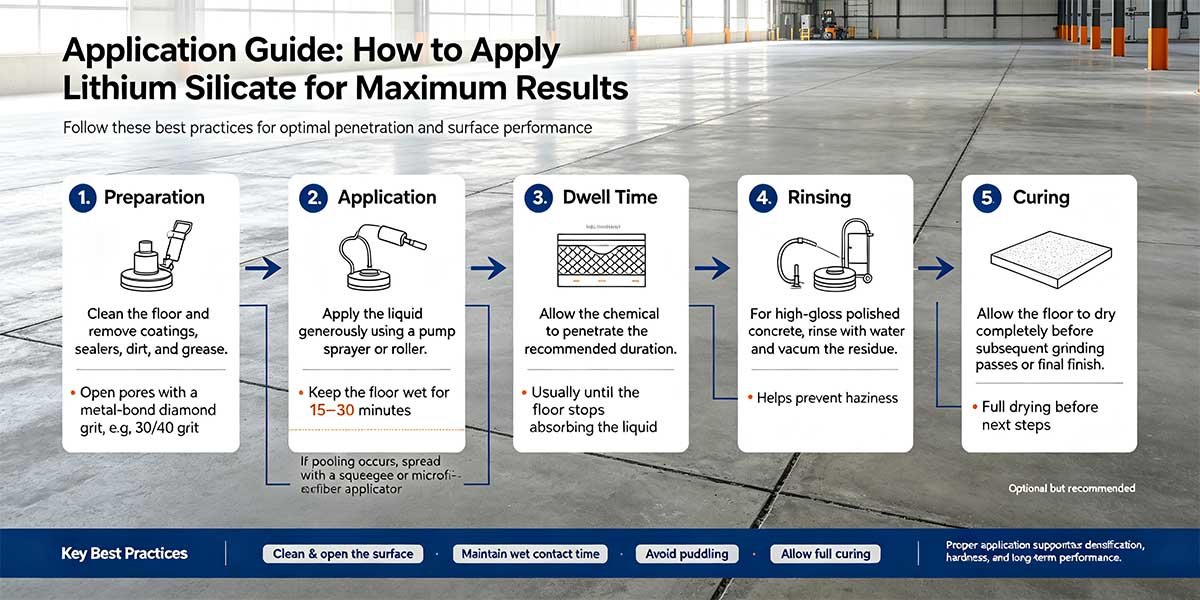
To get the most out of your lithium silicate densifier, follow these general best practices:
Preparation: The floor must be clean and free of existing coatings, sealers, dirt, or grease. Open the pores of the concrete using a floor grinder with a metal-bond diamond grit (e.g., 30/40 grit).
Application: Apply the liquid generously using a pump sprayer or roller. Ensure the floor remains wet with the densifier for 15 to 30 minutes. If the liquid pools, spread it with a squeegee or microfiber applicator.
Dwell Time: Allow the chemical to penetrate for the recommended duration (usually until the floor stops absorbing the liquid).
Rinsing (Optional but recommended for polished floors): For high-gloss polished concrete, it is often recommended to rinse the floor with water and vacuum the residue to prevent any potential haziness.
Curing: Allow the floor to dry completely before proceeding to subsequent grinding passes or applying a final finish.
Frequently Asked Questions
Q: Is lithium silicate dangerous to handle?
A: Like most industrial chemicals, it is alkaline. Standard PPE (gloves and safety glasses) is required, but it is generally considered low-toxicity and non-flammable.
Q: Will it change the color of my concrete?
A: No. Lithium silicate penetrates clear. It does not alter the natural color or pigment of the concrete, making it ideal for polished floors where aesthetics are a priority.
Q: Can it be applied to old, dusty concrete?
A: Yes. This is one of its primary applications. It penetrates and binds the loose surface particles, effectively “recycling” the old concrete surface.
Q: How long does it take to cure?
A: Initial chemical reactions happen within 24 hours, but maximum hardness develops over 2 to 3 weeks.
Conclusion & Next Steps
The shift from sodium-based sealers to lithium silicate densifiers represents a significant evolution in concrete floor technology. By leveraging advanced chemistry to create a permanent, integral bond with the substrate, lithium silicate offers unparalleled surface hardness, superior dust suppression, and long-term waterproofing—all without the peeling and yellowing issues associated with topical coatings.
Whether you are constructing a new industrial facility or refurbishing an aging warehouse, integrating a high-quality lithium silicate densifier is a cost-effective decision that significantly extends the life cycle of your concrete investment.
Experience the Difference Yourself
If you are currently planning a flooring project and want to see the transformative power of lithium silicate firsthand, we encourage you to test it in your own environment.
We are offering free lithium silicate densifier samples for testing. Leave your contact information in the comments or on our contact page, and our technical team will guide you through the application process to ensure optimal results for your specific concrete conditions.