topic: Dust Proofing

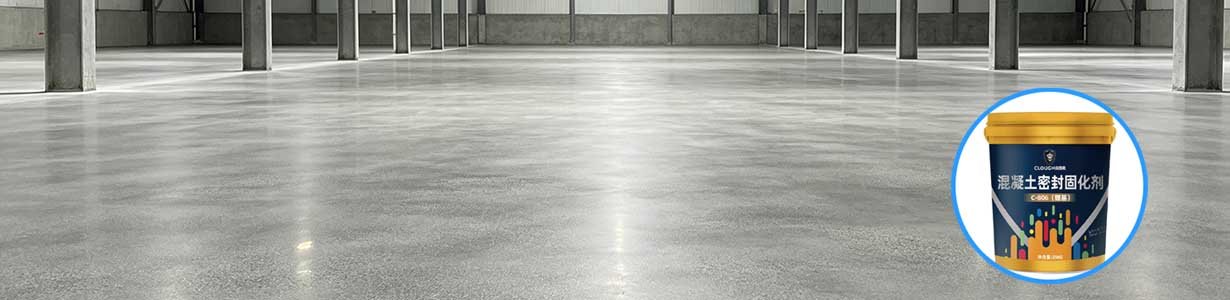
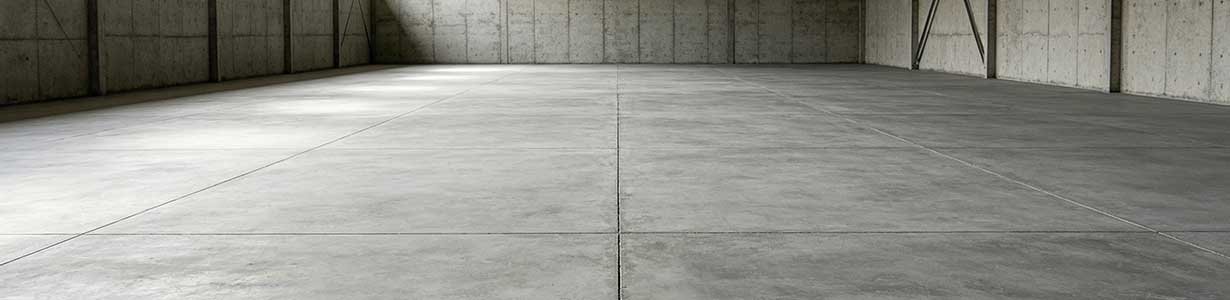
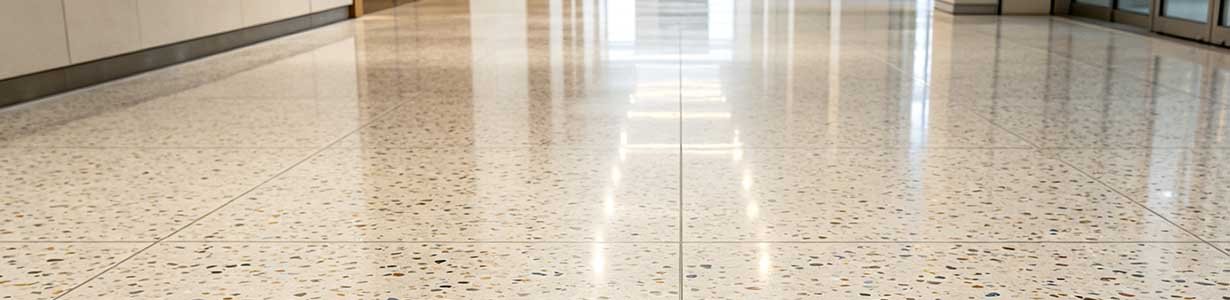
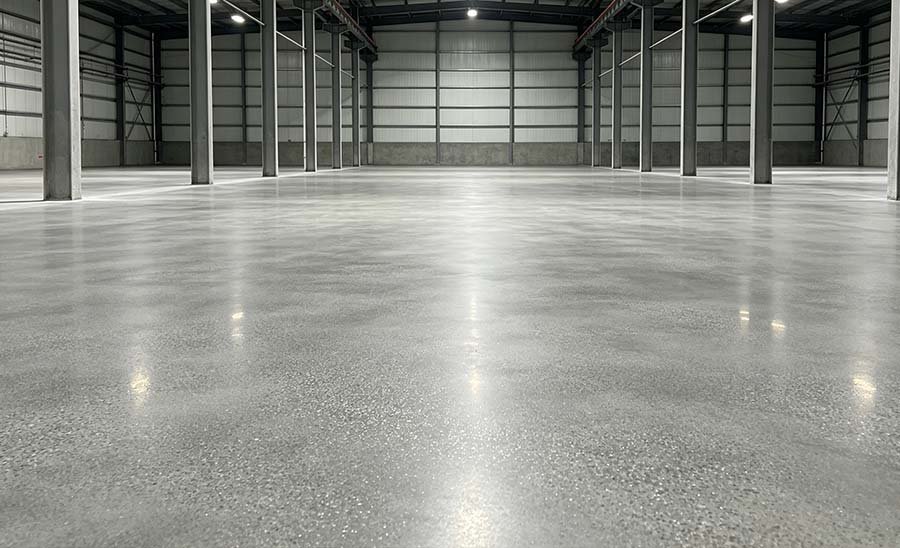
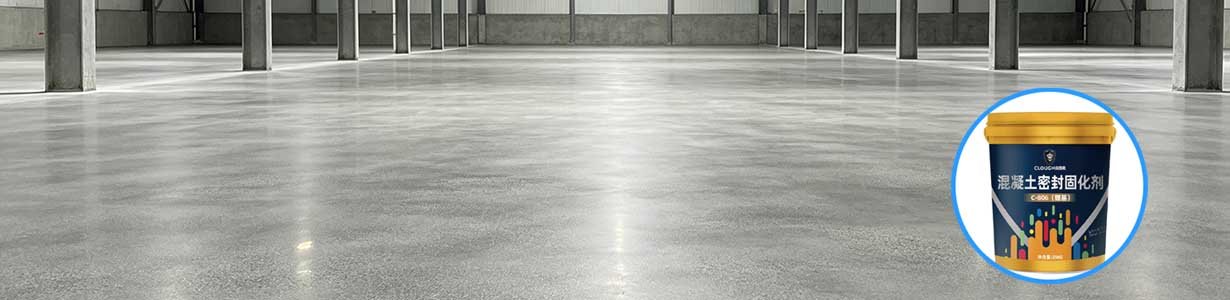
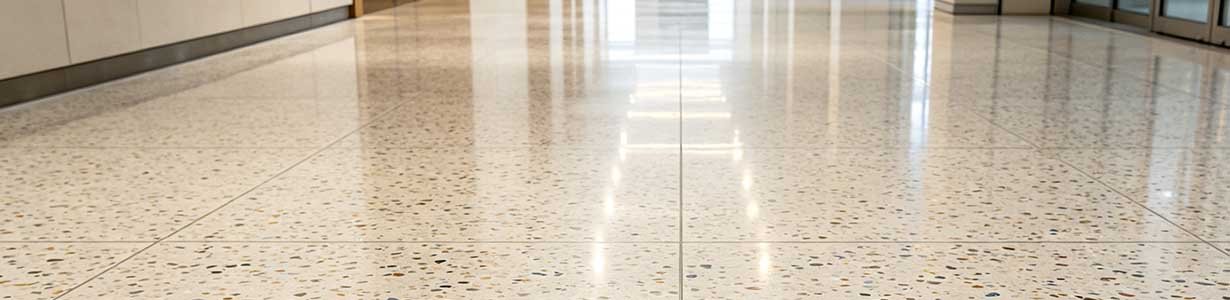
Silicate dust proofing treatments. Our penetrating sodium silicate solutions seal and harden concrete surfaces, eliminating dusting, improving wear resistance and creating cleaner, safer industrial floors.

  • Heavy-Duty Workshop Flooring Guide: Choose the Right Concrete Sealing and Curing Agent So Forklifts Can Run Over It Every Day Without Damage

    Heavy-Duty Workshop Flooring Guide: Choose the Right Concrete Sealing and Curing Agent So Forklifts Can Run Over It Every Day Without Damage

    Concrete sealing and curing agent combining moisture retention with permanent silicate densification for durable floor surfaces


    Why Do Heavy-Duty Workshop Floors Keep Failing?


    What should be noted when choosing a concrete sealing and curing agent for a workshop floor where heavy-duty forklifts pass through every day?

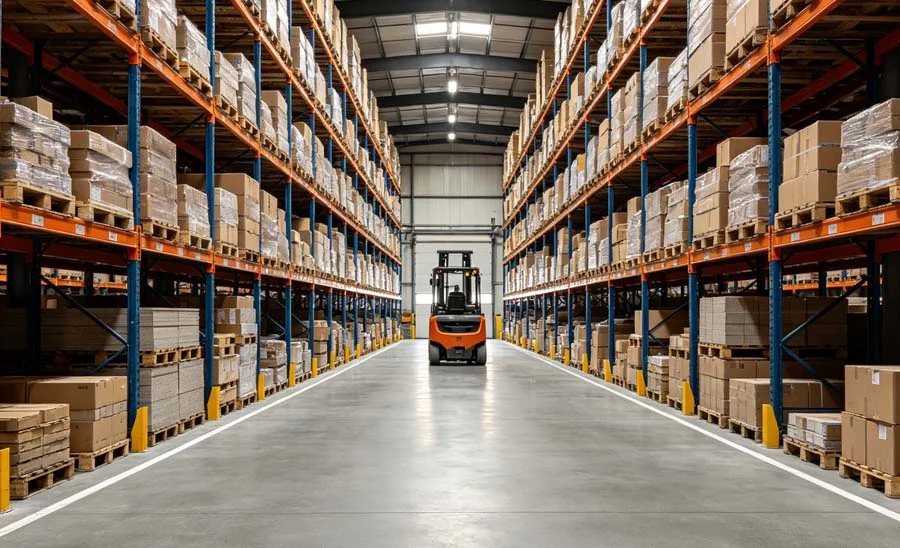
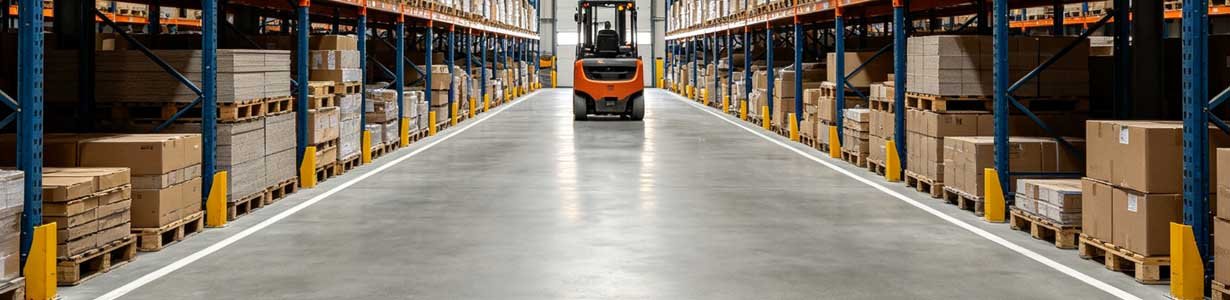
    This question touches upon the pain points of industrial flooring. Forklifts, trucks, and other vehicles repeatedly run over, brake, turn, and load/unload, subjecting the ground to several tons of load repeatedly. Ordinary cement floors simply cannot withstand this for long—they start to chip, wear, and deform, and become uneven, directly affecting production. Many people think it is the poor quality of the concrete, but in fact, the problem often lies in the “strengthening” step: choosing the wrong or improper type of concrete sealing and curing agent.


    First, Understand How Concrete Sealing and Curing Agents Work


    To understand the key to selection, one must first understand the working principle of the concrete sealing and curing agent.

    A concrete sealing and curing agent is a penetrating liquid material mainly composed of alkali metal silicates. When applied to the ground, the liquid seeps into the interior of the concrete through capillary pores and micro-cracks, reacting chemically with the free hydroxide calcium remaining after cement hydration to form water-calcium silicate (C-S-H) gel.

    This gel fills the capillary pores, encapsulates and strengthens the cement particles, making the originally loose concrete surface dense. In other words, the concrete sealing and curing agent does not “paint” on the ground, but “hardens from the inside out”—this is why it is also called a “penetrating liquid hardener.”
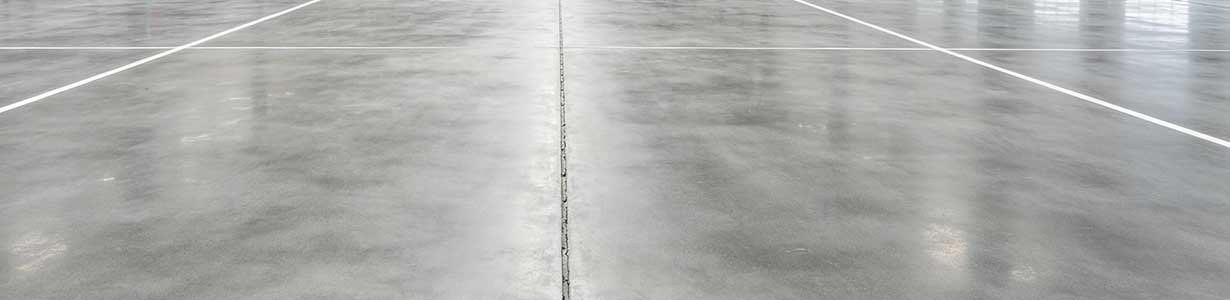
     

    Lithium-based silicate with smallest ionic radius penetrating dense concrete for deep hardening without efflorescence


    Key to Selection: Heavy-Duty Workshops Should Prioritize Lithium-Based or High-Grade Potassium-Based Types


    For the same concrete sealing and curing agent, different types have vastly different reaction intensities. Heavy-duty workshops should prioritize lithium-based silicate or high-grade potassium-based silicate types. From a chemical perspective, lithium ions have a smaller radius, and lithium-based silicate has a deeper penetration depth, generating a dense gel that is not prone to alkali efflorescence and whitening; high-grade potassium silicate has high reactivity and good penetration, and has a strong bond with the base layer.

    The gel formed after the reaction has significantly higher compressive strength and wear resistance, and can withstand the rolling and friction of forklifts and trucks without easily damaging the surface layer. Ordinary low-grade sodium silicate has a larger sodium ion radius and weak penetration ability, and has limited reactivity.

    The gel formed is insufficient in strength and only forms a thin layer of false hardness on the surface—it looks shiny but breaks under pressure, and cannot withstand long-term rolling. The concentration (solid content) is the same. If the effective components are insufficient, the penetration is shallow, and the reaction is not complete, it only forms a superficial layer.

    Therefore, when purchasing, one should not only consider price and brand, but also request a test report from the manufacturer and focus on checking indicators such as modulus and solid content; if possible, conduct a small-scale trial before construction, use a hard object to scrape and heavy objects to compact to measure the strength after curing, and see for oneself.


    Do Not Overlook the Base Layer Itself


    Thirdly, do not overlook the base layer itself. The concrete sealing and curing agent is a “strengthening” material, not a “repair” material. If the ground has cracks, holes, or severe chipping, base layer treatment must be carried out first: slot the cracks and patch them, use repair mortar to level the holes, and for severely chipped areas, first sand and clean the dust, and if necessary, do base layer reinforcement, then the curing agent can be applied.

    Otherwise, the curing agent can only cover the surface, and the problem of a loose base layer has not been solved, and the surface will still chip and powderize over time, which is a waste of effort. The treatment of the base layer also directly affects the penetration effect—a clean base layer with appropriate roughness makes the curing agent easier to penetrate.


    Construction Process Determines Success or Failure


    Selecting the right material is only the first step; the construction process also determines success or failure. The number of coating applications should match the absorption capacity of the base surface. The conventional practice is two to three coats: the first coat should penetrate thoroughly, and areas with quick absorption should be reapplied promptly; the second coat should consolidate the surface, and a third coat may be added depending on the situation.

    The amount of each coat should be controlled properly; too little penetration will not be sufficient, and too much will float on the surface and turn white. The environmental temperature and humidity should also be monitored. Generally, construction should be carried out within the range of 5°C–35°C. Low temperatures will significantly slow down the reaction speed.

    The most crucial aspect is the curing process: the curing reaction requires time, and the gel strength gradually increases. Generally, it is recommended to avoid personnel and forklift access within 24 hours after construction, and to maintain the curing period as per the product requirements for several days. Rushing the construction schedule is the most undesirable practice—rushing into production without proper curing is equivalent to pressing an unfirm structure prematurely, ultimately resulting in a significant reduction in strength. All previous investments will be wasted.
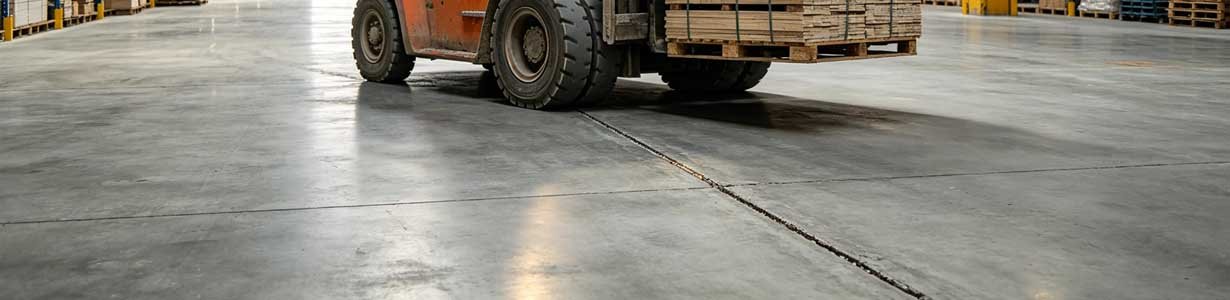
     

    Base layer treatment with silicate solution penetrating prepared concrete substrate for CSH gel formation and surface densification


    Common Combination for Heavy-Duty Workshops: Diamond Abrasive Flooring + Sealing and Curing Agent


    It is worth noting that heavy-duty workshops often combine concrete sealing and curing agents with diamond abrasive flooring: a diamond abrasive layer is first applied, followed by sealing and strengthening with a concrete sealing and curing agent, forming an “abrasive layer + sealing layer” combination.

    This combination offers better compressive strength, wear resistance, and dust prevention effects. Whether additional sealing is required can be confirmed with the construction party based on actual load and budget. During the completion and acceptance process, several key indicators can be focused on: the increase in compressive strength, wear resistance (wear rate), surface Mohs hardness, and penetration depth. These data should be based on the manufacturer’s test report and third-party measurement.


    Summary: For Heavy-Duty Workshops, Remember Three Things When Choosing a Concrete Sealing and Curing Agent


    Therefore, when choosing a concrete sealing and curing agent for heavy-duty workshops, remember these three things: select the right type, prioritizing lithium silicate and high-grade potassium silicate; be strict with indicators, ensuring the modulus and concentration meet the standards; complete the process, repairing the base surface first, applying sufficient coats, and maintaining sufficient curing time. If these three things are done, the workshop floor can withstand the constant rolling of forklifts, remain free of sanding and damage, and require less maintenance in the long term.


    for more information ,please visit our facebook page
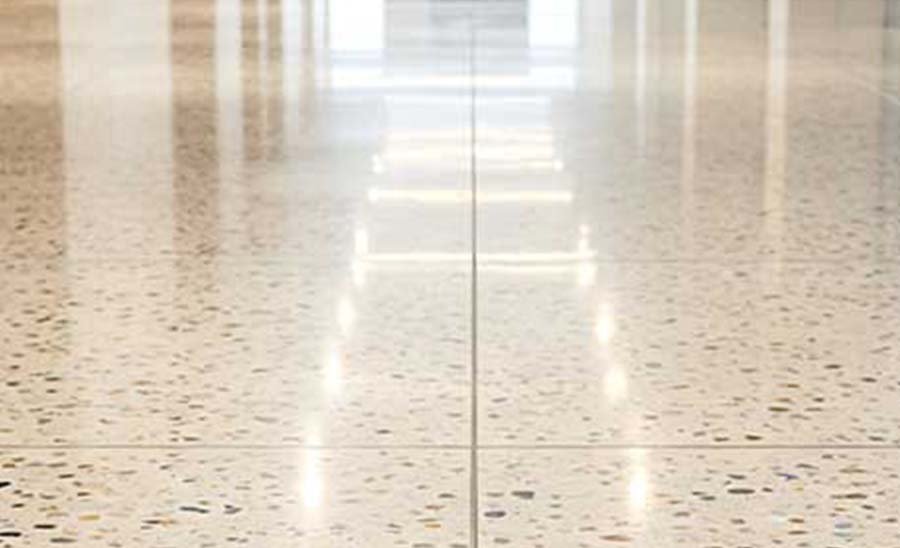
  • 3 Key Benefits of High-Performance Lithium Silicate Permeability: Boost Concrete Hardening & Floor Service Life

    3 Key Benefits of High-Performance Lithium Silicate Permeability: Boost Concrete Hardening & Floor Service Life

    Lithium silicate permeability in concrete showing deep penetration and gelation controlled by SiO2 to Li2O molar ratio


    What is Lithium Silicate Permeability


    In the concrete curing floor industry, lithium silicate permeability is the core indicator for evaluating the quality of lithium silicate products and plays a vital role in industrial floor reinforcement. In simple terms, it refers to the ability of lithium silicate materials to penetrate deep into concrete interiors, diffuse fully within the base structure, and trigger stable deep chemical reactions. In industrial applications, penetration depth is the most intuitive standard to judge this performance.

    Ordinary low-quality lithium silicate features weak penetration capacity, merely adhering to the concrete surface instead of penetrating into the inner base layer. Such materials deliver only temporary curing effects, easily causing floor sanding, dusting and peeling issues. In contrast,high permeability lithium silicate can rapidly pass through concrete surface pores and permeate deep into the internal base structure, fundamentally optimizing the physical stability of concrete.


    The three core impacts of lithium silicate permeability on concrete floors


    1.Determine the dense effect of concrete reinforcement, prevent sanding and dusting


    As a professional concrete hardener, lithium silicate upgrades concrete structures through internal chemical reactions. After penetrating the concrete interior, the active ingredients react with alkaline substances such as calcium hydroxide to generate stable calcium silicate gel fillers that fill structural gaps. The excellent penetration capability of high permeability lithium silicate ensures deeper infiltration and more sufficient chemical reactions with the concrete matrix.

    Sufficient deep chemical reactions effectively fill concrete capillary pores and fine internal cracks, converting the original loose, porous concrete structure into a compact, integrated and stable whole. This fundamentally eliminates common floor problems including sanding, dusting, looseness and hollowing, greatly improving structural firmness and realizing effective industrial floor reinforcement.


    2.Enhance the overall surface hardness, achieve internal-to-outside hardening


    Most low-end floor curing materials only form a fragile thin hardening film on the concrete surface, resulting in a hard exterior but loose interior structure. Floors treated with these inferior products are prone to delamination, abrasion and scratches in daily use. Different from ordinary coatings, high permeability lithium silicate abandons simple surface film formation and realizes genuine overall hardening from the inside out.

    This premium concrete hardener continuously generates stable hardened crystals from the deep concrete base to the surface layer, synchronously improving the hardness of the entire floor structure. After professional grinding and polishing, the treated floor boasts superior flatness, high glossiness, as well as excellent wear and scratch resistance, completely solving traditional floor defects such as easy surface wear and luster loss.


    3.Significantly extend the service life of the floor and reduce maintenance costs


    Penetration performance directly determines concrete floor wear resistance, weather resistance and concrete floor service life. The dense and stable hardened structure formed by qualified lithium silicate penetration can effectively resist various external damages, including vehicle rolling, heavy object friction, dust corrosion and water vapor infiltration.

    High-quality lithium silicate treatment prevents floors from sanding, dusting, cracking and aging, avoiding frequent grinding, renovation and waxing maintenance. It greatly reduces later maintenance costs and maximizes concrete floor service life for long-term industrial and commercial operation.


    High permeability lithium silicate penetrating dense concrete surface with deep CSH gel formation for permanent hardening


    Main application scenarios of high-permeability lithium silicate


    Benefiting from outstanding deep reinforcement, high hardness and super durability, lithium silicate has become a reliable concrete hardener for high-intensity, high-load and high-frequency used concrete floors.

    Its typical application scenarios cover industrial factory floors, warehouse logistics floors, large commercial parking lots, supermarket heavy-load floors, airport platforms, workshop heavy-duty passages, underground garages and other high-demand sites. These venues feature dense vehicle traffic and severe ground friction, requiring ultra-high floor hardness and wear resistance to support long-term stable operation.


    Concrete hardener comparison showing densified dust-free surface after silicate treatment with increased abrasion resistance


    Summary


    In conclusion, lithium silicate permeability is an irreplaceable core performance indicator that directly governs the reinforcement effect, surface hardness and comprehensive performance of concrete floors. Low-permeability lithium silicate only provides superficial and temporary hardening effects with poor stability. In comparison, high-quality lithium silicate deeply penetrates the concrete base layer to optimize the internal structure, creating dense, ultra-hard, wear-resistant and maintenance-free cured floors suitable for various heavy-load and high-strength usage scenarios.


    Request a TDS  |  Request a Sample  |  Get a Quote

  • Lithium Silicate Concrete Densifier: The Ultimate Guide to Harder, Dust-Proof Floors

    Lithium Silicate Concrete Densifier: The Ultimate Guide to Harder, Dust-Proof Floors

    Lithium silicate concrete sealer being applied to warehouse floor with low-pressure sprayer showing penetrating densifier action

    Concrete is the backbone of modern infrastructure. However, its inherent porosity is its greatest weakness. In industrial, commercial, and even residential settings, untreated concrete floors suffer from dusting, staining, and rapid wear, leading to high maintenance costs and shortened service life. Many project owners search for a reliable concrete dusting solution to fix this persistent floor problem.

    This is where chemical densifiers come into play. Among these, lithium silicate concrete densifier has emerged as the industry gold standard. Unlike topical coatings that merely sit on the surface, lithium silicate concrete densifier penetrates deep into the concrete matrix, creating a permanent, chemical bond that fundamentally alters the material’s physical properties.

    In this comprehensive guide, we will explore the chemistry, benefits, and applications of lithium silicate concrete densifier, explaining why this technology is being rapidly adopted in construction projects worldwide. We will also cover how to harden concrete floor properly for long-lasting performance.


    What is Lithium Silicate and How Does it Work?


    To understand the effectiveness of lithium silicate, we must first understand the enemy: Concrete Porosity.

    Fresh concrete is a mixture of cement, aggregates, and water. As it cures, excess water evaporates, leaving behind a network of microscopic capillaries and voids. Additionally, the hydration process leaves behind free lime, or calcium hydroxide (Ca(OH)₂) , within these pores.

    Lithium silicate is an aqueous solution of lithium oxide (Li₂O) and silicon dioxide (SiO₂), characterized by its very small molecular size. A high-performance lithium silicate densifier relies on this small molecular structure to achieve deep penetration.


    The Chemical Reaction: From Calcium Hydroxide to Calcium Silicate Hydrate (C-S-H)


    When applied to concrete, the lithium silicate solution penetrates deeply through the capillary network. It reacts chemically with the free calcium hydroxide present in the concrete matrix.

    The reaction proceeds as follows:
    Li₂SiO₃ + Ca(OH)₂ → CaSiO₃ (Calcium Silicate Hydrate) + 2 LiOH

    The byproduct, Lithium Hydroxide (LiOH), further reacts with atmospheric CO₂ to form Lithium Carbonate, which also contributes to densification. The primary product, Calcium Silicate Hydrate (C-S-H), is the same strong, crystalline compound that gives concrete its original strength.


    Penetration vs. Coating: A Fundamental Difference


    This is the critical distinction: lithium silicate densifier is a densifier, not a film-forming sealer, though many buyers refer to it as a lithium silicate concrete sealer.

    Topical Sealers (Acrylics, Epoxies): Sit on the surface and can peel, yellow, or wear off.
    Lithium silicate concrete sealer: Reacts in situ within the pore structure. They become an integral part of the concrete, filling the voids from the inside out. This creates a continuous, monolithic structure that is significantly more durable than the original concrete slab.


    Recommended Lithium Silicate Concrete Densifier


    Lithium silicate floor densifier being applied to concrete surface with sprayer for permanent hardening and dustproofing

    Lithium silicate floor densifier being applied to concrete surface with sprayer for permanent hardening and dustproofing

    Lithium silicate floor hardener being applied to concrete surface with sprayer for permanent dustproofing and abrasion resistance

    Lithium Silicate Densifier WNF-Li-Na-0190

    Lithium Silicate Densifier WNF-Li-Na-0280

    lithium silicate liquid Modulus 4.7-4.8

    Premium lithium silicate floor densifier for polished & raw concrete. Water-based zero-VOC solution penetrates deep to densify, harden and dustproof floors permanently via chemical C-S-H reaction. Less efflorescence than sodium silicate, abrasion-resistant, breathable and easy to polish. Perfect for industrial, commercial and warehouse concrete flooring.Our liquid lithium silicate densifier features ultra-stable silica-lithium oxide ratio, high purity and minimal impurities. It penetrates concrete pores deeply for permanent hardening, delivers consistent low alkalinity and excellent compatibility with concrete sealers, polishing agents and mineral admixtures. Perfect for industrial floor densification, warehouse concrete polishing, commercial building ground treatment, garage floor reinforcement and high-durability cement surface renovation projects.Our modulus 4.7–4.9 lithium silicate liquid is high-purity, water-based lithium silicate solution with a stable silica-lithium oxide ratio. This high-modulus lithium silicate liquid delivers uniform dispersion without heating, featuring mild alkalinity, ultra-low heavy metal impurities and excellent miscibility with mineral fillers, cement substrates and inorganic coatings.


    Lithium silicate densifier being sprayed on concrete floor with low-pressure sprayer showing deep penetration and densification process


    Top 4 Performance Benefits of Using Lithium Silicate Concrete Densifier


    The chemical reaction described above translates into tangible, measurable advantages for your flooring project.


    1. Unmatched Surface Hardness and Abrasion Resistance

    As the C-S-H crystals fill the pores, the overall density of the concrete increases exponentially. This results in a floor that can withstand heavy foot traffic, forklifts, and impact loads without significant surface degradation. The Mohs hardness rating of the surface can increase by 1 to 2 points immediately after treatment. This is the core principle behind how to harden concrete floor.


    2. Effective Dust-Proofing and Easier Maintenance

    Concrete dusting is caused by the physical breakdown of the weak, loose laitance on the surface. By hardening the paste and locking the aggregate together, lithium silicate essentially “armors” the surface. This eliminates dusting, making floors easier to clean and reducing the risk of contamination in sensitive environments (like food processing or electronics manufacturing). It serves as a permanent concrete dusting solution.


    3. Superior Water and Oil Repellency

    By blocking the capillary pores, the densifier significantly reduces liquid absorption. While it does not create a completely impermeable membrane (like epoxy), it drastically reduces the rate of water and oil ingress. This protects the rebar from corrosion and prevents freeze-thaw damage in colder climates. As a lithium silicate concrete sealer, it delivers excellent liquid resistance without surface peeling.


    4. Enhanced UV Resistance and Longevity

    Unlike resinous coatings that degrade and discolor under ultraviolet (UV) light, lithium silicate is inorganic and UV-stable. It will not yellow or chalk. Its performance actually improves over time as the chemical reaction continues to develop. As a lithium silicate concrete sealer, it maintains the natural concrete appearance for decades.


    Lithium Silicate vs. Sodium Silicate vs. Potassium Silicate: A Crucial Comparison


    While all alkali silicates densify concrete, lithium silicate offers distinct advantages that justify its often-premium cost.

    FeatureLithium SilicateSodium/Potassium Silicate
    Reaction RateReacts thoroughly but at a controlled rate.Reacts quickly, often too fast, limiting penetration depth.
    EfflorescenceProduces little to no efflorescence (white salt residue) because the reaction byproduct is soluble.High risk of efflorescence as excess silicates remain on the surface and react with CO₂.
    Penetration DepthDeeper penetration due to smaller molecular size and slower reaction time.Shallower penetration, resulting in a thinner hardened layer.
    Gloss DevelopmentPolishes to a deeper, more reflective gloss.Often yields a “hazy” or “milky” finish, requiring more effort to burnish.

    Summary: If you are looking for a “set it and forget it” solution that won’t ruin the aesthetics of a polished floor, lithium silicate concrete densifier is the superior choice.


    Lithium silicate concrete dusting solution showing treated and untreated floor comparison with dust-free polished surface


    Ideal Application Scenarios for Lithium Silicate Densifiers


    Due to its high performance and aesthetic benefits, lithium silicate concrete densifier is suitable for a wide range of projects:

    Industrial Warehouses: High-traffic zones requiring high durability and dust control.

    Commercial Retail Spaces: Works beautifully under polished concrete, creating a sleek, high-end look that is easy to maintain.

    Manufacturing Facilities: Resists oil stains and chemical spills (mild exposure).

    Transportation Hubs: Airports and train stations benefit from the high abrasion resistance.

    Existing Floors: Can be used as a remedial treatment for old, dusty, or worn concrete floors to restore integrity.


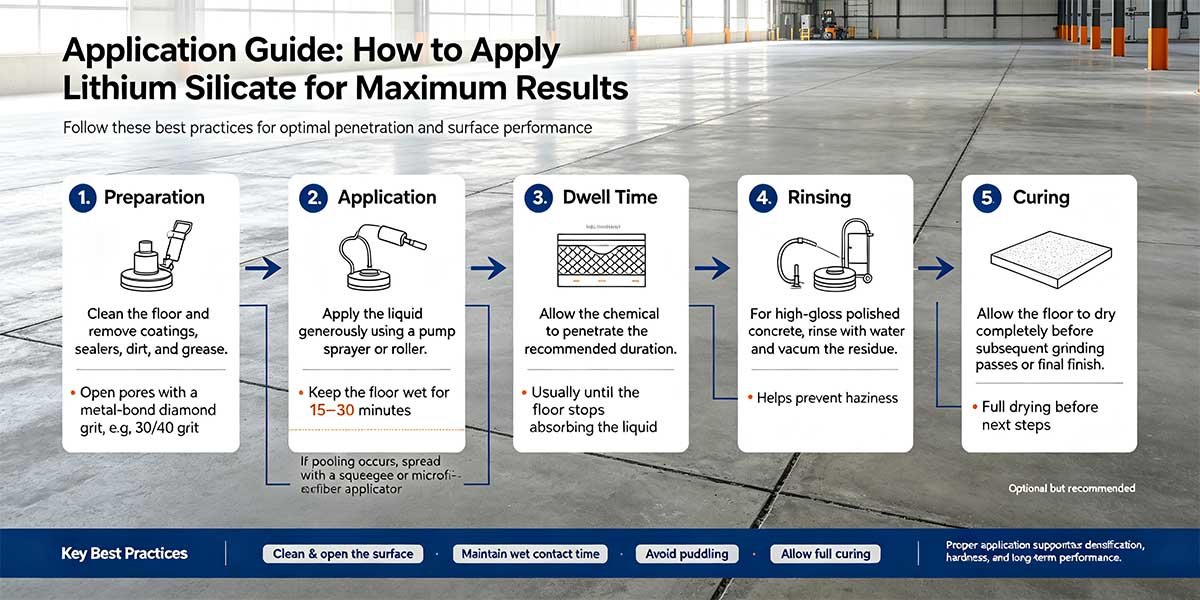
    Application Guide: How to Apply Lithium Silicate for Maximum Results


    Lithium silicate concrete floor hardening process showing surface preparation spray application and polished finished floor


    To get the most out of your lithium silicate densifier, follow these general best practices:

    Preparation: The floor must be clean and free of existing coatings, sealers, dirt, or grease. Open the pores of the concrete using a floor grinder with a metal-bond diamond grit (e.g., 30/40 grit).

    Application: Apply the liquid generously using a pump sprayer or roller. Ensure the floor remains wet with the densifier for 15 to 30 minutes. If the liquid pools, spread it with a squeegee or microfiber applicator.

    Dwell Time: Allow the chemical to penetrate for the recommended duration (usually until the floor stops absorbing the liquid).

    Rinsing (Optional but recommended for polished floors): For high-gloss polished concrete, it is often recommended to rinse the floor with water and vacuum the residue to prevent any potential haziness.

    Curing: Allow the floor to dry completely before proceeding to subsequent grinding passes or applying a final finish.


    Frequently Asked Questions 


    Q: Is lithium silicate dangerous to handle?

    A: Like most industrial chemicals, it is alkaline. Standard PPE (gloves and safety glasses) is required, but it is generally considered low-toxicity and non-flammable.


    Q: Will it change the color of my concrete?

    A: No. Lithium silicate penetrates clear. It does not alter the natural color or pigment of the concrete, making it ideal for polished floors where aesthetics are a priority.


    Q: Can it be applied to old, dusty concrete?

    A: Yes. This is one of its primary applications. It penetrates and binds the loose surface particles, effectively “recycling” the old concrete surface.


    Q: How long does it take to cure?

    A: Initial chemical reactions happen within 24 hours, but maximum hardness develops over 2 to 3 weeks.


    Conclusion & Next Steps


    The shift from sodium-based sealers to lithium silicate densifiers represents a significant evolution in concrete floor technology. By leveraging advanced chemistry to create a permanent, integral bond with the substrate, lithium silicate offers unparalleled surface hardness, superior dust suppression, and long-term waterproofing—all without the peeling and yellowing issues associated with topical coatings.

    Whether you are constructing a new industrial facility or refurbishing an aging warehouse, integrating a high-quality lithium silicate densifier is a cost-effective decision that significantly extends the life cycle of your concrete investment.


    Experience the Difference Yourself


    If you are currently planning a flooring project and want to see the transformative power of lithium silicate firsthand, we encourage you to test it in your own environment.

    We are offering free lithium silicate densifier samples for testing. Leave your contact information in the comments or on our contact page, and our technical team will guide you through the application process to ensure optimal results for your specific concrete conditions.


    Request a TDS  |  Request a Sample  |  Get a Quote

  • Potassium Silicate Concrete Densifier WNF-KCS01

    Potassium Silicate Concrete Densifier WNF-KCS01

    What is Potassium Silicate Concrete Densifier?


    Potassium Silicate Concrete Densifier, also known as potassium silicate densifier, potassium silicate floor densifier or potassium silicate concrete hardener, is a high-performance water-based inorganic silicate strengthening material widely applied in global concrete flooring construction, industrial ground renovation and building protection fields.
     
    Sanlee Chemical acts as a professional potassium silicate concrete densifier manufacturer and reliable potassium silicate concrete sealer manufacturer and reliable supplier, providing high-purity, stable-quality potassium silicate densifier with consistent chemical activity. Our premium potassium silicate floor densifier floor-specific silicate treatment features a scientifically calibrated formula, which can be customized to meet diverse engineering and wholesale demands, delivering dependable performance for global clients who purchase high-standard potassium silicate concrete hardener for commercial and industrial floor projects.
     
    This professional potassium silicate concrete sealer is produced through precise batching, low-temperature activation, high-purity filtration and stable blending processes. It features ultra-deep concrete penetration, rapid chemical reaction speed and long-lasting curing effect, with no blooming, no peeling and no discoloration on the concrete surface. The stable formula of our potassium silicate densifier ensures uniform strengthening effect on new and old concrete floors, making it a core functional material for high-quality concrete floor polishing, hardening and anti-dust treatment worldwide.


    Introduction to Potassium Silicate Concrete Densifier


    Commonly referred to as a premium reactive silicate treatment for floors, Potassium Silicate Concrete Densifier is a reactive inorganic concrete strengthening and sealing agent developed specifically for porous concrete substrates. Different from traditional surface coatings, this specialized hardener penetrates deep into the internal capillary pores of concrete and triggers permanent chemical curing reactions.
     
    Under normal temperature and pressure, the finished product is a transparent and odorless aqueous solution with excellent fluidity and permeability. It features outstanding internal hardening, anti-dusting, anti-abrasion and anti-permeability performance. Compared with ordinary sodium silicate products, our Potassium Silicate Concrete Densifier effectively avoids efflorescence and whitening problems, with stronger chemical stability and better compatibility with polished concrete systems. This premium sealing treatment requires simple construction, short curing cycle and no repeated coating, greatly reducing floor maintenance costs for long-term industrial and commercial use.
     
    Our optimized formula hardener maintains balanced chemical reactivity and moderate penetration speed. It perfectly adapts to various concrete base strengths and construction environments. With stable batch quality, high cost performance and flexible packaging options, our customized silicate floor treatment has won wide recognition and consistent positive feedback from global flooring contractors, engineering companies and building material distributors for large-scale floor projects.


    CAS Number


    CAS No.: 1312-76-1


    Chemical Formula


    General chemical formula: K₂O·nSiO₂; Our high-performance Potassium Silicate Concrete Densifier adopts an accurate potassium-silicon molar ratio. The molecular structure of each batch is uniform and stable, ensuring consistent penetration and curing effect, avoiding performance fluctuations in floor construction, and providing reliable quality guarantee for downstream concrete floor hardening and sealing projects.
  • Lithium Silicate Densifier WNF-Li-Na-0190

    Lithium Silicate Densifier WNF-Li-Na-0190

    What is Lithium Silicate Floor Densifier?


    A lithium silicate floor densifier is a high-performance water-based penetrating chemical agent specially formulated for concrete floor reinforcement.
     
    Also known as concrete lithium silicate densifier, it differs significantly from traditional sodium and potassium silicate densifiers in formula stability and application effect.
     
    Produced by reliable manufacturer Sanlee Chemical, this professional floor treatment material features ultra-fine molecular structure and low-viscosity characteristics, enabling it to penetrate deep into the internal pores of concrete rather than forming a simple surface coating.
     
    It permanently upgrades the structural strength, surface density and overall durability of concrete floors through irreversible chemical reactions, solving common floor problems such as dusting, sanding, low hardness and poor wear resistance.


    Introduction to Lithium Silicate Floor Densifier


    As a core environmentally friendly building chemical material, the premium product from Sanlee Chemical is a zero-VOC, odorless, non-toxic and eco-friendly floor treatment material. Its refined formula effectively avoids the common efflorescence, blooming and whitening defects of traditional alkali silicate products, ensuring stable and consistent construction results in various temperature and humidity environments.
     
    This lithium silicate hardener densifier works based on the hydration reaction principle. After penetrating into the concrete base, it reacts with free calcium hydroxide and unhydrated cement particles in concrete to generate stable and insoluble C-S-H gel. The gel fills and seals the micro-pores and capillary gaps inside the concrete, compacting the loose concrete structure from the inside out. After treatment, the concrete floor forms a dense, hard, breathable and wear-resistant integrated layer, with surface hardness, compression resistance and abrasion resistance greatly improved.
     
    As a professional lithium silicate densifier factory, Sanlee Chemical strictly controls raw material purity and production processes, delivering products with deep penetration, fast reaction speed, long service life and zero later-stage maintenance, far superior to ordinary floor hardeners on the market.


    CAS Number

     
    The core active ingredient of Sanlee Chemical products is lithium metasilicate, with the standard CAS Number: 10102-24-6. This CAS number is the unified international chemical identification for high-purity lithium silicate raw materials used in concrete densification and hardening. All batches of our finished products adopt standard CAS 10102-24-6 grade raw materials, with stable molecular weight, high chemical activity and pure formula components.
     
    With qualified CAS certification, our industrial floor treatment agent complies with international industrial chemical standards and global environmental protection regulations. It supports third-party quality testing, meets industrial construction, commercial decoration and food-grade environmental use requirements, and ensures safe, reliable and standardized application in various engineering scenarios.
  • Lithium Silicate Densifier WNF-Li-Na-0280

    Lithium Silicate Densifier WNF-Li-Na-0280

    What is Lithium Silicate Densifier (Lithium Silicate Concrete Densifier)?

    Lithium silicate densifier, also widely known as lithium silicate concrete densifier, is a high-performance inorganic silicate hardening and densifying material specially developed for concrete surface reinforcement, extensively adopted across global industrial flooring, commercial construction and building renovation sectors.

    As a professional lithium silicate densifier manufacturer and trusted lithium silicate densifier supplier, Sanlee Chemical specializes in producing high-purity, high-stability lithium silicate concrete densifier with precise chemical indicators and stable batch performance.

    As a reliable lithium silicate concrete densifier manufacturer, we support customized product formulas and technical specifications, fully meeting the large-scale production and on-site construction demands of global engineering contractors, flooring companies and building material distributors who seek premium-quality lithium silicate densifier products.

    Our lithium silicate concrete densifier is manufactured through precise batching, high-purity purification, low-temperature synthesis and multi-stage filtration procedures. It features ultra-stable molecular structure, low viscosity, strong concrete permeability, zero volatile organic compounds, and long-term chemical stability. The product can deeply penetrate concrete capillary pores to trigger permanent chemical reactions, effectively solving common concrete problems such as dusting, sanding, low hardness and poor abrasion resistance, making it a core premium raw material for high-standard concrete floor treatment projects.


    Introduction to Lithium Silicate Densifier


    Popularly named lithium silicate concrete densifier, lithium silicate densifier is a specialized inorganic silicate strengthening agent tailored for cement-based concrete surfaces. Formulated with refined lithium silicate raw materials through advanced synthesis technology, it is the upgraded alternative to traditional sodium silicate and potassium silicate densifiers.

    Under standard room temperature and atmospheric pressure, it presents as transparent or slightly opalescent low-viscosity liquid, featuring excellent penetration, permanent hardening and densification performance, outstanding wear resistance, anti-dust capacity and weather resistance. Compared with traditional concrete densifiers, our lithium silicate densifier causes no surface whitening, no alkali precipitation, and no floor cracking. It boasts simple construction, low comprehensive cost, and long service life of the treated floor, with no frequent maintenance required in later stages.

    Our high-quality lithium silicate concrete densifier maintains a balanced silica-lithium oxide molar ratio, moderate reaction activity and excellent compatibility with all types of concrete, cement mortar and polishing agents. Covering nearly all mainstream high-standard concrete floor treatment scenarios, our products have earned consistent positive feedback from global customers by virtue of stable batch quality, superior cost performance, complete technical support and flexible packaging solutions for bulk purchasers.


    CAS Number


    CAS No.: 10102-24-6


    Chemical Formula


    General chemical formula: Li₂O·nSiO₂; Our lithium silicate densifier adopts an accurately calibrated molar ratio of silicon dioxide and lithium oxide. The molecular structure and active ingredient content remain uniform across every production batch, completely avoiding performance fluctuations in concrete hardening, densification and polishing construction, ensuring stable and consistent floor treatment effects for downstream engineering projects.

  • Liquid Potassium Silicate Modulus 3.9-4.0

    Liquid Potassium Silicate Modulus 3.9-4.0

    What is Liquid Potassium Silicate Modulus 3.9-4.0?


    Potassium silicate liquid, also known as liquid potassium water glass, is a high-purity liquid inorganic silicate raw material widely utilized in advanced chemical, industrial manufacturing, construction and new material sectors worldwide.

    As a professional liquid potassium silicate factory, Sanlee Chemical specializes in the production and wholesale of premium-grade silicate products, acting as a reliable global supplier to support bulk and customized orders for clients who seek to wholesale liquid potassium silicate with stable quality and competitive pricing.

    Our potassium silicate liquid is produced through precise high-temperature fusion, scientific ratio calibration, filtration purification and static aging treatment. With strictly controlled chemical indicators, low impurity content and stable molecular structure, this liquid potassium water glass features excellent water solubility, superior film-forming performance and outstanding chemical compatibility with various additives. All batches are produced in strict accordance with industrial standards, and we can provide complete technical documents including liquid potassium silicate MSDS to support customers’ production inspection, safety management and export declaration work.


    Introduction to Potassium Silicate Liquid


    Potassium silicate liquid is a hydrated liquid silicate formed by dissolving potassium silicate raw materials through high-temperature reaction and precise concentration adjustment. Under standard room temperature and atmospheric pressure, it appears as transparent or slightly pale yellow homogeneous liquid, with no precipitation, no layering and stable properties. Compared with solid silicate products, it requires no secondary dissolution, features convenient operation, zero dust pollution and easy storage and transportation, greatly improving industrial production efficiency.

    Our premium potassium silicate liquid adopts a scientific silica-potassium oxide molar ratio, with moderate viscosity, stable alkalinity and strong reactivity. It outperforms traditional sodium silicate liquid in high-temperature resistance, anti-corrosion performance and film-forming toughness, making it suitable for high-standard industrial scenarios.

    Supported by the standardized production system of our liquid potassium silicate factory, the product maintains consistent batch stability, high cost performance and flexible packaging solutions, winning long-term trust from global manufacturers for bulk wholesale and customized procurement of wholesale liquid potassium silicate.


    CAS Number


    CAS No.: 1312-76-1


    Chemical Formula


    General chemical formula: K₂O·nSiO₂; Our potassium silicate liquid features accurately calibrated silicon dioxide and potassium oxide molar ratio. The uniform molecular structure ensures stable product performance in every batch, effectively avoiding reaction fluctuations and quality deviations in downstream industrial production, and fully meets the supporting production demands of various high-precision manufacturing industries.

  • Liquid Potassium Silicate Modulus 3.3-3.4

    Liquid Potassium Silicate Modulus 3.3-3.4

    What is Liquid Potassium Silicate Modulus 3.3-3.4?


    Liquid potassium silicate solution, also named aqueous potassium silicate, potassium silicate aqueous solution or soluble potassium silicate solution, is a liquid inorganic silicate raw material widely utilized in global fine chemical, coating and construction industries.

    Sanlee Chemical is a professional liquid potassium silicate manufacturer and reliable supplier, providing high-purity soluble potassium silicate solution with stable chemical indicators. Our mainstream modulus 3.3–3.4 aqueous potassium silicate can be customized to meet special technical standards, fully satisfying mass production demands of worldwide manufacturers purchasing consistent-quality potassium silicate aqueous solution.

    This  potassium silicate  is produced via high-temperature reaction, precise modulus modulation, filtration and purification processes. It features uniform liquid viscosity, ultra-low insoluble residues and heavy metal content, excellent instant miscibility with water and stable long-term chemical activity, acting as an essential liquid raw material for diverse industrial production lines.


    Introduction to Liquid Potassium Silicate Solution


    Liquid potassium silicate is transparent to pale yellow liquid water glass obtained by dissolving potassium silicate minerals under high pressure and refined filtration.

    At normal room temperature and atmospheric pressure, it presents free-flowing homogeneous liquid with outstanding adhesive force, rapid film-forming property, superior heat resistance and corrosion resistance. Compared with solid silicate powder, this aqueous potassium silicate requires no heating or dissolution pretreatment, saves production operation steps and avoids dust pollution during dosing.

    Our core modulus 3.3–3.4 soluble potassium silicate solution maintains a balanced silica-potassium oxide molar ratio, moderate viscosity and excellent chemical reactivity. It covers nearly all mainstream industrial application scenarios and gains consistent favorable feedback from global buyers for stable batch performance, cost-effectiveness and flexible bulk packaging for large-volume orders of potassium silicate aqueous solution.


    CAS Number


    CAS No.: 1312-76-1


    Chemical Formula


    General chemical formula: K₂O·nSiO₂; Our modulus 2.3–3.4 liquid potassium silicate solution adopts accurately calibrated molar ratio of silicon dioxide and potassium oxide. Every production batch maintains uniform molecular structure, preventing unstable product performance in downstream manufacturing.

  • Liquid Potassium Silicate Modulus 2.5-2.6

    Liquid Potassium Silicate Modulus 2.5-2.6

    What is Liquid Potassium Silicate Modulus 2.5-2.6?


    Liquid potassium silicate, also known as liquid potassium water glass, is a high-purity liquid inorganic silicate raw material widely utilized in industrial manufacturing, construction, environmental protection, agriculture and fine chemical industries worldwide.

    Sanlee Chemical is a professional liquid potassium silicate manufacturer and reliable liquid potassium silicate supplier, providing high-stability liquid potassium water glass with precise chemical indicators and consistent batch quality. Our products feature customizable modulus and concentration, fully meeting large-scale industrial production and agricultural planting demands for clients who purchase bulk liquid potassium silicate with strict quality requirements.

    This industrial liquid potassium silicate is produced through high-temperature fusion, precise proportioning, water dissolution and multi-stage purification filtration processes. It presents a clear and uniform liquid state with zero precipitation, low impurity content, excellent water miscibility and stable chemical activity. Free of heavy metal and harmful residues, it is a high-quality foundational inorganic raw material suitable for diverse industrial and agricultural production scenarios.


    Introduction to Liquid Potassium Silicate


    Commonly referred to as liquid potassium water glass, liquid potassium silicate is a liquid water glass product formed by melting silica sand and potassium carbonate at high temperature, followed by water dissolution and refined purification treatment. Unlike solid silicate products, it requires no grinding or heating dissolution, supporting direct dilution and on-site use with extremely convenient operation, transportation and storage.

    Under standard room temperature and atmospheric pressure, liquid potassium silicate appears as colorless or pale yellow transparent homogeneous liquid, featuring outstanding bonding strength, excellent permeability, high-temperature resistance, corrosion resistance and gelling performance. With stable alkalinity and strong chemical reactivity, it boasts wide compatibility with surfactants, inorganic fillers and chemical additives.


    CAS Number


    CAS No.: 1312-76-1


    Chemical Formula


    General chemical formula: K₂O·nSiO₂; Our liquid potassium silicate adopts accurately calibrated silicon dioxide and potassium oxide molar ratio, with uniform molecular structure and stable modulus across all production batches. It effectively avoids performance fluctuations in downstream application and ensures consistent production and use effects.