Tel: +86-13630079025 Wechat/Whatsapp:+86-13630079025 Email Address: sales@sanleechem.com

Mining Chemicals Solutions with Sodium Silicate
Our mining‑grade chemical portfolio delivers reliable, cost‑effective mineral processing performance centered on sodium silicate for mining. As a proven multi‑functional mineral reagent, sodium silicate in mining industry optimizes ore separation, fine‑slime dispersion and pulp condition adjustment across tungsten, fluorite, phosphate and non‑ferrous ore beneficiation workflows, expanding practical silicate applications for complex mineral resources.
Functioning as a high‑efficiency sodium silicate flotation agent, it modifies mineral surface characteristics to improve flotation selectivity and raise concentrate grade and metal recovery rates. Meanwhile, it acts as powerful sodium silicate depressant, selectively suppressing gangue minerals and preventing undesired impurities from floating together with target ores.
Featuring stable modulus, adjustable solid content and good environmental compatibility, our sodium silicate helps mining plants cut reagent consumption, simplify process control and achieve consistent beneficiation outputs for diverse complex ore resources.
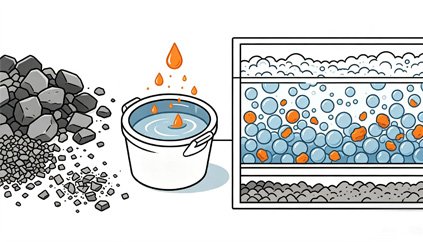
Mining Chemicals Overview
Mining chemicals are indispensable industrial reagents in the modern mining industry, serving as the core auxiliary materials for crude ore refining and resource utilization. As professional mineral processing chemicals, they are specially developed and applied to solve various technical pain points in ore treatment, including complex ore impurity separation, low-grade ore recovery, and fine particle pulp stabilization. These chemicals effectively optimize the entire mineral processing workflow, significantly improving ore separation efficiency, mineral recovery rates, and final product purity, while reducing production energy consumption and resource waste in mining operations.
Among various types of mining reagents, silicate chemicals stand out as a versatile and cost-effective functional category, occupying a crucial position in mainstream mineral processing systems. Silicate-based chemicals, especially sodium silicate, are widely used in mining applications due to their excellent dispersing, stabilizing, and surface modification properties. With stable chemical activity, non-toxic characteristics and adjustable technical indicators, they perfectly meet the rigorous requirements of industrial mining production, thus becoming essential and high-frequency mining chemicals for various ore beneficiation scenarios.
Role of Sodium Silicate in Mining Applications
Sodium silicate (water glass) is one of the most commonly used and mature inorganic chemicals in mineral processing. Tailored for complex mining production demands, professional sodium silicate for mining has become a staple reagent in beneficiation plants worldwide. Covering diversified and scalable sodium silicate mining applications, it adapts to the processing needs of fluorite ore, phosphate ore, tungsten ore, feldspar ore and various non-ferrous metal ores, with strong industrial compatibility and practical value.
Its unique physical and chemical properties make it highly suitable for core mineral processing links. In mineral flotation, it adjusts the surface hydrophobicity difference between target minerals and gangue minerals, greatly enhancing flotation selectivity. In ore beneficiation, it assists in purifying concentrate and improving the comprehensive utilization rate of low-quality ore resources. For particle dispersion, it effectively disperses fine ore slime that is prone to agglomeration, avoiding slime covering and ore processing failure. In terms of gangue mineral control, it can selectively inhibit the floating of useless gangue impurities, accurately purify target minerals, and lay a solid foundation for stable and high-yield mineral processing production.
Four Prominent Core Advantages of Sodium Silicate in Mining
01
Selective Inhibition Performance
It provides precise selective inhibition effects in the flotation process, effectively suppressing the floating of gangue and impurity minerals. It will not interfere with the recovery and flotation effect of target ores, ensuring high concentrate purity and maximizing mineral utilization rate, which is the core advantage for high-precision ore separation.
02
Excellent Slime Dispersion Ability
Fine ore slime agglomeration and coverage are common problems affecting flotation efficiency. Sodium silicate acts as an efficient dispersant to fully separate fine mineral particles, eliminate slime interference on ore surface properties, stabilize pulp conditions, and greatly improve the overall stability of the beneficiation process.
03
Strong Chemical Adaptability
This mining reagent maintains stable chemical activity in complex pulp environments with fluctuating pH values and temperatures. It is applicable to various types of ore beneficiation scenarios, features strong environmental tolerance, and delivers consistent and reliable processing results in different mining production conditions.
04
Cost-Effective & Eco-Friendly
Compared with other synthetic mining reagents, sodium silicate has low dosage and comprehensive production cost advantages. It is non-toxic, easily degradable, and produces no harmful residues after use. It fully complies with modern green mining and environmental protection production standards.
Recommended Silicate Products for Mining Industry
Our tailored mining-grade silicate products are dominated by high-purity, modulus-adjustable sodium silicate, the most practical silicate chemicals for mineral processing. Optimized for diverse complex ore beneficiation scenarios, these reliable mining chemicals feature stable activity, outstanding dispersion and inhibition performance. They perfectly adapt to flotation, desliming and impurity removal processes, delivering cost-effective, eco-friendly solutions for modern mining production.
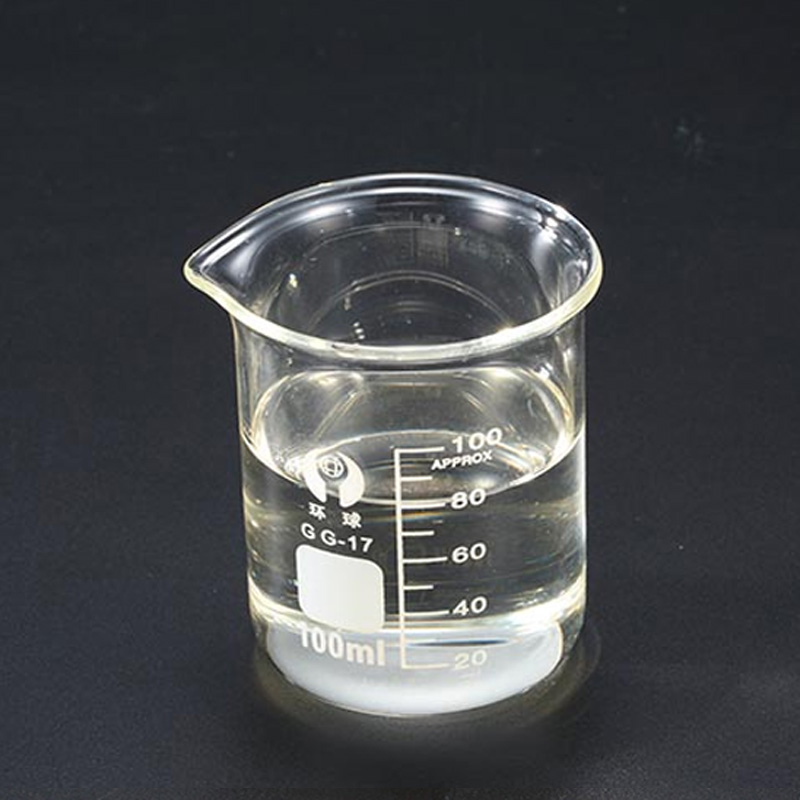
Liquid Sodium Silicate
Liquid sodium silicate is the most widely used silicate reagent in mining beneficiation. With uniform liquid texture and excellent water solubility, it can be quickly mixed into ore pulp for efficient dispersion and selective depression of gangue minerals. It is ideal for continuous flotation production of phosphate ore, fluorite ore and non-ferrous ore, stabilizing flotation indicators with convenient dosing and low operation cost.
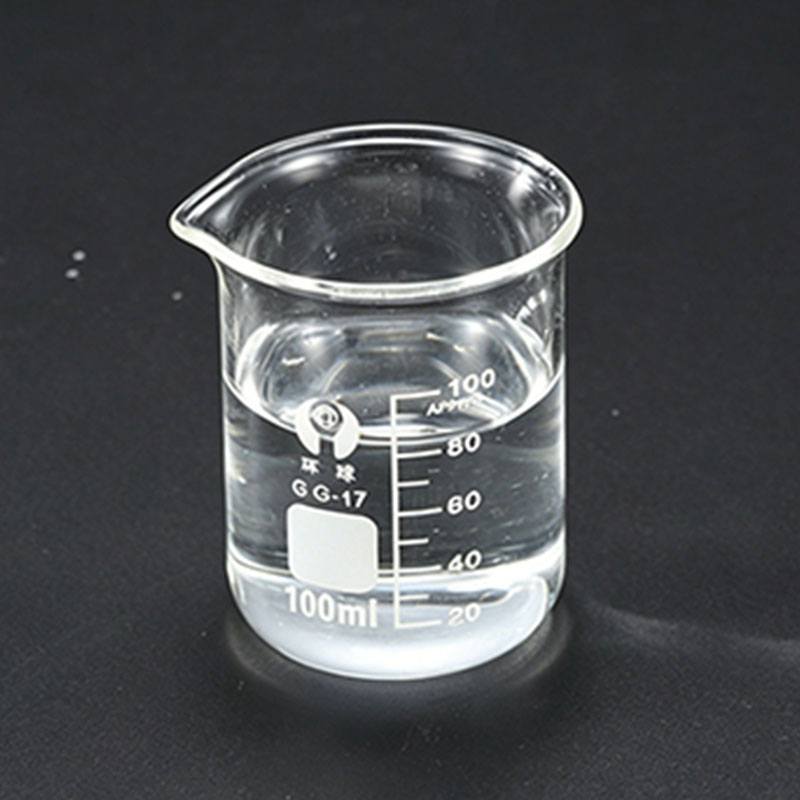
Potassium Silicate
Potassium silicate is a high-performance silicate mining chemical with milder chemical activity and better adaptability to high-pH and high-temperature pulp environments. It excels in fine slime dispersion and mineral surface conditioning, and is commonly used for high-precision beneficiation of feldspar, quartz and rare earth ores. It effectively improves concentrate purity without causing excessive inhibition to target minerals.
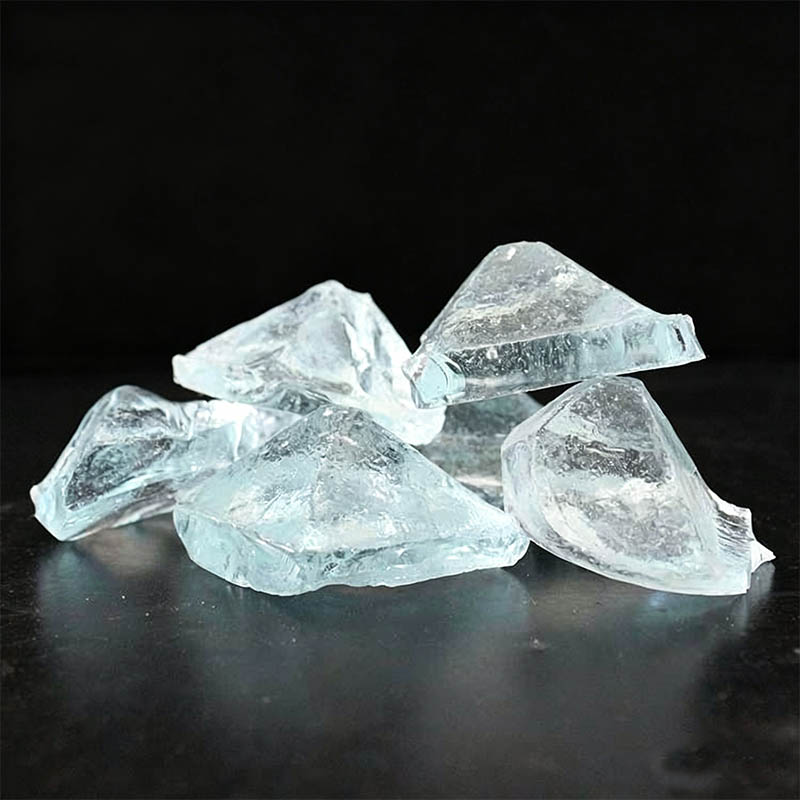
Solid Sodium Silicate
Solid sodium silicate features stable storage performance and long shelf life, solving the transportation and storage limitations of liquid reagents. It can be dissolved on demand according to production needs, suitable for small and medium-sized mines or intermittent beneficiation processes. It effectively assists particle dispersion and impurity control, maintaining stable mineral processing performance in various harsh on-site conditions.
Mining Applications of Sodium Silicate
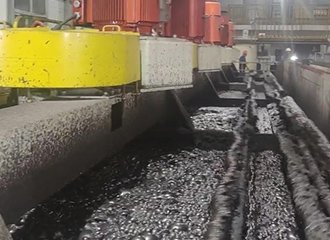
Mineral Flotation
Sodium silicate is used as a flotation modifier and depressant in mineral processing. It helps selectively control unwanted minerals and improve flotation performance.
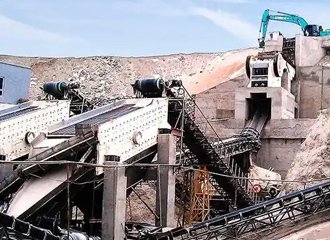
Ore Beneficiation
During ore beneficiation, sodium silicate helps improve mineral separation by controlling slurry properties and preventing unwanted particle aggregation.
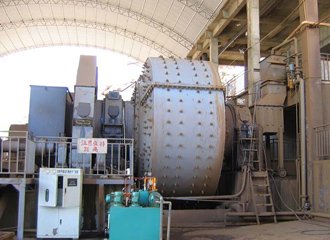
Mineral Slurry Dispersant
Sodium silicate acts as a dispersing agent to improve slurry stability and processing efficiency.
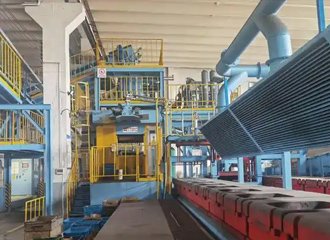
Clay Control in Mineral Processing
Sodium silicate can help reduce the negative effects of clay minerals during mineral processing.
Mining Chemical Applications Process
Ore Mining
Raw ore is extracted from underground or open‑pit mines.
Mineral Crushing
Large ore rocks are crushed into small particles.
Mineral Processing
Sodium silicate is added during mineral processing stages to improve separation efficiency. Ore particles are further prepared for beneficiation.
Chemical Treatment
Reagents condition pulp and modify mineral surface properties.
Mineral Separation
Target minerals are separated from gangue via flotation.
Final Product Recovery
High‑grade mineral concentrates are collected as finished products.
Technical Parameters of Sodium Silicate for Mining
| Item | Specification |
| Product | Sodium Silicate |
| Form | Liquid / Solid |
| Modulus | 2.0 – 3.5 |
| Appearance | Transparent liquid / White powder |
| Application | Mineral processing |
| Customization | Available |
Recommended Reading

Sodium Silicate Concrete (Acid Resistant Concrete): Part 1 – Performance and Applications
In the field of engineering materials, sodium silicate concrete is a special type of concrete that is resistant to acid, has good impermeability, and is highly dense. Many practitioners often confuse it with acid-resistant concrete, but in fact, they are the same material. With its unique modification advantages, acid resistant concrete can effectively optimize the…
Frequently Asked Questions (FAQ)
What chemicals are used in mineral processing?
Common mineral processing chemicals include flotation collectors, frothers, depressants, dispersants and pH regulators. Silicate chemicals represented by sodium silicate are widely‑used inorganic mining chemicals. Different reagents perform tasks such as adjusting pulp environment, modifying mineral surfaces, dispersing fine slime and suppressing gangue minerals to boost ore separation and metal recovery.
What is sodium silicate used for in mining?
In mining applications, sodium silicate mainly acts as depressant and dispersant. It inhibits gangue minerals, disperses aggregated fine ore slime, optimizes pulp conditions and improves flotation selectivity. It helps raise concentrate purity and supports stable beneficiation for fluorite, phosphate, tungsten, feldspar and non‑ferrous ores.
Is sodium silicate a flotation chemical?
Yes, sodium silicate counts as an important sodium silicate flotation agent in mineral flotation. Though it is not a collector to capture target minerals, it participates in flotation workflows as depressant and dispersant. It adjusts mineral surface properties to avoid impurity floating and enhances overall flotation separation results.
What type of sodium silicate is used in mining?
Both liquid sodium silicate and solid sodium silicate are applied for mining. Liquid sodium silicate is preferred for large‑scale continuous beneficiation with easy dosing. Solid sodium silicate suits long‑distance transportation and intermittent production. Potassium silicate is selected for special high‑precision ore beneficiation demanding mild chemical activity.
How does sodium silicate work as a depressant in mining?
As a sodium silicate depressant, it adsorbs onto gangue mineral surfaces to form hydrophilic films. This prevents gangue particles from attaching to air bubbles during flotation, so useless impurities stay in pulp while target minerals float out. It realizes selective suppression without heavy negative impact on target ore recovery.
Can sodium silicate handle fine slime problems in ore beneficiation?
Lithium silicate delivers outstanding water resistance after curing with minimal efflorescence. It is widely used as concrete penetrative hardeners, floor sealers and high-performance coating binders.
Does pulp pH affect sodium silicate performance in mining?
Yes, pulp pH greatly influences its effectiveness. Mining‑grade sodium silicate shows best performance within specific pH ranges. Operators need to match modulus and dosing amount according to real‑time pulp pH to get ideal inhibition and dispersion outcomes for different ore bodies.
Get a Free Quote For Mining Chemical Solutions!
We believe Sanlee will be your best partner!
Please fill out the form with your contact details or give us a call, and we will get back to you within 24 hours.
For more about Sanlee, please visit our facebook page, Instagram page, and youtube page.