Tel: +86-13630079025 Wechat/Whatsapp:+86-13630079025 Email Address: sales@sanleechem.com

Sodium Silicate For Foundry & Casting Applications
Sodium silicate (water glass) is a high-performance inorganic binder widely used in the casting industry. Serving as a stable water glass binder for casting, it provides strong bonding strength for molding sand and core sand, effectively withstanding high temperature and molten metal impact during pouring. The mature sodium silicate casting process supports CO₂ and organic ester curing, features simple operation and high efficiency, and adapts to steel, iron and alloy casting production.
With versatile and reliable silicate applications in foundry and industrial sectors, sodium silicate has become a essential casting auxiliary material. As a professional foundry binder supplier, we offer customized sodium silicate solutions with adjustable modulus and concentration. Our products feature great heat resistance, stable bonding performance and eco-friendly use, helping foundry factories realize stable and green casting production.
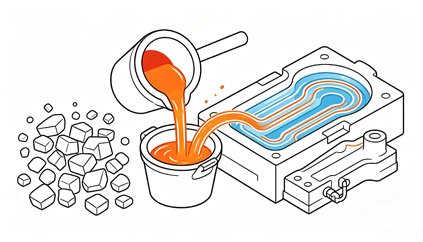
Sodium Silicate as an Inorganic Binder for Foundry Applications
Sodium silicate, also known as water glass, is widely used as an inorganic binder in foundry and casting industries. Due to its excellent bonding strength, heat resistance, and environmental advantages, sodium silicate is commonly applied in sand casting, core making, and mold manufacturing.
01
Excellent High Temperature Resistance & Stable Bonding Performance
Sodium silicate features outstanding thermal stability and strong adhesive force. It firmly bonds molding sand and core sand, effectively resisting high-temperature erosion and impact from molten steel, iron and alloy liquid during pouring. It maintains intact mold structure, greatly reduces casting defects and ensures high and stable casting quality.
02
Flexible Process Matching & Wide Applicability
The sodium silicate casting process supports multiple mature curing methods including CO₂ curing and organic ester curing. With simple operation procedures and high production efficiency, it is perfectly adaptable to various steel casting, iron casting and alloy casting scenarios, meeting diversified production demands of foundry enterprises.
03
Adjustable Formula & Strong Customization
Our sodium silicate products support flexible adjustment of modulus and concentration. Targeted customized solutions can be provided according to different casting processes, mold types and workpiece requirements. This personalized configuration optimizes bonding strength, collapsibility and molding effect for different production conditions.
04
Eco-Friendly & Safe Production
As an inorganic environmental-friendly binder, sodium silicate produces no harmful smoke, toxic gas or volatile pollutants during heating and pouring. It realizes clean and green casting production, complies with industrial environmental protection standards, and helps foundry factories reduce environmental pressure while ensuring production safety.
Sodium Silicate Products for Foundry Industry
Our foundry-grade sodium silicate products are available in liquid and powder forms. Widely used for casting mold and core manufacturing, these inorganic binders feature high bonding strength, great thermal stability and flexible curing methods. They fit various iron, steel and alloy casting scenarios, delivering stable molding performance and reliable casting quality for foundry production.
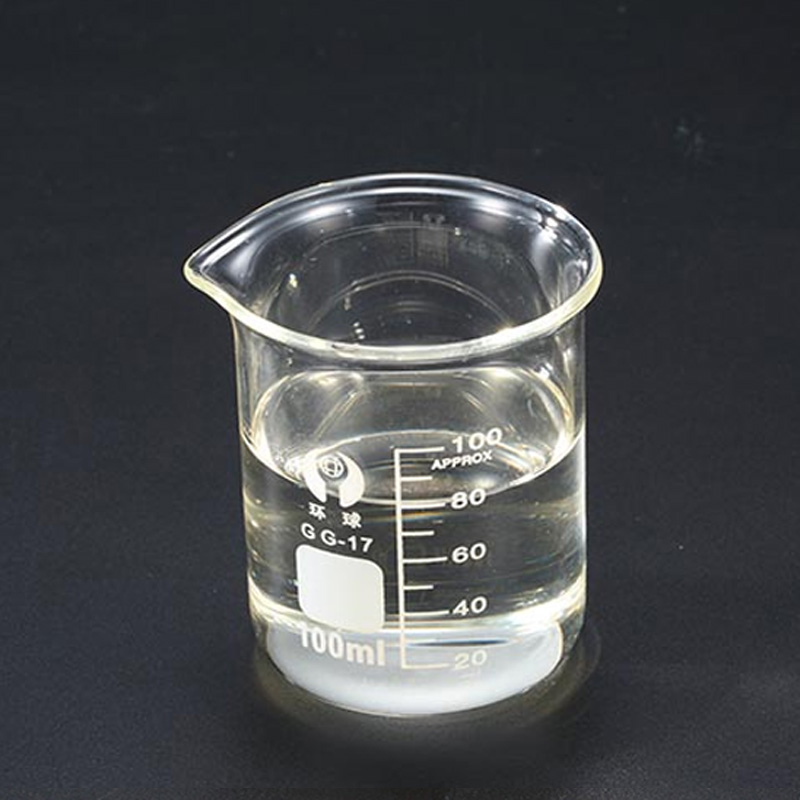
Liquid Sodium Silicate
As a mainstream water glass binder for casting, sodium silicate liquid is evenly blended with foundry sand and cured via mature sodium silicate casting process like CO₂ or ester curing to make high-strength sand molds and cores. It covers most common silicate applications in foundry, and as a professional foundry binder supplier, we provide stable-modulus liquid products for reliable mass casting production.
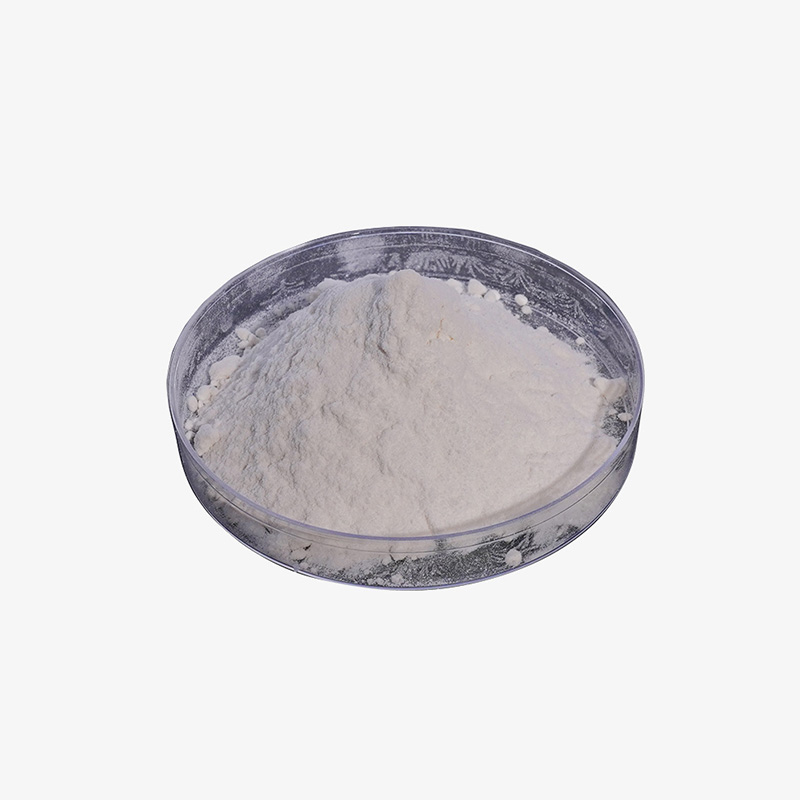
Sodium Silicate Powder
Sodium silicate powder is a dry inorganic binder for special dry sand and large-scale casting with low moisture requirements. It boasts easy storage and long shelf life, effectively solving liquid binder leakage and deterioration issues for customized foundry production.
Applications of Sodium Silicate in Foundry and Casting Industry
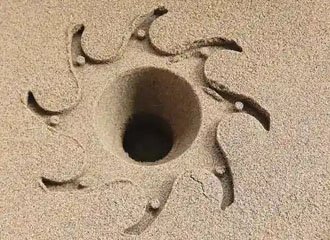
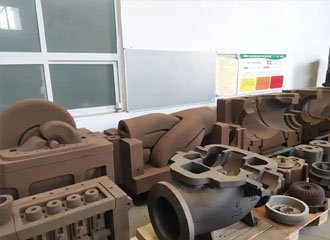
Sand Casting Binder
Our sodium silicate-based sand casting binders are high-stability inorganic bonding materials designed for general sand casting production. They provide strong sand cohesion and excellent high-temperature resistance, effectively preventing mold deformation and sand dropping during molten metal pouring. Suitable for carbon steel, alloy steel and iron castings, they ensure neat casting surface and stable production efficiency.
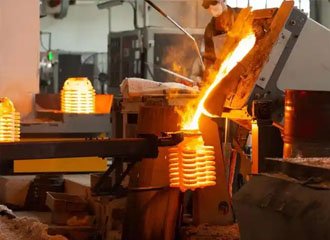
Core Making Binder
Specially formulated for foundry core manufacturing, this core making binder delivers high green strength and hardening strength for intricate and thin-walled sand cores. It features good collapsibility after casting, which greatly simplifies core removal and reduces post-processing workload. It perfectly adapts to complex cavity casting parts and improves casting dimensional accuracy.
Investment Casting Applications
Sodium silicate serves as a reliable bonding material for investment casting shell making. It helps form high-hardness, airtight and heat-resistant ceramic shells that can withstand high-temperature molten metal impact. It is widely applied in precision casting of small and complex metal parts, offering smooth casting surface and high dimensional consistency.
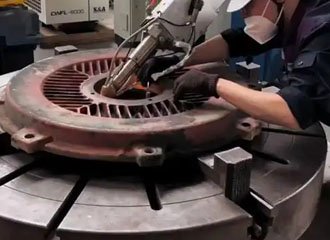
Mold and Casting Repair Materials
Our mold and casting repair materials adopt modified silicate formula with strong adhesion and fast hardening performance. They are used for repairing mold surface defects, sand holes and local damage of castings and sand molds. The repaired area features high hardness and good heat resistance, effectively extending mold service life and reducing casting rejection rate.
How Sodium Silicate Works as a Foundry Binder
Sodium silicate is a dominant inorganic binder in the foundry industry, and its reliable bonding effect relies on a mature and stable CO2 sodium silicate process. The whole sodium silicate curing mechanism is physical and chemical reaction-based, which converts liquid water glass into solid silica gel, bonding loose sand particles into high-rigidity casting molds and cores. This eco-friendly and high-efficiency working principle guarantees stable molding quality for various casting production.
Sodium Silicate Mixing & Sand Preparation
Liquid sodium silicate is evenly mixed with dry foundry sand in a fixed proportion. The binder fully wraps the surface of each sand particle to form a uniform bonding layer, laying a foundation for subsequent hardening and molding.
CO₂ Gas Curing (Core Curing Stage)
This is the core step of the CO2 sodium silicate process. Uniform CO₂ gas is injected into the mixed sand mold. The carbon dioxide reacts rapidly with sodium silicate, triggering the key sodium silicate curing chemical reaction inside the mold.
Silica Gel Formation & Hardening
After the reaction, the liquid sodium silicate gradually precipitates and forms stable insoluble silica gel. The elastic and dense silica gel tightly cements scattered sand particles together, realizing rapid hardening and strength improvement of the sand mold.
Formation of High-Strength Mold & Core
With continuous curing reaction, the mold and core gain excellent mechanical strength and high-temperature resistance. The finished mold can resist the impact and heat erosion of high-temperature molten metal, meeting the production requirements of steel castings, iron castings and alloy castings.
Recommended Reading

Key Specifications and Selection of Sodium Silicate in Large Castings
In the foundry industry, the production quality of large castings is closely related to the performance of the sand mold, and sodium silicate, as the core raw material of the sand mold binder, its specification selection directly affects the strength, collapsibility (difficulty of cleaning sand) of the sand mold, and even influences whether the casting…
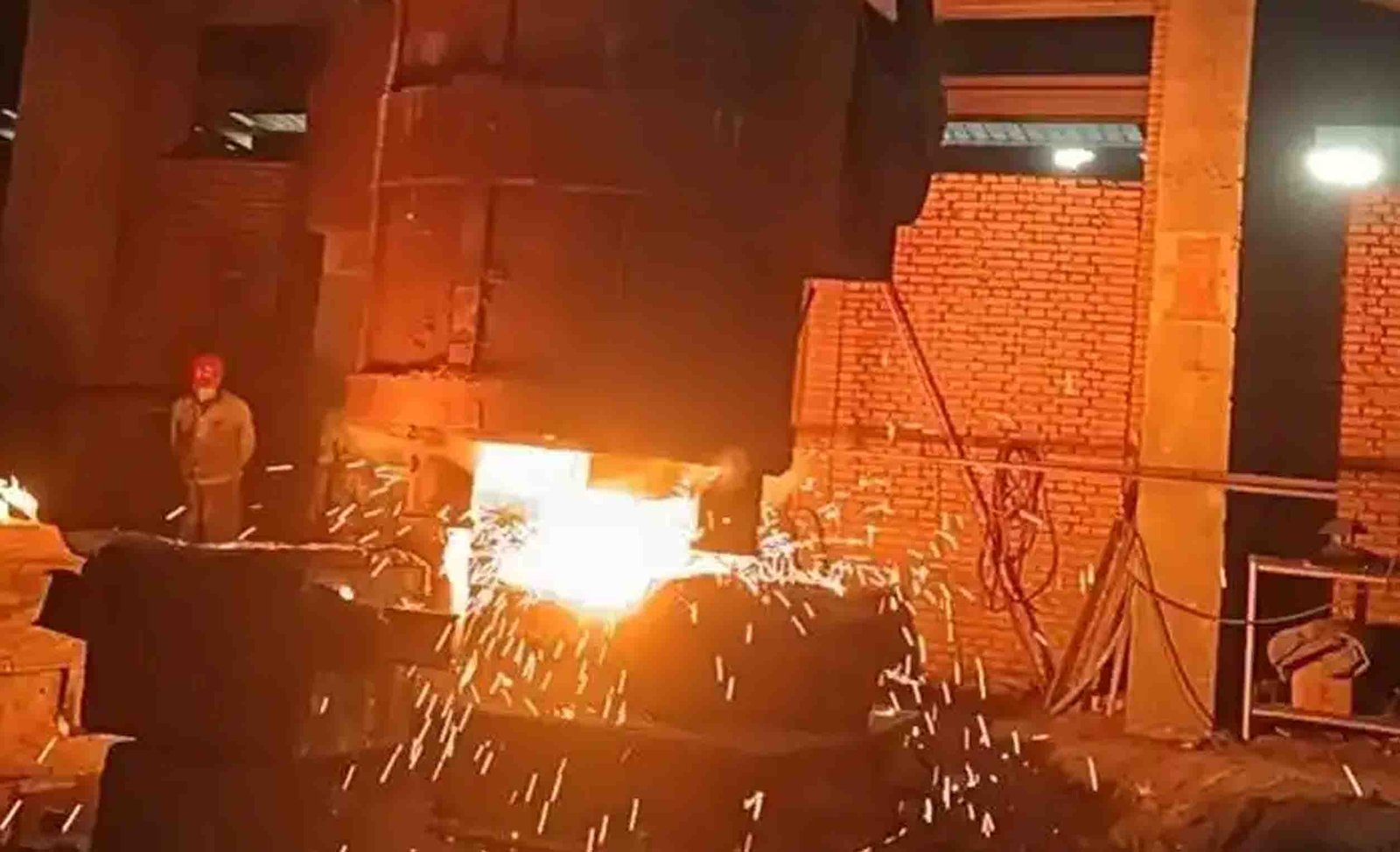
Why Choose Sanlee Sodium Silicate for Foundry Applications
Professional Manufacturer & Stable Bulk Supply
As a trusted sodium silicate manufacturer and professional sodium silicate supplier, Sanlee Chemical provides factory direct supply and reliable OEM support. We offer stable bulk sodium silicate supply with sufficient inventory and fast delivery, fully meeting the large-scale and continuous production demands of foundry enterprises.
Customized Modulus & Concentration Solution
We support flexible adjustment of sodium silicate modulus and liquid concentration. We can develop exclusive customized sodium silicate solution according to customers’ different casting processes, sodium silicate curing methods and production scenarios, effectively adapting to various sand casting and core-making requirements.
Stable Product Performance & Wide Applicability
Our foundry-grade sodium silicate features stable bonding strength, excellent high temperature resistance and good mold collapsibility. It perfectly fits multiple casting processes, effectively reducing casting defects and improving overall production quality for steel castings, iron castings and alloy castings.
Cost-Effective Factory Direct Service
By adopting direct factory supply mode, we cut intermediate costs while strictly controlling product quality. We provide one-stop industrial binder solutions for global foundry customers, building long-term stable and trustworthy cooperative partnerships.
Frequently Asked Questions About Sodium Silicate for Foundry
What is sodium silicate used for in foundry?
Sodium silicate serves as a core inorganic foundry binder in the casting industry. It is primarily used for sand mold making, sand core production, precision investment casting shell manufacturing, and local mold repairing. It stabilizes molding structure, reduces casting defects, improves surface finish of steel, iron and alloy castings, and supports both mass production and customized casting processes.
How does sodium silicate binder work?
Sodium silicate binder works by wrapping individual sand particles to form a uniform adhesive layer. After physical mixing and chemical curing via CO₂ gas or organic ester, the liquid sodium silicate transforms into solid, tough silica gel. The silica gel tightly bonds loose sand particles together, providing excellent mechanical strength and high-temperature resistance for sand molds and cores to withstand molten metal impact during pouring.
What type of sodium silicate is used for casting?
Foundry applications mainly adopt liquid sodium silicate (water glass) and dry sodium silicate powder. Liquid sodium silicate is the most widely used type for conventional sand casting, CO₂ curing and ester curing processes. Sodium silicate powder is specially used for dry sand casting, low-moisture molding conditions and special large-scale casting projects. Both types are available with adjustable modulus and concentration to suit different foundry requirements.
What is the CO₂ sodium silicate process?
The CO₂ sodium silicate process is a common, fast-curing molding technology for foundry production. It mixes sodium silicate binder with foundry sand evenly, then injects CO₂ gas into the sand mold. The CO₂ reacts with sodium silicate to produce stable silica gel, which quickly hardens the sand particles to form high-strength molds and cores. This process features simple operation, instant curing and no heating required, making it ideal for rapid casting production.
What is sodium silicate curing in foundry?
Sodium silicate curing refers to the hardening process that converts liquid water glass into solid bonding structure. The two mainstream curing methods are CO₂ gas curing and organic ester curing. The curing reaction forms insoluble silica gel, which greatly increases mold strength within a short time, enabling demolding and casting without long drying time.
What sodium silicate modulus is best for casting?
The optimal sodium silicate modulus for general foundry casting ranges from 2.2 to 3.3. Lower modulus sodium silicate offers higher bonding strength and faster curing speed, suitable for ordinary iron casting. Higher modulus products feature better high-temperature stability, ideal for high-demand steel casting and heavy-duty casting production. Custom modulus adjustment is available for special processes.
Is sodium silicate binder environmentally friendly for casting?
Yes, sodium silicate is an eco-friendly inorganic foundry binder. Unlike resin binders, it produces no toxic volatile gas, harmful smoke or chemical residues during pouring and curing. It complies with global industrial environmental standards, helping foundry factories achieve clean, safe and green casting production.
Get a Free Quote For Sodium Silicate!
We believe Sanlee will be your best partner!
Please fill out the form with your contact details or give us a call, and we will get back to you within 24 hours.
For more about Sanlee, please visit our facebook page, Instagram page, and youtube page.