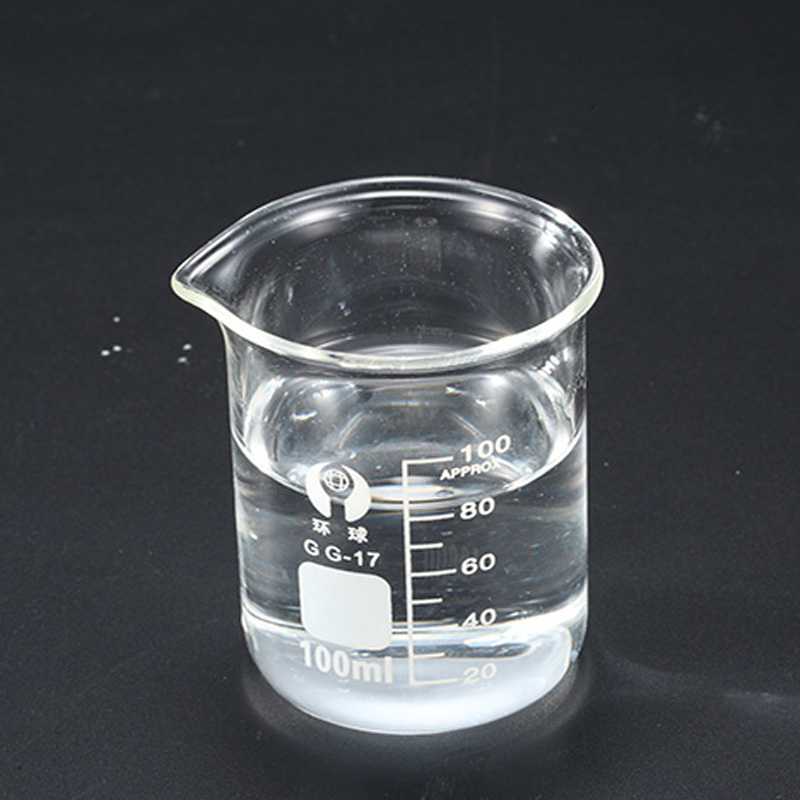
In the foundry industry, the production quality of large castings is closely related to the performance of the sand mold, and sodium silicate, as the core raw material of the sand mold binder, its specification selection directly affects the strength, collapsibility (difficulty of cleaning sand) of the sand mold, and even influences whether the casting has defects such as box expansion, deformation, and porosity.
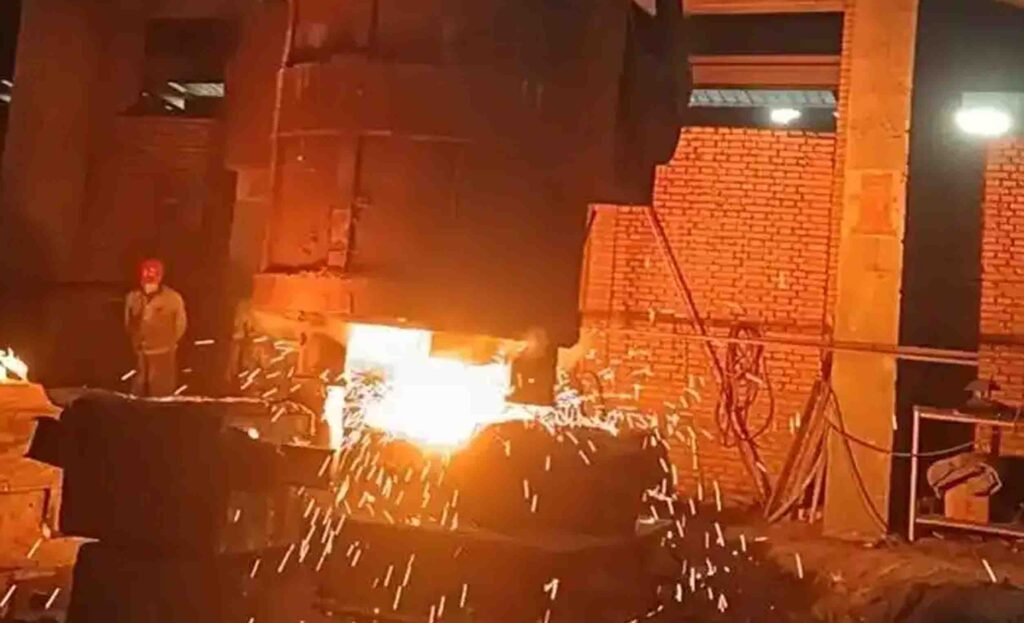
Many foundry enterprises often suffer from low production efficiency and decreased casting qualification rates due to incorrect selection of sodium silicate in large castings specifications when producing large castings. This article will detail the key specification requirements, selection logic, and precautions for sodium silicate in large castings, helping foundry practitioners make precise selections.
1. Core Specification Requirements for Sodium Silicate in Large Castings
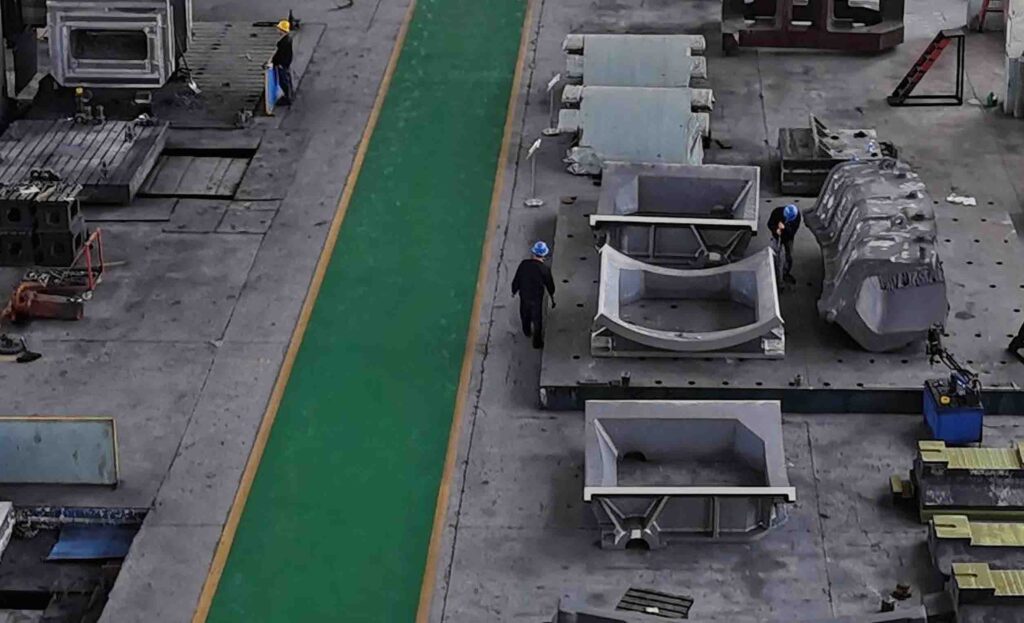
Large castings are large in volume and heavy in weight. The sand mold must have high strength, high-temperature resistance, and good collapsibility when the molten metal is poured. Therefore, sodium silicate in large castings must meet three core requirements: high modulus, appropriate concentration and viscosity, and excellent collapsibility. Each specification directly affects the production effect, as follows:
(1) High modulus: Ensuring sand mold strength and production efficiency
The primary requirement for sodium silicate in large castings is high modulus, which is the core indicator of sand mold performance.
The main reasons for requiring high modulus are threefold:
First, the higher the modulus, the faster the hardening reaction of sodium silicate, which can shorten the demolding time of the sand mold and significantly improve production efficiency, meeting the batch production requirements of large castings.
Second, the silicon acid gel network formed by high modulus sodium silicate after reaction is denser, providing higher “dry strength” for the sand mold, which can withstand the huge static pressure and thermal shock of the molten metal in large castings, fundamentally avoiding fatal defects such as sand mold expansion and deformation.
Third, high modulus sodium silicate in large castings requires less usage. Under the same sand mold strength, the addition amount can be significantly reduced, which is beneficial to improving the collapsibility of the sand mold and reducing the difficulty of cleaning sand later.
Combined with the production process of large castings, especially the CO₂ hardening process, the modulus of sodium silicate in large castings is usually required to be between 2.6 and 2.9; if the casting volume is larger and the sand mold strength requirement is higher, the modulus can be increased to 3.0 to 3.4 to ensure that the sand mold performance meets the standards.
(2) Appropriate concentration and viscosity: Ensuring sand mold uniformity
The concentration (Baume degree) and viscosity of sodium silicate in large castings must be strictly controlled. Both too high or too low will affect the quality of the sand mold and need to be flexibly adjusted according to the modulus of sodium silicate and the production process.
If the concentration is too high (viscosity is too large), sodium silicate is difficult to mix evenly with sand, resulting in uneven strength of the sand mold and easy local damage; if the concentration is too low (viscosity is too small), more sodium silicate needs to be added to reach the required strength, which will introduce excessive moisture, and the evaporation of moisture during pouring may cause porosity, affecting the quality of the casting.
Combined with the actual production of large castings, the concentration of sodium silicate in large castings is usually controlled between 40°Bé and 50°Bé, which can ensure that sodium silicate is fully mixed with sand, while also taking into account the strength of the sand mold and moisture control, avoiding various defects.
(3) Excellent collapsibility: Reducing the difficulty of cleaning sand and ensuring casting accuracy
Collapsibility is one of the most critical challenges for sodium silicate in large castings. Large castings have complex structures and large sand mold volumes. If the collapsibility of sodium silicate is poor, the sand mold is difficult to clean after pouring, which not only increases labor costs but may also scratch the surface of the casting, affecting casting accuracy.
To improve the collapsibility of sodium silicate in large castings, it needs to be modified from both physical and chemical aspects: physically, the particle size can be adjusted and dispersants can be added to improve the binding state of sodium silicate and sand; chemically, modifiers can be added to reduce the bonding strength of sodium silicate after curing, ensuring that the sand mold can easily collapse and be easily cleaned after the casting cools.
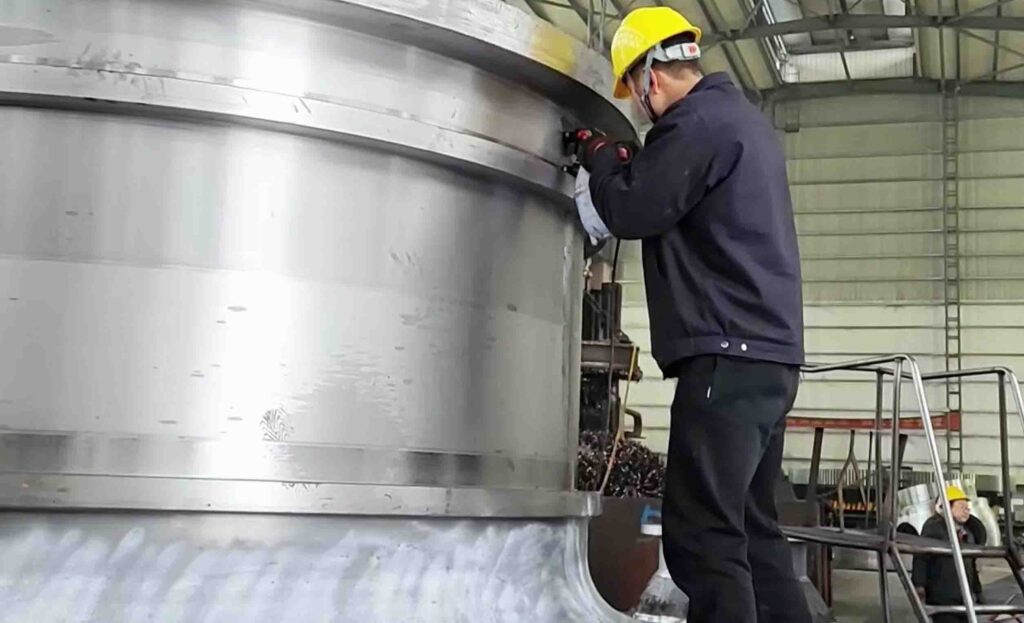
2. Key Precautions for Selection: Adapt to the process and avoid pitfalls
In addition to meeting the above three core specifications, the selection of sodium silicate in large castings also needs to be combined with the production process. One key point to note is that if the organic ester self-hardening method is adopted, the specifications of sodium silicate in large castings must be fully compatible with the organic ester.
The organic ester self-hardening method relies on the reaction between sodium silicate and organic ester to achieve the solidification of the sand mold. The ratio and reaction speed of the two must be highly compatible. If the modulus, concentration and viscosity of sodium silicate do not match the organic ester, it will lead to incomplete solidification of the sand mold, insufficient strength, or too fast solidification speed, making it impossible to complete the molding, which will affect the production progress and the quality of the castings.
3.Conclusion of sodium silicate in large castings
In summary, the core of selecting sodium silicate in large castings is to grasp the three key points of “high modulus, suitable concentration and viscosity, and excellent collapsibility”, and flexibly adjust the specifications in combination with the production process (such as CO₂ hardening, organic ester self-hardening method) to ensure that the performance of the sand mold meets the standards, improve the qualification rate of castings and production efficiency.
Choosing the right specifications of sodium silicate in large castings can not only reduce production costs, but also avoid various casting defects from the root, providing a reliable guarantee for the production of large castings. For more selection tips of sodium silicate for casting, you can follow to learn more details.
for more information ,please visit our facebook page