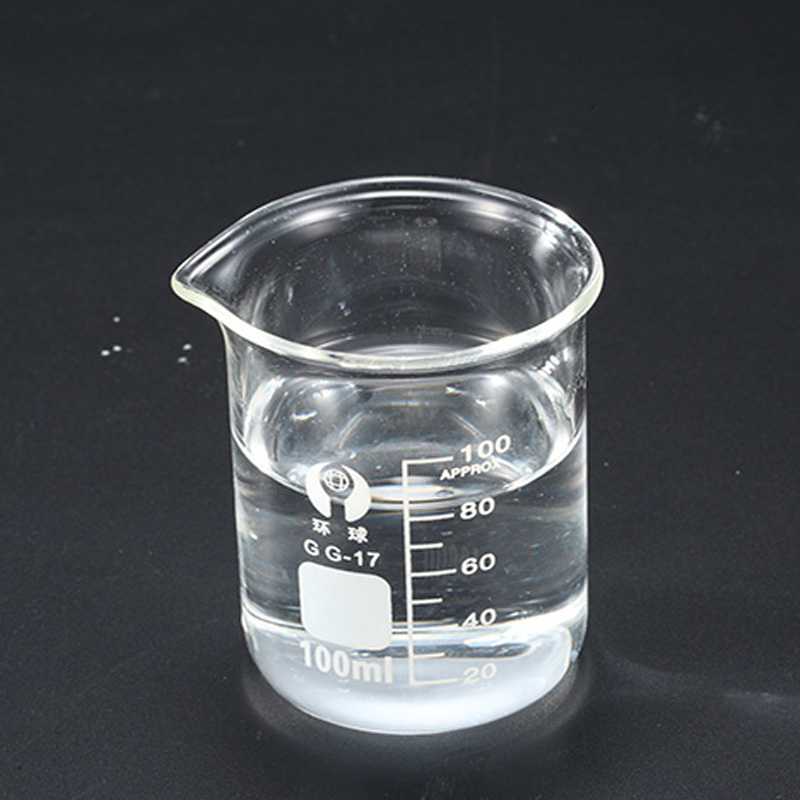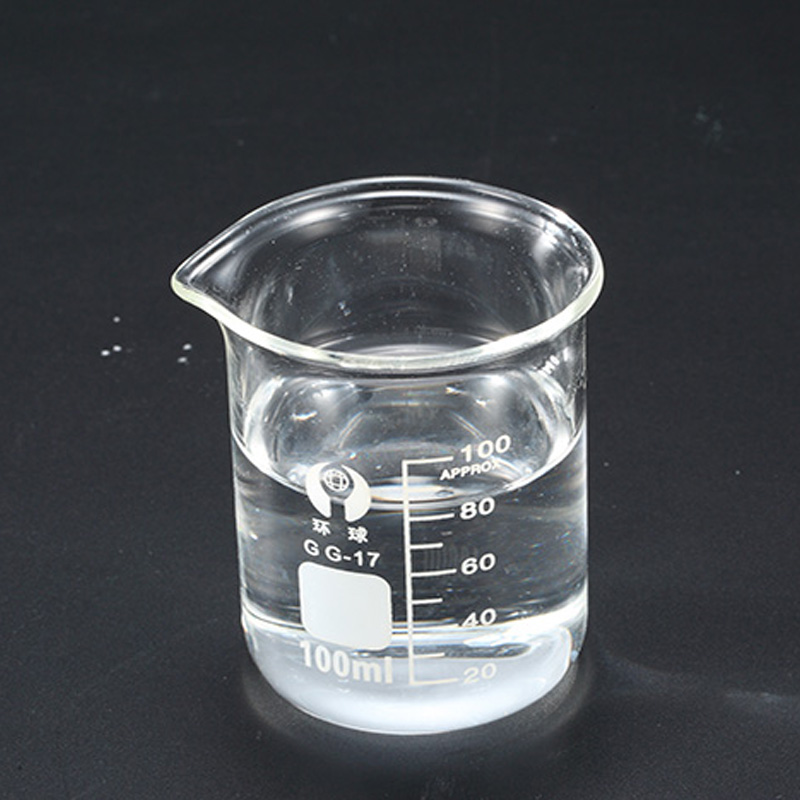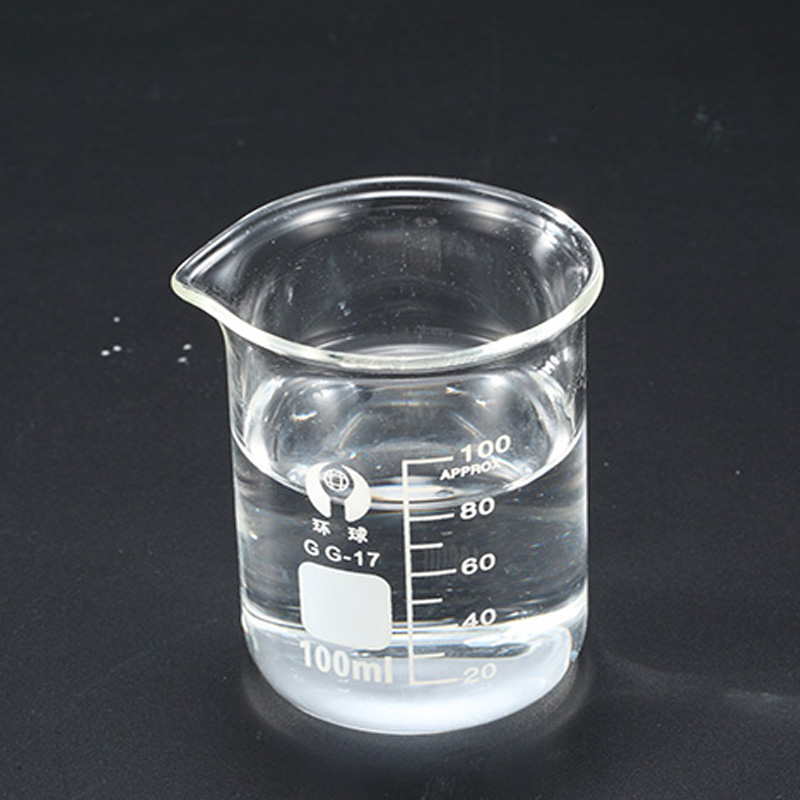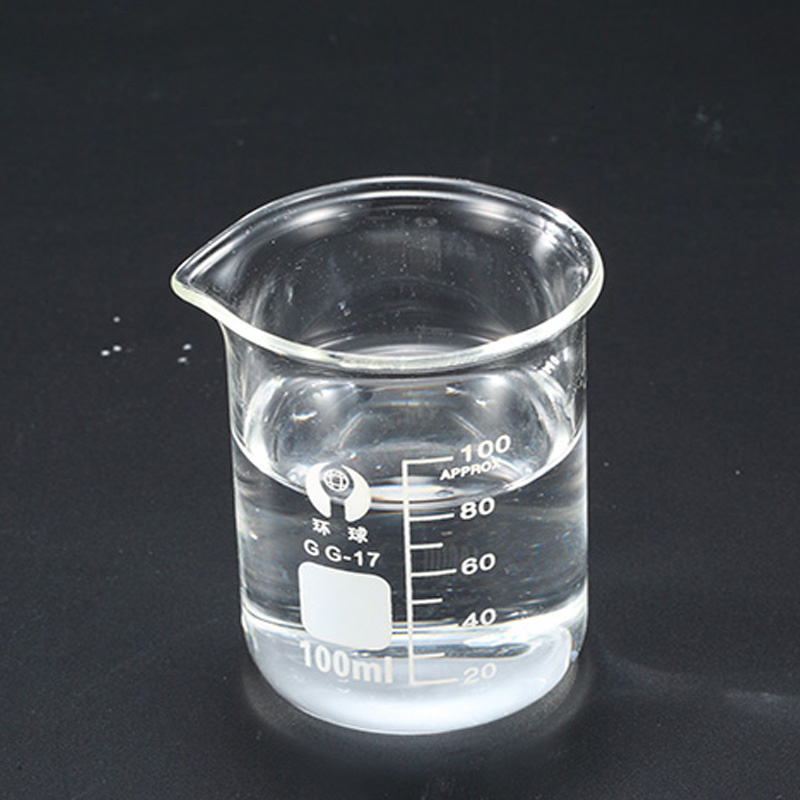
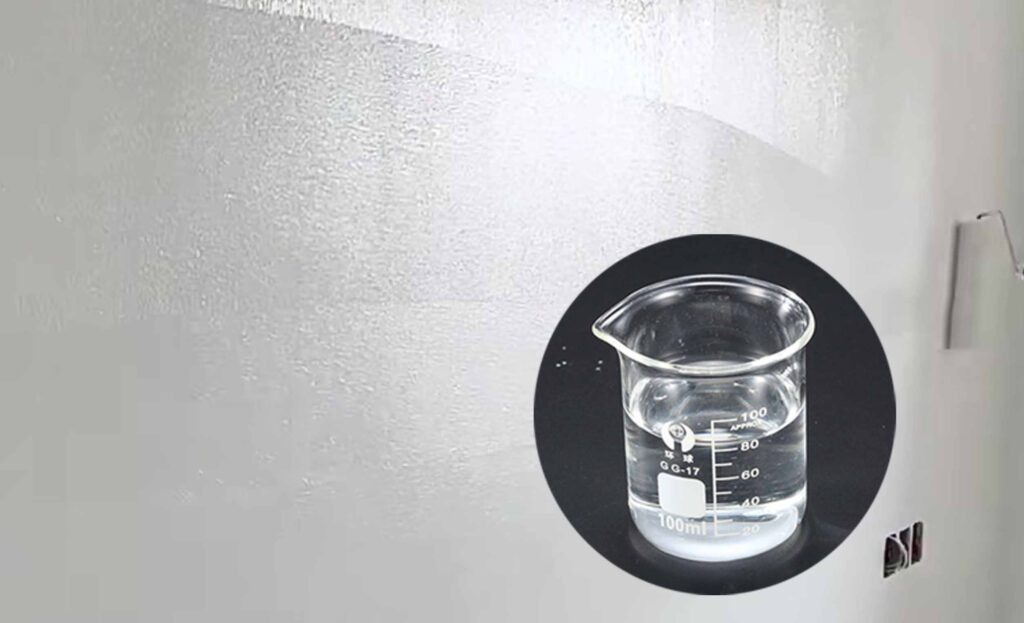
Potassium silicate (chemical formula K₂O·nSiO₂), commonly known as potassium water glass, is the core film-forming substance for manufacturing high-grade inorganic coatings and holds an irreplaceable position in the high-end coating field.
As a high-performance film forming material, it outperforms traditional organic coating resins and sodium water glass in many aspects. Compared with traditional organic coating resins and sodium water glass, when used in coating production, potassium silicate, with its unique chemical properties as a film forming material, demonstrates a series of significant advantages, becoming the cornerstone raw material for creating high-performance, long-lasting, and environmentally friendly inorganic coatings.
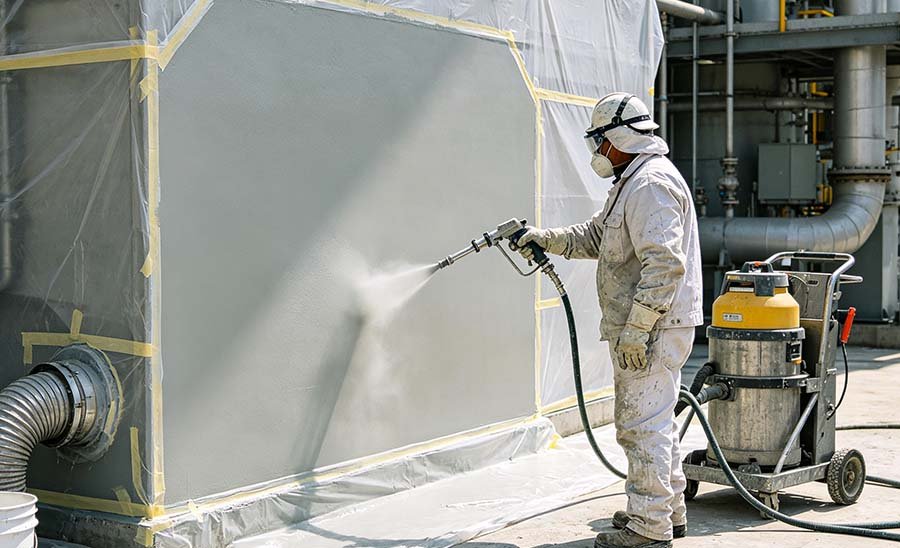
It is widely applied in high-end buildings, public facilities, and specific industrial fields with strict performance requirements, and helping industry practitioners fully understand the core value of this excellent film forming material.
1. The Core Bonding Principle of Potassium Silicate Coatings
The most essential difference between potassium silicate coatings and traditional coatings lies in their unique bonding mechanism, which is closely related to the characteristics of potassium silicate as a film forming material.
Traditional organic coatings can only form a surface-adhering film on the substrate, which is prone to peeling, cracking, and aging over time, with a limited service life. In contrast, potassium silicate, as a high-quality film forming material, can undergo a silification reaction with mineral-based substrates such as concrete, mortar, and stone, chemically bonding with the base layer to form a single entity rather than a simple surface attachment.
This robust chemical bonding method, unique to this film forming material, fundamentally avoids the problem of film peeling, laying a solid foundation for the coating’s extremely long service life and outstanding durability.
2. Five Core Advantages of Using Potassium Silicate in Coatings
(1) Excellent Long-term Durability
Relying on its chemical fusion characteristics with the substrate, potassium silicate coatings—with potassium silicate as the core film forming material—do not experience phenomena such as powdering, fading, or peeling under long-term exposure to wind, sun, and climate changes. Their service life can reach over 20 years, which is 3 to 5 times that of traditional latex paints.
This advantage, brought by the superior performance of the film forming material, significantly reduces the costs of later maintenance and re-coating, making it particularly suitable for high-end building exteriors, public facilities, and other scenarios with strict durability requirements.
(2) A-grade Non-combustible and Excellent Fire Resistance
Potassium silicate itself is an inorganic material and is non-combustible, making it a safe and reliable film forming material. Coatings made from it can achieve A-grade non-combustible standards. In fire scenarios, this coating not only does not burn but also does not release toxic smoke or harmful gases, effectively delaying the spread of fire and ensuring personnel safety. It is an ideal coating choice for places with extremely high fire protection requirements such as museums, schools, hospitals, and tunnels.
(3) Zero VOC, Environmentally Friendly and Healthy Formula
As an environmentally friendlyfilm forming material, potassium silicate coatings use water as the sole dispersing medium and do not require the addition of any organic solvents, achieving zero VOC (volatile organic compound) emissions. They are odorless and non-toxic, posing no harm to human health or the natural environment. Whether during the construction process or in the later usage stage, they can meet the high requirements of green environmental protection, aligning with the current industry trend towards low carbon and environmental friendliness.
(4) Breathable and Mold-resistant, Protecting the Integrity of Walls
After curing, the film of potassium silicate coatings—formed by the film forming material potassium silicate—forms a stable micro-porous structure. This structure allows water vapor inside the wall to freely escape while preventing external moisture from penetrating, effectively avoiding problems such as film bubbling and peeling caused by moisture accumulation, and fundamentally inhibiting wall mold. It is especially suitable for buildings in humid environments, extending the service life of the walls.
(5) High Hardness, Strong Anti-staining, and Easy Maintenance
The cured film of potassium silicate, as a high-performance film forming material, has a high surface hardness and excellent scrub resistance. Daily stains can be easily wiped clean, and its surface is not prone to dust and dirt adhesion, demonstrating outstanding anti-staining ability. It can maintain the wall’s cleanliness and beauty for a long time, combining good decorative and protective properties and reducing the difficulty of daily maintenance.
3. The Application Value and Market Positioning of Potassium Silicate
Although the raw material cost and construction technical requirements of potassium silicate inorganic coatings are higher than those of ordinary organic coatings, it has become an irreplaceable choice in high-end buildings, industrial anti-corrosion, public safety facilities and other fields due to its core advantages such as extremely long service life, excellent fire resistance, environmental friendliness and health, breathability and anti-mold.
As the core film forming material of advanced inorganic coatings, potassium silicate not only promotes the development of the coating industry towards high performance and environmental protection, but also becomes the preferred raw material for manufacturing high-quality, long-life, safe and environmentally friendly coatings, with broad market application prospects.
for more information ,please visit our facebook page