Tel: +86-13630079025 Wechat/Whatsapp:+86-13630079025 Email Address: sales@sanleechem.com

Textile Processing Chemicals: Sodium Silicate & Potassium Silicate Applications
Sodium silicate and potassium silicate are cost‑effective alkaline auxiliaries widely adopted across modern textile manufacturing, delivering stable alkalinity, metal‑ion sequestration and buffering performance for multiple fabric workflows. sodium silicate for textile industry serves as a foundational raw material for desizing, scouring, bleaching, dye fixation and fabric finishing, supporting consistent quality for cotton, linen and blended fabrics.
In sodium silicate textile processing, it removes residual sizing agents and surface impurities, softens process water and prevents redeposition of dirt onto fiber surfaces. sodium silicate in bleaching works as hydrogen peroxide stabilizer, restraining premature peroxide decomposition, mitigating fiber damage and producing uniform whiteness for treated textiles. sodium silicate in dyeing acts as pH buffer and dye‑fixing agent for reactive dyes, boosting dye uptake, color brightness and color fastness of finished fabrics.
Potassium silicate complements sodium silicate for special‑purpose textile finishing, offering milder alkalinity for flame‑retardant coating and water‑repellent treatment. Such silicate applications help textile plants cut auxiliary consumption, lower process variance and meet practical demands of large‑scale textile production.
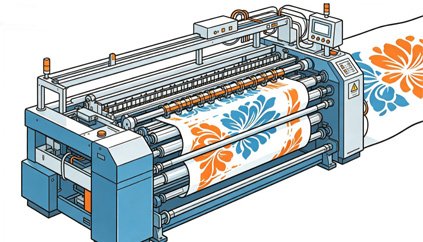
Silicate Chemicals in Textile Processing
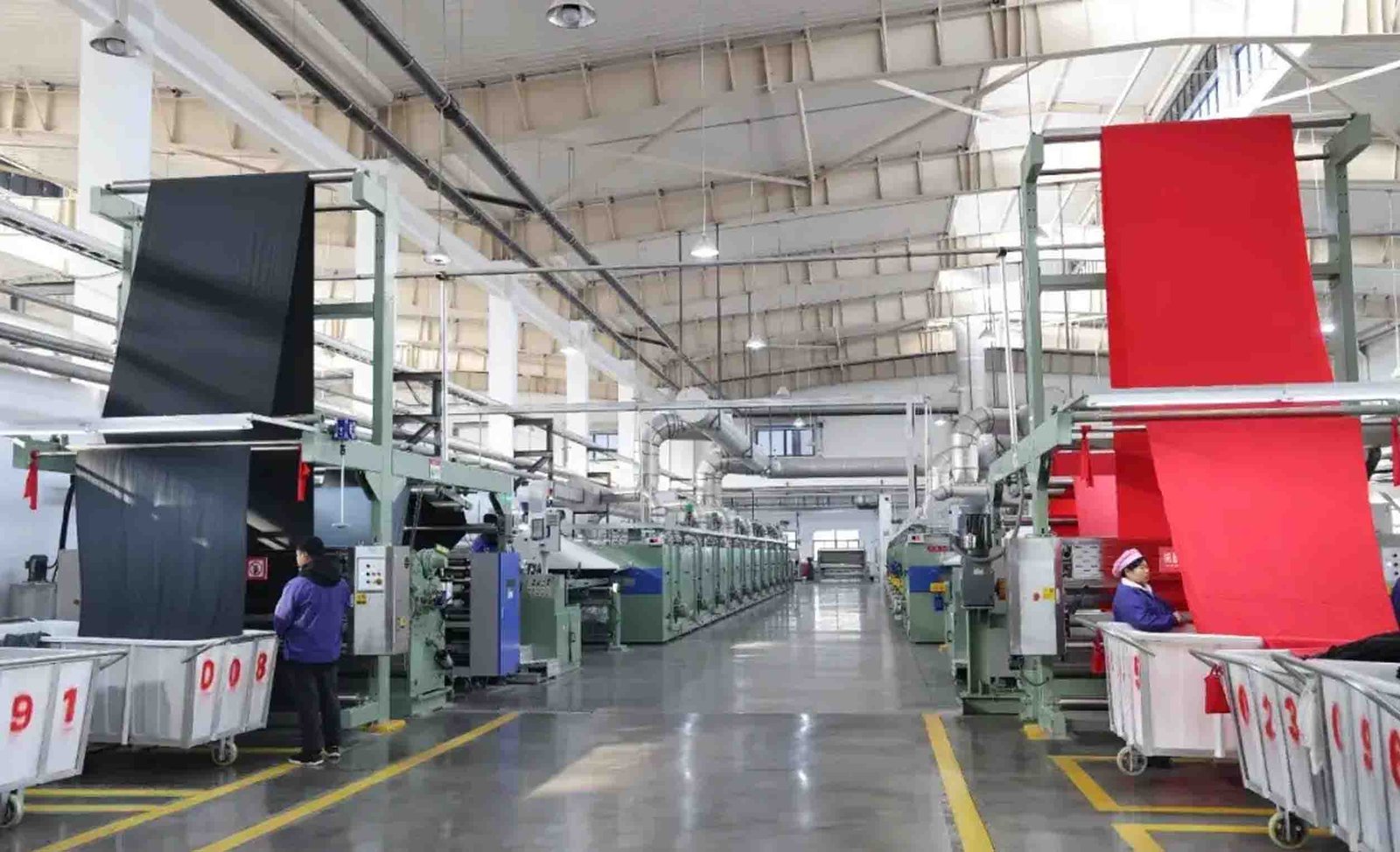
The textile manufacturing industry heavily relies on professional textile processing chemicals to ensure standardized production, stable fabric quality and excellent finished performance throughout the whole production chain. Core textile procedures including pretreatment, bleaching, dyeing, printing and finishing all require targeted chemical auxiliaries to eliminate fabric impurities, optimize processing conditions and enhance textile appearance and durability.
As essential functional auxiliaries, silicate chemicals for textile industry mainly cover sodium silicate and potassium silicate, which boast unique industrial advantages. Featuring reliable alkaline properties, precise pH adjustment capability, prominent detergency improvement and superior stabilization performance, these silicate chemicals can effectively remove fiber dirt, stabilize processing solutions and avoid fabric damage during production. Sanlee Chemicals provides industrial-grade sodium silicate and potassium silicate solutions for textile processing applications, delivering high-purity, stable and cost-effective chemical products. Our silicate solutions perfectly adapt to diverse textile working procedures, helping enterprises optimize production efficiency and improve overall fabric quality.
01
Excellent Alkaline Properties
The products feature mild and sustainable alkaline characteristics, which can meet the alkaline environment requirements of textile pretreatment, scouring and bleaching. They effectively assist in decomposing and removing sizing agents, grease and natural impurities on fiber surfaces, laying a good foundation for subsequent dyeing and printing processes without causing excessive corrosion or damage to textile fibers.
02
Accurate pH Adjustment Capability
Silicate chemicals can stably regulate and buffer the pH value of textile processing solutions. They maintain a balanced acid-base environment in bleaching, dyeing and finishing stages, avoid quality problems such as uneven color and faded dyeing caused by drastic pH fluctuations, and greatly improve the stability of textile processing.
03
Outstanding Detergency Improvement
With excellent dispersing and decontaminating capacity, the silicate auxiliaries can thoroughly eliminate residual dirt and impurities on fabric fibers. They also prevent the secondary deposition of suspended pollutants on the fabric surface, significantly improving the cleanliness, smoothness and uniformity of textiles after processing.
04
Superior Stabilization Performance
In textile bleaching and finishing processes, sodium silicate and potassium silicate act as efficient stabilizers. They inhibit the rapid decomposition of bleaching agents, protect fiber structures from oxidative damage, ensure uniform bleaching effect and stable color presentation, and effectively enhance the overall processing quality of textiles.
Types of Silicate Adhesives and Silicate Binders
Silicate adhesives and binders are categorized according to alkali metal cation types. The most mainstream variants include Sodium Silicate Adhesive & Binder, Potassium Silicate Binder, and Lithium Silicate Solutions.
Sodium Silicate Adhesive & Binder is the most cost-effective option, featuring strong bonding strength, and is widely adopted in casting, refractory materials and general inorganic bonding applications.
Potassium Silicate Binder boasts superior heat resistance and weathering performance compared to sodium silicate types, making it suitable for high-temperature working conditions and outdoor exposed components.
Lithium Silicate Solutions exhibit excellent water resistance after curing. They are commonly applied as surface penetrative sealers, floor hardeners and high-grade coating binders.
Collectively, these alkali silicate products belong to the family of inorganic binders, covering diversified industrial demands from ordinary bonding to high-end anti-corrosion and surface
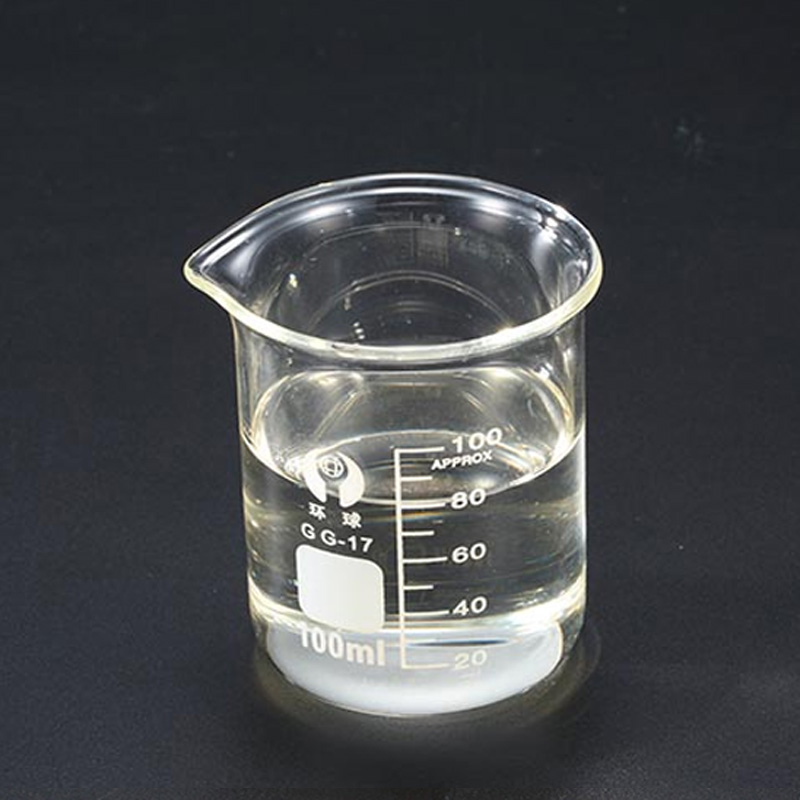
Liquid Sodium Silicate
Liquid sodium silicate is widely used as an inorganic adhesive and binder in foundry, refractory materials, construction and industrial applications.
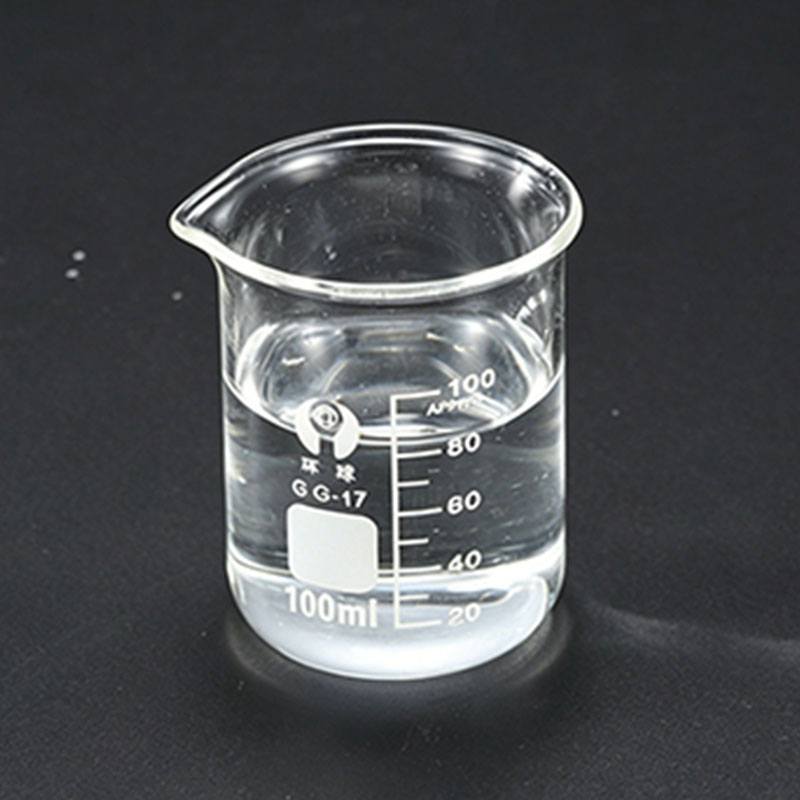
Potassium Silicate Solution
Potassium silicate provides excellent bonding properties, heat resistance and durability for inorganic coatings, welding electrodes and refractory applications.
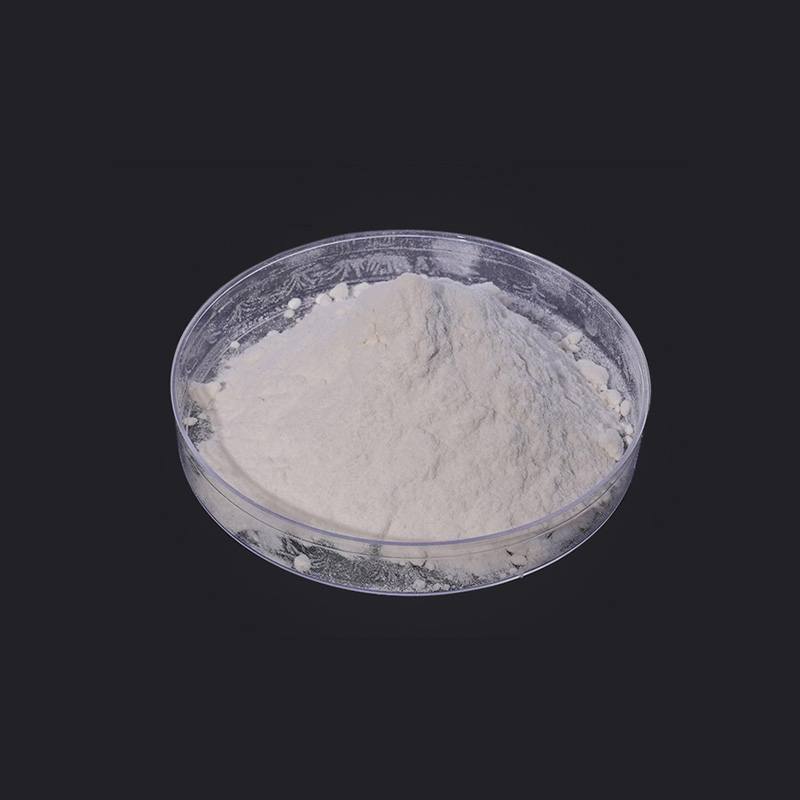
Solid Sodium Silicate Powder
Lithium silicate is mainly used for concrete densification and surface strengthening applications.
Applications of Silicates in Textile Industry
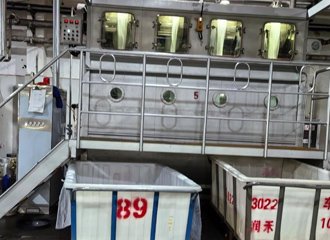
Textile Bleaching Process
sodium silicate for textile bleaching acts as a key alkaline buffer and stabilizer in textile bleaching. It sustains stable pH values and restrains ineffective hydrogen peroxide decomposition, boosting bleaching efficiency while cutting chemical loss. This chemical effectively reduces oxidative damage to fibers and delivers uniform, bright fabric whiteness. It is a essential auxiliary widely used in cotton bleaching and conventional cellulose fiber treatment processes.
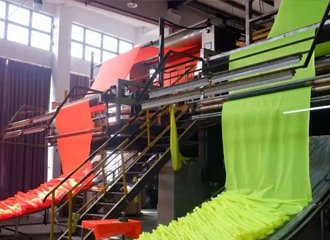
Textile Dyeing Process
sodium silicate in textile dyeing is a vital auxiliary for stabilizing textile dyeing processes. It achieves accurate and continuous pH control to build a favorable alkaline environment for dye reaction. The product enhances dye fixation and strengthens the combination between dyes and fibers. It effectively improves fabric color consistency, avoids common defects like color mottling and chromatic aberration, and steadily improves the overall dyeing quality of textiles.
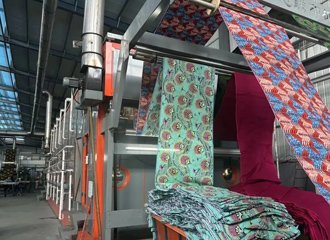
Textile Printing
sodium silicate textile printing works as a professional alkaline agent and fixing auxiliary for textile printing. It optimizes the printing chemical environment to promote firm pigment adhesion and sharpen printed patterns. It significantly improves overall printing quality and effectively enhances fabric color fastness. By supporting stable pigment fixation, it prevents color fading and pattern shedding after washing, perfectly meeting daily and industrial textile printing requirements.
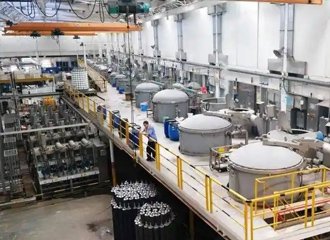
Textile Finishing Treatment
As premium textile finishing chemicals, silicate chemicals greatly optimize textile finishing performance. They are widely applied in routine fabric treatment, fiber surface modification and diverse functional finishing. These auxiliaries optimize fabric surface structure, remedy fiber processing flaws, and stabilize textile physical properties. They help manufacturers obtain uniform finishing effects and effectively improve the durability and comprehensive grade of finished textile products.
Recommended Reading

3 Key Points of Sodium Silicate in Dyeing: Comprehensive Analysis of Baumé Degree, Modulus and Usage Specifications
Sodium silicate, commonly known as water glass, is an indispensable auxiliary chemical raw material in the dyeing industry. Its application effect directly influences the uniformity of fabric dyeing, the fixation rate of dyes, and the quality of the fabric. Among them, the Baumé degree and modulus of sodium silicate are the core parameters, which directly…
Why Choose Sanlee as Your Textile Chemical Supplier
As a reliable professional textile chemical supplier and experienced sodium silicate manufacturer, Sanlee offers stable, cost-effective and customized silicate chemical solutions for global textile factories. We stand out from ordinary suppliers with the following core advantages:
Direct Manufacturer & Stable Factory Supply
Sanlee Chemicals is a genuine factory-based manufacturer with independent production lines and standardized quality control systems. We own stable production capacity and sufficient inventory to support bulk and continuous orders. Cutting out middle traders ensures stable product quality, competitive factory prices and punctual delivery for all textile processing chemical orders.
Customized Textile Chemical Solutions
To match diverse textile processing requirements, we provide flexible customization services. We support modulus adjustment and concentration adjustment of sodium silicate and potassium silicate, adapting to bleaching, dyeing, printing and finishing processes. Meanwhile, multiple packaging options are available to meet different storage, transportation and industrial usage demands of global clients.
Rich Global Export Experience
With long-term international export experience, Sanlee Chemicals serves textile chemical buyers from multiple regions worldwide. We are familiar with international trade procedures, product inspection standards and overseas logistics arrangements. We provide professional one-stop purchasing service, enabling global customers to obtain reliable textile silicate chemicals with stable quality and worry-free after-sales support.
FAQs
What is sodium silicate used for in textile processing?
Sodium silicate textile processing covers the full range of textile pre-treatment and finishing procedures. It acts as a multi-functional auxiliary with alkalinity regulation, decontamination, stabilization and fixation properties. It is widely used for fabric scouring, bleaching, dyeing, printing and finishing, effectively improving fabric cleanliness, processing stability and final textile product quality.
Why is sodium silicate used in textile bleaching?
Sodium silicate in bleaching serves as a critical pH buffer and hydrogen peroxide stabilizer. It maintains stable alkaline conditions during the bleaching process, prevents ineffective decomposition of bleaching agents, and improves bleaching efficiency. It also protects cellulose fibers from oxidative damage, delivers uniform fabric whiteness, and is ideal for cotton and cellulose fiber bleaching production.
What core factors should I prioritize when choosing a silicate binder?
As a core auxiliary chemical, sodium silicate for textile industry is mainly applied in fabric pretreatment, bleaching, dyeing, printing and functional finishing. It removes fiber impurities, stabilizes processing solutions, optimizes coloring effects, and enhances fabric fastness, meeting the diversified production needs of various textile processing scenarios.
Is sodium silicate environmentally friendly for textile applications?
Sodium silicate in dyeing plays a key role in pH regulation and dye fixation. It creates a stable alkaline environment suitable for reactive dyeing, improves the bonding force between dyes and fibers, and significantly enhances color uniformity and color fastness. It effectively avoids color difference, mottling and other defects, greatly improving the yield and quality of dyed fabrics.
What core factors should I prioritize when choosing a silicate binder for textiles?
When selecting textile-grade silicate binders, enterprises should prioritize stable modulus and concentration, excellent pH buffering performance, low impurity content and good compatibility with other textile auxiliaries. In addition, customized specifications, stable supply capacity and compliant environmental indicators are also key factors to ensure consistent textile processing effects.
Is sodium silicate environmentally friendly for textile applications?
Industrial-grade sodium silicate supplied by professional manufacturers is a low-toxic, eco-friendly textile auxiliary. It features stable chemical properties, low residual pollution and easy wastewater treatment after textile processing. It complies with mainstream textile environmental protection standards, does not produce harmful substances during use, and is suitable for green and sustainable textile production.
Can sodium silicate be customized for different textile production needs?
Yes. Reliable manufacturers like Sanlee support personalized customization of sodium silicate and potassium silicate products. We can adjust the modulus, concentration and packaging specifications according to customers’ specific bleaching, dyeing and finishing processes. Customized silicate chemicals can perfectly adapt to different fabric types and production processes, maximizing textile processing efficiency.
Get a Free Quote For Industrial Silicate Products!
We believe Sanlee will be your best partner!
Please fill out the form with your contact details or give us a call, and we will get back to you within 24 hours.
For more about Sanlee, please visit our facebook page, Instagram page, and youtube page.