Tel: +86-13630079025 Wechat/Whatsapp:+86-13630079025 Email Address: sales@sanleechem.com

Concrete Densifier Applications
Concrete densifier is widely used for strengthening and protecting concrete floors in industrial, commercial and residential applications.
These silicate applications leverage silicate-based densifiers, which penetrate into concrete pores and react with cement components to improve surface hardness, reduce dusting and enhance abrasion resistance.
What Are Concrete Densifier Applications?
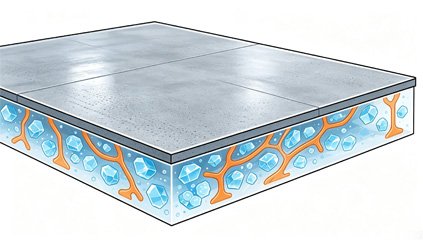
Concrete densifier applications cover a wide range of commercial, industrial, and residential floor renovation and new construction projects, serving as a critical chemical solution to optimize concrete floor performance. Also widely known as concrete hardeners in the construction industry, concrete hardener applications focus on solving common defects of ordinary concrete such as porosity, dusting, and poor wear resistance, greatly improving the overall quality and durability of concrete floors.
Primarily, concrete densifiers are dedicated to strengthening concrete surfaces. Most newly poured concrete contains numerous tiny pores and voids inside. The silicate-based active ingredients in silicate concrete densifier can penetrate deep into the concrete interior, react with free calcium hydroxide, and form stable insoluble crystalline substances. These crystals fill the internal pores of concrete, effectively compacting the surface structure and significantly enhancing the surface hardness and compactness of the concrete floor.
Another core function is reducing concrete dust. Loose cement particles on the surface of ordinary concrete are prone to peeling off and generating dust during daily use, which affects environmental cleanliness and equipment operation. After the treatment of industrial-grade densifying agents, the loose surface layer of concrete is solidified into a dense integrated structure, completely eliminating the problem of surface dusting. This advantage makes industrial concrete floor hardener an essential material for factory workshops, warehouses, logistics parks and other high-frequency use industrial scenarios.
In addition, concrete densifiers excel at improving abrasion resistance. The dense crystalline layer formed by chemical reaction can resist friction, scratch and impact from heavy machinery, pedestrian flow and cargo handling. Compared with untreated concrete floors, densified floors have far stronger anti-wear and anti-scuffing capabilities, adapting to harsh industrial use environments.
It is also a key application of the product preparing floors for polishing. In the production of polished concrete floors, concrete surface porosity and soft texture will lead to uneven polishing and poor finished effect. polished concrete densifier is specially used for pre-treatment and intermediate reinforcement of polished concrete floors. It stabilizes the concrete base, makes the floor texture uniform and firm, ensures a smooth, high-gloss and transparent polishing effect, and greatly improves the aesthetic and decorative performance of the floor.
Finally, all the above functional advantages work together to realize extending floor service life. By enhancing surface strength, abrasion resistance and anti-dust performance, concrete densifiers effectively avoid common floor damage such as sanding, peeling, cracking and wear. They reduce the frequency of floor maintenance and renovation, greatly prolong the service cycle of concrete floors, and create long-term stable and durable floor conditions for various building spaces.
01
Strengthens & hardens concrete surface
Silicate components penetrate concrete, fill pores and boost surface hardness.
02
Eliminates concrete dusting
Binds loose cement particles to stop surface dust, ideal for industrial workshops.
03
Boosts abrasion resistance
Forms a dense crystalline layer to withstand heavy traffic, machinery friction and scratches.
04
Ideal base for polished concrete & extends floor lifespan
Stabilises concrete for high-gloss polishing and reduces wear, cutting maintenance costs.
Types of Concrete Densifiers Used in Applications
Various silicate concrete densifiers serve different industrial and decorative flooring demands. The most common variants include lithium silicate, sodium silicate and potassium silicate concrete densifier. Sodium silicate densifier is economical and widely adopted for basic industrial hardening, though it tends to form more surface residue. Potassium silicate balances penetration and cleanliness, suiting general polished concrete floors with moderate traffic.
Lithium silicate concrete densifier has smaller molecules for deeper infiltration, producing minimal residue and clearer high-gloss finishes, perfect for premium polished concrete projects. Each type differs in penetration depth, residue formation, reaction speed and final appearance. Proper selection considers concrete age, porosity, polishing goals, traffic intensity and budget to achieve stable hardening, dust control and long-term floor durability.
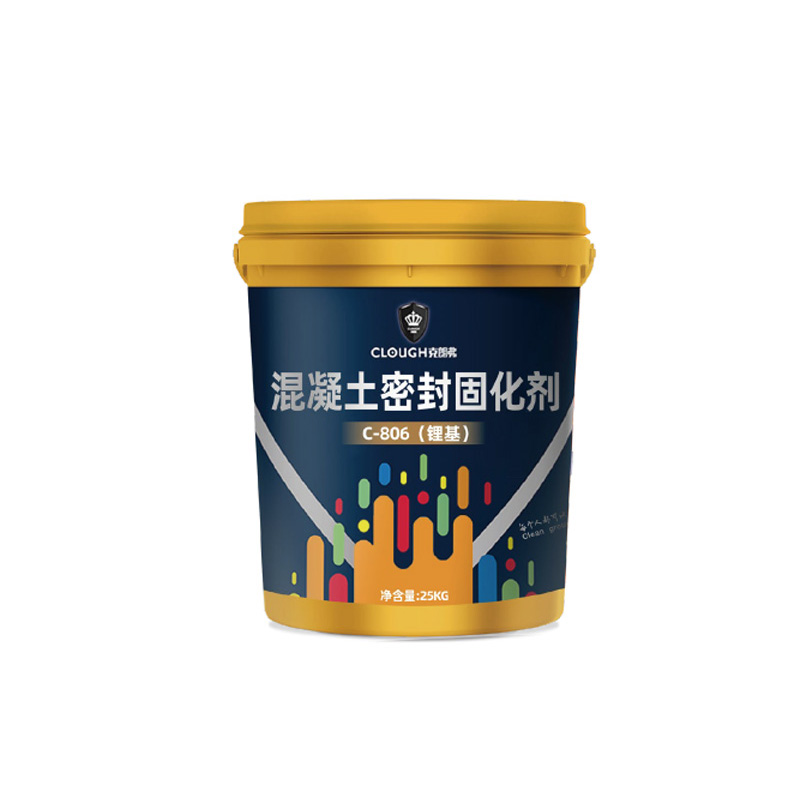
Lithium Silicate Concrete Densifier
Lithium silicate concrete densifier features smaller molecular size for deeper penetration. It creates a harder, clearer surface with minimal residue, ideal for high-gloss polished concrete and sensitive indoor environments.
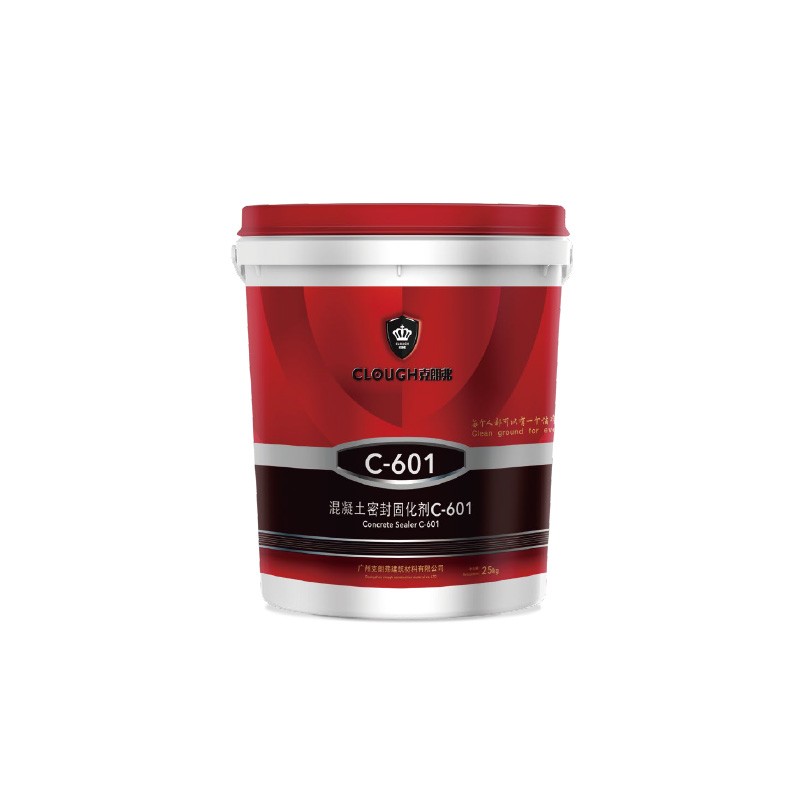
Sodium Silicate Concrete Densifier
Sodium Silicate Concrete Densifier is cost-effective and widely used for general industrial floors. It penetrates and reacts readily to harden concrete yet may leave more surface residue, requiring thorough cleaning.
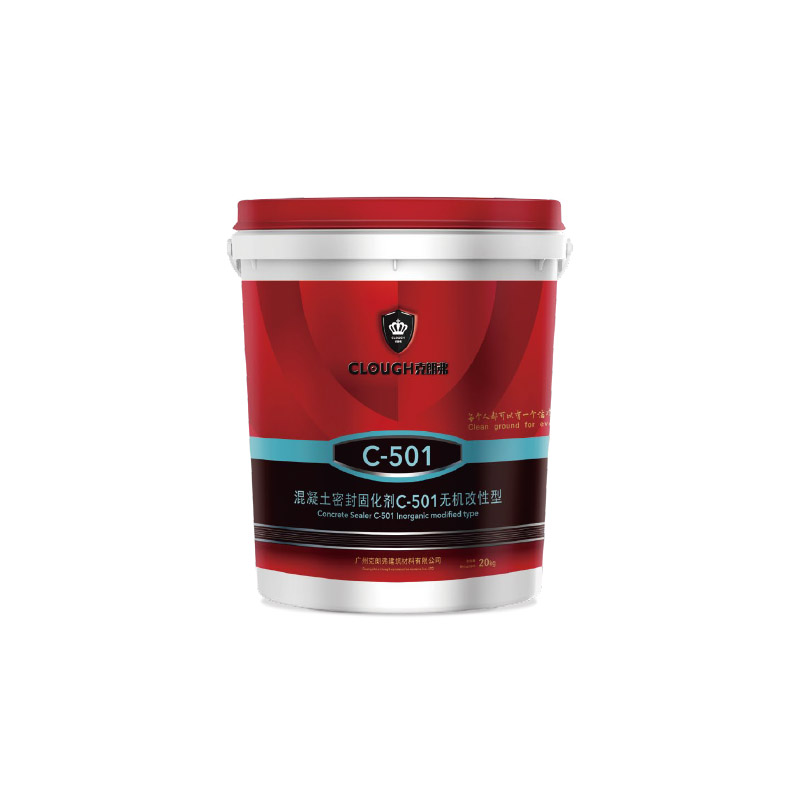
Potassium Silicate Concrete Densifier
Potassium silicate concrete densifier offers balanced penetration and less residue than sodium silicate. It performs well in medium-traffic areas and is popular for standard polished concrete projects.
Industrial Concrete Floor Applications
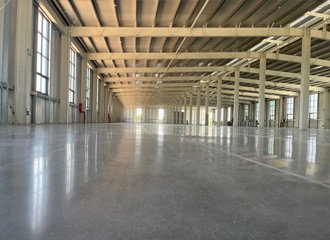
Warehouse Concrete Floors
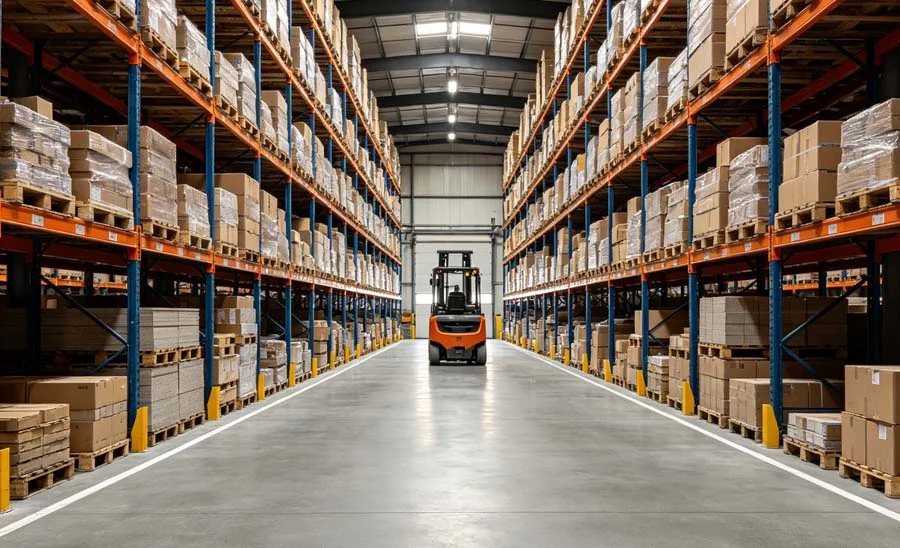
Warehouse floor densifier and warehouse concrete hardener are essential flooring solutions designed to withstand the harsh operating conditions of industrial storage environments. These densifying and hardening agents effectively strengthen porous concrete surfaces, deliver excellent wear resistance, and create a completely dustproof warehouse floor.
They are perfectly applied in high-load forklift traffic areas, general storage warehouses, and large-scale logistics centers. The treatment eliminates floor dusting, resists frequent vehicle friction and cargo stacking pressure, reduces daily floor maintenance, and greatly extends the service life of warehouse concrete floors.
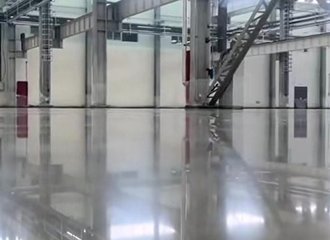
Factory and Manufacturing Floors
The factory concrete floor hardener and professional industrial floor densifier are specially formulated for high-intensity industrial production environments. These chemical flooring treatments significantly enhance concrete surface hardness, abrasion resistance, and impact resistance, solving common factory floor problems such as sanding, dusting and surface peeling.
They are highly suitable for production plants, long-term heavy traffic areas, and equipment-intensive machinery areas. The treated factory floors can resist continuous mechanical vibration, heavy object rolling and frequent pedestrian flow, maintaining a smooth, durable and clean industrial working surface.
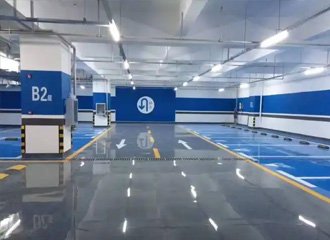
Parking Garage Floors
Parking concrete densifier and high-performance concrete parking floor sealer are ideal materials for professional parking garage floor renovation and new construction. They penetrate deeply into the concrete structure to fill internal pores, compact the floor base, and improve overall floor durability.
These products effectively resist vehicle tire friction, water erosion and daily wear, while inhibiting dust formation and surface damage. Widely used in commercial and residential parking garages, they stabilize concrete floors, prevent floor aging and cracking, and provide long-lasting protection for all kinds of concrete parking floor surfaces.
Polished Concrete Floor Applications
Polished concrete densifier acts as the core functional material for premium polished concrete flooring projects and occupies a vital position inconcrete densifier applications. As essential concrete polishing chemicals, professional densifier for polished concrete supports standardized floor restoration and finishing workflows. Meanwhile, mature concrete hardener applications focus on improving floor hardness and durability, making the industrial concrete floor hardener series suitable for both commercial decoration and industrial reinforcement scenarios.
The complete polishing workflow includes Grinding, Densifying, Fine Grinding, Polishing, and Burnishing to produce high-hardness, high-gloss, long-lasting concrete floors. The initial Grinding removes surface laitance, flaws and loose layers to expose a clean, uniform concrete substrate.
The critical Densifying step allows the silicate densifier to penetrate deeply into concrete pores and trigger stable chemical reactions, permanently compacting and hardening the floor base. Subsequent Fine Grinding flattens the surface thoroughly, while Polishing upgrades overall gloss and uniformity. The final Burnishing delivers a flawless, smooth, stain-resistant finished surface. This systematic process is widely adopted in shopping malls, office buildings, retail stores and high-end workshops, providing dust-free, wear-resistant and aesthetically appealing polished concrete floors.
Concrete Densifier Application Process for Polished Concrete
Concrete Grinding
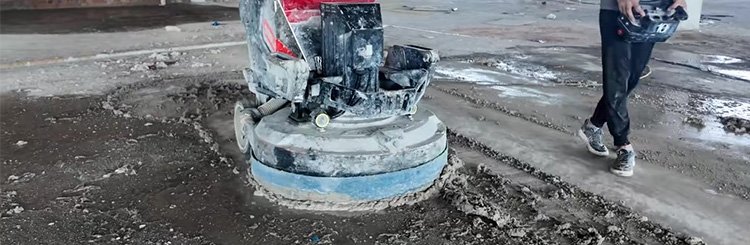
The raw concrete surface is ground to remove loose mortar, imperfections and surface laitance, creating a flat, porous and uniform base for better chemical penetration
Apply Concrete Densifier
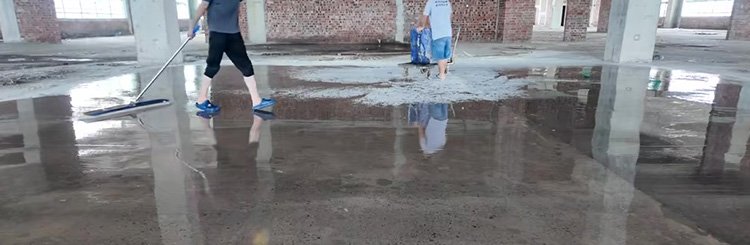
The high-performance densifier is evenly coated on the prepared concrete surface, fully penetrating the internal pores of the concrete.
Chemical Reaction & Hardening

The silicate ingredients react with concrete hydration products to form stable crystalline structures, compacting the internal structure and hardening the soft concrete base permanently.
Fine Grinding and Polishing

Multiple rounds of fine grinding and polishing smooth the hardened surface, removing residual marks and gradually improving floor gloss and flatness.
Final Polished Concrete Surface
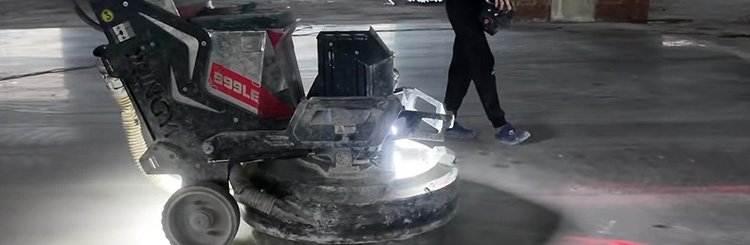
The finished floor features high hardness, excellent abrasion resistance, zero dusting, and a beautiful glossy finish, ideal for commercial and premium industrial spaces.
Where Are Polished Concrete Floors Used?
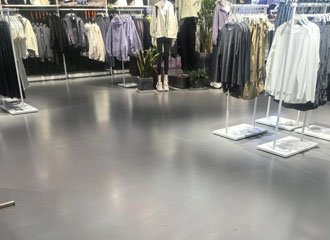
Commercial Buildings
Polished concrete floors are widely installed in shopping malls, retail stores and office buildings. With the support of polished concrete densifier, these floors deliver an attractive appearance and simple daily maintenance. The seamless, dust-free surface matches modern commercial aesthetics and lowers long-term floor upkeep costs.
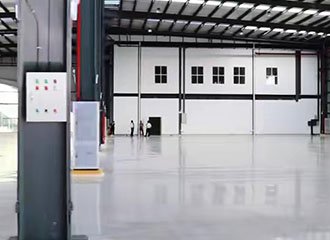
Industrial Facilities
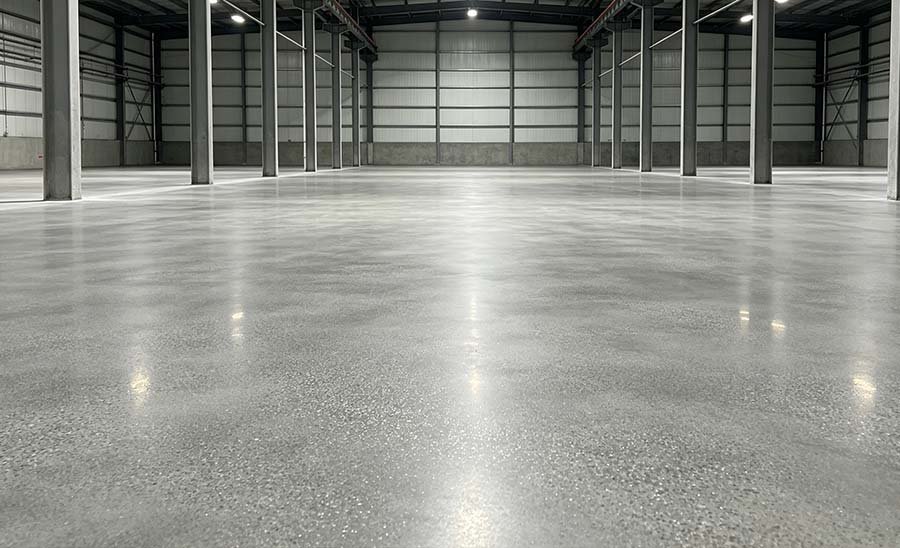
Ideal for factories, warehouses and manufacturing plants, polished concrete systems stand up to rigorous industrial conditions. Paired with quality concrete densifier, they offer reliable heavy traffic resistance and effective dust reduction. They withstand forklift movement, machinery vibration and constant loading for consistent long-term performance.
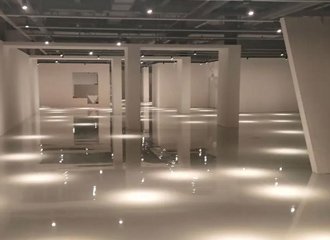
Showrooms and Public Spaces
Car showrooms, exhibition halls and airports commonly adopt polished concrete flooring. The finished high gloss finish creates a premium visual effect, while the hardened concrete structure ensures a long service life. It remains durable under heavy pedestrian flow and frequent cleaning in high-footfall public environments.
Concrete Densifier Applications by Building Type
| Application | Benefit |
| Warehouses | Dust reduction, wear resistance |
| Factories | Heavy traffic protection |
| Parking Areas | Surface strengthening |
| Commercial Floors | Easy maintenance |
| Polished Concrete | Higher gloss and durability |
Recommended Reading

Heavy-Duty Workshop Flooring Guide: Choose the Right Concrete Sealing and Curing Agent So Forklifts Can Run Over It Every Day Without Damage
Heavy-duty workshop floors frequently suffer from dusting, damage, and unevenness. The problem often lies not in the concrete itself, but in choosing the wrong type of concrete sealing and curing agent or failing to apply it properly. This article starts from the working principle of curing agents, explains the advantages of lithium-based and potassium-based silicate,…
Lithium Silicate Concrete Densifier: The Ultimate Guide to Harder, Dust-Proof Floors
Concrete is the backbone of modern infrastructure. However, its inherent porosity is its greatest weakness. In industrial, commercial, and even residential settings, untreated concrete floors suffer from dusting, staining, and rapid wear, leading to high maintenance costs and shortened service life. Many project owners search for a reliable concrete dusting solution to fix this persistent…

4 Essential Facts: What is A Concrete Densifier And The Correct Usage Method
What Is A Concrete Densifier? Concrete densifier is the key material for enhancing the hardness, wear resistance and appearance of concrete floors. It is widely used in various industrial and civilian scenarios such as workshops, warehouses, garages, and factories. Many people may be confused when using it: At which step should the curing agent be…
Why Choose Sanlee Concrete Densifier?
Silicate Manufacturer Direct Supply
As a professional silicate manufacturer, Sanlee provides factory-direct concrete densifier products with stable quality and competitive pricing. We eliminate intermediate links and guarantee consistent product performance for all concrete densifier applications. Our standardized production strictly controls raw material purity and formula stability, ensuring every batch delivers reliable hardening, dust-proofing and wear-resisting effects for industrial and commercial concrete floors.
OEM and Bulk Supply Available
Sanlee supports customized OEM services and flexible bulk supply to meet diverse market and project demands. We tailor formulas, packaging and technical schemes to fit different concrete hardener applications for distributors, contractors and engineering companies. Whether for small polishing projects or large-scale industrial floor renovation, our flexible supply system ensures timely delivery and cost-effective procurement solutions.
Lithium, Sodium and Potassium Silicate Solutions
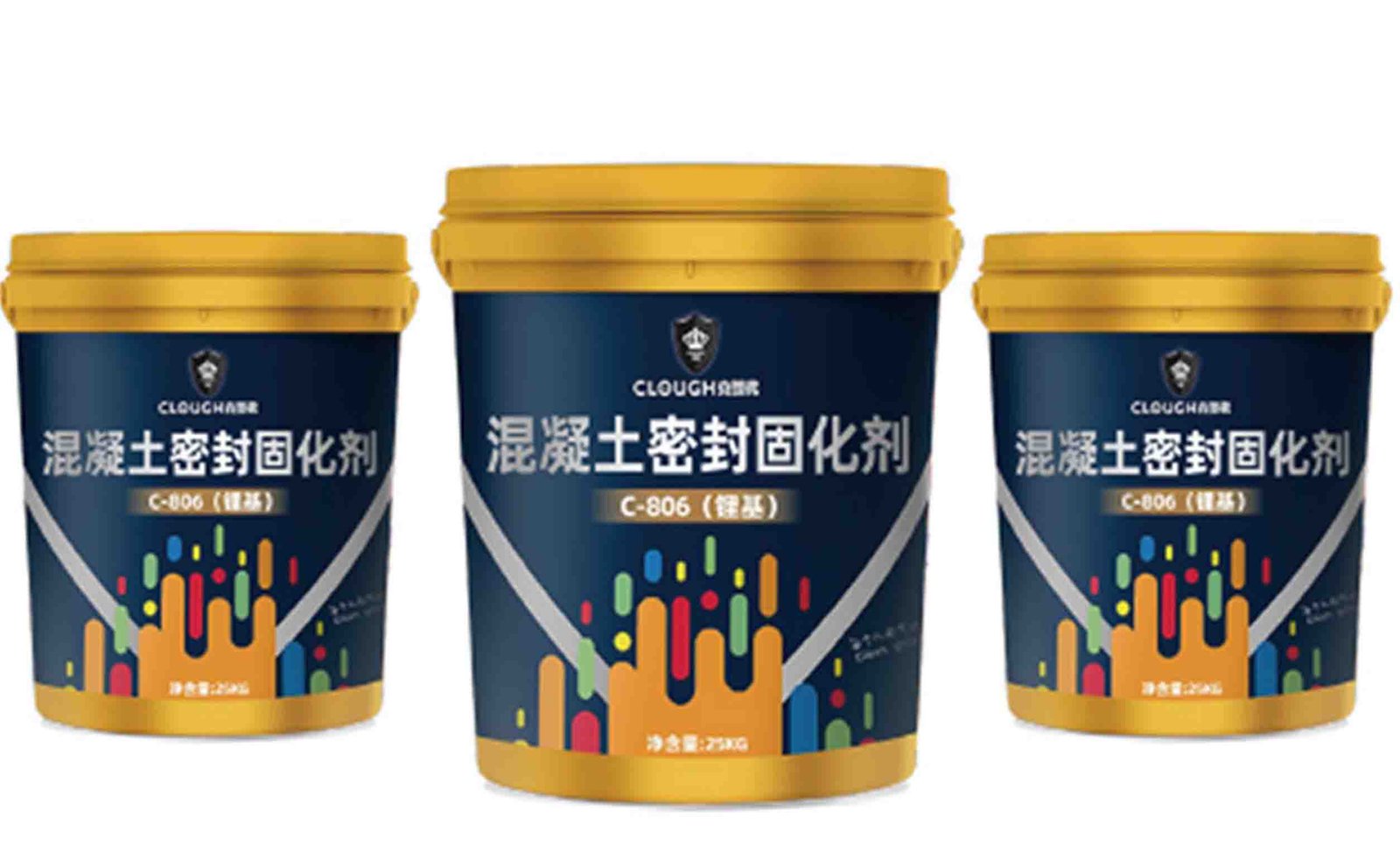
We offer a full range of lithium, sodium and potassium silicate densifier formulas covering all mainstream floor treatment scenarios. Our versatile product line includes economical industrial-grade options and high-end formula specially designed as polished concrete densifier. From ordinary industrial hardening to high-gloss decorative polishing, our multi-type silicate solutions perfectly match different concrete floor conditions and construction requirements.
Technical Support for Different Concrete Floors
Sanlee provides one-stop professional technical guidance for various floor construction scenarios. Our technical team offers targeted construction advice and parameter debugging for warehouse, factory, parking and commercial floors. We help customers maximize the performance of our industrial concrete floor hardener, solving common problems such as insufficient penetration, residual marks and uneven hardening, ensuring perfect floor finishing results for every project.
Concrete Densifier Applications FAQ
What is concrete densifier used for?
A concrete densifier is a silicate-based chemical agent designed to strengthen, densify, and protect concrete surfaces. It is the core material in mainstream concrete densifier applications, working by penetrating concrete pores and triggering chemical reactions to form hard crystalline structures. It effectively eliminates concrete dust, improves abrasion and impact resistance, hardens soft concrete surfaces, and extends floor service life. Widely used as a professional industrial concrete floor hardener, it meets both industrial floor reinforcement and commercial floor polishing needs.
Where can concrete densifier be applied?
Concrete densifier covers a full range of commercial and industrial flooring scenarios. Its common application sites include factory production workshops, machinery operation areas, industrial warehouses, logistics centers, parking garages, shopping malls, office buildings, retail stores, exhibition halls and airport public floors. Suitable for all new and old cement concrete floors, it adapts to both heavy-duty industrial environments and high-aesthetic commercial spaces, covering almost all mainstream concrete hardener applications in the construction flooring industry.
Is concrete densifier the same as concrete sealer?
No, they are completely different in working principle and performance. Concrete sealer only forms a protective film on the concrete surface for physical isolation and waterproofing, which is prone to peeling and aging. In contrast, concrete densifier penetrates deep into the concrete for permanent chemical hardening, with no film formation, no peeling, and more durable effects. As a professional polished concrete densifier, it focuses on floor hardening and polishing molding, while sealers only provide superficial surface protection.
Can concrete densifier be used on old concrete floors?
Yes, concrete densifier is perfectly applicable to old, worn, dusty and sanding concrete floors. Old floors with loose surface structure and severe dusting can be treated via grinding, densifying and polishing processes. The densifier can repair loose concrete structures, fill internal voids, and re-harden the aging floor base. It is an ideal renovation solution for old industrial and commercial floors, avoiding expensive floor replacement and greatly reducing renovation costs.
What are the main types of concrete densifiers?
The mainstream commercial concrete densifiers are divided into three silicate types: sodium silicate, potassium silicate, and lithium silicate densifiers. Sodium silicate densifier is cost-effective for general industrial floor hardening; potassium silicate features balanced performance with less residue; lithium silicate has ultra-fine molecular particles for deeper penetration, no blooming, and is most suitable for high-gloss polished concrete projects. Users can select targeted products according to project budget and floor requirements.
Does concrete densifier change the appearance of concrete floors?
Concrete densifier itself is colorless and transparent and will not change the original color of concrete. After standard grinding and polishing construction, the treated floor will present a natural high-gloss finish with clear texture. It does not produce artificial coating traces, effectively improving the overall aesthetics of the floor while maintaining the original concrete texture, which is why it is widely favored for high-end commercial and public space flooring.
How long does the effect of concrete densifier last?
The hardening and densifying effect of professional concrete densifier is permanent. Unlike temporary floor coatings that peel off within several years, the crystalline structure formed by the chemical reaction between densifier and concrete is stable and non-degradable. After correct construction, the floor can maintain dust-free, wear-resistant and high-hardness performance for more than 10-20 years with daily simple maintenance, greatly reducing long-term floor maintenance and renovation costs.
Get a Free Quote For Concrete Densifier!
We believe Sanlee will be your best partner!
Please fill out the form with your contact details or give us a call, and we will get back to you within 24 hours.
For more about Sanlee, please visit our facebook page, Instagram page, and youtube page.