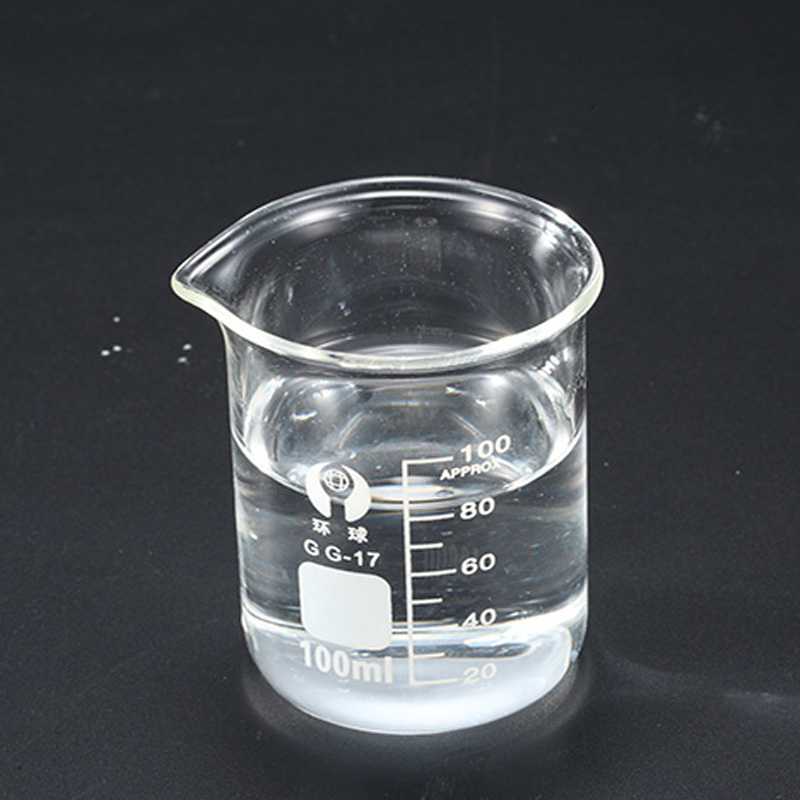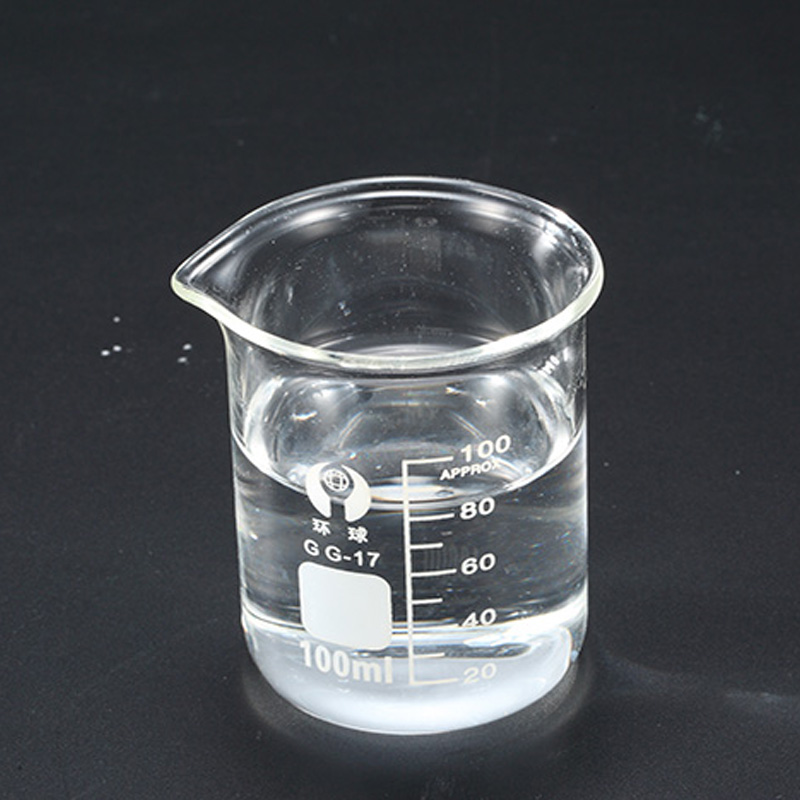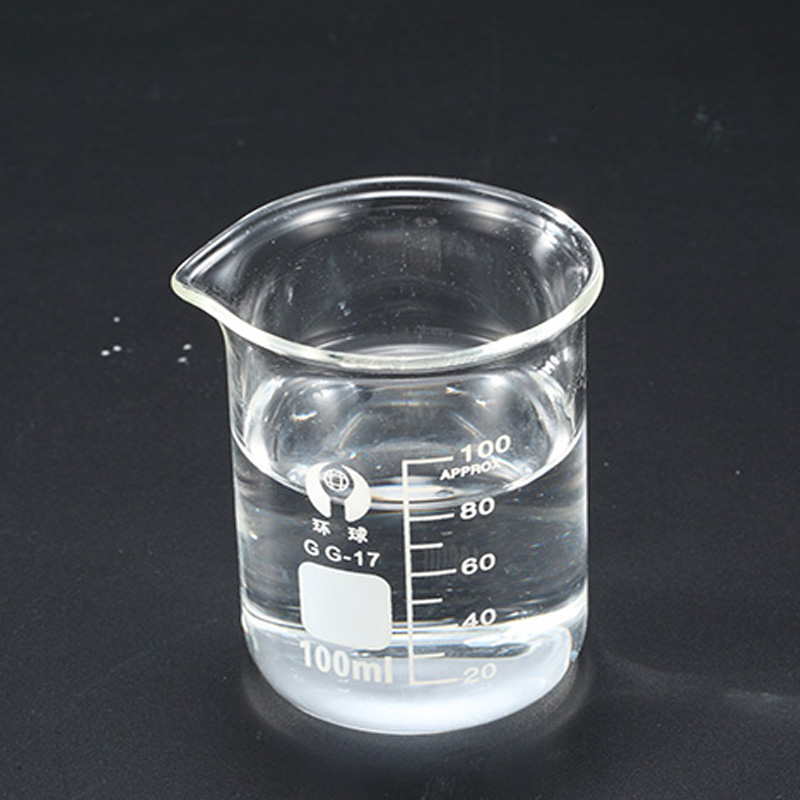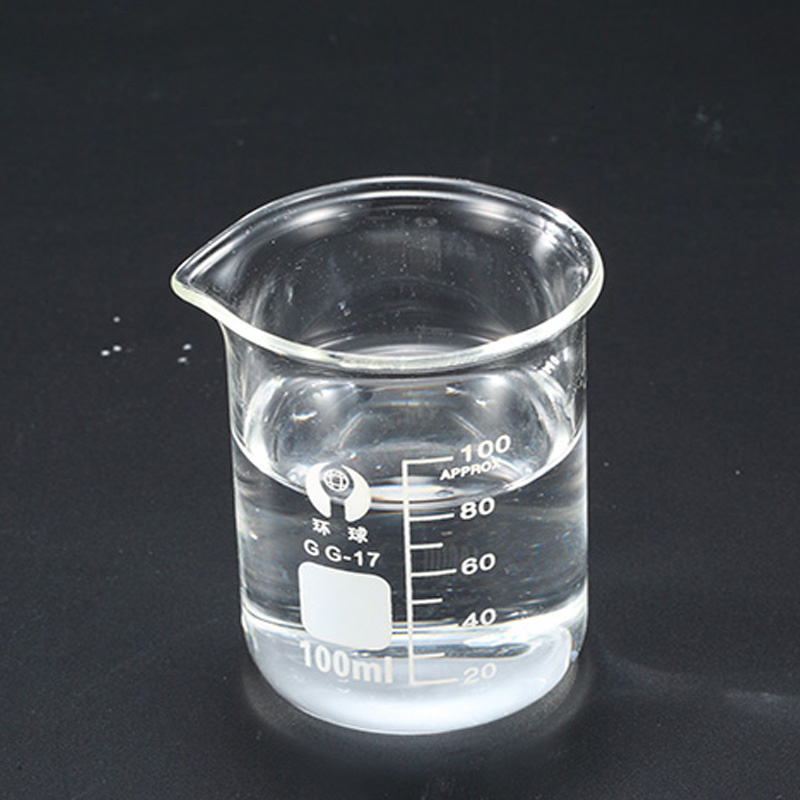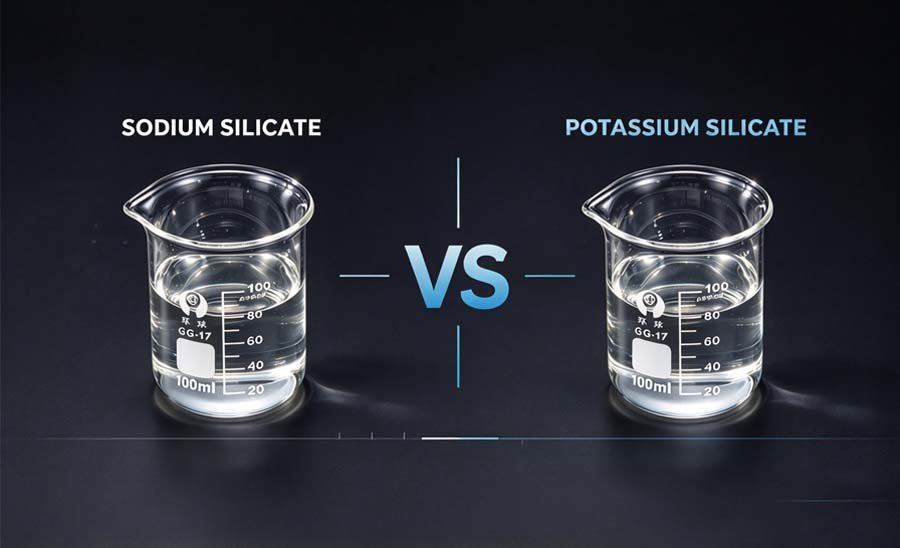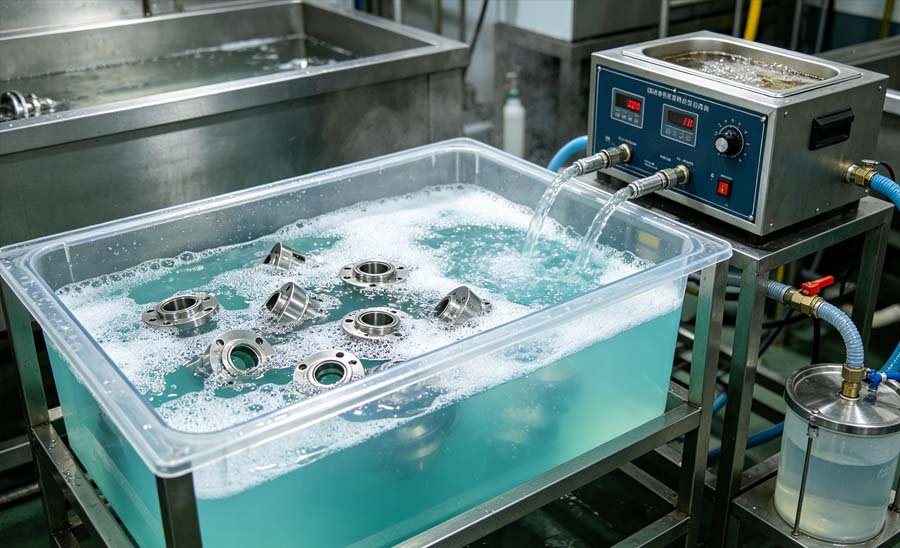
Will sodium silicate solidify at room temperature? Why does using sodium silicate as a bonding agent require heating or introducing carbon dioxide gas for curing?
In essence, these two questions have the same answer. The core revolves around the sodium silicate solidify principle. Many people, due to not understanding the sodium silicate solidify logic, often encounter problems such as premature agglomeration of sodium silicate, poor bonding effect, and deterioration during storage. Today, through intuitive experiments and simple explanations, we will explain the curing conditions, reaction process, and correct storage methods of sodium silicate, helping everyone thoroughly clear up their doubts about sodium silicate solidify.
1. Experimental Verification: At room temperature, sodium silicate does indeed naturally solidify.
To directly verify the sodium silicate solidify process at room temperature, we conducted a small-scale experiment specifically. The experimental materials used were sodium silicate, which is commonly used as a bonding agent in daily life. Its core parameters were a brix degree of 38 and a modulus of 3.3, which are the most commonly used specifications in industrial and daily bonding.
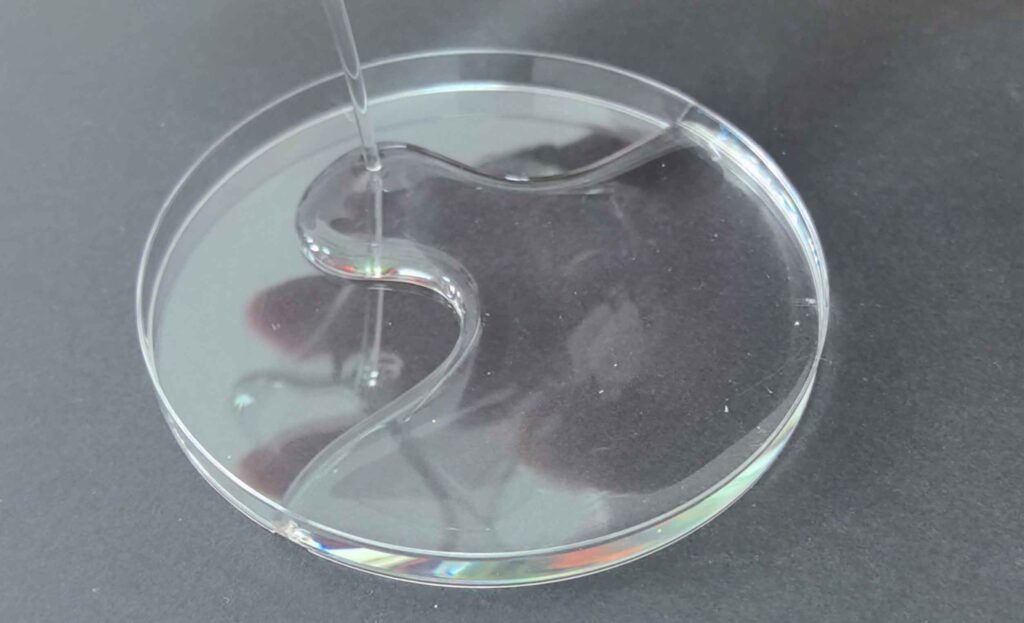
The experimental steps were very simple: Take an appropriate amount of this sodium silicate, evenly pour it onto a clean petri dish, place it in a room with normal temperature and ventilation, and do not perform any additional operations throughout the process – no heating, no introduction of carbon dioxide gas, and no addition of any curing agent. Then, start observing and recording its sodium silicate solidify process.
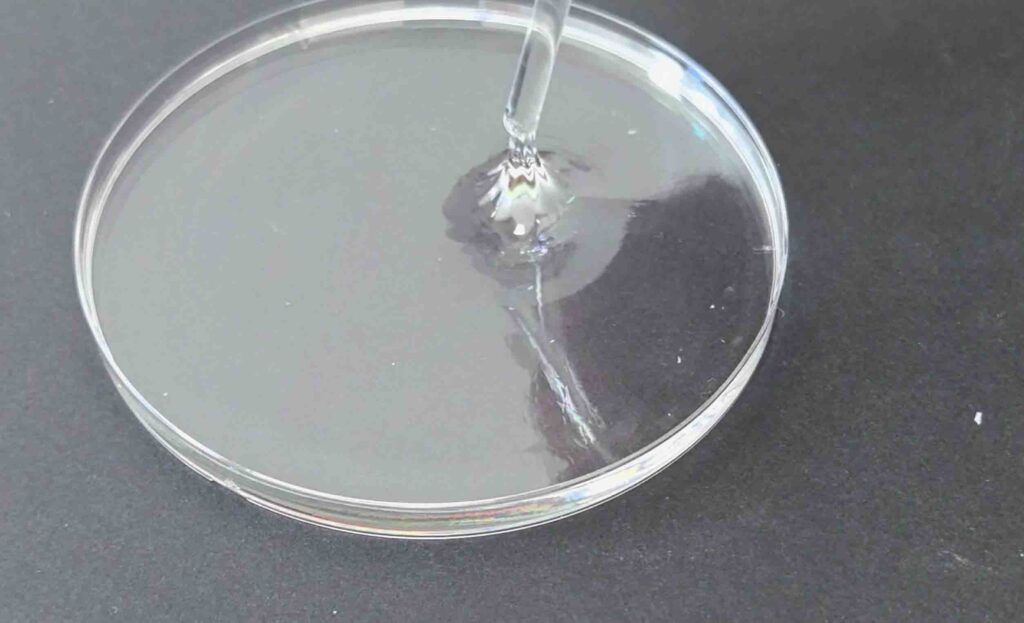
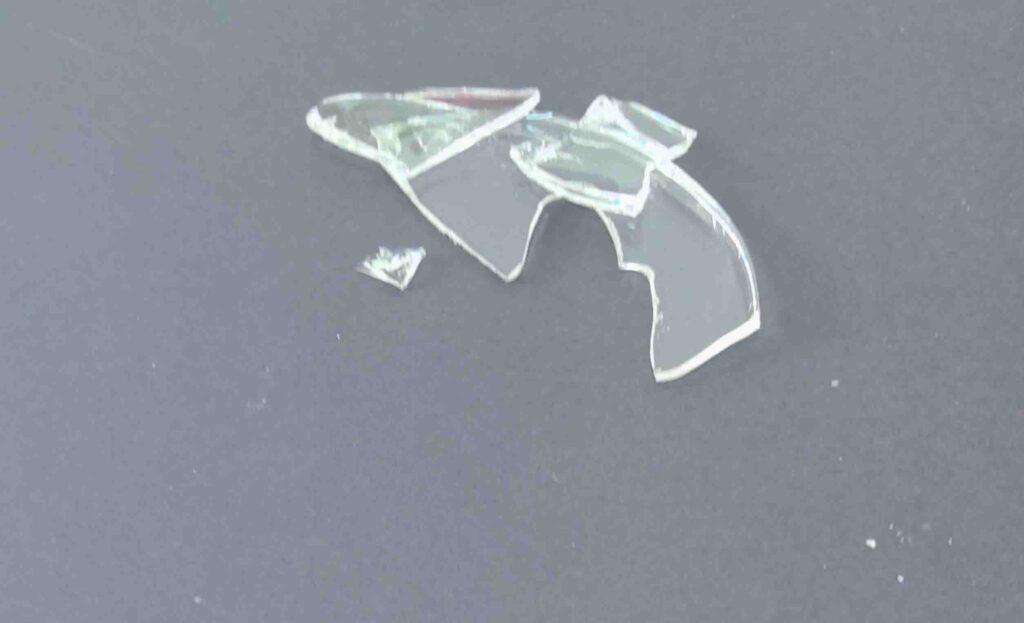
After a period of standing, the liquid sodium silicate in the petri dish gradually thickened and dried out, and finally completely dried. After gently removing it from the petri dish, a white semi-transparent hard block-like substance was formed. This experiment clearly proves that at room temperature, sodium silicate can naturally cure without any auxiliary conditions. The belief that “sodium silicate cannot cure at room temperature” held by many people is actually a misunderstanding about sodium silicate solidify.
2. In-depth Analysis: The Curing Principle of Water Glass
The reason why water glass can naturally cure at room temperature lies in the fact that it undergoes chemical reactions with substances in the air – this is the core mechanism of sodium silicate solidify. The main component of water glass is sodium silicate. When it is exposed to the air, it actively reacts with carbon dioxide and water in the air, resulting in the formation of two substances – sodium carbonate and silicic acid. Among them, the silicic acid gradually forms a gel-like substance.
These gels will slowly lose water, contract, and harden, eventually forming a white, semi-transparent, hard solid as we see. This is the natural sodium silicate solidify process.
When using water glass as a bonding agent, heating or introducing carbon dioxide gas is done not because water glass cannot cure at room temperature, but to accelerate the sodium silicate solidify reaction.
The curing reaction at room temperature is slow, taking several hours or even longer, which cannot meet the time requirements for construction and bonding; heating can accelerate the evaporation of water and simultaneously increase the reaction rate, while introducing carbon dioxide can increase the concentration of the substances required for the reaction, allowing water glass to cure quickly in a few minutes, thereby improving construction efficiency.
3. Key Reminder: The Correct Storage Method for Sodium Silicate
Since sodium silicate will naturally solidify at room temperature, proper protection must be taken during daily storage and transportation to prevent premature sodium silicate solidify and caking, which would render the sodium silicate unusable. Based on its curing principle, the key storage precautions include two points that must be strictly followed:
First, ensure strict sealing. Sealing is the key to blocking the contact between sodium silicate and air. Only by isolating the carbon dioxide in the air can we fundamentally prevent the premature sodium silicate solidify reaction.
It is recommended to store sodium silicate in containers with good sealing performance, tighten the lid, and prevent air leakage and liquid leakage. Second, store in a dark and cool place. Direct sunlight and high-temperature environments will accelerate the evaporation of water and the reaction with carbon dioxide, easily causing premature deterioration and caking of sodium silicate. Therefore, it should be stored in a cool, ventilated, and dark place, away from high temperatures and fire sources.
In summary, sodium silicate can naturally solidify at room temperature, and its curing principle is a chemical reaction with carbon dioxide in the air; heating and introducing carbon dioxide are only means to accelerate the sodium silicate solidify process, not necessary conditions. Mastering the curing principle of sodium silicate and the correct storage method can avoid material waste and ensure its optimal performance in bonding, construction and other scenarios.
for more information ,please visit our facebook page