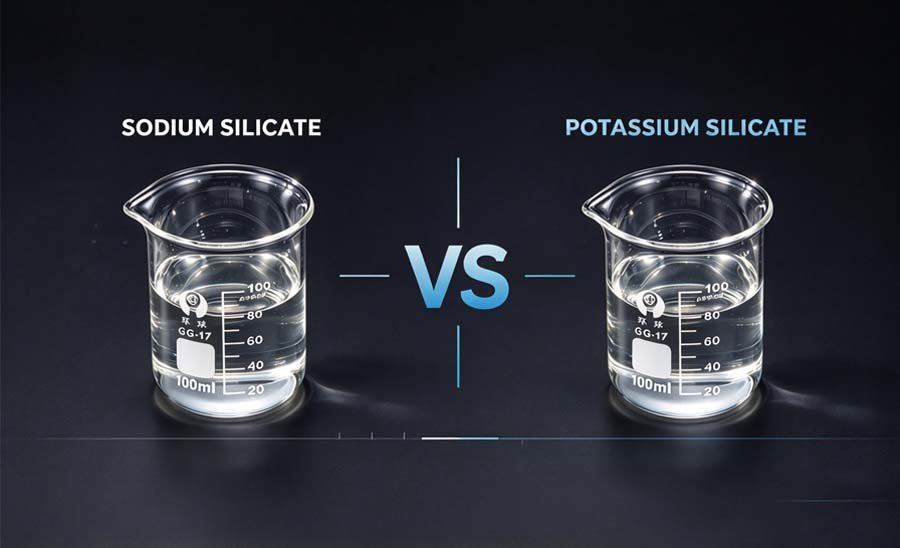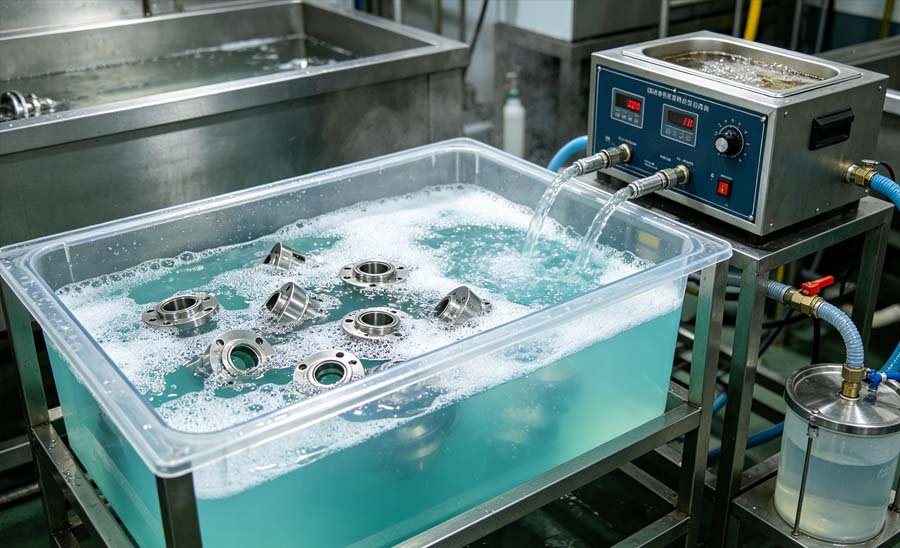
Can sodium silicate be used in laundry detergent? Exploring the core role of sodium silicate in laundry detergent
When people hear “water glass (sodium silicate)”, their first thought is that it is used in industrial scenarios such as engineering grouting and refractory materials. Few people know that this inorganic compound, which seems unrelated to daily chemicals, is actually an important component in laundry detergent.
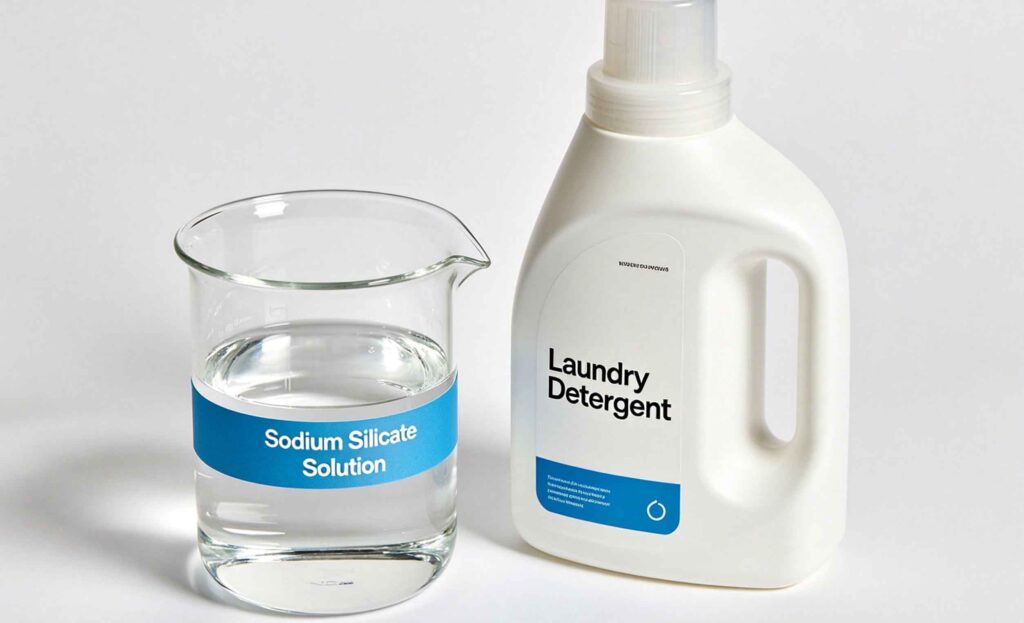
Many people may wonder: How can sodium silicate be used in laundry detergent? What role does sodium silicate in laundry detergent play?
This article will start from the core components of laundry detergent, detail the connection between sodium silicate and laundry detergent, break down its multiple functions in laundry detergent, and the differences in its application in different laundry detergent formulas, strengthen the core keywords, to help everyone fully understand the hidden value of sodium silicate in laundry detergent in the daily chemical field.
1. First, understand the core component composition of laundry detergent
To understand the role of sodium silicate in laundry detergent, it is necessary to first understand the core components of laundry detergent.
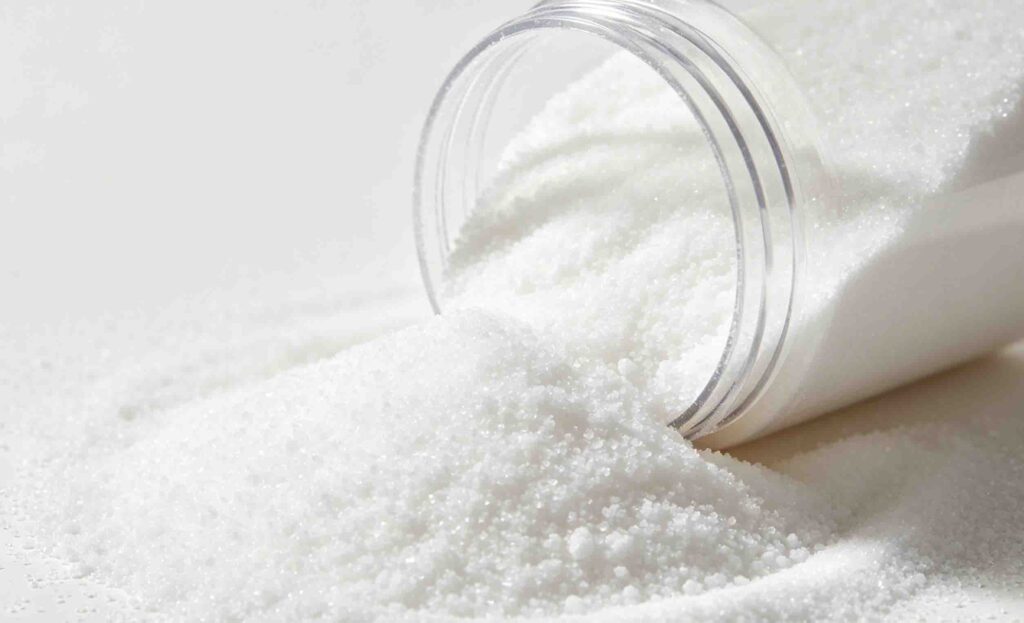
Laundry detergent is not a single substance but a complex formula composed of multiple components, each with its own specific function. The core components mainly include eight categories:
(1)surfactants
the core decontamination component, responsible for decomposing stains,
(2)builders
assisting in enhancing decontamination effects,
(3)alkalis
regulating the alkalinity of the washing solution,
(4)enzyme preparations
targeted removal of protein, starch, and other stains,
(5)bleaches
brightening clothes and removing stubborn stains,
(6)fluorescent brighteners
making clothes whiter,
(7)fragrances
improving the washing smell,
(8)fillers
adjusting the shape of laundry detergent particles.
And sodium silicate in laundry detergent, by taking on the dual roles of “builder” and “alkali”, becomes an indispensable, low-cost, and highly efficient component in laundry detergent.
2. The core role of sodium silicate in laundry detergent: Dual functions, enhancing washing effects
The reason why sodium silicate can be widely used in laundry detergent is that it has the dual functions of an alkali and a builder, which not only reduces production costs but also significantly improves washing effects, solving multiple problems in the washing process—this is the core value of sodium silicate in laundry detergent. The specific functions are as follows:
(1) As an alkali: Providing a stable alkaline environment, enhancing decontamination power
Water glass (sodium silicate) is a cheap and effective inorganic alkali. When dissolved in water, it is strongly alkaline and can provide and maintain a stable alkaline environment for the washing solution (pH value stable at 10-12). Fatty stains (such as oil stains and sweat stains) undergo saponification reactions in an alkaline environment and are decomposed into substances easily soluble in water, making them easier to clean.
This is the core principle of sodium silicate in laundry detergent in assisting decontamination. At the same time, it can stabilize the pH value of the washing solution, preventing excessive pH fluctuations during the washing process, ensuring stable decontamination effects, and preventing washed-off dirt from redepositing on clothes, avoiding clothes getting dirtier with each wash.
(2) As a builder: Optimizing the form of laundry detergent, reducing dirt residue
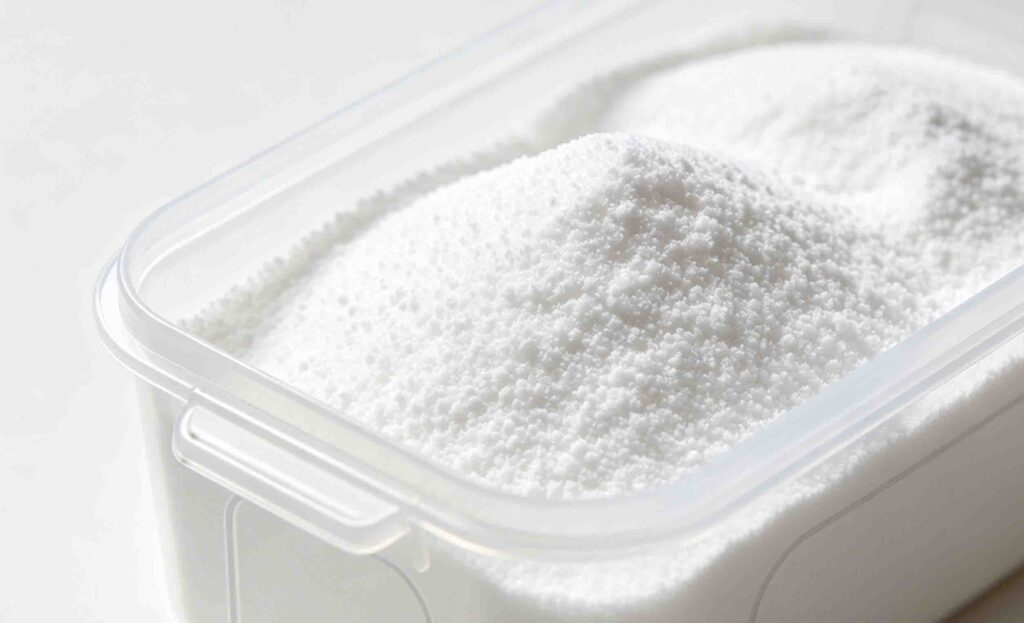
In addition to its role as an alkali, sodium silicate in laundry detergent can also act as a builder, optimizing the use experience and washing effect of laundry detergent. It has good dispersibility and stability, which can help stabilize the particle structure of laundry detergent, prevent it from absorbing moisture and clumping during storage and transportation, ensuring that the particles of laundry detergent are loose and easily soluble, and convenient to use.
At the same time, it can disperse dirt particles generated during the washing process, preventing dirt from aggregating and adhering to the surface of clothes, further enhancing the cleanliness of the washing.
3. The differences in the role of sodium silicate in different laundry detergent formulas
With the increasing environmental protection requirements, laundry detergent formulas have evolved from early phosphorus-containing formulas to modern phosphorus-free formulas, and the role of sodium silicate in laundry detergent in the two formulas is also different, always playing an irreplaceable role:
(1) Early phosphorus-containing laundry detergent: Synergistic effect, stabilizing form
In early phosphorus-containing laundry detergents, sodium tripolyphosphate was the core builder, and sodium silicate in laundry detergent was often used in combination with sodium tripolyphosphate to form a synergistic effect. On the one hand, it can assist sodium tripolyphosphate in enhancing decontamination effects and further dispersing dirt. On the other hand, it can enhance the stability of laundry detergent particles, prevent them from absorbing moisture and clumping, extend the shelf life of the detergent, and at the same time reduce the overall formula cost, making the detergent more cost-effective.
(2) Modern Phosphate-Free Laundry Detergents: Addressing Defects, Reducing Precipitation
For environmental protection, modern laundry detergents mostly adopt phosphate-free formulas, with zeolite becoming the main substitute for sodium tripolyphosphate as a detergent additive. However, during the washing process, zeolite reacts with calcium and magnesium ions in water to form calcium deposits, which can accumulate on the surface of clothes (causing them to become stiff) and inside the washing machine (affecting its lifespan).
At this point, the role of sodium silicate in laundry detergent becomes particularly important. It can effectively disperse and inhibit the formation of these calcium deposits, preventing clothes from stiffening and the washing machine from scaling, thus perfectly addressing the defect of phosphate-free formulas and ensuring the washing performance and user experience of phosphate-free detergents.
4.In conclusion
sodium silicate is not only used in industrial settings. As an inexpensive and efficient alkaline agent and detergent additive, sodium silicate in laundry detergent has long been widely applied in the production of laundry detergents, playing a crucial role in enhancing cleaning power, stabilizing the formula, and compensating for the shortcomings of phosphate-free formulas.
Its addition not only lowers the production cost of laundry detergents but also improves the washing effect and resolves multiple issues during the laundry process. Understanding the application of sodium silicate in the daily chemical industry can provide a more comprehensive appreciation of the value of this multi-functional inorganic compound.
for more information ,please visit our facebook page