topic: Surface Treatment

Silicate surface treatment solutions for concrete, metal and masonry. Our penetrating silicate sealers, hardeners and primers improve surface strength, durability, corrosion resistance and overall performance.

  • Sodium Silicate Leak Sealing: Why It Is Widely Used

    Sodium Silicate Leak Sealing: Why It Is Widely Used

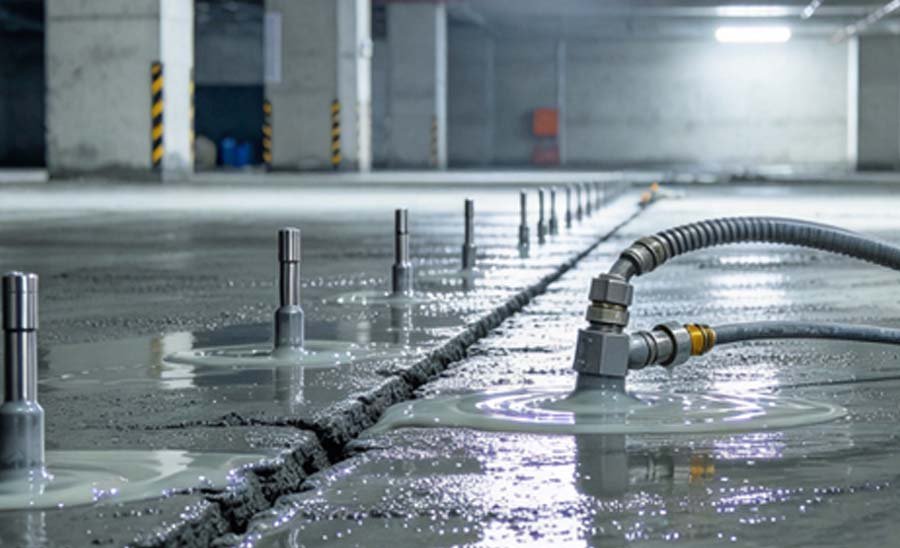
    Sodium silicate leak sealing with dual fluid injection grouting rapidly forming gel to stop water leakage in tunnel and basement


    Why Sodium Silicate Grouting Is Still the First Choice for Leak Sealing

    Sodium Silicate Leak Sealing: Why It Is Widely Used Every engineer who has ever run a sodium silicate grouting job has asked the same question at some point: if this material’s late-stage strength is so much lower than epoxy and polyurethane grouts, why is it still used so widely? It is a fair question — and it deserves a practical answer. In construction material selection, there is no perfect material, only the right trade-off for a specific scenario.

    Sodium silicate, commonly known as water glass, does lose to epoxy and polyurethane on final compressive strength. Yet it wins on nearly every factor that matters at the exact moment a leak appears: reaction speed, cost, injectability, process maturity, and environmental safety. That is why sodium silicate grouting remains the default choice for leak sealing projects across tunnels, dams, mines, basements, and water infrastructure worldwide.


    What Is Sodium Silicate Grouting?


    Sodium silicate grouting is a chemical grouting technique that injects a sodium silicate solution — liquid glass — into cracks, joints, voids, or porous ground together with a hardener such as calcium chloride. The two liquids meet underground and react within seconds to form a calcium silicate gel that fills the void, blocks the water path, and stabilizes the surrounding formation.

    Because the reaction is controllable and the raw materials are inexpensive, sodium silicate grouting has been one of the most widely used chemical grouting methods for more than a century, especially for emergency water stopping and anti-seepage work.


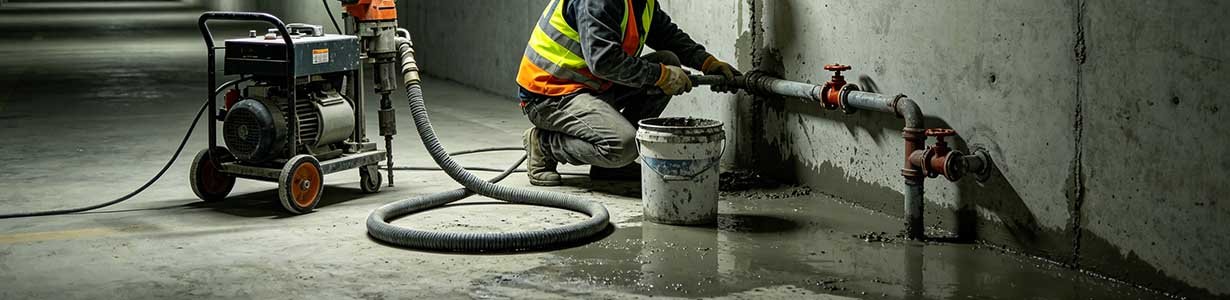
    Sodium silicate grouting with dual fluid injection pump for ground stabilization and water cutoff in tunnel construction


    The Question Behind Every Grouting Job


    Why does such a widely used material still get criticized for weak late-stage strength? The key is to understand what “strength” means in different jobs.

    First, strength is relative. When engineers say water glass has insufficient late-stage strength, they usually mean it cannot carry structural loads the way concrete or structural resins do. But most leak sealing scenarios never ask the grout to carry a load. They ask it to stop water and fill voids. For those jobs, the decisive indicators are anti-seepage performance and filling quality, not compressive strength.

    Second, water stopping and structural reinforcement are two separate tasks in construction — and they are usually handled in two separate steps. Sodium silicate’s first task is fast water cutoff: seal the leak, dry the working environment, stabilize the situation, and buy time for follow-up reinforcement. If water keeps pouring through a joint, no subsequent repair material can do its job at all. This division of labor is exactly why the “low late-stage strength” weakness of sodium silicate is an acceptable trade-off in so many engineering scenarios.


    Four Reasons Sodium Silicate Grouting Is Used So Widely in Leak Sealing


    Beyond the theoretical debate, four practical advantages explain the popularity of sodium silicate in real projects.


    1. Near-Instant Reaction — Seconds to Stop Flowing Water


    The greatest strength of sodium silicate is speed. When the solution meets a hardener such as calcium chloride, gelation occurs within seconds to tens of seconds, forming a tough calcium silicate gel that rapidly blocks the water path. For high-pressure or high-flow leaks, the first and most urgent task is to stop the water immediately — before anything else can be planned or executed.

    Water glass injection grouting delivers exactly this instant response, which is why it is the first line of defense in emergency water control. In addition, the gel time can be adjusted by changing the concentration, modulus, and mixing ratio of the two liquids, giving the grouting engineer flexible control from a few seconds to a few minutes depending on site conditions.


    2. Low Viscosity and Excellent Injectability


    Sodium silicate solution has naturally low viscosity and good fluidity. It can penetrate fine cracks, micro-fractures, and small pores that highly viscous organic resins often cannot reach. This injectability makes it effective not only for concrete crack sealing but also for permeation grouting in sand and gravel formations, where the goal is to fill pore space and reduce permeability over a large area.

    In practical terms, low viscosity means the material can be pumped deeper, spread wider, and reach more of the problem zone — a property that matters just as much as strength in anti-seepage work.


    3. Unbeatable Cost Advantage


    Cost is often the deciding factor in construction. Sodium silicate is an industrial raw material produced in huge volumes, and its price is only a small fraction of organic polymer chemical grouts such as epoxy and polyurethane. For projects that consume large quantities of grout — curtain grouting, foundation treatment, and mass seepage control — material cost determines whether the project is even feasible.

    Sodium silicate grouting keeps the budget under control without sacrificing the two things that matter most in water stopping: speed and seal quality. When the volume is large and water is the enemy, the cost advantage alone is often enough to justify the choice.


    4. Simple, Mature Two-Component Grouting Process


    Sodium silicate grouting is built on one of the most classic and mature processes in the industry: double-liquid (two-component) grouting, with Component A being the sodium silicate solution and Component B being the hardener. The two liquids are pumped separately and mixed at the injection gun, so the reaction happens exactly where it is needed.

    Because this method has been used for decades, construction crews are familiar with it, equipment requirements are simple, and training costs are low. The low technical threshold makes the technology easy to promote and replicate across projects and regions — a decisive advantage for large-scale or fast-moving worksites where specialized resin injection teams are not always available.


    5. Non-Toxic and Environmentally Friendly


    Compared with some chemical grouts that contain toxic components — certain isocyanate-based polyurethane systems are a typical example — sodium silicate itself is non-toxic and non-polluting. It does not release harmful gases during injection, and its reaction products are generally regarded as safe for groundwater and the surrounding construction environment.

    This matters greatly in projects under environmental scrutiny: water supply tunnels, dams near drinking water sources, urban basements, and mining operations. Increasingly strict environmental regulations around the world have pushed many contractors toward greener materials, and the environmental friendliness of water glass gives sodium silicate leak sealing an additional edge over less benign alternatives.
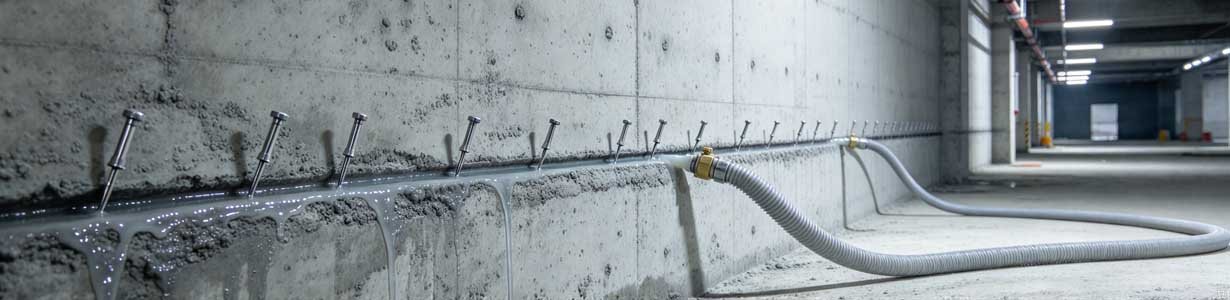
     

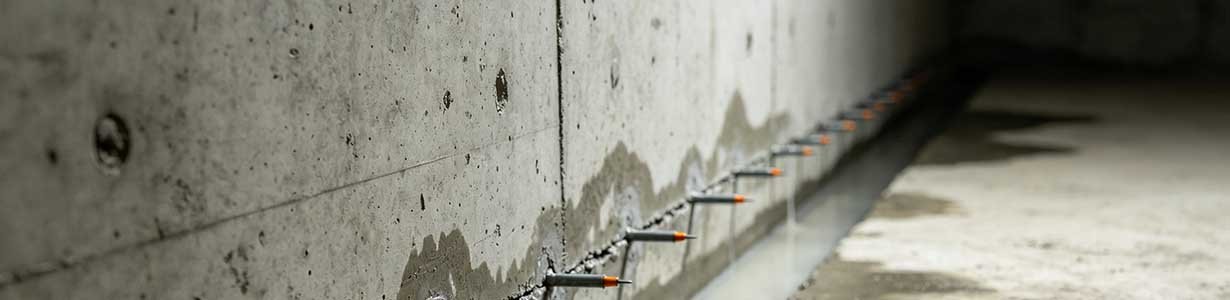
    Water glass injection grouting system with dual fluid pump injecting sodium silicate and reactant for soil stabilization and water cutoff


    What “Low Late-Stage Strength” Really Means


    Grouting Is Not Structural Reinforcement


    The criticism of sodium silicate usually comes from a misunderstanding of roles. Grouting is primarily a seepage-control and void-filling measure; structural reinforcement is a load-bearing measure. The two belong to different disciplines and are executed with different materials at different stages.

    If a concrete member is structurally damaged and must carry design loads, no water glass grout can replace proper structural repair with epoxy bonding or concrete restoration. Judging water glass by the standard of structural concrete is like judging a fire extinguisher by its ability to hold books.


    Where Sodium Silicate Fits — and Where It Does Not


    The correct way to evaluate sodium silicate grouting is scenario by scenario. It fits where water is the primary enemy: emergency water cutoff, curtain grouting, tunnel water inrush control, dam foundation seepage, mine shaft sealing, basement leakage, and pre-treatment of water-rich ground.

    It does not fit where load is the primary enemy: load-bearing crack repair, structural joint bonding, or long-term high-stress exposure — those jobs belong to epoxy, polyurethane, or structural concrete. The practical rule used by experienced grouting engineers is simple: if the problem is water, start with sodium silicate; if the problem is structure, don’t. This clear boundary is what makes the material so widely, and safely, used.


    Sodium Silicate vs Polyurethane vs Epoxy Grout: A Quick Trade-Off


    To see the full picture, compare the three most common chemical grouts side by side(sodium silicate vs polyurethane grouting):

    MaterialReaction SpeedLate-Stage StrengthRelative CostToxicity
    Sodium silicate (water glass)Seconds to minutesLow to mediumVery lowNon-toxic
    PolyurethaneSeconds to minutesMedium to highMedium to highSome contain isocyanates
    EpoxyHoursHighestHighLow after curing


    The table makes the trade-off visible: sodium silicate and polyurethane are both fast, but sodium silicate is far cheaper and safer, while polyurethane reaches higher strength. Epoxy is the strongest but the slowest and most expensive. In leak sealing, where speed and cost usually outrank long-term strength, the sodium silicate option is the natural winner.
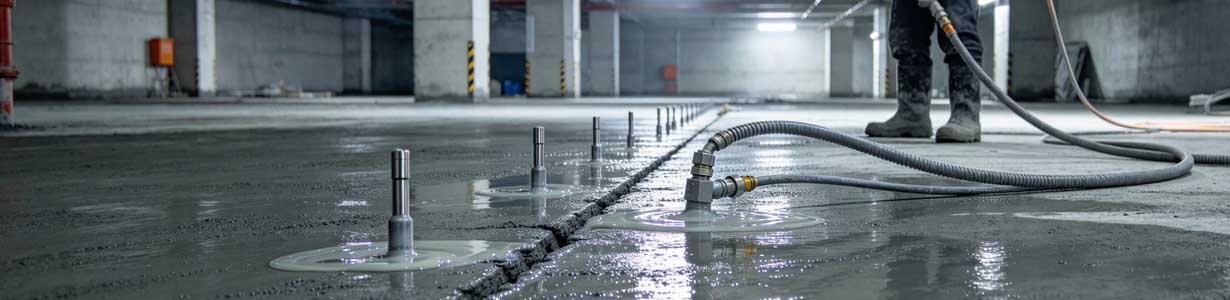
     

    Sodium silicate grout supplier factory showing automated production line storage tanks and injection water glass product testing


    Real-World Applications of Sodium Silicate Grouting


    Because of its speed and economy, sodium silicate grouting appears in nearly every type of water-control work. In tunneling, it stops water inrush at the face and consolidates water-rich ground ahead of excavation. In dam and hydraulic engineering, it forms seepage curtains in foundation rock and soil. In mining, it seals water-bearing shafts and protects working faces.

    In civil construction, it repairs basement and parking-garage leaks, waterproofs retaining structures, and pre-treats poor ground before excavation. It is also widely used for emergency sealing of water supply pipes and utility ducts, where shutdown time must be kept to a minimum. In all these scenarios, the priority is the same: stop the water quickly, at reasonable cost, with a process the local crew can run reliably — which is exactly what water glass injection grouting delivers.


    How to Choose the Right Sodium Silicate for Your Project


    Choosing the right material starts with choosing the right product parameters. For grouting applications, the two most important controls are the modulus and the concentration of the sodium silicate solution, together with the type and ratio of the hardener. A higher-modulus solution gels faster but may be less stable; a lower concentration slows the reaction and improves penetration. Site gel-time tests are essential: mix the two liquids in the planned ratio, measure the gel time, and adjust until the setting speed matches the water flow and the injection plan.

    Equally important is the source of the material. Because gel time and sealing quality depend directly on batch consistency, working with an experienced sodium silicate grout supplier matters as much as choosing the right formula. A reliable sodium silicate grout supplier provides consistent modulus, stable concentration, clear technical data, and practical guidance for mixing and injection. Many suppliers also offer potassium silicate and lithium silicate variants for specialized permeability and setting requirements, so it is worth asking for formulation support rather than simply buying by price.


    Conclusion


    There is no perfect material in engineering — only the right choice for the right scenario. Sodium silicate grouting is not a replacement for epoxy or polyurethane, and it was never meant to be. It is the material that stops water fastest, costs the least, injects the deepest, runs on the most mature process, and does all of this with a comparatively small environmental footprint.

    For the overwhelming majority of leak sealing jobs, those advantages outweigh the lower late-stage strength. The next time someone asks why sodium silicate is still used everywhere despite its strength limit, the answer is simple: in leak sealing, the first priority is not strength — it is stopping the water. And nobody stops water faster, cheaper, or more safely than water glass.


    FAQ


    Q1: How fast does sodium silicate grouting set?

    With calcium chloride as the hardener, sodium silicate grouting gels in seconds to tens of seconds. The gel time can be extended or shortened by adjusting concentration, modulus, and mixing ratio, allowing control from a few seconds to a few minutes.


    Q2: Is sodium silicate grouting safe for groundwater?

    Sodium silicate itself is non-toxic, and its reaction products are generally regarded as environmentally benign. The choice of hardener matters, so always follow the supplier’s technical recommendations for potable-water and sensitive environments.


    Q3: Can sodium silicate grouting replace polyurethane grouting?


    For pure water stopping and seepage control, sodium silicate is often the better value: comparable speed, lower cost, and a safer footprint. For applications requiring higher mechanical strength, polyurethane or epoxy may be necessary. Evaluate the scenario, not the brand.


    Q4: What is the difference between water glass and epoxy grouting?


    Water glass is a fast, cheap, low-strength solution for stopping water; epoxy is a slow, expensive, high-strength solution for structural repair. Use water glass to stop the leak, and epoxy where the structure must carry load.
     

    Request a TDS  |  Request a Sample  |  Get a Quote

  • Powerful Potassium Silicate Foliar Fertilizer: 46–48°Bé, Modulus 2.5 & Simple Application Guide

    Powerful Potassium Silicate Foliar Fertilizer: 46–48°Bé, Modulus 2.5 & Simple Application Guide


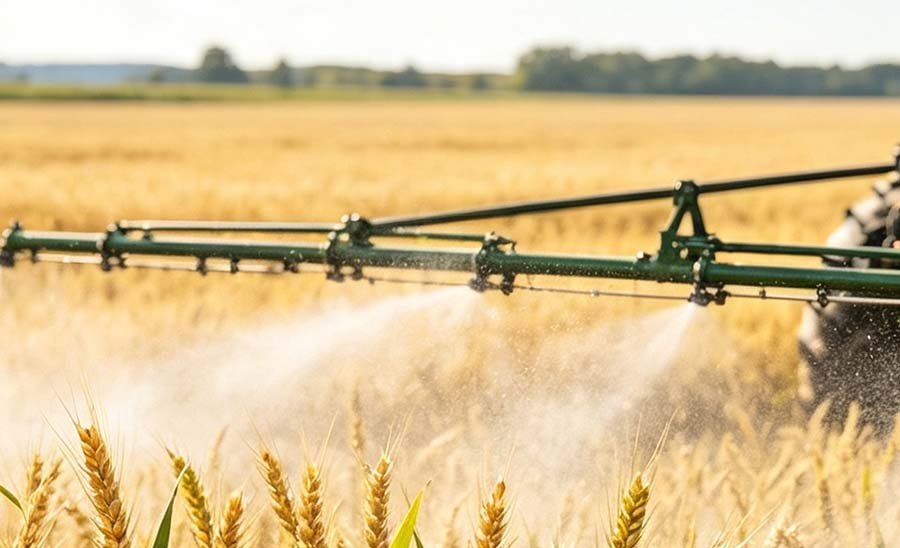
    Foliar potassium silicate spray application on crop leaves showing silicon deposition and enhanced plant stress resistance


    Many growers are unfamiliar with potassium silicate and have no idea how to use it as a foliar fertilizer. In fact, its application in agriculture is becoming increasingly widespread, especially in enhancing crop resilience, strengthening stem strength, and improving the protective structure of leaves. Today, we will briefly introduce the product features, application methods, and precautions of potassium silicate foliar fertilizer.


    What Is Potassium Silicate for Foliar Fertilization?


    Potassium silicate is a compound containing silicon and potassium. When used as a potassium silicate fertilizer, it can be absorbed through the leaves and participate in the silicification process of plant cell walls. It not only replenishes potassium but also forms a protective structure similar to “armor” on the leaf surface, helping crops better cope with diseases, pests, drought, and lodging.

    Our factory produces foliar potassium silicate with a Baume degree of 46–48°Bé and a modulus of 2.2. It is very convenient to use.


    Product Indicators: 46–48°Bé, Modulus 2.5-2.6


    Liquid potassium silicate solution clear colorless viscous liquid in glass container with CAS 1312-76-1 for industrial applications

    Liquid Potassium Silicate Modulus 2.5-2.6


    Baume degree: 46–48°Bé

    Modulus: 2.5-2.6

    This indicates a high product concentration, belonging to a concentrated solution. When using, it is necessary to dilute in proportion.The modulus affects the stability and absorption effect of potassium silicate. A modulus of 2.5 is suitable for foliar spraying applications.


    These two indicators determine whether the diluted potassium silicate foliar fertilizer can stably adhere to the leaf surface and be effectively absorbed by the crops.


    Potassium silicate foliar spray instructions showing dilution ratio application timing and sprayer preparation for crops


    Why Conduct a Small-Scale Test Before Application?


    Although foliar potassium silicate is generally safe, different crops, different growth stages, and different climatic conditions have different tolerances. Therefore, before large-scale application, it is recommended to conduct a small-scale crop trial.

    The benefits of doing so are:

    1.Observing whether the crops show any adverse reactions;

    2.Determining the appropriate dilution ratio for local crops;

    3.Avoiding problems such as leaf burning or spots after large-scale spraying.


    Dilution Ratio and Phytotoxicity Observation Method


    It is recommended to prepare two dilution solutions for a small-scale comparison:

    ·1000-fold dilution: 1 mL of original solution + 1 L of water

    ·1500-fold dilution: prepared in the same way

    Spray them separately, and observe for 2–3 days, focusing on whether the leaves show abnormalities. If there is no adverse reaction, then use it in the entire field.

    These basic potassium silicate foliar spray instructions help growers avoid unnecessary crop damage and choose a safer concentration.


    How to Determine If the Concentration Is Appropriate


    After spraying, if the leaf surface shows a shiny and oily appearance, it usually indicates an appropriate concentration.

    If the following situations occur, it may indicate that the concentration is too high:

    ·Leaves show brown spots;

    ·Leaves wilt;

    ·Leaf edges scorch or curl.

    Once these signals appear, subsequent spraying should increase the dilution ratio and reduce the concentration to avoid further harm to the crops. Following proper potassium silicate foliar spray instructions is essential for safe and effective use.


    Potassium silicate lodging resistance showing strengthened rice stems with silicon deposition and reduced stem lodging in field


    Four Major Functions of Potassium Silicate Foliar Fertilizer


    1. Promote Cell Wall Silicification, Giving Plants a “Protective Armor”


    Potassium silicate foliar fertilizer can promote the silicification of plant cell walls, making the cell walls more solid and forming a natural protective barrier.


    2. Enhance Stem Strength, Reduce Lodging


    For cereal crops such as wheat, rice, and corn, potassium silicate lodging resistance helps the stems become thick and strong, reducing the risk of lodging.


    3. Thicken the Leaf Cuticle, Improve Resistance to Pests and Diseases


    After the leaf cuticle thickens, pathogens and pests are less likely to invade, providing certain auxiliary resistance against diseases such as rice blast, powdery mildew, and aphids.


    4. Improve Drought Resistance and Other Stress Resistance


    The silicified structure can reduce water evaporation, helping crops maintain a better state in drought conditions. As a potassium silicate fertilizer, it also supports overall plant strength and resilience.


    Optimal Spraying Period and Frequency


    To achieve better results, it is recommended to spray 1–2 times during the critical stress resistance growth period of the crops, such as:

    ·Wheat booting period

    ·Fruit tree fruiting period

    ·Other growth stages with greater stress on the crops

    Using foliar potassium silicate during these periods can better exert the functions of potassium silicate in enhancing stress resistance, protecting leaves and stems.


    Free Samples and Contact Information


    If you are interested in potassium silicate foliar fertilizer, please leave your contact details. We can provide free samples to allow you to conduct a small-scale trial first, and then decide whether to use it on a large scale.


    Request a TDS  |  Request a Sample  |  Get a Quote


    Frequently Asked Questions (FAQ)


    1. How much should the potassium silicate foliar fertilizer be diluted?

    It is recommended to conduct 1000-fold and 1500-fold small-scale trials first. Observe for 2–3 days without any adverse effects, and then choose an appropriate dilution ratio based on the response of the crops.


    2. Is it normal for the leaves to become shiny after spraying?

    Yes. The leaves showing a shiny and oily appearance usually indicate an appropriate concentration.


    3. What should be done if brown spots appear on the leaves?

    It may be due to excessive concentration. Increase the dilution ratio and gradually reduce the usage concentration later.


    4. When is the best time to spray for the best effect?

    During critical stress-resistant periods such as wheat jointing stage and fruit tree fruiting stage, spraying 1–2 times is more effective.


    5. Can free samples be provided?

    Yes. Just leave your contact information and you can apply for the free samples.

  • Sodium Silicate for Industrial Cleaning Agents | Builder & Anti-Corrosion Compound

    Sodium Silicate for Industrial Cleaning Agents | Builder & Anti-Corrosion Compound

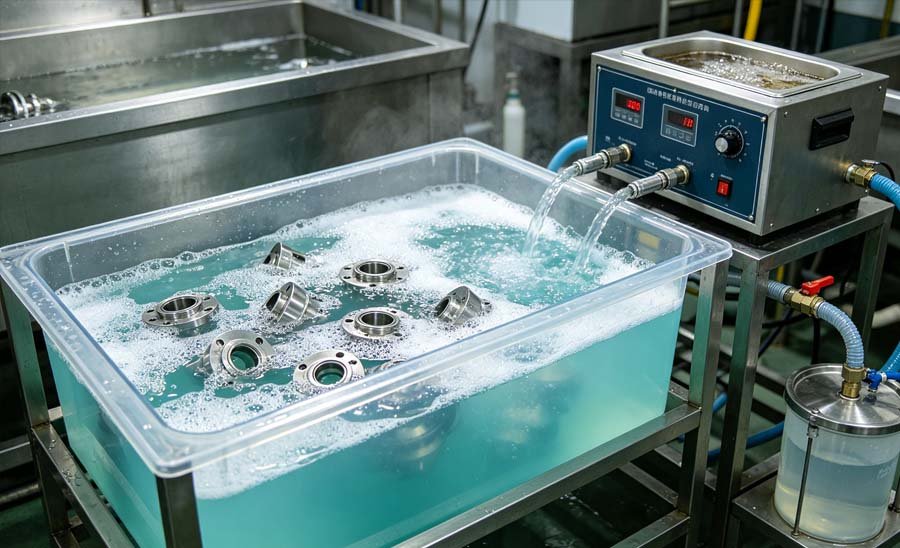
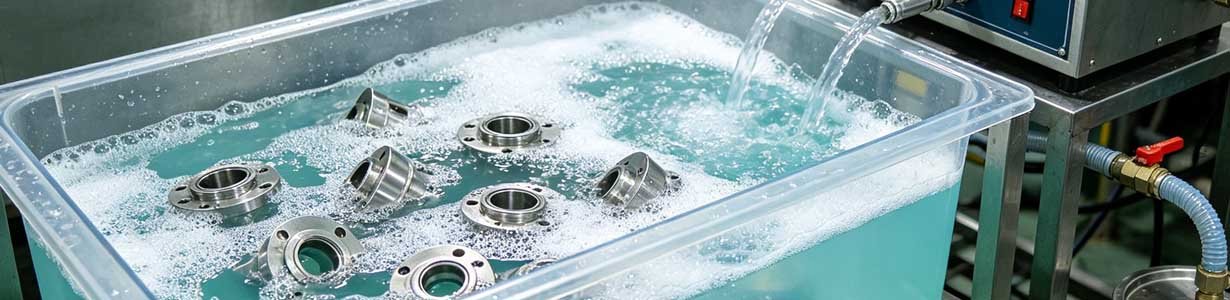
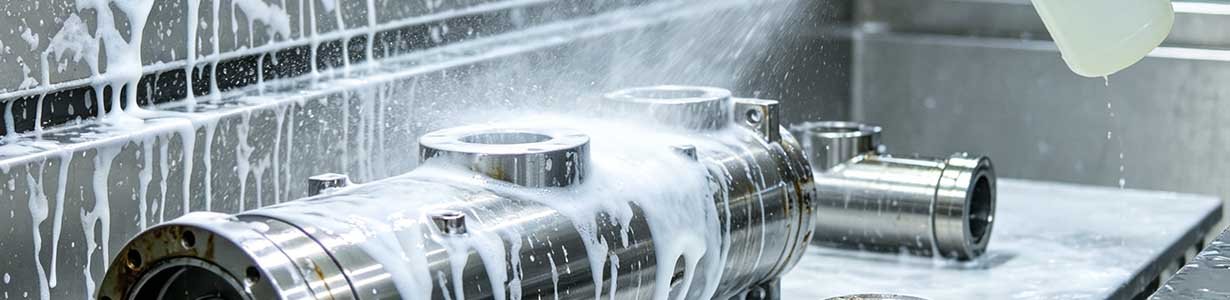
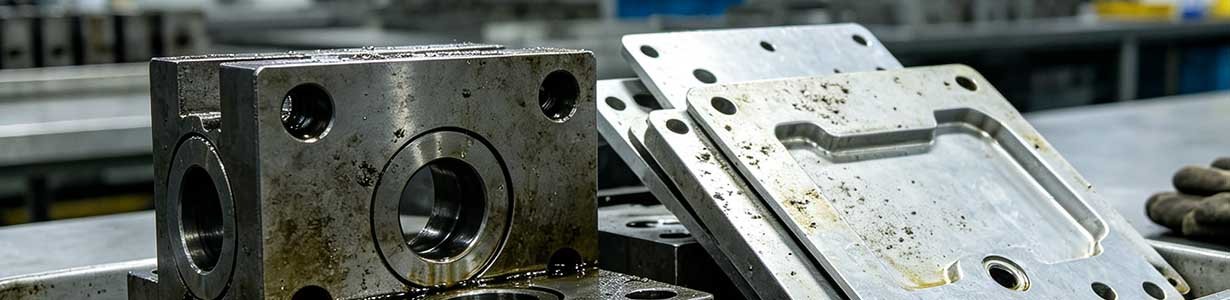
    Sodium silicate for industrial cleaning agents showing metal degreasing and alkaline cleaning with corrosion protection properties


    Sodium Silicate for Industrial Cleaning Agents: Builder, Formulation and Anti-Corrosion Performance


    Sodium silicate is a well-established raw material in the production of industrial cleaning agents. It functions primarily as a builder, improving the overall detergency of alkaline cleaner systems while helping to protect metal surfaces from excessive corrosion. For manufacturers of industrial cleaning agents, sodium silicate for industrial cleaning agents offers a cost-effective way to balance cleaning power, formulation stability and metal compatibility.

    This article explains how sodium silicate is used in industrial cleaning agents, why it cannot serve as a standalone detergent, how typical alkaline formulations are prepared, and what performance benefits it delivers in metal degreasing applications.


    Recommended Sodium Silicate Solution


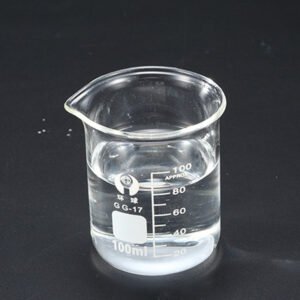
    Liquid potassium water glass clear viscous solution in glass container with CAS 1312-76-1 for coatings and electrode applications


    Liquid Sodium Silicate Modulus 2.2-2.4

      
    High-quality liquid sodium silicate modulus 2.2-2.4 and 50° Bé concentration. Suitable for detergents, foundry, refractory materials, construction chemicals and industrial applications. Custom specifications available from an experienced manufacturer and exporter.  


    Why Sodium Silicate Is Used as a Builder in Industrial Cleaners


    Sodium silicate is not a surfactant. It does not form micelles or directly emulsify oily soil on its own. Instead, it works as a sodium silicate builder — an auxiliary component that enhances the performance of the primary detergent system.

    In industrial cleaning agents, a sodium silicate builder contributes in several ways:

    ·Alkalinity buffering: It helps maintain a stable alkaline pH, which is essential for saponifying fats and dispersing oily soils.

    ·Soil dispersion: Silicate species can adsorb onto solid particles and help keep them suspended in the cleaning bath, preventing redeposition.

    ·Corrosion inhibition: It forms a thin protective film on certain metal surfaces, reducing attack by alkaline components.

    ·Cost efficiency: As an economical inorganic builder, it reduces the required dosage of more expensive surfactants and chelating agents.

    Because of these functions, sodium silicate is commonly found in alkaline cleaners for sodium silicate metal degreasing, bottle washing, floor cleaning and heavy-duty industrial maintenance.


    Alkaline industrial cleaner formulation with sodium metasilicate builder surfactant and chelating agents for heavy duty degreasing


    Sodium Silicate Cannot Work Alone as a Primary Detergent


    Although sodium silicate is valuable as a builder, it cannot serve as a primary detergent on its own. A cleaning agent based only on sodium silicate would have limited ability to emulsify grease, wet surfaces or remove complex organic soils.

    To achieve real detergency, sodium silicate for industrial cleaning agents must be compounded with:

    ·Surfactants — to reduce surface tension, wet surfaces and emulsify oils

    ·Chelating agents — to bind calcium, magnesium and other hardness ions

    ·Other builders — such as sodium hydroxide and sodium tripolyphosphate (STPP)

    ·Dispersants — to prevent soil redeposition

    By adjusting pH values and adding appropriate dispersants, formulators can manufacture a composite cleaning agent that combines strong detergency with sodium silicate anti-corrosion performance. This is the core reason sodium silicate is almost always used in multi-component systems rather than as a single-ingredient cleaner.


    Typical Alkaline Industrial Cleaner Formulation


    A typical alkaline industrial cleaner formulation for metal surface degreasing may include the following raw materials:


    ComponentFunction
    Sodium silicate solutionBuilder, corrosion inhibitor
    Sodium hydroxide (NaOH)Alkali source, saponification
    Sodium tripolyphosphate (STPP)Chelating / sequestering builder
    SurfactantsWetting, emulsification, detergency
    DispersantsPrevent soil redeposition
    WaterSolvent / carrier


    Typical compounding procedure for an alkaline industrial cleaner formulation:


    1.Charge water and sodium silicate solution into a mixing vessel.

    2.Add sodium hydroxide and sodium tripolyphosphate proportionally.

    3.Heat the mixture to approximately 80 °C with continuous stirring.

    4.Maintain stirring and reaction until a homogeneous alkaline cleaner concentrate is obtained.

    5.Cool, filter if necessary, and package.

    The exact ratios depend on the target application — whether the cleaner is intended for spray cleaning, immersion degreasing, ultrasonic cleaning or manual wiping. Formulators typically adjust the silicate-to-alkali ratio to balance cleaning strength against metal compatibility.


    How the Compounding Process Reduces Precipitation Risk


    One practical challenge with sodium silicate is its tendency to precipitate or form gels under certain conditions, especially when mixed with hard water or incompatible ingredients. The compounding process helps reduce this inherent precipitation risk in several ways:

    ·Controlled addition order:Adding silicate into an alkaline medium with proper stirring prevents localized high-concentration zones.

    ·Chelating agents:STPP and other chelators bind hardness ions that could otherwise react with silicate.

    ·pH control:Maintaining a stable alkaline pH keeps silicate species soluble and active.

    ·Dispersants:These help keep silicate and soil particles dispersed rather than flocculating.

    As a result, the finished product remains stable during storage and dilution, and delivers consistent performance in the cleaning bath.


    Sodium silicate metal degreasing showing alkaline cleaning bath with saponification emulsification and corrosion protection mechanism


    Degreasing Performance on Metal Surfaces


    The finished alkaline cleaner effectively emulsifies grease and removes oily soil from metal surfaces. For sodium silicate metal degreasing, the mechanism combines:

    ·Saponification of animal and vegetable fats by sodium hydroxide

    ·Emulsification of mineral oils and synthetic greases by surfactants

    ·Dispersion of solid particles and pigments by silicate and dispersants

    ·Wetting of metal surfaces to allow the cleaning solution to penetrate soil layers

    This makes sodium silicate–based alkaline cleaners suitable for degreasing steel, stainless steel, cast iron and other ferrous metal surfaces in applications such as:

    ·Parts washing and immersion degreasing

    ·Workshop floor and equipment cleaning

    ·Bottle and container washing

    ·Maintenance cleaning in manufacturing plants


    Protecting Amphoteric Metals: Aluminum and Zinc


    One of the most important advantages of sodium silicate in alkaline cleaning agents is its ability to protect amphoteric metals such as aluminum and zinc.

    These metals are sensitive to strong alkaline solutions because they can dissolve in both acidic and alkaline environments. Without proper inhibition, a highly alkaline cleaner may cause:

    ·Surface etching

    ·Discoloration

    ·Excessive weight loss

    ·Pitting corrosion

    Sodium silicate helps form a protective silicate film on the metal surface, which significantly reduces excessive corrosion. This sodium silicate anti-corrosion effect allows formulators to use alkaline chemistry for effective degreasing while keeping aluminum and zinc parts within acceptable corrosion limits.

    For cleaning agents used on mixed-metal assemblies — where steel, aluminum and zinc may be present together — this anti-corrosion performance is a critical requirement in any alkaline industrial cleaner formulation.


    Why Choose Our Sodium Silicate for Cleaning Agent Production


    We supply sodium silicate solutions suitable for the production of alkaline industrial cleaning agents. Our product can be used as a sodium silicate builder in formulations containing surfactants, chelating agents, sodium hydroxide and sodium tripolyphosphate.

    Benefits for cleaning agent manufacturers include:

    ·Consistent composition and stable supply

    ·Suitable for compounding at around 80 °C

    ·Good compatibility with common alkaline cleaner raw materials

    Support for alkaline industrial cleaner formulation and technical troubleshooting

    Whether you are developing a new alkaline degreaser or improving an existing metal cleaning product, sodium silicate for industrial cleaning agents can help you achieve the right balance of detergency, stability and anti-corrosion protection.


    Contact Us for Sodium Silicate Supply and Technical Exchange


    Manufacturers of industrial cleaning agents:if you require sodium silicate for your production, please leave your contact information. We welcome technical exchanges on formulation design, dosage optimization and application-specific performance.

    Our team can provide:

    Product specifications and samples

    Recommended dosage ranges for alkaline cleaner systems

    Technical support on compounding and stability

    Supply coordination for ongoing production

    Leave your contact information today — let’s discuss how sodium silicate for industrial cleaning agents can improve your formulations.


    Request a TDS  |  Request a Sample  |  Get a Quote

  • Potassium Silicate Applications: Low-Modulus vs High-Modulus Guide (M=2.5~5.0)

    Potassium Silicate Applications: Low-Modulus vs High-Modulus Guide (M=2.5~5.0)

    Potassium silicate modulus value chart showing how SiO2 to K2O ratio determines optimal applications from detergents to fire resistant glass


    Potassium Silicate Applications: How the Modulus Value (M) Determines the Right Choice


    Potassium silicate is a versatile inorganic binder and coating material, but its performance is not one-size-fits-all. The key factor that determines its properties—is the modulus value (M) , defined as the SiO₂/K₂O molar ratio.

    Understanding the difference between low-modulus and high-modulus potassium silicate is essential for selecting the right product for your project. This guide breaks down the typical modulus ranges, their performance characteristics, and their specific application scenarios.


    What Is the Potassium Silicate Modulus Value (M)?


    The modulus value (M) represents the SiO₂/K₂O molar ratio in the potassium silicate solution. It directly influences:

    ·Water solubility

    ·Film-forming behavior

    ·Cross-linking density

    ·Temperature resistance

    ·Cost and stability

    In general, potassium silicate products fall into two categories: low-modulus (M=2.5~3.5) and high-modulus (M=3.5~5.0) .


    Low modulus potassium silicate with high alkalinity fast dissolution for agricultural fertilizer and rapid reaction applications


    Low-Modulus Potassium Silicate (M=2.5~3.5): Versatile and Cost-Effective


    Key Characteristics


    ·High K₂O content: Improves water solubility and reactivity.

    ·Excellent water solubility: Easy to dilute and apply.

    ·Fast film-forming at low temperatures: Ideal for ambient curing.

    ·Cost-effective: Lower raw material cost compared to high-modulus grades.


    Primary Applications


    1.Room-temperature curing coatings – Used as a binder in architectural and protective coatings that cure at ambient conditions.

    2.Construction adhesives – Provides strong bonding for inorganic substrates such as concrete, stone, and ceramics.

    3.Silicon-potassium fertilizer – Widely used in agriculture as a soluble source of potassium and silicon, enhancing plant strength and disease resistance.

    Low-modulus potassium silicate is the preferred choice when solubility, low-temperature curing, and cost efficiency are priorities. These characteristics make it one of the most accessible potassium silicate applications for everyday industrial and agricultural use.


    High modulus potassium silicate with high polymerization thermal stability for refractory coatings and fire resistant glass


    High-Modulus Potassium Silicate (M=3.5~5.0): High-Performance and Heat-Resistant


    Key Characteristics


    ·High SiO₂ content: Increases cross-linking density and mechanical strength.

    ·Temperature resistance up to 800~1000°C: Suitable for extreme heat environments.

    ·Higher price: Reflects the higher silicon content and processing requirements.

    ·Slightly poorer stability: Requires more careful storage and handling compared to low-modulus products.


    Primary Applications


    1.High-temperature resistant coatings – Used in industrial settings where thermal protection is critical, such as exhaust systems and kiln linings.

    2.Precision casting surface coatings – Provides a refractory surface layer for investment casting and mold shells.

    3.Furnace repair materials – Ideal for patching and lining furnaces, boilers, and other high-heat equipment.

    High-modulus potassium silicate is the material of choice when thermal stability, structural integrity, and refractory performance are essential. In these demanding environments, the modulus plays a decisive role in determining the material’s heat resistance and durability.


    Comparison Table: Low-Modulus vs High-Modulus Potassium Silicate


    PropertyLow-Modulus (M=2.5~3.5)High-Modulus (M=3.5~5.0)
    SiO₂/K₂O RatioLowerHigher
    Water SolubilityExcellentGood
    Film-FormingFast at low temperatureRequires higher temperature
    Temperature ResistanceModerate800~1000°C
    Cross-Linking DensityLowerHigher
    CostLowerHigher
    StabilityBetterSlightly poorer
    Typical ApplicationsCoatings, adhesives, fertilizerRefractory coatings, precision casting, furnace repair


    How to Choose the Right SiO₂/K₂O molar ratio of Potassium Silicate for Your Application


    Selecting the correct grade depends on your specific performance requirements:

    Need ambient curing and cost efficiency? → Choose low-modulus.

    Need high-temperature resistance and structural strength? → Choose high-modulus.

    Working with agricultural formulations? → Low-modulus is typically preferred.

    Working with foundry or furnace applications? → High-modulus is the standard.

    If you are unsure which modulus value is best for your project, technical consultation can save time and reduce trial-and-error costs. Matching the right grade to the right potassium silicate applications ensures optimal performance and cost efficiency.


    Conclusion


    The modulus value (M) of potassium silicate is the single most important parameter for matching the material to its application. Low-modulus potassium silicate (M=2.5~3.5) excels in water solubility, low-temperature curing, and cost-sensitive applications such as coatings, adhesives, and fertilizers. High-modulus potassium silicate (M=3.5~5.0) delivers superior heat resistance and cross-linking density for high-temperature coatings, precision casting, and furnace repair.

    By understanding how the SiO₂/K₂O molar ratio affects performance, you can optimize your formulation, reduce costs, and ensure the success of your project. Whether you are developing agricultural fertilizers or refractory coatings, selecting the correct modulus grade is the foundation of successful potassium silicate applications.


    Looking for the Right Potassium Silicate Supplier?


    If you have application demands for potassium silicate—whether low-modulus or high-modulus—please feel free to leave your contact information for further technical communication and cooperation. Our team can help you select the optimal grade based on your specific performance requirements. From agricultural fertilizers to high-temperature refractory coatings, we support the full range of potassium silicate applications.


    Request a TDS  |  Request a Sample  |  Get a Quote

  • Lithium Silicate Concrete Densifier: The Ultimate Guide to Harder, Dust-Proof Floors

    Lithium Silicate Concrete Densifier: The Ultimate Guide to Harder, Dust-Proof Floors

    Lithium silicate concrete sealer being applied to warehouse floor with low-pressure sprayer showing penetrating densifier action

    Concrete is the backbone of modern infrastructure. However, its inherent porosity is its greatest weakness. In industrial, commercial, and even residential settings, untreated concrete floors suffer from dusting, staining, and rapid wear, leading to high maintenance costs and shortened service life. Many project owners search for a reliable concrete dusting solution to fix this persistent floor problem.

    This is where chemical densifiers come into play. Among these, lithium silicate concrete densifier has emerged as the industry gold standard. Unlike topical coatings that merely sit on the surface, lithium silicate concrete densifier penetrates deep into the concrete matrix, creating a permanent, chemical bond that fundamentally alters the material’s physical properties.

    In this comprehensive guide, we will explore the chemistry, benefits, and applications of lithium silicate concrete densifier, explaining why this technology is being rapidly adopted in construction projects worldwide. We will also cover how to harden concrete floor properly for long-lasting performance.


    What is Lithium Silicate and How Does it Work?


    To understand the effectiveness of lithium silicate, we must first understand the enemy: Concrete Porosity.

    Fresh concrete is a mixture of cement, aggregates, and water. As it cures, excess water evaporates, leaving behind a network of microscopic capillaries and voids. Additionally, the hydration process leaves behind free lime, or calcium hydroxide (Ca(OH)₂) , within these pores.

    Lithium silicate is an aqueous solution of lithium oxide (Li₂O) and silicon dioxide (SiO₂), characterized by its very small molecular size. A high-performance lithium silicate densifier relies on this small molecular structure to achieve deep penetration.


    The Chemical Reaction: From Calcium Hydroxide to Calcium Silicate Hydrate (C-S-H)


    When applied to concrete, the lithium silicate solution penetrates deeply through the capillary network. It reacts chemically with the free calcium hydroxide present in the concrete matrix.

    The reaction proceeds as follows:
    Li₂SiO₃ + Ca(OH)₂ → CaSiO₃ (Calcium Silicate Hydrate) + 2 LiOH

    The byproduct, Lithium Hydroxide (LiOH), further reacts with atmospheric CO₂ to form Lithium Carbonate, which also contributes to densification. The primary product, Calcium Silicate Hydrate (C-S-H), is the same strong, crystalline compound that gives concrete its original strength.


    Penetration vs. Coating: A Fundamental Difference


    This is the critical distinction: lithium silicate densifier is a densifier, not a film-forming sealer, though many buyers refer to it as a lithium silicate concrete sealer.

    Topical Sealers (Acrylics, Epoxies): Sit on the surface and can peel, yellow, or wear off.
    Lithium silicate concrete sealer: Reacts in situ within the pore structure. They become an integral part of the concrete, filling the voids from the inside out. This creates a continuous, monolithic structure that is significantly more durable than the original concrete slab.


    Recommended Lithium Silicate Concrete Densifier


    Lithium silicate floor densifier being applied to concrete surface with sprayer for permanent hardening and dustproofing

    Lithium silicate floor densifier being applied to concrete surface with sprayer for permanent hardening and dustproofing

    Lithium silicate floor hardener being applied to concrete surface with sprayer for permanent dustproofing and abrasion resistance

    Lithium Silicate Densifier WNF-Li-Na-0190

    Lithium Silicate Densifier WNF-Li-Na-0280

    lithium silicate liquid Modulus 4.7-4.8

    Premium lithium silicate floor densifier for polished & raw concrete. Water-based zero-VOC solution penetrates deep to densify, harden and dustproof floors permanently via chemical C-S-H reaction. Less efflorescence than sodium silicate, abrasion-resistant, breathable and easy to polish. Perfect for industrial, commercial and warehouse concrete flooring.Our liquid lithium silicate densifier features ultra-stable silica-lithium oxide ratio, high purity and minimal impurities. It penetrates concrete pores deeply for permanent hardening, delivers consistent low alkalinity and excellent compatibility with concrete sealers, polishing agents and mineral admixtures. Perfect for industrial floor densification, warehouse concrete polishing, commercial building ground treatment, garage floor reinforcement and high-durability cement surface renovation projects.Our modulus 4.7–4.9 lithium silicate liquid is high-purity, water-based lithium silicate solution with a stable silica-lithium oxide ratio. This high-modulus lithium silicate liquid delivers uniform dispersion without heating, featuring mild alkalinity, ultra-low heavy metal impurities and excellent miscibility with mineral fillers, cement substrates and inorganic coatings.


    Lithium silicate densifier being sprayed on concrete floor with low-pressure sprayer showing deep penetration and densification process


    Top 4 Performance Benefits of Using Lithium Silicate Concrete Densifier


    The chemical reaction described above translates into tangible, measurable advantages for your flooring project.


    1. Unmatched Surface Hardness and Abrasion Resistance

    As the C-S-H crystals fill the pores, the overall density of the concrete increases exponentially. This results in a floor that can withstand heavy foot traffic, forklifts, and impact loads without significant surface degradation. The Mohs hardness rating of the surface can increase by 1 to 2 points immediately after treatment. This is the core principle behind how to harden concrete floor.


    2. Effective Dust-Proofing and Easier Maintenance

    Concrete dusting is caused by the physical breakdown of the weak, loose laitance on the surface. By hardening the paste and locking the aggregate together, lithium silicate essentially “armors” the surface. This eliminates dusting, making floors easier to clean and reducing the risk of contamination in sensitive environments (like food processing or electronics manufacturing). It serves as a permanent concrete dusting solution.


    3. Superior Water and Oil Repellency

    By blocking the capillary pores, the densifier significantly reduces liquid absorption. While it does not create a completely impermeable membrane (like epoxy), it drastically reduces the rate of water and oil ingress. This protects the rebar from corrosion and prevents freeze-thaw damage in colder climates. As a lithium silicate concrete sealer, it delivers excellent liquid resistance without surface peeling.


    4. Enhanced UV Resistance and Longevity

    Unlike resinous coatings that degrade and discolor under ultraviolet (UV) light, lithium silicate is inorganic and UV-stable. It will not yellow or chalk. Its performance actually improves over time as the chemical reaction continues to develop. As a lithium silicate concrete sealer, it maintains the natural concrete appearance for decades.


    Lithium Silicate vs. Sodium Silicate vs. Potassium Silicate: A Crucial Comparison


    While all alkali silicates densify concrete, lithium silicate offers distinct advantages that justify its often-premium cost.

    FeatureLithium SilicateSodium/Potassium Silicate
    Reaction RateReacts thoroughly but at a controlled rate.Reacts quickly, often too fast, limiting penetration depth.
    EfflorescenceProduces little to no efflorescence (white salt residue) because the reaction byproduct is soluble.High risk of efflorescence as excess silicates remain on the surface and react with CO₂.
    Penetration DepthDeeper penetration due to smaller molecular size and slower reaction time.Shallower penetration, resulting in a thinner hardened layer.
    Gloss DevelopmentPolishes to a deeper, more reflective gloss.Often yields a “hazy” or “milky” finish, requiring more effort to burnish.

    Summary: If you are looking for a “set it and forget it” solution that won’t ruin the aesthetics of a polished floor, lithium silicate concrete densifier is the superior choice.


    Lithium silicate concrete dusting solution showing treated and untreated floor comparison with dust-free polished surface


    Ideal Application Scenarios for Lithium Silicate Densifiers


    Due to its high performance and aesthetic benefits, lithium silicate concrete densifier is suitable for a wide range of projects:

    Industrial Warehouses: High-traffic zones requiring high durability and dust control.

    Commercial Retail Spaces: Works beautifully under polished concrete, creating a sleek, high-end look that is easy to maintain.

    Manufacturing Facilities: Resists oil stains and chemical spills (mild exposure).

    Transportation Hubs: Airports and train stations benefit from the high abrasion resistance.

    Existing Floors: Can be used as a remedial treatment for old, dusty, or worn concrete floors to restore integrity.


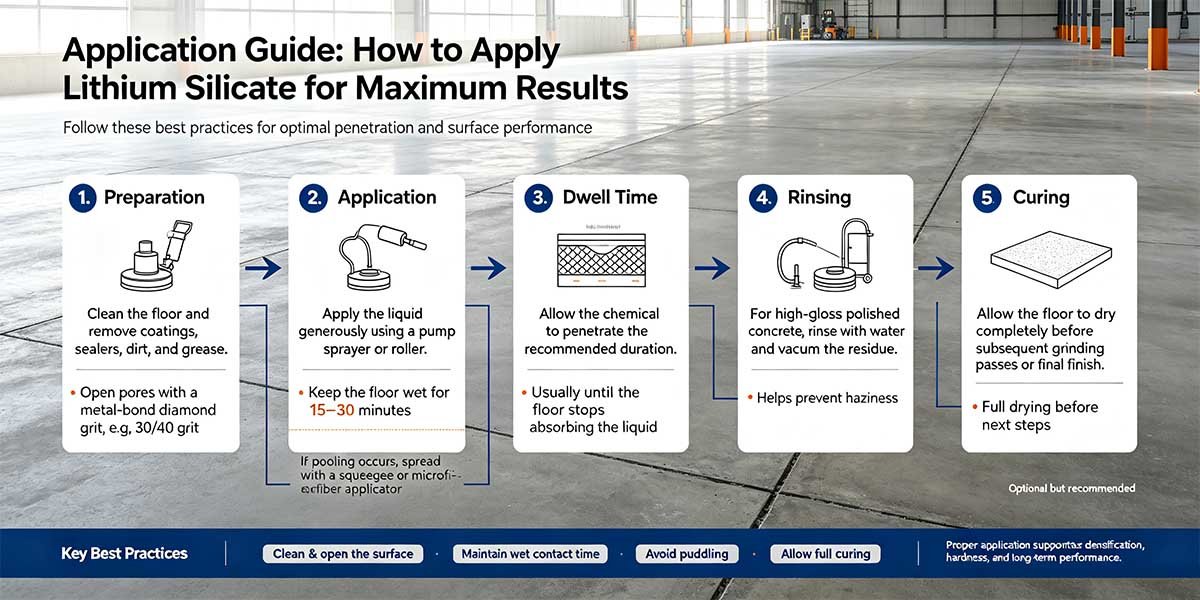
    Application Guide: How to Apply Lithium Silicate for Maximum Results


    Lithium silicate concrete floor hardening process showing surface preparation spray application and polished finished floor


    To get the most out of your lithium silicate densifier, follow these general best practices:

    Preparation: The floor must be clean and free of existing coatings, sealers, dirt, or grease. Open the pores of the concrete using a floor grinder with a metal-bond diamond grit (e.g., 30/40 grit).

    Application: Apply the liquid generously using a pump sprayer or roller. Ensure the floor remains wet with the densifier for 15 to 30 minutes. If the liquid pools, spread it with a squeegee or microfiber applicator.

    Dwell Time: Allow the chemical to penetrate for the recommended duration (usually until the floor stops absorbing the liquid).

    Rinsing (Optional but recommended for polished floors): For high-gloss polished concrete, it is often recommended to rinse the floor with water and vacuum the residue to prevent any potential haziness.

    Curing: Allow the floor to dry completely before proceeding to subsequent grinding passes or applying a final finish.


    Frequently Asked Questions 


    Q: Is lithium silicate dangerous to handle?

    A: Like most industrial chemicals, it is alkaline. Standard PPE (gloves and safety glasses) is required, but it is generally considered low-toxicity and non-flammable.


    Q: Will it change the color of my concrete?

    A: No. Lithium silicate penetrates clear. It does not alter the natural color or pigment of the concrete, making it ideal for polished floors where aesthetics are a priority.


    Q: Can it be applied to old, dusty concrete?

    A: Yes. This is one of its primary applications. It penetrates and binds the loose surface particles, effectively “recycling” the old concrete surface.


    Q: How long does it take to cure?

    A: Initial chemical reactions happen within 24 hours, but maximum hardness develops over 2 to 3 weeks.


    Conclusion & Next Steps


    The shift from sodium-based sealers to lithium silicate densifiers represents a significant evolution in concrete floor technology. By leveraging advanced chemistry to create a permanent, integral bond with the substrate, lithium silicate offers unparalleled surface hardness, superior dust suppression, and long-term waterproofing—all without the peeling and yellowing issues associated with topical coatings.

    Whether you are constructing a new industrial facility or refurbishing an aging warehouse, integrating a high-quality lithium silicate densifier is a cost-effective decision that significantly extends the life cycle of your concrete investment.


    Experience the Difference Yourself


    If you are currently planning a flooring project and want to see the transformative power of lithium silicate firsthand, we encourage you to test it in your own environment.

    We are offering free lithium silicate densifier samples for testing. Leave your contact information in the comments or on our contact page, and our technical team will guide you through the application process to ensure optimal results for your specific concrete conditions.


    Request a TDS  |  Request a Sample  |  Get a Quote

  • Potassium Silicate Paint: Formulation, Properties & Applications for Architectural Mineral Surfaces

    Potassium Silicate Paint: Formulation, Properties & Applications for Architectural Mineral Surfaces

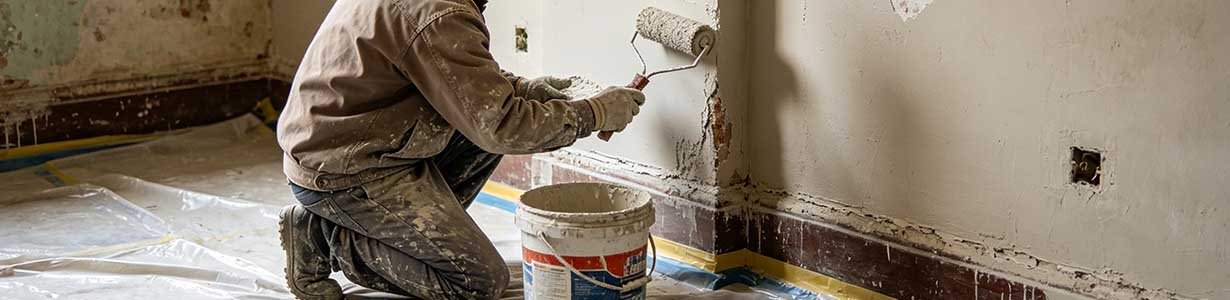
    Potassium silicate mineral paint on building facade showing breathable matte finish and chemical silicification bonding to substrate


    Potassium silicate paint is a mineral-based paint system that uses potassium silicate as an inorganic binder. It is widely associated with mineral and silicate paints for suitable masonry, mineral plaster, concrete and other mineral building surfaces.


    What Is Potassium Silicate Paint?

    What is potassium silicate paint? Potassium silicate is an inorganic silicate salt widely adopted as a core binder within mineral paint systems. As an inorganic raw material, it forms strong mineral-bonded films when curing, which makes it ideal for producing potassium silicate based paint and mineral-grade architectural finishes.
    Mineral paint refers to paint systems built from inorganic raw materials, relying on mineral binders instead of organic polymer resins. Silicate paint is a major category of mineral paint, using soluble silicates as the primary binding agent. Within paint formulas, potassium silicate acts as the key inorganic binder, locking solid paint components onto mineral substrates to deliver long-lasting inorganic finishing effects. Potassium silicate mineral paint stands out among silicate paint variants for stable outdoor performance on building facades.

    Potassium Silicate as a Mineral Paint Binder

    Potassium silicate serves as the core mineral paint binder for silicate paint systems. Unlike organic binders, it cures via mineral-type chemical reaction rather than simple solvent evaporation, forming inorganic film structures compatible with mineral building materials. It is the foundational raw material to produce durable mineral silicate paint for architectural projects.

    Mineral-Based Paint System

    A mineral-based paint system prioritizes inorganic raw materials for binders, pigments and fillers. This system avoids heavy organic resin components and matches the chemical nature of mineral building substrates. Potassium silicate wall paint is a typical representative of such mineral-based paint systems for interior and exterior building walls.

    Suitable Mineral Substrates

    This silicate-based finish performs best on alkaline mineral substrates, including mineral plaster, masonry, concrete and cement-based surfaces. Good chemical affinity between the paint film and substrate supports stable long-term finishing results on these mineral-rich building materials.
     

    Potassium silicate paint silicification mechanism showing chemical bonding with mineral substrate and microporous crystalline structure

    How Potassium Silicate Paint Works

    Binder Function

    As a high-performance inorganic binder, potassium silicate binds pigments, mineral fillers and other compatible components together inside the paint system. It holds all solid paint components uniformly dispersed before application, then forms a continuous mineral film throughout the curing process. This binding mechanism defines the core working principle of this mineral paint.

    Interaction with Mineral Surfaces

    When applied onto mineral plaster, masonry, concrete and cement-based surfaces, potassium silicate generates chemical affinity with alkaline mineral substrates. Instead of only physically sitting on the surface, partial mineral-level bonding happens between the paint and substrate, improving anchoring performance of the applied layer.

    Mineral Paint Formation

    After application, water evaporates from wet paint, and potassium silicate undergoes mineral curing reactions with carbon dioxide from ambient air. Gradually, a hard, inorganic mineral film forms on substrate surfaces. This mineral-formed film delivers the characteristic inorganic performance of silicate architectural finishes.
     

    Potassium silicate mineral paint on building facade showing breathable matte finish with silicification chemical bonding

    Key Properties of Potassium Silicate Paint

    Mineral-Based Composition

    This finish features dominant inorganic composition. Binder, main pigments and fillers are mineral-origin materials. This core feature distinguishes potassium silicate based paint from conventional organic architectural paints and builds the foundation of its mineral-grade performance.

    High Vapor Permeability

    High vapor permeability is one signature advantage. As a breathable paint and vapor permeable paint, it allows water vapor to pass through the paint film. Moisture trapped inside mineral walls can escape outward, reducing risks of blistering or peeling for mineral-constructed buildings. Potassium silicate mineral paint retains this critical breathable property for both interior and exterior scenarios.

    Mineral Surface Compatibility

    It shows excellent mineral surface compatibility. Its chemical properties align with alkaline mineral substrates, delivering stable adhesion on masonry, concrete and mineral plaster. Proper formulation is required to match exact substrate conditions before practical use.

    Natural Mineral Appearance

    Finished surfaces show natural mineral appearance without glossy plastic-like texture. It retains the matte, earthy visual effect preferred for mineral-style architectural decoration.

    Suitable for Architectural Applications

    Developed for architectural paint purposes, it adapts to various building wall finishing demands. It fits both new-build decoration and building renovation projects with mineral-constructed walls.

    Durable Exterior Performance

    With properly adjusted paint formulation, potassium silicate paint can realize reliable durable exterior performance. It resists UV degradation common to many organic paints. Note that it is not inherently waterproof; final surface water-related performance depends on complete paint formula design.
     

    Potassium silicate paint applications on historic building masonry concrete facade and interior mineral surfaces

    Potassium Silicate Paint Applications

    Focused on architectural walls and mineral surfaces, this silicate finish covers multiple typical building finishing scenarios.

    Interior Wall Paint

    As potassium silicate interior paint and mineral interior paint, silicate wall paint is widely used for interior mineral walls. It brings breathable mineral finishing for indoor spaces. Mineral silicate paint creates healthy interior wall finishes for residential and commercial interior projects.

    Exterior Wall Paint

    Potassium silicate exterior paint, also known as mineral exterior paint or exterior silicate paint, applies to outside building walls. It delivers inorganic exterior finishing for mineral facades under outdoor environmental exposure. Potassium silicate wall paint is frequently selected for exterior mineral wall decoration.

    Masonry Paint

    It works as masonry paint for brick, masonry, cement render and mineral plaster surfaces. It decorates and finishes masonry-type mineral building substrates.

    Concrete Wall Paint

    Suitable as paint for concrete and mineral paint for concrete. It decorates concrete wall surfaces and forms compatible mineral-based finishing layers on concrete substrates.

    Mineral Plaster

    It matches mineral plaster substrates perfectly. The paint system forms integrated finishing together with mineral plaster layers for consistent mineral-style wall effects.

    Architectural & Heritage Buildings

    It is well-suited for architectural and heritage buildings. Applied on historical buildings for restoration work, it maintains original mineral-building aesthetic features. Please note: without relevant certification, do not mark the product as officially approved for heritage restoration projects.
     

    Potassium silicate paint benefits showing breathability zero VOC fire resistance and durability for mineral surfaces

    Benefits of Potassium Silicate Paint

    Below are core benefits presented as icon-card style points for page layout:
     
    1.Breathable
    Suitable for paint systems where vapor permeability is important. It functions as breathable architectural paint for mineral wall substrates.
    2.Mineral-Based
    An inorganic binder for mineral paint formulations. It supports fully or mostly inorganic paint system design.
    3.Mineral Compatibility
    Suitable for selected mineral substrates. It achieves good adhesion on qualified alkaline mineral building surfaces.
    4.Architectural Appearance
    Provides a natural mineral-style surface appearance, delivering matte inorganic visual effects for architectural decoration.
    5.Exterior Application Potential
    Suitable for selected exterior architectural paint systems. Good formulation design unlocks outdoor application capability.
    6.Durable Mineral Paint System
    Can support durable paint formulations when properly designed, bringing long-term service life for mineral architectural finishing.


    Potassium Silicate Paint Formulation

    Paint formulation determines the final performance of this silicate finish. Every component needs careful matching for architectural paint production.

    Potassium Silicate Binder

    Potassium silicate binder for paint is the core raw material. Modulus, solid content and viscosity of potassium silicate directly influence paint curing speed, film hardness and overall stability of mineral paint formulation.

    Mineral Pigments

    Mineral pigments are preferred for silicate paint formulation. Select alkali-resistant mineral pigments to avoid discoloration caused by high-pH silicate systems.

    Mineral Fillers

    Mineral fillers adjust paint hiding power, texture and film properties. Common mineral fillers cooperate with potassium silicate binder to build solid mineral paint film structures.

    Water Content

    Water acts as dispersion medium in the paint formula. Water content controls paint viscosity, construction property and drying progress.

    Additives and Compatibility

    Select compatible additives for mineral paint formulation. Special attention must be paid to chemical compatibility between additives and high-alkaline potassium silicate to prevent gelling or destabilization.

    Pigment Dispersion

    Good pigment dispersion is critical. Insufficient dispersion will cause color unevenness, affecting final finished appearance of architectural paint.

    pH and Storage Stability

    The paint system maintains high pH value. Control pH range reasonably to guarantee storage stability of liquid silicate paint and avoid early gelation inside packaging.


    Potassium Silicate Paint for Interior and Exterior Surfaces

     Application Typical Substrates Key Considerations
     Interior Paint Mineral plaster, masonry, concrete Breathability, appearance
     Exterior Paint Masonry, cement render, mineral surfaces Weather exposure, substrate preparation
     Restoration Mineral building surfaces Substrate compatibility
     Commercial Buildings Mineral walls and masonry Durability and maintenance

    Interior scenarios focus on breathable performance and visual effect. Exterior projects must handle weather aging and strict substrate pre-treatment. Restoration and commercial projects require further customization according to on-site substrate status.


    Potassium Silicate Paint vs Other Mineral Paints

    Potassium Silicate Paint vs Acrylic Paint

    Compare potassium silicate paint vs acrylic paint. Acrylic paint uses organic acrylic polymer binders; the silicate variant adopts inorganic mineral binder. Acrylic paint delivers flexible organic film, while silicate mineral paint creates vapor-permeable inorganic mineral film. Differences cover breathability, surface texture and outdoor aging resistance.

    Potassium Silicate Paint vs Lime Paint

    For potassium silicate paint vs lime paint: lime paint takes lime as binder, featuring high breathability but relatively low water-resistance. The silicate alternative provides better film hardness and weather stability, with different curing mechanisms and applicable scenarios.

    Potassium Silicate Paint vs Traditional Mineral Paint

    Different mineral paints adopt varied inorganic binder systems. Some traditional mineral paints use lime or other silicate raw materials. Potassium silicate-based variants strike balance between curing performance and outdoor adaptability.
     
    Summary: The best paint system depends on the substrate, environmental conditions, formulation requirements and desired performance.
     

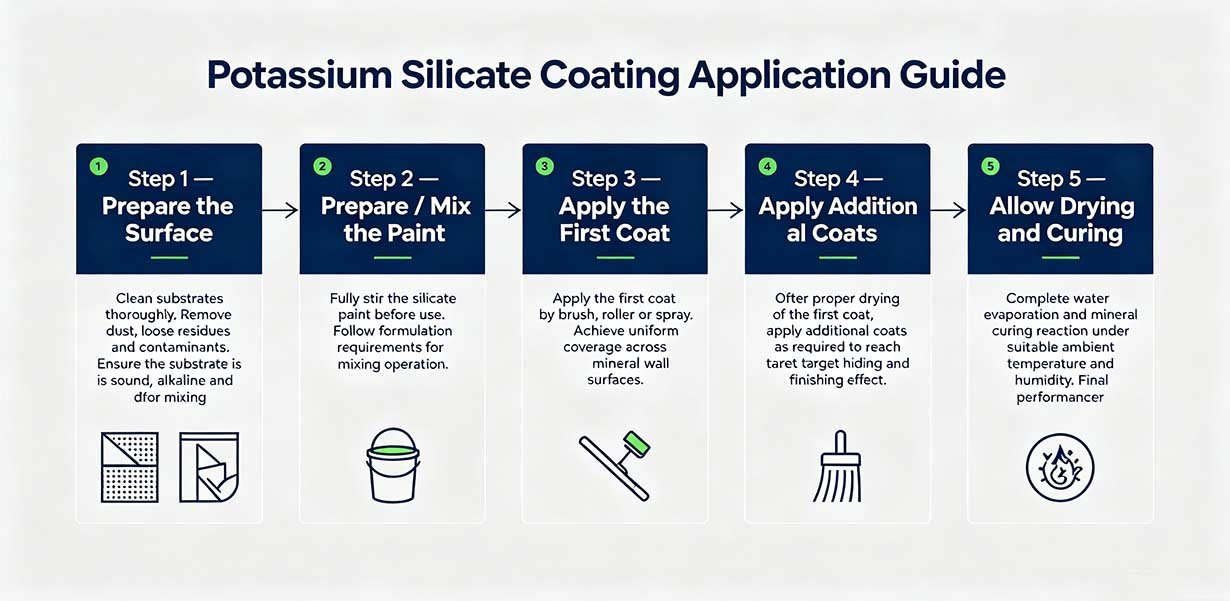
    How to Apply Potassium Silicate Paint

    Follow standard paint application workflow. Specific construction parameters please refer to corresponding product TDS document.
     
    Potassium silicate paint application steps showing surface preparation primer coating top coat and curing for mineral surfaces
     
    Step 1 — Prepare the Surface

    Clean substrates thoroughly. Remove dust, loose residues and contaminants. Ensure the substrate is sound, alkaline and dry before painting.
     
    Step 2 — Prepare / Mix the Paint

    Fully stir the silicate paint before use. Follow formulation requirements for mixing operation.
     
    Step 3 — Apply the First Coat

    Apply the first coat by brush, roller or spray. Achieve uniform coverage across mineral wall surfaces.
     
    Step 4 — Apply Additional Coats

    After proper drying of the first coat, apply additional coats as required to reach target hiding and finishing effect.
     
    Step 5 — Allow Drying and Curing

    Complete water evaporation and mineral curing reaction under suitable ambient temperature and humidity. Final performance forms after full curing.


    Choosing Potassium Silicate for Paint Manufacturing

    Modulus

    Modulus is a core indicator. Different modulus potassium silicate brings big differences in curing speed, film hardness and compatibility for paint formulation.

    Solid Content

    Solid content decides effective binder content in liquid potassium silicate, affecting paint viscosity, film-forming performance and formula cost.

    SiO₂/K₂O Ratio

    The SiO₂/K₂O ratio corresponds to modulus properties, directly impacting chemical reaction characteristics when making mineral paint.

    Viscosity

    Viscosity influences paint mixing operation and construction property. Select proper viscosity grade matching your paint production process.

    Purity

    High-purity raw materials reduce impurity-caused defects such as discoloration or unstable storage for finished paint products.

    Compatibility with Pigments and Fillers

    Verify compatibility with your selected pigments and mineral fillers in advance, to avoid flocculation, precipitation or color shift inside paint systems.
     
    The appropriate potassium silicate grade should be selected according to the paint formulation, pigment system, substrate and required application performance.


    FAQ

    What is potassium silicate paint?

    It is an inorganic architectural paint using potassium silicate as primary binder. It belongs to silicate mineral paint series for mineral building substrates.

    What is potassium silicate mineral paint?

    Potassium silicate mineral paint is another name for mineral-type silicate paint. It uses inorganic potassium silicate binder together with mineral pigments and fillers for architectural wall finishing.

    What is potassium silicate paint used for?

    It is widely used for interior wall paint, exterior wall paint, masonry, concrete wall, mineral plaster and architectural heritage building finishing.

    Is potassium silicate paint suitable for exterior walls?

    Yes. With reasonable formulation design, it can be used for exterior walls. Substrate preparation and local weather conditions need to be considered.

    Can potassium silicate paint be used on concrete?

    Yes. It can be applied as paint for concrete walls. Concrete substrate shall be sound and properly pre-processed before application.

    Is potassium silicate paint breathable?

    Yes. High vapor permeability is one core feature. It works as breathable paint allowing water vapor to pass through the paint film.

    What is the difference between potassium silicate paint and acrylic paint?

    Silicate mineral paint uses inorganic mineral binder with good vapor permeability and mineral-matte appearance. Acrylic paint uses organic resin binder with flexible film, lower vapor permeability and richer gloss options.

    What is the difference between potassium silicate paint and lime paint?

    Lime paint uses lime binder. The silicate variant owns higher film hardness and better weather resistance. Both belong to breathable mineral paint systems.

    How do you make potassium silicate paint?

    Produce via mixing selected-grade potassium silicate binder, alkali-resistant mineral pigments, mineral fillers, water and compatible additives. Optimize formula according to target performance requirements.

    How do you apply potassium silicate paint?

    Complete surface preparation → fully mix paint → apply first coat with brush/roller/spray → apply extra coats → allow full drying and mineral curing.

    How do I choose potassium silicate for paint manufacturing?

    Evaluate modulus, solid content, SiO₂/K₂O ratio, viscosity, purity and compatibility with your pigment-filler system. Match grade according to your paint formula, substrate and application needs.
     
    for more information ,please visit our facebook page
  • Potassium Silicate Fertilizer for Agriculture

    Potassium Silicate Fertilizer for Agriculture

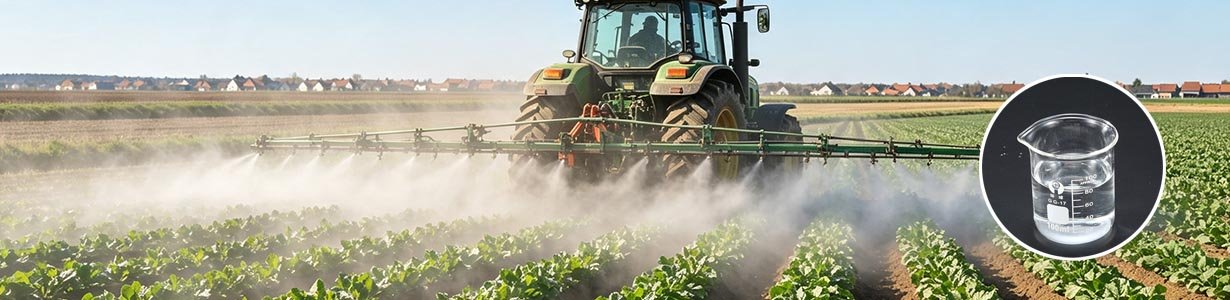
    Soluble silicon fertilizer foliar application on crops showing improved plant health and stress resistance in field and greenhouse

    Potassium silicate combines potassium together with readily‑available soluble silicon, forming a multi‑functional nutrition input widely adopted within modern plant nutrition. Used across many kinds of commercial crops, this material supports plant development via both foliar and soil application pathways. As an experienced manufacturer, SanLee Chemicals supplies high‑quality potassium silicate raw material and fertilizer‑grade solutions tailored for agricultural production.


    What Is Potassium Silicate Fertilizer?


    Potassium silicate is an inorganic compound built from potassium + soluble silicon, two valuable elements for plant nutrition. When formulated and applied for crop feeding, it becomes potassium silicate fertilizer, delivering both nutrients in one input.
    Potassium plays a core role in plant metabolic processes.

    Soluble silicon refers to plant‑available silicon that crops can absorb and utilise.

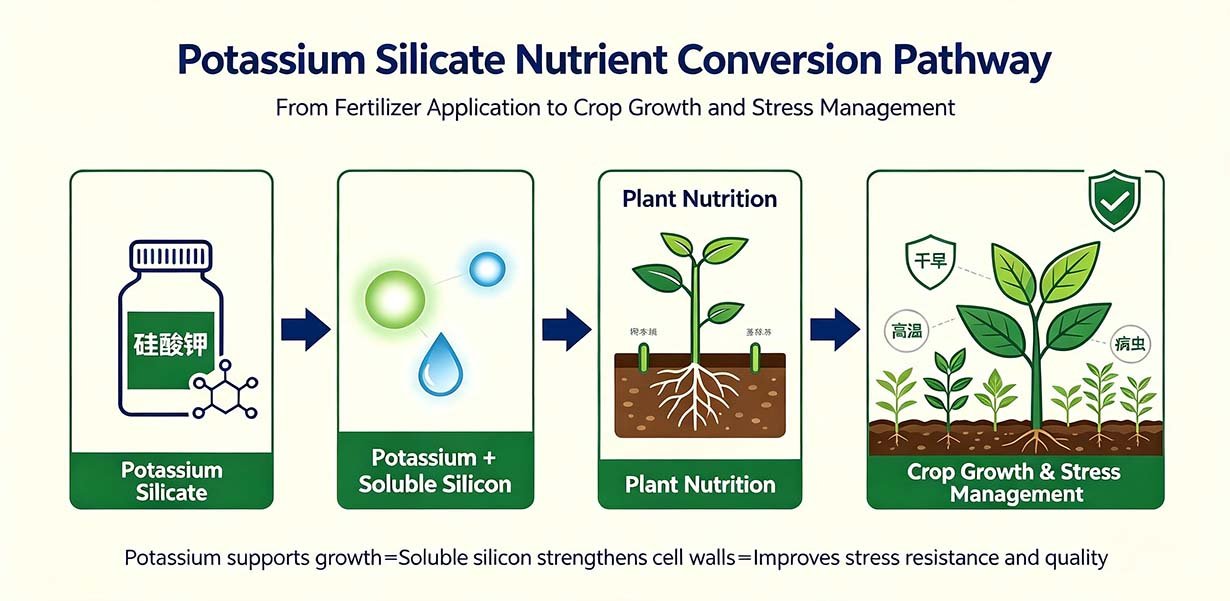
    The underlying logic works as follows:

    Potassium silicate nutrient conversion pathway in plants from foliar absorption to antioxidant defense and secondary metabolism activation

    Potassium Silicate→Potassium + Soluble Silicon→Plant Nutrition→Crop Growth & Stress Management


    Potassium silicate in agriculture works because it does not only bring silicon; it also supplies potassium, removing the need for separate potassium inputs in many nutrition plans. Many growers search for what is potassium silicate used for, and the core answer lies in this dual‑nutrient feature. Growers looking for potassium silicate for plants value this dual‑delivery advantage over single‑element silicon additives.


    How Does Potassium Silicate Benefit Plants?


    Potassium Supply


    Potassium is one of the major macronutrients for plants. It regulates water balance, supports enzyme activity, assists nutrient transportation inside plant tissues and participates in photosynthesis output. Sufficient potassium intake lays a solid foundation for normal vegetative growth and later‑stage crop development when using potassium silicate fertilizer for plants.


    Soluble Silicon Supply


    Only soluble silicon can be taken up by crop tissues. Potassium silicate delivers this plant‑accessible silicon source. Once absorbed, silicon accumulates in plant cells and participates in multiple physiological responses. Many field trials confirm the practical value of potassium silicate for plants by observing silicon‑driven physiological improvements across different growing environments.


    Support for Plant Strength


    Absorbed soluble silicon deposits within cell walls, helping build thicker, more rigid plant tissue structures. Improved tissue strength can reduce physical damage risk and enhance plant standing ability. This structural benefit is a key reason potassium silicate in agriculture keeps gaining adoption among commercial growers.


    Support Under Environmental Stress


    Potassium silicate helps plants better cope with unfavourable growing conditions including drought stress, heat stress and salinity stress. It supports the plant’s natural defence responses against harsh surroundings. Note: this product supports plant resilience and does not cure or eliminate plant diseases.


    Potassium silicate fertilizer benefits improving crop yield stress resistance soil health and post-harvest quality


    Benefits of Potassium Silicate Fertilizer


    Supports Plant Growth


    Balanced supply of potassium and soluble silicon fuels steady plant growth throughout vegetative and reproductive phases. Proper nutrition status helps crops express their natural growth potential. When using potassium silicate fertilizer for plants, growers may observe more uniform development across plant populations.


    Provides Potassium and Soluble Silicon


    One input delivers two essential nutrients instead of separate purchases. Soluble silicon is readily absorbable, alongside potassium for general plant metabolism. This dual‑nutrient feature distinguishes potassium silicate from many standalone silicon additives.


    Supports Stronger Plant Structure


    Soluble silicon strengthens cell wall architecture after uptake. Robust plant tissue improves physical standing capability and reduces susceptibility to mechanical damage. This structural advantage makes potassium silicate for plants popular for high‑density planting systems.


    Helps Plants Manage Environmental Stress


    With potassium silicate nutrition, plants gain better physiological readiness for drought, high temperature and saline growing conditions. It reinforces the plant’s own stress‑resistance mechanisms rather than removing environmental pressure completely.


    Supports Crop Quality


    Well‑nourished plants supported by potassium‑silicon nutrition tend to show improved quality‑related traits. Better nutrient balance can positively influence produce condition during growing and post‑harvest stages for multiple crop types.


    Suitable for Different Agricultural Applications


    This fertilizer fits multiple application workflows including foliar spraying, soil fertigation and hydroponic setups. Versatile usability explains why potassium silicate in agriculture suits open‑field farms as well as protected greenhouse production systems.


    Potassium silicate fertilizer applications on wheat barley rice soybean tomato cucumber and turf across field greenhouse and hydroponic systems


    Applications of Potassium Silicate Fertilizer


    Foliar Fertilization


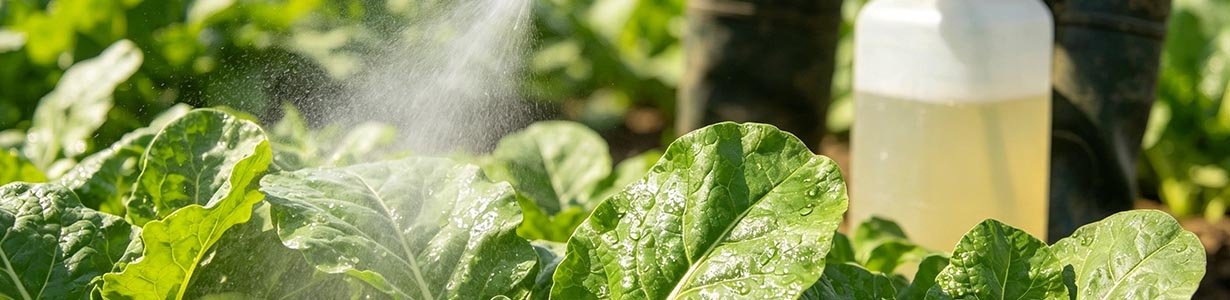
    Potassium silicate foliar fertilizer can be sprayed directly onto leaf surfaces for quick nutrient uptake via foliar pathways. Potassium silicate foliar application works well when growers want to supplement nutrition without heavy soil modification. Proper leaf coverage is critical when operating foliar potassium silicate programmes for field or greenhouse crops.


    Soil Application


    Potassium silicate soil application introduces potassium and soluble silicon into root zones. It can be delivered through irrigation channels, fertigation systems or soil drench operations. Potassium silicate fertilizer for soil feeds crops via root absorption, building up available nutrient reserves within the growing medium.


    Hydroponic and Soilless Cultivation


    Potassium silicate for hydroponics suits circulating nutrient solution systems and other soilless setups. Potassium silicate hydroponic fertilizer adds soluble silicon and potassium directly into nutrient tanks for continuous root uptake. Ensure full compatibility with other dissolved fertilisers before mixing into hydroponic solutions.


    Greenhouse Crops


    Greenhouse agriculture and controlled environment agriculture create ideal conditions for precise nutrient supplementation. Greenhouse crops respond well to scheduled potassium‑silicon feeding cycles. Protected growing allows flexible switching between foliar sprays and root‑zone delivery according to crop phenology.


    Crop Nutrition Programs


    Potassium silicate works as one component inside complete crop nutrition programs. It complements nitrogen‑phosphorus base fertilisers by adding potassium plus soluble silicon. Agronomists can integrate it into seasonal feeding schedules matching different crop growth cycles.


    Potassium silicate fertilizer applied to barley wheat corn soybean tomato cucumber and strawberry with optimal dosage data


    Potassium Silicate Fertilizer for Different Crops


    Potassium Silicate for Vegetables


    Common vegetable varieties including tomato, cucumber, pepper and leafy vegetables can take advantage of potassium‑silicon nutrition. Many commercial vegetable farms deploy foliar or soil‑based potassium silicate feeding to support plant resilience and produce performance.


    Potassium Silicate for Fruits

     
    Fruit crops such as strawberry, grapes, citrus and various berries benefit from balanced potassium and soluble silicon supply. Nutrition can be applied during key growth windows to support vegetative development and fruit‑setting phases.


    Potassium Silicate for Field Crops

     
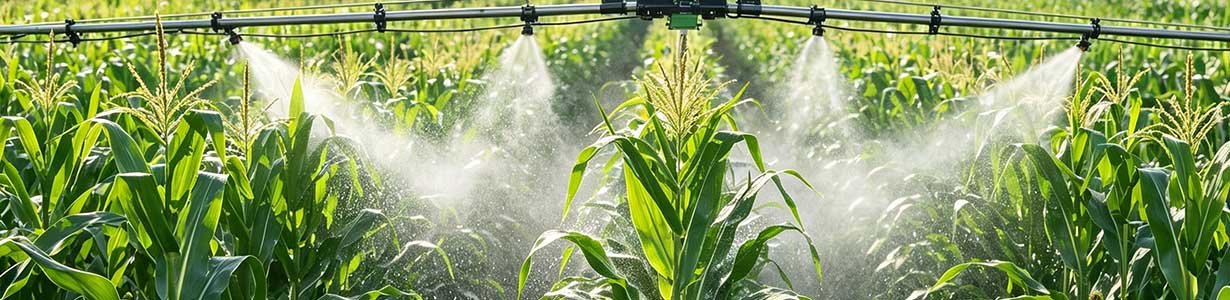
    Major field crops covering rice, wheat and corn represent large‑scale application scenarios. Potassium silicate can be integrated into large‑volume fertigation or spraying workflows for broad‑acre agricultural production.


    Potassium Silicate for Ornamental Plants

     
    Ornamental and flower crops gain stronger tissue structure and improved stress tolerance from silicon‑potassium nutrition. Potassium silicate foliar fertilizer is widely used for ornamental plant foliar supplementation in nursery and greenhouse environments.


    Potassium Silicate for Horticultural Crops

     
    Broad‑scope horticultural cropping mixes multiple plant types under one management system. Potassium silicate fits flexible horticulture nutrition plans, adapting across varied plant species and growing media.


    Potassium silicate for plants showing enhanced cell wall strength drought tolerance disease resistance and yield improvement


    How to Apply Potassium Silicate Fertilizer


    Foliar Application

     
    For foliar spraying work, operators need to consider dilution ratios, spray concentration, spray timing and uniform leaf coverage.
     
    Application rate should be determined according to product concentration, crop type, growth stage and local agricultural recommendations.
     
    Different modulus and concentration grades lead to very different mixing parameters. Please consult SanLee technical team for site‑specific guidance before using potassium silicate foliar fertilizer in formal field operations.


    Soil Application

     
    Soil‑oriented delivery includes irrigation feeding, fertigation injection and soil drench treatments. Nutrients go directly into root‑zone areas for root absorption. Match application timing with crop water‑feeding cycles for better nutrient utilisation efficiency.


    Application Timing

     
    Key application windows cover early growth phase, vegetative stage, reproductive stage, and periods of environmental stress. Supplementary feeding during stress periods helps plants maintain physiological performance. Avoid unreasonable high‑dose input without professional agronomy advice.


    Potassium Silicate Fertilizer Application Methods

     
    01 Product Selection

    Pick suitable fertilizer‑grade potassium silicate according to silicon content, potassium content and your target application route.
     
    02 Dilution

    Dilute liquid products following technical guidance. Always confirm modulus and concentration before mixing with other agro‑inputs.
     
    03 Application

    Carry out foliar spray, fertigation, soil drench or hydroponic solution addition based on your farming setup.
     
    04 Monitoring

    Observe crop status after application. Adjust future feeding strategy in combination with local agronomic suggestions.


    Potassium Silicate vs Other Silicon Fertilizers


     Feature Potassium Silicate Other Silicon Fertilizers
     Silicon source Soluble silicon Depends on product
     Potassium supply Yes Depends on product
     Water solubility Generally high Varies
     Foliar application Possible Depends on formulation
     Agricultural use Yes Depends on formulation

    Potassium silicate is particularly useful when both soluble silicon and potassium are required in an agricultural nutrition program. Some silicon‑only fertilisers deliver silicon without potassium; growers then need separate potassium fertilisers to complete nutrition input.


    Choosing Potassium Silicate for Agricultural Use


    Silicon Content

     
    Check plant‑available soluble silicon content, which directly decides nutrition contribution for crops.
     

    Potassium Content

     
    Evaluate K₂O value, as this defines how much potassium nutrition you receive from this material.


    Solubility

     
    High water‑solubility supports foliar spraying, fertigation and hydroponic mixing workflows. Poor solubility will limit usable application methods.


    Concentration

     
    Different liquid and solid grades have large concentration gaps. Concentration determines dilution ratios and total usage volume.


    Compatibility

     
    Test compatibility before tank‑mixing with other fertilisers or agrochemicals to avoid precipitation risk.


    Product Consistency

     
    Stable modulus and chemical composition secure predictable field performance across bulk batches.


    Technical Support

     
    Supplier‑provided technical support helps you select grades and design correct feeding schedules for your farm conditions.


    FAQ


    Q1: What is potassium silicate fertilizer?

    A: Potassium silicate fertilizer is a dual‑nutrient agricultural input, supplying both potassium and plant‑available soluble silicon for plant nutrition. It can be deployed via foliar spray, soil fertigation and hydroponic systems for multiple crop categories.
     

    Q2: What does potassium silicate do for plants?

    A: It delivers macronutrient potassium alongside soluble silicon. Potassium supports metabolism, while silicon strengthens plant tissue and helps plants resist drought, heat and salinity stress. It boosts plant resilience instead of curing plant diseases.
     

    Q3: What are the benefits of potassium silicate fertilizer?

    A: Key benefits include dual potassium‑silicon nutrition supply, stronger plant structure, improved environmental‑stress resilience, support for normal crop growth and flexible usability across foliar, soil and hydroponic agricultural workflows.


    Q4: Is potassium silicate good for plants?

    A: Yes. Potassium silicate for plants provides two valuable plant‑nutrients. When properly dosed following agricultural guidance, it supports physiological performance for vegetables, fruits, field crops and horticultural varieties.
     

    Q5: How do you apply potassium silicate fertilizer?

    A: Common routes contain foliar spraying, soil fertigation, soil drench and hydroponic solution addition. Exact dilution and dosage depend on product modulus, concentration, crop type and growth stage. Consult technical support for custom advice.
     

    Q6: Can potassium silicate be used as a foliar fertilizer?

    A: Yes. Potassium silicate foliar fertilizer is widely used. Uniform leaf coverage is important. Always test mixing compatibility and follow recommended dilution standards before large‑scale foliar operation.
     

    Q7: Can potassium silicate be applied to soil?

    A: Yes. Soil application delivers nutrients through root uptake, via irrigation or fertigation systems. It builds available potassium and soluble silicon inside root‑zone growing media for long‑term crop absorption.
     

    Q8: What crops can benefit from potassium silicate?

    A: Vegetables, fruit crops, field grain crops, ornamental flowers and broad‑range horticultural crops can benefit. Specific performance varies with growing environment, crop variety and application management.
     

    Q9: Can potassium silicate be used in hydroponics?

    A: Yes. Potassium silicate for hydroponics adds soluble silicon and potassium into nutrient solutions. Pre‑test compatibility with other dissolved fertilisers is required to prevent sediment generation.
     

    Q10: How do I choose potassium silicate for agricultural use?

    A: Focus on soluble silicon content, potassium content, water‑solubility, product concentration, mixing compatibility, batch‑to‑batch consistency and supplier‑provided agricultural technical support.


    for more information ,please visit our facebook page


  • Sodium Silicate Powder

    Sodium Silicate Powder

    What is instant sodium silicate powder ?


    Instant sodium silicate (CAS 1344-09-8) is a white or light gray powder with good fluidity and strong moisture absorption (strict prevention is required)tide, quickly dissolved in cold or warm water (for seconds to minutes), does not require heating, forming a transparent or slightly turbid alkaline solution, with a pH value of up to 12-13 in aqueous solution. Instant sodium silicate (CAS 1344-09-8) has become an important raw material in industrial and daily chemicals due to its rapid dissolution, low cost, and multi scenario applicability.

    Instant sodium silicate powder modulus 3.1-3.3 is a high-modulus, fast-dissolving inorganic silicate powder, upgraded and refined based on conventional sodium silicate products. As a high-purity powdered water glass with a high silica-to-sodium oxide molar ratio, it fills the market gap of medium and high-modulus instant sodium silicate and is widely applied in high-demand industrial scenarios that require strong bonding, high temperature resistance and stable chemical activity.

    Although there are limitations in terms of temperature resistance and long-term stability, its widespread application in areas such as washing, construction, and environmental protection highlights its irreplaceability. Future development directions may include improving moisture-proof packaging technology, developing composite modified products (such as combining with organosilicon),and expanding innovative applications in new energy materials (such as battery binders).


    Introduction to Sodium Silicate Powder


    Modulus refers to the molar ratio of silica to sodium oxide in sodium silicate, which determines the core performance of the product.

    Different from conventional low-modulus (2.2-2.4) sodium silicate, instant sodium silicate powder with 3.1-3.3 high modulus has a higher silica content, stronger molecular stability and superior physical and chemical properties.

    The product is a uniform white sodium silicate powder at normal temperature, with no agglomeration, and can be rapidly and completely dissolved in room-temperature water without heating, leaving no insoluble residues.

    This high-modulus instant powder effectively overcomes the shortcomings of liquid sodium silicate such as short storage life, high transportation cost and low concentration.

    It integrates the advantages of instant solubility, high strength bonding, high temperature resistance, corrosion resistance and excellent pH buffering performance. Compared with ordinary sodium silicate powder, it has stronger gelation ability, higher hardness after curing and better chemical stability, making it irreplaceable in high-end industrial fields.


    The core advantages and features of  instant sodium silicate powder(CAS 1344-09-8)


    1.Sodium silicate powder has rapid dissolving properties:

    The powder of sodium silicate has a loose structure and can rapidly disperse and dissolve in water. This significantly shortens the preparation time during the production process, improves the production efficiency and continuity of downstream products, and is particularly suitable for automated feeding.

    2.High purity and precise measurement of sodium silicate powder:

    The solid content of the sodium silicate powder is close to 100%, with no excess moisture and low impurity content. This ensures the accuracy and stability of the downstream product formula, avoiding quality issues caused by impurities, and the consistency among product batches is good.

    3.The economy and convenience of powdered sodium silicate:

    Sodium silicate powder in solid form. This saves a huge amount of costs for liquid packaging and transportation, reduces storage space, and makes long-distance transportation and storage economically feasible.

    4.Sodium silicate powder exhibits excellent alkaline buffering and emulsification-dispersing capabilities:

    Sodium silicate powder provides a stable alkaline environment and has excellent emulsifying and dispersing properties. It can effectively remove dirt during washing and disperse impurities and stabilize the system in industry. It is an efficient multi-functional additive.


    Guide for the Use of  sodium silicate powder


    1.Dissolution instructions: Under stirring conditions, slowly add the powder to water to quickly form a uniform solution. It is recommended to prepare a solution with a concentration of 30% – 50% for future use.

    2.Storage conditions: The product must be stored in a cool, dry and well-ventilated warehouse to prevent it from absorbing moisture and forming lumps.

    3.Compatibility: It has a good synergistic effect with various anionic, non-ionic surfactants, sodium carbonate, STPP and other inorganic additives.