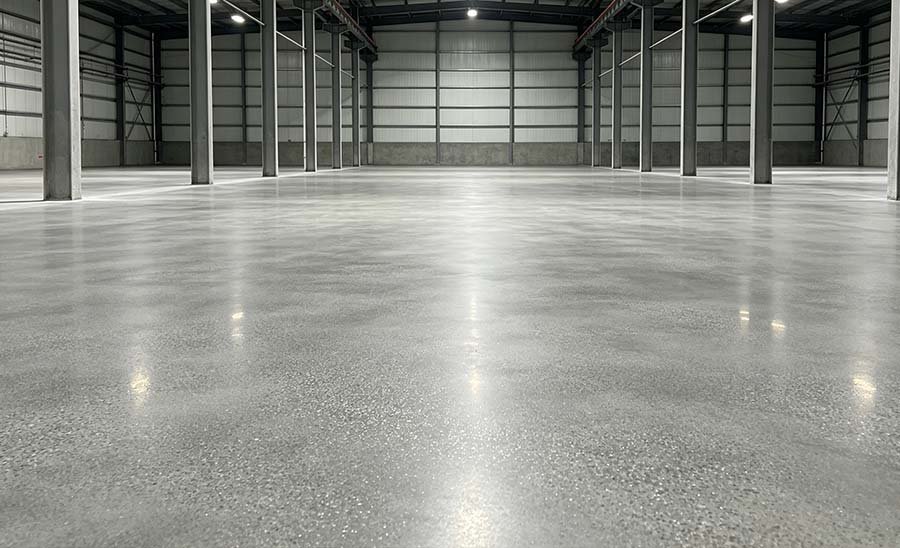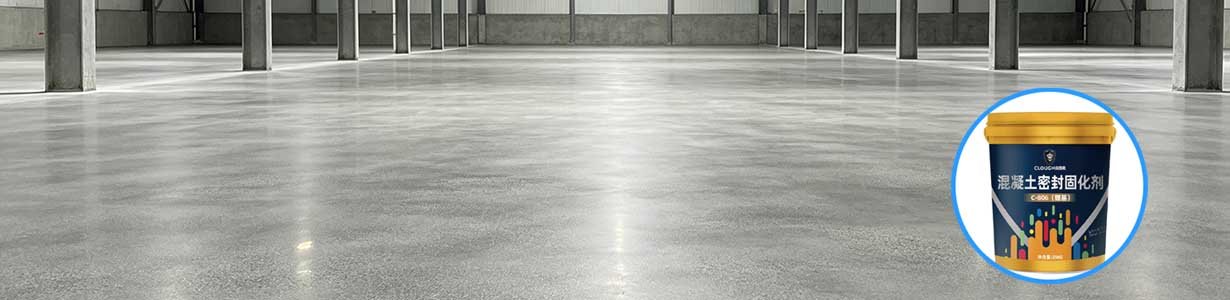
Why Do Heavy-Duty Workshop Floors Keep Failing?
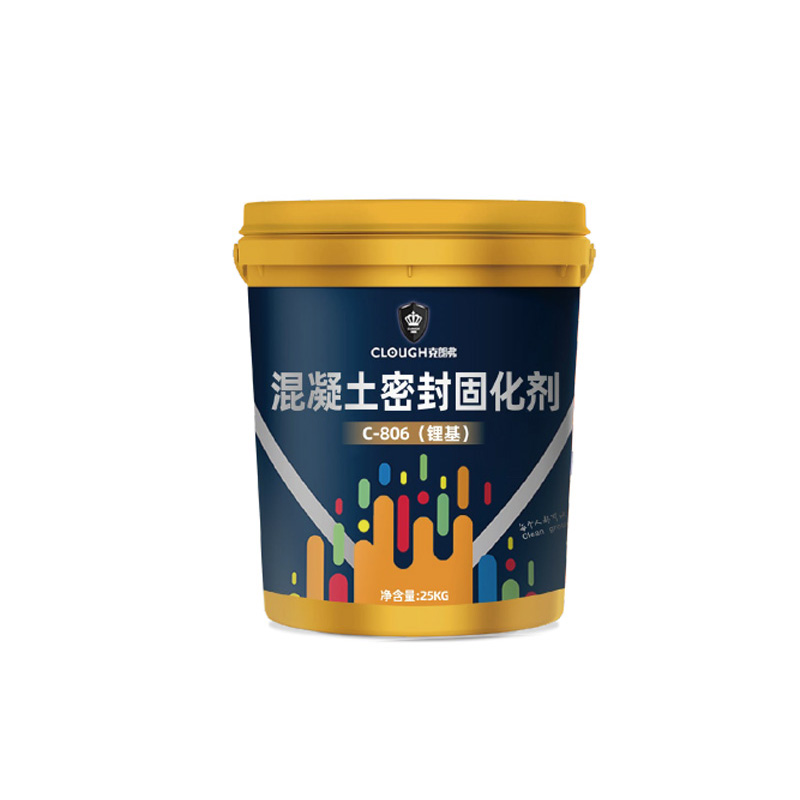
What should be noted when choosing a concrete sealing and curing agent for a workshop floor where heavy-duty forklifts pass through every day?
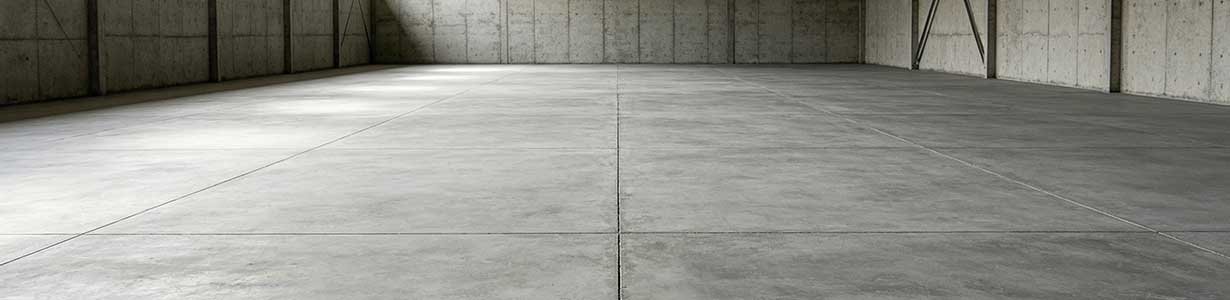
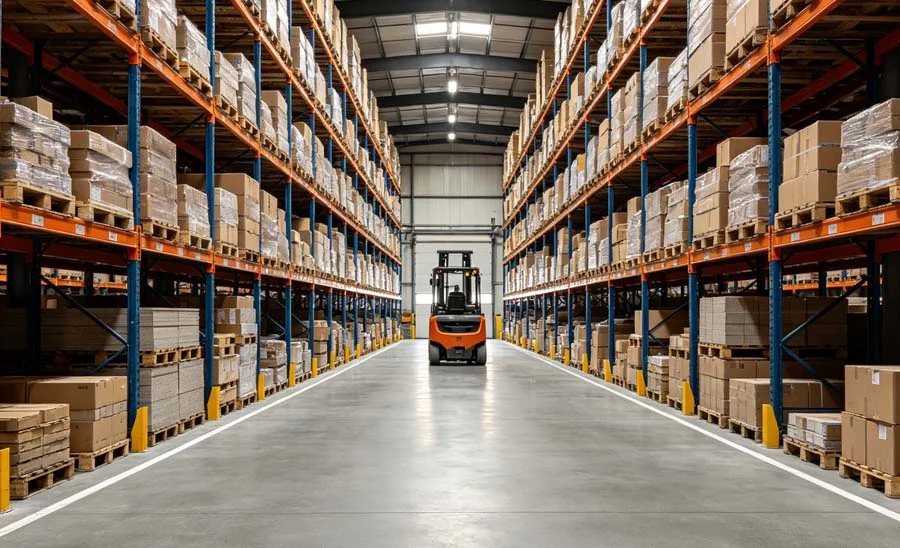
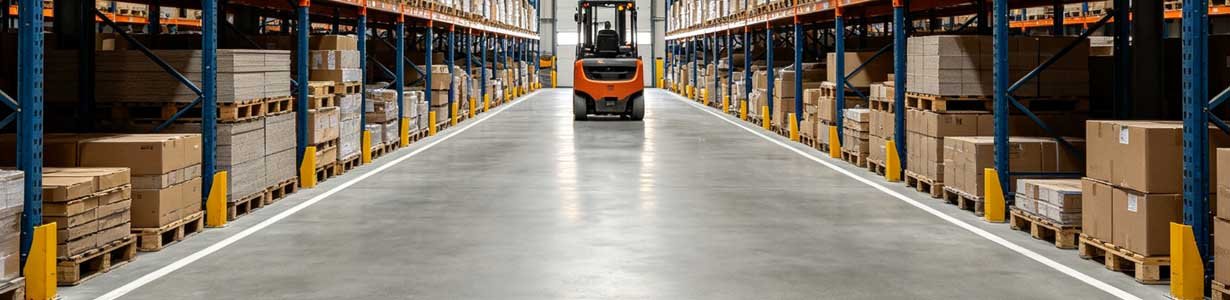
This question touches upon the pain points of industrial flooring. Forklifts, trucks, and other vehicles repeatedly run over, brake, turn, and load/unload, subjecting the ground to several tons of load repeatedly. Ordinary cement floors simply cannot withstand this for long—they start to chip, wear, and deform, and become uneven, directly affecting production. Many people think it is the poor quality of the concrete, but in fact, the problem often lies in the “strengthening” step: choosing the wrong or improper type of concrete sealing and curing agent.
First, Understand How Concrete Sealing and Curing Agents Work
To understand the key to selection, one must first understand the working principle of the concrete sealing and curing agent.
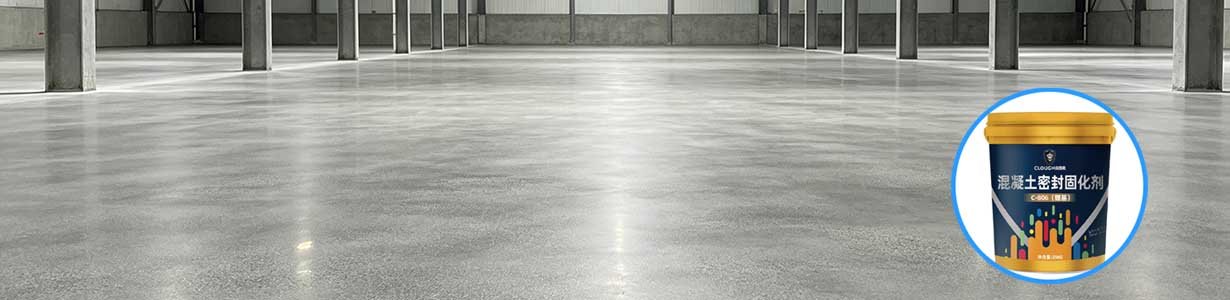
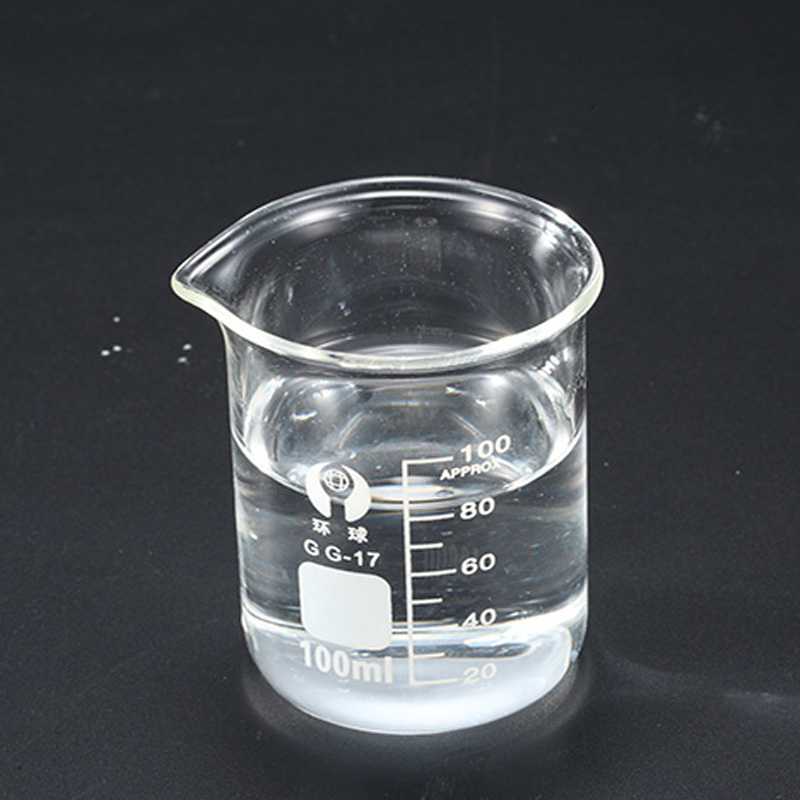
A concrete sealing and curing agent is a penetrating liquid material mainly composed of alkali metal silicates. When applied to the ground, the liquid seeps into the interior of the concrete through capillary pores and micro-cracks, reacting chemically with the free hydroxide calcium remaining after cement hydration to form water-calcium silicate (C-S-H) gel.
This gel fills the capillary pores, encapsulates and strengthens the cement particles, making the originally loose concrete surface dense. In other words, the concrete sealing and curing agent does not “paint” on the ground, but “hardens from the inside out”—this is why it is also called a “penetrating liquid hardener.”
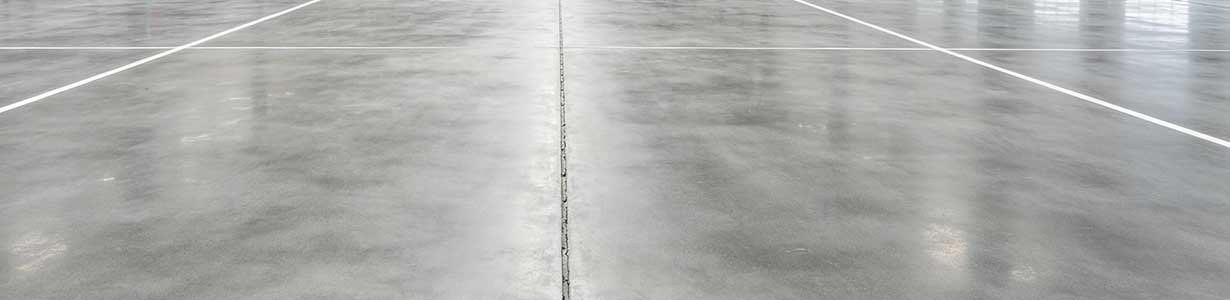
Key to Selection: Heavy-Duty Workshops Should Prioritize Lithium-Based or High-Grade Potassium-Based Types
For the same concrete sealing and curing agent, different types have vastly different reaction intensities. Heavy-duty workshops should prioritize lithium-based silicate or high-grade potassium-based silicate types. From a chemical perspective, lithium ions have a smaller radius, and lithium-based silicate has a deeper penetration depth, generating a dense gel that is not prone to alkali efflorescence and whitening; high-grade potassium silicate has high reactivity and good penetration, and has a strong bond with the base layer.
The gel formed after the reaction has significantly higher compressive strength and wear resistance, and can withstand the rolling and friction of forklifts and trucks without easily damaging the surface layer. Ordinary low-grade sodium silicate has a larger sodium ion radius and weak penetration ability, and has limited reactivity.
The gel formed is insufficient in strength and only forms a thin layer of false hardness on the surface—it looks shiny but breaks under pressure, and cannot withstand long-term rolling. The concentration (solid content) is the same. If the effective components are insufficient, the penetration is shallow, and the reaction is not complete, it only forms a superficial layer.
Therefore, when purchasing, one should not only consider price and brand, but also request a test report from the manufacturer and focus on checking indicators such as modulus and solid content; if possible, conduct a small-scale trial before construction, use a hard object to scrape and heavy objects to compact to measure the strength after curing, and see for oneself.
Do Not Overlook the Base Layer Itself
Thirdly, do not overlook the base layer itself. The concrete sealing and curing agent is a “strengthening” material, not a “repair” material. If the ground has cracks, holes, or severe chipping, base layer treatment must be carried out first: slot the cracks and patch them, use repair mortar to level the holes, and for severely chipped areas, first sand and clean the dust, and if necessary, do base layer reinforcement, then the curing agent can be applied.
Otherwise, the curing agent can only cover the surface, and the problem of a loose base layer has not been solved, and the surface will still chip and powderize over time, which is a waste of effort. The treatment of the base layer also directly affects the penetration effect—a clean base layer with appropriate roughness makes the curing agent easier to penetrate.
Construction Process Determines Success or Failure
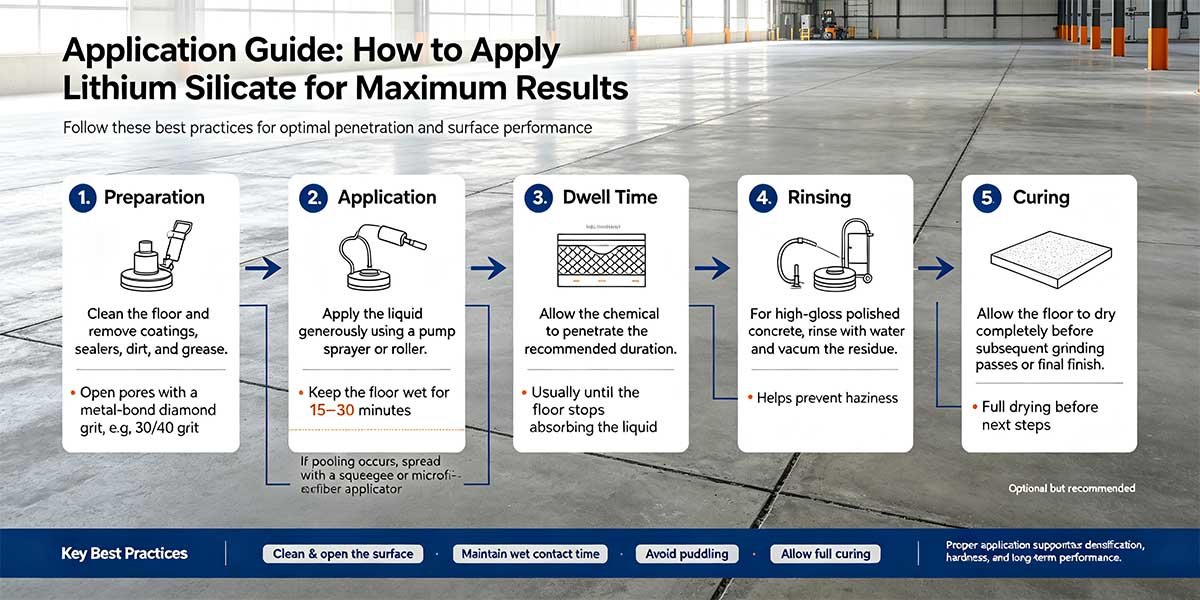
Selecting the right material is only the first step; the construction process also determines success or failure. The number of coating applications should match the absorption capacity of the base surface. The conventional practice is two to three coats: the first coat should penetrate thoroughly, and areas with quick absorption should be reapplied promptly; the second coat should consolidate the surface, and a third coat may be added depending on the situation.
The amount of each coat should be controlled properly; too little penetration will not be sufficient, and too much will float on the surface and turn white. The environmental temperature and humidity should also be monitored. Generally, construction should be carried out within the range of 5°C–35°C. Low temperatures will significantly slow down the reaction speed.
The most crucial aspect is the curing process: the curing reaction requires time, and the gel strength gradually increases. Generally, it is recommended to avoid personnel and forklift access within 24 hours after construction, and to maintain the curing period as per the product requirements for several days. Rushing the construction schedule is the most undesirable practice—rushing into production without proper curing is equivalent to pressing an unfirm structure prematurely, ultimately resulting in a significant reduction in strength. All previous investments will be wasted.
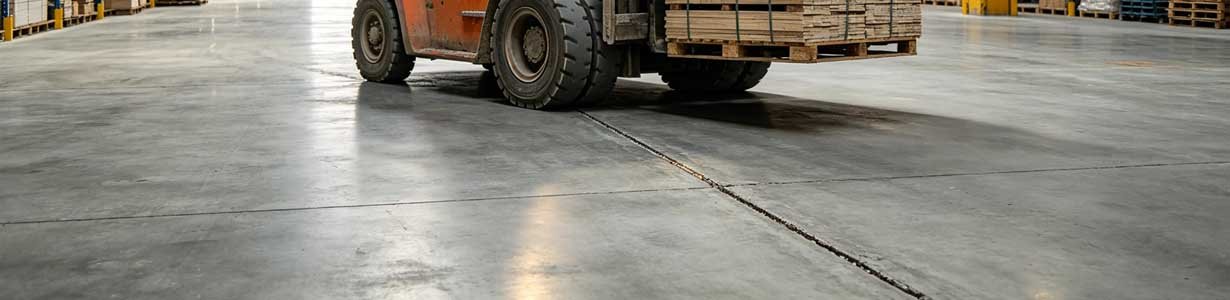
Common Combination for Heavy-Duty Workshops: Diamond Abrasive Flooring + Sealing and Curing Agent
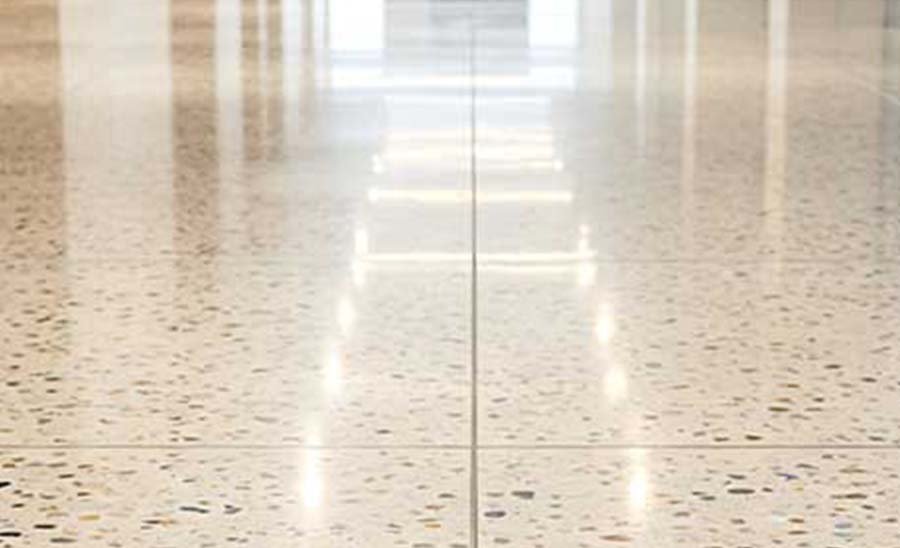
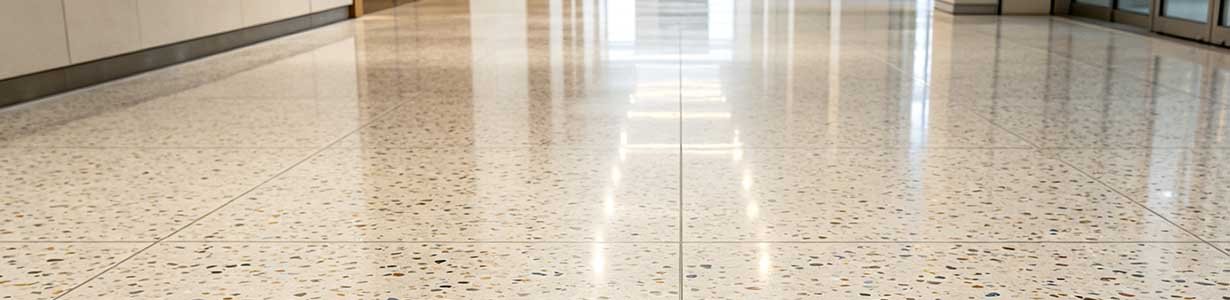
It is worth noting that heavy-duty workshops often combine concrete sealing and curing agents with diamond abrasive flooring: a diamond abrasive layer is first applied, followed by sealing and strengthening with a concrete sealing and curing agent, forming an “abrasive layer + sealing layer” combination.
This combination offers better compressive strength, wear resistance, and dust prevention effects. Whether additional sealing is required can be confirmed with the construction party based on actual load and budget. During the completion and acceptance process, several key indicators can be focused on: the increase in compressive strength, wear resistance (wear rate), surface Mohs hardness, and penetration depth. These data should be based on the manufacturer’s test report and third-party measurement.
Summary: For Heavy-Duty Workshops, Remember Three Things When Choosing a Concrete Sealing and Curing Agent
Therefore, when choosing a concrete sealing and curing agent for heavy-duty workshops, remember these three things: select the right type, prioritizing lithium silicate and high-grade potassium silicate; be strict with indicators, ensuring the modulus and concentration meet the standards; complete the process, repairing the base surface first, applying sufficient coats, and maintaining sufficient curing time. If these three things are done, the workshop floor can withstand the constant rolling of forklifts, remain free of sanding and damage, and require less maintenance in the long term.
for more information ,please visit our facebook page