
topic: Anti-Corrosion

Silicate-based anti-corrosion solutions for metal and concrete. Our sodium silicate, potassium silicate and modified silicate systems form protective barriers to prevent rust, chemical attack and degradation in industrial environments.

  • Core Properties of Potassium Silicate Inorganic Coatings

    Core Properties of Potassium Silicate Inorganic Coatings

    Adhesion of potassium silicate coating showing chemical bonding mechanism at coating-substrate interface for steel and concrete


    The application of inorganic mineral coatings in building exteriors, cultural relic restoration, and industrial anti-corrosion continues to grow. Silicate potassium (potassium silicate, K₂O·nSiO₂) is the most mainstream film-forming adhesive material in the potassium silicate inorganic coating system.


    Many formulators, coating manufacturers, and engineering teams often confuse the film-forming logic of silicate potassium with that of organic emulsions when selecting materials, and frequently encounter on-site problems such as cracking, whitening, poor compatibility, and water intolerance of the paint film.


    Potassium silicate  coatings and traditional acrylic and acrylic-based organic coatings do not belong to the same curing system. Organic coatings rely on the evaporation of resin emulsions and the fusion of resin particles to form a continuous film, which is a physical film formation or resin cross-linking curing process; while silicate potassium inorganic coatings achieve silification curing through chemical reactions, which is the source of all its performance advantages and drawbacks.


    Below, from five dimensions of film formation, adhesion, hydrophobicity, compatibility, and weather resistance, we will comprehensively analyze the core characteristics of silicate potassium in inorganic coatings, and also explain the key points of formulation design and construction control.


    Film Formation: Chemical reaction curing, irreversible silification film formation, shrinkage cracking is the core pain point


    The most fundamental characteristic of a potassium silicate inorganic coating is that it forms a film through chemical reaction rather than physical drying. The chemical formula of liquid silicate potassium is K₂O·nSiO₂, which is a composite aqueous solution of potassium oxide and silicon dioxide. The modulus (SiO₂/K₂O molar ratio) directly determines the curing speed, film hardness, and shrinkage rate, and is the first parameter for mineral silicate coating formulation selection.


    When the coating is applied to the mineral substrate surface, there are two curing paths: one is the carbonization reaction with carbon dioxide in the air; the other is the addition of curing agents in the formula, such as metal zinc powder, phosphate, fluorosilicate, etc., to accelerate the cross-linking and curing of silicate potassium. During the reaction process, soluble silicate potassium gradually transforms into insoluble silica gel (SiO₂·nH₂O), and potassium ions are also released, ultimately forming a hard inorganic siloxane network film.


    The entire curing reaction is irreversible. Once the silification reaction is completed, the film will not dissolve in water again, which is fundamentally different from ordinary water-soluble resins. However, this system has an unavoidable drawback: the curing process is accompanied by significant volume shrinkage.


    If the formulation design is unreasonable, the modulus is selected improperly, the single coating thickness is too thick, or the environmental temperature and humidity are out of control, stress will be generated inside the coating, and micro cracks will appear, and in severe cases, it will develop into a network cracking.


    Formulation & Construction Tips: In a mineral silicate coating formulation, silicate potassium inorganic coatings are not suitable for thick application. The industry’s common practice is to apply thin coats multiple times; at the same time, the modulus should be controlled.


    A low modulus leads to faster curing but poorer water resistance, while a high modulus results in higher hardness and greater shrinkage stress, increasing the risk of cracking. Many beginners apply thick coats at once, and later experience cracking, essentially because they did not understand the contraction characteristic of silicate potassium’s chemical reaction film formation.



    Water resistance of potassium silicate coating showing hydrophobic surface with high contact angle and low water absorption


    Adhesion: Unique “anchoring effect” of mineral substrates, chemical bonding rather than surface adhesion


    Many customers will wonder: Why is the adhesion of potassium silicate coating so much better on mineral substrates such as concrete, cement mortar, and natural stone than ordinary organic exterior paints? The answer comes from the unique penetration + silification anchoring mechanism of silicate potassium.


    The liquid silicate potassium solution has low viscosity and good penetration ability, which can penetrate the capillary pores of porous mineral substrates to a depth of 0.5-2mm. It is not just a layer of covering film on the wall surface; the silicate potassium that penetrates the substrate interior will react with alkaline mineral components such as calcium hydroxide in the substrate to form insoluble silicate gel in the capillary pores of the substrate, like countless tiny “mineral anchors”, locking the coating and the substrate together.


    This combination is a chemical bond — the essence of the adhesion of potassium silicate coating — not the simple physical adsorption of organic coatings. Organic coatings are only attached to the surface of the wall, and after aging, they are prone to peeling, blistering, and falling off. The potassium silicate coating integrates seamlessly with the mineral substrate. Theoretically, as long as the substrate itself does not flake or crack, the coating will not peel off in large patches.


    Of course, this advantage of the potassium silicate inorganic coating has a prerequisite: it is only applicable to porous mineral substrates. If the substrate is smooth metal, plastic, or there is a large amount of organic paint residue on the old wall, the potassium silicate cannot penetrate and the anchoring effect fails, and the adhesion of potassium silicate coating will significantly decrease. This is also the core reason for requiring the removal of old organic coatings and the sanding of loose bases before the application of inorganic coatings.


    Hydrophobicity: The pure potassium silicate cured film has self-hydrophilic silanol groups. Unmodified coatings turn white when exposed to water.


    Many people mistakenly believe that inorganic coatings are naturally waterproof. In fact, the water resistance of potassium silicate is not innate — this perception does not hold true in the pure potassium silicate system.


    The main substance after the complete curing of pure potassium silicate is silica gel. The surface of the gel structure contains a large number of silanol groups (Si-OH). The silanol group is a strongly hydrophilic group and easily adsorbs water molecules. Therefore, the pure potassium silicate coating without any modification has a hydrophilic cured film and poor water resistance.


    When exposed to long-term rain or in a high-humidity environment, water will continuously adsorb on the coating surface, causing the coating to turn white, lose gloss, and in severe cases, damage the silica gel network, resulting in coating flaking.


    This is why a qualified commercial potassium silicate inorganic coating on the market always requires a modification plan. The commonly used modification methods in the industry — organic silicone modification, adding fluorosilicate curing systems, and adding a small amount of modified additives — while retaining the inorganic framework, reduce the surface silanol group activity to improve the water resistance of potassium silicate, achieving breathable and impermeable effects.


    Here is a distinction between two concepts: water vapor permeability vs. liquid water waterproofing. The modified potassium silicate coating has a microporous structure, and the water vapor inside the wall can be released in the form of water vapor, avoiding water accumulation and bubble formation in the wall; but liquid rainwater will be blocked, achieving waterproofing. Pure potassium silicate without modification cannot balance the water resistance defect brought by the hydrophilic groups and is not recommended for use in outdoor exterior wall projects.
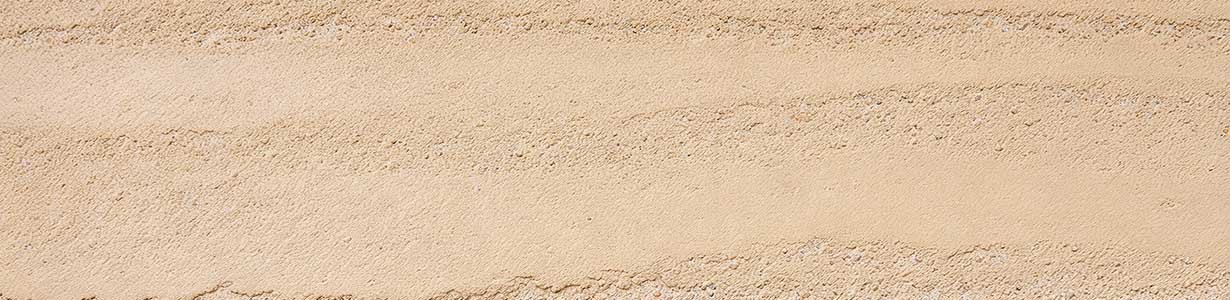
     

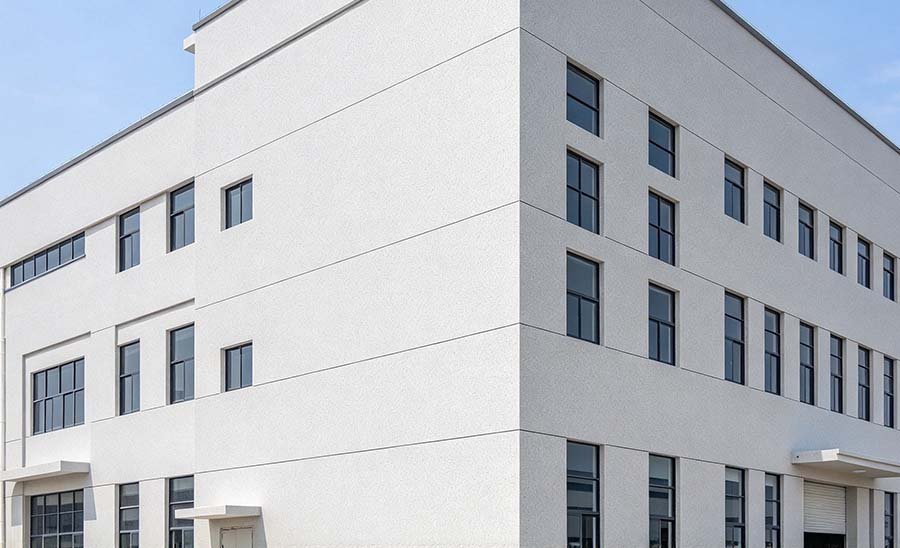
    Mineral silicate coating formulation with potassium silicate binder inorganic pigments and mineral fillers for breathable facade paint


    Compatibility: Excellent compatibility with inorganic fillers, and strong alkalinity makes it difficult for organic systems to be compatible


    In mineral silicate coating formulation, the compatibility characteristics of potassium silicate can be summarized in one sentence: friendly to inorganic fillers, most organic polymers are difficult to be compatible.


    Potassium silicate itself is a strong alkaline aqueous solution, with a pH typically ranging from 11.5 to 13. This high alkaline environment determines the material selection boundaries of the formula.


    1. Excellent compatibility with inorganic fillers and mineral pigments: calcite, talc powder, kaolin, quartz powder, inorganic iron oxide pigments, etc., in the potassium silicate system, they are dispersed stably and do not undergo chemical reactions, making them an ideal filler system for the potassium silicate inorganic coating and the basis for inorganic coatings to maintain color stability for a long time.


    2. The compatibility of potassium silicate with organic resins is poor: most organic emulsions, organic thickening agents, and alkali-sensitive additives, when encountering the high-alkaline potassium silicate solution, are prone to saponification, polymer decomposition, emulsion breakage, and flocculation. If simply mixing acrylic emulsion with potassium silicate, the system will quickly form lumps and separate, and cannot be used normally.


    Many researchers want to simply organic compound blending to improve flexibility, but direct blending is very likely to fail because the compatibility of potassium silicate with organic resins is limited. To make organic-inorganic composite potassium silicate coatings, it cannot be simply physical co-mixing.


    Special modified potassium silicate (sol-silicate) or using pre-neutralization and dedicated coupling agent schemes are required to control the alkalinity and reduce the damage to organic components. In the conventional potassium silicate formula, the selection of additives must prioritize non-alkaline products to avoid stratification during storage period, gelation


    Weather resistance: The inorganic framework resists ultraviolet rays, is flame-retardant, and has strong long-term outdoor stability


    Weather resistance is the biggest selling point of the potassium silicate inorganic coating and is the key reason for its extensive application in exterior walls and restoration of ancient buildings.


    The cured potassium silicate coating has an inert inorganic silicate structure as the main body. When exposed to long-term UV radiation, the high-molecular chains of organic resins will break and degrade, resulting in powdering and fading; however, the silicon-oxygen inorganic network will not be damaged by UV radiation, and there is no problem of organic aging. When combined with inorganic mineral pigments, the coating will not fade easily under long-term sun exposure, and its aging resistance is much higher than that of ordinary organic exterior wall coatings.


    In terms of chemical stability, the cured silicon gel coating film is resistant to weak acids and atmospheric pollutant corrosion, and can be applied in industrial areas and acid rain regions. At the same time, the inorganic material itself is non-flammable, and the potassium silicate coating can reach the A-level non-flammable standard. In a fire environment, it will not burn and release a large amount of toxic smoke, with outstanding fire resistance performance.


    In terms of microbial resistance: The organic coating film is rich in carbon chains, and molds and algae can use organic matter as a nutrient source; the pure potassium silicate system contains almost no organic carbon, making it difficult for molds and algae to attach and grow, providing natural anti-mold and anti-algae protection, significantly reducing the problem of algae stains on the exterior wall.


    Of course, the original pure potassium silicate coating film has high brittleness, and due to the aforementioned hydrophilic shortcoming, the original system cannot be directly used outdoors. After optimizing the curing system and modifying with organic silicon, the potassium silicate coating can achieve comprehensive performance such as high breathability, weather resistance, flame retardancy, and anti-mold, while retaining the matte texture of mineral coatings.
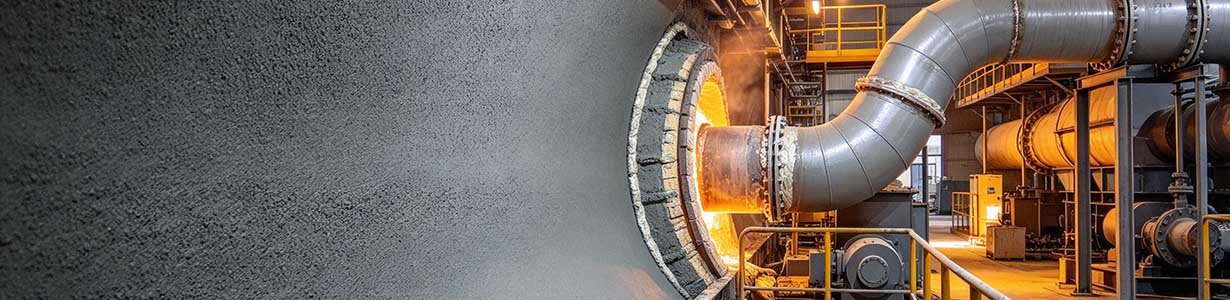


    Compatibility of potassium silicate with organic resins showing silane coupling and emulsion stabilization for hybrid coatings


    Common misunderstandings about the formula of potassium silicate-based inorganic coatings


    1. Misconception:

    The compatibility of potassium silicate with organic resins allows potassium silicate to be randomly mixed with acrylic emulsion. → In reality, strong alkalinity will break the emulsion; a special sol-silicate system is required.

    2. Misconception:

    The thicker the coating, the better the protection effect. → Thick coating brings huge curing shrinkage stress, is prone to cracking, must apply thin multiple layers.

    3. Misconception:

    The natural cured film of pure potassium silicate is waterproof. → The original silanol hydroxyl is hydrophilic, must be modified to improve the water resistance of potassium silicate, otherwise it will turn white when exposed to water.

    4. Misconception:

    All substrates can directly apply potassium silicate coatings. → It is only suitable for porous mineral substrates; smooth substrates and residual organic paint layers require pre-treatment.


    FAQ | Frequently Asked Questions about Potassium Silicate-Based Inorganic Coatings


    Q1: What are the differences between potassium silicate and potassium silicate in inorganic coatings?

    A: Potassium silicate has a lower risk of salt precipitation and a better water resistance after curing; potassium silicate has a lower cost, but is prone to sodium salt precipitation and whitening when exposed to water. The preferred system for exterior wall mineral coatings is the potassium silicate one.


    Q2: Why does the potassium silicate inorganic coating crack? Is it mainly a problem with the potassium silicate itself or the construction method?

    A: Both can be the cause. In the formula, the modulus is not appropriate, the filler ratio is unbalanced; in the construction, single thick coating, excessive moisture content of the substrate, inappropriate temperature and humidity, all can induce micro cracks, it is necessary to simultaneously check the formula and on-site construction parameters.


    Q3: What is the principle of the vapor permeability of potassium silicate-based inorganic coatings? Will it seep water?

    A: The cured coating film has micrometer-sized pores that allow water vapor molecules to pass through, but the surface tension of liquid water cannot penetrate. A qualified modified system can achieve “breathability without water penetration”, while pure potassium silicate without modification has insufficient water resistance.


    Conclusion


    Silicate potassium serves as the core adhesive of the potassium silicate inorganic coating; its performance is entirely derived from the fundamental chemical logic of the inorganic silification reaction: irreversible chemical film formation and chemical bonding anchoring of the mineral substrate. However, it also brings about inherent drawbacks such as curing shrinkage cracking, native hydrophilicity, and poor compatibility with organic substances.


    In the process of formula development and engineering application, one should not only focus on advantages such as weather resistance, A-level fire resistance, and mold prevention, but also need to face up to its limitations. By adjusting the modulus, selecting curing agents, performing surface modification, and standardizing construction techniques, one can balance the performance. Whether it is for building exterior walls, cultural relic restoration, or high-temperature protection coatings, the selection of the project requires a comprehensive assessment of the silicate potassium system based on the substrate, climate environment, and formula cost.


    If you are conducting research on inorganic coating formulas or need to evaluate the selection of silicate potassium products for engineering projects, please leave your contact information. We can have in-depth discussions on technical details such as modulus adjustment, curing systems, modification schemes, and on-site construction control.


    for more information ,please visit our facebook page
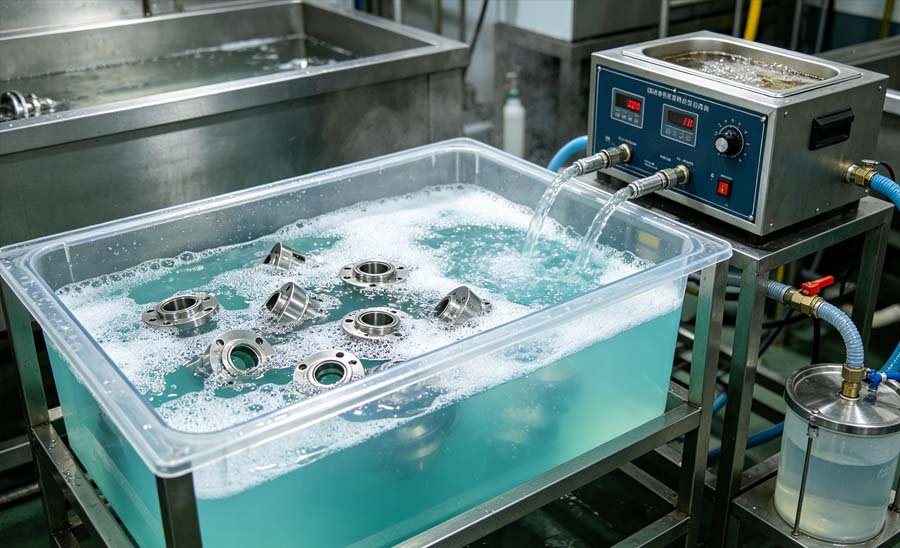
  • Sodium Silicate for Industrial Cleaning Agents | Builder & Anti-Corrosion Compound

    Sodium Silicate for Industrial Cleaning Agents | Builder & Anti-Corrosion Compound

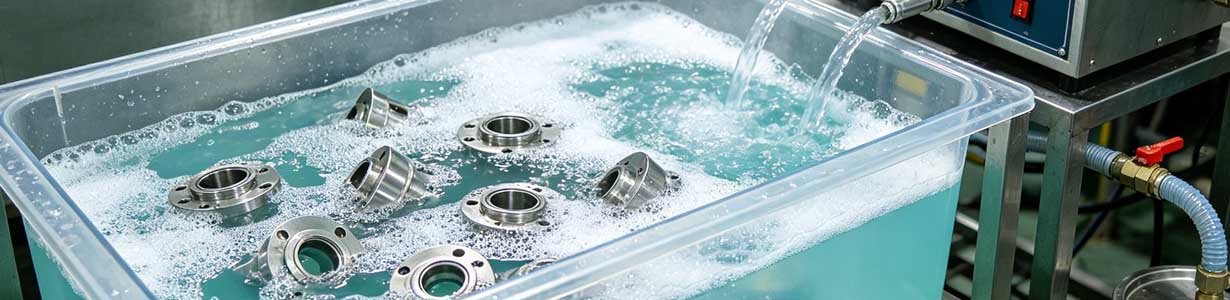
    Sodium silicate for industrial cleaning agents showing metal degreasing and alkaline cleaning with corrosion protection properties


    Sodium Silicate for Industrial Cleaning Agents: Builder, Formulation and Anti-Corrosion Performance


    Sodium silicate is a well-established raw material in the production of industrial cleaning agents. It functions primarily as a builder, improving the overall detergency of alkaline cleaner systems while helping to protect metal surfaces from excessive corrosion. For manufacturers of industrial cleaning agents, sodium silicate for industrial cleaning agents offers a cost-effective way to balance cleaning power, formulation stability and metal compatibility.

    This article explains how sodium silicate is used in industrial cleaning agents, why it cannot serve as a standalone detergent, how typical alkaline formulations are prepared, and what performance benefits it delivers in metal degreasing applications.


    Recommended Sodium Silicate Solution


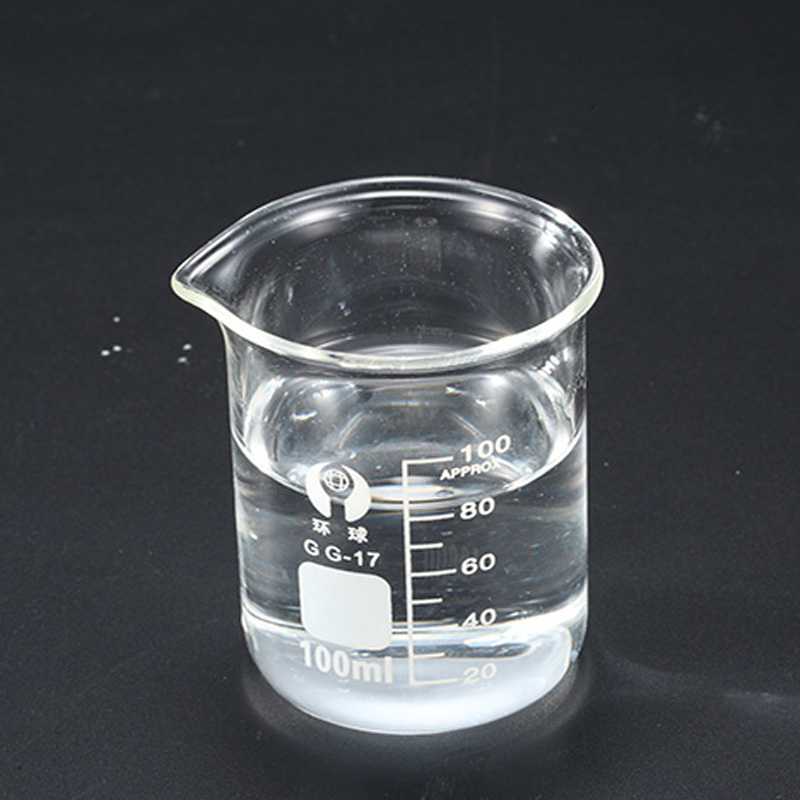
    Liquid potassium water glass clear viscous solution in glass container with CAS 1312-76-1 for coatings and electrode applications


    Liquid Sodium Silicate Modulus 2.2-2.4

      
    High-quality liquid sodium silicate modulus 2.2-2.4 and 50° Bé concentration. Suitable for detergents, foundry, refractory materials, construction chemicals and industrial applications. Custom specifications available from an experienced manufacturer and exporter.  


    Why Sodium Silicate Is Used as a Builder in Industrial Cleaners


    Sodium silicate is not a surfactant. It does not form micelles or directly emulsify oily soil on its own. Instead, it works as a sodium silicate builder — an auxiliary component that enhances the performance of the primary detergent system.

    In industrial cleaning agents, a sodium silicate builder contributes in several ways:

    ·Alkalinity buffering: It helps maintain a stable alkaline pH, which is essential for saponifying fats and dispersing oily soils.

    ·Soil dispersion: Silicate species can adsorb onto solid particles and help keep them suspended in the cleaning bath, preventing redeposition.

    ·Corrosion inhibition: It forms a thin protective film on certain metal surfaces, reducing attack by alkaline components.

    ·Cost efficiency: As an economical inorganic builder, it reduces the required dosage of more expensive surfactants and chelating agents.

    Because of these functions, sodium silicate is commonly found in alkaline cleaners for sodium silicate metal degreasing, bottle washing, floor cleaning and heavy-duty industrial maintenance.


    Alkaline industrial cleaner formulation with sodium metasilicate builder surfactant and chelating agents for heavy duty degreasing


    Sodium Silicate Cannot Work Alone as a Primary Detergent


    Although sodium silicate is valuable as a builder, it cannot serve as a primary detergent on its own. A cleaning agent based only on sodium silicate would have limited ability to emulsify grease, wet surfaces or remove complex organic soils.

    To achieve real detergency, sodium silicate for industrial cleaning agents must be compounded with:

    ·Surfactants — to reduce surface tension, wet surfaces and emulsify oils

    ·Chelating agents — to bind calcium, magnesium and other hardness ions

    ·Other builders — such as sodium hydroxide and sodium tripolyphosphate (STPP)

    ·Dispersants — to prevent soil redeposition

    By adjusting pH values and adding appropriate dispersants, formulators can manufacture a composite cleaning agent that combines strong detergency with sodium silicate anti-corrosion performance. This is the core reason sodium silicate is almost always used in multi-component systems rather than as a single-ingredient cleaner.


    Typical Alkaline Industrial Cleaner Formulation


    A typical alkaline industrial cleaner formulation for metal surface degreasing may include the following raw materials:


    ComponentFunction
    Sodium silicate solutionBuilder, corrosion inhibitor
    Sodium hydroxide (NaOH)Alkali source, saponification
    Sodium tripolyphosphate (STPP)Chelating / sequestering builder
    SurfactantsWetting, emulsification, detergency
    DispersantsPrevent soil redeposition
    WaterSolvent / carrier


    Typical compounding procedure for an alkaline industrial cleaner formulation:


    1.Charge water and sodium silicate solution into a mixing vessel.

    2.Add sodium hydroxide and sodium tripolyphosphate proportionally.

    3.Heat the mixture to approximately 80 °C with continuous stirring.

    4.Maintain stirring and reaction until a homogeneous alkaline cleaner concentrate is obtained.

    5.Cool, filter if necessary, and package.

    The exact ratios depend on the target application — whether the cleaner is intended for spray cleaning, immersion degreasing, ultrasonic cleaning or manual wiping. Formulators typically adjust the silicate-to-alkali ratio to balance cleaning strength against metal compatibility.


    How the Compounding Process Reduces Precipitation Risk


    One practical challenge with sodium silicate is its tendency to precipitate or form gels under certain conditions, especially when mixed with hard water or incompatible ingredients. The compounding process helps reduce this inherent precipitation risk in several ways:

    ·Controlled addition order:Adding silicate into an alkaline medium with proper stirring prevents localized high-concentration zones.

    ·Chelating agents:STPP and other chelators bind hardness ions that could otherwise react with silicate.

    ·pH control:Maintaining a stable alkaline pH keeps silicate species soluble and active.

    ·Dispersants:These help keep silicate and soil particles dispersed rather than flocculating.

    As a result, the finished product remains stable during storage and dilution, and delivers consistent performance in the cleaning bath.


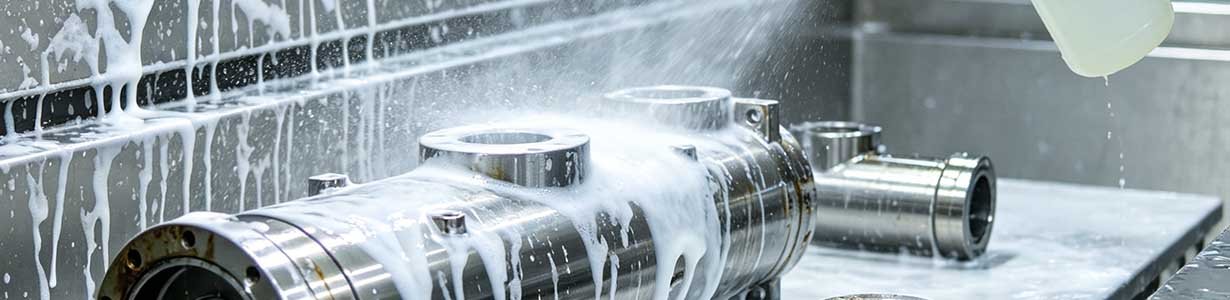
    Sodium silicate metal degreasing showing alkaline cleaning bath with saponification emulsification and corrosion protection mechanism


    Degreasing Performance on Metal Surfaces


    The finished alkaline cleaner effectively emulsifies grease and removes oily soil from metal surfaces. For sodium silicate metal degreasing, the mechanism combines:

    ·Saponification of animal and vegetable fats by sodium hydroxide

    ·Emulsification of mineral oils and synthetic greases by surfactants

    ·Dispersion of solid particles and pigments by silicate and dispersants

    ·Wetting of metal surfaces to allow the cleaning solution to penetrate soil layers

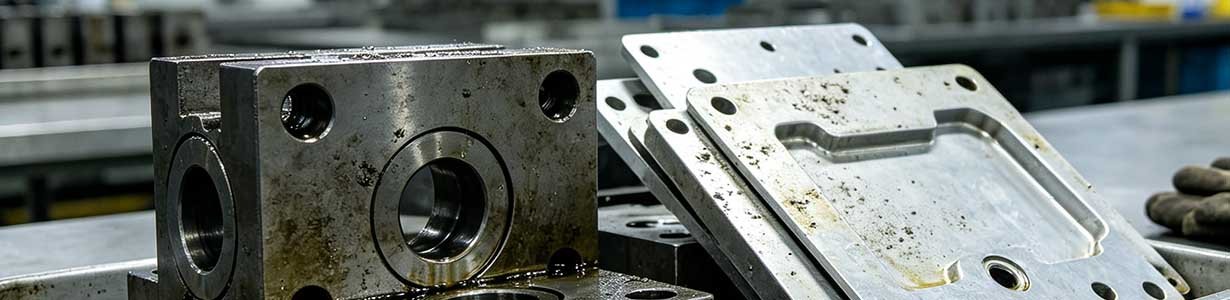
    This makes sodium silicate–based alkaline cleaners suitable for degreasing steel, stainless steel, cast iron and other ferrous metal surfaces in applications such as:

    ·Parts washing and immersion degreasing

    ·Workshop floor and equipment cleaning

    ·Bottle and container washing

    ·Maintenance cleaning in manufacturing plants


    Protecting Amphoteric Metals: Aluminum and Zinc


    One of the most important advantages of sodium silicate in alkaline cleaning agents is its ability to protect amphoteric metals such as aluminum and zinc.

    These metals are sensitive to strong alkaline solutions because they can dissolve in both acidic and alkaline environments. Without proper inhibition, a highly alkaline cleaner may cause:

    ·Surface etching

    ·Discoloration

    ·Excessive weight loss

    ·Pitting corrosion

    Sodium silicate helps form a protective silicate film on the metal surface, which significantly reduces excessive corrosion. This sodium silicate anti-corrosion effect allows formulators to use alkaline chemistry for effective degreasing while keeping aluminum and zinc parts within acceptable corrosion limits.

    For cleaning agents used on mixed-metal assemblies — where steel, aluminum and zinc may be present together — this anti-corrosion performance is a critical requirement in any alkaline industrial cleaner formulation.


    Why Choose Our Sodium Silicate for Cleaning Agent Production


    We supply sodium silicate solutions suitable for the production of alkaline industrial cleaning agents. Our product can be used as a sodium silicate builder in formulations containing surfactants, chelating agents, sodium hydroxide and sodium tripolyphosphate.

    Benefits for cleaning agent manufacturers include:

    ·Consistent composition and stable supply

    ·Suitable for compounding at around 80 °C

    ·Good compatibility with common alkaline cleaner raw materials

    Support for alkaline industrial cleaner formulation and technical troubleshooting

    Whether you are developing a new alkaline degreaser or improving an existing metal cleaning product, sodium silicate for industrial cleaning agents can help you achieve the right balance of detergency, stability and anti-corrosion protection.


    Contact Us for Sodium Silicate Supply and Technical Exchange


    Manufacturers of industrial cleaning agents:if you require sodium silicate for your production, please leave your contact information. We welcome technical exchanges on formulation design, dosage optimization and application-specific performance.

    Our team can provide:

    Product specifications and samples

    Recommended dosage ranges for alkaline cleaner systems

    Technical support on compounding and stability

    Supply coordination for ongoing production

    Leave your contact information today — let’s discuss how sodium silicate for industrial cleaning agents can improve your formulations.


    Request a TDS  |  Request a Sample  |  Get a Quote

  • lithium silicate liquid Modulus 4.7-4.8

    lithium silicate liquid Modulus 4.7-4.8

    What is Lithium Silicate Liquid Modulus 4.7-4.8

    Lithium silicate, also known as concentrated lithium silicate, lithium water glass or lithium silicate solution, is a high-performance water-based inorganic silicate material widely utilized in high-end construction, new chemical materials, anti-corrosion coating and refractory industries worldwide.

    As a professional lithium silicate factory and reliable lithium silicate solution supplier, Sanlee Chemical specializes in manufacturing high-purity concentrated lithium silicate with stable chemical indicators and consistent batch quality. Our premium lithium silicate features a precisely calibrated silica-lithium oxide ratio and can be customized to meet diverse industrial production standards, fully catering to bulk procurement and customized demands from global clients seeking stable and high-quality lithium silicate solution products.

    Our lithium silicate is produced through precise batching, high-temperature polymerization, low-temperature concentration filtration and multi-stage impurity removal processes. It presents a clear and uniform liquid state with ultra-low impurity content, stable chemical activity, excellent film-forming performance and outstanding permeability. Different from traditional sodium silicate, lithium silicate features mild alkalinity, no efflorescence, superior weather resistance and high-temperature stability, serving as a high-quality core raw material for high-standard industrial manufacturing and engineering construction.


    Introduction to Lithium Silicate


    Lithium silicate solution is a refined inorganic silicate aqueous solution processed by concentration, purification and precise molecular ratio adjustment. It is the upgraded environmental-friendly version of traditional water glass materials.

    Under standard room temperature and atmospheric pressure, our lithium silicate solution is colorless and transparent or slightly pale yellow homogeneous liquid, with no precipitation and no stratification. It boasts excellent permeability, self-drying and film-forming ability, strong bonding strength, remarkable anti-corrosion, high-temperature resistance and weather resistance.

    Compared with other silicate solutions, lithium silicate avoids white efflorescence on the surface of finished products, features low shrinkage and high compactness, and is convenient for transportation, storage and on-site construction without leakage and deterioration risks. As a professional lithium silicate factory and lithium silicate solution supplier, we strictly control every production link to ensure stable viscosity, modulus and concentration of each batch of lithium silicate, delivering high-cost-performance products for global industrial users.


    CAS Number


    CAS No.: 10102-24-0


    Chemical Formula


    General chemical formula: Li₂O·nSiO₂; Our lithium silicate adopts an accurately calibrated molar ratio of silicon dioxide and lithium oxide. The molecular structure of lithium water glass is uniform and stable across all production batches, completely avoiding performance fluctuations and quality instability in downstream application and processing.

  • Potassium Silicate Powder Modulus 3.1-3.3

    Potassium Silicate Powder Modulus 3.1-3.3

    What is Instant Potassium Silicate Powder Modulus 3.1-3.3?


    Potassium silicate powder, also known as instant potassium silicate powder, dry potassium silicate powder or potassium water glass powder, is a high-performance water-soluble inorganic silicate raw material widely utilized in advanced chemical, construction, refractory, agricultural and environmental protection industries worldwide. As a typical water soluble potassium silicate powder, it features ultra-fast dissolution speed and stable chemical properties, serving as a core functional material in multiple high-precision industrial scenarios.

    Sanlee Chemical is a professional potassium silicate powder manufacturer and reliable global supplier, specializing in high-purity dry potassium silicate powder with stable chemical indicators and consistent batch quality. Our customized instant potassium silicate powder supports adjustable modulus specifications, fully meeting large-scale standardized production needs of global purchasers looking for premium potassium silicate powder for concrete, refractory manufacturing and fine chemical processing. We provide strict quality control systems and flexible customization solutions for bulk order clients worldwide.

    This potassium water glass powder is produced through high-temperature fusion, precise dehydration, ultrafine grinding and multi-stage impurity purification processes. It features uniform ultrafine particle size, extremely low insoluble impurities and heavy metal content, excellent water solubility and long-term stable chemical activity. Different from ordinary silicate powder, our water soluble potassium silicate powder can dissolve rapidly in normal-temperature water without heating, no agglomeration, no residual precipitation, making it a high-quality foundational raw material for various industrial production processes.


    Introduction to Potassium Silicate Powder


    Commonly named dry potassium silicate powder, instant potassium silicate powder or potassium water glass powder, potassium silicate powder is a solid powdery inorganic silicate material processed by deep dehydration and ultrafine crushing of liquid potassium silicate. It completely retains the excellent chemical properties of liquid potassium silicate while overcoming the defects of liquid products such as inconvenient transportation, easy leakage and short storage period.

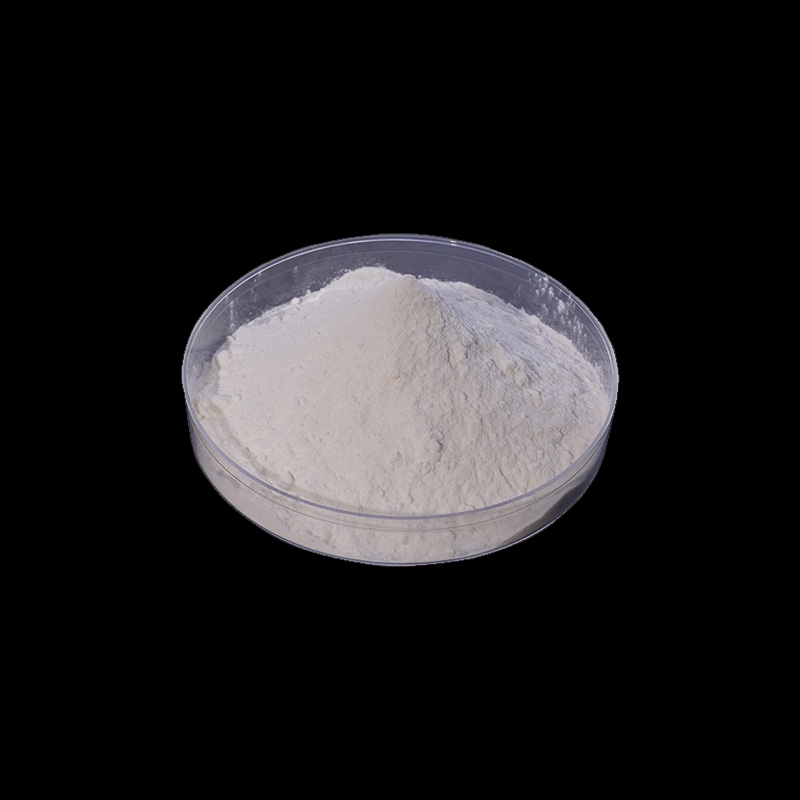
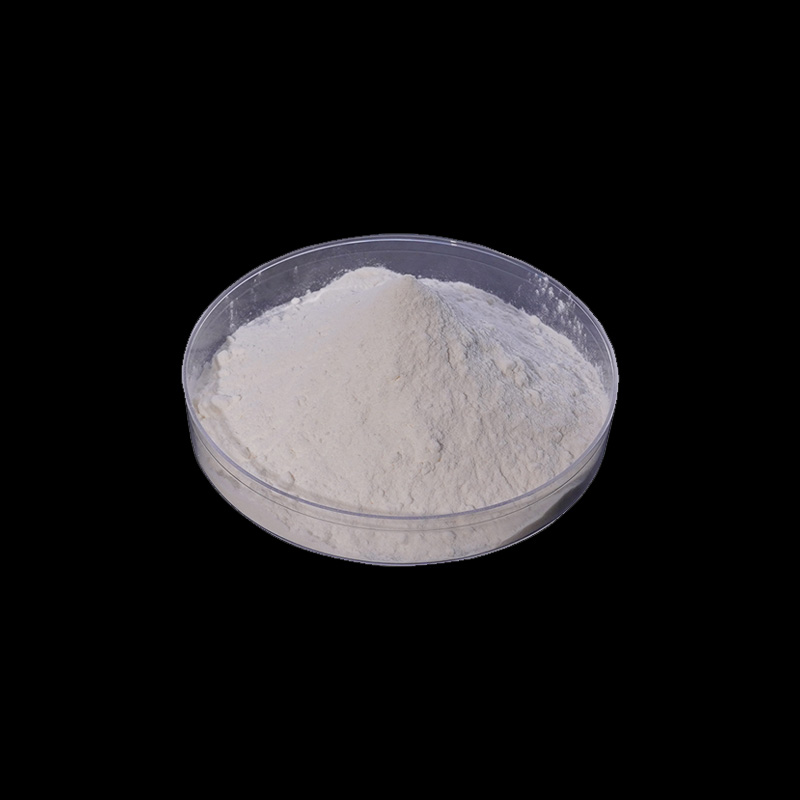
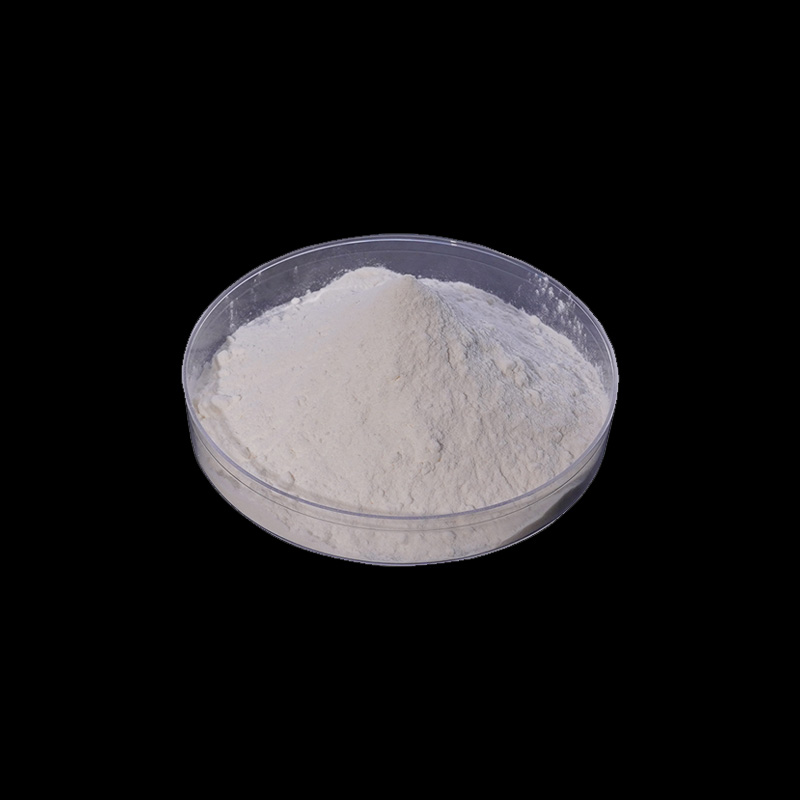
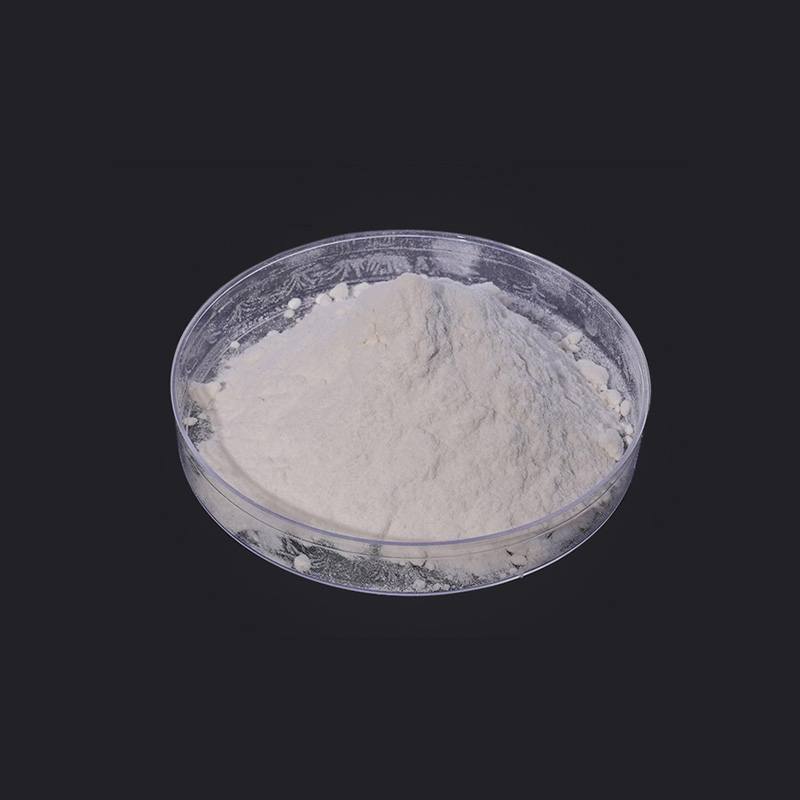
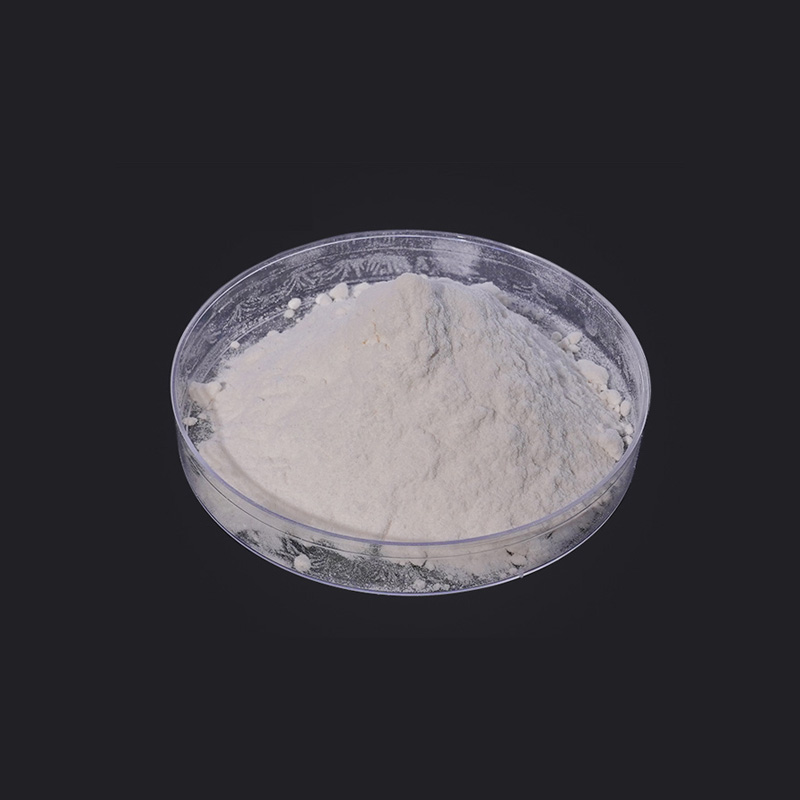
    Under standard room temperature and atmospheric pressure, it appears as white or off-white free-flowing fine powder, with excellent bonding strength, rapid hardening performance, outstanding weather resistance, water resistance and corrosion resistance. Compared with sodium silicate powder, this water soluble potassium silicate powder has better alkali stability, stronger permeability and anti-efflorescence performance, especially suitable for high-standard construction reinforcement and high-temperature resistant material production. Our mainstream instant potassium silicate powder maintains a balanced silica-potassium oxide molar ratio, moderate reaction activity and stable physical and chemical indexes. It covers all mainstream application scenarios of powdered potassium silicate, winning long-term recognition and stable orders from global manufacturers with reliable batch consistency, high cost performance and diversified packaging options for bulk buyers.


    CAS Number


    CAS No.: 1312-76-1


    Chemical Formula


    General chemical formula: K₂O·nSiO₂; Our instant potassium silicate powder and dry potassium silicate powder adopt precisely calibrated silica and potassium oxide molar ratio. The molecular structure of each production batch is uniform and stable, effectively avoiding product performance fluctuations in downstream industrial applications, and ensuring stable reaction efficiency and finished product quality for end users.

  • Potassium Silicate Powder Modulus 2.7-2.9

    Potassium Silicate Powder Modulus 2.7-2.9

    What is powdered potassium silicate?

    Powdered potassium silicate, also called dry potassium silicate powder or instant potassium silicate powder, is a high-performance solid powdery inorganic silicate raw material widely utilized in fine chemical, refractory, agricultural, coating and environmental protection industries worldwide.

    Compared with sodium silicate powder, industrial potassium silicate powder features better thermal stability, stronger weather resistance and non-toxic, soil-friendly properties, making it an upgraded industrial silicate material for high-end manufacturing scenarios.

    As a professional potassium silicate powder factory, we specialize in the R&D, production and supply of high-purity bulk potassium silicate powder and soluble potassium silicate powder with stable chemical indicators and consistent batch quality.

    Our powdered potassium silicate powder supports customized modulus and technical specifications, fully meeting the diversified mass production and high-standard application demands of global clients who seek reliable industrial potassium silicate powder suppliers.

    Our premium potassium silicate powder is produced through strict high-temperature fusion, precise dehydration, ultrafine grinding and multi-stage impurity removal processes. The finished soluble potassium silicate powder boasts uniform fine particle size, ultra-low heavy metal and insoluble impurity content, excellent instant solubility in cold water without heating, and long-term stable chemical activity. With superior gelling, bonding and catalytic properties, it has become an indispensable foundational raw material for high-end industrial and agricultural production.


    Introduction to Potassium Silicate Powder


    Potassium silicate powder is a free-flowing solid powdery silicate material processed by deep dehydration and ultrafine crushing of liquid potassium silicate. Under normal temperature and pressure conditions, it appears as white or off-white fine powder, with outstanding adhesive strength, rapid curing performance, excellent high-temperature resistance and corrosion resistance.

    Different from liquid potassium silicate, our bulk potassium silicate powder features convenient transportation and storage, completely avoiding liquid leakage, deterioration and freezing problems.

    Our mainstream powdered potassium silicate adopts a scientifically balanced silica-potassium oxide molar ratio, with moderate dissolving speed, high chemical activity and strong formula compatibility.

    With stable quality, high cost performance and flexible packaging options, our industrial potassium silicate powder has won wide recognition and consistent positive feedback from global manufacturers and agricultural processing enterprises.


    CAS Number


    CAS No.: 1312-76-1


    Chemical Formula


    General chemical formula: K₂O·nSiO₂; Our customized powdered potassium silicate series features accurately calibrated molar ratios of silicon dioxide and potassium oxide. Each batch of soluble potassium silicate powder maintains uniform molecular structure and stable chemical properties, effectively eliminating performance fluctuations and ensuring stable downstream production effects.

  • Potassium Silicate Powder Modulus 2.4-2.5

    Potassium Silicate Powder Modulus 2.4-2.5

    What is Potassium Silicate Powder (Dry Potassium Silicate Powder / Powder Water Glass) Modulus 2.4-2.5?


    Potassium silicate powder, also called dry potassium silicate powder or powder water glass, is a solid powdery inorganic silicate raw material widely utilized in global fine chemical, agricultural, refractory and industrial manufacturing fields. As a high-performance industrial potassium silicate powder, it features stable chemical properties and versatile functional characteristics, becoming an essential foundational material in multiple industrial scenarios.

    Sanlee Chemical is a professional potassium silicate powder manufacturer and reliable potassium silicate powder supplier, specializing in the production and supply of high-purity dry potassium silicate powder with stable and standardized chemical indicators.

    Our core modulus 2.4-2.5 potassium silicate powder can support customized specifications to meet diverse large-scale production needs of global manufacturers. We provide high-quality potassium silicate in powder form with strict quality control, serving bulk purchasers and industrial processing clients worldwide.

    This powder water glass is produced through rigorous processes including high-temperature fusion, precise dehydration, fine grinding and multi-stage impurity filtration. With uniform ultrafine particle size, ultra-low heavy metal and insoluble impurity content, fast water solubility and long-term stable chemical activity, our industrial potassium silicate stands out as a premium raw material for countless industrial production processes.


    Introduction to Potassium Silicate Powder


    Potassium silicate powder is a free-flowing solid powdery water glass processed by deep dehydration and ultrafine crushing of liquid potassium silicate. This mature potassium silicate in powder form effectively solves the leakage, transportation and storage pain points of liquid water glass, with higher convenience for long-distance transportation and long-term warehouse storage.

    Under standard room temperature and atmospheric pressure, it appears as white or off-white fine free-flowing powder, possessing excellent adhesive strength, rapid hardening performance, superior acid resistance, corrosion resistance and high-temperature stability.

    Our flagship modulus 2.4-2.5 industrial potassium silicate features a balanced silica-potassium oxide molar ratio, moderate dissolution rate and excellent chemical reactivity. With stable batch quality, high cost performance and flexible packaging solutions, it covers almost all mainstream application scenarios  and has won consistent praise from global clients, making us a trustworthy potassium silicate powder manufacturer and supplier for bulk procurement.


    CAS Number


    CAS No.: 1312-76-1


    Chemical Formula


    General chemical formula: K₂O·nSiO₂; Our modulus 2.4-2.5 dry potassium silicate powder adopts a precisely calibrated molar ratio of silicon dioxide and potassium oxide. Every production batch maintains uniform molecular structure and stable chemical indicators, completely avoiding product performance fluctuations that affect downstream industrial production.

  • Solid Potassium Silicate Modulus 3.1-3.3

    Solid Potassium Silicate Modulus 3.1-3.3

    What is Solid Potassium Silicate Modulus 3.1-3.3?


    Solid potassium silicate is a water-soluble anhydrous inorganic silicate solid widely applied across diversified industrial sectors.

    Sanlee Chemical acts as a professional solid potassium silicate manufacturer and trusted potassium silicate solid supplier, supplying high-purity industrial anhydrous potassium silicate with steady chemical performance. Our customized solid potassium silicate modulus 3.1-3.3 fully satisfies all kinds of industrial production requirements, and our soluble potassium silicate solid boasts consistent quality across batches.

    This solid silicate material is manufactured under precise high-temperature fusion and cooling processes, uniform particle distribution, ultra-low heavy metal impurities and stable molecular structure, serving as a premium raw material for countless industrial production processes.


    Introduction to Solid Potassium Silicate


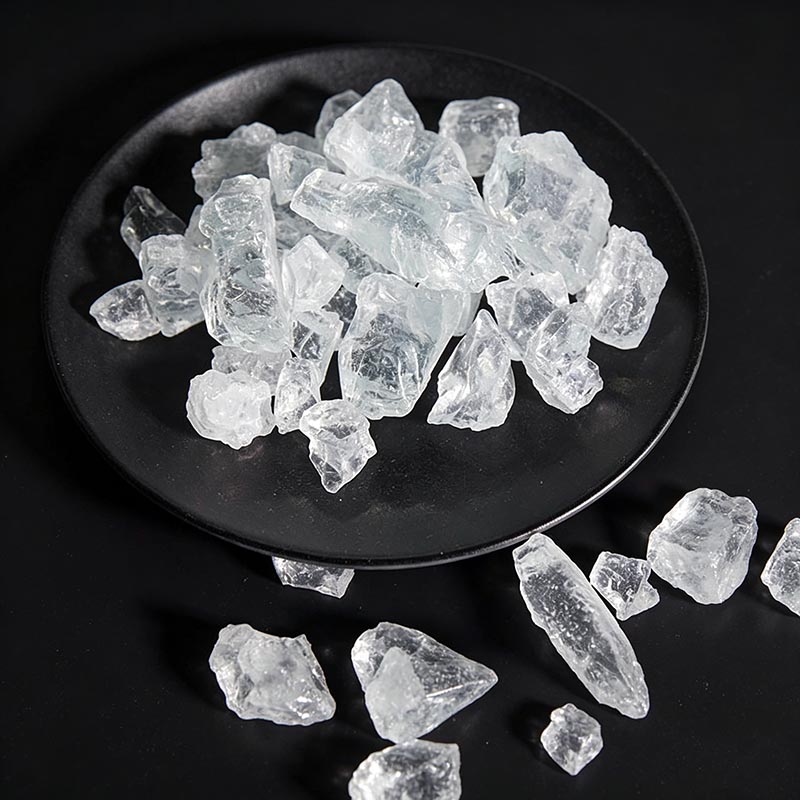
    Also named potassium water glass solid, solid potassium silicate is anhydrous potassium silicate formed by melting silica sand and potash at high temperature without adding water solvent.

    It presents as white or off-white granular/block solid at ambient temperature, featuring outstanding bonding strength, rapid water solubility, high-temperature fire resistance and chemical inertness.

    Our mainstream modulus 3.1-3.3 soluble potassium silicate solid owns balanced silica-potassium oxide molar ratio and fast dissolution rate, compatible with most mainstream industrial formulas. Global manufacturers highly approve our potassium silicate solid for stable batch consistency and competitive cost efficiency.


    CAS Number


    CAS No.: 1312-76-1


    Chemical Formula


    General chemical formula: K₂O·nSiO₂; Our solid potassium silicate modulus 3.1-3.3 adopts accurately calibrated molar ratio of silicon dioxide to potassium oxide, maintaining stable molecular composition and uniform performance of every production lot.


    Core Feature Advantages


    With unique inherent physical and chemical traits, anhydrous potassium silicate fits a wide range of industrial application scenarios:

    Powerful bonding capacity: Once dissolved into aqueous solution, soluble potassium silicate solid forms strong alkaline binder that tightly adheres sand, mineral powder, fiber and inorganic fillers.

    Superior high-temperature & fireproof performance: High softening point, non-combustible and heat-insulating, ideal for refractory products and inorganic fire retardant materials.

    Excellent chemical corrosion resistance: Resists erosion of weak acid, alkali and saline medium, long service life under harsh working conditions.

    Eco-friendly non-toxic inorganic raw material: No volatile irritant gas, harmless to human body and ecological environment, safe for agricultural, construction and food-contact auxiliary applications.

  • Powdered Sodium Silicate Modulus 2.8-2.9

    Powdered Sodium Silicate Modulus 2.8-2.9

    What is Easy Dissolving Sodium Silicate Powder Modulus 2.8-2.9?


    Dry sodium silicate powder (CAS 1344-09-8) is a white off-white free-flowing inorganic powder with moderate hygroscopicity that requires sealed moisture-proof storage. As easy dissolving sodium silicate powder, it dissolves rapidly in cold and warm water within minutes without heating, generating homogeneous alkaline aqueous solutions with a pH range of 11.5–12.5. Available as bulk sodium silicate powder for large-scale industrial procurement, this high purity sodium silicate powder gains wide recognition across light industry, construction and water treatment sectors thanks to its convenient dissolution, stable formula and cost-efficient bulk supply.

    Easy dissolving sodium silicate powder modulus 2.8-2.9 is a medium-modulus dry sodium silicate powder refined from traditional solid water glass raw materials. Featuring a moderate molar ratio of silica to sodium oxide, this high purity sodium silicate powder fills the market demand for medium-modulus bulk sodium silicate powder, tailored for general industrial scenarios requiring balanced bonding strength, moderate heat resistance and mild chemical reactivity.

    Though its high-temperature strength and curing hardness are lower than high-modulus 3.1–3.3 grades, modulus 2.8-2.9 dry sodium silicate powder delivers well-balanced comprehensive performance with lower raw material cost. Its mature application system covers daily chemical cleaning, ordinary construction bonding, light foundry and water purification. The mainstream optimization directions include low-dust granulation modification, anti-caking coating treatment for bulk sodium silicate powder, and compound blending with surfactants to expand usage in low-foam detergent formulas.


    Introduction to Dry Sodium Silicate Powder


    Modulus stands for the molar ratio of silicon dioxide to sodium oxide inside sodium silicate, which dominates all core physical and chemical performance indicators of dry sodium silicate powder.

    Distinct from high-modulus 3.1–3.3 instant sodium silicate, easy dissolving sodium silicate powder with modulus 2.8-2.9 carries medium silica content, moderate gel forming speed and mild alkalinity, making it safer and easier to compound with most auxiliary chemical raw materials.

    This high purity sodium silicate powder presents uniform fine white powder under normal temperature with minimal agglomeration. As typical easy dissolving sodium silicate powder, it fully dissolves in room-temperature water without heating and leaves almost no insoluble sediment. When purchased as bulk sodium silicate powder, it greatly cuts down unit procurement cost for mass production manufacturers.

    Modulus 2.8-2.9 dry sodium silicate powder solves prominent drawbacks of liquid water glass including short shelf life, high freight cost and low effective solid content. It combines the merits of easy dissolving performance, moderate bonding force, mild corrosion resistance and stable alkaline buffering capacity. Compared with low-modulus 2.0–2.5 sodium silicate powder, it owns better gelation performance and longer service life after curing, becoming the universal bulk sodium silicate powder choice for medium and conventional industrial production lines.


    Core Advantages & Characteristics of High Purity Sodium Silicate Powder (CAS 1344-09-8)


    Outstanding easy dissolving property


    This dry sodium silicate powder adopts loose porous particle structure, which disperses and dissolves quickly once mixed with water. It shortens solution preparation time drastically, lifts downstream production continuity and efficiency, and perfectly matches automatic bulk feeding equipment when ordered as bulk sodium silicate powder.


    Ultra-high purity & stable formula metering


    The solid content of high purity sodium silicate powder approaches 100%, with trace free water and strictly controlled heavy metal & insoluble impurities. It guarantees precise, consistent formulation of downstream finished goods, eliminates batch-to-batch quality fluctuation triggered by impurity interference, and meets strict raw material standards for daily chemical and fine chemical production.


    Superior cost efficiency & storage convenience


    Supplied as dry sodium silicate powder in solid form, bulk sodium silicate powder saves massive expenditure on liquid packaging, tank transportation and cold storage. It occupies less warehouse space and supports long-distance cross-region transportation and long-term sealed storage, greatly lowering overall logistics and inventory expenses for factories.


    Stable alkaline buffering plus powerful emulsification & dispersion


    High purity sodium silicate powder maintains steady weak-to-medium alkaline environment in aqueous system, equipped with premium emulsifying, dispersing and anti-redeposition functions. In detergent manufacturing, it lifts stain removal efficiency; in industrial blending processes, it disperses solid impurities and stabilizes mixed liquid systems, serving as a versatile multi-functional inorganic additive.


    Operation Guidance for Dry Sodium Silicate Powder


    Dissolution operation: Under continuous stirring, add easy dissolving sodium silicate powder into water slowly to prepare uniform mother liquor. The recommended working concentration for daily production ranges from 30% to 50%.

    Storage requirements: Store bulk sodium silicate powder in cool, dry and ventilated warehouses with fully sealed packaging to avoid moisture absorption and powder caking.

    Raw material compatibility: It features excellent synergistic effects when compounded with anionic surfactants, non-ionic surfactants, soda ash, STPP and other conventional inorganic auxiliary agents.

  • Powdered Sodium Silicate Modulus 2.0-2.1

    Powdered Sodium Silicate Modulus 2.0-2.1

    What is Sodium Silicate Powder Modulus 2.0-2.1?


    Sodium silicate powder is a fast-soluble solid inorganic silicate widely adopted across chemical, construction and daily chemical industries.
    Sanlee Chemical acts as a professional sodium silicate powder manufacturer and trustworthy powder sodium silicate manufacturer, we are a top China sodium silicate powder factory supplying high-purity powdered water glass with consistent stability, especially tailor-made low-modulus sodium silicate powder modulus 2.0-2.1 to satisfy varied mass industrial production demands.
     
    This powdered product is produced via high-temperature melting, spray drying and precise screening procedures, boasting fine uniform particle size, ultra-low impurity levels and steady chemical indexes, making it a top-choice raw material for countless downstream manufacturing sectors.


    Introduction to Sodium Silicate Powder


    Also called solid powdered water glass, sodium silicate powder is spray-dried granule made from liquid water glass raw material.
    It presents white free-flowing instant soluble powder at ambient temperature, featuring powerful alkalinity, fast dissolution rate, outstanding bonding and activation performance.
     
    Our flagship low modulus 2.0-2.1 sodium silicate powder delivers strong alkalinity and rapid solubility, perfectly suited for most powder-formulated industrial formulas. As a professional China sodium silicate powder factory, our goods gain wide recognition from worldwide buyers thanks to steady batch quality and competitive cost efficiency.


    CAS Number


    CAS No.: 1344-09-8


    Chemical Formula


    General chemical formula: Na₂O·nSiO₂; Our sodium silicate powder modulus 2.0-2.1 adopts an accurate molar ratio of silicon dioxide and sodium oxide, maintaining stable molecular structure and uniform performance among different production lots.

  • Liquid Sodium Silicate Modulus 2.2-2.4

    Liquid Sodium Silicate Modulus 2.2-2.4

    What is liquid sodium silicate modulus 2.2-2.4?


    Liquid sodium silicate is a water-soluble inorganic silicate solution widely used in the chemical and industrial fields.

    Sanlee Chemical as a professional sodium silicate manufacturer and reliable sodium silicate supplier, we provide high-purity industrial sodium silicate with stable performance, especially the customized liquid sodium silicate modulus 2.2-2.4 that meets diverse industrial production needs.

    This liquid product is refined through strict high-temperature reaction and filtration processes, featuring uniform texture, low impurity content and stable chemical properties, which is the preferred raw material for many industrial manufacturing scenarios.


    Introduction to Liquid Sodium Silicate


    Commonly known as water glass solution, liquid sodium silicate is an aqueous solution formed by dissolving solid sodium silicate in water.

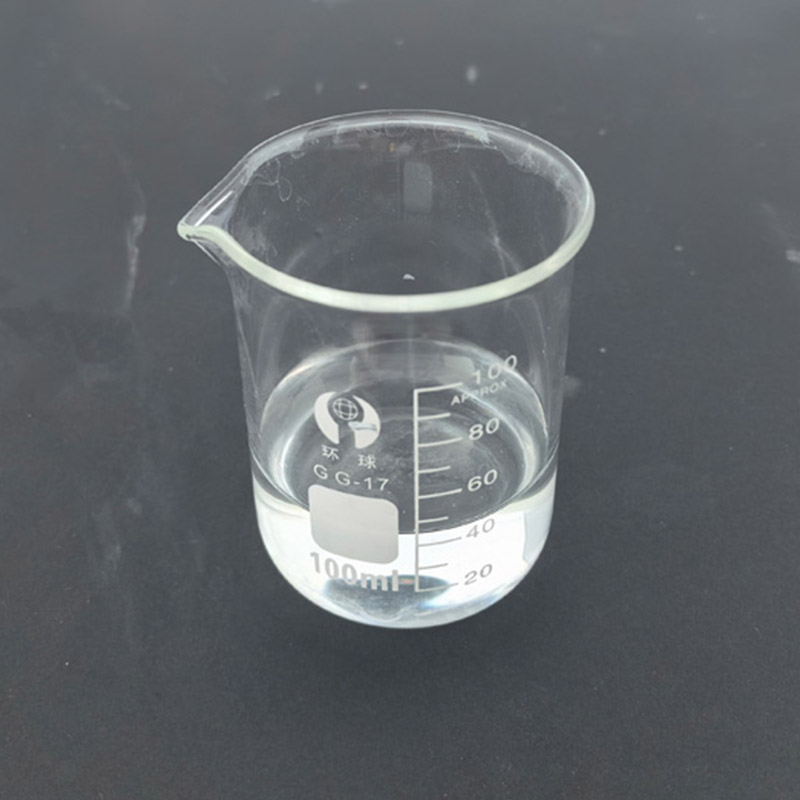
    It appears as a colorless or slightly light blue transparent viscous liquid under normal temperature and pressure, with good adhesion, hardening and anti-corrosion properties.

    Our mainstream 50 degree baume sodium silicate with modulus 2.2-2.4 has moderate viscosity and excellent reactivity, covering most conventional industrial application scenarios, and is widely recognized by global industrial customers for its stable quality and cost performance.


    CAS Number


    CAS No.: 1344-09-8


    Chemical Formula


    General chemical formula: Na₂O·nSiO₂; The specific formula of our liquid sodium silicate modulus 2.2-2.4 is matched according to the precise molar ratio of silica and sodium oxide, with stable molecular structure and consistent product batch performance.