topic: Chemical Resistance

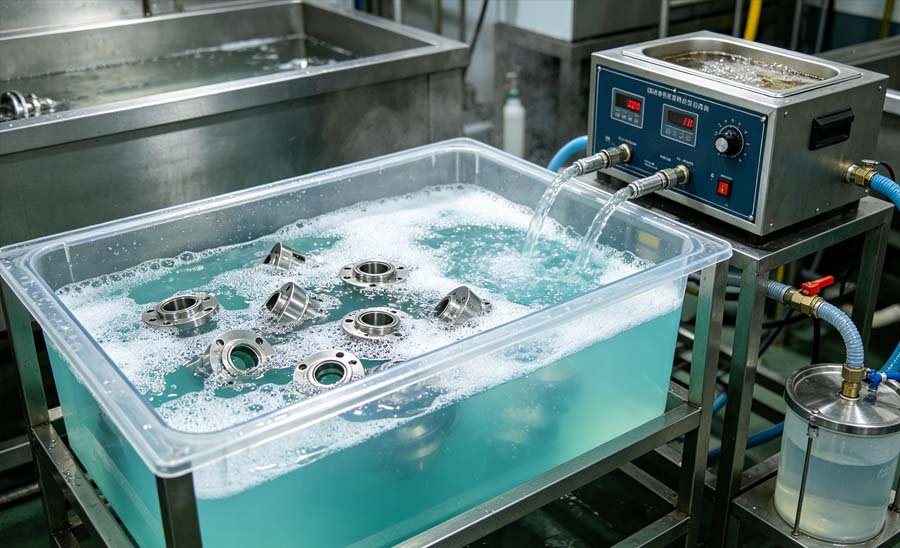
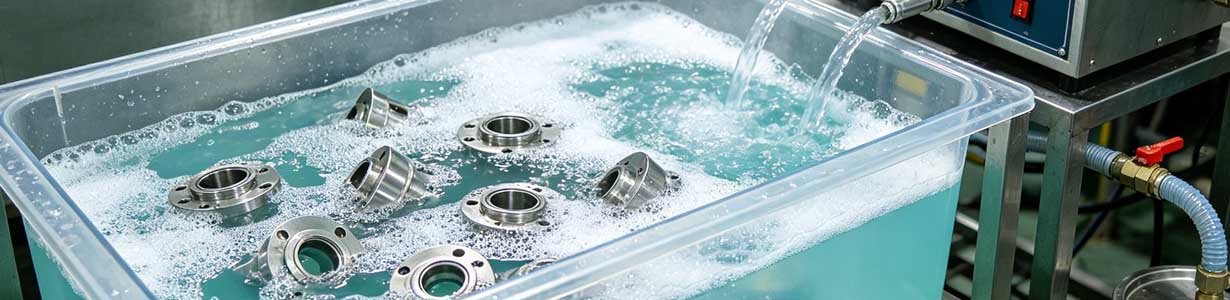
Silicate treatments for enhanced chemical resistance. Our reacted silicate gels form inert barriers on concrete and metal surfaces, protecting against acids, alkalis, salts and industrial chemical spills.

  • Sodium Silicate for Industrial Cleaning Agents | Builder & Anti-Corrosion Compound

    Sodium Silicate for Industrial Cleaning Agents | Builder & Anti-Corrosion Compound

    Sodium silicate for industrial cleaning agents showing metal degreasing and alkaline cleaning with corrosion protection properties


    Sodium Silicate for Industrial Cleaning Agents: Builder, Formulation and Anti-Corrosion Performance


    Sodium silicate is a well-established raw material in the production of industrial cleaning agents. It functions primarily as a builder, improving the overall detergency of alkaline cleaner systems while helping to protect metal surfaces from excessive corrosion. For manufacturers of industrial cleaning agents, sodium silicate for industrial cleaning agents offers a cost-effective way to balance cleaning power, formulation stability and metal compatibility.

    This article explains how sodium silicate is used in industrial cleaning agents, why it cannot serve as a standalone detergent, how typical alkaline formulations are prepared, and what performance benefits it delivers in metal degreasing applications.


    Recommended Sodium Silicate Solution


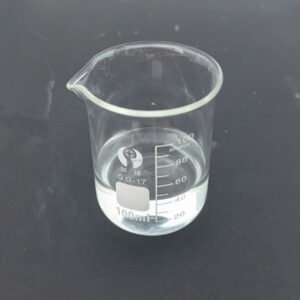
    Liquid potassium water glass clear viscous solution in glass container with CAS 1312-76-1 for coatings and electrode applications


    Liquid Sodium Silicate Modulus 2.2-2.4

      
    High-quality liquid sodium silicate modulus 2.2-2.4 and 50° Bé concentration. Suitable for detergents, foundry, refractory materials, construction chemicals and industrial applications. Custom specifications available from an experienced manufacturer and exporter.  


    Why Sodium Silicate Is Used as a Builder in Industrial Cleaners


    Sodium silicate is not a surfactant. It does not form micelles or directly emulsify oily soil on its own. Instead, it works as a sodium silicate builder — an auxiliary component that enhances the performance of the primary detergent system.

    In industrial cleaning agents, a sodium silicate builder contributes in several ways:

    ·Alkalinity buffering: It helps maintain a stable alkaline pH, which is essential for saponifying fats and dispersing oily soils.

    ·Soil dispersion: Silicate species can adsorb onto solid particles and help keep them suspended in the cleaning bath, preventing redeposition.

    ·Corrosion inhibition: It forms a thin protective film on certain metal surfaces, reducing attack by alkaline components.

    ·Cost efficiency: As an economical inorganic builder, it reduces the required dosage of more expensive surfactants and chelating agents.

    Because of these functions, sodium silicate is commonly found in alkaline cleaners for sodium silicate metal degreasing, bottle washing, floor cleaning and heavy-duty industrial maintenance.
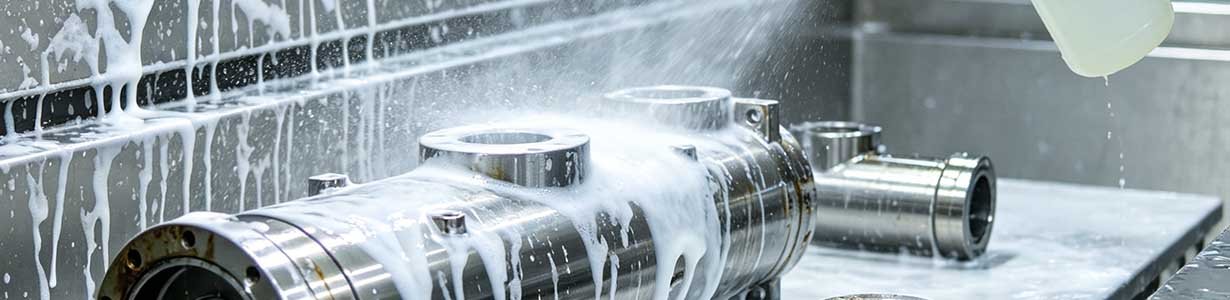
     

    Alkaline industrial cleaner formulation with sodium metasilicate builder surfactant and chelating agents for heavy duty degreasing


    Sodium Silicate Cannot Work Alone as a Primary Detergent


    Although sodium silicate is valuable as a builder, it cannot serve as a primary detergent on its own. A cleaning agent based only on sodium silicate would have limited ability to emulsify grease, wet surfaces or remove complex organic soils.

    To achieve real detergency, sodium silicate for industrial cleaning agents must be compounded with:

    ·Surfactants — to reduce surface tension, wet surfaces and emulsify oils

    ·Chelating agents — to bind calcium, magnesium and other hardness ions

    ·Other builders — such as sodium hydroxide and sodium tripolyphosphate (STPP)

    ·Dispersants — to prevent soil redeposition

    By adjusting pH values and adding appropriate dispersants, formulators can manufacture a composite cleaning agent that combines strong detergency with sodium silicate anti-corrosion performance. This is the core reason sodium silicate is almost always used in multi-component systems rather than as a single-ingredient cleaner.


    Typical Alkaline Industrial Cleaner Formulation


    A typical alkaline industrial cleaner formulation for metal surface degreasing may include the following raw materials:


    ComponentFunction
    Sodium silicate solutionBuilder, corrosion inhibitor
    Sodium hydroxide (NaOH)Alkali source, saponification
    Sodium tripolyphosphate (STPP)Chelating / sequestering builder
    SurfactantsWetting, emulsification, detergency
    DispersantsPrevent soil redeposition
    WaterSolvent / carrier


    Typical compounding procedure for an alkaline industrial cleaner formulation:


    1.Charge water and sodium silicate solution into a mixing vessel.

    2.Add sodium hydroxide and sodium tripolyphosphate proportionally.

    3.Heat the mixture to approximately 80 °C with continuous stirring.

    4.Maintain stirring and reaction until a homogeneous alkaline cleaner concentrate is obtained.

    5.Cool, filter if necessary, and package.

    The exact ratios depend on the target application — whether the cleaner is intended for spray cleaning, immersion degreasing, ultrasonic cleaning or manual wiping. Formulators typically adjust the silicate-to-alkali ratio to balance cleaning strength against metal compatibility.


    How the Compounding Process Reduces Precipitation Risk


    One practical challenge with sodium silicate is its tendency to precipitate or form gels under certain conditions, especially when mixed with hard water or incompatible ingredients. The compounding process helps reduce this inherent precipitation risk in several ways:

    ·Controlled addition order:Adding silicate into an alkaline medium with proper stirring prevents localized high-concentration zones.

    ·Chelating agents:STPP and other chelators bind hardness ions that could otherwise react with silicate.

    ·pH control:Maintaining a stable alkaline pH keeps silicate species soluble and active.

    ·Dispersants:These help keep silicate and soil particles dispersed rather than flocculating.

    As a result, the finished product remains stable during storage and dilution, and delivers consistent performance in the cleaning bath.
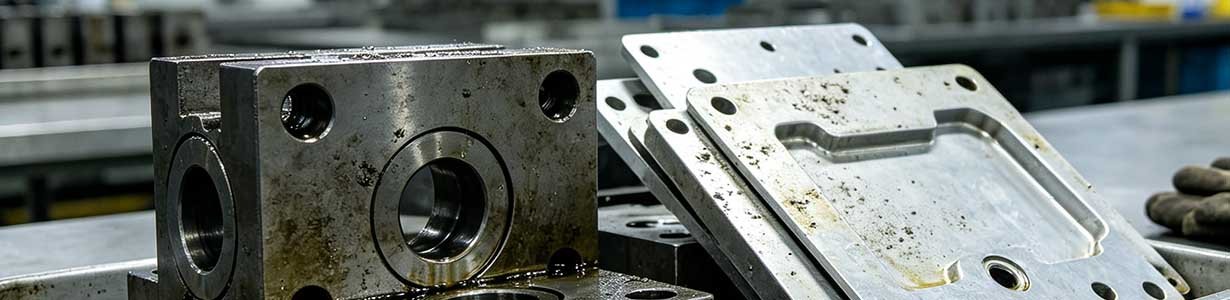
     

    Sodium silicate metal degreasing showing alkaline cleaning bath with saponification emulsification and corrosion protection mechanism


    Degreasing Performance on Metal Surfaces


    The finished alkaline cleaner effectively emulsifies grease and removes oily soil from metal surfaces. For sodium silicate metal degreasing, the mechanism combines:

    ·Saponification of animal and vegetable fats by sodium hydroxide

    ·Emulsification of mineral oils and synthetic greases by surfactants

    ·Dispersion of solid particles and pigments by silicate and dispersants

    ·Wetting of metal surfaces to allow the cleaning solution to penetrate soil layers

    This makes sodium silicate–based alkaline cleaners suitable for degreasing steel, stainless steel, cast iron and other ferrous metal surfaces in applications such as:

    ·Parts washing and immersion degreasing

    ·Workshop floor and equipment cleaning

    ·Bottle and container washing

    ·Maintenance cleaning in manufacturing plants


    Protecting Amphoteric Metals: Aluminum and Zinc


    One of the most important advantages of sodium silicate in alkaline cleaning agents is its ability to protect amphoteric metals such as aluminum and zinc.

    These metals are sensitive to strong alkaline solutions because they can dissolve in both acidic and alkaline environments. Without proper inhibition, a highly alkaline cleaner may cause:

    ·Surface etching

    ·Discoloration

    ·Excessive weight loss

    ·Pitting corrosion

    Sodium silicate helps form a protective silicate film on the metal surface, which significantly reduces excessive corrosion. This sodium silicate anti-corrosion effect allows formulators to use alkaline chemistry for effective degreasing while keeping aluminum and zinc parts within acceptable corrosion limits.

    For cleaning agents used on mixed-metal assemblies — where steel, aluminum and zinc may be present together — this anti-corrosion performance is a critical requirement in any alkaline industrial cleaner formulation.


    Why Choose Our Sodium Silicate for Cleaning Agent Production


    We supply sodium silicate solutions suitable for the production of alkaline industrial cleaning agents. Our product can be used as a sodium silicate builder in formulations containing surfactants, chelating agents, sodium hydroxide and sodium tripolyphosphate.

    Benefits for cleaning agent manufacturers include:

    ·Consistent composition and stable supply

    ·Suitable for compounding at around 80 °C

    ·Good compatibility with common alkaline cleaner raw materials

    Support for alkaline industrial cleaner formulation and technical troubleshooting

    Whether you are developing a new alkaline degreaser or improving an existing metal cleaning product, sodium silicate for industrial cleaning agents can help you achieve the right balance of detergency, stability and anti-corrosion protection.


    Contact Us for Sodium Silicate Supply and Technical Exchange


    Manufacturers of industrial cleaning agents:if you require sodium silicate for your production, please leave your contact information. We welcome technical exchanges on formulation design, dosage optimization and application-specific performance.

    Our team can provide:

    Product specifications and samples

    Recommended dosage ranges for alkaline cleaner systems

    Technical support on compounding and stability

    Supply coordination for ongoing production

    Leave your contact information today — let’s discuss how sodium silicate for industrial cleaning agents can improve your formulations.
     

    Request a TDS  |  Request a Sample  |  Get a Quote

  • Potassium Silicate Applications: Low-Modulus vs High-Modulus Guide (M=2.5~5.0)

    Potassium Silicate Applications: Low-Modulus vs High-Modulus Guide (M=2.5~5.0)

    Potassium silicate modulus value chart showing how SiO2 to K2O ratio determines optimal applications from detergents to fire resistant glass


    Potassium Silicate Applications: How the Modulus Value (M) Determines the Right Choice


    Potassium silicate is a versatile inorganic binder and coating material, but its performance is not one-size-fits-all. The key factor that determines its properties—is the modulus value (M) , defined as the SiO₂/K₂O molar ratio.

    Understanding the difference between low-modulus and high-modulus potassium silicate is essential for selecting the right product for your project. This guide breaks down the typical modulus ranges, their performance characteristics, and their specific application scenarios.


    What Is the Potassium Silicate Modulus Value (M)?


    The modulus value (M) represents the SiO₂/K₂O molar ratio in the potassium silicate solution. It directly influences:

    ·Water solubility

    ·Film-forming behavior

    ·Cross-linking density

    ·Temperature resistance

    ·Cost and stability

    In general, potassium silicate products fall into two categories: low-modulus (M=2.5~3.5) and high-modulus (M=3.5~5.0) .


    Low modulus potassium silicate with high alkalinity fast dissolution for agricultural fertilizer and rapid reaction applications


    Low-Modulus Potassium Silicate (M=2.5~3.5): Versatile and Cost-Effective


    Key Characteristics


    ·High K₂O content: Improves water solubility and reactivity.

    ·Excellent water solubility: Easy to dilute and apply.

    ·Fast film-forming at low temperatures: Ideal for ambient curing.

    ·Cost-effective: Lower raw material cost compared to high-modulus grades.


    Primary Applications


    1.Room-temperature curing coatings – Used as a binder in architectural and protective coatings that cure at ambient conditions.

    2.Construction adhesives – Provides strong bonding for inorganic substrates such as concrete, stone, and ceramics.

    3.Silicon-potassium fertilizer – Widely used in agriculture as a soluble source of potassium and silicon, enhancing plant strength and disease resistance.

    Low-modulus potassium silicate is the preferred choice when solubility, low-temperature curing, and cost efficiency are priorities. These characteristics make it one of the most accessible potassium silicate applications for everyday industrial and agricultural use.


    High modulus potassium silicate with high polymerization thermal stability for refractory coatings and fire resistant glass


    High-Modulus Potassium Silicate (M=3.5~5.0): High-Performance and Heat-Resistant


    Key Characteristics


    ·High SiO₂ content: Increases cross-linking density and mechanical strength.

    ·Temperature resistance up to 800~1000°C: Suitable for extreme heat environments.

    ·Higher price: Reflects the higher silicon content and processing requirements.

    ·Slightly poorer stability: Requires more careful storage and handling compared to low-modulus products.


    Primary Applications


    1.High-temperature resistant coatings – Used in industrial settings where thermal protection is critical, such as exhaust systems and kiln linings.

    2.Precision casting surface coatings – Provides a refractory surface layer for investment casting and mold shells.

    3.Furnace repair materials – Ideal for patching and lining furnaces, boilers, and other high-heat equipment.

    High-modulus potassium silicate is the material of choice when thermal stability, structural integrity, and refractory performance are essential. In these demanding environments, the modulus plays a decisive role in determining the material’s heat resistance and durability.


    Comparison Table: Low-Modulus vs High-Modulus Potassium Silicate


    PropertyLow-Modulus (M=2.5~3.5)High-Modulus (M=3.5~5.0)
    SiO₂/K₂O RatioLowerHigher
    Water SolubilityExcellentGood
    Film-FormingFast at low temperatureRequires higher temperature
    Temperature ResistanceModerate800~1000°C
    Cross-Linking DensityLowerHigher
    CostLowerHigher
    StabilityBetterSlightly poorer
    Typical ApplicationsCoatings, adhesives, fertilizerRefractory coatings, precision casting, furnace repair


    How to Choose the Right SiO₂/K₂O molar ratio of Potassium Silicate for Your Application


    Selecting the correct grade depends on your specific performance requirements:

    Need ambient curing and cost efficiency? → Choose low-modulus.

    Need high-temperature resistance and structural strength? → Choose high-modulus.

    Working with agricultural formulations? → Low-modulus is typically preferred.

    Working with foundry or furnace applications? → High-modulus is the standard.

    If you are unsure which modulus value is best for your project, technical consultation can save time and reduce trial-and-error costs. Matching the right grade to the right potassium silicate applications ensures optimal performance and cost efficiency.


    Conclusion


    The modulus value (M) of potassium silicate is the single most important parameter for matching the material to its application. Low-modulus potassium silicate (M=2.5~3.5) excels in water solubility, low-temperature curing, and cost-sensitive applications such as coatings, adhesives, and fertilizers. High-modulus potassium silicate (M=3.5~5.0) delivers superior heat resistance and cross-linking density for high-temperature coatings, precision casting, and furnace repair.

    By understanding how the SiO₂/K₂O molar ratio affects performance, you can optimize your formulation, reduce costs, and ensure the success of your project. Whether you are developing agricultural fertilizers or refractory coatings, selecting the correct modulus grade is the foundation of successful potassium silicate applications.


    Looking for the Right Potassium Silicate Supplier?


    If you have application demands for potassium silicate—whether low-modulus or high-modulus—please feel free to leave your contact information for further technical communication and cooperation. Our team can help you select the optimal grade based on your specific performance requirements. From agricultural fertilizers to high-temperature refractory coatings, we support the full range of potassium silicate applications.


    Request a TDS  |  Request a Sample  |  Get a Quote

  • Lithium Silicate Densifier WNF-Li-Na-0190

    Lithium Silicate Densifier WNF-Li-Na-0190

    What is Lithium Silicate Floor Densifier?


    A lithium silicate floor densifier is a high-performance water-based penetrating chemical agent specially formulated for concrete floor reinforcement.
     
    Also known as concrete lithium silicate densifier, it differs significantly from traditional sodium and potassium silicate densifiers in formula stability and application effect.
     
    Produced by reliable manufacturer Sanlee Chemical, this professional floor treatment material features ultra-fine molecular structure and low-viscosity characteristics, enabling it to penetrate deep into the internal pores of concrete rather than forming a simple surface coating.
     
    It permanently upgrades the structural strength, surface density and overall durability of concrete floors through irreversible chemical reactions, solving common floor problems such as dusting, sanding, low hardness and poor wear resistance.


    Introduction to Lithium Silicate Floor Densifier


    As a core environmentally friendly building chemical material, the premium product from Sanlee Chemical is a zero-VOC, odorless, non-toxic and eco-friendly floor treatment material. Its refined formula effectively avoids the common efflorescence, blooming and whitening defects of traditional alkali silicate products, ensuring stable and consistent construction results in various temperature and humidity environments.
     
    This lithium silicate hardener densifier works based on the hydration reaction principle. After penetrating into the concrete base, it reacts with free calcium hydroxide and unhydrated cement particles in concrete to generate stable and insoluble C-S-H gel. The gel fills and seals the micro-pores and capillary gaps inside the concrete, compacting the loose concrete structure from the inside out. After treatment, the concrete floor forms a dense, hard, breathable and wear-resistant integrated layer, with surface hardness, compression resistance and abrasion resistance greatly improved.
     
    As a professional lithium silicate densifier factory, Sanlee Chemical strictly controls raw material purity and production processes, delivering products with deep penetration, fast reaction speed, long service life and zero later-stage maintenance, far superior to ordinary floor hardeners on the market.


    CAS Number

     
    The core active ingredient of Sanlee Chemical products is lithium metasilicate, with the standard CAS Number: 10102-24-6. This CAS number is the unified international chemical identification for high-purity lithium silicate raw materials used in concrete densification and hardening. All batches of our finished products adopt standard CAS 10102-24-6 grade raw materials, with stable molecular weight, high chemical activity and pure formula components.
     
    With qualified CAS certification, our industrial floor treatment agent complies with international industrial chemical standards and global environmental protection regulations. It supports third-party quality testing, meets industrial construction, commercial decoration and food-grade environmental use requirements, and ensures safe, reliable and standardized application in various engineering scenarios.
  • Lithium Silicate Densifier WNF-Li-Na-0280

    Lithium Silicate Densifier WNF-Li-Na-0280

    What is Lithium Silicate Densifier (Lithium Silicate Concrete Densifier)?

    Lithium silicate densifier, also widely known as lithium silicate concrete densifier, is a high-performance inorganic silicate hardening and densifying material specially developed for concrete surface reinforcement, extensively adopted across global industrial flooring, commercial construction and building renovation sectors.

    As a professional lithium silicate densifier manufacturer and trusted lithium silicate densifier supplier, Sanlee Chemical specializes in producing high-purity, high-stability lithium silicate concrete densifier with precise chemical indicators and stable batch performance.

    As a reliable lithium silicate concrete densifier manufacturer, we support customized product formulas and technical specifications, fully meeting the large-scale production and on-site construction demands of global engineering contractors, flooring companies and building material distributors who seek premium-quality lithium silicate densifier products.

    Our lithium silicate concrete densifier is manufactured through precise batching, high-purity purification, low-temperature synthesis and multi-stage filtration procedures. It features ultra-stable molecular structure, low viscosity, strong concrete permeability, zero volatile organic compounds, and long-term chemical stability. The product can deeply penetrate concrete capillary pores to trigger permanent chemical reactions, effectively solving common concrete problems such as dusting, sanding, low hardness and poor abrasion resistance, making it a core premium raw material for high-standard concrete floor treatment projects.


    Introduction to Lithium Silicate Densifier


    Popularly named lithium silicate concrete densifier, lithium silicate densifier is a specialized inorganic silicate strengthening agent tailored for cement-based concrete surfaces. Formulated with refined lithium silicate raw materials through advanced synthesis technology, it is the upgraded alternative to traditional sodium silicate and potassium silicate densifiers.

    Under standard room temperature and atmospheric pressure, it presents as transparent or slightly opalescent low-viscosity liquid, featuring excellent penetration, permanent hardening and densification performance, outstanding wear resistance, anti-dust capacity and weather resistance. Compared with traditional concrete densifiers, our lithium silicate densifier causes no surface whitening, no alkali precipitation, and no floor cracking. It boasts simple construction, low comprehensive cost, and long service life of the treated floor, with no frequent maintenance required in later stages.

    Our high-quality lithium silicate concrete densifier maintains a balanced silica-lithium oxide molar ratio, moderate reaction activity and excellent compatibility with all types of concrete, cement mortar and polishing agents. Covering nearly all mainstream high-standard concrete floor treatment scenarios, our products have earned consistent positive feedback from global customers by virtue of stable batch quality, superior cost performance, complete technical support and flexible packaging solutions for bulk purchasers.


    CAS Number


    CAS No.: 10102-24-6


    Chemical Formula


    General chemical formula: Li₂O·nSiO₂; Our lithium silicate densifier adopts an accurately calibrated molar ratio of silicon dioxide and lithium oxide. The molecular structure and active ingredient content remain uniform across every production batch, completely avoiding performance fluctuations in concrete hardening, densification and polishing construction, ensuring stable and consistent floor treatment effects for downstream engineering projects.

  • Solid Potassium Silicate Modulus 3.9-4.0

    Solid Potassium Silicate Modulus 3.9-4.0

    What is Solid Potassium Silicate Modulus 3.9-4.0?


    Solid potassium silicate lumps is a high-modulus anhydrous inorganic silicate material with excellent high-temperature stability and bonding properties, widely used in high-end refractory, inorganic coating and welding electrode industries.

    Sanlee Chemical is a professional and reliable solid potassium silicate supplier, dedicated to providing high-purity Solid Potassium Silicate Modulus 3.9-4.0 with stable and reliable chemical performance.

    Our premium potassium silicate lumps and potassium silicate granules feature high silicon-oxygen ratio and superb physical properties. As a reputable solid potassium silicate supplier, our customized Solid Potassium Silicate Modulus 3.9-4.0 fully meets the strict production standards of high-temperature industrial manufacturing, and our potassium silicate lumps and potassium silicate granules achieve zero difference in batch quality, winning wide recognition from global industrial clients.

    This high-modulus solid silicate material is produced through precise high-temperature fusion, constant-temperature curing and professional crushing processes. It features uniform particle morphology, ultra-low impurity content and stable molecular structure, which is a high-quality essential raw material for refractory binders, fireproof coatings and welding rod manufacturing.


    Introduction to Solid Potassium Silicate Lumps

    Also named solid potassium water glass, potassium silicate lumps is an anhydrous inorganic silicate formed by high-temperature melting and reaction of silica sand and potash without water dilution.

    At room temperature, it appears as white or off-white blocky and granular solid. Different from conventional low-modulus potassium silicate, our Solid Potassium Silicate Modulus 3.9-4.0 boasts ultra-high bonding strength, excellent high-temperature fire resistance and stable chemical inertness, adapting to harsh high-temperature working environments.

    Our mainstream Solid Potassium Silicate Modulus 3.9-4.0 has a high-standard balanced molar ratio of silica to potassium oxide, with outstanding high-temperature resistance and formula compatibility, perfectly matching the production requirements of refractory materials and inorganic functional coatings. Global manufacturers highly approve our high-modulus solid potassium silicate products for stable batch consistency and superior cost performance.


    CAS Number


    CAS No.: 1312-76-1


    Chemical Formula


    General chemical formula: K₂O·nSiO₂; Our Solid Potassium Silicate Modulus 3.9-4.0 adopts precisely calibrated high molar ratio of silicon dioxide to potassium oxide, effectively ensuring stable molecular composition and consistent performance of each production batch of products.


    Core Feature Advantages


    With unique physical and chemical characteristics, high-modulus anhydrous potassium silicate is perfectly suitable for professional high-temperature industrial application scenarios:

    Powerful high-strength bonding capacity: After being dissolved in water, high-modulus solid potassium silicate can form a high-viscosity alkaline binder, which can firmly bond refractory aggregate, mineral powder, inorganic fiber and various industrial fillers, with stronger bonding durability than ordinary low-modulus products.

    Excellent high-temperature fireproof performance: It has an ultra-high softening point, non-combustible and excellent heat insulation effect, which is the core raw material for manufacturing high-grade refractory products and inorganic fire retardant coatings.

    Stable chemical corrosion resistance: Effectively resists erosion of weak acid, alkali and salt mediums, maintains stable structural performance in harsh industrial environments, and greatly extends the service life of finished products.

    Eco-friendly and safe inorganic raw material: No volatile harmful substances, non-toxic and tasteless, harmless to human body and ecological environment, safe for use in building fireproof materials, industrial auxiliary materials and other fields.

  • Powdered Sodium Silicate Modulus 2.4-2.5

    Powdered Sodium Silicate Modulus 2.4-2.5

    What is Sodium Silicate Powder (Dry Sodium Silicate Powder / Powder Water Glass) Modulus 2.4-2.5?


    Sodium silicate powder, also called dry sodium silicate powder or powder water glass, is a solid powdery inorganic silicate raw material extensively adopted across global chemical and heavy industrial sectors.
     
    Sanlee Chemical acts as a professional sodium silicate powder manufacturer and trusted sodium silicate powder supplier, supplying high-purity dry sodium silicate powder with steady chemical indicators. Our core modulus 2.4-2.5 sodium silicate powder can be tailored to bespoke standards, perfectly matching varied mass production demands from factories worldwide for clients who want to buy sodium silicate powder with reliable quality control.
     
    This powder water glass is manufactured via high-temperature fusion, dehydration, grinding and multi-stage impurity filtration procedures. It boasts uniform fine particle size, ultra-low heavy metal and insoluble impurity content, fast water dissolving speed and long-term stable chemical activity, making it a premium foundational raw material for hundreds of industrial production workflows.


    Introduction to Sodium Silicate Powder


    Popularly named powder water glass or dry sodium silicate powder, sodium silicate powder is solid granular/powdery water glass formed by dehydrating liquid sodium silicate and deep crushing treatment.
     
    Under standard room temperature and atmospheric pressure, it presents as white or off-white free-flowing fine powder, featuring powerful adhesive strength, rapid hardening capacity, outstanding acid resistance and corrosion resistance, as well as convenient transportation and storage compared to liquid water glass without liquid leakage risks.
     
    Our flagship modulus 2.4-2.5 sodium silicate powder maintains a balanced molar ratio of silica to sodium oxide, moderate dissolving rate and outstanding chemical reactivity. It covers nearly all mainstream industrial usage scenarios and has earned consistent positive feedback from global manufacturers thanks to stable batch quality, high cost efficiency and flexible packaging options for those who buy sodium silicate powder in bulk.


    CAS Number


    CAS No.: 1344-09-8


    Chemical Formula


    General chemical formula: Na₂O·nSiO₂; Our modulus 2.4-2.5 dry sodium silicate powder adopts an accurately calibrated molar ratio of silicon dioxide and sodium oxide. The molecular structure remains uniform across every production batch, eliminating fluctuations in product performance for downstream processing.

  • Sodium Silicate Powder

    Sodium Silicate Powder

    What is instant sodium silicate powder ?


    Instant sodium silicate (CAS 1344-09-8) is a white or light gray powder with good fluidity and strong moisture absorption (strict prevention is required)tide, quickly dissolved in cold or warm water (for seconds to minutes), does not require heating, forming a transparent or slightly turbid alkaline solution, with a pH value of up to 12-13 in aqueous solution. Instant sodium silicate (CAS 1344-09-8) has become an important raw material in industrial and daily chemicals due to its rapid dissolution, low cost, and multi scenario applicability.

    Instant sodium silicate powder modulus 3.1-3.3 is a high-modulus, fast-dissolving inorganic silicate powder, upgraded and refined based on conventional sodium silicate products. As a high-purity powdered water glass with a high silica-to-sodium oxide molar ratio, it fills the market gap of medium and high-modulus instant sodium silicate and is widely applied in high-demand industrial scenarios that require strong bonding, high temperature resistance and stable chemical activity.

    Although there are limitations in terms of temperature resistance and long-term stability, its widespread application in areas such as washing, construction, and environmental protection highlights its irreplaceability. Future development directions may include improving moisture-proof packaging technology, developing composite modified products (such as combining with organosilicon),and expanding innovative applications in new energy materials (such as battery binders).


    Introduction to Sodium Silicate Powder


    Modulus refers to the molar ratio of silica to sodium oxide in sodium silicate, which determines the core performance of the product.

    Different from conventional low-modulus (2.2-2.4) sodium silicate, instant sodium silicate powder with 3.1-3.3 high modulus has a higher silica content, stronger molecular stability and superior physical and chemical properties.

    The product is a uniform white sodium silicate powder at normal temperature, with no agglomeration, and can be rapidly and completely dissolved in room-temperature water without heating, leaving no insoluble residues.

    This high-modulus instant powder effectively overcomes the shortcomings of liquid sodium silicate such as short storage life, high transportation cost and low concentration.

    It integrates the advantages of instant solubility, high strength bonding, high temperature resistance, corrosion resistance and excellent pH buffering performance. Compared with ordinary sodium silicate powder, it has stronger gelation ability, higher hardness after curing and better chemical stability, making it irreplaceable in high-end industrial fields.


    The core advantages and features of  instant sodium silicate powder(CAS 1344-09-8)


    1.Sodium silicate powder has rapid dissolving properties:

    The powder of sodium silicate has a loose structure and can rapidly disperse and dissolve in water. This significantly shortens the preparation time during the production process, improves the production efficiency and continuity of downstream products, and is particularly suitable for automated feeding.

    2.High purity and precise measurement of sodium silicate powder:

    The solid content of the sodium silicate powder is close to 100%, with no excess moisture and low impurity content. This ensures the accuracy and stability of the downstream product formula, avoiding quality issues caused by impurities, and the consistency among product batches is good.

    3.The economy and convenience of powdered sodium silicate:

    Sodium silicate powder in solid form. This saves a huge amount of costs for liquid packaging and transportation, reduces storage space, and makes long-distance transportation and storage economically feasible.

    4.Sodium silicate powder exhibits excellent alkaline buffering and emulsification-dispersing capabilities:

    Sodium silicate powder provides a stable alkaline environment and has excellent emulsifying and dispersing properties. It can effectively remove dirt during washing and disperse impurities and stabilize the system in industry. It is an efficient multi-functional additive.


    Guide for the Use of  sodium silicate powder


    1.Dissolution instructions: Under stirring conditions, slowly add the powder to water to quickly form a uniform solution. It is recommended to prepare a solution with a concentration of 30% – 50% for future use.

    2.Storage conditions: The product must be stored in a cool, dry and well-ventilated warehouse to prevent it from absorbing moisture and forming lumps.

    3.Compatibility: It has a good synergistic effect with various anionic, non-ionic surfactants, sodium carbonate, STPP and other inorganic additives.