Inorganic Paint Binder: Pure Liquid Potassium Silicate Paint Solution for Durable Coatings

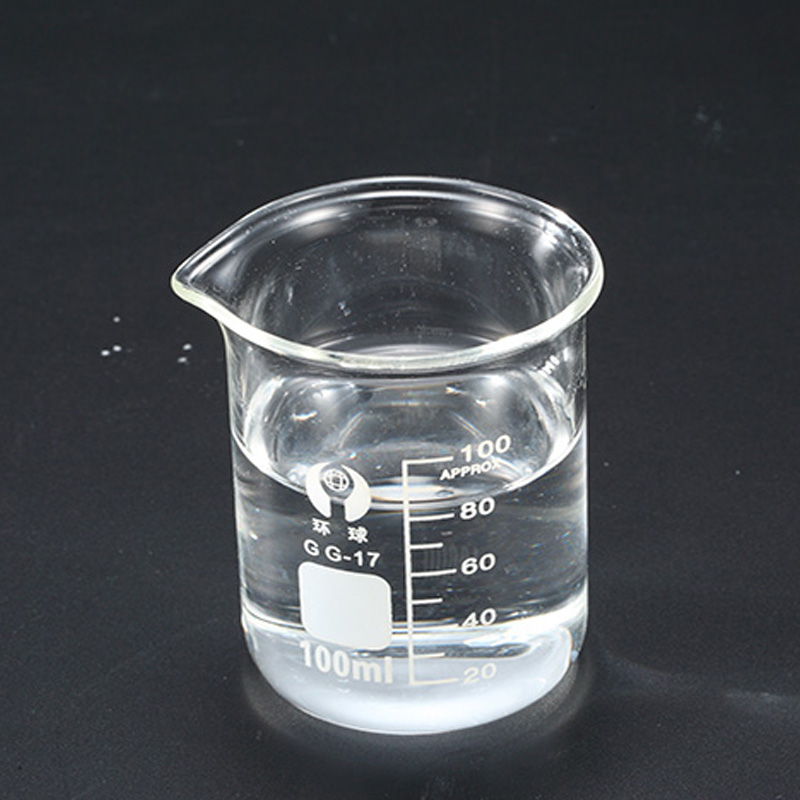
Potassium silicate is a colorless or slightly yellow semi transparent to transparent liquid with hygroscopicity. It has a pH value between 11-12 and a relative density between 1.16-1.45 (20 ℃).
It has a strong alkaline reaction and decomposes in acid to precipitate silica. Slowly soluble in cold water or almost insoluble in water (depending on its composition), insoluble in ethanol.
The larger the modulus, the higher the viscosity and strength of potassium silicate, and the faster the drying speed; The smaller the modulus, the better the film-forming ability of water glass, but the slower the drying speed. Potassium silicate for coatings, a high-performance inorganic film-forming material, is the core foundation for preparing super weather-resistant, highly fire-resistant, environmentally friendly and healthy inorganic coatings.
Appearance and Packaging

This is a colorless or slightly yellow semi transparent liquid with hygroscopicity.

It is usually packaged in ICB barrels or 200-liter plastic barrels.
The core advantages and features of liquid potassium silicate for paint

1.Potassium silicate for coatings has unparalleled durability and weather resistance:
After potassium silicate forms a film, it creates an inorganic network mainly composed of silicon-oxygen bonds (Si-O-Si), which have high bond energy and extremely strong resistance to ultraviolet rays. The coating does not yellow or powder, making it particularly suitable for extreme climate regions and industrial corrosion environments, significantly reducing the cost of re-coating.
2.Potassium silicate boasts top-notch fire resistance:
Potassium silicate itself is a non-combustible material with a melting point of over a thousand degrees. Coatings made from this product can reach A1 fire protection standards, providing essential safety guarantees for steel structures, warehouses, tunnels, and more.
3.Potassium silicate boasts outstanding environmental and health benefits:
It is a water-based system with zero VOC and natural antibacterial and anti-mold properties. There is no unpleasant odor during application and use, ensuring the health of workers and residents. It meets the requirements of green building certifications such as LEED and BREEAM, and is suitable for schools, hospitals, and residences.
4.Potassium silicate has excellent breathability and alkali resistance:
After the potassium silicate coating is cured, it forms a microporous structure and has stable chemical properties. It allows water vapor inside the wall to evaporate freely, preventing coating blisters and peeling caused by moisture accumulation. At the same time, it perfectly resists the erosion of the substrate’s alkalinity.
5.Potassium silicate has high hardness and adhesion:
Potassium silicate undergoes a chemical reaction with the substrate, forming a chemical bond. The resulting coating has high hardness, is scratch-resistant, and has extremely strong adhesion, making it less likely to fall off.
Application scenarios of liquid potassium silicate for coatings
| Inorganic zinc-rich primer | Acting as a binder, it is mixed with ultra-fine zinc powder to provide excellent cathodic protection and long-lasting rust prevention for steel structures. |
| Inorganic mineral coatings | Used for preparing mineral coatings for both interior and exterior walls, suitable for buildings with extremely high requirements for weather resistance, fire resistance, and environmental protection. |
| Special anti-corrosion coatings | Used in anti-corrosion systems for heavy corrosive environments such as those in the chemical and marine industries. |
Guide for the Use of liquid potassium silicate for paint
1.Core formula:
Inorganic zinc-rich coating: Potassium silicate solution + Ultrafine zinc powder + Additives. The zinc powder content is high (more than 80% in the dry film).
Inorganic mineral coatings: Silicate potassium solution + mineral fillers (such as mica, titanium dioxide, kaolin, etc.) + functional additives.
2.Curing mechanism: Usually, it requires a reaction with carbon dioxide in the air (carbonation) or a reaction with the calcium components in the substrate to complete the curing process.
3.Construction Precautions:
1)The substrate should be sturdy, clean and free of oil stains.
2)For inorganic zinc-rich coatings, after the application, a curing agent may need to be sprayed or the product may need to be exposed to the air for a certain period of time to achieve the final hardness.
3)It should be stored in an airtight container to prevent premature gelation due to absorption of carbon dioxide.
For more information about silicate potassium ,please visit our facebook page