Liquid Potassium Silicate Fertilizer | High-Efficiency Si & K Source
Liquid potassium silicate for fertilizers, an efficient and environmentally friendly multi-functional silicon and potassium nutrient agent, is dedicated to simultaneously providing precious silicon and potassium elements to crops, creating healthy plants with strong resistance and high yield. The potassium silicate for fertilizers not only provides the essential potassium for crops but also contains beneficial silicon elements. It achieves two goals with one solution. It significantly enhances the crops’ resistance to pests, drought, and lodging. It improves fruit quality, increases sugar content and hardness, and increases the yield and marketability. It is neutral to slightly alkaline, which helps to improve acidic soil and increase nutrient utilization.
Appearance and Packaging
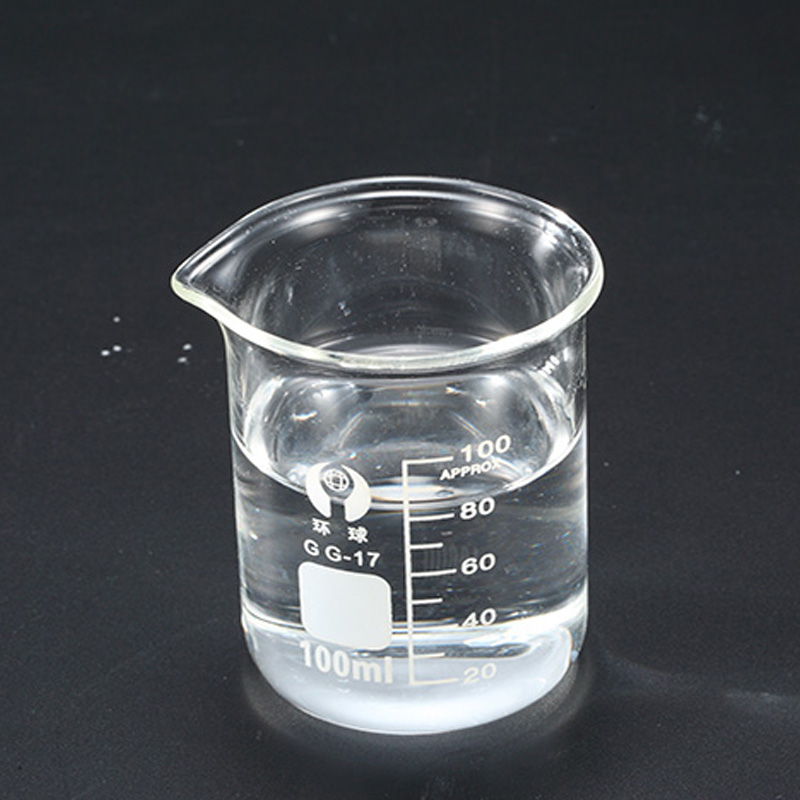
This is a colorless or slightly yellow semi transparent liquid with hygroscopicity.
It is usually packaged in ICB barrels or 200-liter plastic barrels.
The core advantages and features of liquid potassium silicate for fertilizer
1.The potassium silicate for fertilizers provides both silicon and potassium in a stable compound form.
The liquid potassium silicate solves the problems in traditional fertilization where silicon fertilizers are difficult to be absorbed and potassium fertilizers are prone to leaching. The nutrients are absorbed synergistically, resulting in higher efficiency, and it saves labor and time.
2.The potassium silicate for fertilizers can enhance the disease and pest resistance of plants:
Silicon is deposited on the surface of the plants, forming a physical barrier. This thickens the cell walls of the stems and leaves and increases the cuticle, effectively preventing the invasion of pathogens and the feeding of pests, significantly reducing the occurrence of diseases such as rice blight, powdery mildew, aphids, and corn borers, and reducing the amount of pesticides used.
3.The potassium silicate for fertilizers can provide strong resistance to lodging and stress:
The potassium silicate significantly thickens and straightens the plant stems. It greatly enhances the crop’s resistance to wind, rain, mechanical damage, preventing lodging and ensuring yield. At the same time, it improves the crop’s tolerance to adverse environmental conditions such as drought, salinity, high/low temperatures.
4.Potassium silicate has a remarkable effect of improving quality and increasing yield:
Potassium silicate promotes photosynthesis in plants, optimizes nutrient transportation and distribution. It makes the fruit color more uniform, has a higher sugar content (Brix), a more upright shape, better hardness, enhanced storage and transportation stability, and significantly increases the commercial value and yield.
5.Potassium silicate is an environmentally friendly soil conditioner:
The aqueous solution of potassium silicate is alkaline and can inhibit the activity of available manganese in the soil. Long-term use can moderately neutralize soil acidity, alleviate soil compaction, and create a favorable environment for beneficial microorganisms, making it a sustainable soil management solution.
Potassium silicate is mainly applicable to the following crops:
| Favorable crops | Rice, sugarcane, corn, bamboo |
| Potassium-rich crops | Banana, watermelon, grape, potato, tobacco, cotton. |
| Fruit and vegetable crops | Crops such as cucumbers, tomatoes, strawberries, citrus fruits, and almost all other economic crops. |
Guide for the Use of potassium silicate for fertilizer
Potassium silicate can be used as a base fertilizer or topdressing. It is particularly suitable for foliar spraying and drip irrigation/sprinkling. It has a high absorption efficiency.
1.Leaf spraying (recommended): Dilute the solution and apply it 2-3 times during critical growth periods such as seedling stage, tillering stage, and flowering fruiting stage.
2. Drip irrigation / Foliar spraying: Use a certain amount per acre each time, dilute it and then spray it with the water.
3. Important Notes:
Avoid using in combination with highly acidic pesticides or fertilizers. If necessary, conduct compatibility tests before mixing.
The spraying effect is better on sunny days. Avoid using during the hottest part of the day.
Do not increase the usage concentration at will.