Potassium Silicate Welding Electrodes :Binder for Stable Arc & Easy Slag Removal
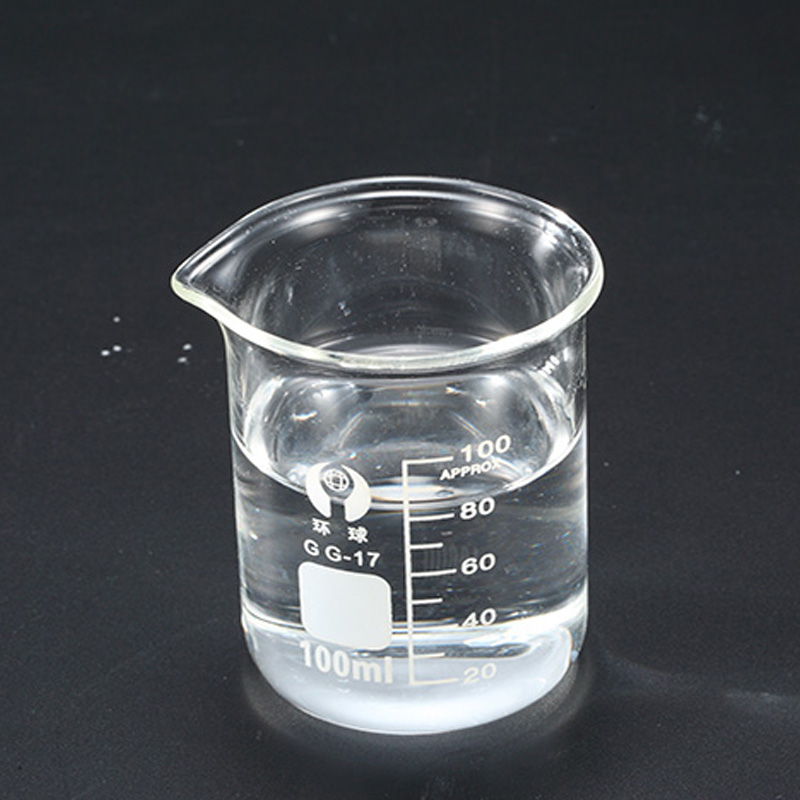
Potassium silicate for welding electrode is a high-performance inorganic binder and arc stabilizer, which is the core functional material for manufacturing efficient and high-quality welding rod coatings. It offers benefits like stable binding, heat resistance, slag removal, improved performance, reduced porosity, corrosion resistance, and ease of application. It is a colorless or slightly yellow semi transparent to transparent liquid with hygroscopicity. It has a pH value between 11-12 and a relative density between 1.16-1.45 (20 ℃).
Appearance and Packaging
This is a colorless or slightly yellow semi transparent liquid with hygroscopicity.
It is usually packaged in ICB barrels or 200-liter plastic barrels.
The core advantages and features of liquid potassium silicate for welding electrodes
1.The special potassium silicate for welding rods has excellent bonding performance and process adaptability:
The potassium silicate has high bonding properties and good compatibility with various raw materials of the welding rod coating. It ensures that the coating does not crack or fall off during the coating application process, resulting in high production efficiency; the produced welding rod coating has high strength and is resistant to transportation impacts.
2.Potassium silicate gives the welding rod excellent arc stability:
Potassium silicate is rich in potassium ions, which can effectively improve the conductivity of the arc. During welding, the arc is soft and stable, with little spatter, and the weld seam is well-formed, effectively enhancing the welding quality and the operational experience.3
3.Potassium silicate has excellent moisture resistance and storage stability:
Compared to sodium salts, potassium salt products have lower moisture absorption. After welding rods are baked, they are less prone to reabsorbing moisture. During storage, they can maintain a lower moisture content for a longer period, thereby stabilizing the welding process performance and reducing welding defects caused by the moisture absorption of the welding rods.
4.Potassium silicate can optimize the performance of welding slag:
Potassium silicate participates in the composition of the slag, regulating the melting point, viscosity and surface tension of the slag. It enables the slag to cover uniformly, facilitate slag removal, make the weld seam clean and beautiful, and is conducive to the metallurgical treatment of the weld metal.
5.Silicate potassium is safe and environmentally friendly:
Silicate potassium is a water-based inorganic substance and does not contain organic substances. During the manufacturing of welding rods and the welding process, it does not release harmful organic gases such as formaldehyde and benzene, making it more friendly to the health of production workers and welders.
The main types of welding rods using potassium silicate
| Acidic welding rods | They are one of the most commonly used binders for acidic slag systems (such as TiO₂-SiO₂ slag system) welding rods. |
| Low-hydrogen potassium type welding rods | As a binder and arc stabilizer, used for series of welding rods |
| Special welding rods | Partial overlay welding rods, cast iron welding rods, etc. |
Guide for the Use of potassium silicate for fertilizer
1.Recommended addition amount: The optimal value should be determined through experiments based on the specific type of electrode and the formulation.
2.Mixing process: Mix it with other dry powder components of the coating layer in a mixer to form a uniform plastic paste.
3.Coating process: The plasticity of the paste directly affects the smoothness of the coating and the surface quality of the coating skin.
4.Drying process: After the welding rods are applied with coating, they need to be preliminarily dried at a low temperature (~100°C), and then undergo the final baking as per the process requirements (for example, low-hydrogen welding rods are baked at 350-450°C).