Sodium Silicate Uses In Textile Processing: Optimize Bleaching & PH Control for Dyeing
Sodium silicate for dyeing and finishing agents, an efficient and cost-effective hydrogen peroxide stabilizer and scouring aid, is a key component for enhancing the pre-treatment effect of cotton and its blended fabrics, ensuring the quality of bleaching and cost control.
Appearance and Packaging

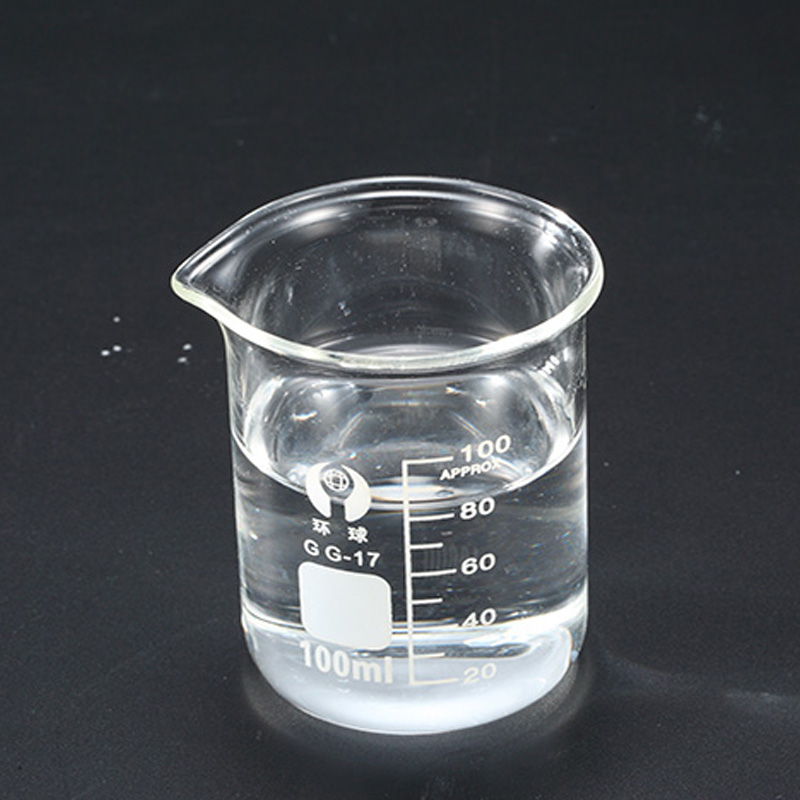
This is a colorless, transparent viscous liquid that can be easily dissolved in water.

It is usually packaged in ICB barrels or 200-liter plastic barrels.
The core advantages and features of sodium silicate in textile dyeing
1.Sodium silicate can work stably with highly efficient hydrogen peroxide:
Through a complex reaction mechanism, sodium silicate can not only inhibit the rapid decomposition of hydrogen peroxide, but also ensure its sufficient effective decomposition rate. This results in extremely high fabric whiteness, while minimizing fiber damage, preventing the decline of fabric strength, and eliminating the “hole” phenomenon.
2.The sodium silicate for dyeing has a strong ability to integrate heavy metal ions:
It can form stable complexes with ions such as iron and copper in water and fabrics. This fundamentally eliminates the catalytic decomposition effect of heavy metal ions on hydrogen peroxide, which is crucial for ensuring the safety of bleaching and improving the adaptability of the fabric.
3.The sodium silicate for dyeing can regulate pH and act as a buffer:
The sodium silicate provides and maintains the alkaline environment required for the bleaching solution. It ensures that hydrogen peroxide works at its best, making the bleaching process stable, controllable, with good reproducibility, and reducing defective products caused by pH fluctuations.
4.Sodium silicate exhibits outstanding synergistic decontamination effects:
It has certain emulsifying, dispersing and suspending capabilities. When combined with refining agents, it enhances the removal of oils, waxes and impurities, improving the luster of the fabric and providing uniform and high-quality semi-finished products for subsequent dyeing.
5.Sodium silicate boasts unparalleled economic efficiency and versatility:
Its cost is significantly lower than that of organic stabilizers, and its effectiveness has been verified through long-term practice. It offers customers highly cost-effective solutions, especially in the continuous production of large quantities of cotton fabrics, where it shows significant advantages and effectively reduces the overall cost.
Application scenarios of sodium silicate as a stabilizer in textile industry
Core process: One-bath method for sizing and bleaching of cotton, linen and their blended fabrics.
Applicable equipment: Continuous long vehicle rolling kilns, cold stacking machines, overflow machines, dyeing machines, etc.
Auxiliary application: It can be used as an auxiliary agent in the dyeing and bleaching process, or for bleaching yarns.
Guide for the Use of sodium silicate for textile dyeing
1.Reference dosage: The exact dosage should be determined through small sample tests based on water quality, equipment, fabric specifications and the formulation system.
2.Mixing operation: It is recommended to first dilute with warm water, then add to the working solution and stir thoroughly to ensure complete mixing.
3.Formula compatibility: It can be used in combination with hydrogen peroxide (100% H₂O₂), caustic soda (NaOH), refining agent, and penetrating agent. Be aware that it may form calcium/magnesium silicate/magnesium precipitates with calcium and magnesium ions in hard water. If the water quality is too hard, the formula should be adjusted appropriately or the water should be softened beforehand.