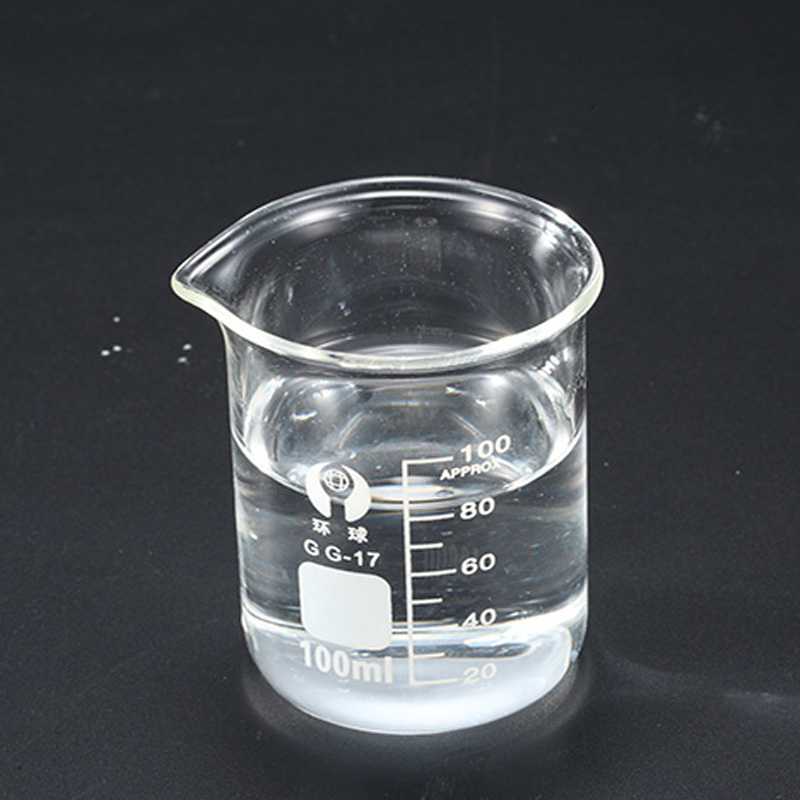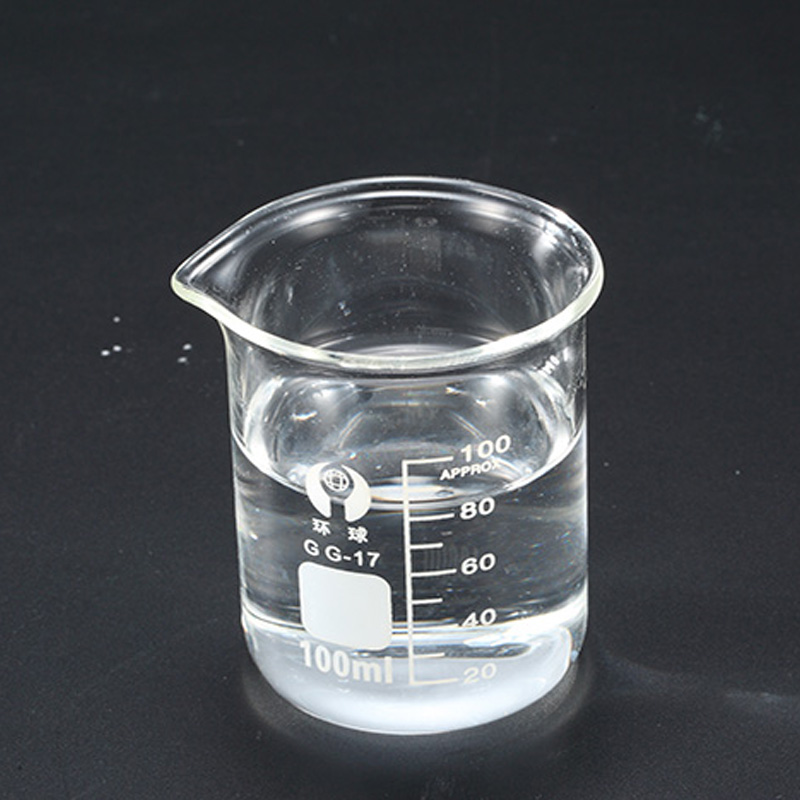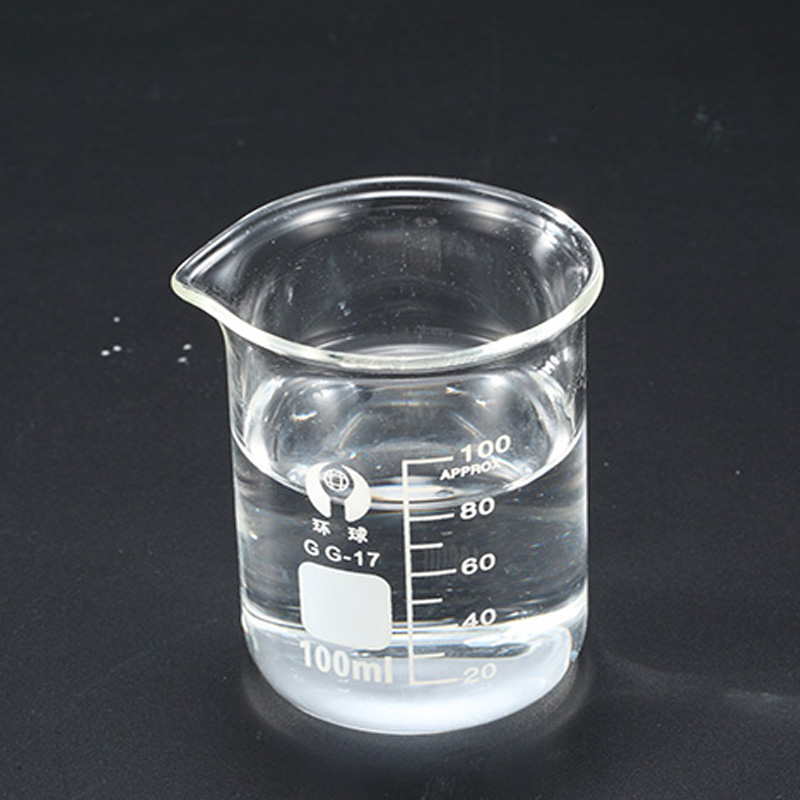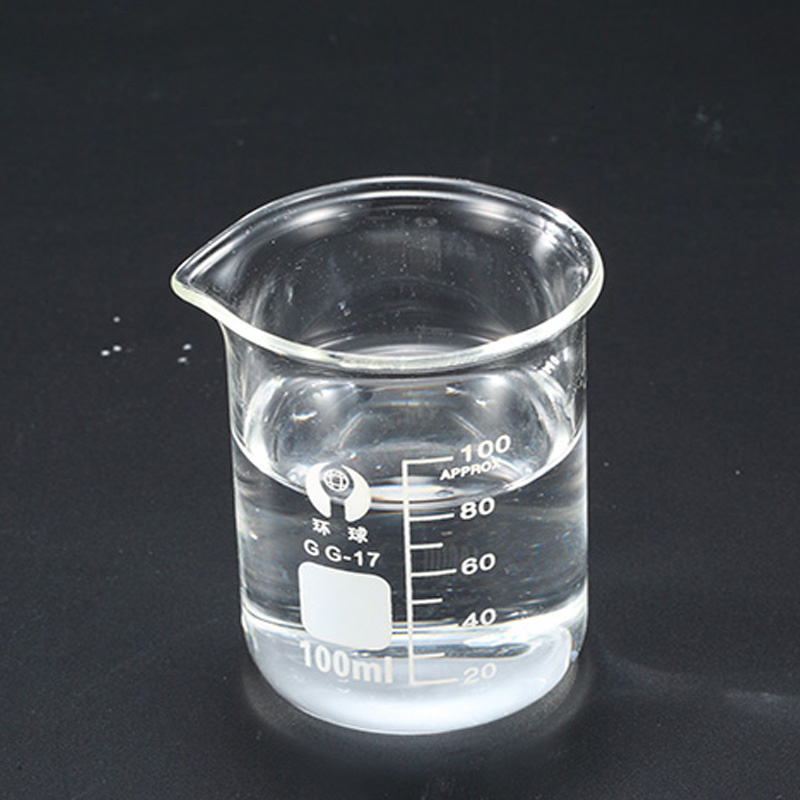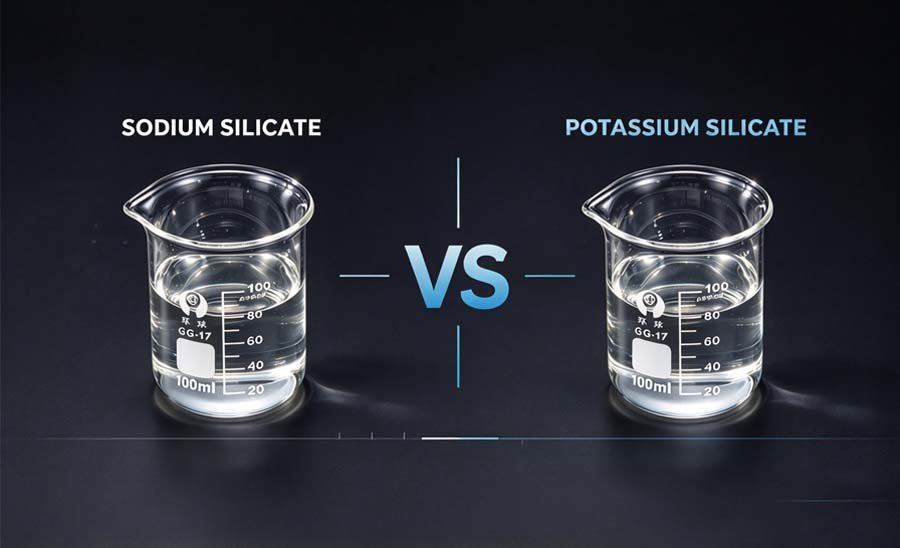
Sodium silicate sand binder for casting is a widely used sand binding material in the casting industry. With its unique performance advantages, it holds a significant position in the production of small and medium-sized cast iron and cast steel parts, especially suitable for mainstream processes such as carbon dioxide hardening method and organic ester hardening method.
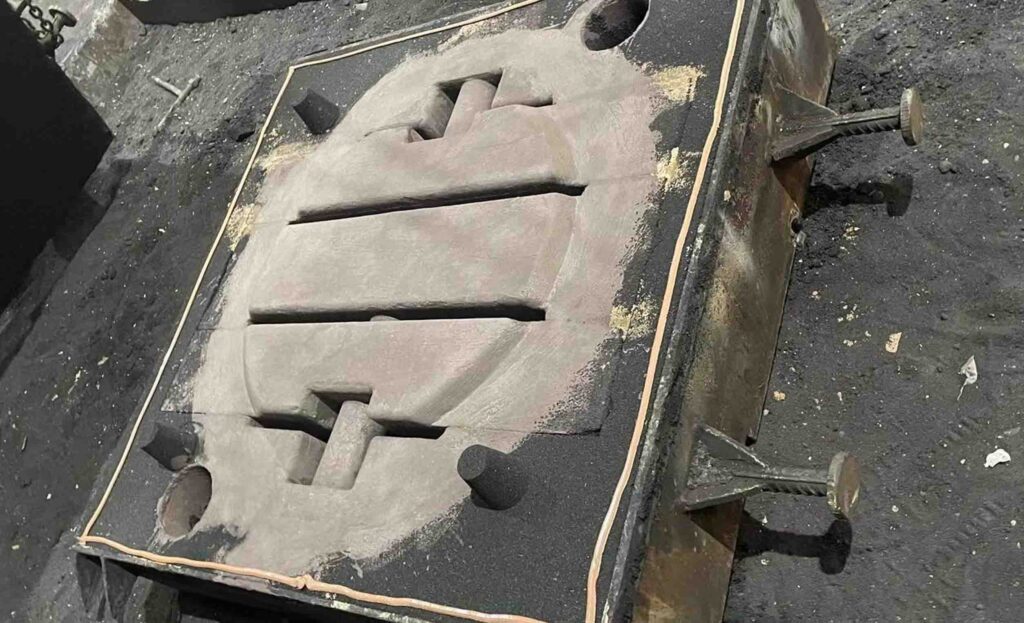
However, at the same time, sodium silicate also has some inherent defects that affect its application in high-end casting scenarios. This article will comprehensively review the advantages and disadvantages of sodium silicate sand binder for casting applications, analyze its adaptability in actual application scenarios, provide reference for casting practitioners, and help them make reasonable choices of adhesives.
1. Core Advantages of Sodium silicate sand binder for Casting Applications
The reason why sodium silicate sand binder for casting can be used in the casting industry for a long time lies in its multiple advantages such as environmental friendliness, high efficiency and low cost, which are suitable for the production needs of small and medium-sized castings. The specific advantages are as follows:
(1) Outstanding environmental friendliness, balancing environmental protection and recycling
Compared with some traditional casting binders, sodium silicate sand binder have significant advantages in terms of environmental protection. They are non-toxic and have no irritating odor. The amount of smoke produced during the casting pouring process is extremely small, which can effectively improve the production environment in the workshop and reduce the impact on the health of operators. At the same time, the old sand after its use is relatively easy to regenerate. After proper treatment, it can be reused, which not only reduces production costs but also reduces waste emissions, conforming to the development trend of green casting.
(2) The hardening process is fast, thereby enhancing production efficiency.
The hardening speed of the sodium silicate adhesive is highly advantageous. Especially when hardened using the carbon dioxide method and the organic ester method, it can achieve rapid curing, significantly shortening the production cycle of sand molds and sand cores. There is no need for long waiting for hardening, and it can quickly enter the next production stage, effectively improving the casting production efficiency, meeting the requirements of batch production, and being particularly suitable for casting projects with tight schedules.
(3) Low cost, reducing production input
The raw materials for sodium silicate are widely available and relatively inexpensive. Compared to high-end adhesives such as resins, it can significantly reduce the raw material costs in casting production. Moreover, during its use for casting binder, no complex auxiliary equipment is required, further reducing production investment. It is particularly suitable for the cost control needs of small and medium-sized casting enterprises.
(4) Cold-hardening property, no need for large-scale drying equipment
The sodium silicate adhesive has excellent cold-setting properties. It can harden at room temperature without the need for large-scale drying equipment. This not only saves equipment investment and energy consumption but also avoids problems such as cracking and deformation of the sand mold caused by improper drying. It simplifies the production process and reduces production difficulty.
(5) Excellent high-temperature stability ensures the quality of the castings.
After hardening, the sodium silicate adhesive will form silica gel. This gel can still maintain good strength and dimensional stability under high-temperature conditions. It can resist the impact and erosion of high-temperature metal liquid, preventing the sand mold and sand core from collapsing or deforming during the pouring process, and effectively ensuring the forming accuracy and quality of the castings.
2. Main Disadvantages of Sodium Silicate in Casting Binder Applications
Although the sodium silicate has obvious advantages, due to its chemical properties, it still has some inherent drawbacks, which limit its application in some high-end or complex casting scenarios. The specific points are as follows:
(1) Poor dispersibility, making cleaning extremely difficult
This is the most prominent drawback of the sodium silicate adhesive. After pouring, the sodium silicate bonding bridges remaining in the sand mold and sand core will sinter at high temperatures, forming a dense glass phase. This results in the sand mold and sand core remaining very hard after the casting cools down, making them difficult to break and clean. This not only increases the cleaning workload but also may affect the surface quality of the casting if the cleaning is not thorough.
(2) Strong hygroscopicity, which affects the strength of the sand mold
The hardened sodium silicate sand has a relatively strong hygroscopic property. If exposed to a humid environment, it will absorb moisture from the air, resulting in a significant reduction in the strength of the sand mold and sand core, and even causing problems such as softening and collapse. Especially in regions with high humidity and frequent rainfall, additional anti-humidity measures need to be taken, which increases the complexity of production.
(3) There is aging phenomenon and the strength is unstable.
The silica sand prepared by the carbon dioxide hardening method has its strength reach a peak, and then gradually decreases with the extension of storage time. This aging phenomenon will affect the stability of the sand mold and sand core. If the storage time is too long, it may not meet the strength requirements for casting production. Therefore, the storage time of the sand mold needs to be strictly controlled.
(4) Impact on the surface quality of the casting
When using the carbon dioxide method for hardening, the sodium silicate binder is prone to generating “white frost” (mainly composed of residual sodium carbonate). This white frost will adhere to the surface of the casting, not only affecting the surface smoothness of the casting, but also increasing the workload for subsequent cleaning and painting; moreover, the precision castings produced with the sodium silicate binder may also have defects such as “spots” on the surface, reducing the appearance quality of the casting.
(5) Higher requirements for the raw sand
The sodium silicate usually requires the use of relatively pure silica sand, and the clay content of the silica sand needs to be controlled at a low level. If the raw sand contains a large amount of impurities (especially alkaline substances), it will interfere with the hardening process of the silica fume, reduce the strength of the sand mold and sand core, affect the casting effect, and increase the screening cost of the raw sand.
3. Summary: The Application Positioning of Sodium Silicate Sand Casting
In conclusion, the sodium silicate has both advantages and disadvantages in casting applications. Its environmental friendliness, rapid hardening, low cost, cold hardening, and high-temperature stability make it still play an important role in the production of small and medium-sized cast iron and cast steel parts, especially in the processes using carbon dioxide hardening and organic ester hardening methods.
At the same time, its poor collapsibility and strong hygroscopicity also determine that it is difficult to adapt to scenarios such as high-end precision castings and casting production in humid environments. Practitioners need to combine their own production needs, leverage their strengths and avoid their weaknesses, and reasonably select the water glass adhesive in order to control costs while ensuring the quality of casting products.
for more information ,please visit our facebook page