Tel: +86-13630079025 Wechat/Whatsapp:+86-13630079025 Email Address: sales@sanleechem.com

China Sodium Silicate Factory & Supplier
Sodium silicate, widely known as water glass in the industrial chemical sector, is an essential inorganic chemical compound formed by the fusion of sodium oxide (Na₂O) and silicon dioxide (SiO₂).
Sodium silicate,as a classic inorganic silicate,continues to play an important role in fields such as construction,paper making,ceramics,mining, casting, and daily chemical industry due to its low cost, strong adhesion, and high temperature resistance.
Sanlee Chemical is a professional sodium silicate manufacturer and sodium silicate supplier ,worldwide produce standardized sodium silicate products with adjustable modulus ratios to meet diverse industrial application requirements.
What is sodium silicate?
Chemical Formula
What is sodium silicate? Sodium silicate, commonly known as effervescent alkali, is an inorganic substance, and its aqueous solution is commonly known as water glass.Its chemical formula is Na2O⋅nSiO2.
As a widely used industrial raw material, industrial sodium silicate possesses unique physical and chemical properties, such as excellent adhesion, high-temperature resistance, alkaline stability, and corrosion resistance, making it a fundamental material for industries including construction, manufacturing, chemical processing, and metallurgy.
Modulus N
In the chemical formula Na2·nSiO2, n represents the ratio of the moles of silicon dioxide to those of alkali metal oxides, and is called the modulus of sodium silicate.
This is a key indicator for differentiating various grades of water glass. This modulus directly determines the viscosity, solubility, curing speed and chemical stability of sodium silicate products.
Physical Forms
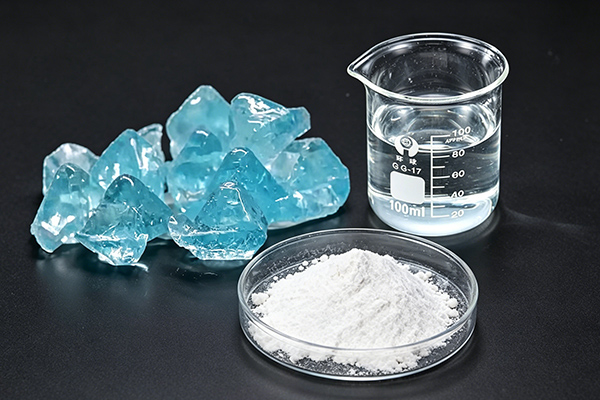
Sodium silicate exists in various physical forms, mainly including solid sodium silicate, liquid sodium silicate, and highly efficient instant soluble sodium silicate or called sodium silicate powder.
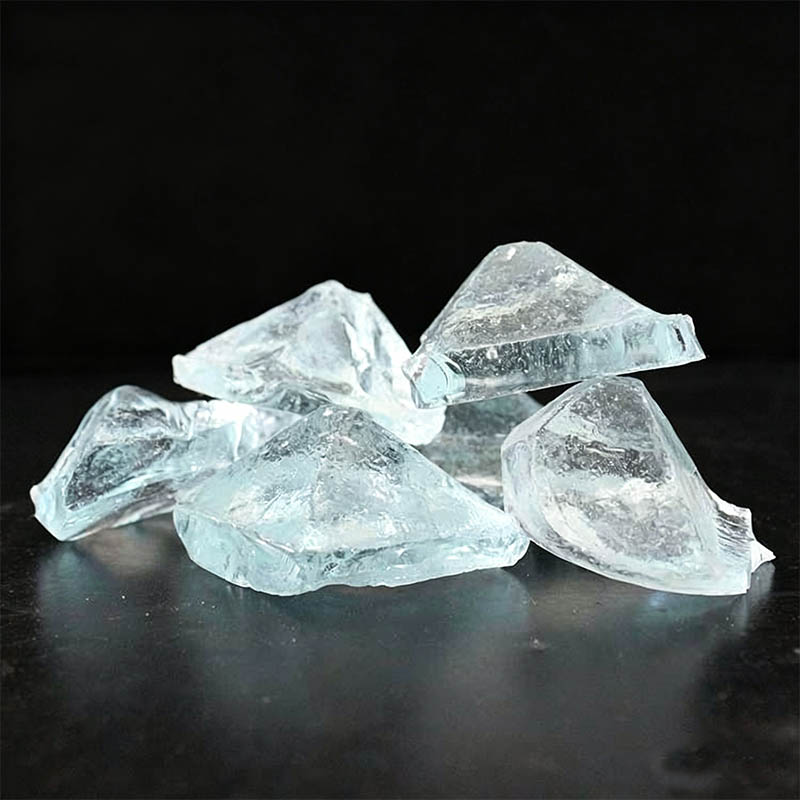
Solid sodium silicate appears as a light blue blocky solid, looking like a piece of blue glass.
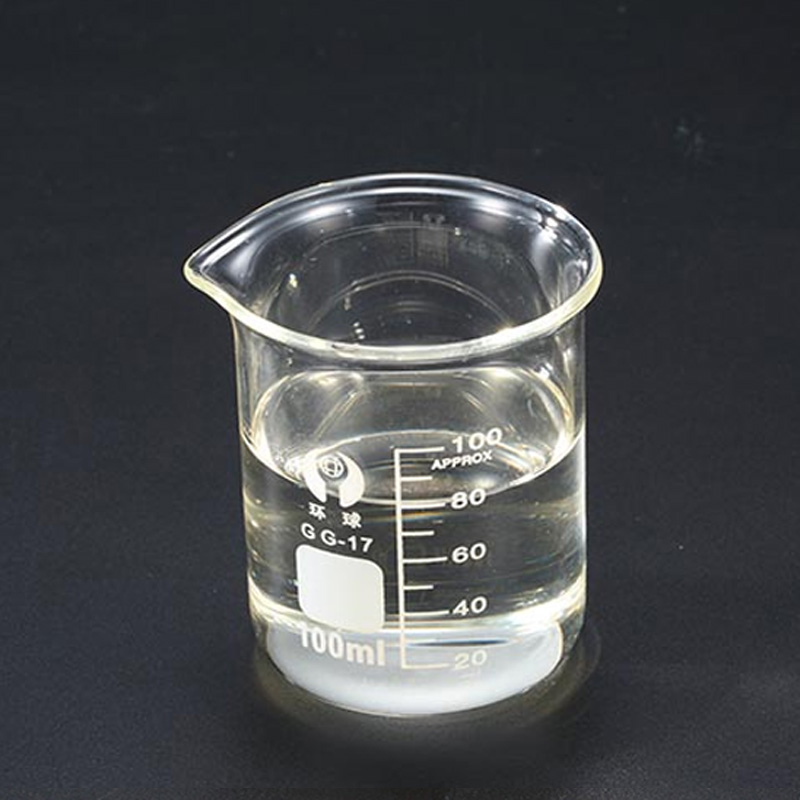
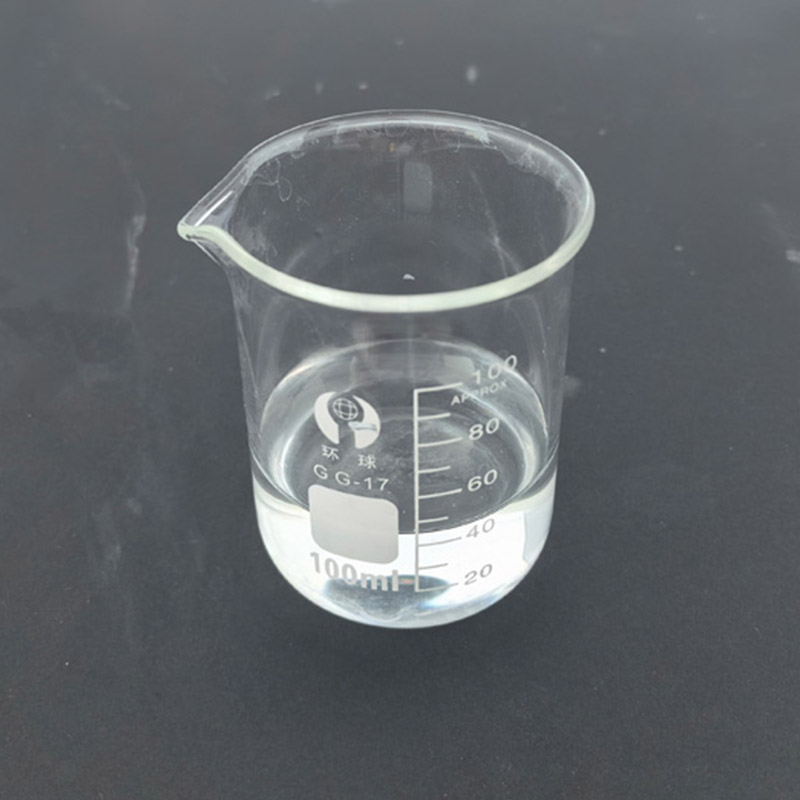
The appearance of liquid sodium silicate varies depending on the content of impurities. When there are more impurities, it appears as a gray or light yellow transparent liquid. However, the higher-quality liquid sodium silicate has a clear and transparent appearance, similar to water.
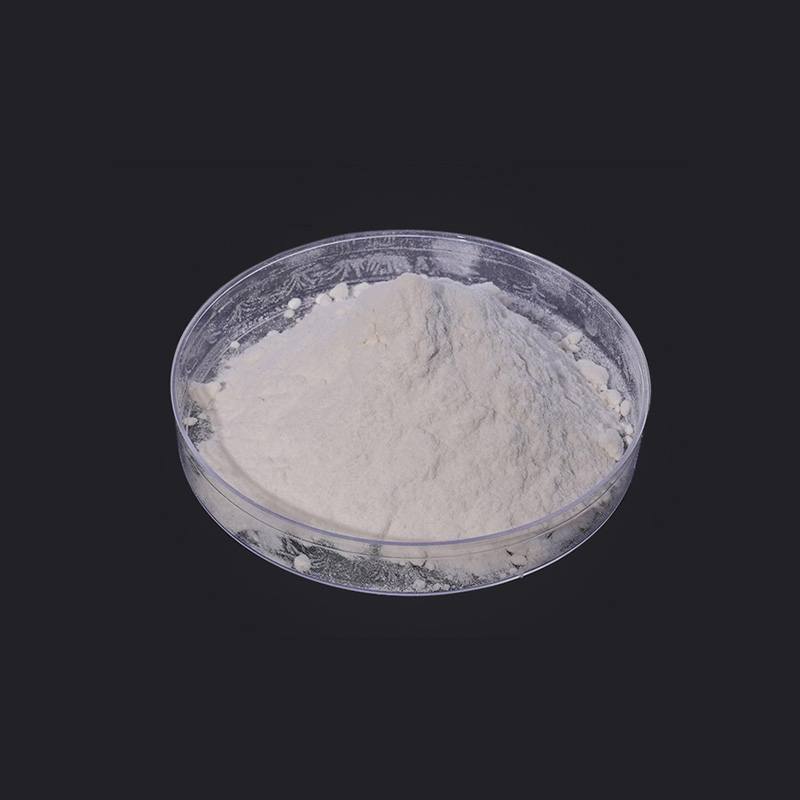
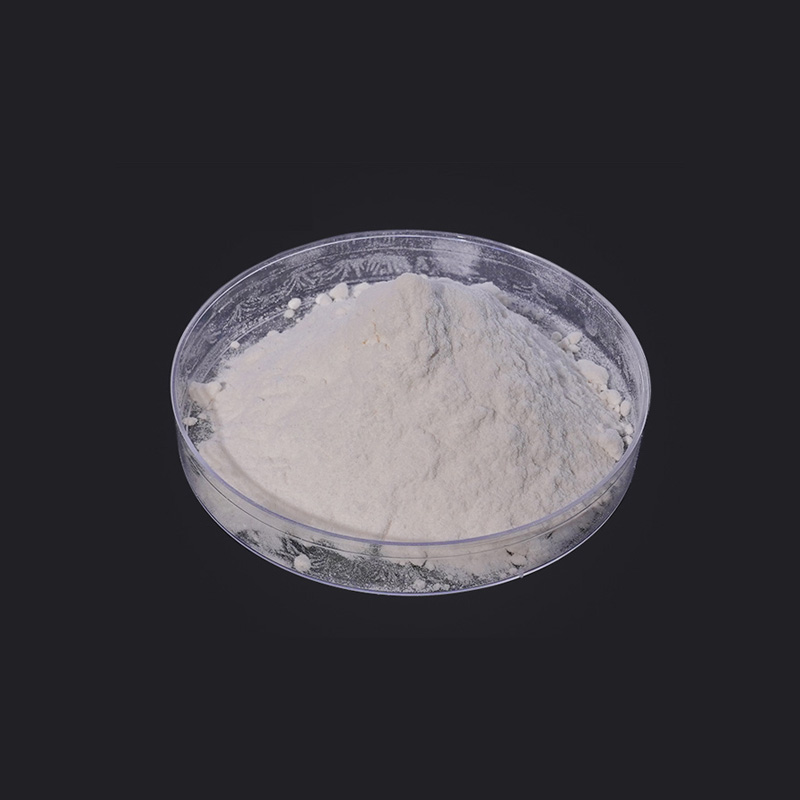
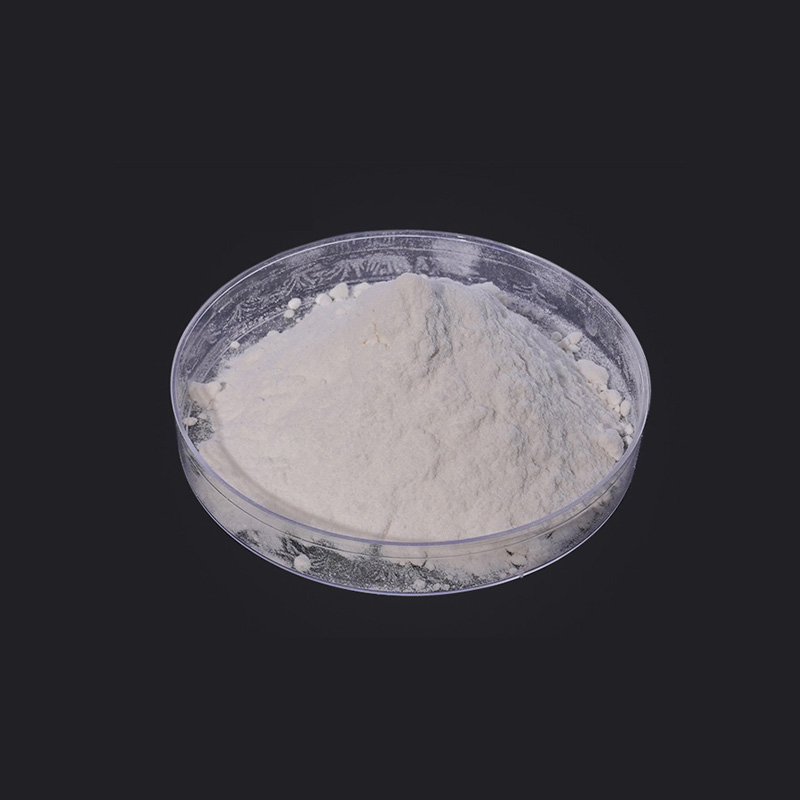
Powdered sodium silicate presents as a white powder and is extremely soluble in water. After dissolving in water, it shows different aqueous solution appearances based on the content of impurities.
Each form has been customized for specific industrial scenarios. As an economical and environmentally friendly industrial chemical, industrial sodium silicate has replaced many traditional chemical additives and has become an indispensable raw material in modern industrial production.
Types of sodium silicate
Sanlee Chemical is a reputable producer of sodium silicate. It strictly classifies its products according to industry standards and provides customized sodium silicate solutions for different industrial needs.
Sodium silicate is mainly divided into the following three mainstream types: solid sodium silicate, liquid sodium silicate and instant soluble sodium silicate.
Each type of industrial sodium silicate has its own unique performance advantages and targeted application scenarios.
The following details the characteristics, specifications, and application fields of various core sodium silicate products.
Solid Sodium Silicate
Solid sodium silicate is the crystalline form of water glass.
It is produced by melting, cooling and solidifying the sodium silicate raw material at high temperatures. It usually appears as colorless or light blue transparent blocks, sheets or granular solids, with high hardness and stable chemical properties at room temperature.
Compared with liquid sodium silicate, solid sodium silicate has a longer storage period, lower transportation cost, and is less likely to leak or deteriorate during long-distance transportation. Therefore, it is suitable for long-term storage and large-scale transportation across regions.
Before use, the solid industrial-grade sodium silicate needs to be dissolved in hot water to prepare a liquid silica glass with the desired concentration and modulus.
Sanlee Chemical can produce solid sodium silicate products with customized particle size and modulus specifications according to customer requirements. The modulus of solid sodium silicate usually remains stable within the range of 2.0 to 3.4, and it has a high silicon content, excellent bonding strength and high-temperature resistance.
Solid sodium silicate has a strong hygroscopicity. During storage, it should be placed in a dry and well-ventilated environment to avoid deliquescence due to moisture absorption, as this phenomenon will affect the dissolution effect and performance.
By following the standardized packaging and storage guidelines provided by the reputable sodium silicate supplier enterprises, customers can effectively ensure the stability of the performance of solid silica glass.

Solid Sodium Silicate Modulus 3.1-3.3
Solid Sodium Silicate, also known as solid water glass, is a high-purity inorganic silicate compound with adjustable silica modulus ranging from 2.0 to 3.9. As a fundamental industrial raw material, its dominant application is the production of customized liquid sodium silicate via high-temperature and high-pressure dissolution processing.
Powder Sodium Silicate
Powder sodium silicate, also called instant soluble silicate or fast-dissolving water glass, is a new high-efficiency modified industrial sodium silicate product developed in recent years . Powder sodium silicate is a white or light gray powder with good fluidity and strong moisture absorption (strict prevention is required)tide, quickly dissolved in cold or warm water (for seconds to minutes), does not require heating, forming a transparent or slightly turbid alkaline solution, with a pH value of up to 12-13 in aqueous solution.
It is processed by special granulation technology on the basis of traditional solid sodium silicate, solving the problem of slow dissolution of ordinary solid sodium silicate. Powder sodium silicate can be quickly and completely dissolved in normal temperature water without high-temperature heating, greatly improving production efficiency.
This type of industrial sodium silicate has uniform particle size, good fluidity, no agglomeration, and extremely fast dissolution speed. It can form a uniform and stable sodium silicate aqueous solution in a short time, with consistent performance with traditional liquid water glass. Instant sodium silicate is widely used in small and medium-sized industrial enterprises, on-site construction operations, and scenarios that require rapid preparation of silicate solutions.
As a high-value-added product of modern sodium silicate manufacturer, instant sodium silicate has gradually replaced part of ordinary solid sodium silicate market share due to its convenient use and high efficiency.
Powdered Sodium Silicate Modulus 2.8-2.9
Our modulus 2.8-2.9 dry sodium silicate powder is high purity, easy dissolving bulk sodium silicate powder with balanced silica-sodium oxide ratio. This medium-modulus sodium silicate powder dissolves rapidly in cold water without heating, featuring stable alkalinity, low impurity content and outstanding compatibility with surfactants and inorganic additives. Ideal for daily detergent production, general foundry, civil…
Powdered Sodium Silicate Modulus 2.0-2.1
Low modulus 2.0-2.1 instant sodium silicate powder with strong alkalinity and superior solubility. Perfect for phosphate-free detergents, casting binders, refractory adhesives, concrete activators and multi-industrial formulations. As a trusted sodium silicate powder manufacturer, we offer custom grades for global clients.
Powdered Sodium Silicate Modulus 2.4-2.5
High-quality sodium silicate powder with modulus 2.4-2.5. Ideal for detergents, foundry casting, refractory binders, construction additives and general industrial manufacturing. Custom modulus & packaging specifications supported by professional manufacturer and exporter.
Liquid Sodium Silicate
Liquid sodium silicate, commonly known as effervescent alkali, is an inorganic substance, and its aqueous solution is commonly known as water glass. It is the most common inorganic silicate solution in industry. Its name comes from the glassy solid formed after cooling, which has adhesion, high temperature resistance, and chemical stability, and is widely used in fields such as construction, chemical engineering, and casting.
Liquid sodium silicate is a colorless, light yellow, or bluish gray transparent viscous liquid. Easily soluble in water and soluble in dilute sodium hydroxide solution, it is called a green and environmentally friendly casting binder that conforms to sustainable development.
As a classic inorganic silicate solution, liquid sodium silicate continues to play an important role in fields such as construction, casting, and daily chemical industry due to its low cost, strong adhesion, and high temperature resistance. Although there are defects such as poor water resistance and high brittleness, performance can be significantly improved through modifications such as adding organosilicon and nanomaterials.
In the future, its innovative applications in environmental engineering (such as soil remediation) and new energy materials (such as battery binders) are worth paying attention to. Compared with lithium silicate and potassium silicate, water glass focuses more on economy and universality, and is a typical representative of industrial basic materials.
The core performance parameters of liquid sodium silicate include Baumé degree, modulus, and solid content. Conventional industrial liquid sodium silicate has a Baumé degree ranging from 35°Bé to 50°Bé and a modulus between 1.6 and 3.5.
Low-modulus liquid sodium silicate (1.6–2.2) has high alkalinity and fast curing speed, suitable for detergent production and concrete rapid hardening; high-modulus liquid sodium silicate (2.8–3.5) has high viscosity and excellent high-temperature resistance, ideal for refractory materials and adhesive manufacturing. As a ready-to-use industrial raw material, liquid sodium silicate saves production time and labor costs for downstream enterprises, making it the preferred product for most sodium silicate supplier cooperative customers.
In addition to standard industrial grades, high-purity liquid sodium silicate is also available for special industries such as fine chemical synthesis and environmental protection water treatment. Strict quality control during production ensures that liquid water glass has no precipitation, stable storage performance, and will not deteriorate or layer within the valid storage period, fully adapting to continuous industrial production operations.
Liquid Sodium Silicate Modulus 3.1-3.4
Premium high modulus liquid sodium silicate 3.1-3.4 (CAS 1344-09-8)with high viscosity and excellent acid resistance. Widely applied in construction grouting for leak sealing, waterproofing, architectural coatings, floor hardeners, fireproof materials, paper adhesives and chemical raw material production. Custom specifications supported by reliable chemical supplier and exporter.
Liquid Sodium Silicate Modulus 2.2-2.4
High-quality liquid sodium silicate modulus 2.2-2.4 and 50° Bé concentration. Suitable for detergents, foundry, refractory materials, construction chemicals and industrial applications. Custom specifications available from an experienced manufacturer and exporter.
Sodium Silicate Specifications
Solid Sodium Silicate Properties
| Items | Unit | Product parameters |
| Appearance | —— | Light blue glassy solid particles |
| Modulus(n) | —— | 3.1-3.4 |
| Soluble solids | % | ≥99.0 |
| SiO₂ | % | ≥62.0 |
| Na₂O | % | ≥18.5~20.0 |
| Fe | % | ≤0.012 |
| Al₂O₃ | % | ≤0.15 |
Powder Sodium Silicate Properties
| Items | Unit | Item No. WNF-P20 | Item No. WNF-P24 | Item No. WNF-P28 | Item No. WNF-P32 |
| Appearance | —— | White or light gray powder | White or light gray powder | White or light gray powder | White or light gray powder |
| Modulus(n) | —— | 2.0-2.1 | 2.4-2.5 | 2.7-2.9 | 3.1-3.3 |
| Total Content(Na₂O + SiO₂) | % | 77.0 – 81.0 | 78-82 | 80-85 | 79-82 |
| SiO₂ | % | 52-53 | 55-57 | 59-62 | 60-62 |
| Na₂O | % | 25-28 | 23-25 | 21-23 | 19-20 |
| Bulk Density | g/ml | 0.5-0.8 | 0.5-0.8 | 0.5-0.8 | 0.5-0.8 |
| Whiteness | —— | ≥90 | ≥88 | ≥86 | ≥88 |
Liquid Sodium Silicate Properties
| Items | Unit | Item No. WNF-L35 | Item No. WNF-L34 | Item No. WNF-L24 | Item No. WNF-L26 |
| Appearance | —— | Colorless clear liquid | Colorless clear liquid | Colorless clear liquid | Colorless clear liquid |
| Modulus(n) | —— | 3.4-3.5 | 3.3-3.4 | 2.3-2.4 | 2.5-2.6 |
| Baume Degree | ° | 40±1 | 40±1 | 50±1 | 50±1 |
| SiO₂ | % | 26.8-27.5 | 26.8-27.5 | 31.8-32.3 | 33.0-33.5 |
| Na₂O | % | 8.2-8.7 | 8.2-8.7 | 13.8-14.3 | 13.3-13.8 |
| Fe | ppm | <100 | <400 | <400 | <400 |
| Water insoluble | % | <0.03 | <0.03 | <0.03 | <0.03 |
Applications of Sodium Silicate
Industrial sodium silicate (water glass) is known as the “universal industrial auxiliary material”.
Relying on its excellent bonding, waterproof, high-temperature resistant, alkaline buffering, and chemical stabilizing properties, sodium silicate is widely used in construction engineering, detergent manufacturing, foundry processing, refractory materials, chemical industry, environmental protection and other fields.
Different types of sodium silicate including liquid sodium silicate, solid sodium silicate and instant sodium silicate are matched with different application scenarios to maximize product performance. As a professional sodium silicate manufacturer and supplier, we provide targeted product solutions for various industrial applications.
Adhesives & Binders
Sodium silicate is mainly used in cartons, corrugated paper, and paper products adhesives. It has extremely low cost, fast drying speed, sufficient initial adhesion, and is suitable for high-speed assembly lines. In construction adhesion, including artificial quartz stone, terrazzo adhesion, insulation board bonding, wall repair, thin tile bonding, and cement curing accessories. Sodium silicate can also be used in wood, plywood, and bamboo products inorganic adhesives, combined with starch or bentonite for use. Sodium silicate can also be used in metal, glass, and ceramic bonding and sealing.
The advantages of sodium silicate adhesives include:
The aqueous solution is easy to dilute and clean, and the production equipment is simple to clean.
1.Raw materials are cheap and readily available, with production costs much lower than epoxy resins, polyurethanes, and white latexes.
2.Inorganic and environmentally friendly, without formaldehyde, benzene, etc. organic volatile substances, and fire-resistant A grade.
3.Broad range of bonding substrates: paper, wood, cement, metal, glass, and refractory materials.
4.After curing, it is resistant to high temperatures, oil, and organic solvents, with stable dimensions and no shrinkage.
Ceramics
Sodium silicate plays several key roles in ceramics, including acting as a desiccant (water reducer), binder, and reinforcing agent. These functions are crucial throughout the various stages of ceramic production.
During the preparation of ceramic slurry, sodium silicate is one of the most commonly used desiccants, reducing the viscosity of the slurry. Sodium silicate can improve the fluidity of the ceramic slurry, reduce the frictional resistance between particles, and lower the moisture content: while maintaining fluidity, it can significantly reduce the moisture content of the slurry, thereby reducing energy consumption in the spray drying process and improving the suspension property: it enhances the stability of the slurry and prevents particle settling.
During the ceramic molding and sintering processes, sodium silicate can enhance the bonding force of the ceramic body, increase its flexural and compressive strength, and a small amount of sodium silicate can promote the sintering of the ceramic body during the firing process, lower the firing temperature, and shorten the firing time.
Concrete Densifiers
Sodium silicate is the earliest and most fundamental core component used in concrete sealing curing agents, and it is the core raw material of the first generation of curing agents.
The fundamental role of sodium silicate in concrete sealing curing agents is to fill and compact the concrete structure through chemical reactions. The reaction mechanism is: sodium silicate + calcium hydroxide → hydrated silicate calcium (C-S-H).
Sodium silicate penetrates into the interior of the concrete, forming C-S-H gel to fill the pores, significantly improving the surface hardness, compressive strength and wear resistance of the floor. The Mohs hardness of the concrete surface can be significantly increased from approximately 3.5. After reacting with calcium hydroxide, the loose surface layer is solidified into a dense whole, effectively solving the problems of dusting and sanding on the floor. The generated C-S-H gel blocks the capillary channels of the concrete, reducing the permeability of the floor to water, oil and other liquids, and providing certain anti-seepage effect.
As a first-generation product, although sodium-based curing agents have limitations such as efflorescence and poor water resistance in performance, they still have wide applications in ordinary floor scenarios where performance requirements are not high due to their low cost advantage.
Detergents & Cleaning
As an important inorganic auxiliary agent for synthetic detergents, liquid sodium silicate and powdered instant sodium silicate are widely used in the production of laundry detergent, washing powder, industrial degreasing agents, and bleach stabilizers. Sodium silicate has excellent alkaline buffering performance, which can maintain the stable pH value of detergent solutions, avoid equipment corrosion caused by excessive acidity and alkalinity, and protect metal washing equipment.
In detergent formulations, sodium silicate can chelate metal ions in water, soften hard water, reduce the impact of calcium and magnesium ions on the decontamination effect of detergents, and significantly improve the decontamination, emulsification and dispersion capabilities of detergents. At the same time, water glass can form a protective film on the surface of fabrics and metal utensils to prevent secondary pollution and wear during the washing process. In industrial cleaning agents, sodium silicate enhances the degreasing and rust removal effect, and is suitable for surface cleaning of mechanical equipment, metal parts, and industrial pipelines.
Foundry & Casting
The foundry industry is a key application field of high-modulus industrial sodium silicate. Solid sodium silicate and high-viscosity liquid sodium silicate are used as high-efficiency binders for casting sand molds and core making, replacing traditional organic binders. Sodium silicate casting technology has the advantages of low cost, high molding speed, good casting surface quality, and no harmful gas volatilization during use, which is in line with green casting production standards.
In the foundry process, sodium silicate is mixed with quartz sand and curing agent, and after molding and curing, a high-strength sand mold is formed. The water glass sand mold has high hardness, strong dimensional stability, and good high-temperature resistance, which can effectively avoid casting deformation, sand sticking and porosity defects. After casting cooling, the sand mold has good collapsibility, which is convenient for subsequent cleaning and processing, greatly improving casting production efficiency and product qualification rate.
Mining
Sodium silicate is used as an inhibitor and dispersant in the mineral flotation field to enhance the separation efficiency of the target minerals from the gangue minerals.
The essence lies in: through hydrolysis, silicate ions are generated and adsorbed on the surface of the gangue minerals, increasing their hydrophilicity and surface negative charge, thereby preventing the gangue from floating with the bubbles; at the same time, it disperses fine mineral slimes and improves the flotation environment.
As one of the most cost-effective flotation agents, sodium silicate is widely used in the flotation separation of various ores such as tungsten ore, phosphate ore, titanium-iron ore, and copper ore.
Paper Making
Sodium silicate, with its core characteristics of alkaline buffering, metal ion chelation, colloid dispersion, and inorganic bonding, runs through six processes in papermaking: pulping and cooking, waste paper deinking, hydrogen peroxide bleaching, wet end papermaking, surface sizing, and special functional paper. It is a low-cost, multi-functional inorganic additive for papermaking. The industry’s preferred standard modulus for liquid sodium silicate ranges from 2.2 to 2.8.
During deinking, sodium silicate provides the strong alkaline environment needed for deinking, saponifies ink oils, softens ink coatings, and allows ink to be stripped from the fibers; it has buffering capacity, resisting interference from acidic impurities, and has a small pH fluctuation.
At the same time, sodium silicate complexes iron, manganese, and copper heavy metals in the pulp, avoiding ineffective decomposition of hydrogen peroxide by metal catalysis, and simultaneously protecting the bleaching system. The sodium silicate colloid carries a negative charge, encapsulates ink particles to form a stable suspension, preventing ink from re-adhering to the fibers; during flotation, ink is easier to separate with foam, resulting in a 15% increase in deinking rate and an 8-10 degree increase in the whiteness of recycled paper.
During bleaching, sodium silicate can provide a stable alkaline environment, maintain the effective bleaching activity of hydrogen peroxide, reduce fiber oxidation and degradation, and result in higher pulp whiteness and slower yellowing.
Sodium silicate has extremely low cost, much lower than organic chelating agents, organic sizing agents, and special deinking additives. It can cover multiple processes such as deinking, bleaching, sizing, and enhancement, while improving paper’s flame retardancy, high-temperature resistance, and solvent resistance. It is widely used in papermaking processes.
Refractory Materials
Sodium silicate (water glass) is a low-cost, versatile inorganic binder widely used in medium-temperature refractory materials. It effectively improves the green strength, structural stability and acid corrosion resistance of refractory products, serving as a key auxiliary for industrial furnace refractory linings.
Its performance is mainly governed by the silica-to-sodium oxide modulus ratio. High-modulus sodium silicate (3.2–3.5) forms dense, high-strength bonding structures, while low-modulus grades deliver better fluidity for on-site construction. The hardening process involves physical dehydration at low temperatures and chemical curing via accelerators or atmospheric carbon dioxide. The generated silica gel sinters at high temperatures, forming a continuous ceramic bonding phase that tightly integrates refractory aggregates.
As a non-hydraulic binder, sodium silicate boosts the molding efficiency and structural integrity of refractories. Its compact bonding structure reduces material porosity, enhancing wear resistance and medium-temperature thermal stability. Notably, it exhibits excellent acid resistance but poor tolerance to strong alkali and alkaline slag erosion.
It is extensively applied in refractory bricks, monolithic castables, gunning mixes and lightweight thermal insulation refractories for furnaces operating below 1350°C. Featuring fast room-temperature curing, low cost and great process adaptability, it suits both factory production and on-site rapid construction.
Nevertheless, it has obvious limitations. The sodium-containing silicate phase softens at ultra-high temperatures, causing strength loss above 1350°C. Free sodium ion migration and high thermal expansion may lead to spalling and thermal cracking. Proper modulus selection, sodium fluorosilicate addition and standardized high-temperature drying can optimize its performance. Overall, sodium silicate remains a dominant cost-effective binder for medium-temperature refractory engineering in multiple industrial fields.
Textile Processing
Sodium silicate is used in dyeing as a fixative for reactive dyes, a stabilizer for hydrogen peroxide, a treatment agent for dyeing wastewater, and a functional finishing aid. The core application lies in the alkaline characteristics of sodium silicate, the chemical activity of silicate ions, and its physical and chemical properties such as film formation and adsorption.
In the dyeing process, sodium silicate serves as a fixative for reactive dyes. This application is mainly based on the cold rolling pile dyeing process. When reactive dyes are dyed, an alkaline environment is required to ionize the hydroxyl (-OH) or amino (-NH₂) ions in cellulose fibers (cotton, linen, viscose, etc.) or protein fibers (silk, wool, etc.), thereby forming a covalent bond with the active groups in the dye molecule. The aqueous solution of sodium silicate is strongly alkaline and can provide an alkaline environment, buffer the pH value, and promote the formation of covalent bonds between the dye and the fiber.
In the fabric bleaching process, sodium silicate functions as a stabilizer for hydrogen peroxide, which can control the decomposition rate of hydrogen peroxide and improve the bleaching effect.
At the same time, sodium silicate is also used as a dyeing wastewater treatment agent for the decolorization and purification treatment of dyeing wastewater.
Waterproofing
Sodium silicate waterproofing and leak-stopping projects are widely used and it is one of the core materials in the grouting leak-stopping technology. The principle of its leak-stopping is as follows: After the sodium silicate solution is injected into the leakage area, it reacts chemically with a specific curing agent (such as cement slurry, calcium chloride solution, etc.) to rapidly form insoluble silica-gel or C-S-H gel, filling the cracks and blocking the water leakage channels, thereby achieving the purpose of stopping water.
Double liquid grouting is a leak-stopping process where the sodium silicate solution and the curing agent solution are separately transported by a double liquid grouting pump, mixed in the hole or crack, and then rapidly react and solidify. This is the most commonly used and most reliable method in waterproofing and leak-stopping. Cement-water glass double liquid slurry is the most widely used leak-stopping material in engineering practice, which combines the strength of cement slurry and the rapid setting characteristics of sodium silicate. This reaction has the characteristics of rapid setting, high strength, and micro-expansion.
Sodium silicate is one of the core active components of cement-based penetrating crystalline waterproofing agent (CCCW). After sodium silicate dissolves in water, it generates silicate ions, which react with the free calcium ions in cement to form insoluble calcium silicate crystals. The crystals grow and aggregate in the capillary pores, forming a dense waterproof layer.
Sodium silicate products can be applied to the waterproof treatment of brick masonry surfaces, and the paper surface sizing agent improves the waterproof performance of the paper. Sodium silicate can also be used for the waterproof protection and reinforcement of site soil.
Advantages of Sodium Silicate
As a classic and mature industrial inorganic chemical, sodium silicate (water glass) has irreplaceable comprehensive advantages in industrial production compared with other similar chemical auxiliaries.
Industrial sodium silicate represented by liquid sodium silicate, solid sodium silicate and instant sodium silicate has outstanding performance in cost, performance, environmental protection, applicability and stability, which is why it has been widely used in various industries for a long time.
Strong adhesion
Sodium silicate forms a rigid silica gel structure after dehydration and chemical reaction. It provides strong and stable adhesion on paper wood, metal, glass and refractory materials. The adhesive force is durable and not easyto peel off under normal conditions.
Excellent binding performance
With good colloidal bonding and filling properties, sodium silicate can tightly combine fibers, powder materials and granular fillers. It effectively improves the overall compactness, surface strength and structural stability of finished products, widely used in paper sizing, adhesive formulation and casting industry.
Fire resistance
Sodium silicate is an inorganic non-combustible material. After curing, it forms a high-temperature resistant silicon-oxygen network film. It does not burn, does not release smoke or toxic gas, and maintains stable performance under high temperature. It is an ideal raw material for fireproof paper, fireproof board and refractory binder.
Corrosion resistance
The cured sodium silicate layer is dense and inert. It can resist oxidation, oil erosion and most chemical corrosion. It effectively protects the base material from aging and damage, improving the service life of products.
Environmentally friendly
As a pure inorganic water-soluble material, sodium silicate contains no formaldehyde, no VOC and no harmful substances. It is non-toxic, odorless, biodegradable and meets international environmental protection standards for paper making, adhesives and industrial applications.
Technical Articles About Sodium Silicate
Sanlee Sodium Silicate Factory Packing And Supply

As a professional integrated sodium silicate factory and sodium silicate supplier, Sanlee Chemical provides standardized packaging, flexible supply and global delivery services for all industrial sodium silicate products including liquid sodium silicate, solid sodium silicate and instant powdered sodium silicate.
We have large-scale production bases and sufficient inventory reserves, which can stably supply bulk orders and customized orders to ensure timely delivery for customers worldwide.
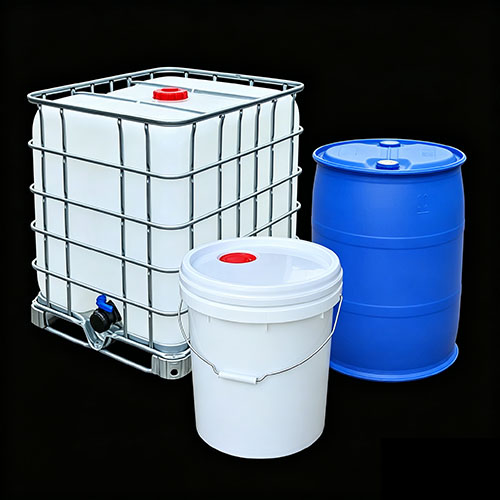
Packaging for liquid sodium silicate: IBC tanks / 200L plastic drums / 25KG small pails
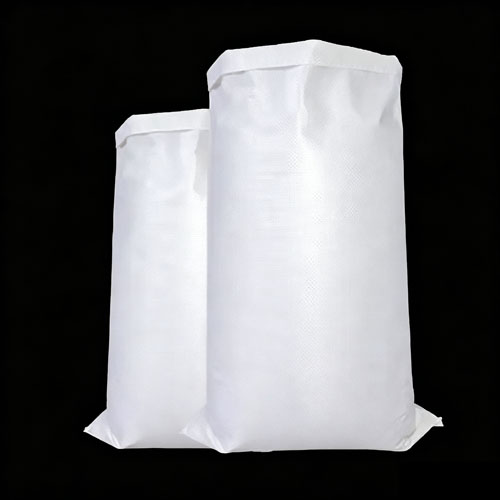
Powder sodium silicate packing :25kg woven bag
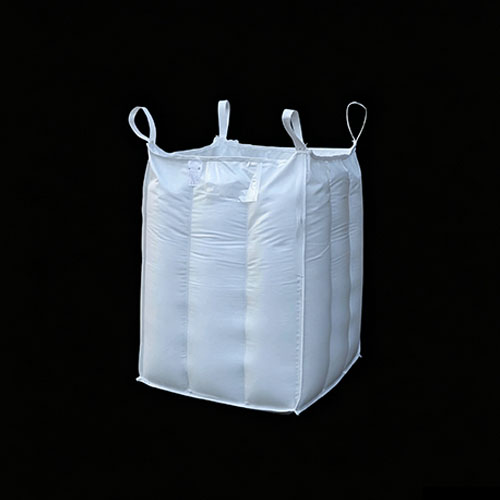
Solid sodium silicate packing:jumbo bag / bulk bag
Frequently Asked Questions
What is sodium silicate used for?
Sodium silicate (water glass) is a multi-functional industrial chemical with extremely wide application fields. Industrial sodium silicate is mainly used in construction waterproofing and concrete modification, detergent industry auxiliary agent production, foundry sand mold bonding, refractory material manufacturing, chemical adhesive production, water treatment, textile sizing, and ceramic processing.
Different types of sodium silicate correspond to different scenarios:
liquid sodium silicate is suitable for ready-to-use industrial production and construction on-site operation;
solid sodium silicate is suitable for long-term storage and large-scale deployment;
instant sodium silicate is suitable for rapid preparation and small-batch production.
As a core industrial auxiliary material, sodium silicate covers almost all basic industrial processing fields.
Is sodium silicate waterproof?
Yes, sodium silicate has excellent waterproof and impermeable performance, which is one of its core advantages.
After the sodium silicate solution reacts with carbon dioxide and cement hydration products in the air, it will form a dense and insoluble silica gel layer on the surface of the matrix.
This layer can effectively block water molecules penetration, significantly improving the waterproof and anti-seepage capacity of concrete, walls, and building foundations.
Waterproof-grade industrial sodium silicate provided by professional sodium silicate supplier is widely used in basement waterproofing, tunnel anti-seepage, roof waterproof coating and other projects, with stable and long-lasting waterproof effect.
What is the difference between sodium silicate and potassium silicate?
Both sodium silicate and potassium silicate belong to alkali silicate compounds, but they have obvious differences in raw materials, performance and application.
First, the raw material of sodium silicate is sodium oxide and silica, with low production cost and high cost performance; potassium silicate takes potassium oxide as the raw material, with higher cost.
Second,industrial sodium silicate has stronger bonding performance and better waterproof effect, suitable for construction, foundry, detergent and large-scale industrial scenarios; potassium silicate has better weather resistance and is mostly used for high-grade coatings and precision chemical industry.
Third, sodium silicate products includingliquid sodium silicate and solid sodium silicate have more complete specifications and wider market applications, making them the mainstream choice of industrial silicate products.
Is water glass soluble in water?
Yes, water glass (sodium silicate) is easily soluble in water, which is its basic physical property.
Liquid sodium silicate is itself an aqueous solution with good water miscibility and can be mixed with water in any proportion.
Solid sodium silicate can be completely dissolved in hot water to form a uniform sodium silicate solution; instant sodium silicate can be quickly dissolved in normal temperature water without heating, with no residue and high dissolution efficiency.
Only high-modulus sodium silicate has slightly reduced solubility, but it can still be completely dissolved in hot water, fully meeting industrial deployment and use needs.
What modulus of sodium silicate is used in construction?
The construction industry mainly adopts sodium silicate with a modulus of 2.2–2.8, which is the most balanced modulus grade for construction scenarios.
Low-modulus sodium silicate (1.6–2.2) has fast curing speed and is mostly used for concrete quick-setting and emergency repair;
medium-modulus sodium silicate (2.2–2.8) has moderate curing speed, excellent waterproof and bonding performance, and is suitable for building waterproof mortar, foundation reinforcement and anti-corrosion engineering;
high-modulus sodium silicate above 2.8 is mainly used for refractory materials, not conventional construction waterproofing. Professionalsodium silicate manufacturer can provide construction-specific modulus sodium silicate products according to engineering needs.
Can sodium silicate be used in detergent formulations?
Absolutely yes. Sodium silicate is an essential core auxiliary agent for detergent formulations.
Low-modulus liquid sodium silicate and instant sodium silicate are widely added in washing powder, laundry detergent, industrial degreasing agents and bleach stabilizers.
It can buffer solution alkalinity, soften hard water, chelate metal ions, improve detergent decontamination and emulsification ability, and protect fabrics and metal equipment from corrosion.
Industrial sodium silicate for detergents has low impurity content and stable performance, which can effectively improve the comprehensive quality of detergent products and reduce production costs, and is favored by daily chemical enterprises.
Get a Free Quote For Industrial Silicate Products!
We believe Sanlee will be your best partner!
Please fill out the form with your contact details or give us a call, and we will get back to you within 24 hours.
For more about Sanlee, please visit our facebook page, Instagram page, and youtube page.