Tel: +86-13630079025 Wechat/Whatsapp:+86-13630079025 Email Address: sales@sanleechem.com

Silicate in Ceramics Industry Applications
Silicates play an important role in ceramic manufacturing due to their excellent binding properties, chemical stability, and compatibility with inorganic materials. These silicate applications cover ceramic deflocculant, ceramic diluting agent, ceramic binders and processing additives; sodium silicate and potassium silicate are key components within ceramics applications.
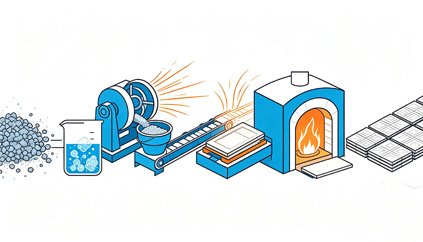
Role of Silicates in Ceramic Manufacturing
Silicates are indispensable inorganic raw materials that lay a solid foundation for modern ceramic production. With excellent bonding, dispersion, high-temperature resistance and surface modification properties, they have become core functional additives widely adopted in ceramics industry applications.
Different types of silicates, especially alkali silicates, exhibit unique application advantages in different ceramic production processes, making silicate for ceramics an essential material to optimize ceramic product performance and streamline manufacturing procedures.
Among various silicate products, sodium silicate for ceramics and potassium silicate for ceramics are the most commonly used varieties, which differ significantly in viscosity, curing speed and high-temperature stability to meet diverse production demands of daily ceramics, industrial ceramics and refractory ceramics.
Meanwhile, silicate binder for ceramic materials serves as a key functional component to enhance the structural stability of ceramic blanks and finished products, working together with other silicate functions to promote the high-quality development of the ceramic manufacturing industry.
Binder Function
The most fundamental and widely applied role of silicates in ceramic manufacturing is serving as a high-efficiency binder. In the green body forming stage of ceramics, ceramic raw materials such as clay, feldspar and quartz are mostly powdery granular substances with no inherent adhesion. The addition of silicate binder for ceramic materials can effectively bond scattered ceramic powder particles into integrated and rigid green bodies, solving the problem of loose structure and easy cracking of semi-finished products.
Sodium silicate for ceramics features low cost, strong initial adhesion and good water solubility, which is suitable for mass production of ordinary building ceramics and daily-use ceramics. It can form a stable colloidal film on the surface of ceramic particles, lock the particle structure, and maintain the complete shape of the green body during drying and preliminary firing.
In practical ceramics industry applications, silicate binders can not only improve the molding qualification rate of ceramic blanks, but also reduce the usage of organic binders, avoiding defects such as carbon residue and pores caused by organic matter combustion during high-temperature sintering, and effectively improving the compactness and mechanical strength of finished ceramics.
Deflocculant Function
In the ceramic slurry preparation process, silicate for ceramics plays a vital deflocculant role, which is crucial for optimizing slurry fluidity and improving ceramic molding quality. Ceramic slurry is a mixed suspension composed of inorganic mineral powder and water, and fine particles in the slurry are prone to agglomerate and flocculate due to electrostatic attraction, resulting in increased slurry viscosity, poor fluidity and uneven component distribution, which seriously affects grouting molding and glaze coating effects.
Alkali silicates represented by sodium silicate and potassium silicate can dissociate anionic groups in aqueous solution, adsorb on the surface of ceramic particles, increase the electrostatic repulsion between particles, and break the flocculated aggregate structure of the slurry. After deflocculation, the slurry presents a uniform and stable dispersion state, with significantly reduced viscosity and greatly improved fluidity.
This enables the ceramic slurry to fill the mold cavity completely and evenly in grouting production, eliminate internal bubbles and uneven density of green bodies, and avoid common defects such as surface depressions and cracks of finished products.
Surface Treatment
Silicates are widely used in the surface treatment of ceramic products, which can effectively optimize the surface performance, durability and decorative effect of ceramics. In ceramics industry applications, surface treatment with silicate mainly includes surface sealing, hardening, anti-corrosion modification and glaze surface finishing of ceramic blanks and finished products.
After the ceramic green body is dried, coating a dilute silicate solution on its surface can form a dense and uniform inorganic protective film after drying and low-temperature curing. This film can seal the micropores on the surface of the ceramic blank, prevent the blank from absorbing moisture and deforming in the subsequent processing process, and improve the surface smoothness of the blank.
Refractory Applications
Silicate for ceramics has a high melting point and low thermal expansion coefficient, and can maintain stable physical and chemical properties under long-term high-temperature firing environments, without melting, deformation or chemical corrosion.
In the production of refractory ceramics for industrial kilns and high-temperature equipment, silicate binder for ceramic materials is used to bond refractory aggregates such as alumina and silica, prepare integral refractory castables and refractory bricks, and build high-temperature resistant linings for ceramic firing kilns.
Sodium silicate for ceramics is commonly used in ordinary refractory ceramic materials due to its good bonding performance after high-temperature dehydration and low cost, which can improve the overall structural strength and high-temperature scouring resistance of refractory products.
Types of Silicate for Ceramic Applications
Various silicate grades serve diverse ceramics industry applications. Different forms of silicate for ceramics, including liquid and solid alkali silicates, deliver tailored functions as silicate binder for ceramic materials, deflocculants and surface treatment agents. Sodium silicate for ceramics and potassium silicate for ceramics are the most mainstream liquid varieties, while solid sodium silicate provides flexible on-site dissolution, enabling manufacturers to select suitable products according to slurry formulation, forming process and firing requirements.
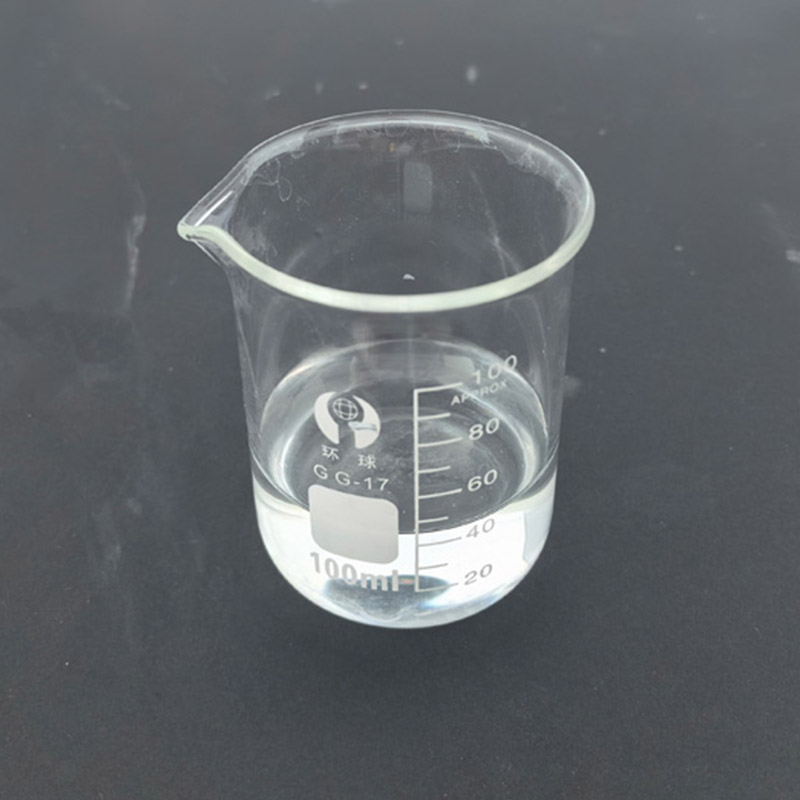
Sodium Silicate
A common alkali silicate widely adopted as binder and deflocculant to adjust slurry fluidity and strengthen ceramic green bodies in ceramic manufacturing.
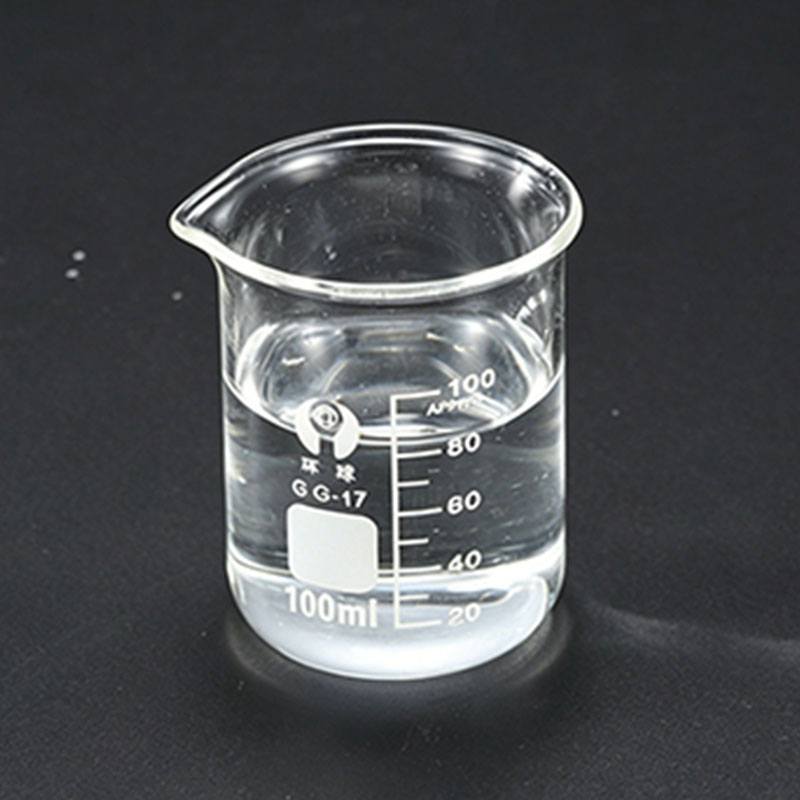
Potassium Silicate
Offers superior high-temperature stability and lower shrinkage, suitable for high-precision ceramics, refractory formulations and glaze surface modification.
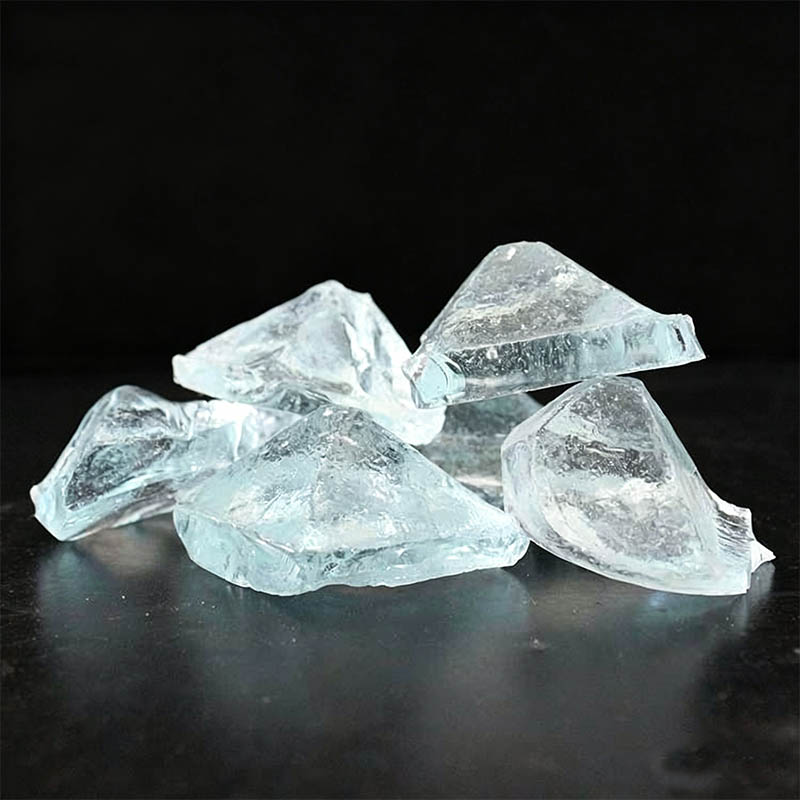
Solid Sodium Silicate
Solid granular sodium silicate with convenient storage and transportation, which dissolves on-site to prepare silicate solutions for ceramic forming and surface treatment.
Applications of Sodium Silicate in Ceramics
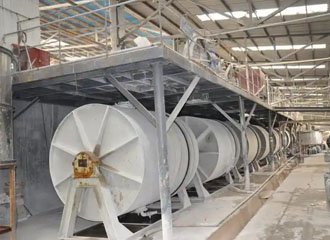
Ceramic Binder
It bonds ceramic powder particles to enhance green body strength and reduce cracking during drying and firing.
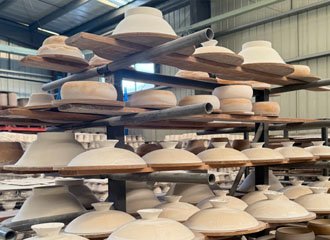
Ceramic Casting and Processing
It optimizes slurry performance to support stable slip casting and consistent shaping of ceramic blanks.
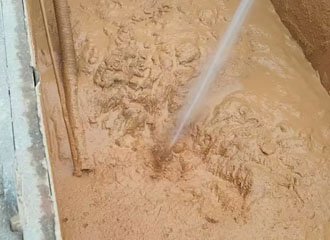
Ceramic Deflocculant
It disperses fine mineral particles, lowers slurry viscosity and improves flowability for ceramic forming.
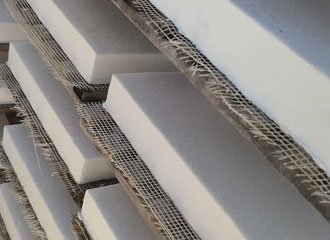
Refractory Ceramic Materials
It acts as a cost-effective binder for refractory aggregates to fabricate kiln linings and heat-resistant ceramic components.
Applications of Potassium Silicate in Ceramics
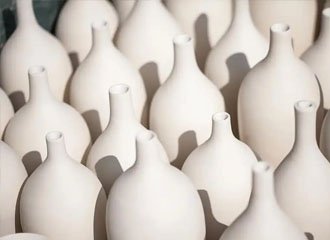
Inorganic Ceramic Binder
It provides high-temperature stable bonding with low shrinkage for precision and high-grade ceramic green bodies.
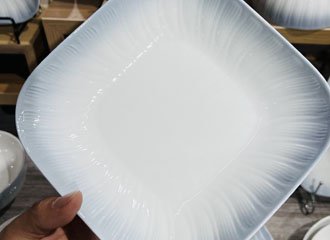
Ceramic Coatings and Surface Treatment
It forms dense inorganic films to seal pores, boost surface hardness and improve glaze quality of ceramic products.
Benefits of Using Silicates in Ceramic Production
| Benefit | Description |
| Strong bonding | Improves material strength |
| Heat resistance | Suitable for refractory ceramics |
| Inorganic composition | Low VOC solution |
| Chemical stability | Long-term performance |
| Cost efficiency | Economical binder solution |
Recommended Reading

Sodium silicate 2 key parameters: Detailed explanation of modulus and baume degree and application selection
Water glass, also known as sodium silicate (chemical formula Na₂O·nSiO₂), is a commonly used basic chemical raw material in the industrial field. Its performance and application are not fixed but are jointly determined by two core parameters – modulus and baume degree. These two parameters define the characteristics of sodium silicate from the chemical composition…
FAQs About Silicate For Ceramics
What is sodium silicate used for in ceramics?
Sodium silicate acts as an economical binder, deflocculant and surface treatment agent for ceramic green bodies, casting slurries and ordinary refractory ceramics.
Can potassium silicate be used as a ceramic binder?
Yes. Potassium silicate works as a high-performance inorganic ceramic binder featuring better thermal stability and lower shrinkage than sodium silicate for premium ceramics.
What type of silicate is suitable for refractory ceramics?
Liquid sodium silicate and potassium silicate are commonly used; sodium silicate suits general refractories while potassium silicate is preferred for high-temperature demanding refractory ceramic applications.
Do you supply customized silicate solutions for ceramic manufacturers?
Yes, we can adjust modulus, concentration and formulation of sodium silicate and potassium silicate to match different ceramic production processes.
What is the difference between sodium silicate and potassium silicate for ceramics?
Sodium silicate is cost-effective for regular ceramic slurries, while potassium silicate delivers superior high-temperature stability and less glaze interference for high-end ceramics
How does silicate function as a ceramic deflocculant?
Silicate dissociates anions in water, adsorbs onto mineral particles and creates electrostatic repulsion to disperse agglomerates and reduce slurry viscosity.
Can solid sodium silicate be directly added into ceramic slurry?
Solid sodium silicate needs full dissolution in water first; direct undissolved addition may cause uneven dispersion and local defects in ceramic blanks.
Get a Free Quote For Industrial Silicate Products!
We believe Sanlee will be your best partner!
Please fill out the form with your contact details or give us a call, and we will get back to you within 24 hours.
For more about Sanlee, please visit our facebook page, Instagram page, and youtube page.