Common Problems and Solutions of Sodium Silicate Grouting
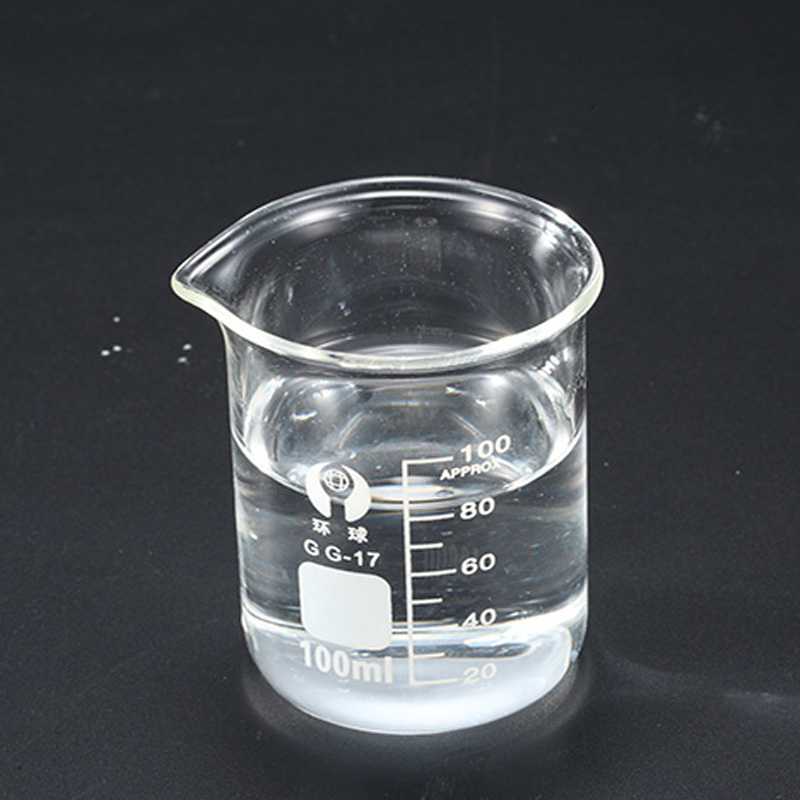
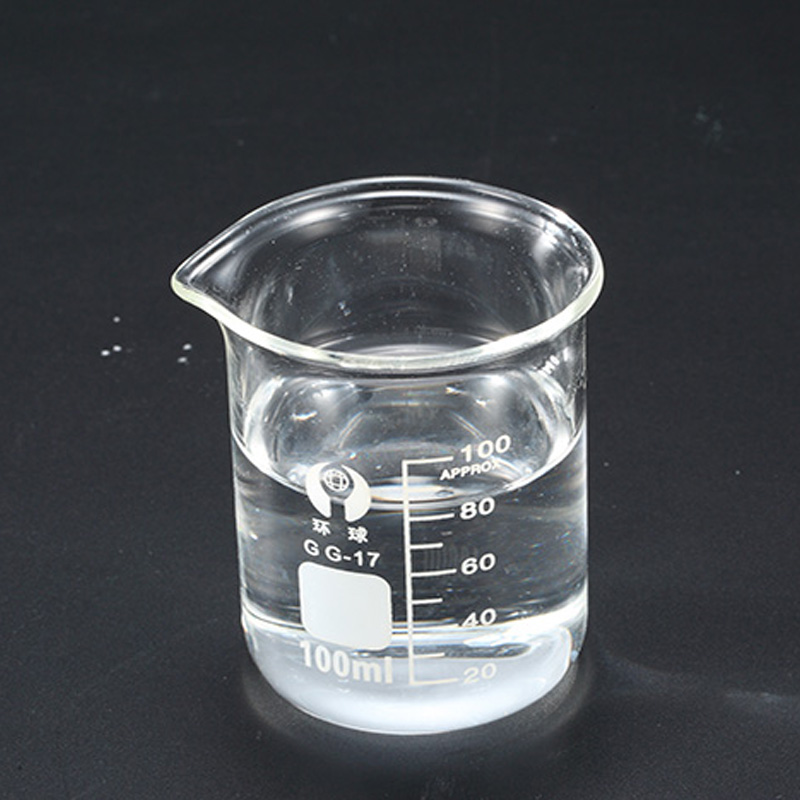
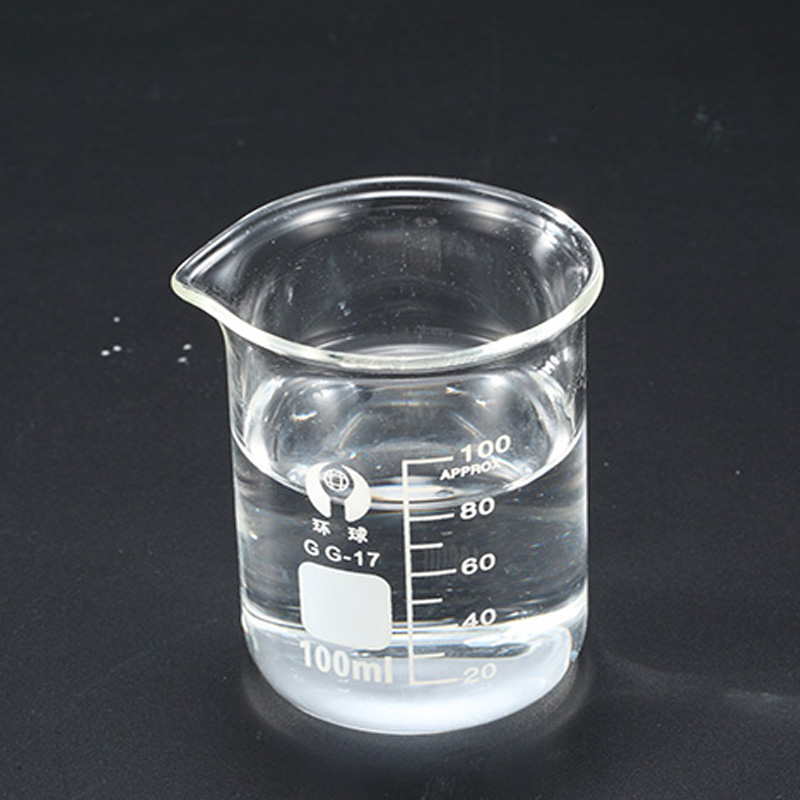
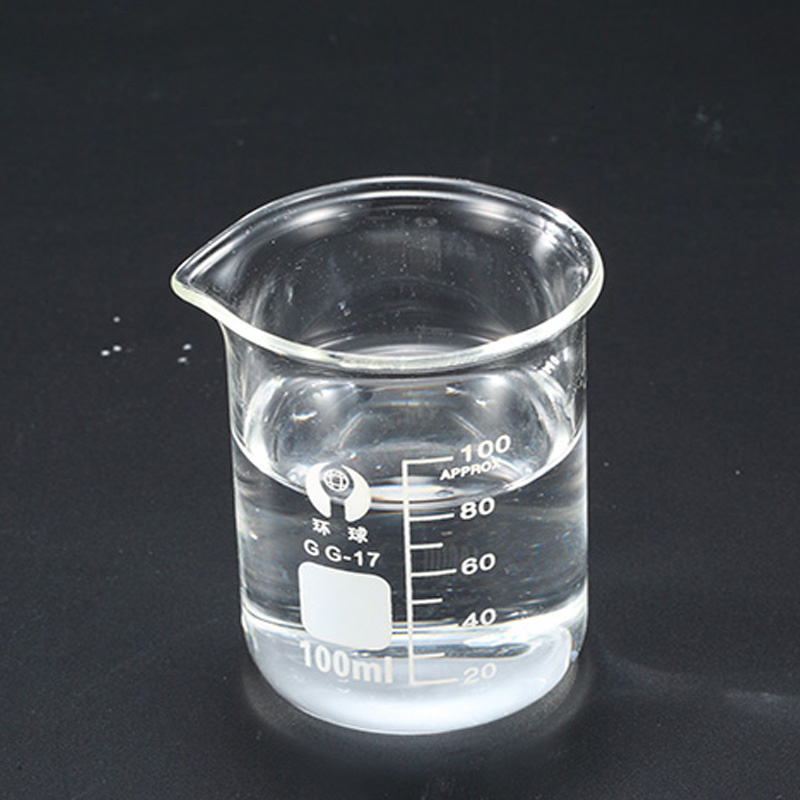
Sodium silicate, also known as water glass, is an indispensable core material in engineering grouting, widely used in scenarios such as foundation reinforcement, waterproofing and leakage control, and mine sealing. Its rapid setting property can effectively enhance grouting efficiency and ensure construction quality.

However, many engineering practitioners often encounter a common problem when using sodium silicate grouting: it sets too quickly upon injection, immediately solidifying and causing poor grouting, pipe blockage, and even affecting the construction outcome. They mistakenly believe that the problem lies in the quality of the water glass.
In fact, this is not due to poor quality of the water glass, but rather a lack of understanding of the correct usage methods and proportioning techniques for sodium silicate grouting. This article will dissect the core reasons for the rapid setting of grouting water glass, share practical adjustment methods and operational suggestions, and help engineering practitioners use water glass correctly, avoid construction pitfalls, strengthen key terms to meet Google’s indexing requirements, and improve the efficiency of sodium silicate grouting.
I. Common Pain Point: Water glass sets too quickly during grouting, the problem lies in the method, not the quality
Our factory frequently receives consultation calls from engineering clients, and their core concern is almost always the same: “Your water glass is no good. It sets too quickly during grouting, leaving no time for operation. Is there a quality issue?” In fact, the root cause of such problems is never the poor quality of the water glass, but rather the lack of understanding of the usage logic and influencing factors of water glass in sodium silicate grouting by the clients. They blindly follow a fixed method without considering key variables such as proportioning and environment, ultimately leading to uncontrollable setting time in sodium silicate grouting.
The setting property of water glass is its core advantage, but if used improperly, this advantage can become a construction hindrance. Whensodium silicate grouting sets too quickly, it not only leads to pipe blockage and material waste, but also affects the penetration effect of the slurry, preventing it from fully filling the ground pores. This, in turn, impacts the final quality of foundation reinforcement and leakage control. In severe cases, rework is required, increasing construction costs and project duration.

II. Core Influencing Factors: Key Variables Affecting the Setting Time of Grouting Water Glass
Many practitioners mistakenly believe that the setting time of water glass is fixed, but this is not the case. The setting time of sodium silicate grouting is influenced by multiple factors, with the two most crucial being the specification and proportioning of the water glass. Other factors also have indirect effects, as detailed below:
(1) The Most Crucial Factors: Water Glass Specification + Proportioning
1. Water Glass Specification: The key indicators are modulus and Baumé degree, which determine the setting speed of sodium silicate grouting. The higher the modulus and the greater the Baumé degree, the stronger the activity of the water glass, and the faster its reaction with cement slurry, resulting in a shorter setting time. Conversely, a lower modulus and smaller Baumé degree will slow down the setting speed.
2. Proportioning Ratio: This refers to the mixing ratio of water glass to cement slurry, as well as the water-cement ratio of the cement slurry itself. The more water glass used and the smaller the water-cement ratio of the cement slurry (higher cement concentration), the faster the setting speed of sodium silicate grouting. Conversely, reducing the amount of water glass and appropriately increasing the water-cement ratio can delay the setting time.
(2) Other Influencing Factors
In addition to the core factors, the construction environment and material parameters also affect the setting time of sodium silicate grouting:
1. Environmental Temperature: The higher the temperature, the faster the reaction between water glass and cement slurry, and the shorter the setting time of sodium silicate grouting. In low-temperature environments, the reaction slows down, and the setting time extends.
2. Environmental Humidity: The higher the humidity, the slower the evaporation of slurry moisture, and the setting time of sodium silicate grouting slightly extends. In dry environments, rapid moisture evaporation accelerates the setting.
3. Cement Grade: The higher the cement grade, the stronger its activity, and the faster its reaction with water glass, resulting in a shorter setting time of sodium silicate grouting.

III. Practical Solutions: When grouting water glass sets too quickly, adjust it this way
If you encounter the problem of water glass setting too quickly and causing poor grouting during construction, there is no need to question the quality of the water glass. Simply adjust the following two points to quickly control the setting time and ensure smoothsodium silicate grouting:
(1) Adjust the mixing proportion to slow down the setting speed
The core idea is to reduce the amount of water glass or adjust the water-cement ratio of the cement slurry. For instance, if the original ratio of sodium silicate to cement slurry is 1:1, the amount of sodium silicate can be appropriately reduced to 1:0.75 or 1:0.5. At the same time, the water-cement ratio of the cement slurry can be increased to raise the water content and dilute the slurry concentration, thereby delaying the setting time and providing sufficient time for sodium silicate grouting operations.
(2) Dilute sodium silicate with water to reduce its activity
If the Baumé degree of sodium silicate is too high and its activity is too strong, it can be diluted with water first to reduce its concentration and activity, and then mixed with cement slurry to adjust the ratio. When diluting, it is necessary to stir evenly to avoid uneven local concentration. At the same time, the dilution ratio should be flexibly controlled based on the on-site conditions. After dilution, a small-scale test can be conducted first to confirm that the setting time meets the requirements before large-scale sodium silicate grouting.
IV. Core Practical Suggestions: Conduct Ratio Experiments Before Construction
Due to the differences in on-site environments (temperature, humidity), cement grades, and sodium silicate specifications in different projects, a fixed ratio cannot be applied to all scenarios of sodium silicate grouting. Therefore, the core suggestion is: Before each grouting operation, it is essential to conduct a small-scale ratio experiment based on the actual on-site conditions, using materials consistent with the construction (same grade sodium silicate and same grade cement).
Test the setting time under different ratios through experiments to find the best ratio suitable for on-site construction, determine the amount of sodium silicate, dilution ratio, and water-cement ratio of the cement slurry, and then proceed with large-scale sodium silicate grouting. This approach can not only avoid problems of setting too quickly or too slowly but also ensure the grouting effect, reduce material waste, and minimize the risk of rework.
In conclusion, if the sodium silicate used in grouting sets too quickly, it is not a quality issue but rather a result of improper usage methods and ratios. By understanding the core influencing factors such as sodium silicate specifications, ratios, and environmental conditions, and adjusting the ratios and diluting the sodium silicate, the setting time can be precisely controlled. Conducting ratio experiments before construction is the key to ensuring smooth sodium silicate grouting and improving construction quality. For more tips on using sodium silicate for grouting and ratio schemes, follow us to get professional answers.
for more information ,please visit our facebook page