How to Use Sodium Silicate with Cement: Grouting Ratio Experiment and Practical Tips
Sodium silicate, as the core accelerator in cement grouting, directly affects the setting time of cement slurry and thus determines the efficiency and effectiveness of grouting operations. Many engineering practitioners have a misconception when using cement-sodium silicate double liquid slurry: the more sodium silicate is added, the faster the setting speed?
To answer this question and clarify how to use sodium silicate with cement correctly, this article conducts three sets of comparative experiments to test the initial setting time of cement, water, and sodium silicate at different mixing ratios, and to analyze the impact of the ratio on the setting time. At the same time, it provides practical operation tips to help engineering practitioners accurately control grouting parameters, providing a scientific reference for actual grouting operations and solving the key problem of how to use sodium silicate with cement.
I. Experimental Preparation: Clarifying Parameters to Ensure Experimental Rigor
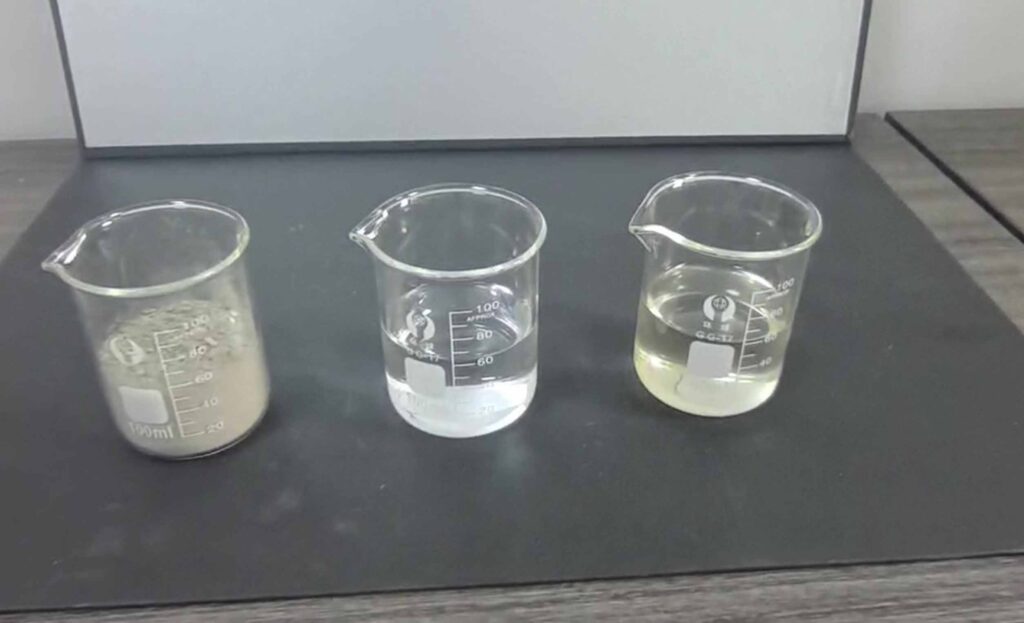
To ensure the accuracy and reference value of the experimental results—key to guiding how to use sodium silicate with cement in practice—this experiment strictly controls a single variable (only changing the amount of sodium silicate), while keeping other experimental conditions consistent. The specific preparations are as follows:
(1) Experimental Materials and Parameters
1. Cement: 425-grade ordinary Portland cement is selected, which is the most commonly used cement type in engineering grouting, with stable strength and strong adaptability—laying a foundation for standardized guidance on how to use sodium silicate with cement.
2. Water: Ordinary tap water is used, free of impurities and odor, to avoid the impact of water quality on the setting effect of cement slurry.
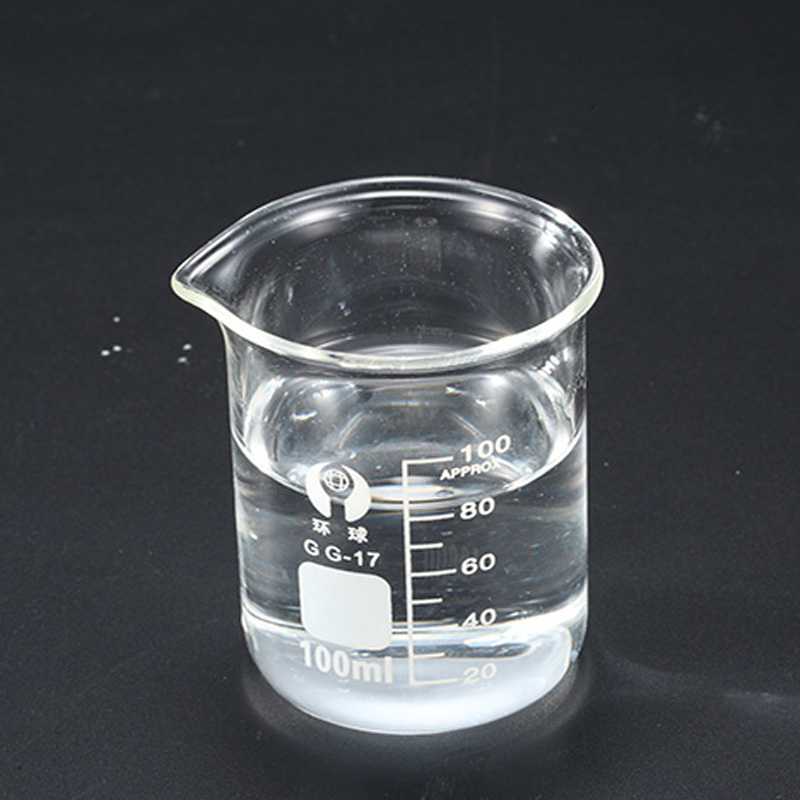
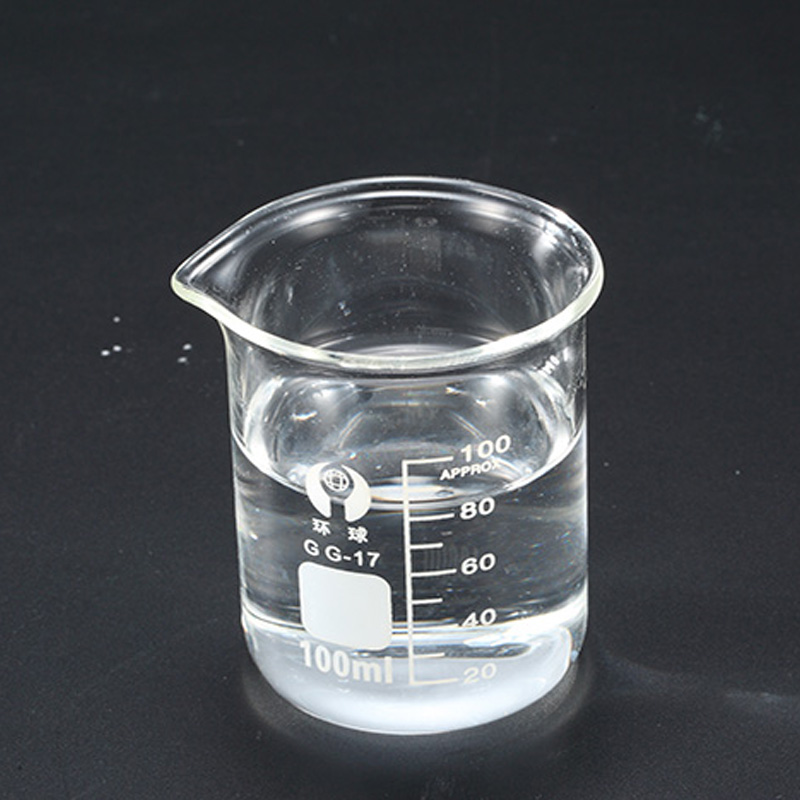
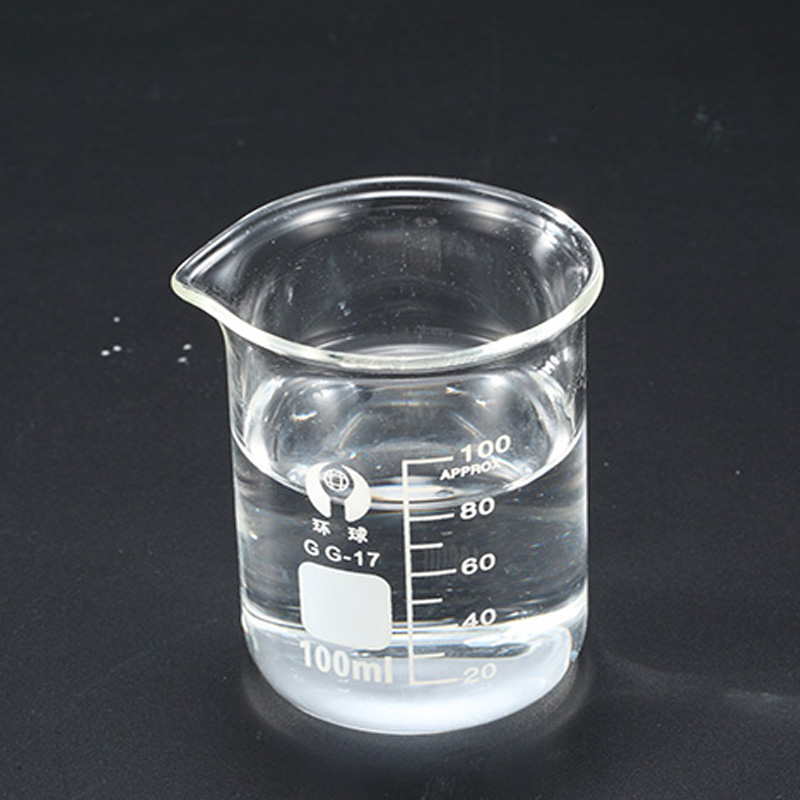
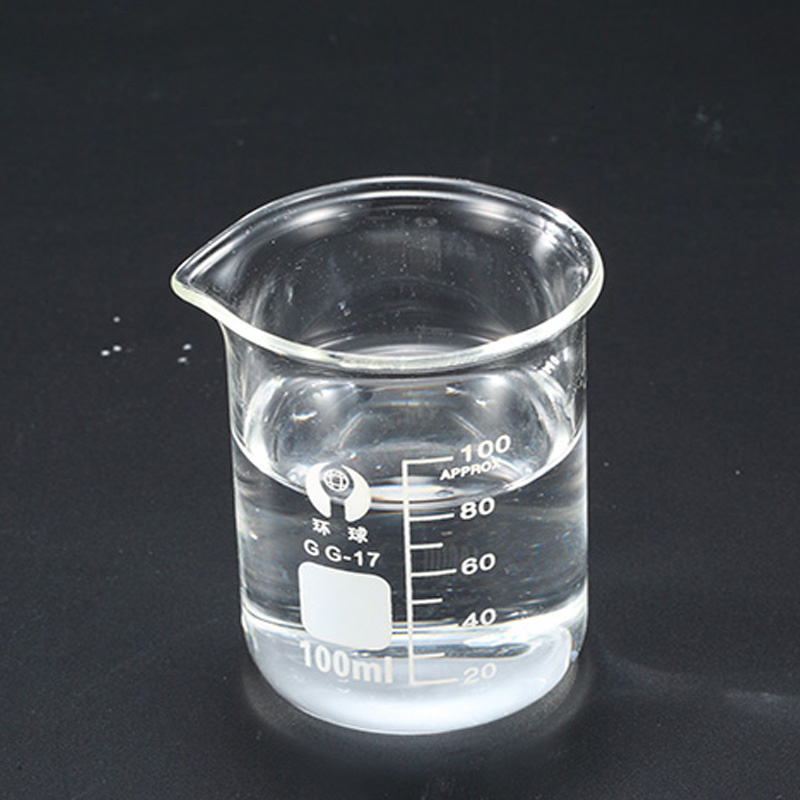
3. Sodium silicate: The technical parameters are clearly defined, with a Baumé degree of 38°Bé and a modulus of 3.2, which is a commonly used specification in industrial grouting, ensuring that the experimental results are in line with actual engineering scenarios and can directly guide how to use sodium silicate with cement in real projects.
(2) Experimental Control Conditions
This experiment uniformly controls two core conditions: first, the water-cement ratio (the ratio of water to cement) is 1:1 for all groups to ensure a consistent base concentration of the cement slurry; second, the stirring method is uniform, and after each mixture, it is quickly and evenly stirred to avoid uneven stirring causing deviations in setting time.
At the same time, the experimental environment temperature and humidity are kept stable to eliminate the interference of environmental factors on the experimental results and ensure the authenticity and reliability of the experimental data—critical for providing scientific guidance on how to use sodium silicate with cement.
II. Three Sets of Comparative Experiments: Detailed Process and Data Recording
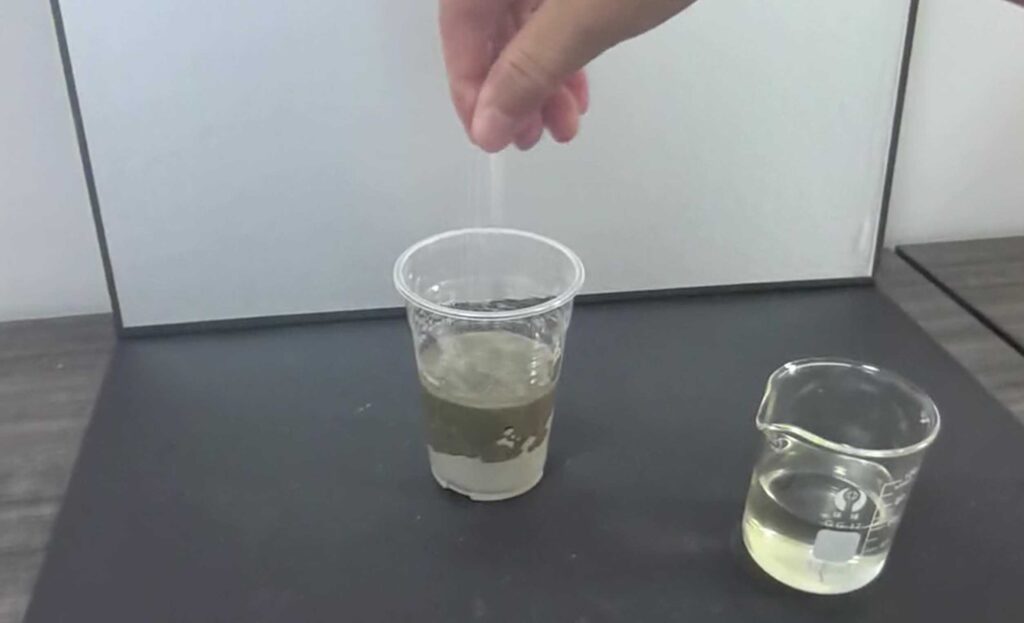
This experiment sets up three groups, only changing the mixing ratio of sodium silicate to cement and water, and tests the initial setting time of the cement slurry in each group (the initial setting time refers to the time from the completion of stirring to the loss of fluidity and the beginning of setting of the cement slurry). These experiments directly simulate practical operations and provide specific data support for how to use sodium silicate with cement. The specific process and results are as follows:
Experiment One: Mixing Ratio 1:1:1 (Cement: Water: Sodium Silicate)

Operation Steps: First, mix 425-grade cement and water in a 1:1 ratio, stir evenly to make cement slurry, ensuring no lumps and good fluidity; then add sodium silicate in proportion, stir quickly immediately to ensure thorough mixing of sodium silicate and cement slurry; start timing simultaneously, observe the state of the cement slurry, and record the initial setting time. Experimental Result: The initial setting time is approximately 31.05 seconds, and the cement slurry sets relatively quickly, losing fluidity rapidly after stirring—providing a basic reference for how to use sodium silicate with cement at this ratio.
Experiment Two: Mixing Ratio 1:1:0.75 (Cement: Water: Sodium Silicate)

The operation steps are exactly the same as Experiment One, only reducing the amount of sodium silicate, and mixing at a ratio of 1:1:0.75. Experimental Result: The initial setting time is approximately 28.71 seconds. Compared with Experiment One, reducing the amount of sodium silicate actually shortens the setting time, which is about 2.34 seconds faster than Experiment One—adjusting the ratio for optimal use of how to use sodium silicate with cement.
Experiment Three: Mixing Ratio 1:1:0.5 (Cement: Water: Sodium Silicate)
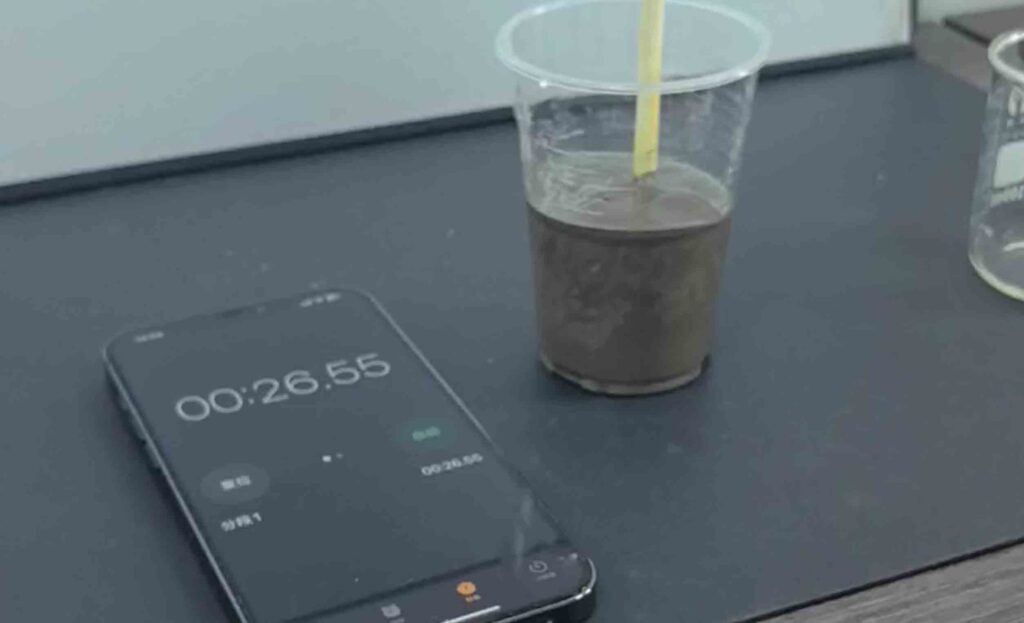
The operation steps remain unchanged, further reducing the amount of sodium silicate, and mixing at a ratio of 1:1:0.5. Experimental Result: The initial setting time is approximately 24.62 seconds, which is the fastest setting among the three groups of experiments. Compared with Experiment One, the setting time is shortened by 6.43 seconds, further verifying the relationship between the amount of sodium silicate and the setting time—providing key data for mastering how to use sodium silicate with cement correctly.
III. Experimental Conclusion: The Core Relationship Between Sodium Silicate Amount and Setting Time
Combining the data from the three sets of experiments, a clear conclusion can be drawn: the amount of sodium silicate has a direct relationship with the initial setting time of the cement slurry, but it is not the case that the more sodium silicate is added, the faster the setting time. This conclusion is crucial for correctly understanding how to use sodium silicate with cement.
In this experiment, as the amount of sodium silicate decreased (from 1:1:1 to 1:1:0.5), the initial setting time of the cement slurry gradually shortened, showing a trend of “the less sodium silicate used, the faster the setting speed”, which broke the common misconception that “the more sodium silicate added, the faster the setting”.
The core reason lies in that sodium silicate, as an accelerator, reacts with the active components in cement to form silicic acid gel, accelerating the setting of cement. However, when the amount of sodium silicate is excessive, it dilutes the concentration of the cement slurry, thereby slowing down the reaction speed; while a moderate reduction in the amount of sodium silicate allows it to react fully with the active components in the cement, thus accelerating the setting process.
IV. Practical Tips: Precautions for actual grouting operations
It should be noted that this experiment was conducted under ideal conditions with a single variable controlled. In actual grouting operations, the setting time of the cement-sodium silicate two-component slurry is affected by multiple factors and cannot be judged solely by the proportion—key considerations for practical application of how to use sodium silicate with cement:
1. Cement grade: Different grades of cement have different activities, and the setting speeds of 425 grade and 525 grade cement are different;
2. Sodium silicate specification: Different Baumé degrees and moduli result in different accelerating effects, and not all 38°Bé, 3.2 modulus sodium silicate have the same effect;
3. Environmental factors: Higher temperatures accelerate the setting speed, while higher humidity slows it down. The proportion should be flexibly adjusted according to the on-site environment.
In conclusion, this experiment clearly revealed the influence of different mixing ratios of cement, water, and sodium silicate on the setting time, dispelling common industry misconceptions and providing a scientific reference for actual grouting operations. In engineering applications, the mixing ratio should be flexibly adjusted in combination with the cement grade, sodium silicate specification, and on-site environment to precisely control the setting time and ensure the grouting effect—effectively solving the practical problem of how to use sodium silicate with cement.
for more information ,please visit our facebook page