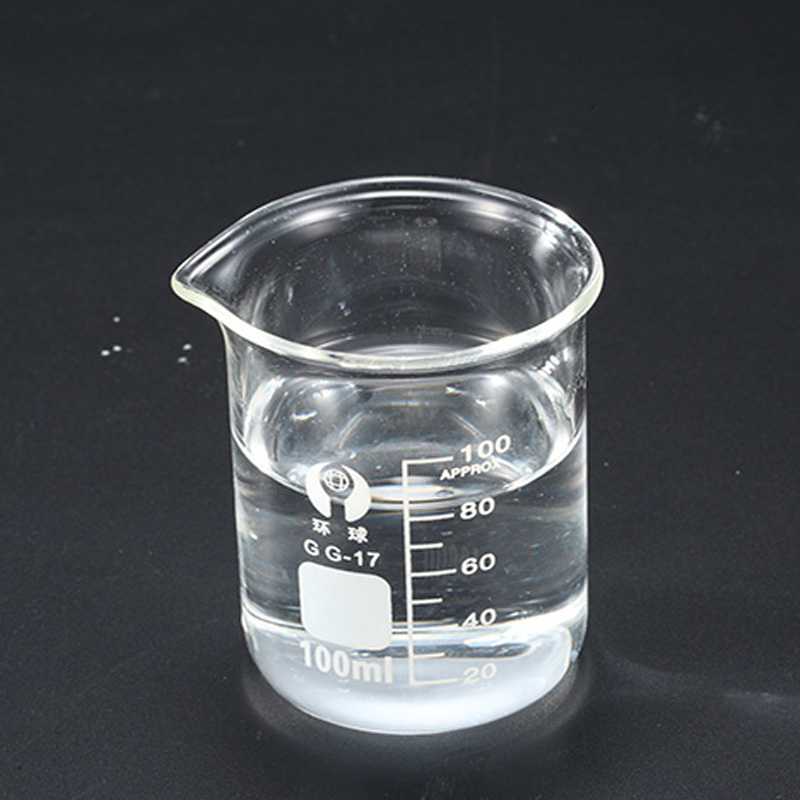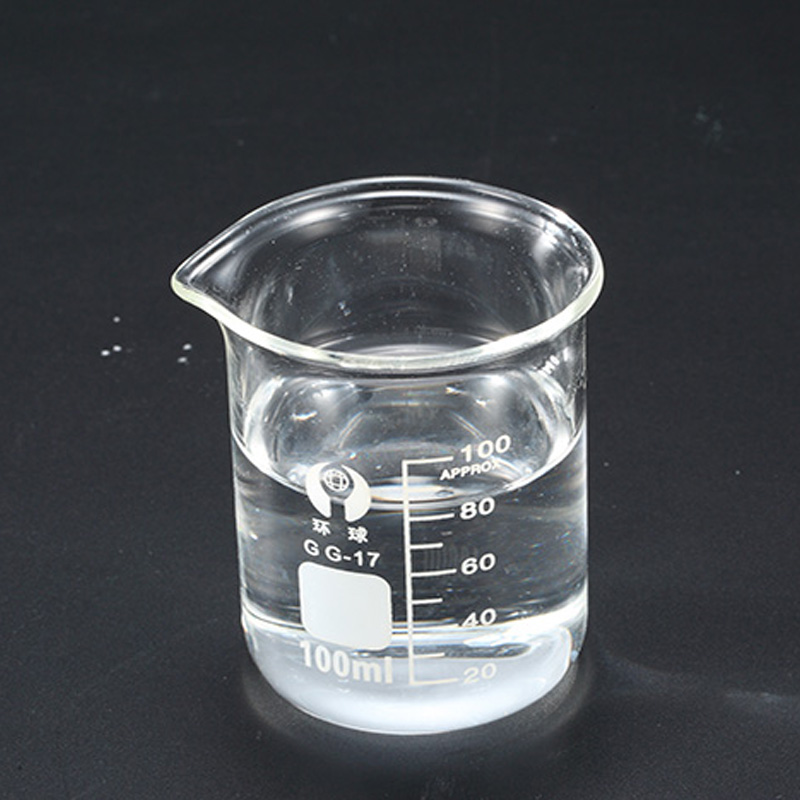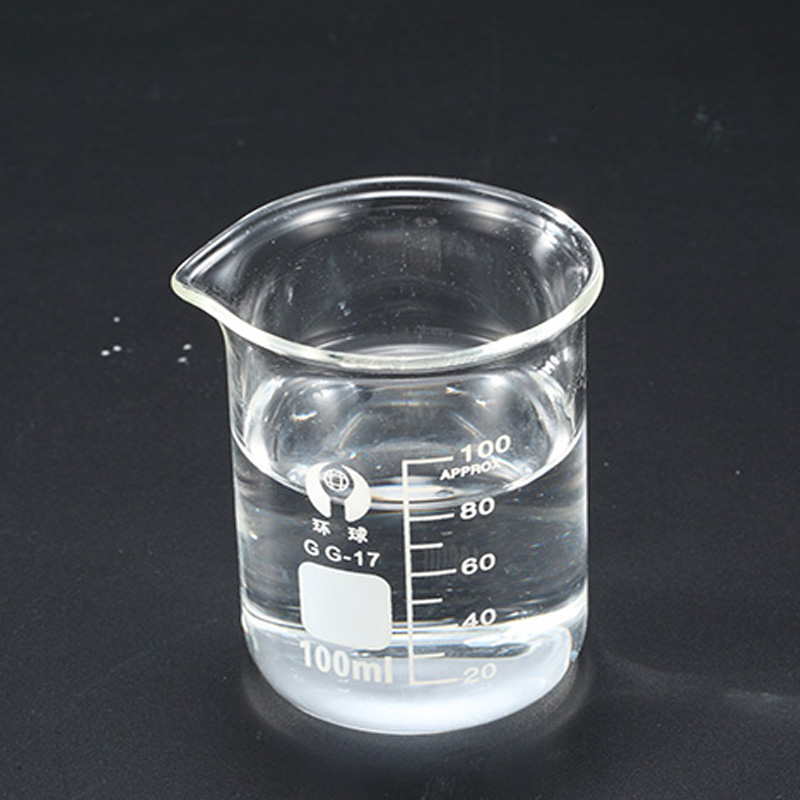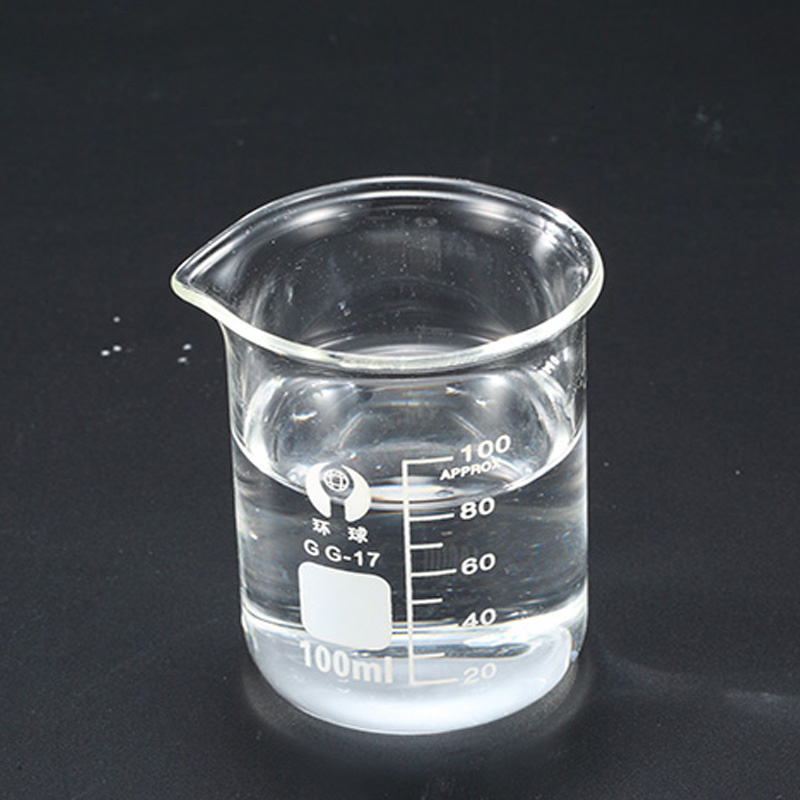
Potassium silicate (commonly known as potassium water glass) is an indispensable core auxiliary material in the production of welding electrodes. As a key binder for the coating of welding electrodes, its quality and specifications directly determine the welding performance, coating strength, and weld quality of the welding electrodes.
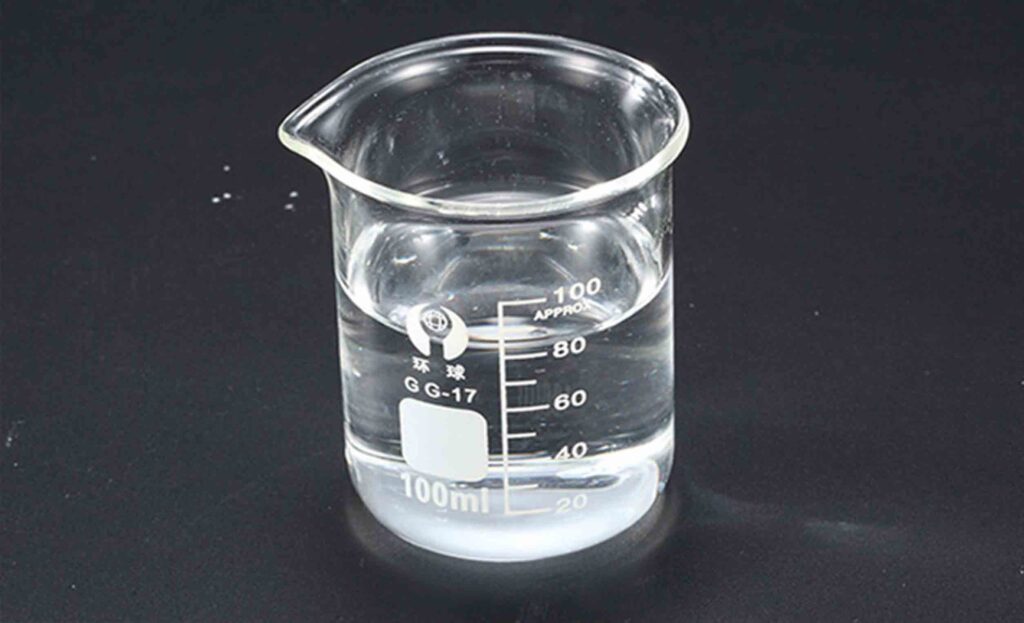
Many welding electrode manufacturers are often confused about “how to choose the appropriate specifications” and “which potassium silicate can meet their own welding electrode production needs” when purchasing Potassium silicate for welding electrodes.
This article will detail the core role of potassium silicate in the production of welding electrodes, the specification requirements of different types of welding electrodes for potassium silicate, and focus on introducing the advantages of our factory’s Sanlee Chemical‘s dedicated Potassium silicate for welding electrodes products, helping welding electrode enterprises make precise purchases and providing reliable auxiliary material solutions for welding electrode production.
1. The Core Role of Potassium Silicate (Potassium Water Glass) in the Production of Welding Electrodes
In the production of welding electrodes, potassium silicate is not merely a binder but also has multiple functions such as bonding, arc stabilization, slag formation, and pool protection. It is a key factor in ensuring the quality of welding electrodes, and its core role is mainly reflected in two aspects, running through the entire process of welding electrode production and welding—this is the core value of Potassium silicate for welding electrodes.
(1) Core bonding function, ensuring the formation and strength of the coating
The coating of welding electrodes is composed of various minerals and metal powders (such as ilmenite, potassium feldspar, manganese iron, etc.). Potassium silicate for welding electrodes, with its strong bonding properties, can firmly bond these components to form a uniform and dense coating that closely adheres to the surface of the core.
At the same time, it can enhance the plasticity and strength of the coating, preventing problems such as coating detachment, cracking, and eccentricity during transportation, storage, and welding, ensuring the regular shape of the welding electrodes and improving the qualification rate of the welding electrodes. This is also the core value of potassium silicate as an auxiliary material for welding electrodes.
(2) Auxiliary role during the welding process, improving welding quality
In addition to its bonding function, Potassium silicate for welding electrodes also plays three key auxiliary roles during the welding process:
First, arc stabilization, as the potassium element it contains has a low ionization potential, which can promote the emission of thermal electrons and thermal ionization, helping the arc to ignite quickly and remain stable, reducing arc interruption and spatter during welding and lowering the difficulty of welding operations;
Second, slag formation, at high welding temperatures, potassium silicate decomposes to form silicic acid gel, creating a uniform slag that covers the weld surface;
Third, protection of the molten pool, the slag can isolate air, moisture, and other impurities, preventing the oxidation of the molten pool and avoiding defects such as porosity and cracks in the weld, while optimizing the performance of the slag shell and facilitating slag removal, ensuring the aesthetic appearance of the weld.
2. Different Types of Welding Electrodes Have Different Specification Requirements for Potassium Silicate
The specifications of potassium silicate directly affect the performance of welding electrodes. Different types and grades of welding electrodes, due to their different uses, welding processes, and coating requirements, have clear and differentiated requirements for the modulus (molar ratio of SiO₂/K₂O), concentration (density), and impurity content of Potassium silicate for welding electrodes. Blind selection is not advisable. The specific corresponding relationship is as follows:
(1) Specification requirements classified by welding electrode type
First. Low-carbon steel welding electrodes (such as E4303): As the most widely used general-purpose welding electrodes, they require moderatePotassium silicate for welding electrodes, typically with a modulus of 2.2-2.8 and a concentration of 38-41°Bé. The impurity content (such as sulfur and phosphorus) must be controlled at an extremely low level to avoid affecting the mechanical properties of the weld and ensure a stable welding process with minimal spatter.
Second. Stainless steel welding electrodes: With higher requirements for corrosion resistance and welding stability, high-purity Potassium silicate for welding electrodes with a modulus of 2.8-3.4 and extremely low impurity content should be selected. The slag it generates can better protect the stainless steel weld from oxidation and discoloration, ensuring corrosion resistance.
Third. Other special welding electrodes (such as alkaline welding electrodes): They are suitable for high-modulus Potassium silicate for welding electrodes with a modulus of 3.4-3.9. This type of potassium silicate has better high-temperature resistance, reducing the foaming and cracking of the coating during baking and is suitable for high-temperature welding scenarios, while also enhancing arc stability.
(2) The Key Significance of Core Specification Parameters Modulus is the core indicator of potassium silicate, directly determining its bonding strength and auxiliary welding effect.
The higher the modulus, the stronger the high-temperature resistance and corrosion resistance, making it suitable for high-end special welding electrodes. The lower the modulus, the stronger the bonding property, making it suitable for general low-carbon steel welding electrodes.
Concentration (density) affects the plasticity and coating performance of the coating. Excessively high concentration can lead to a hard and cracked coating, while excessively low concentration can result in an unstable coating. It is necessary to flexibly adjust the concentration according to the coating process of the welding electrodes. The content of impurities is also crucial. Impurities such as sulfur and phosphorus can increase the sensitivity of weld cracks and reduce the welding quality. Therefore, the Potassium silicate for welding electrodes must strictly control the impurity content to ensure the purity of the product.
3. Our Factory’s Potassium Silicate: Suitable for the Production of All Types of Welding Electrodes, with Quality Assurance
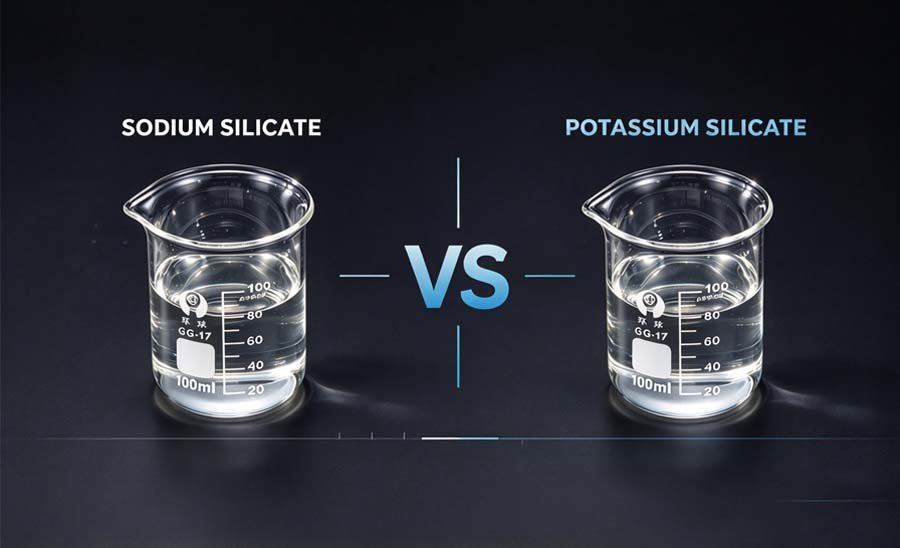
In response to the diverse needs of welding electrode production enterprises, our factory focuses on the research and development and production of Potassium silicate for welding electrodes. Our products, with their high clarity and transparency, complete specifications, and stable quality, can fully meet the production needs of different welding electrode enterprises.
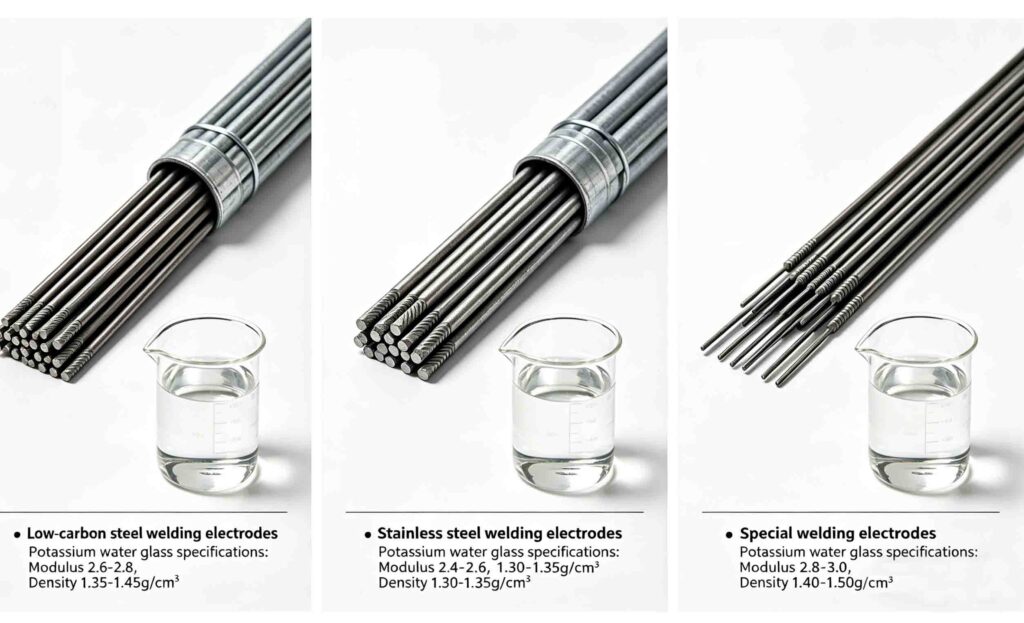
The core advantages are as follows: The Potassium silicate for welding electrodes produced by our factory has a modulus range of 2.2 to 3.9, covering the full range of low, medium, and high moduli, precisely matching the specification requirements of low-carbon steel welding electrodes, stainless steel welding electrodes, and various special welding electrodes. At the same time, we can flexibly adjust the concentration (density) and optimize the impurity control standards according to the specific needs of enterprises, providing customized solutions. This completely resolves the pain point of enterprises “not being able to find suitable specifications” and enables direct production without additional adjustments.
for more information ,please visit our facebook page