In the field of engineering materials, sodium silicate concrete is a special type of concrete that is resistant to acid, has good impermeability, and is highly dense. Many practitioners often confuse it with acid-resistant concrete, but in fact, they are the same material.
With its unique modification advantages, acid resistant concrete can effectively optimize the structure of concrete, reduce cracks, and enhance strength, and is widely used in various engineering scenarios such as tunnels, bridges, and chemical plants.
This article will provide a detailed analysis of the definition, core raw materials, the impact of modulus on its performance, core functions, and practical engineering applications of sodium silicate concrete, help engineering practitioners fully understand the value and application points of acid resistant concrete.
1. Sodium Silicate Concrete: Definition and Core Raw Materials
Many people have misconceptions about sodium silicate concrete. In fact, its preparation principle is simple and easy to understand. The core is the mixture of sodium silicate and concrete aggregates in a scientific ratio—this is the key to preparing high-quality acid resistant concrete. The specific definition and raw materials are as follows:
(1) Core Definition
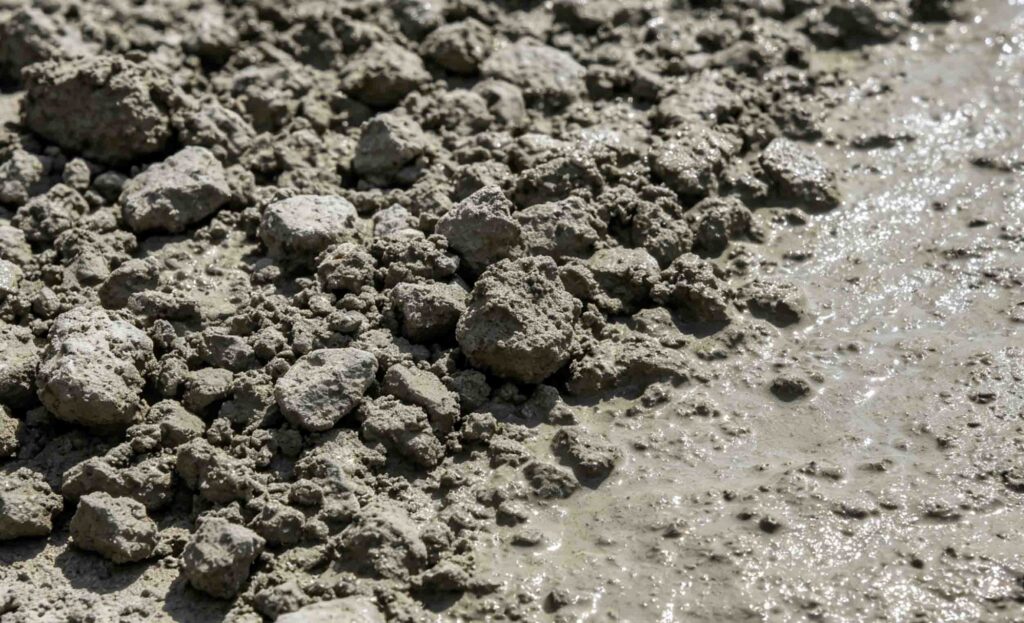
Sodium silicate concrete, also known as acid-resistant concrete, is a new type of composite building material formed by mixing sodium silicate as a cementing material with concrete aggregates (such as gravel and sand) in a vertical mixer and thoroughly stirring them. It inherits the acid resistance and impermeability of sodium silicate while also having the strength advantage of concrete, making it an ideal acid resistant concrete for construction in special environments.
(2) Core Raw Materials
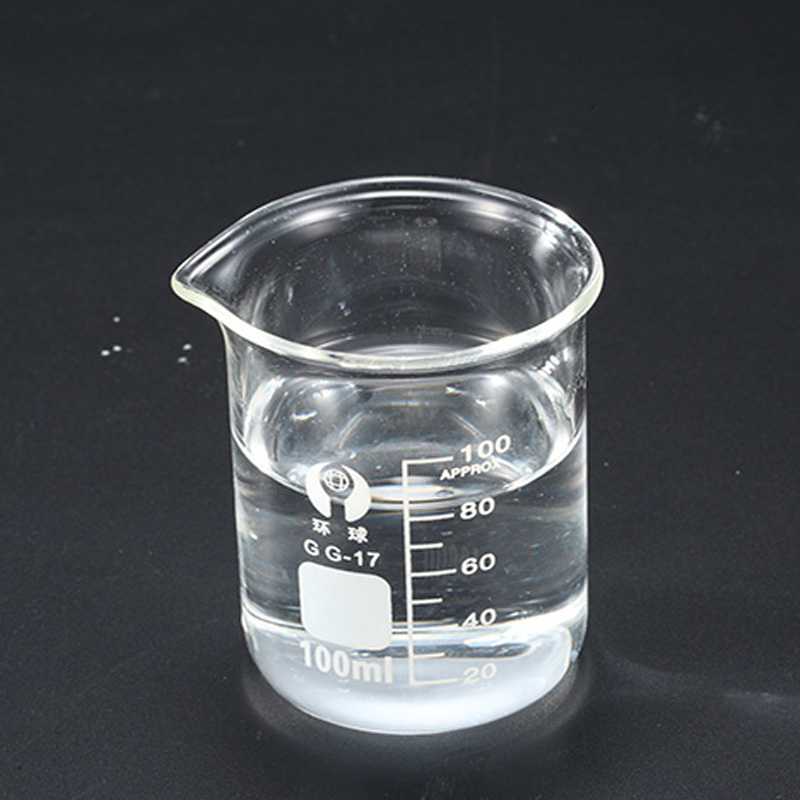
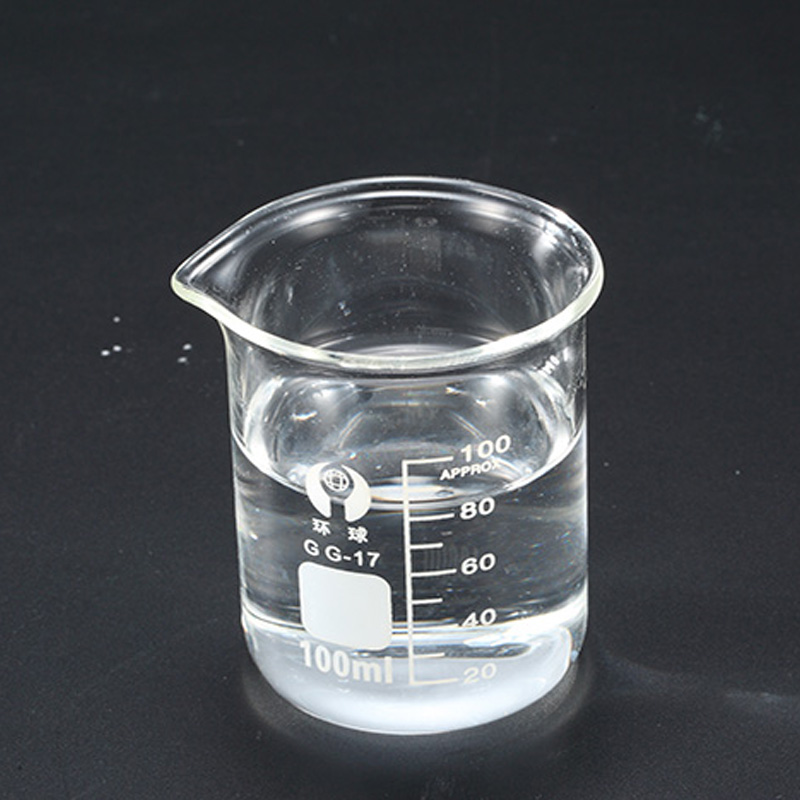
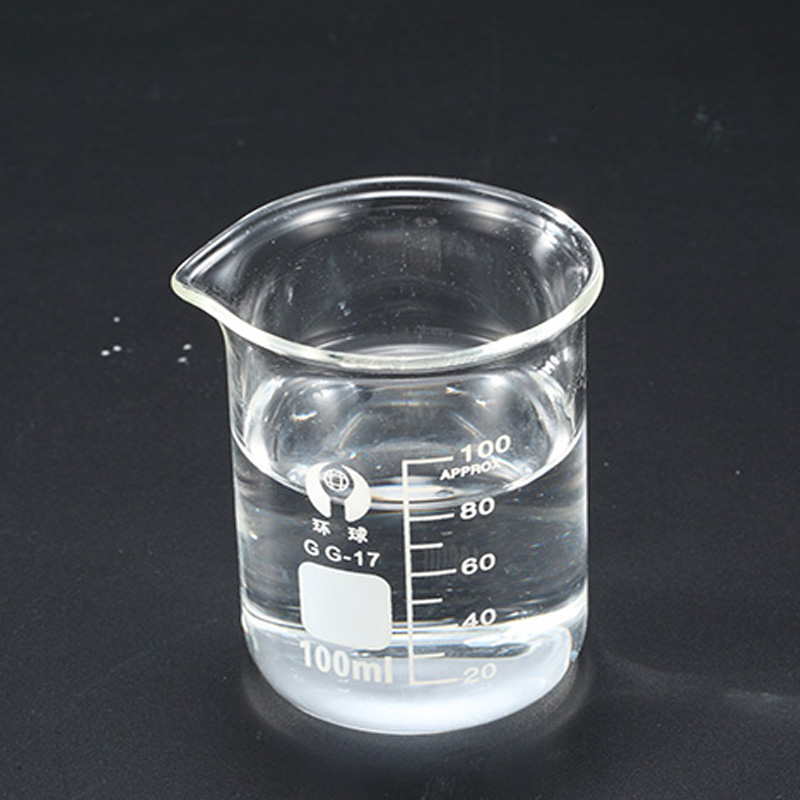
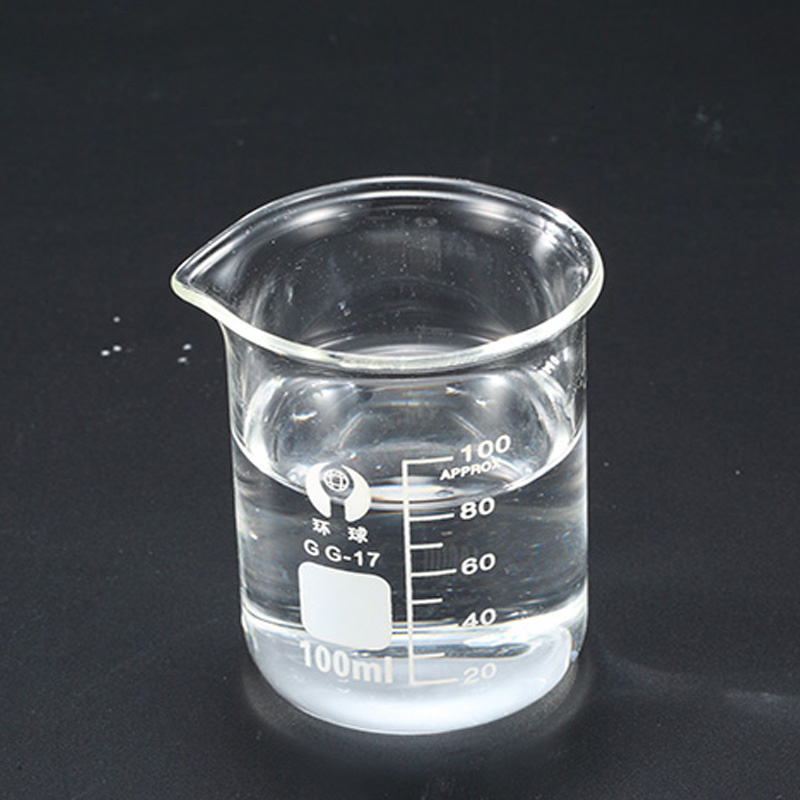
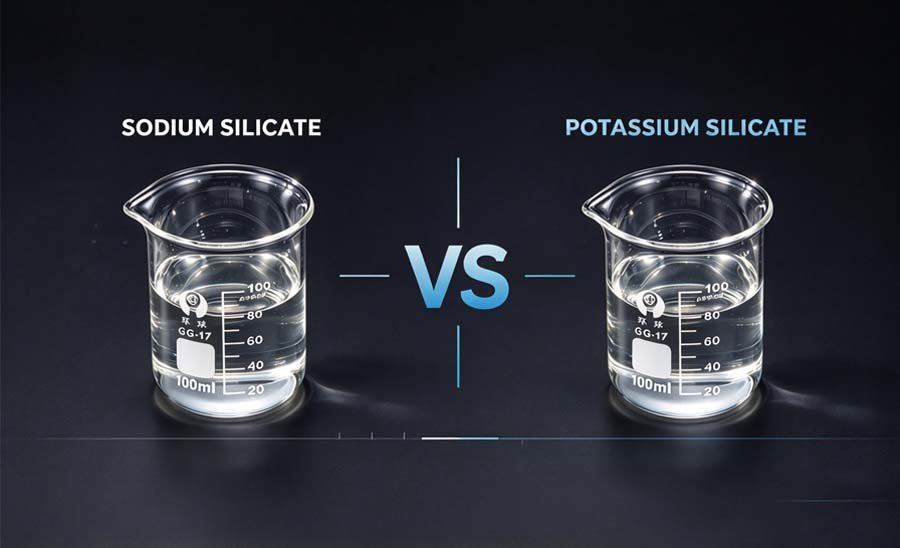
The core raw material of sodium silicate concrete is sodium silicate. The most widely used is sodium water glass (sodium silicate solution), followed by potassium water glass (potassium silicate solution). The choice between the two depends on the engineering requirements for acid resistant concrete. In practical applications, sodium water glass is the preferred raw material due to its high cost-effectiveness and wide availability. Its modulus has a clear suitable range – usually controlled between 2.4 and 3.0. The level of the modulus directly affects the performance of sodium silicate concrete.
2. Key Influencing Factors: The Impact of Sodium Silicate Modulus on Concrete Performance
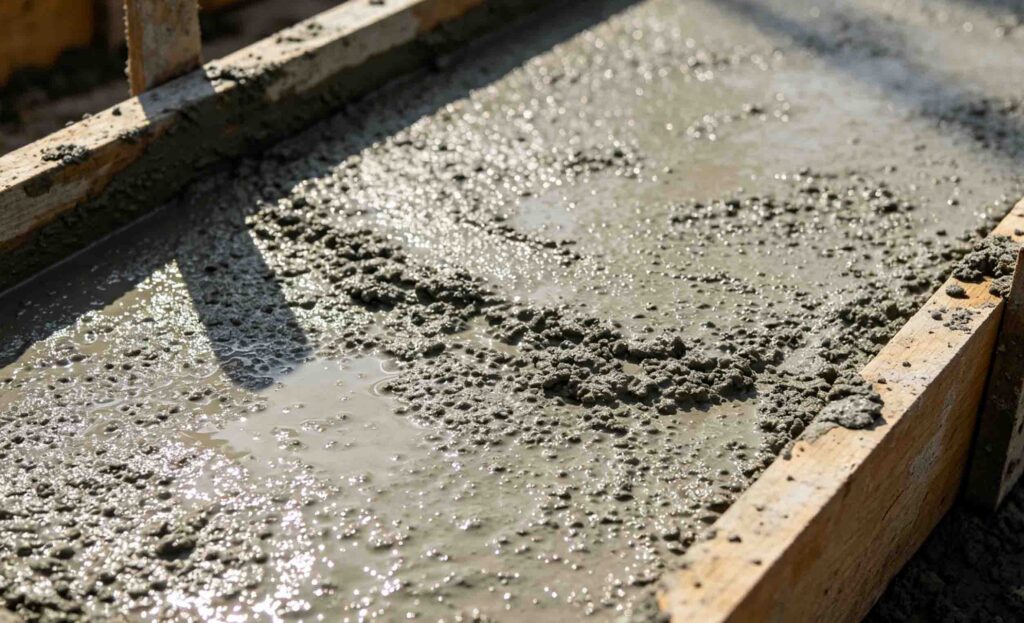
The modulus of sodium silicate (the molar ratio of SiO₂ to Na₂O) is the core indicator determining the performance of sodium silicate concrete. Acid resistant concrete made from sodium silicate of different moduli shows significant differences in hardening speed, acid resistance, and construction difficulty. Specifically, there are two situations:
(1) High Modulus Sodium Silicate (2.8-3.0)
When the modulus of sodium silicate is between 2.8 and 3.0, the advantages of sodium silicate concrete are fast hardening speed, which can shorten the construction period, and excellent acid resistance, making it suitable for special scenarios such as chemical plants and acidic environments that require high-performance acid resistant concrete. However, its drawbacks are also obvious: high viscosity, difficulty in uniform mixing with aggregates during stirring, slightly poor workability, and the tendency to precipitate silica gel during hardening, which requires strict control of the construction process.
(2) Low Modulus Sodium Silicate (2.4-2.6)
If the modulus of sodium silicate is controlled between 2.4 and 2.6, its viscosity is lower, it mixes better with concrete aggregates, has good workability, and is easy to operate, reducing construction difficulty. However, the hardening speed of the concrete will be slower, and its water resistance, acid resistance, and final strength will be relatively lower, making it more suitable for ordinary engineering scenarios and not for acidic or humid environments that require high-grade acid resistant concrete.
III. Core Role of Sodium Silicate in Concrete: Optimizing Structure and Enhancing Performance
The reason why sodium silicate can be an excellent modification material for concrete lies in its ability to optimize the structure and performance of concrete, solving the problems of easy cracking, poor impermeability, and insufficient strength of ordinary concrete—key to improving the quality of acid resistant concrete. The specific functions are as follows:
(1) Optimizing Internal Structure, Enhancing Density and Impermeability
After sodium silicate is added to concrete, it undergoes a hydrolysis reaction, generating silicic acid gel. This gel has extremely strong filling properties, capable of precisely filling the tiny pores and fine cracks within concrete, making the concrete structure more compact and effectively blocking the penetration of water, acidic substances, etc., significantly enhancing the concrete’s impermeability and durability, and extending the service life of the project.
(2) Reducing crack formation and compensating for concrete shrinkage
One of the main reasons for cracking in ordinary concrete is drying shrinkage. The alkalinity of water glass can effectively activate the activity of admixtures such as slag and fly ash in concrete, causing them to generate expansive products. These products can compensate for the drying shrinkage of concrete, thereby reducing the formation of cracks and avoiding structural damage caused by cracks.
(3) Enhancing strength and improving engineering stability
Experimental data clearly shows that when 3% to 5% of water glass is added to concrete, its 28-day strength can increase by 10% to 20%. This not only enhances the compressive and tensile strength of the concrete but also further improves its wear resistance and erosion resistance, providing more reliable support for the engineering structure.
IV. Practical engineering applications: Versatile and cost-effective in the long term
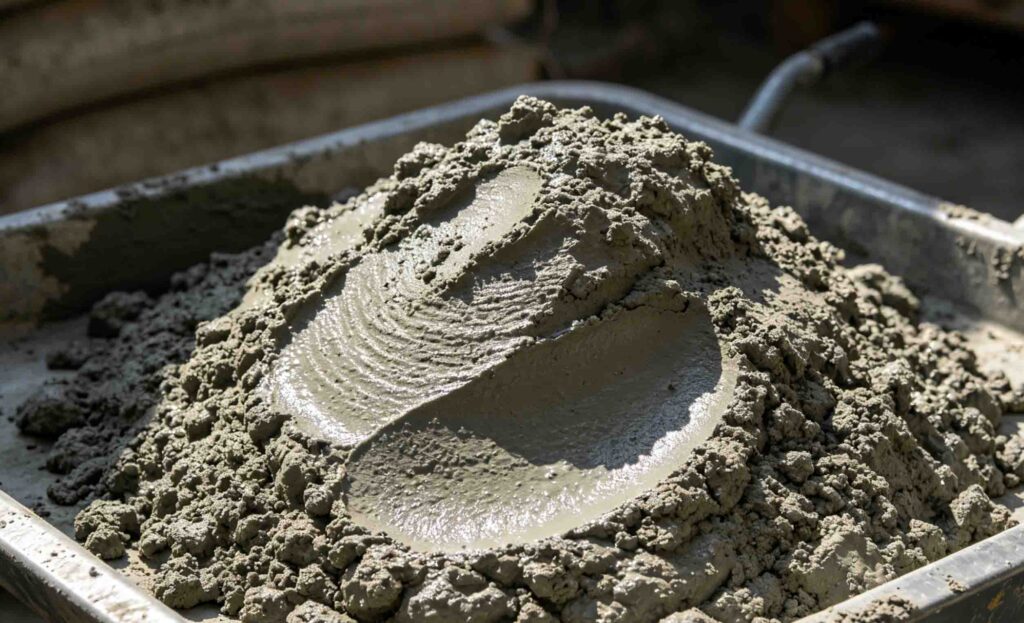
With its outstanding performance, water glass concrete is widely used in practical engineering, especially in scenarios with high requirements for acid resistance, impermeability, and crack resistance. In tunnel and bridge projects, the use of water glass-modified concrete can reduce the crack occurrence rate by more than 40%, significantly reducing the cost of later repairs and improving the stability and durability of the project.
In acidic environments such as chemical plants and sewage treatment plants, its acid resistance can effectively resist the erosion of acidic substances and extend the service life of the plant. Additionally, it can be used in underground pipe galleries, water tanks, and other projects requiring high impermeability, ensuring the long-term stable operation of the project.
In conclusion, water glass concrete (acid-resistant concrete) is a special engineering material with excellent performance. Its properties are determined by the modulus of water glass, and its core functions are to optimize the concrete structure, reduce cracks, and enhance strength and impermeability. Understanding its definition, characteristics, and application scenarios can better leverage its advantages, providing more reliable and durable material solutions for various projects and reducing construction and maintenance costs in the long term.
for more information ,please visit our facebook page