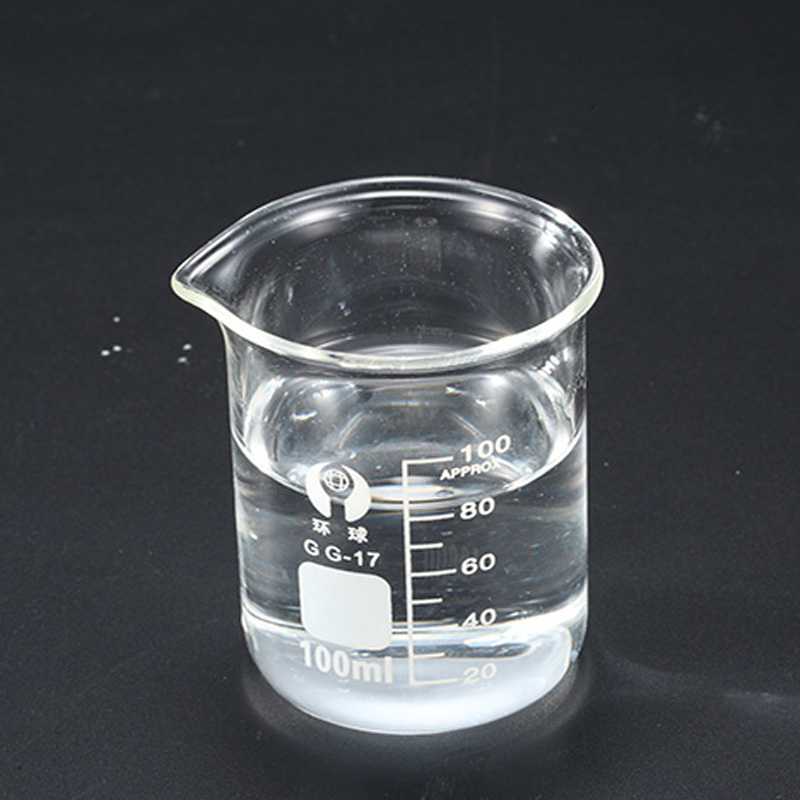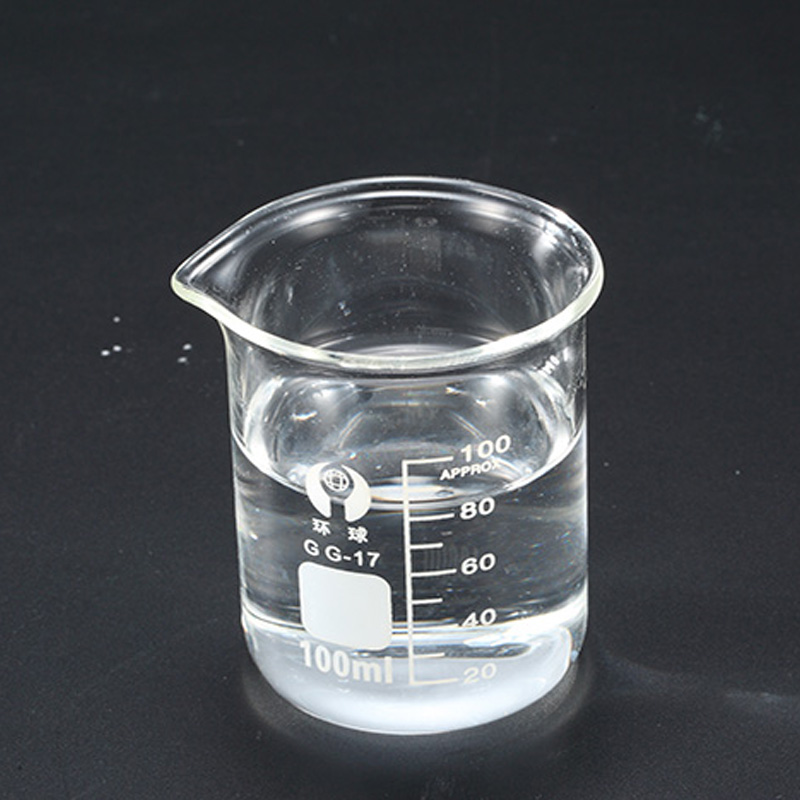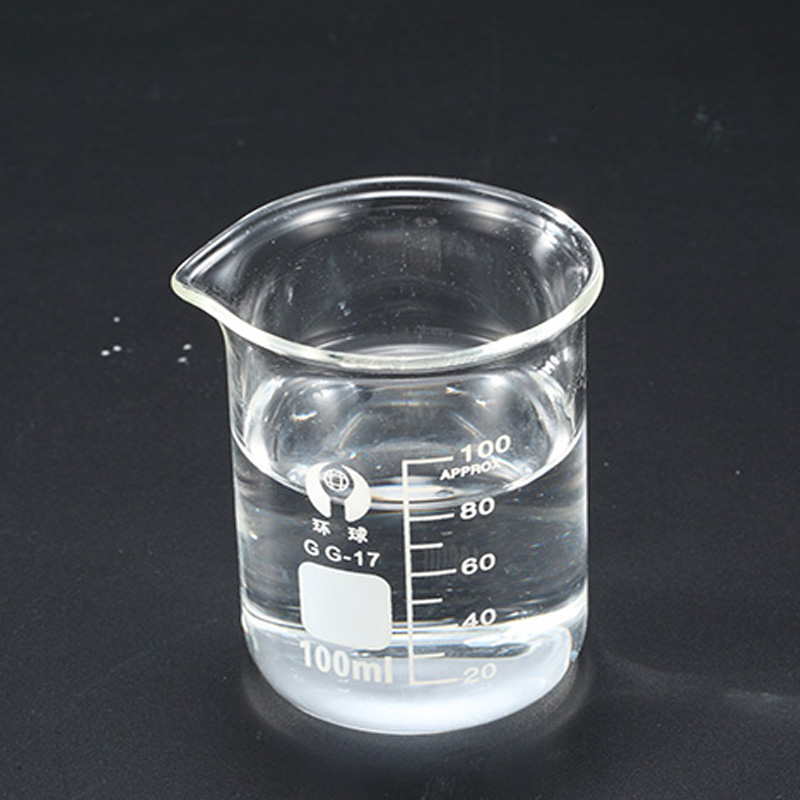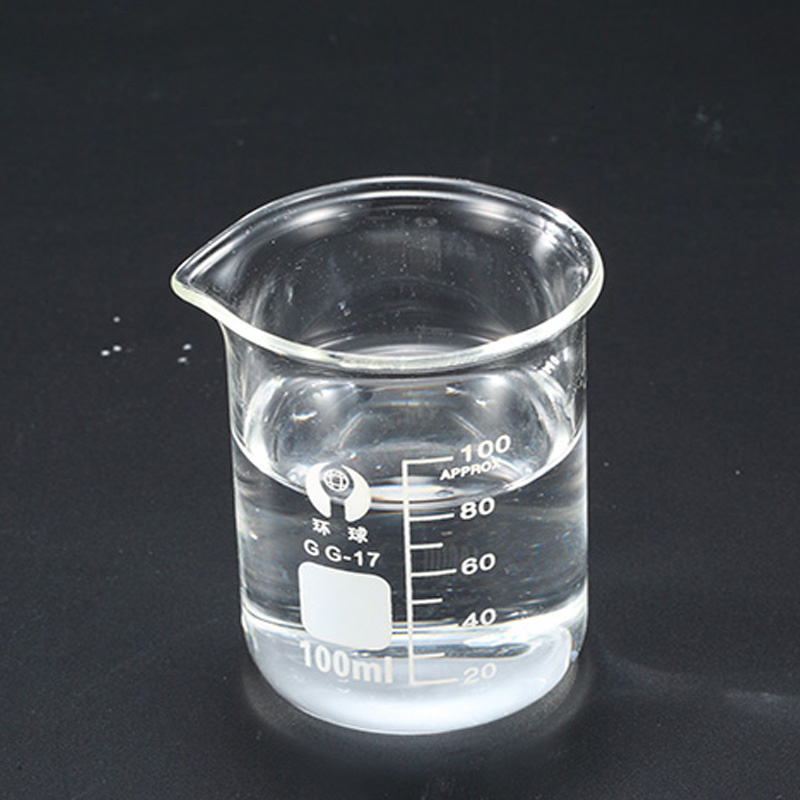
Inorganic zinc silicate coatings are the core materials in the field of industrial heavy corrosion protection. With excellent rust prevention ability, high-temperature resistance and environmental-friendly properties, they are widely used in strict corrosion protection scenarios such as steel structures, bridges, storage tanks, and heavy machinery equipment.
Many practitioners understand that zinc-rich coatings prevent rust through a high content of zinc powder, but they are not aware of the crucial value of potassium silicate in the system. In fact, potassium silicate is the core film-forming bonding substrate of Inorganic zinc silicate coatings, directly determining the density, adhesion and long-term corrosion resistance of potassium silicate paint. This article details the action principle, composition of the formula, and the performance differences between the potassium silicate system and the sodium silicate system in potassium silicate paint.
I. Basic composition of Inorganic zinc silicate coatings
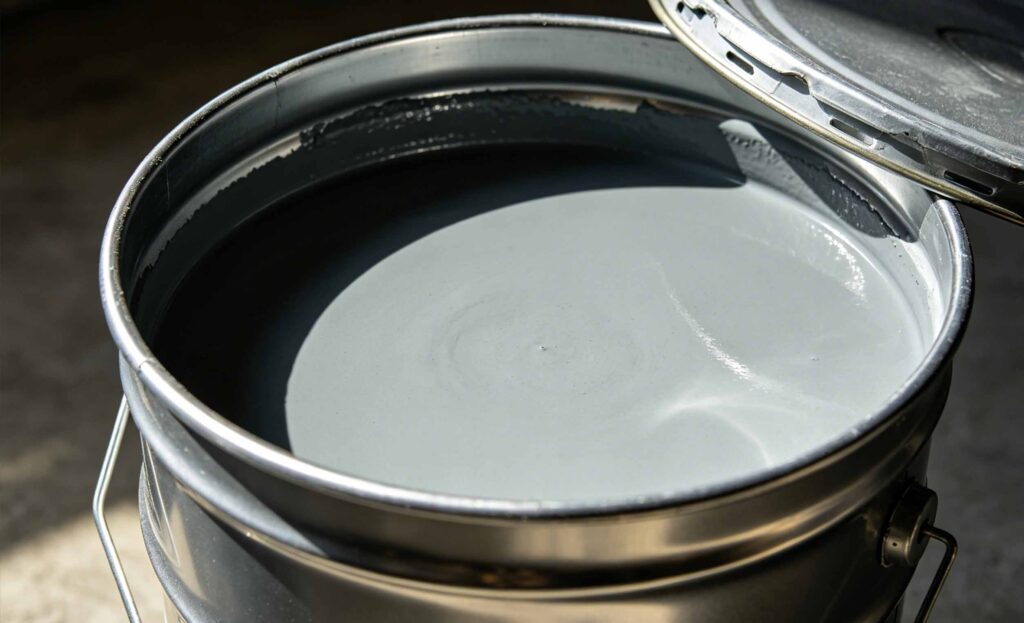
Standard Inorganic zinc silicate coatings belong to a two-component inorganic corrosion protection system, mainly consisting of zinc powder and inorganic binder as the two core components. Zinc powder is the core of corrosion protection, with zinc powder accounting for 70% to 90% of the dry film, providing electrochemical protection for the steel substrate by sacrificing anode principle, effectively resisting oxidation and rusting. The binder is generally potassium silicate or sodium silicate aqueous solution, used to encapsulate, disperse and fix zinc powder particles, forming a continuous and complete protective coating, which is the key raw material for ensuring the stable film-forming structure of potassium silicate paint.
II. Two core functions of potassium silicate in coatings
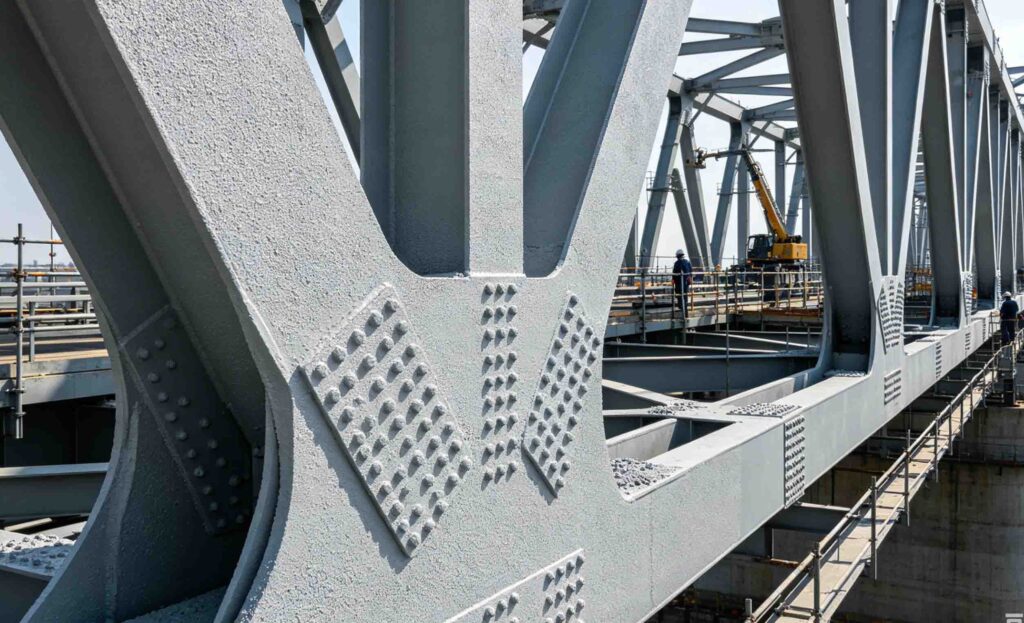
1. Construction stage: Uniform dispersion, assisting in film formation
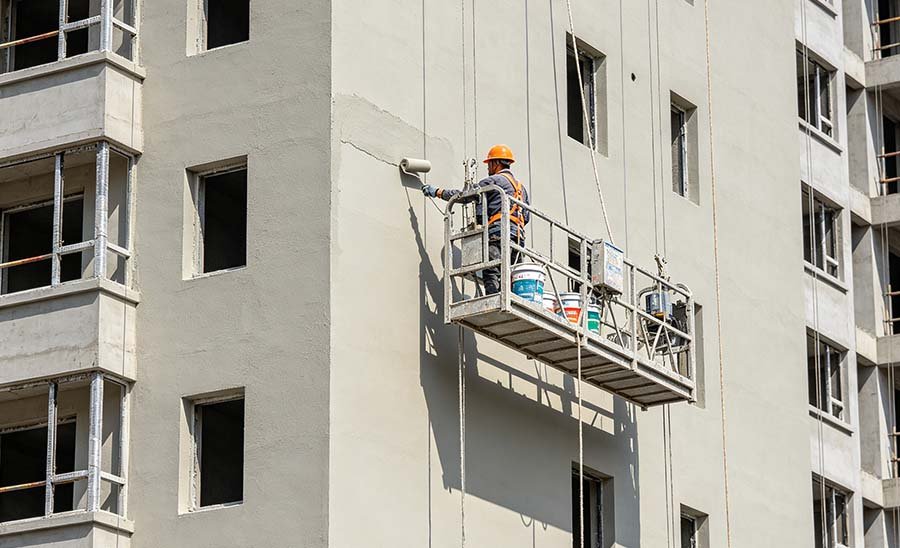
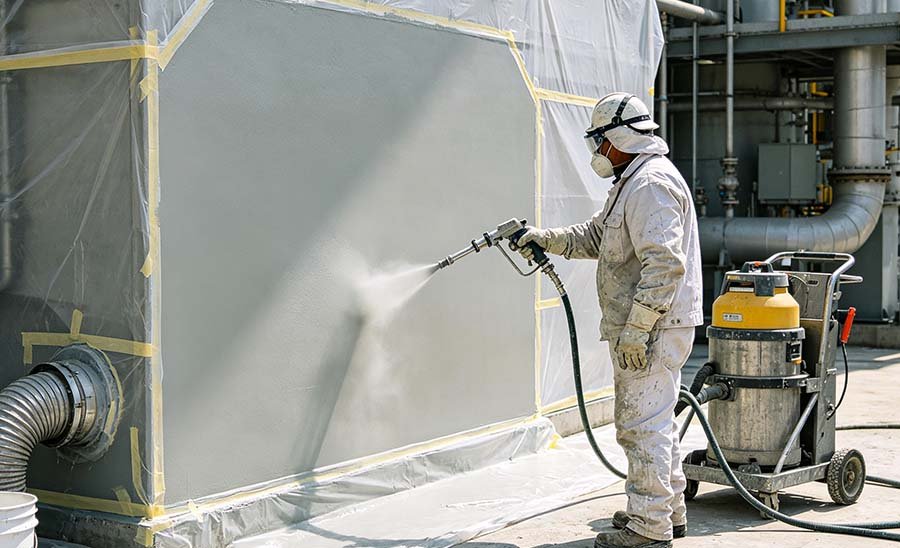
Before the coating solidifies, liquid potassium silicate has good viscosity and fluidity, which can fully encapsulate each zinc powder particle, allowing the zinc powder to be uniformly dispersed in the coating system, avoiding sedimentation, agglomeration, uneven thickness and other problems. The stable liquid phase system can adapt to conventional spraying, brushing processes, ensuring smooth construction and forming a smooth and uniform wet film, laying a good foundation for the stable molding of potassium silicate paint.
2. Solidification stage: Chemical reaction to form a whole, improving corrosion resistance
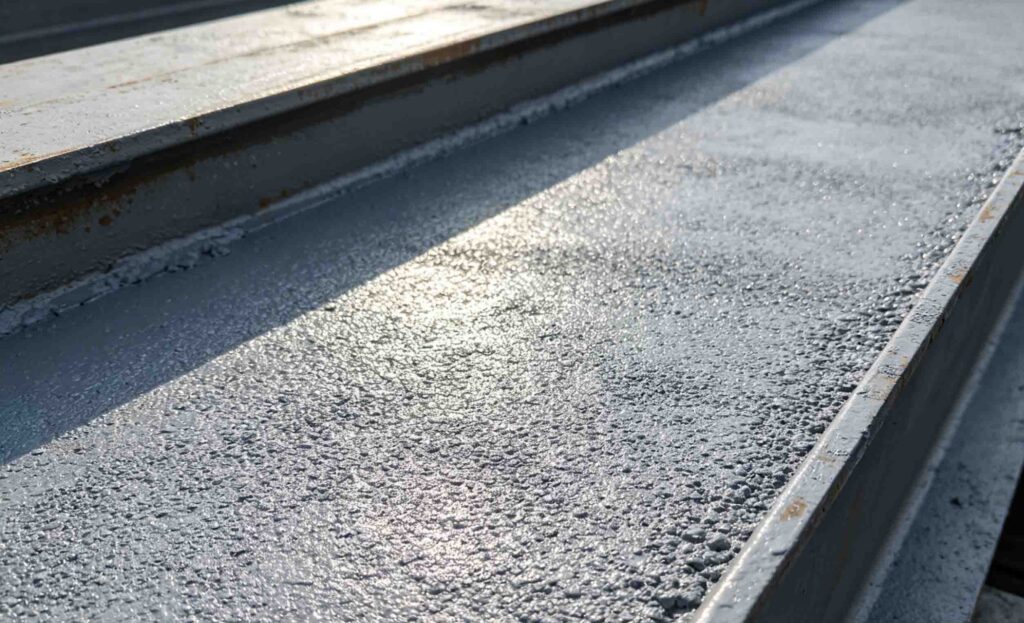
Unlike ordinary coatings that only physically cover, potassium silicate during curing will undergo complex chemical reactions with zinc powder and the steel substrate, forming a strong chemical bonding structure. The final coating, zinc powder and the steel substrate are closely combined into a dense and solid inorganic composite, rather than a simple surface coating. This three-dimensional network inorganic structure greatly enhances the overall anti-corrosion performance ofpotassium silicate paint, effectively isolating air, moisture and corrosive media, significantly improving the rust resistance, corrosion resistance and erosion resistance of the coating.
III. Comparison of potassium silicate and sodium silicate
Why the industry prefers the potassium silicate system. Many people may wonder if the cheaper sodium silicate can replace potassium silicate for zinc-rich coatings. From the actual application effect, the sodium silicate system has obvious shortcomings. The cured coating of sodium silicate has poor water resistance and weather resistance, and is prone to moisture absorption, re-alkalization, whitening and bubble formation during long-term use, and has insufficient stability, which cannot meet the high-standard requirements of high-performance potassium silicate paint.
While the inorganic zinc-rich coating prepared with potassium silicate has a more stable structure, significantly improved water resistance, weather resistance and anti-humidification ability, and can adapt to complex working conditions such as outdoor exposure, high humidity, and large temperature fluctuations, and is less likely to age and fail over a long period of use. In terms of overall service life, corrosion stability and construction tolerance rate, potassium silicate-based Inorganic zinc silicate coatings have become the mainstream potassium silicate paint choice in modern industrial heavy corrosion protection fields.
IV. Conclusion: Potassium silicate is the cornerstone of high-performance zinc-rich coatings
In conclusion, zinc powder determines the upper limit of zinc-rich coatings’ corrosion resistance, while potassium silicate determines the formation quality and durability stability of the coating. With excellent bonding and film-forming ability, chemical bonding characteristics and stable weather and water resistance performance, potassium silicate becomes an indispensable core raw material for high-end Inorganic zinc silicate coatings, and is an important guarantee for the long-term stable performance of industrial-grade potassium silicate paint and long-term corrosion protection of industrial steel structures.
for more information ,please visit our facebook page