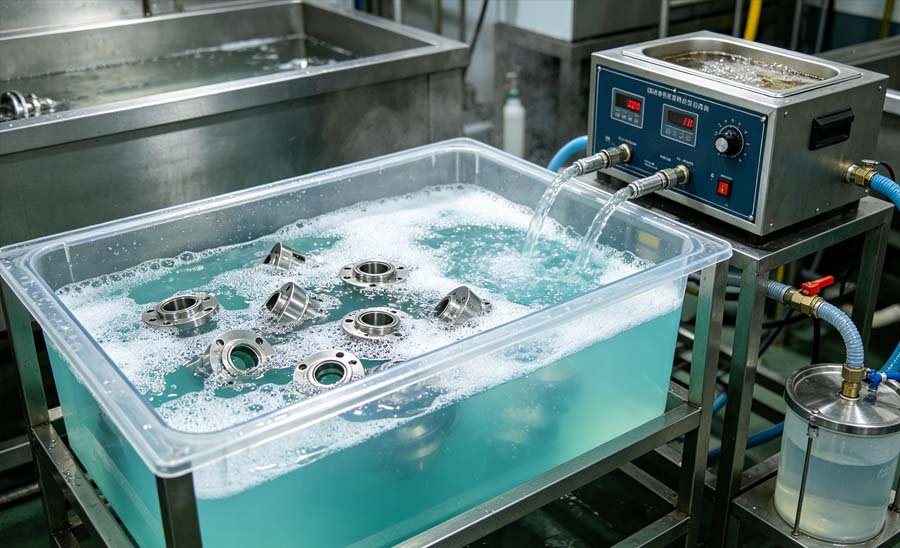
Defects and Improvement Strategies of Water Glass Grouting in Geotechnical Engineering
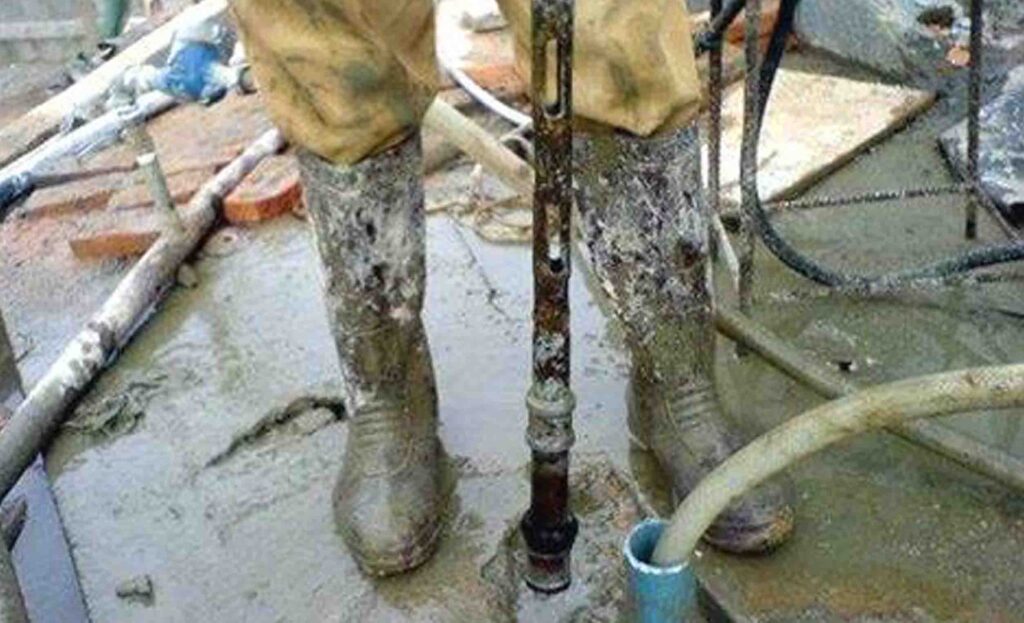
Water glass grouting is a widely used chemical grouting technique in geotechnical engineering, commonly applied in foundation reinforcement, soil improvement, tunnel waterproofing, and pit leakage sealing.
This water glass grouting method offers advantages such as low slurry viscosity, strong permeability, adjustable gelation time, ease of construction, and high cost-effectiveness, making it suitable for most general geological construction needs.
However, extensive long-term engineering practice has revealed significant shortcomings, the most prominent being low strength of the solidified mass and insufficient long-term durability, which often lead to aging and failure, severely affecting the service life of projects. This article provides a detailed analysis of the root causes and shares mainstream, effective improvement solutions for water glass grouting.
I. Typical Defects of Water Glass Grouting Mass: Low Strength and Susceptibility to Aging
Traditional water glass grouting primarily uses a “water glass–calcium chloride” dual-liquid system, historically the most common formulation for foundation leak sealing and reinforcement. However, the silicate gel formed by this system tends to have a loose, soft structure with poor mechanical properties, typically achieving only 1 to 2 MPa in compressive strength—insufficient for high-load foundation requirements. More critically, the long-term stability of this solidified mass is extremely poor, exhibiting obvious signs of aging.
In dry environments, the silicate gel rapidly dehydrates and shrinks, causing soil cracking and loosening. In moist conditions involving groundwater immersion or flowing water, the gel undergoes hydrolysis and erosion, leading to continuous loss of strength. This ultimately results in recurring leakage and foundation settlement, representing the core reason behind failures in many older water glass grouting projects.
II. Three Core Improvement Strategies to Significantly Enhance Strength and Durability
1. Polymer-modified water glass to improve performance at the material level
Material modification is currently the most effective way to enhance water glass grouting performance. By incorporating water-soluble high-molecular polymers—such as polyurethane prepolymers, acrylates, epoxy resin emulsions, or styrene-butadiene emulsions—into the water glass slurry, the gel structure can be fundamentally optimized. The modified solidified mass achieves several-fold improvements in compressive, flexural, and bonding strength, significantly reduces shrinkage, and greatly enhances impermeability and anti-aging performance, effectively addressing the traditional gel’s susceptibility to cracking and dissolution.
2. Optimizing the curing system by replacing conventional curing agents
The traditional acidic calcium chloride curing agent is a major contributor to poor solidified mass performance. In practice, engineers can abandon conventional salt-based curing systems and switch to more stable alternatives. Common options include organic ester-based curing agents such as ethyl acetate, glycerol acetate, and carbonates, or new inorganic non-salt curing agents like phosphoric acid, fluorosilicates, and aluminates. These new curing systems enable milder reactions and denser gel structures, resulting in higher-strength, more stable solidified masses with significantly improved resistance to aging for water glass grouting.
III. Optimizing construction techniques and mix ratios to improve grouting uniformity
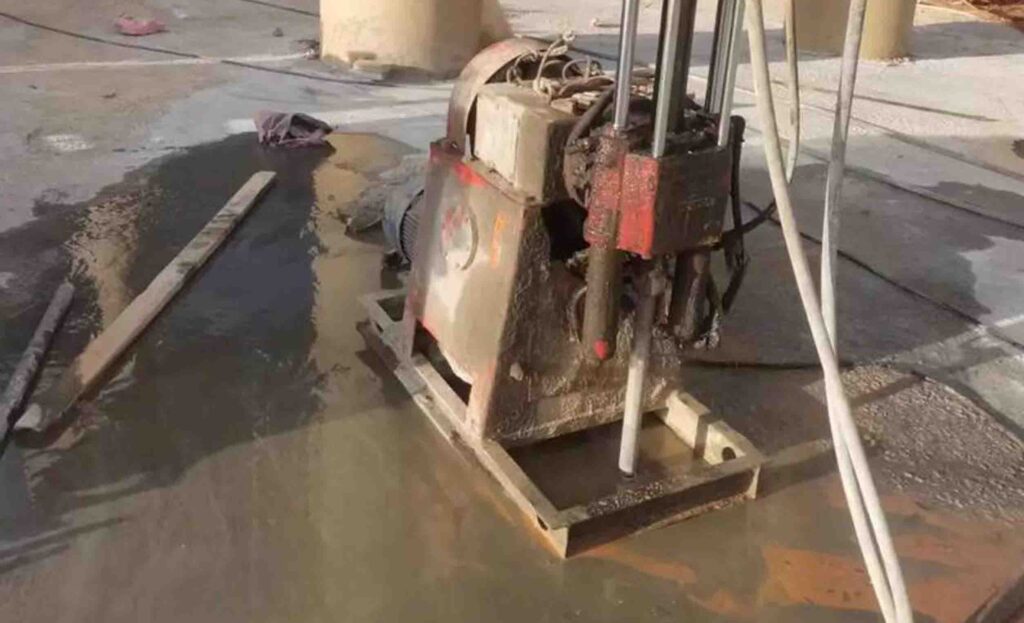
High-quality materials require precise construction methods. During grouting, accurate pumping systems combined with static mixers can strictly control the mixing ratio between water glass solution (A) and curing agent (B), ensuring uniform mixing and stable reaction. For large-scale foundation grouting projects, an intermittent grouting approach is recommended: after initial gel formation and establishment of a stable framework, subsequent grouting stages are carried out. This minimizes excessive slurry loss and produces uniformly dense, structurally sound reinforced soil for water glass grouting construction.
IV. Conclusion
In summary, traditional water glass grouting suffers from inherent drawbacks including low strength, susceptibility to aging, and poor durability, making it unsuitable for high-standard, long-life foundation projects. By employing polymer material modification, optimizing the curing system, and implementing precise construction controls, these defects can be effectively resolved. This enables water glass grouting technology to combine the advantages of low cost, high permeability, high strength, and excellent durability, meeting the demanding requirements of advanced infrastructure projects for leakage sealing and reinforcement.
for more information ,please visit our facebook page