
Sodium silicate refractory bricks, as core refractory materials in high-temperature industrial fields such as metallurgy, building materials, and chemical engineering, rely on key auxiliary materials for their forming quality and high-temperature resistance performance – sodium silicate (commonly known as water glass).
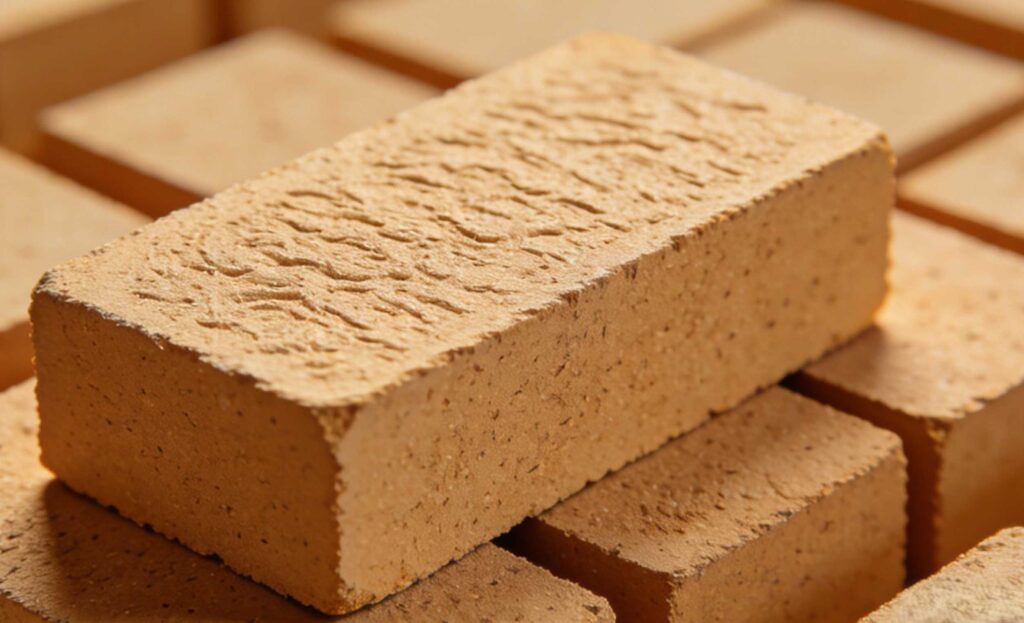
In the production of refractory bricks, water glass mainly serves as a binder, directly influencing the forming effect, strength, and final performance of the brick, making it an indispensable material in the forming process of refractory bricks. This article will provide a detailed analysis of the specification requirements, core functions, and usage precautions of water glass in the production of refractory bricks, helping to fully understand its application value.
1. The Core Position of Water Glass in the Production of Refractory Bricks
In the production of refractory bricks, the core function of the binder is to firmly bond refractory aggregates (such as corundum, quartz sand, etc.) together, ensuring that the brick body has sufficient strength at room temperature, facilitating demolding, handling, and the advancement of subsequent firing processes. Sodium silicate, with its strong bonding force, controllable hardening speed, low cost, and wide availability, has become one of the most commonly used binders in refractory brick production.
Its performance is directly related to the molding qualification rate of the brick body. If the specification of sodium silicate is improperly selected or used unreasonably, it can lead to problems such as cracking of the brick body, insufficient strength, and reduced high-temperature resistance, affecting the final quality and service life of the refractory brick.
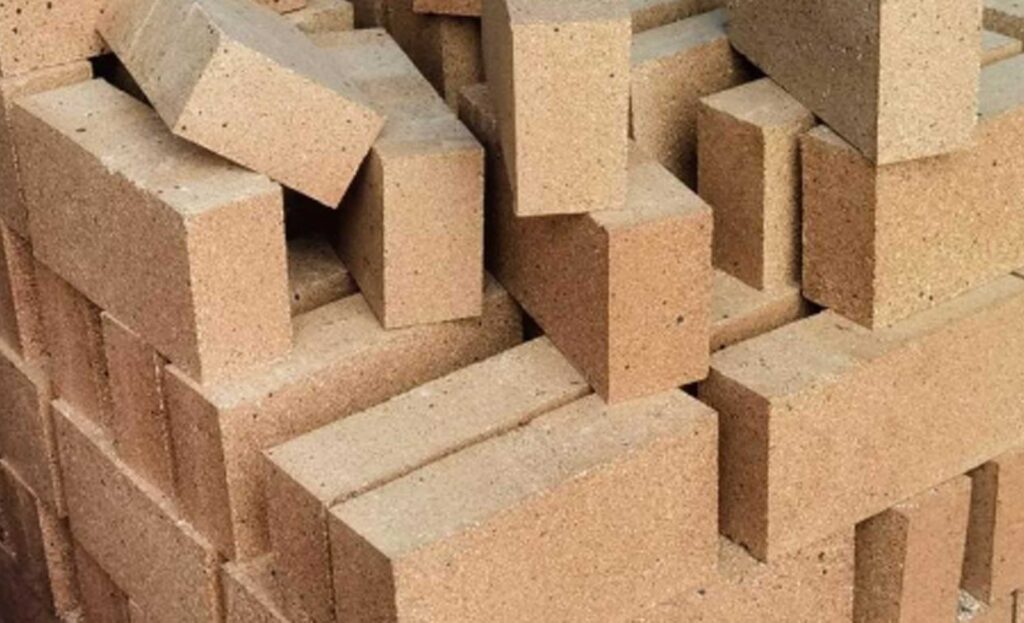
2. Core Specification Requirements for Sodium Silicate Refractory Bricks
The specifications of water glass directly determine its suitability in the production of refractory bricks. The core focus is on two key parameters – modulus and Baumé degree. According to the production process and performance requirements of refractory bricks, water glass within an appropriate range should be selected. The specific requirements are as follows:
(1) Module: Controlled within the medium module range of 2.2 to 2.8
In the production of refractory bricks, medium modulus sodium silicate with a modulus of 2.2 to 2.8 is usually selected. This range can perfectly balance the bonding strength and hardening speed, meeting the forming requirements of refractory bricks. If the modulus is too high, the hardening speed of sodium silicate will be too fast, and the brick body is prone to cracking and corner dropping due to uneven shrinkage during the forming process.
If the modulus is too low, the bonding force of sodium silicate is insufficient, which not only affects the room temperature strength of the brick body but also reduces the high-temperature resistance of the refractory brick, failing to meet the usage requirements of high-temperature conditions.
(2) Baume degree: 30 – 40 Be°, adjustable as needed
Baume degree is a key indicator for measuring the concentration of sodium silicate solution, directly affecting its bonding effect and molding efficiency. In the production of refractory bricks, the concentration of sodium silicate is usually controlled at 30 to 40 Be°. This concentration range can not only ensure that sodium silicate is fully mixed with refractory aggregates and effectively bonded, but also prevent problems such as uneven mixing and overly hard brick bodies due to excessive concentration, or insufficient bonding strength and easy deformation of brick bodies due to low concentration. In actual production, the Baume degree can be flexibly adjusted according to the type of refractory aggregates, particle size and molding process to ensure the molding effect.
3. The Three Core Functions of Sodium Silicate in the Production of Refractory Bricks
Water glass, as the core binder of refractory bricks, exerts its effects through three major functions, ensuring the forming quality and ultimate performance of refractory bricks. Specifically, these are as follows:
(1) Bonding molding ensures the strength of the brick body.
At normal temperature, water glass can harden slowly. After fully reacting with refractory aggregates, it forms a firm bonding layer, firmly bonding the loose refractory aggregates together. This enables the brick body to have sufficient compressive strength and toughness at normal temperature, facilitating subsequent demolding, handling and stacking, avoiding damage to the brick body during the forming process, and improving the forming qualification rate.
(2) High-temperature enhancement to improve the performance of refractory bricks
During the firing process of refractory bricks, water glass undergoes a decomposition reaction to form silicon dioxide (SiO₂). The generated silicon dioxide chemically reacts with the refractory aggregate to form a dense bonding phase, which not only further enhances the mechanical strength of the refractory bricks but also improves their high-temperature resistance and erosion resistance, ensuring their stable use in high-temperature conditions and extending their service life.
(3) Adjust the process to improve production efficiency
The hardening speed of water glass can be regulated by adding a hardener, such as sodium fluosilicate. After adding the hardener, the curing speed of water glass can be significantly accelerated, shortening the curing time of the brick blanks and enhancing the production efficiency of refractory bricks. This is suitable for large-scale and high-efficiency production demands. At the same time, it can further optimize the strength of the brick blanks and reduce the loss during the production process.
4. Precautions for the Use of Sodium Silicate in the Production of Refractory Bricks
When using sodium silicate to produce refractory bricks, it is necessary to pay close attention to the impact of its component characteristics to avoid affecting the performance of the refractory bricks: Sodium silicate contains sodium ions. In high-temperature environments, sodium ions will reduce the refractoriness of refractory bricks.
Therefore, it is more suitable for the production of acidic refractory bricks (such as silica bricks), which can better meet the performance requirements of acidic refractory bricks. If it is used for alkaline refractory bricks (such as magnesia bricks), it should be used with caution, or combined with other additives (such as alumina powder) to optimize performance and offset the impact of sodium ions on refractoriness, ensuring that the refractory bricks meet the usage requirements.
In conclusion, water glass is an important auxiliary material in the production of refractory bricks. As a core binder, its specification selection and rational use directly determine the forming quality, strength and high-temperature resistance of refractory bricks. Choosing water glass with a modulus of 2.2 to 2.8 and a Baume degree of 30 to 40, and adjusting parameters and avoiding usage taboos according to process requirements, can produce high-quality refractory bricks that are easy to form and can adapt to high-temperature working conditions, providing support for the stable operation of high-temperature industries.
for more information ,please visit our facebook page