Tel: +86-13630079025      Wechat/Whatsapp:+86-13630079025      Email Address: sales@sanleechem.com

Our liquid sodium silicate refractory binder is engineered for refractory applications, including bricks, castables, and mortars. It delivers high hot strength, excellent thermal stability, and inorganic bonding.

Sodium Silicate Refractory Binder for Refractory Bricks & Castables | High-Temperature Adhesive

Model No.
SL-443
Other Names
water glass, silicate sodium, sodium silicate solution, silicate solution
MF
Na2O3Si
ENECS No.
215-687-4
Grade Standard
Industry Grade
Apperance
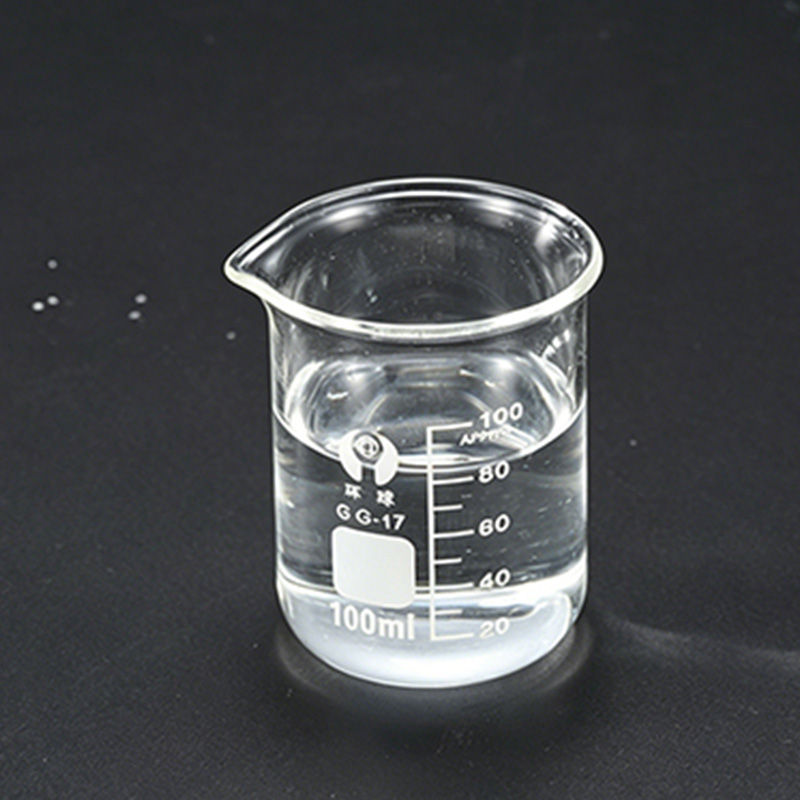
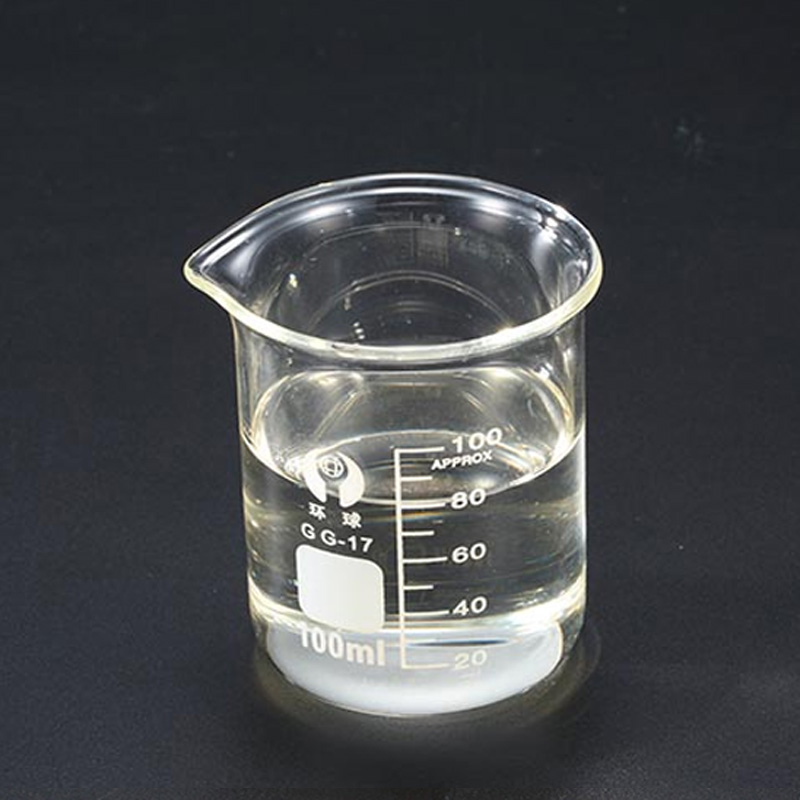
Light yellow liquid
CAS NO.
1344-09-8
MOQ
1 Ton
Place of origin
Guangzhou,China
Package
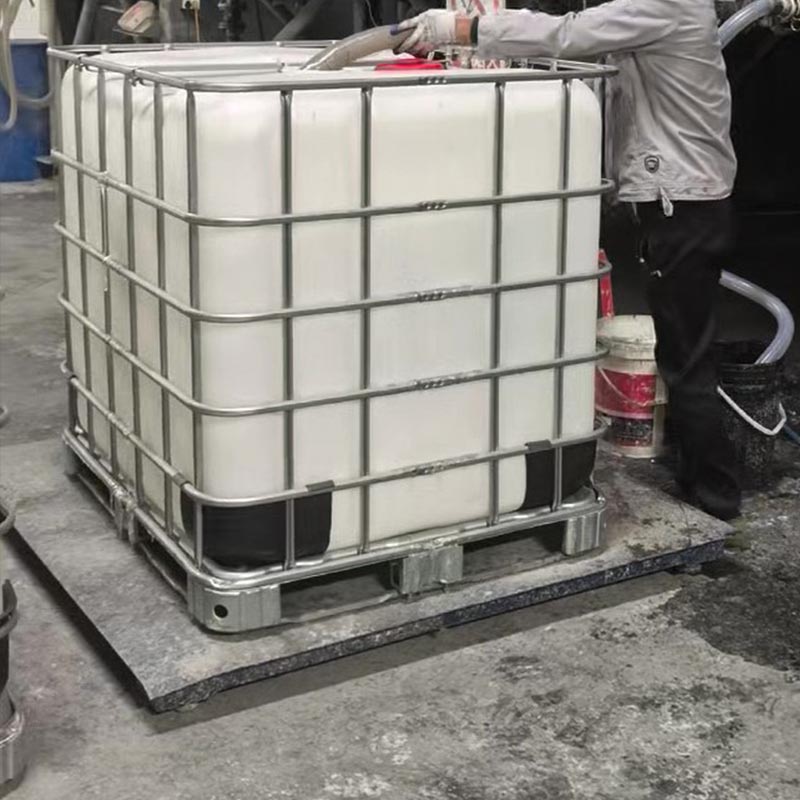
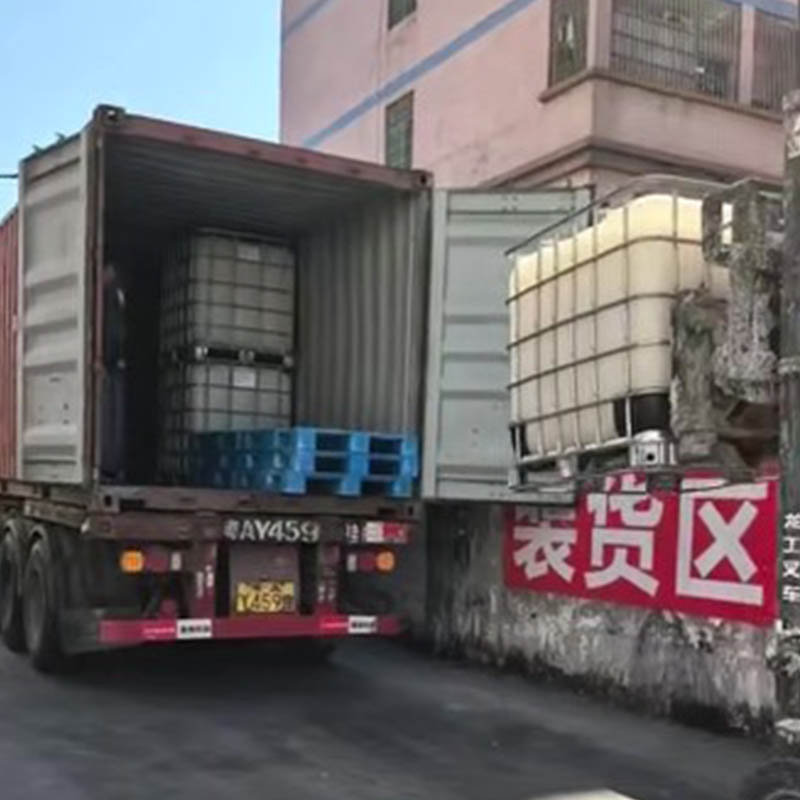
300 kg/barrel, 1 ton/barrel.
Storage
This product is non-toxic and corrosive and should not come into contact with eyes, skin, or clothing. After use, seal and store in a dry and cool place.

We supply OEM&ODM service. One year guarantee.

General technical specification

Product NameSodium Silicate
ModelSL-443
Modulus3.30-3.40
Be’40±1
Na2O%8.50
SiO2%27.00
Fe(ppm)<300ppm
Water Insoluble%<0.03
RemarksCustomized Service

Product Details

High-Temp Sodium Silicate Refractory Binder: Ensures Strength & Stability in Refractory Shapes

Sodium silicate for refractory materials can withstand high temperatures up to 800 ℃ and has strong adhesion. As a high-performance inorganic binder designed for extreme high-temperature environments, sodium silicate is the key component for constructing refractory mortars, refractory slurries, and the framework structure of non-shapeable refractory materials.

Appearance and Packaging

This is a colorless, light yellow transparent viscous liquid that can be easily dissolved in water.

It is usually packaged in ICB barrels or 200-liter plastic barrels.


The core advantages and features of  sodium silicate refractory binder

1.Sodium silicate for refractory materials has outstanding bonding strength:
It has high adhesion, providing full-range high-strength support for refractory materials from room temperature to high temperatures, preventing structural damage to the materials during transportation, installation, and furnace drying processes.
2.Sodium silicate for refractory materials has excellent high-temperature volume stability:
The ceramic bonding phase formed by sodium silicate at high temperatures has a good thermal expansion coefficient matching. It effectively prevents cracking and peeling of refractory materials due to contraction or expansion during high-temperature use, thereby extending the service life of the kiln lining.
3.Sodium silicate for refractory materials has excellent thermal shock resistance:
The combined phase formed by sodium silicate and other materials has certain toughness, which can buffer thermal stress. It enhances the ability of refractory materials to resist rapid cooling and heating, especially suitable for intermittent kilns or working conditions with large temperature fluctuations, reducing downtime and maintenance.
4.The refractory materials prepared with sodium silicate have excellent construction and storage properties:
The viscosity of sodium silicate is moderate, and it has good water retention. It also has good compatibility with various refractory raw materials. This makes the mixture easy to construct (such as good pouring fluidity and no pipe blockage during spraying), and extends the “usable time” of the mixed material. The molded bodies produced have sufficient demolding strength and drying strength.


Application scenarios of sodium silicate for refractory

Fire-resistant molding materialSodium silicate as the main binder, it is used for on-site molding of various furnace linings.
Fire-resistant mortarUsed for the construction of fire-resistant bricks, it provides excellent bonding and sealing properties.
Fire-resistant coatingA surface coating used for the inner lining of kilns, serving to protect or repair.
Other non-shapeable refractory materialsSuch as ramming materials, repair materials, etc.

Guide for the Use of  sodium silicate for refractory

1.Recommended dosage: The optimal value should be determined through experiments based on the specific formula, raw material type and construction requirements.
2.Mixing process: It is recommended to first dry-mix evenly, then add the specified amount of sodium silicate solution for thorough wet-mixing until the desired construction consistency is achieved.
3.Curing and drying: This depends on physical dehydration and chemical bonding. Adequate air circulation is necessary to facilitate moisture evaporation and reaction. During the low-temperature baking stage, the temperature should be slowly increased to prevent cracking.
4.Compatibility: It has good compatibility with common refractory raw materials such as bauxite, mullite, corundum, and magnesium oxide. When combined with alkaline refractory raw materials (such as magnesia), it is necessary to select products with the appropriate modulus and test the setting time.

Related Products

3 Essential Features of Potassium Silicate Glass (Potassium Water Glass) – Sanlee Chemical

Its appearance is mostly colorless or slightly yellowish transparent glass-like particles or blocks, with a hard texture and being difficult to break.

High Modulus, High Clarity Sodium Silicate Liquid Glass With A Modulus Of 3.0–3.4, Iron Content As low As Below 50 ppm

Sodium Silicate Liquid Glass is a water solution of silicon dioxide. It is a colorless or slightly tinted viscous liquid. It gets its name because it can form a hard and transparent glass-like film when dried.

The Ultimate Guide to Liquid Lithium Silicate Solution(M:4.6-4.8): Parameters, Performance, and Durable Applications

Discover our premium Lithium Silicate solution - an advanced, high-performance compound specifically engineered for concrete surface treatment and specialty coating applications.

Adaptable Instant Potassium Silicate Powder | For Welding Electrodes, Refractories & Ceramic Binders

"Discover our high-purity Potassium Silicate Powder, an anhydrous, free-flowing material essential for multiple industrial applications. This versatile powder serves as a key component in welding electrode coatings, refractory formulations, ceramic binders, and agricultural supplements.

Get a Free Quote Now!

    WhatsApp/Skype:+8613431611691
    Hotline:+8613431611691