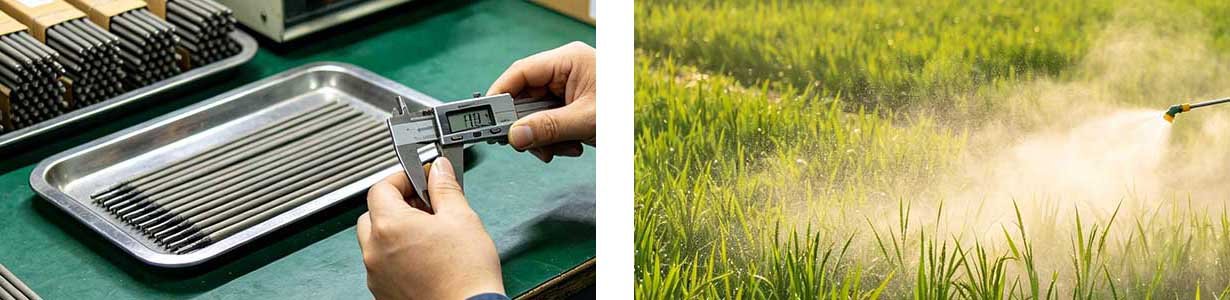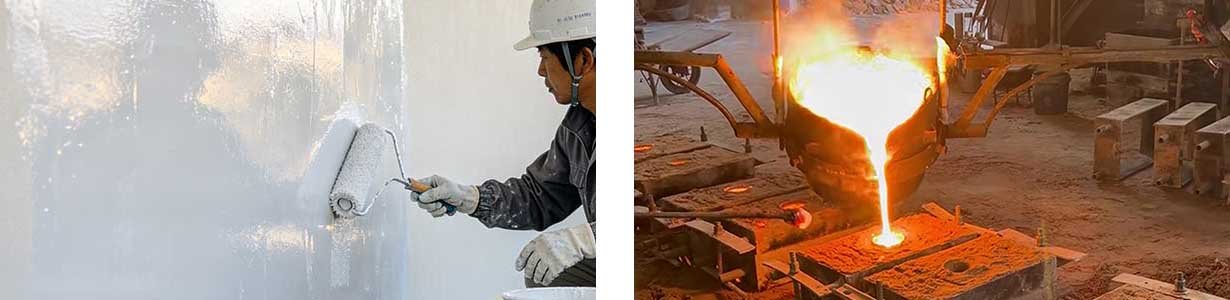


topic: Coating Formulation

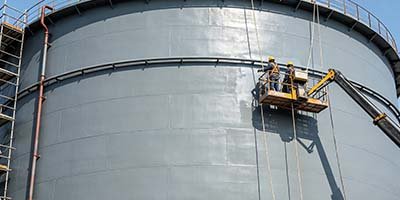
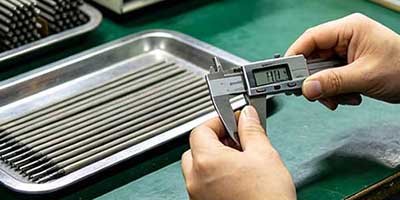
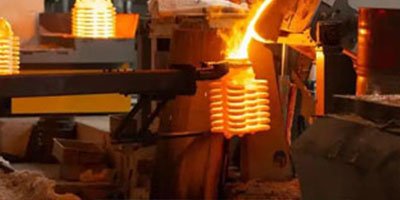
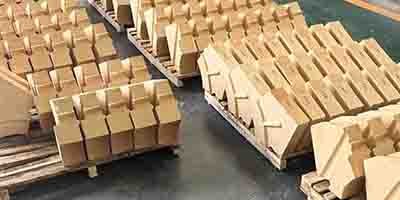
Silicate-based coating formulations for industrial use. Our sodium silicate and potassium silicate solutions serve as key components in anti-corrosion, heat-resistant and inorganic coatings for metal, concrete and masonry.

  • Core Properties of Potassium Silicate Inorganic Coatings

    Core Properties of Potassium Silicate Inorganic Coatings

    Adhesion of potassium silicate coating showing chemical bonding mechanism at coating-substrate interface for steel and concrete


    The application of inorganic mineral coatings in building exteriors, cultural relic restoration, and industrial anti-corrosion continues to grow. Silicate potassium (potassium silicate, K₂O·nSiO₂) is the most mainstream film-forming adhesive material in the potassium silicate inorganic coating system.


    Many formulators, coating manufacturers, and engineering teams often confuse the film-forming logic of silicate potassium with that of organic emulsions when selecting materials, and frequently encounter on-site problems such as cracking, whitening, poor compatibility, and water intolerance of the paint film.


    Potassium silicate  coatings and traditional acrylic and acrylic-based organic coatings do not belong to the same curing system. Organic coatings rely on the evaporation of resin emulsions and the fusion of resin particles to form a continuous film, which is a physical film formation or resin cross-linking curing process; while silicate potassium inorganic coatings achieve silification curing through chemical reactions, which is the source of all its performance advantages and drawbacks.


    Below, from five dimensions of film formation, adhesion, hydrophobicity, compatibility, and weather resistance, we will comprehensively analyze the core characteristics of silicate potassium in inorganic coatings, and also explain the key points of formulation design and construction control.


    Film Formation: Chemical reaction curing, irreversible silification film formation, shrinkage cracking is the core pain point


    The most fundamental characteristic of a potassium silicate inorganic coating is that it forms a film through chemical reaction rather than physical drying. The chemical formula of liquid silicate potassium is K₂O·nSiO₂, which is a composite aqueous solution of potassium oxide and silicon dioxide. The modulus (SiO₂/K₂O molar ratio) directly determines the curing speed, film hardness, and shrinkage rate, and is the first parameter for mineral silicate coating formulation selection.


    When the coating is applied to the mineral substrate surface, there are two curing paths: one is the carbonization reaction with carbon dioxide in the air; the other is the addition of curing agents in the formula, such as metal zinc powder, phosphate, fluorosilicate, etc., to accelerate the cross-linking and curing of silicate potassium. During the reaction process, soluble silicate potassium gradually transforms into insoluble silica gel (SiO₂·nH₂O), and potassium ions are also released, ultimately forming a hard inorganic siloxane network film.


    The entire curing reaction is irreversible. Once the silification reaction is completed, the film will not dissolve in water again, which is fundamentally different from ordinary water-soluble resins. However, this system has an unavoidable drawback: the curing process is accompanied by significant volume shrinkage.


    If the formulation design is unreasonable, the modulus is selected improperly, the single coating thickness is too thick, or the environmental temperature and humidity are out of control, stress will be generated inside the coating, and micro cracks will appear, and in severe cases, it will develop into a network cracking.


    Formulation & Construction Tips: In a mineral silicate coating formulation, silicate potassium inorganic coatings are not suitable for thick application. The industry’s common practice is to apply thin coats multiple times; at the same time, the modulus should be controlled.


    A low modulus leads to faster curing but poorer water resistance, while a high modulus results in higher hardness and greater shrinkage stress, increasing the risk of cracking. Many beginners apply thick coats at once, and later experience cracking, essentially because they did not understand the contraction characteristic of silicate potassium’s chemical reaction film formation.



    Water resistance of potassium silicate coating showing hydrophobic surface with high contact angle and low water absorption


    Adhesion: Unique “anchoring effect” of mineral substrates, chemical bonding rather than surface adhesion


    Many customers will wonder: Why is the adhesion of potassium silicate coating so much better on mineral substrates such as concrete, cement mortar, and natural stone than ordinary organic exterior paints? The answer comes from the unique penetration + silification anchoring mechanism of silicate potassium.


    The liquid silicate potassium solution has low viscosity and good penetration ability, which can penetrate the capillary pores of porous mineral substrates to a depth of 0.5-2mm. It is not just a layer of covering film on the wall surface; the silicate potassium that penetrates the substrate interior will react with alkaline mineral components such as calcium hydroxide in the substrate to form insoluble silicate gel in the capillary pores of the substrate, like countless tiny “mineral anchors”, locking the coating and the substrate together.


    This combination is a chemical bond — the essence of the adhesion of potassium silicate coating — not the simple physical adsorption of organic coatings. Organic coatings are only attached to the surface of the wall, and after aging, they are prone to peeling, blistering, and falling off. The potassium silicate coating integrates seamlessly with the mineral substrate. Theoretically, as long as the substrate itself does not flake or crack, the coating will not peel off in large patches.


    Of course, this advantage of the potassium silicate inorganic coating has a prerequisite: it is only applicable to porous mineral substrates. If the substrate is smooth metal, plastic, or there is a large amount of organic paint residue on the old wall, the potassium silicate cannot penetrate and the anchoring effect fails, and the adhesion of potassium silicate coating will significantly decrease. This is also the core reason for requiring the removal of old organic coatings and the sanding of loose bases before the application of inorganic coatings.


    Hydrophobicity: The pure potassium silicate cured film has self-hydrophilic silanol groups. Unmodified coatings turn white when exposed to water.


    Many people mistakenly believe that inorganic coatings are naturally waterproof. In fact, the water resistance of potassium silicate is not innate — this perception does not hold true in the pure potassium silicate system.


    The main substance after the complete curing of pure potassium silicate is silica gel. The surface of the gel structure contains a large number of silanol groups (Si-OH). The silanol group is a strongly hydrophilic group and easily adsorbs water molecules. Therefore, the pure potassium silicate coating without any modification has a hydrophilic cured film and poor water resistance.


    When exposed to long-term rain or in a high-humidity environment, water will continuously adsorb on the coating surface, causing the coating to turn white, lose gloss, and in severe cases, damage the silica gel network, resulting in coating flaking.


    This is why a qualified commercial potassium silicate inorganic coating on the market always requires a modification plan. The commonly used modification methods in the industry — organic silicone modification, adding fluorosilicate curing systems, and adding a small amount of modified additives — while retaining the inorganic framework, reduce the surface silanol group activity to improve the water resistance of potassium silicate, achieving breathable and impermeable effects.


    Here is a distinction between two concepts: water vapor permeability vs. liquid water waterproofing. The modified potassium silicate coating has a microporous structure, and the water vapor inside the wall can be released in the form of water vapor, avoiding water accumulation and bubble formation in the wall; but liquid rainwater will be blocked, achieving waterproofing. Pure potassium silicate without modification cannot balance the water resistance defect brought by the hydrophilic groups and is not recommended for use in outdoor exterior wall projects.
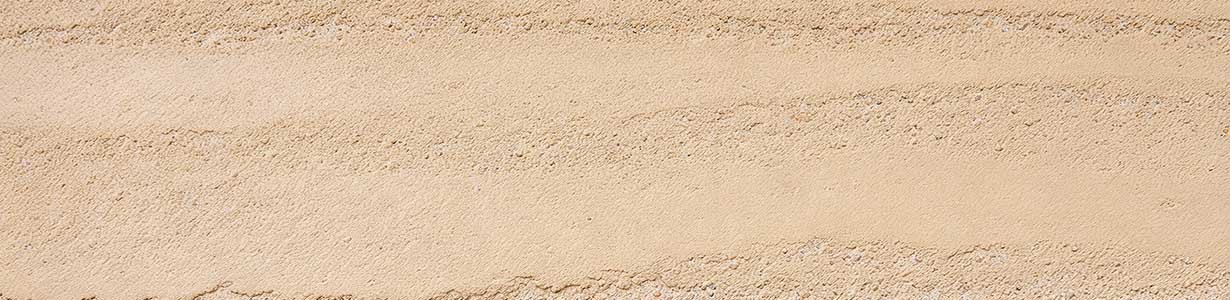
     

    Mineral silicate coating formulation with potassium silicate binder inorganic pigments and mineral fillers for breathable facade paint


    Compatibility: Excellent compatibility with inorganic fillers, and strong alkalinity makes it difficult for organic systems to be compatible


    In mineral silicate coating formulation, the compatibility characteristics of potassium silicate can be summarized in one sentence: friendly to inorganic fillers, most organic polymers are difficult to be compatible.


    Potassium silicate itself is a strong alkaline aqueous solution, with a pH typically ranging from 11.5 to 13. This high alkaline environment determines the material selection boundaries of the formula.


    1. Excellent compatibility with inorganic fillers and mineral pigments: calcite, talc powder, kaolin, quartz powder, inorganic iron oxide pigments, etc., in the potassium silicate system, they are dispersed stably and do not undergo chemical reactions, making them an ideal filler system for the potassium silicate inorganic coating and the basis for inorganic coatings to maintain color stability for a long time.


    2. The compatibility of potassium silicate with organic resins is poor: most organic emulsions, organic thickening agents, and alkali-sensitive additives, when encountering the high-alkaline potassium silicate solution, are prone to saponification, polymer decomposition, emulsion breakage, and flocculation. If simply mixing acrylic emulsion with potassium silicate, the system will quickly form lumps and separate, and cannot be used normally.


    Many researchers want to simply organic compound blending to improve flexibility, but direct blending is very likely to fail because the compatibility of potassium silicate with organic resins is limited. To make organic-inorganic composite potassium silicate coatings, it cannot be simply physical co-mixing.


    Special modified potassium silicate (sol-silicate) or using pre-neutralization and dedicated coupling agent schemes are required to control the alkalinity and reduce the damage to organic components. In the conventional potassium silicate formula, the selection of additives must prioritize non-alkaline products to avoid stratification during storage period, gelation


    Weather resistance: The inorganic framework resists ultraviolet rays, is flame-retardant, and has strong long-term outdoor stability


    Weather resistance is the biggest selling point of the potassium silicate inorganic coating and is the key reason for its extensive application in exterior walls and restoration of ancient buildings.


    The cured potassium silicate coating has an inert inorganic silicate structure as the main body. When exposed to long-term UV radiation, the high-molecular chains of organic resins will break and degrade, resulting in powdering and fading; however, the silicon-oxygen inorganic network will not be damaged by UV radiation, and there is no problem of organic aging. When combined with inorganic mineral pigments, the coating will not fade easily under long-term sun exposure, and its aging resistance is much higher than that of ordinary organic exterior wall coatings.


    In terms of chemical stability, the cured silicon gel coating film is resistant to weak acids and atmospheric pollutant corrosion, and can be applied in industrial areas and acid rain regions. At the same time, the inorganic material itself is non-flammable, and the potassium silicate coating can reach the A-level non-flammable standard. In a fire environment, it will not burn and release a large amount of toxic smoke, with outstanding fire resistance performance.


    In terms of microbial resistance: The organic coating film is rich in carbon chains, and molds and algae can use organic matter as a nutrient source; the pure potassium silicate system contains almost no organic carbon, making it difficult for molds and algae to attach and grow, providing natural anti-mold and anti-algae protection, significantly reducing the problem of algae stains on the exterior wall.


    Of course, the original pure potassium silicate coating film has high brittleness, and due to the aforementioned hydrophilic shortcoming, the original system cannot be directly used outdoors. After optimizing the curing system and modifying with organic silicon, the potassium silicate coating can achieve comprehensive performance such as high breathability, weather resistance, flame retardancy, and anti-mold, while retaining the matte texture of mineral coatings.
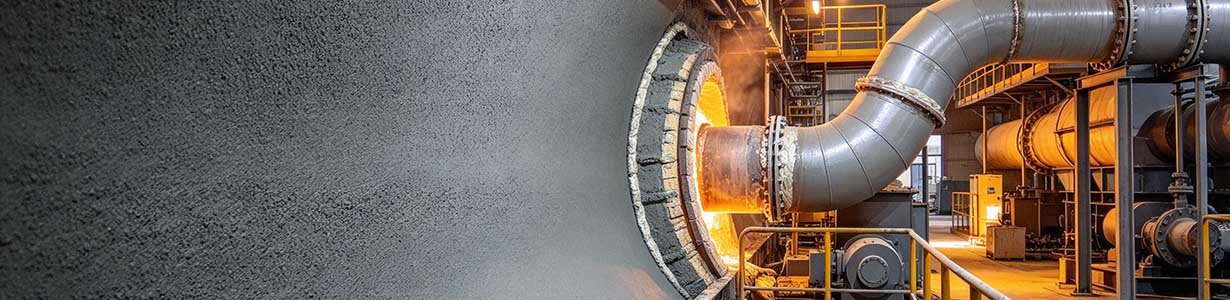


    Compatibility of potassium silicate with organic resins showing silane coupling and emulsion stabilization for hybrid coatings


    Common misunderstandings about the formula of potassium silicate-based inorganic coatings


    1. Misconception:

    The compatibility of potassium silicate with organic resins allows potassium silicate to be randomly mixed with acrylic emulsion. → In reality, strong alkalinity will break the emulsion; a special sol-silicate system is required.

    2. Misconception:

    The thicker the coating, the better the protection effect. → Thick coating brings huge curing shrinkage stress, is prone to cracking, must apply thin multiple layers.

    3. Misconception:

    The natural cured film of pure potassium silicate is waterproof. → The original silanol hydroxyl is hydrophilic, must be modified to improve the water resistance of potassium silicate, otherwise it will turn white when exposed to water.

    4. Misconception:

    All substrates can directly apply potassium silicate coatings. → It is only suitable for porous mineral substrates; smooth substrates and residual organic paint layers require pre-treatment.


    FAQ | Frequently Asked Questions about Potassium Silicate-Based Inorganic Coatings


    Q1: What are the differences between potassium silicate and potassium silicate in inorganic coatings?

    A: Potassium silicate has a lower risk of salt precipitation and a better water resistance after curing; potassium silicate has a lower cost, but is prone to sodium salt precipitation and whitening when exposed to water. The preferred system for exterior wall mineral coatings is the potassium silicate one.


    Q2: Why does the potassium silicate inorganic coating crack? Is it mainly a problem with the potassium silicate itself or the construction method?

    A: Both can be the cause. In the formula, the modulus is not appropriate, the filler ratio is unbalanced; in the construction, single thick coating, excessive moisture content of the substrate, inappropriate temperature and humidity, all can induce micro cracks, it is necessary to simultaneously check the formula and on-site construction parameters.


    Q3: What is the principle of the vapor permeability of potassium silicate-based inorganic coatings? Will it seep water?

    A: The cured coating film has micrometer-sized pores that allow water vapor molecules to pass through, but the surface tension of liquid water cannot penetrate. A qualified modified system can achieve “breathability without water penetration”, while pure potassium silicate without modification has insufficient water resistance.


    Conclusion


    Silicate potassium serves as the core adhesive of the potassium silicate inorganic coating; its performance is entirely derived from the fundamental chemical logic of the inorganic silification reaction: irreversible chemical film formation and chemical bonding anchoring of the mineral substrate. However, it also brings about inherent drawbacks such as curing shrinkage cracking, native hydrophilicity, and poor compatibility with organic substances.


    In the process of formula development and engineering application, one should not only focus on advantages such as weather resistance, A-level fire resistance, and mold prevention, but also need to face up to its limitations. By adjusting the modulus, selecting curing agents, performing surface modification, and standardizing construction techniques, one can balance the performance. Whether it is for building exterior walls, cultural relic restoration, or high-temperature protection coatings, the selection of the project requires a comprehensive assessment of the silicate potassium system based on the substrate, climate environment, and formula cost.


    If you are conducting research on inorganic coating formulas or need to evaluate the selection of silicate potassium products for engineering projects, please leave your contact information. We can have in-depth discussions on technical details such as modulus adjustment, curing systems, modification schemes, and on-site construction control.


    for more information ,please visit our facebook page
  • Potassium Silicate Applications: Low-Modulus vs High-Modulus Guide (M=2.5~5.0)

    Potassium Silicate Applications: Low-Modulus vs High-Modulus Guide (M=2.5~5.0)

    Potassium silicate modulus value chart showing how SiO2 to K2O ratio determines optimal applications from detergents to fire resistant glass


    Potassium Silicate Applications: How the Modulus Value (M) Determines the Right Choice


    Potassium silicate is a versatile inorganic binder and coating material, but its performance is not one-size-fits-all. The key factor that determines its properties—is the modulus value (M) , defined as the SiO₂/K₂O molar ratio.

    Understanding the difference between low-modulus and high-modulus potassium silicate is essential for selecting the right product for your project. This guide breaks down the typical modulus ranges, their performance characteristics, and their specific application scenarios.


    What Is the Potassium Silicate Modulus Value (M)?


    The modulus value (M) represents the SiO₂/K₂O molar ratio in the potassium silicate solution. It directly influences:

    ·Water solubility

    ·Film-forming behavior

    ·Cross-linking density

    ·Temperature resistance

    ·Cost and stability

    In general, potassium silicate products fall into two categories: low-modulus (M=2.5~3.5) and high-modulus (M=3.5~5.0) .


    Low modulus potassium silicate with high alkalinity fast dissolution for agricultural fertilizer and rapid reaction applications


    Low-Modulus Potassium Silicate (M=2.5~3.5): Versatile and Cost-Effective


    Key Characteristics


    ·High K₂O content: Improves water solubility and reactivity.

    ·Excellent water solubility: Easy to dilute and apply.

    ·Fast film-forming at low temperatures: Ideal for ambient curing.

    ·Cost-effective: Lower raw material cost compared to high-modulus grades.


    Primary Applications


    1.Room-temperature curing coatings – Used as a binder in architectural and protective coatings that cure at ambient conditions.

    2.Construction adhesives – Provides strong bonding for inorganic substrates such as concrete, stone, and ceramics.

    3.Silicon-potassium fertilizer – Widely used in agriculture as a soluble source of potassium and silicon, enhancing plant strength and disease resistance.

    Low-modulus potassium silicate is the preferred choice when solubility, low-temperature curing, and cost efficiency are priorities. These characteristics make it one of the most accessible potassium silicate applications for everyday industrial and agricultural use.


    High modulus potassium silicate with high polymerization thermal stability for refractory coatings and fire resistant glass


    High-Modulus Potassium Silicate (M=3.5~5.0): High-Performance and Heat-Resistant


    Key Characteristics


    ·High SiO₂ content: Increases cross-linking density and mechanical strength.

    ·Temperature resistance up to 800~1000°C: Suitable for extreme heat environments.

    ·Higher price: Reflects the higher silicon content and processing requirements.

    ·Slightly poorer stability: Requires more careful storage and handling compared to low-modulus products.


    Primary Applications


    1.High-temperature resistant coatings – Used in industrial settings where thermal protection is critical, such as exhaust systems and kiln linings.

    2.Precision casting surface coatings – Provides a refractory surface layer for investment casting and mold shells.

    3.Furnace repair materials – Ideal for patching and lining furnaces, boilers, and other high-heat equipment.

    High-modulus potassium silicate is the material of choice when thermal stability, structural integrity, and refractory performance are essential. In these demanding environments, the modulus plays a decisive role in determining the material’s heat resistance and durability.


    Comparison Table: Low-Modulus vs High-Modulus Potassium Silicate


    PropertyLow-Modulus (M=2.5~3.5)High-Modulus (M=3.5~5.0)
    SiO₂/K₂O RatioLowerHigher
    Water SolubilityExcellentGood
    Film-FormingFast at low temperatureRequires higher temperature
    Temperature ResistanceModerate800~1000°C
    Cross-Linking DensityLowerHigher
    CostLowerHigher
    StabilityBetterSlightly poorer
    Typical ApplicationsCoatings, adhesives, fertilizerRefractory coatings, precision casting, furnace repair


    How to Choose the Right SiO₂/K₂O molar ratio of Potassium Silicate for Your Application


    Selecting the correct grade depends on your specific performance requirements:

    Need ambient curing and cost efficiency? → Choose low-modulus.

    Need high-temperature resistance and structural strength? → Choose high-modulus.

    Working with agricultural formulations? → Low-modulus is typically preferred.

    Working with foundry or furnace applications? → High-modulus is the standard.

    If you are unsure which modulus value is best for your project, technical consultation can save time and reduce trial-and-error costs. Matching the right grade to the right potassium silicate applications ensures optimal performance and cost efficiency.


    Conclusion


    The modulus value (M) of potassium silicate is the single most important parameter for matching the material to its application. Low-modulus potassium silicate (M=2.5~3.5) excels in water solubility, low-temperature curing, and cost-sensitive applications such as coatings, adhesives, and fertilizers. High-modulus potassium silicate (M=3.5~5.0) delivers superior heat resistance and cross-linking density for high-temperature coatings, precision casting, and furnace repair.

    By understanding how the SiO₂/K₂O molar ratio affects performance, you can optimize your formulation, reduce costs, and ensure the success of your project. Whether you are developing agricultural fertilizers or refractory coatings, selecting the correct modulus grade is the foundation of successful potassium silicate applications.


    Looking for the Right Potassium Silicate Supplier?


    If you have application demands for potassium silicate—whether low-modulus or high-modulus—please feel free to leave your contact information for further technical communication and cooperation. Our team can help you select the optimal grade based on your specific performance requirements. From agricultural fertilizers to high-temperature refractory coatings, we support the full range of potassium silicate applications.


    Request a TDS  |  Request a Sample  |  Get a Quote

  • Potassium Silicate for Fire Resistant Glass and Fire Protection Applications

    Potassium Silicate for Fire Resistant Glass and Fire Protection Applications

    Potassium silicate for fire resistant glass interlayer foaming from transparent gel to insulating foam at high temperature


    Potassium silicate solution acts as a critical inorganic binder and functional component in select fire‑resistant glass and transparent fire protection formulations. Potassium silicate fire resistant glass systems leverage its excellent film‑forming capability, non‑combustible nature and high‑temperature stability to develop high‑performance transparent fire‑resistant coatings and glass interlayers. As a core raw material, potassium silicate for fireproof glass delivers consistent performance for modern building fire‑safety designs.


    Potassium Silicate for Fire Resistant Glass Process:

    Potassium Silicate Solution → Fire Resistant Glass → Fire Protection


    Request a TDS  |  Request a Sample  |  Get a Quote


    What Is Fire Resistant Glass Liquid?


    Fire‑resistant glass liquid, also referred to as fire protection liquid, fire‑resistant glass coating, fire protection coating or fire‑resistant interlayer, is a transparent inorganic formulation engineered for fire‑protection glass systems. Depending on the exact formulation and glass construction, the material can be applied via coating, brushing, spraying or filling to build up a transparent protective layer or interlayer. Products built around potassium silicate fire protection chemistry balance optical clarity and reliable fire‑safety performance for architectural glazing.


    Potassium Silicate Solution for Fire Resistant Glass Manufacturers


    For manufacturers developing potassium‑silicate‑based fire‑resistant glass formulations, potassium silicate solution quality directly impacts formulation stability, film formation, transparency, viscosity and thermal performance.

    We supply multiple potassium silicate grades with customizable SiO₂/K₂O ratios, adjustable modulus, flexible concentration and viscosity options. Industrial‑grade packaging, sample supply and complete technical documents including TDS, SDS and COA are available. Customized specifications can be arranged to match your unique fire‑resistant glass R&D and mass‑production requirements.


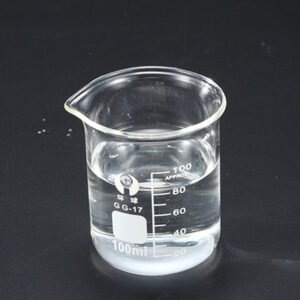
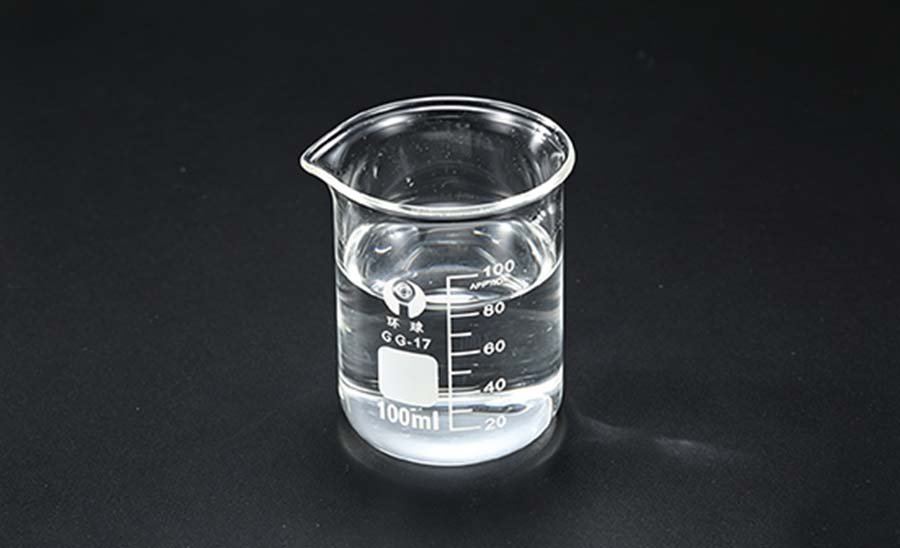
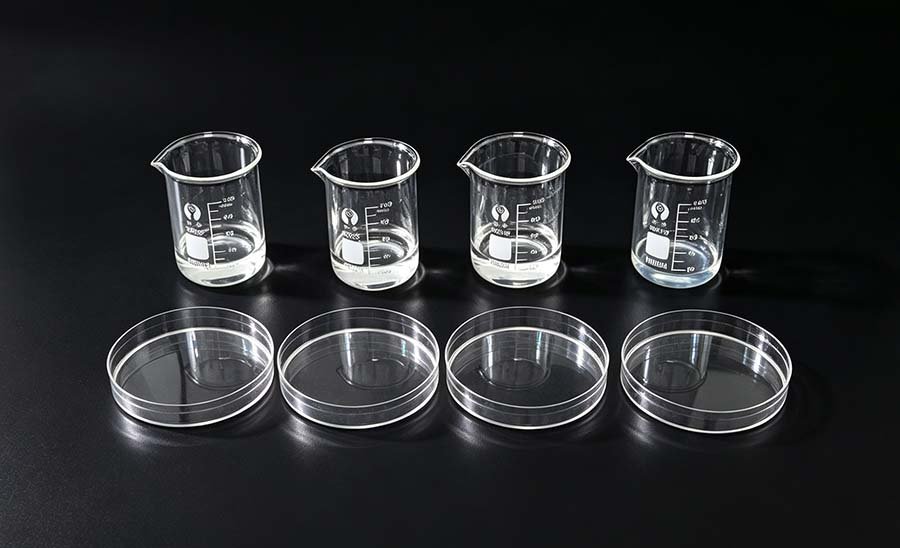
    Liquid potassium silicate clear viscous solution in glass container with CAS 1312-76-1 for agriculture coatings and electrode applications

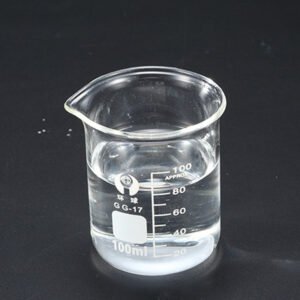
    Liquid potassium silicate solution clear colorless viscous liquid in glass container with CAS 1312-76-1 for industrial applications

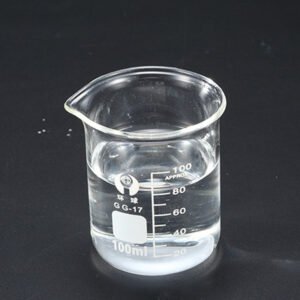
    potassium silicate liquid clear viscous solution in glass container with CAS 1312-76-1 for electrode coating and concrete hardening applications

    Liquid Potassium Silicate Modulus 3.9-4.0

    Liquid Potassium Silicate Modulus 3.3-3.4

    Liquid Potassium Silicate Modulus 2.5-2.6

    High-purity modulus 3.9-4.0 potassium silicate liquid with balanced SiO₂-K₂O ratio, stable alkalinity and low impurities. This premixed liquid silicate mixes easily with most chemical additives, widely applied in construction hardeners, welding coatings, fireproof materials, industrial cleaning agents, precision casting and agricultural nutrient additives.High-purity modulus 2.3–3.4 liquid potassium silicate solution with stable alkalinity and low impurities. Ready-to-use water glass with great compatibility, strong bonding, heat and weather resistance for coatings, construction, casting, welding, fire retardants and agricultural fertilizers.High-purity liquid potassium silicate with balanced SiO₂-K₂O modulus, stable alkalinity and low impurity content. Ready-to-dilute, fully compatible with most industrial additives, widely applied in welding materials, construction hardening agents, flame retardant coatings, casting binders and agricultural silicon fertilizer production.


    Why Is Potassium Silicate Used in Fire Resistant Glass?


    1. Excellent Film‑Forming Properties

    Potassium silicate solution contains soluble silicate species. As water evaporates, the silicate network assembles to form a hard inorganic glass‑like film. Film formation from soluble silicate creates a continuous, transparent protective layer that adheres firmly to glass substrates. This fundamental film‑forming property is the foundation for functional potassium silicate fire resistant glass coating designs.


    2. Non‑Combustible Inorganic Binder

    Potassium silicate is an inorganic silicate material and does not behave like conventional combustible organic binder systems. As a non‑combustible inorganic binder, it builds an inorganic matrix that contributes to long‑term fire protection. Unlike organic alternatives, it will not fuel combustion when exposed to flame, which is a major advantage for potassium silicate for fireproof glass end products.


    3. High‑Temperature Stability

    When temperature rises, the potassium silicate system undergoes dehydration, condensation, gelation and structural rearrangement. The evolved silicate gel and solid silicate network possess outstanding high‑temperature stability and thermal resistance. Workflow: Potassium Silicate Solution → Water Evaporation → Silicate Network → Inorganic Protective Layer → High‑Temperature Exposure Under fire conditions, this robust inorganic structure resists thermal decomposition and maintains barrier performance, supporting reliable potassium silicate fire protection for building glazing.


    4. Heat‑Activated Expansion and Intumescent Protection

    Under elevated temperatures, potassium‑silicate‑based fire‑protection formulations go through heat‑induced softening, dehydration and structural transformation. With properly selected additives, these reactions trigger intumescent expansion, generating a porous inorganic protective layer. This intumescent inorganic barrier layer effectively slows heat transfer. This intumescent behavior is the core safety mechanism for many potassium silicate glass coating solutions. Instead of forming organic foam char, the system builds a rigid porous inorganic barrier under thermal load.


    Potassium silicate fire resistant glass with intumescent gel interlayer between toughened glass panes for building facade applications


    How Potassium Silicate Works in Fire Resistant Glass


    Four‑step working principle

    Step 1 — Application Potassium silicate‑based formulation is applied to or incorporated into the glass system. 

    Step 2 — Water Evaporation Water gradually evaporates during drying.

    Step 3 — Inorganic Film Formation A transparent inorganic silicate network develops. 

    Step 4 — Heat Exposure Under high temperature, the formulation undergoes thermal transformation and may develop an expanded inorganic barrier layer.


    Potassium Silicate in Fire Resistant Glass Formulations


    Fire‑resistant glass liquid is never pure potassium silicate; multiple functional raw materials are compounded to balance storage stability, optical performance and fire‑safety output.


    Typical Formulation Components


    ComponentFunction
    Potassium SilicateInorganic binder / functional silicate component
    StabilizersImprove formulation stability
    Expansion AgentsPromote heat‑induced expansion
    Functional AdditivesAdjust thermal and physical properties
    Reinforcing AgentsImprove mechanical strength
    Rheology ModifiersControl viscosity and application properties
    WaterCarrier / formulation medium

    Formulation development focuses on formulation optimization, viscosity control, storage stability, optical transparency and substrate adhesion for finished fire‑rated glass parts.


    Application Methods for Fire Resistant Glass


    1.Spray Application

    Spray coating: Atomized potassium silicate liquid is evenly sprayed onto glass surfaces for thin, uniform transparent layers.


    2.Brush Application

    Brush coating: Manual brush application fits small‑batch or on‑site glass retrofitting projects.


    3.Filling / Casting

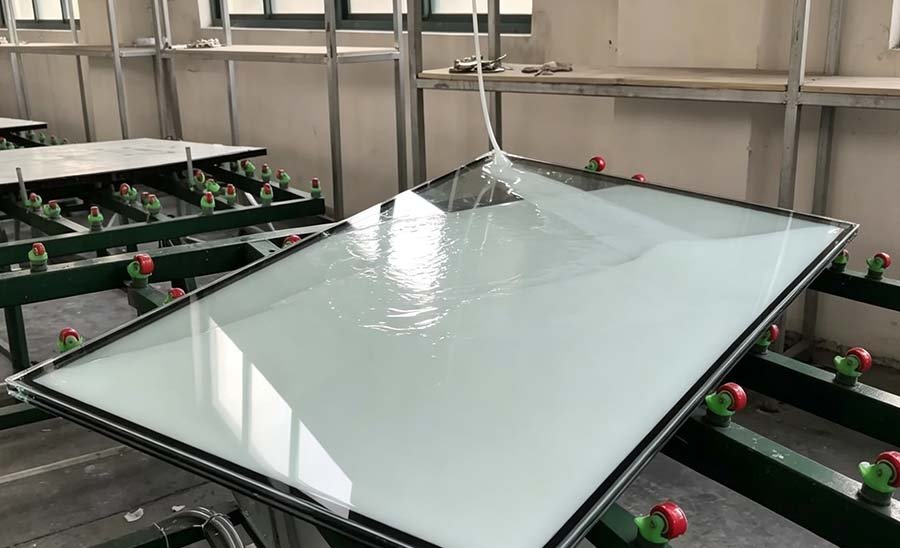
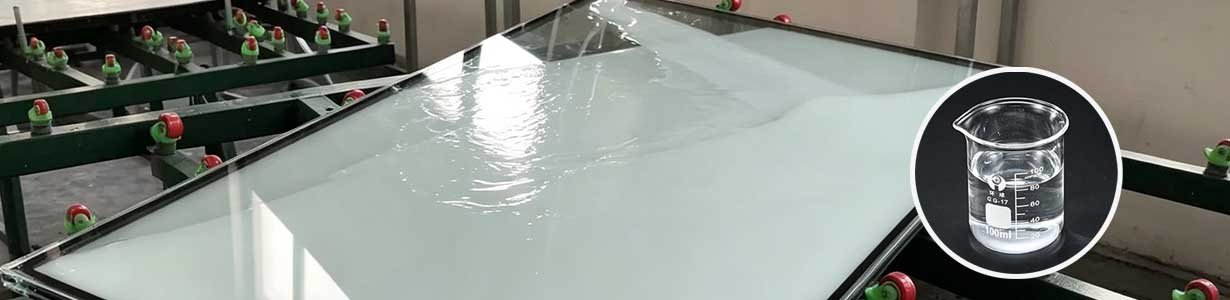
    Filling or casting process: Liquid formulation is poured into the cavity between double‑layer glass substrates.


    4.Glass Interlayer Application

    Fire‑resistant glass interlayer: The silicate‑based material fills the intermediate space of composite fire‑resistant glass units.


    Benefits of Potassium Silicate for Fire Protection Glass


    Note: All performance is formulation‑dependent and potential, results vary with modulus, concentration and additive packages.

    Transparent Appearance: Delivers high optical clarity without ruining glass visual performance.

    Inorganic Chemistry: Fully inorganic silicate system, no organic combustible content.

    Non‑Combustible Characteristics: Does not support combustion under fire exposure.

    High‑Temperature Resistance: Maintains structural integrity under sustained high‑heat conditions.

    Film‑Forming Capability: Forms hard, adherent inorganic film after moisture loss.

    Potential Intumescent Protection: Can produce expanded inorganic barrier layers under high temperature with matched additives.


    Fire Resistant Glass Applications


    Potassium silicate fire rated window with laminated glass construction showing intumescent gel interlayer and sealed edge system

    Potassium silicate fire-resistant steel door cross-section with mineral fiber core and intumescent binder forming ceramic layer during fire test

    Potassium silicate fire protection glazing showing laminated glass construction with intumescent gel interlayer for building facade applications

    Potassium silicate fire-resistant glass curtain wall system on building facade with laminated glass structure and intumescent gel interlayer

    Potassium silicate fire-resistant glass curtain wall system showing laminated glass construction with intumescent gel interlayer and structural framing

    Fire‑rated windowsFire‑resistant doorsFire protection glazingBuilding facadesCurtain wall systems


    Potassium silicate fire-rated glass partition in office interior showing EI30 rated glazing with slim aluminum frame

    Potassium silicate safety glazing system showing laminated glass construction with fire-resistant gel interlayer for building protection

    Potassium silicate fire-resistant glass in commercial building facade with curtain wall windows and interior partitions

    Potassium silicate fire-resistant glass in industrial building with control room windows and fire-rated partitions

    Potassium silicate fire-resistant glass in public building with partition walls doors and observation windows for fire safety

    Interior partitionsSafety glazingCommercial buildingsIndustrial buildingsPublic buildings


    How to Choose Potassium Silicate for Fire Resistant Glass


    Selecting suitable potassium silicate raw material is critical for stable finished‑product quality. Evaluate these core parameters:

    Silica‑to‑Potassium Oxide Ratio: SiO₂/K₂O ratio defines core chemical characteristics.

    Potassium Silicate Modulus: Silicate modulus is the key index for fire‑resistant glass formula tuning.

    Solid Content: Total solids content influences drying speed and film thickness.

    Viscosity: Controls spray, brush and filling operation workability.

    Density: Correlates with solid content and formulation mixing calculation.

    pH value: Affects storage stability and compatibility with other additives.

    Transparency and Appearance: Visual clarity directly decides glass finished‑look quality.

    Storage Stability: Resists gelation and precipitation during shelf life.


    Potassium Silicate vs Sodium Silicate for Fire Resistant Glass


    PropertyPotassium SilicateSodium Silicate
    Alkali componentK₂ONa₂O
    Binder typeInorganic silicateInorganic silicate
    Film formationGoodGood
    High‑temperature behaviorFormulation dependentFormulation dependent
    Optical requirementsFormulation dependentFormulation dependent
    ApplicationFire protection / coatings / specialty glassBroader industrial applications

    The most suitable silicate depends on the specific glass construction, formulation chemistry and required fire‑resistance performance.


    FAQ About Potassium Silicate for Fire Resistant Glass


    What is potassium silicate used for in fire resistant glass?

    Potassium silicate acts as an inorganic binder and core functional raw material. It forms transparent inorganic protective layers and provides intumescent barrier performance under fire exposure.


    Can potassium silicate be used as a fire resistant glass coating?

    Yes. With proper formulation, potassium silicate solution can be applied as spray‑on or brush‑on fire‑resistant glass coating.


    Why is potassium silicate suitable for fire protection applications?

    Its advantages include excellent inorganic film‑forming performance, non‑combustible property, high‑temperature stability and potential intumescent barrier effect under heat.


    Is potassium silicate non‑combustible?

    Potassium silicate itself is inorganic and non‑combustible; final system performance is subject to full‑formula composition.


    Does potassium silicate expand when exposed to heat?

    Pure potassium silicate solution will not expand. Intumescent expansion occurs only when matched with dedicated expansion additives in complete formulations.


    What is the difference between potassium silicate and sodium silicate for fire resistant glass?

    Both are inorganic silicate binders. Potassium silicate is widely preferred for high‑end transparent fire‑resistant glass; sodium silicate covers more general‑purpose industrial scenarios. Final selection relies on your formula target.


    What potassium silicate modulus is suitable for fire resistant glass?

    There is no universal modulus. Modulus selection needs to combine viscosity requirement, drying speed, film hardness and additive compatibility, samples are recommended for formula verification.


    Can you provide potassium silicate samples for fire resistant glass?

    Yes, we support sample supply for your R&D and formula testing. Feel free to contact us to request samples.


    What technical documents are available for potassium silicate?

    We supply TDS, SDS and COA documents to support your product development and import clearance work.

  • Potassium Silicate Binder

    Potassium Silicate Binder

    Potassium silicate binder is an inorganic, mineral-based binding material produced from soluble potassium silicate. It provides binding, film-forming and heat-resistant properties for coatings, refractory materials, welding electrodes, foundry applications and other inorganic formulations.

    As a potassium silicate binder manufacturer and supplier, we supply this material in liquid and solid grades, with controlled modulus and solids content, to coating producers, refractory formulators, electrode manufacturers and other industrial users worldwide.

    Request a TDS  |  Request a Sample  |  Get a Quote


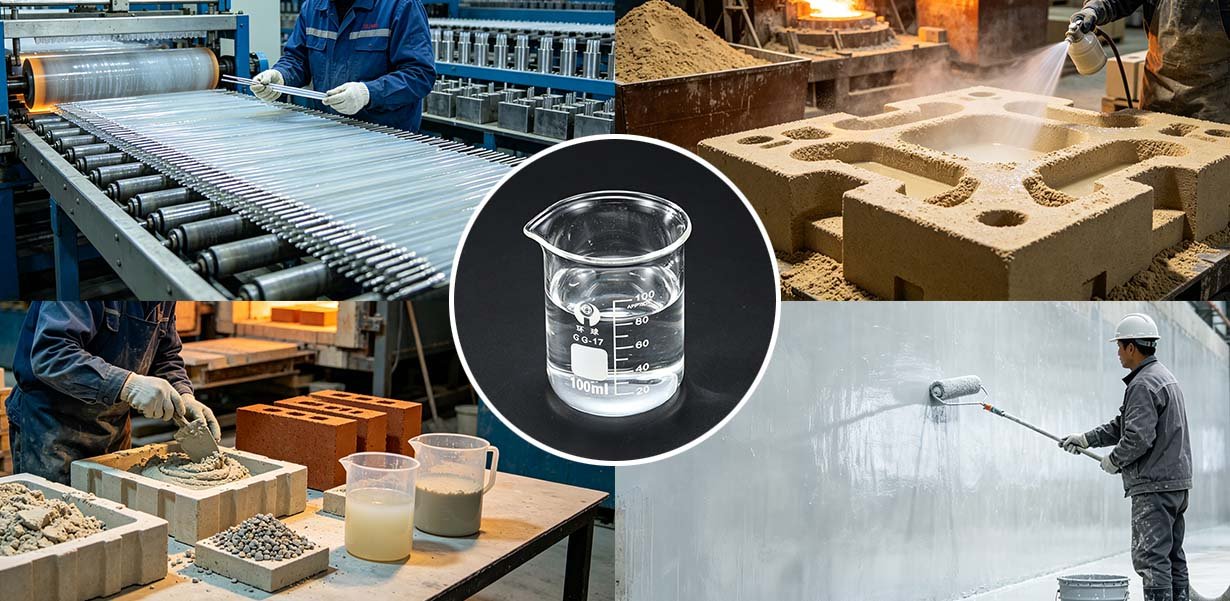
    Potassium silicate binder applications in welding electrode coatings refractory mortars alkali activated slag and inorganic zinc silicate primers


    What Is Potassium Silicate Binder?


    Potassium silicate is produced by fusing high-purity silica sand with potassium carbonate and dissolving the resulting glass in water. The product is a clear, alkaline liquid in which silica is held in a soluble, reactive form.

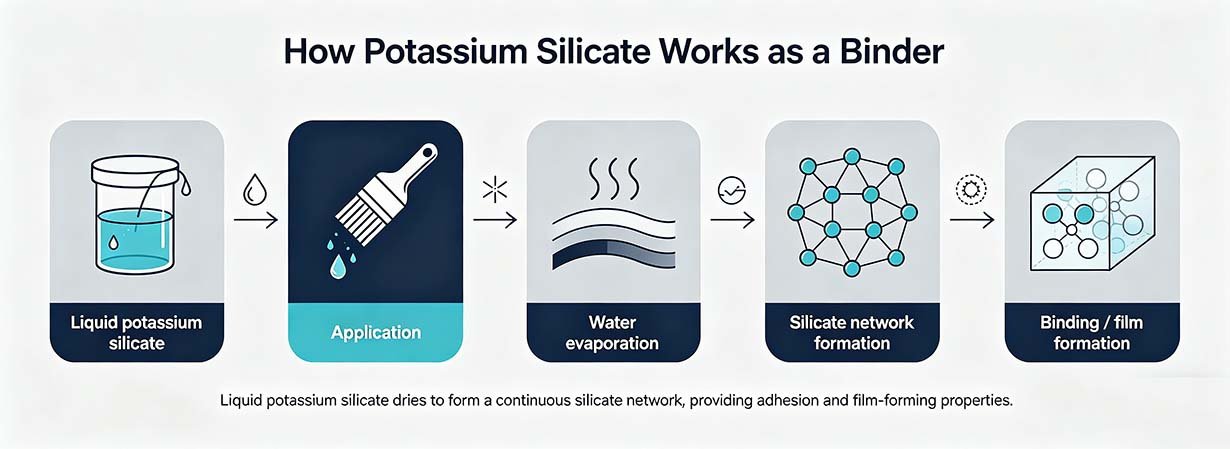
    Potassium silicate works as a binder because soluble silicates contain silica in a polymerizable state. When the solution is applied to a surface or mixed into a mineral formulation, water evaporates and the dissolved silica links into a continuous inorganic network. This network bonds mineral particles together and forms a hard, heat-resistant film. This is the essence of a potassium silicate inorganic binder: a mineral-based system that binds and films without organic polymers or curing resins.

    The most common commercial form is a potassium silicate liquid binder — a ready-to-use solution in which modulus and solids content are controlled during production. Solid potassium silicate is also available as glass lumps or powders that must be dissolved before use. The choice affects handling, processing and final formulation design.

    During drying and curing, the silicate undergoes a gradual sol–gel transition. Soluble silica condenses into a three-dimensional network, producing a dense, coherent mineral structure with good adhesion to mineral substrates and strong resistance to heat.


    How Potassium Silicate Works as a Binder


    Potassium silicate binder mechanism showing siloxane network formation and alkali activation of slag for geopolymer applications


    Liquid potassium silicate → Application → Water evaporation → Silicate network formation → Binding / film formation


    Potassium Silicate for Binder


    Liquid potassium silicate clear viscous solution in glass container with CAS 1312-76-1 for agriculture coatings and electrode applications

    Liquid potassium silicate solution clear colorless viscous liquid in glass container with CAS 1312-76-1 for industrial applications

    potassium silicate liquid clear viscous solution in glass container with CAS 1312-76-1 for electrode coating and concrete hardening applications

    Liquid Potassium Silicate Modulus 3.9-4.0

    Liquid Potassium Silicate Modulus 3.3-3.4

    Liquid Potassium Silicate Modulus 2.5-2.6

    High-purity modulus 3.9-4.0 potassium silicate liquid with balanced SiO₂-K₂O ratio, stable alkalinity and low impurities. This premixed liquid silicate mixes easily with most chemical additives, widely applied in construction hardeners, welding coatings, fireproof materials, industrial cleaning agents, precision casting and agricultural nutrient additives.High-purity modulus 2.3–3.4 liquid potassium silicate solution with stable alkalinity and low impurities. Ready-to-use water glass with great compatibility, strong bonding, heat and weather resistance for coatings, construction, casting, welding, fire retardants and agricultural fertilizers.High-purity liquid potassium silicate with balanced SiO₂-K₂O modulus, stable alkalinity and low impurity content. Ready-to-dilute, fully compatible with most industrial additives, widely applied in welding materials, construction hardening agents, flame retardant coatings, casting binders and agricultural silicon fertilizer production.


    Key Properties of Potassium Silicate Binder


    PropertyDescription
    Inorganic binding propertiesBinds mineral fillers, pigments and refractory powders without organic polymers
    Heat resistanceDried silicate network withstands elevated temperatures
    Film-forming capabilityForms continuous, coherent mineral films on suitable substrates
    Alkaline natureStrongly alkaline; compatible with alkali-tolerant ingredients
    Water solubilityWater-based wet form; dried film remains water-sensitive until fully reacted
    Mineral compatibilityWell suited to silica, silicates, mineral oxides and other inorganic components
    Low organic contentEssentially mineral system with no significant organic polymer contribution


    How Does Potassium Silicate Binder Work?


    1.Mixing — Potassium silicate is mixed with mineral fillers, pigments or other inorganic materials to form a homogeneous paste or slurry.

    2.Application — The formulation is applied to the target surface or shaped into the required form.

    3.Drying — Water gradually evaporates from the applied layer.

    4.Binding / Film Formation — The silicate condenses into an inorganic binding structure.

    5.Final Performance — The material gains improved cohesion, hardness and resistance to heat or mineral environments.


    Potassium Silicate Binder Applications


    Potassium silicate inorganic coating formation mechanism with anti-corrosion applications in marine and aerospace infrastructure

    Potassium silicate paint on building facade with mineral matte finish and chemical silicification bonding to masonry

    Potassium silicate welding electrode manufacturing process showing dry mixing binder addition pressing and heat treatment for coating formation

    Inorganic Coatings

    Potassium Silicate Paint

    Welding Electrode Manufacturing

    Used as a binder in mineral coatings, silicate coatings, architectural coatings and protective coatings. 

    Acts as the binder and film-forming component in mineral paint formulations. 

    Binds powder ingredients, supports extrusion and forming, and provides green strength during electrode production. 


    Sodium and potassium silicate foundry applications showing CO2 curing self-hardening microwave hardening and emission reduction

    Silicate binders in refractory materials forming siloxane networks for castables gunning mixes and acid-resistant linings

    Silicate construction materials including alkali activated concrete geopolymer bricks and low cement binders for sustainable building

    Foundry Applications

    Refractory Materials

    Construction Materials

    Used in selected inorganic foundry binder systems, sand molding and core making, where the specific formulation and process are compatible.Serves as a refractory binder and heat-resistant binder in inorganic refractory formulations.Contributes to mineral-based materials, inorganic formulations and cement-compatible systems for surface treatment.


    Liquid vs. Solid Potassium Silicate Binder


    PropertyLiquid Potassium SilicateSolid Potassium Silicate
    Physical formLiquidSolid
    HandlingReady for formulationRequires dissolution
    ProcessingEasy blendingRequires preparation
    Typical useCoatings / bindersDry formulations
    CustomizationModulus / concentrationModulus / composition


    The appropriate form depends on the formulation, processing method and required solids content. For most coating and binder applications, a potassium silicate liquid binder is the practical choice because it blends directly into water-based systems. Solid grades suit dry-blend operations where the solution is prepared in-house.


    How to Choose Potassium Silicate for Binder Applications


    Silica-to-Potassium Oxide Ratio

    The SiO₂/K₂O molar ratio (modulus) controls reactivity, drying behavior, film formation, alkalinity and compatibility. Higher-modulus grades are more reactive toward silica surfaces and dry to harder films; lower-modulus grades are more alkaline and slower-drying.


    Solids Content

    Affects viscosity, formulation weight, drying time and final binder strength. Higher solids give faster film build but can increase viscosity and handling difficulty.


    Viscosity

    Determines pumpability, mixing ease and coating behavior; depends on both modulus and solids content.


    pH

    Strongly alkaline; influences compatibility with other ingredients and substrate selection.


    Density

    Used for dosage calculations and quality control during production.


    How to Select the Right Potassium Silicate Binder


    Application → Required modulus → Solids concentration → Viscosity → Processing method → Final performance requirements

    There is no single potassium silicate binder suitable for every application. Each step — from target performance to available processing equipment — narrows the correct grade. A reliable potassium silicate binder supplier should help translate application requirements into a concrete modulus, solids content and physical form.


    Potassium Silicate Binder vs. Other Inorganic Binders


    BinderMain CharacteristicsTypical Applications
    Potassium SilicateMineral / inorganicCoatings, welding, refractory
    Sodium SilicateInorganicFoundry, refractory, construction
    Colloidal SilicaSilica-basedRefractory, foundry
    Organic ResinOrganicAdhesives, coatings

    Potassium silicate inorganic binder systems are often chosen over sodium silicate where potassium-based chemistry, lower sodium content or a specific drying profile is preferred. Colloidal silica and organic resins serve different cost, performance and handling trade-offs; selection depends on the formulation target.


    Frequently Asked Questions About Potassium Silicate Binder


    1.What is potassium silicate binder?

    A binding material based on soluble potassium silicate that bonds mineral particles and forms inorganic films on drying.


    2.What is potassium silicate used as a binder for?

    Coatings, paints, welding electrodes, refractory materials, foundry formulations and mineral-based construction systems.


    3.Is potassium silicate an inorganic binder?

    Yes. It is a mineral-based system that binds and films without organic polymers.


    4.What industries use potassium silicate binders?

    Coatings, paints, welding consumables, refractories, foundry and construction materials.


    5.Can potassium silicate be used as a refractory binder?

    Yes, in heat-resistant inorganic formulations where the dried silicate network provides thermal stability.


    6.Can potassium silicate be used in welding electrodes?

    Yes. It binds powder ingredients and provides green strength during extrusion and drying.


    7.What is the difference between potassium silicate and sodium silicate binder?

    Both are soluble silicates, but they differ in cation, drying behavior, solubility and film character; the choice depends on the formulation.


    8.How does potassium silicate modulus affect binder performance?

    Higher modulus increases reactivity toward silica and film hardness while reducing alkalinity; lower modulus gives slower, more alkaline behavior.


    9.Can you customize potassium silicate binder grades?

    Yes. Modulus, solids content and physical form can be customized.


    10.What documents can you provide for potassium silicate binder?

    TDS, SDS, COA and product specifications.

  • Potassium Silicate for Welding Electrodes

    Potassium Silicate for Welding Electrodes


    Potassium silicate for welding electrode binder showing coating structure and arc stabilization mechanism


    Potassium silicate is a key inorganic binder widely used within welding consumables production. In welding applications, it acts as a core functional material for electrode coating formulations. Potassium silicate welding electrode manufacturers rely on this material to bind dry mineral powders onto metal core wires. It delivers critical inorganic bonding strength and processing stability during production. Welding electrode manufacturers select potassium silicate binder to secure coating integrity and maintain consistent manufacturing outcomes for finished welding electrodes.

    What Is Potassium Silicate for Welding?

    Potassium silicate is an inorganic silicate material used in welding electrode manufacturing, particularly as a binder and processing component in electrode coating formulations. The material chain follows this clear flow: Potassium Silicate → Electrode Coating → Welding Electrode.
    As a core raw material, potassium silicate for welding electrodes integrates into coating mixes to hold mineral and flux ingredients together. Potassium silicate welding serves as a proven welding electrode binder that supports mass‑scale production of welding consumables. It forms the inorganic backbone of electrode coating systems without relying on organic adhesive components.
     

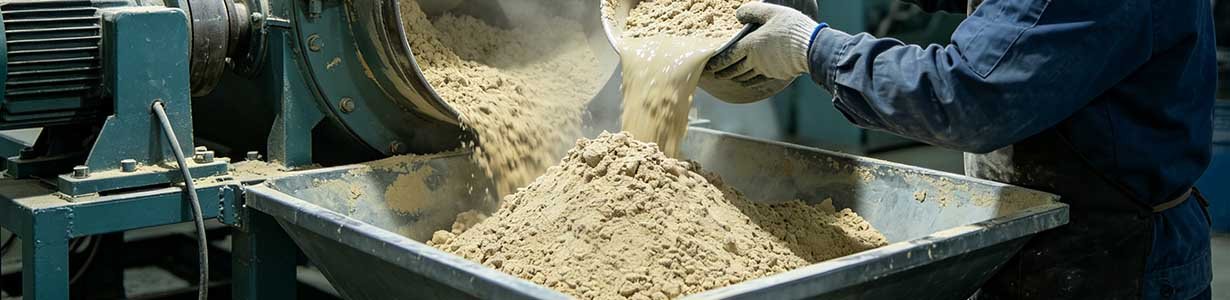
    Potassium silicate welding electrode manufacturing process showing flux coating extrusion and arc stabilization mechanism


    How Is Potassium Silicate Used in Welding Electrodes?

    As an Inorganic Binder

    Potassium silicate binder for welding electrodes works to bind coating ingredients, improve coating integrity, maintain formulation consistency, and provide inorganic bonding across the full electrode coating. It holds mixed mineral and flux powders firmly attached to the metal core wire throughout forming and handling steps. This bonding function is the primary reason potassium silicate electrode binder is specified in many welding electrode recipes.

    As a Film‑Forming Component

    After water evaporation during controlled drying cycles, potassium silicate forms a rigid inorganic silicate network. This potassium silicate film‑forming behaviour creates a solid, durable coating shell. The silicate binder for electrodes locks the blended coating components in place and reduces risks of chipping or damage during electrode handling and storage.

    For Electrode Coating Formulations

    Potassium silicate blends well with minerals, fillers, and other inorganic components inside electrode coating formulations. It modifies paste rheology for extrusion processing. No proprietary exact formula details are shared here; actual mixing ratios are adjusted by electrode producers according to their own product requirements.
     

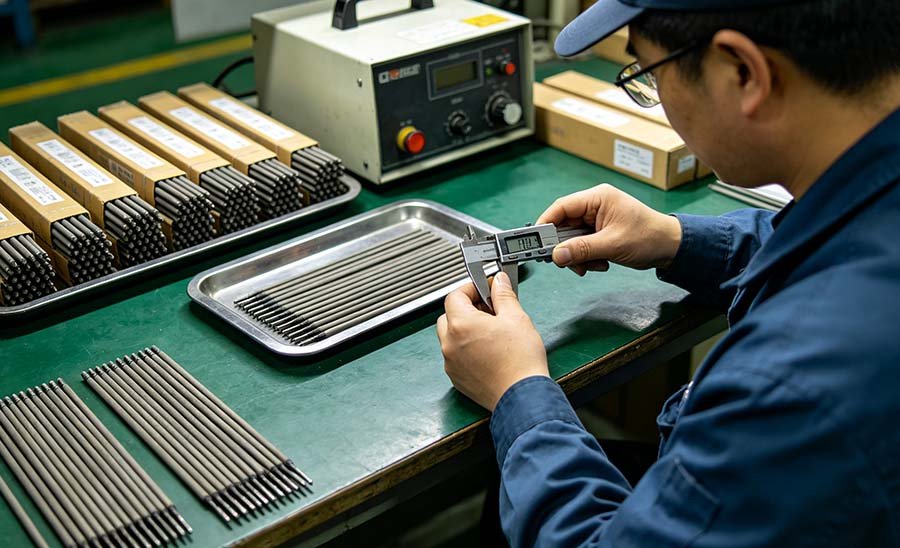
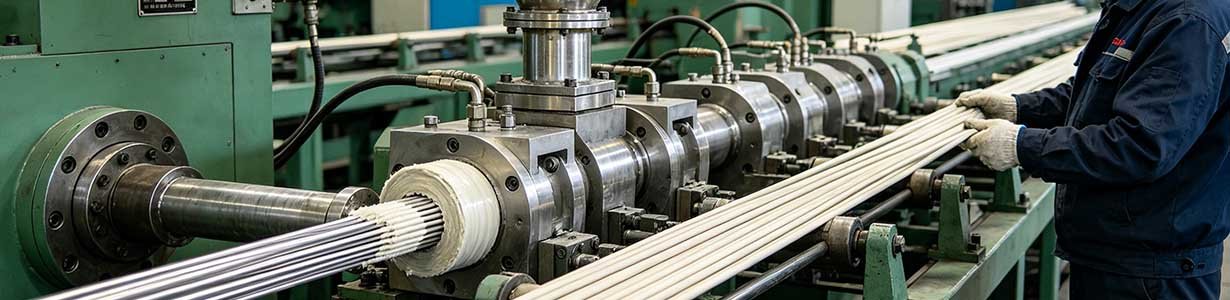
    Potassium silicate electrode binder manufacturing process coating extrusion and drying for welding electrodes


    Why Use Potassium Silicate in Welding Electrode Manufacturing?

    Inorganic Binding

    Delivers robust inorganic binding performance for electrode coating systems, avoiding organic‑based binder decomposition patterns.

    Good Mineral Compatibility

    Works efficiently with mineral‑rich, inorganic‑heavy electrode coating base formulations typical for welding consumables.

    Film Formation

    Forms continuous silicate‑based bonded structures once the coated electrodes go through drying and baking cycles.

    High‑Temperature Compatibility

    Its inorganic chemical nature makes it suitable for high‑temperature industrial systems encountered during electrode production and welding service conditions.

    Formulation Flexibility

    Multiple grades of potassium silicate are available. Manufacturers can select suitable modulus and solid content grades to match their electrode formulation targets.

    Consistent Processing

    Supports stable performance across mixing, electrode coating extrusion, drying, and finished‑electrode handling steps, helping factories reduce processing variability.


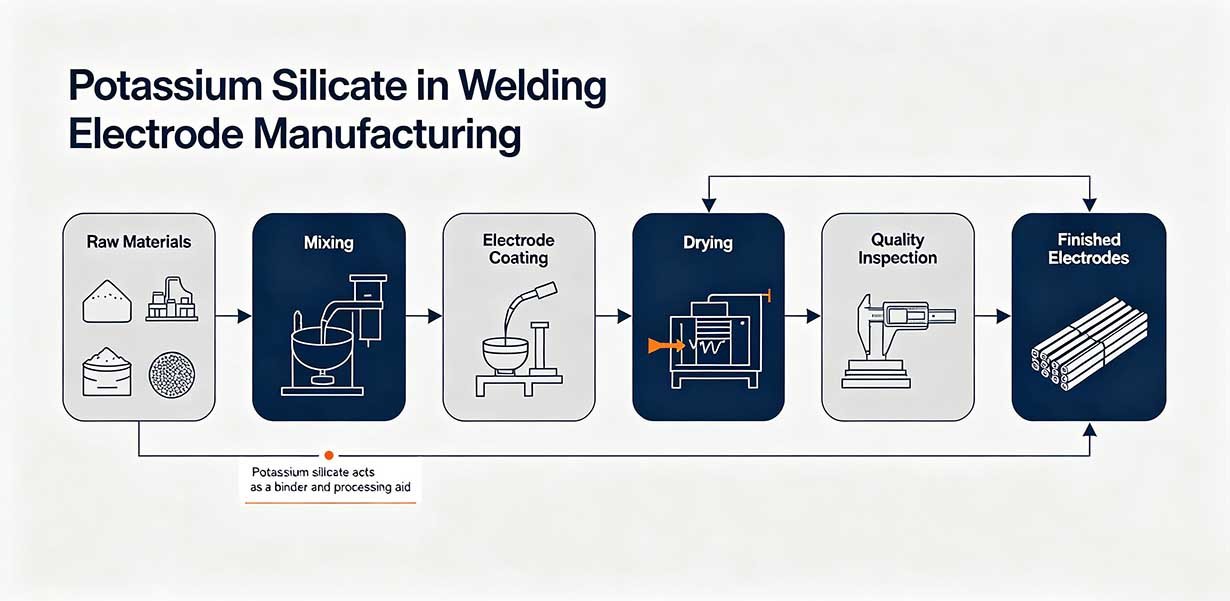
    Potassium Silicate in Welding Electrode Manufacturing

    Potassium silicate welding electrode manufacturing process flow showing flux mixing extrusion drying and coating formation

     
    Process flow: Raw Materials → Mixing → Electrode Coating → Drying → Quality Inspection → Finished Electrodes

    1. Raw Material Preparation

    Liquid or solid potassium silicate is received, inspected, and prepared as one of the key raw materials alongside mineral powders, fluxes and metal powders for electrode coating production.

    2. Mixing the Electrode Coating

    Dry coating powders are blended first; potassium silicate is then added for wet mixing. It wets solid powders and builds initial adhesion to create a workable extrusion paste.

    3. Electrode Coating

    The well‑mixed paste feeds into extrusion presses. Potassium silicate for welding electrodes gives proper paste rheology so the coating extrudes evenly onto each metal core wire.

    4. Drying

    Water evaporates during staged drying and baking. Potassium silicate welding forms its final inorganic bonded film, hardening the electrode coating and improving mechanical strength.

    5. Quality Control

    Finished electrodes are inspected for coating adhesion, surface integrity and physical defects. Raw‑batch consistency of potassium silicate directly influences final QC pass rates.


    Potassium silicate welding applications showing arc stabilization slag behavior and electrode coating for AC DC welding


    Welding Applications of Potassium Silicate

    Welding Electrode Manufacturing

    The primary commercial use. Potassium silicate welding electrode grades are purpose‑produced for stick electrode mass manufacturing.

    Electrode Coating

    Serves as core functional raw material within electrode coating formulation systems for welding consumables.

    Welding Consumables

    Supports production of SMAW stick electrodes and related welding consumable products where inorganic binders are required.

    Inorganic Binder Systems

    Represents one major inorganic binder solution for high‑heat‑exposed industrial coating systems beyond pure welding‑only use‑cases.


    Liquid vs. Solid Potassium Silicate for Welding Applications

     Feature Liquid Potassium Silicate Solid Potassium Silicate
     Physical form Liquid Powder / solid lump
     Handling Ready‑to‑use / dilution possible Requires dissolution before wet mixing
     Mixing Easy integration into liquid‑based coating formulations Added during formulation, needs dissolving step
     Storage Liquid storage requirements, avoid freezing Dry storage, moisture‑proof conditions
     Application Suitable for standard liquid‑process electrode production Suitable for dry‑blending workflows and customized formulations
    Noted: Match exact parameters to your official TDS documentation for public‑site publication.


    Potassium Silicate vs. Other Welding Electrode Binders

    Potassium Silicate vs. Sodium Silicate

    Both are widely used inorganic silicate binders for electrode coatings. Potassium‑based silicate delivers different ion behaviour versus sodium‑silicate alternatives. Differences cover efflorescence tendency, paste rheology, and high‑temperature performance during welding. Material selection depends on electrode grade, production setup and target coating properties.

    Potassium Silicate vs. Organic Binders

    Potassium silicate features fully inorganic nature, excellent mineral compatibility, and stable performance under high‑heat conditions. Organic binders can burn away under welding heat. The choice depends on electrode formulation, processing requirements and desired properties; no single binder is universally superior for every electrode design.


    How to Choose Potassium Silicate for Welding Electrodes?

    Modulus

    Modulus refers to the SiO₂ / K₂O molar ratio. Different modulus grades change bonding strength, film‑forming performance and paste viscosity. Select modulus to align with your electrode coating formulation and extrusion process.

     Solid Content

    For liquid potassium silicate, review SiO₂ content, K₂O content and total solids values. Solid‑content levels directly impact mixing water addition and final coating paste characteristics.

    Viscosity

    Viscosity strongly influences mixing behaviour, extrusion performance and electrode‑coating processing. Mismatched viscosity will create difficulties during high‑volume electrode production.

    pH

    pH acts as an important quality‑control marker for incoming material and helps verify compatibility with other coating raw‑material components.

    Physical Form

    Choose between liquid potassium silicate, solid potassium silicate and potassium silicate powder, based on your factory mixing workflows, storage infrastructure and formulation setup.


    Frequently Asked Questions About Potassium Silicate for Welding

    Q1. What is potassium silicate used for in welding?

    A: Potassium silicate acts as an inorganic binder inside electrode coating mixes for welding electrodes, supporting paste processing and coating mechanical strength.


    Q2. Can potassium silicate be used as a welding electrode binder?

    A: Yes. Potassium silicate electrode binder is a standard inorganic binder option widely adopted within welding‑electrode manufacturing.


    Q3. Why is potassium silicate used in electrode coatings?

    A: It bonds mineral‑based coating powders together, forms inorganic films after drying, and enables stable industrial‑scale mixing and extrusion of electrode coating.


    Q4. What is the difference between potassium silicate and sodium silicate for welding electrodes?

    A: They differ in alkali cation, efflorescence risk, rheology and high‑temperature behaviour. Final selection depends on your specific electrode‑product requirements.


    Q5. Is liquid or solid potassium silicate better for welding electrode manufacturing?

    A: Liquid grades are convenient for ready‑to‑go wet mixing. Solid/powder grades suit sites preferring on‑site dissolution. Your production workflow determines the best option.


    Q6. What potassium silicate modulus is suitable for welding electrodes?

    A: Target modulus varies by coating formulation. Confirm your target SiO₂/K₂O ratio with your material supplier according to your existing coating recipe.


    Q7. How does potassium silicate affect electrode coating formulations?

    A: It contributes bonding power, adjusts paste rheology, and forms the hardened inorganic coating structure post‑drying. All other mineral and flux ingredients must show good compatibility with your selected silicate grade.


    Q8. Can potassium silicate be used with mineral‑based electrode ingredients?

    A: Yes, it exhibits good mineral compatibility and is designed to pair with mineral‑rich inorganic electrode‑coating raw materials.


    Q9. What specifications should I check when buying potassium silicate for welding?

    A: Key specs include modulus, solid content (SiO₂ & K₂O), viscosity, pH and physical form. Always cross‑reference against your formulation and TDS data.


    Q10. Can Sanlee provide potassium silicate for welding electrode production?

    A: Sanlee supplies liquid, solid and powder‑form potassium silicate grades targeted for welding consumable manufacturing. Contact our technical team to discuss your modulus, solid‑content and form requirements; we can provide documentation and samples for your lab testing.


    Potassium Silicate for Welding Electrode Manufacturers

    Sanlee Chemicals manufactures potassium silicate materials for welding‑electrode factories and welding‑consumable developers.
     
    Potassium Silicate Products for Welding:
     
    We focus on consistent batch‑to‑batch quality, customized specifications, full technical documentation, and large‑volume bulk supply. We support OEM and customized modulus requirements. Where applicable, we deliver TDS, SDS, COA documentation, and product samples for customer formulation trials.

    Looking for Potassium Silicate for Welding Electrodes?

    Sanlee Chemicals supplies potassium silicate materials for welding electrode and other industrial applications. Contact our technical team to discuss your required modulus, concentration, physical form and application requirements.
     
    For more information ,please visit our facebook page
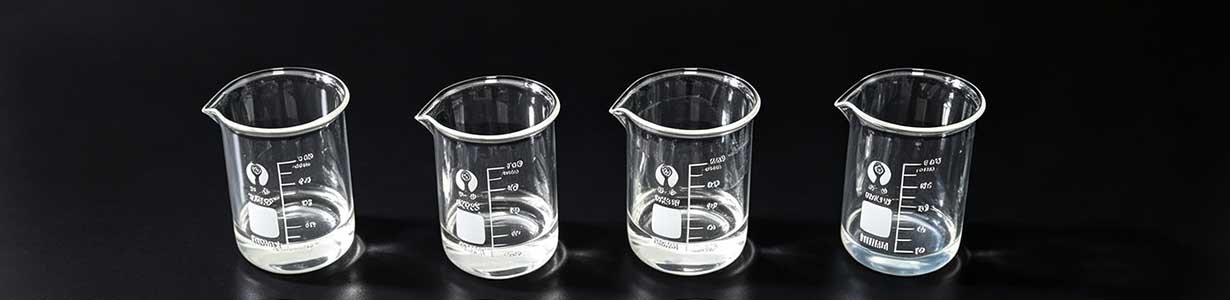
  • Liquid Potassium Silicate Modulus 3.9-4.0

    Liquid Potassium Silicate Modulus 3.9-4.0

    What is Liquid Potassium Silicate Modulus 3.9-4.0?


    Potassium silicate liquid, also known as liquid potassium water glass, is a high-purity liquid inorganic silicate raw material widely utilized in advanced chemical, industrial manufacturing, construction and new material sectors worldwide.

    As a professional liquid potassium silicate factory, Sanlee Chemical specializes in the production and wholesale of premium-grade silicate products, acting as a reliable global supplier to support bulk and customized orders for clients who seek to wholesale liquid potassium silicate with stable quality and competitive pricing.

    Our potassium silicate liquid is produced through precise high-temperature fusion, scientific ratio calibration, filtration purification and static aging treatment. With strictly controlled chemical indicators, low impurity content and stable molecular structure, this liquid potassium water glass features excellent water solubility, superior film-forming performance and outstanding chemical compatibility with various additives. All batches are produced in strict accordance with industrial standards, and we can provide complete technical documents including liquid potassium silicate MSDS to support customers’ production inspection, safety management and export declaration work.


    Introduction to Potassium Silicate Liquid


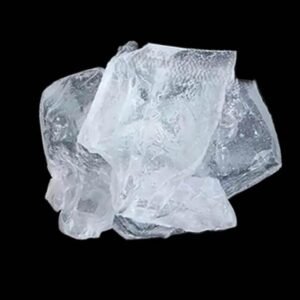
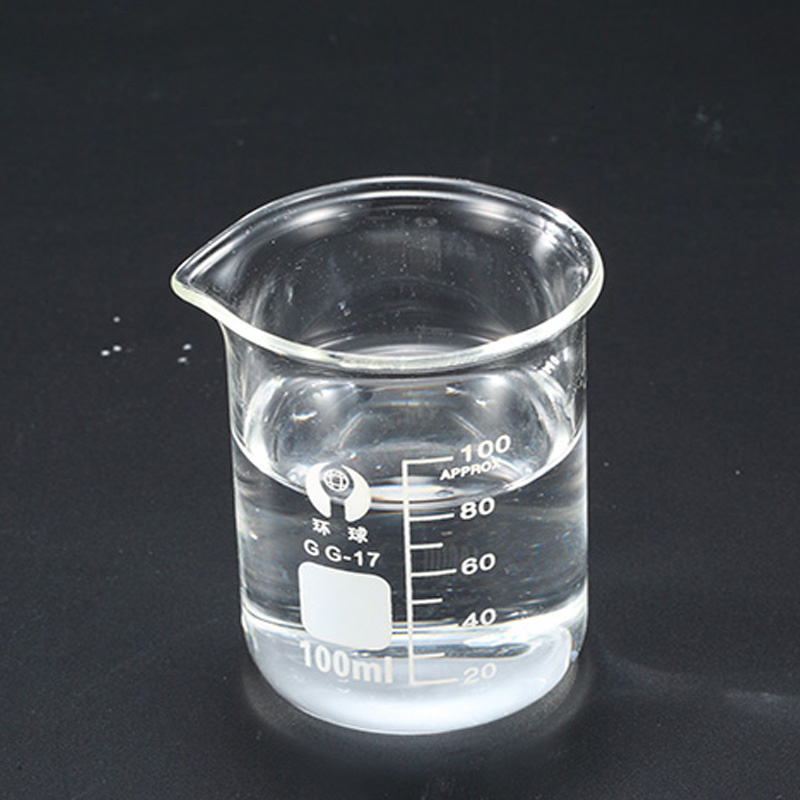
    Potassium silicate liquid is a hydrated liquid silicate formed by dissolving potassium silicate raw materials through high-temperature reaction and precise concentration adjustment. Under standard room temperature and atmospheric pressure, it appears as transparent or slightly pale yellow homogeneous liquid, with no precipitation, no layering and stable properties. Compared with solid silicate products, it requires no secondary dissolution, features convenient operation, zero dust pollution and easy storage and transportation, greatly improving industrial production efficiency.
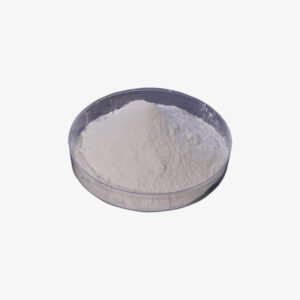
    Our premium potassium silicate liquid adopts a scientific silica-potassium oxide molar ratio, with moderate viscosity, stable alkalinity and strong reactivity. It outperforms traditional sodium silicate liquid in high-temperature resistance, anti-corrosion performance and film-forming toughness, making it suitable for high-standard industrial scenarios.

    Supported by the standardized production system of our liquid potassium silicate factory, the product maintains consistent batch stability, high cost performance and flexible packaging solutions, winning long-term trust from global manufacturers for bulk wholesale and customized procurement of wholesale liquid potassium silicate.


    CAS Number


    CAS No.: 1312-76-1


    Chemical Formula


    General chemical formula: K₂O·nSiO₂; Our potassium silicate liquid features accurately calibrated silicon dioxide and potassium oxide molar ratio. The uniform molecular structure ensures stable product performance in every batch, effectively avoiding reaction fluctuations and quality deviations in downstream industrial production, and fully meets the supporting production demands of various high-precision manufacturing industries.

  • Liquid Potassium Silicate Modulus 3.3-3.4

    Liquid Potassium Silicate Modulus 3.3-3.4

    What is Liquid Potassium Silicate Modulus 3.3-3.4?


    Liquid potassium silicate solution, also named aqueous potassium silicate, potassium silicate aqueous solution or soluble potassium silicate solution, is a liquid inorganic silicate raw material widely utilized in global fine chemical, coating and construction industries.

    Sanlee Chemical is a professional liquid potassium silicate manufacturer and reliable supplier, providing high-purity soluble potassium silicate solution with stable chemical indicators. Our mainstream modulus 3.3–3.4 aqueous potassium silicate can be customized to meet special technical standards, fully satisfying mass production demands of worldwide manufacturers purchasing consistent-quality potassium silicate aqueous solution.

    This  potassium silicate  is produced via high-temperature reaction, precise modulus modulation, filtration and purification processes. It features uniform liquid viscosity, ultra-low insoluble residues and heavy metal content, excellent instant miscibility with water and stable long-term chemical activity, acting as an essential liquid raw material for diverse industrial production lines.


    Introduction to Liquid Potassium Silicate Solution


    Liquid potassium silicate is transparent to pale yellow liquid water glass obtained by dissolving potassium silicate minerals under high pressure and refined filtration.

    At normal room temperature and atmospheric pressure, it presents free-flowing homogeneous liquid with outstanding adhesive force, rapid film-forming property, superior heat resistance and corrosion resistance. Compared with solid silicate powder, this aqueous potassium silicate requires no heating or dissolution pretreatment, saves production operation steps and avoids dust pollution during dosing.

    Our core modulus 3.3–3.4 soluble potassium silicate solution maintains a balanced silica-potassium oxide molar ratio, moderate viscosity and excellent chemical reactivity. It covers nearly all mainstream industrial application scenarios and gains consistent favorable feedback from global buyers for stable batch performance, cost-effectiveness and flexible bulk packaging for large-volume orders of potassium silicate aqueous solution.


    CAS Number


    CAS No.: 1312-76-1


    Chemical Formula


    General chemical formula: K₂O·nSiO₂; Our modulus 2.3–3.4 liquid potassium silicate solution adopts accurately calibrated molar ratio of silicon dioxide and potassium oxide. Every production batch maintains uniform molecular structure, preventing unstable product performance in downstream manufacturing.

  • Liquid Potassium Silicate Modulus 2.5-2.6

    Liquid Potassium Silicate Modulus 2.5-2.6

    What is Liquid Potassium Silicate Modulus 2.5-2.6?


    Liquid potassium silicate, also known as liquid potassium water glass, is a high-purity liquid inorganic silicate raw material widely utilized in industrial manufacturing, construction, environmental protection, agriculture and fine chemical industries worldwide.

    Sanlee Chemical is a professional liquid potassium silicate manufacturer and reliable liquid potassium silicate supplier, providing high-stability liquid potassium water glass with precise chemical indicators and consistent batch quality. Our products feature customizable modulus and concentration, fully meeting large-scale industrial production and agricultural planting demands for clients who purchase bulk liquid potassium silicate with strict quality requirements.

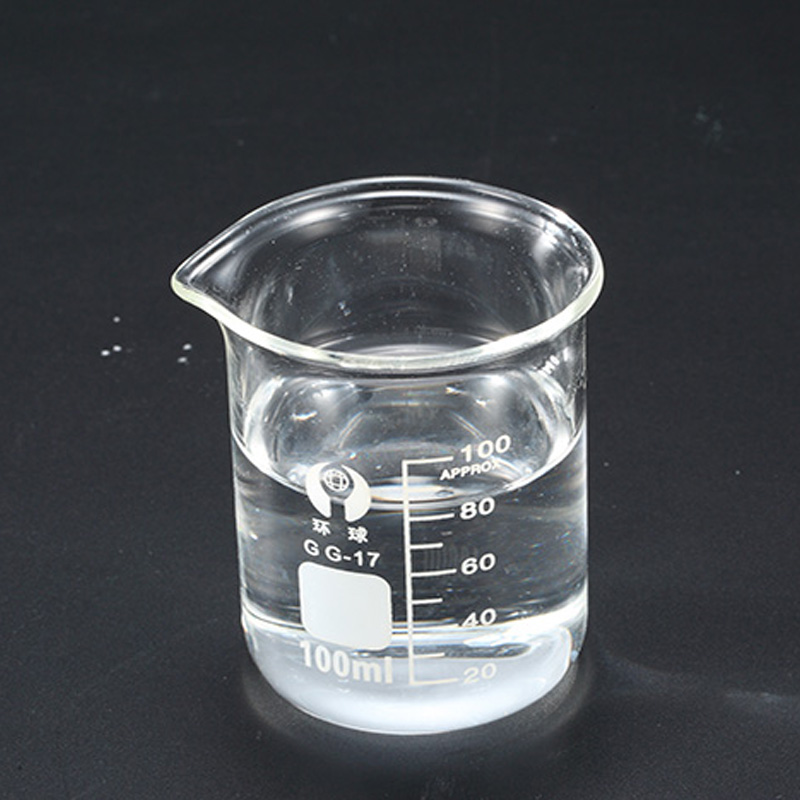
    This industrial liquid potassium silicate is produced through high-temperature fusion, precise proportioning, water dissolution and multi-stage purification filtration processes. It presents a clear and uniform liquid state with zero precipitation, low impurity content, excellent water miscibility and stable chemical activity. Free of heavy metal and harmful residues, it is a high-quality foundational inorganic raw material suitable for diverse industrial and agricultural production scenarios.
     

    Introduction to Liquid Potassium Silicate


    Commonly referred to as liquid potassium water glass, liquid potassium silicate is a liquid water glass product formed by melting silica sand and potassium carbonate at high temperature, followed by water dissolution and refined purification treatment. Unlike solid silicate products, it requires no grinding or heating dissolution, supporting direct dilution and on-site use with extremely convenient operation, transportation and storage.

    Under standard room temperature and atmospheric pressure, liquid potassium silicate appears as colorless or pale yellow transparent homogeneous liquid, featuring outstanding bonding strength, excellent permeability, high-temperature resistance, corrosion resistance and gelling performance. With stable alkalinity and strong chemical reactivity, it boasts wide compatibility with surfactants, inorganic fillers and chemical additives.


    CAS Number


    CAS No.: 1312-76-1


    Chemical Formula


    General chemical formula: K₂O·nSiO₂; Our liquid potassium silicate adopts accurately calibrated silicon dioxide and potassium oxide molar ratio, with uniform molecular structure and stable modulus across all production batches. It effectively avoids performance fluctuations in downstream application and ensures consistent production and use effects.

  • Potassium Silicate Powder Modulus 3.1-3.3

    Potassium Silicate Powder Modulus 3.1-3.3

    What is Instant Potassium Silicate Powder Modulus 3.1-3.3?


    Potassium silicate powder, also known as instant potassium silicate powder, dry potassium silicate powder or potassium water glass powder, is a high-performance water-soluble inorganic silicate raw material widely utilized in advanced chemical, construction, refractory, agricultural and environmental protection industries worldwide. As a typical water soluble potassium silicate powder, it features ultra-fast dissolution speed and stable chemical properties, serving as a core functional material in multiple high-precision industrial scenarios.

    Sanlee Chemical is a professional potassium silicate powder manufacturer and reliable global supplier, specializing in high-purity dry potassium silicate powder with stable chemical indicators and consistent batch quality. Our customized instant potassium silicate powder supports adjustable modulus specifications, fully meeting large-scale standardized production needs of global purchasers looking for premium potassium silicate powder for concrete, refractory manufacturing and fine chemical processing. We provide strict quality control systems and flexible customization solutions for bulk order clients worldwide.

    This potassium water glass powder is produced through high-temperature fusion, precise dehydration, ultrafine grinding and multi-stage impurity purification processes. It features uniform ultrafine particle size, extremely low insoluble impurities and heavy metal content, excellent water solubility and long-term stable chemical activity. Different from ordinary silicate powder, our water soluble potassium silicate powder can dissolve rapidly in normal-temperature water without heating, no agglomeration, no residual precipitation, making it a high-quality foundational raw material for various industrial production processes.


    Introduction to Potassium Silicate Powder


    Commonly named dry potassium silicate powder, instant potassium silicate powder or potassium water glass powder, potassium silicate powder is a solid powdery inorganic silicate material processed by deep dehydration and ultrafine crushing of liquid potassium silicate. It completely retains the excellent chemical properties of liquid potassium silicate while overcoming the defects of liquid products such as inconvenient transportation, easy leakage and short storage period.

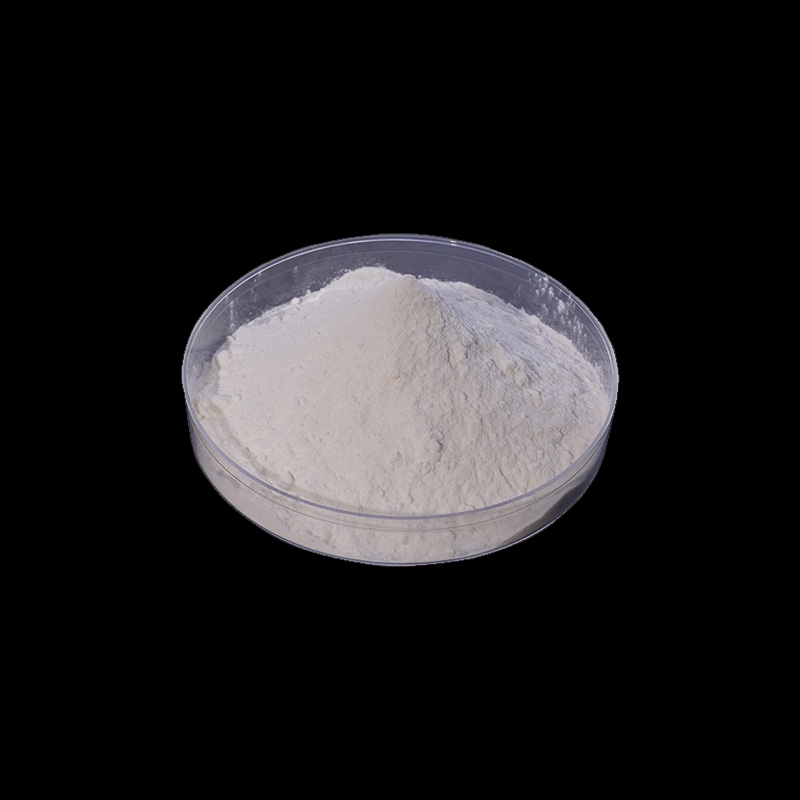
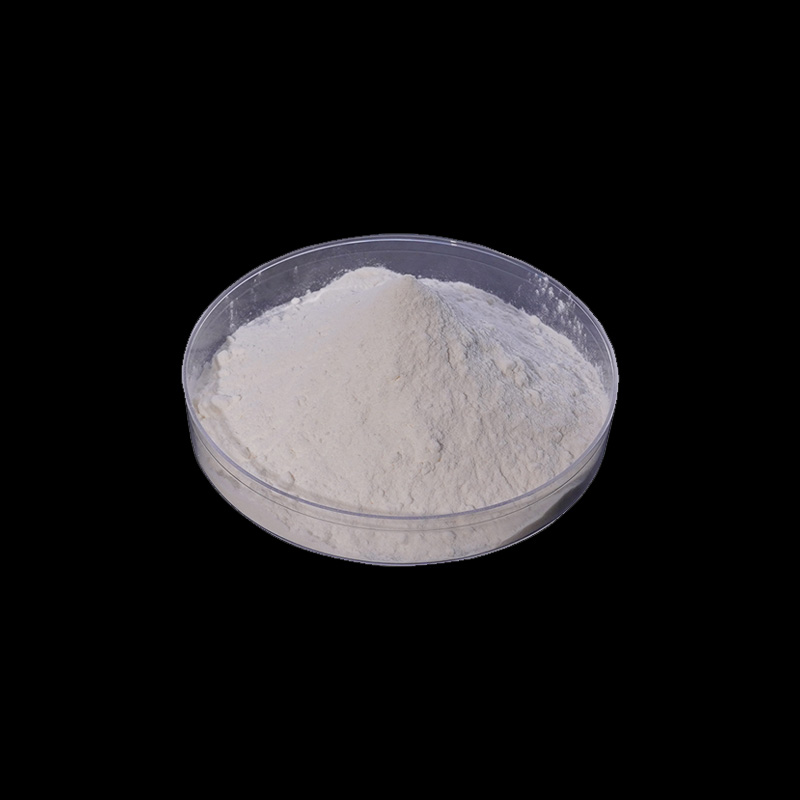
    Under standard room temperature and atmospheric pressure, it appears as white or off-white free-flowing fine powder, with excellent bonding strength, rapid hardening performance, outstanding weather resistance, water resistance and corrosion resistance. Compared with sodium silicate powder, this water soluble potassium silicate powder has better alkali stability, stronger permeability and anti-efflorescence performance, especially suitable for high-standard construction reinforcement and high-temperature resistant material production. Our mainstream instant potassium silicate powder maintains a balanced silica-potassium oxide molar ratio, moderate reaction activity and stable physical and chemical indexes. It covers all mainstream application scenarios of powdered potassium silicate, winning long-term recognition and stable orders from global manufacturers with reliable batch consistency, high cost performance and diversified packaging options for bulk buyers.


    CAS Number


    CAS No.: 1312-76-1


    Chemical Formula


    General chemical formula: K₂O·nSiO₂; Our instant potassium silicate powder and dry potassium silicate powder adopt precisely calibrated silica and potassium oxide molar ratio. The molecular structure of each production batch is uniform and stable, effectively avoiding product performance fluctuations in downstream industrial applications, and ensuring stable reaction efficiency and finished product quality for end users.

  • Potassium Silicate Powder Modulus 2.7-2.9

    Potassium Silicate Powder Modulus 2.7-2.9

    What is powdered potassium silicate?

    Powdered potassium silicate, also called dry potassium silicate powder or instant potassium silicate powder, is a high-performance solid powdery inorganic silicate raw material widely utilized in fine chemical, refractory, agricultural, coating and environmental protection industries worldwide.

    Compared with sodium silicate powder, industrial potassium silicate powder features better thermal stability, stronger weather resistance and non-toxic, soil-friendly properties, making it an upgraded industrial silicate material for high-end manufacturing scenarios.

    As a professional potassium silicate powder factory, we specialize in the R&D, production and supply of high-purity bulk potassium silicate powder and soluble potassium silicate powder with stable chemical indicators and consistent batch quality.

    Our powdered potassium silicate powder supports customized modulus and technical specifications, fully meeting the diversified mass production and high-standard application demands of global clients who seek reliable industrial potassium silicate powder suppliers.

    Our premium potassium silicate powder is produced through strict high-temperature fusion, precise dehydration, ultrafine grinding and multi-stage impurity removal processes. The finished soluble potassium silicate powder boasts uniform fine particle size, ultra-low heavy metal and insoluble impurity content, excellent instant solubility in cold water without heating, and long-term stable chemical activity. With superior gelling, bonding and catalytic properties, it has become an indispensable foundational raw material for high-end industrial and agricultural production.


    Introduction to Potassium Silicate Powder


    Potassium silicate powder is a free-flowing solid powdery silicate material processed by deep dehydration and ultrafine crushing of liquid potassium silicate. Under normal temperature and pressure conditions, it appears as white or off-white fine powder, with outstanding adhesive strength, rapid curing performance, excellent high-temperature resistance and corrosion resistance.

    Different from liquid potassium silicate, our bulk potassium silicate powder features convenient transportation and storage, completely avoiding liquid leakage, deterioration and freezing problems.

    Our mainstream powdered potassium silicate adopts a scientifically balanced silica-potassium oxide molar ratio, with moderate dissolving speed, high chemical activity and strong formula compatibility.

    With stable quality, high cost performance and flexible packaging options, our industrial potassium silicate powder has won wide recognition and consistent positive feedback from global manufacturers and agricultural processing enterprises.


    CAS Number


    CAS No.: 1312-76-1


    Chemical Formula


    General chemical formula: K₂O·nSiO₂; Our customized powdered potassium silicate series features accurately calibrated molar ratios of silicon dioxide and potassium oxide. Each batch of soluble potassium silicate powder maintains uniform molecular structure and stable chemical properties, effectively eliminating performance fluctuations and ensuring stable downstream production effects.