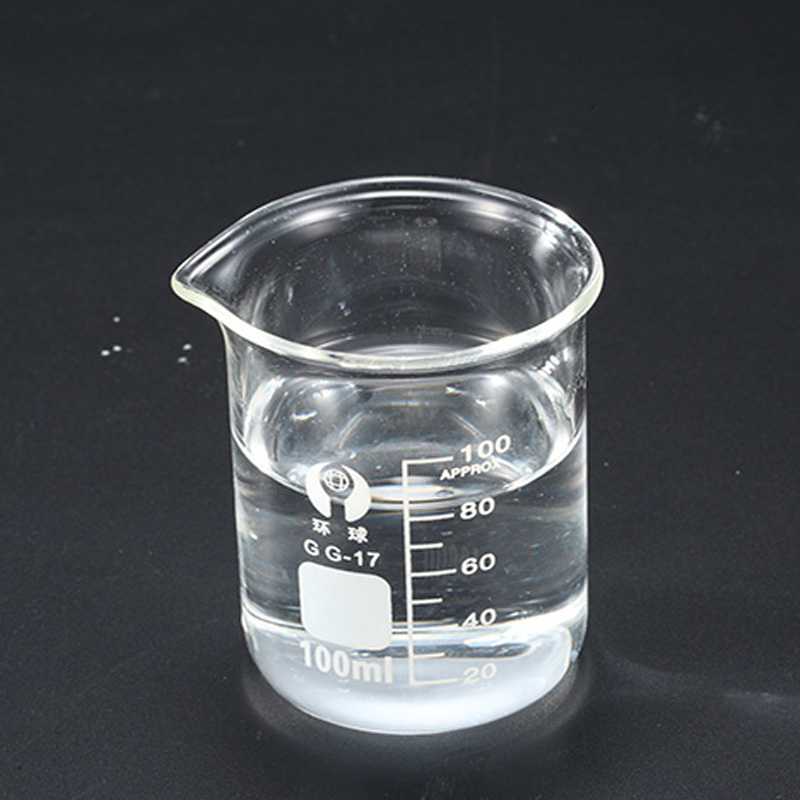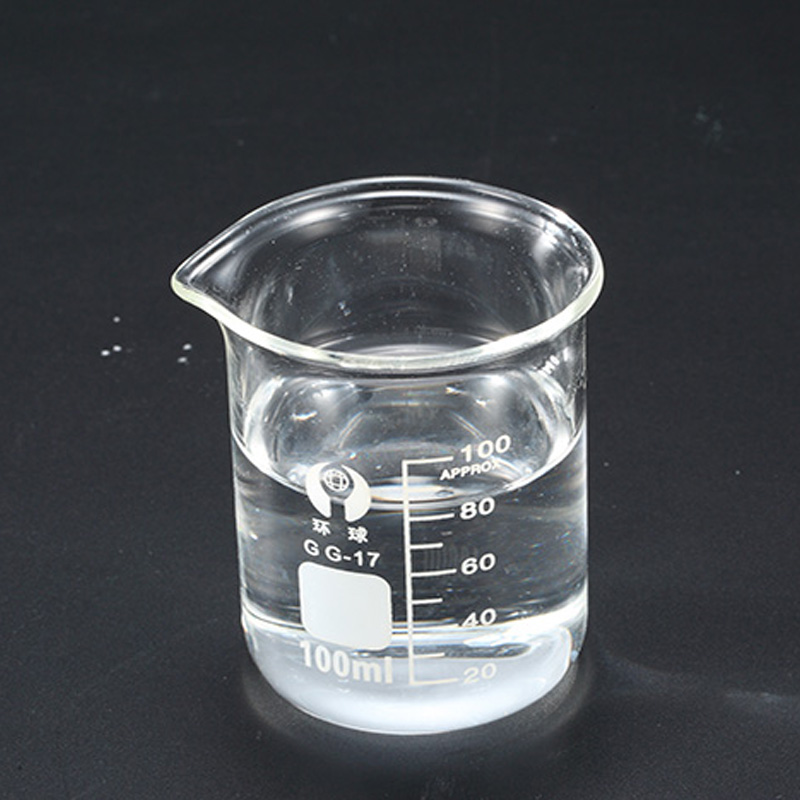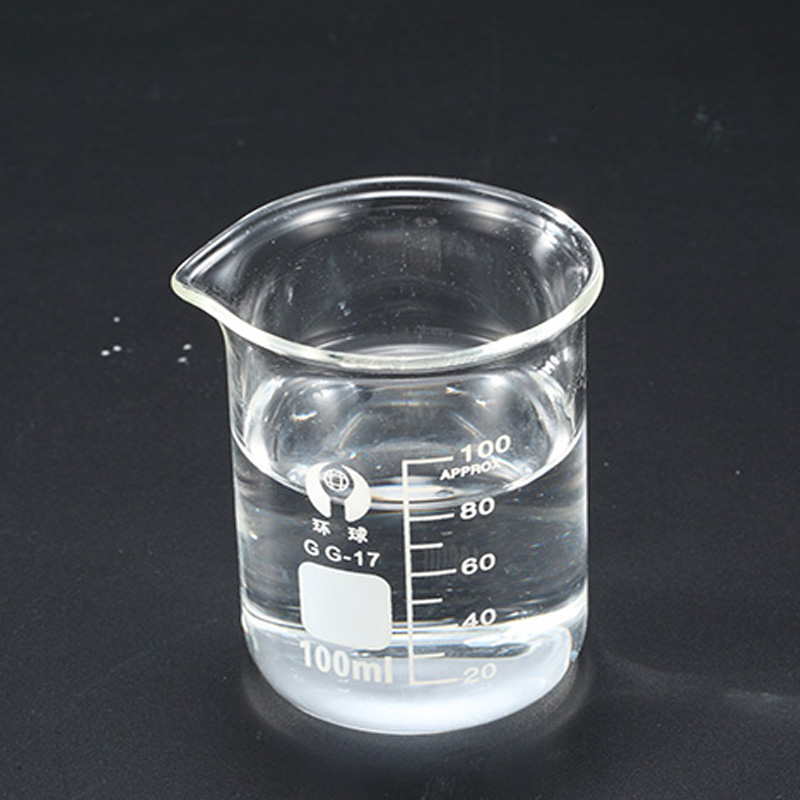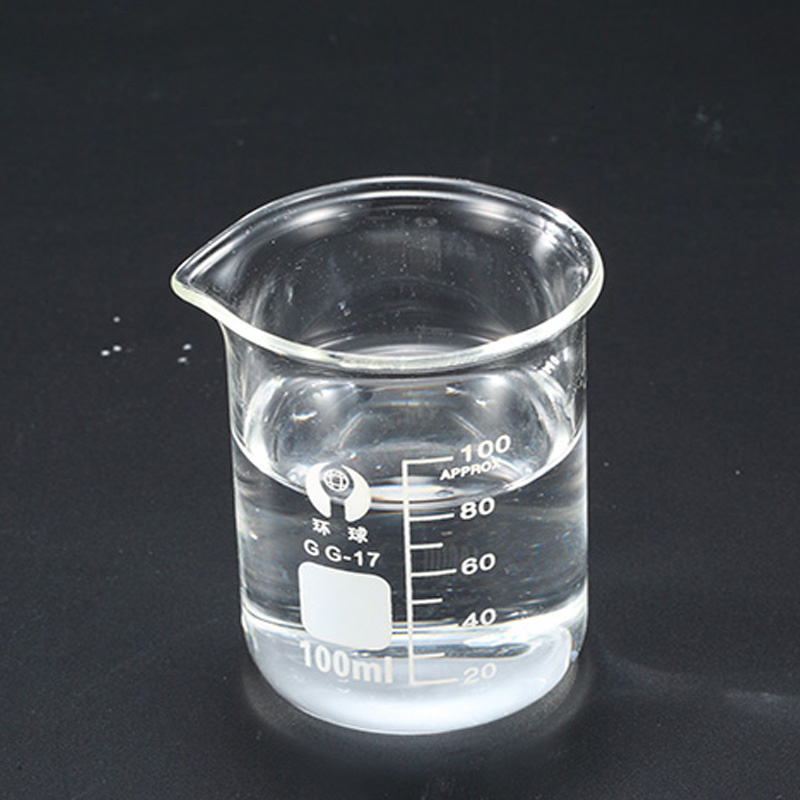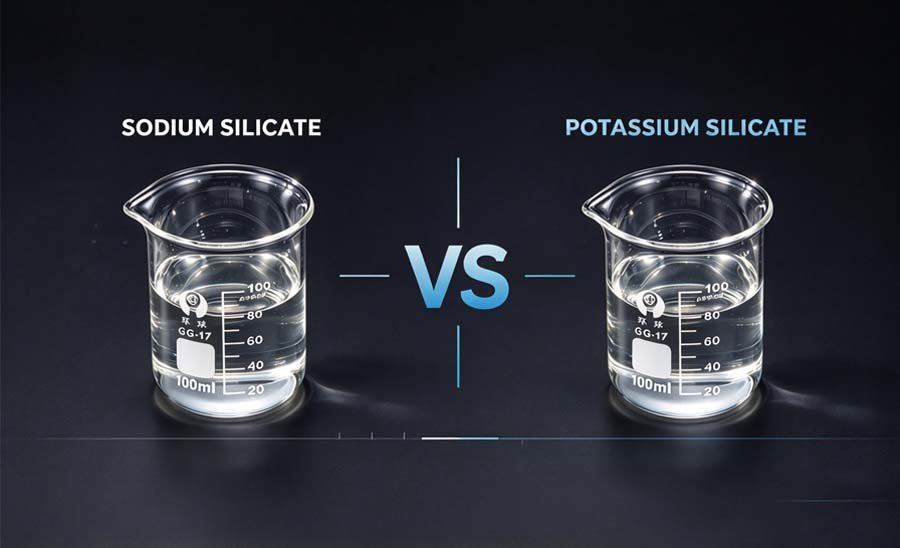
Sodium silicate, commonly known as water glass, is a widely used basic chemical raw material in the industrial field. One of its important applications is as a concrete cement accelerator, which is widely used in various engineering scenarios requiring rapid hardening. Compared with traditional rapid stabilizers, sodium silicate, with its advantages of low cost, fast setting speed, and strong adaptability, has become the preferred material for tunnel spray concrete, emergency repairs, leak sealing grouting, etc. This article will detail the core application scenarios of sodium silicate as a concrete cement accelerator.
1. Core Application Scenarios of Sodium Silicate (Water Glass) as a concrete cement accelerator
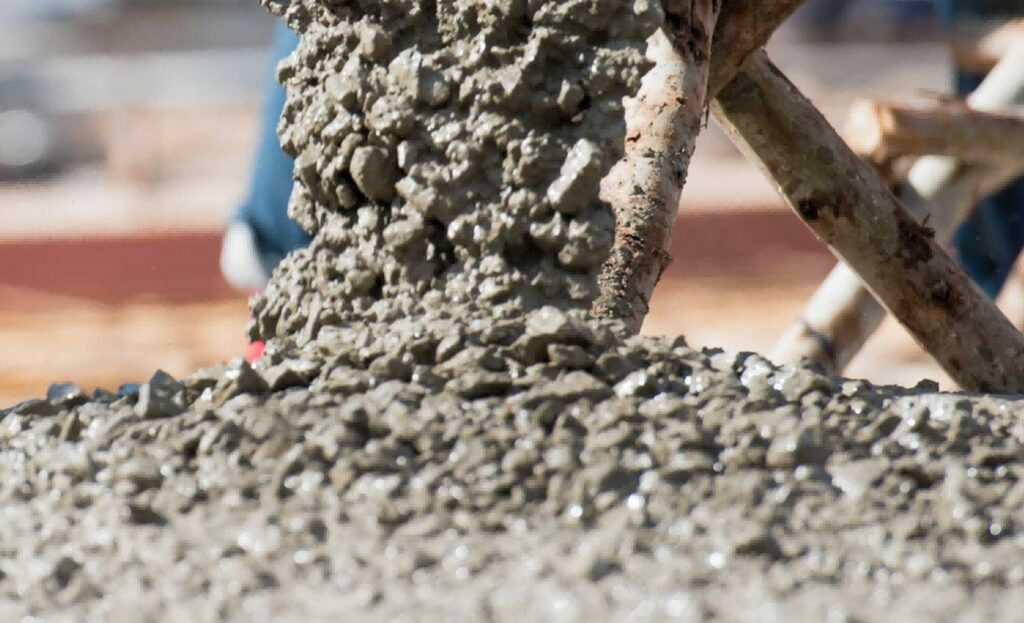
Sodium silicate is used as a rapid setting agent for concrete, specifically catering to the demands of “rapid setting and emergency construction”. Its application scenarios mainly focus on projects with strict requirements for construction efficiency and setting speed. The most common one is tunnel spray concrete projects. During tunnel construction, spray concrete needs to set quickly to form a solid structure, which can effectively support the surrounding rock and prevent collapse.
Sodium silicate can make the concrete harden in a short time, ensuring construction safety. Secondly, there are emergency repair projects, such as road damage, bridge cracks, pipeline leaks, etc., which need to be quickly repaired to restore normal use. Sodium silicate can accelerate the setting of concrete, shortening the repair period. Moreover, in leak sealing and grouting projects, sodium silicate can quickly set to form a dense structure, blocking gaps and preventing water seepage, suitable for subway tunnels, cave culverts, underground projects, and other scenarios.
2. The Mechanism of Sodium silicate as a Rapid Setting Agent for Concrete
The reason why sodium silicate can be an efficient rapid-setting agent for concrete lies in its unique chemical properties. Through the combined effect of three main principles, it enables the rapid setting and hardening of concrete. The detailed analysis is as follows:
(1) Accelerate the cement hydration reaction
When sodium silicate is dissolved in water, it will present a strong alkaline property. This strong alkaline environment can quickly stimulate the tricalcium silicate and tricalcium aluminate in the cement, promoting their accelerated hydration reaction. Under normal circumstances, the hydration reaction of cement is relatively slow.
However, the strong alkalinity of sodium silicate can break the reaction equilibrium, allowing the hydration reaction to proceed rapidly within a short period of time, generating a large amount of hydration products, thereby making the concrete harden quickly and achieving the effect of rapid setting.
(2) Forming a gel to fill the pores
The active silicon dioxide contained in sodium silicate will undergo a chemical reaction with calcium hydroxide produced during the cement hydration process, resulting in the formation of calcium silicate gel.
This gel has excellent filling properties and can quickly fill the tiny pores within the concrete, making the concrete structure more dense. It not only accelerates the hardening process but also enhances the early strength and water resistance of the concrete.
(3) Promote the coagulation of cement particles
The sodium ions in sodium silicate have a charge compression effect, which can effectively compress the charge layer on the surface of cement particles, reduce the repulsive force between the particles, and make it easier for the cement particles to aggregate and combine with each other. The rapid aggregation of particles can accelerate the setting process of concrete, further shorten the hardening time, and ensure that the project can be advanced quickly.
3. Core Advantages and Application Value of Silica Sodium Accelerator
Compared with other types of concrete accelerators, the advantages of sodium silicate accelerators are particularly prominent:
Firstly, they are cost-effective as the raw materials are readily available, which can effectively reduce the construction cost; Secondly, they have a fast setting speed, meeting the needs of emergency construction and significantly shortening the construction period; Thirdly, they have strong adaptability and can be used in combination with various types of cement, suitable for various complex construction scenarios.
These advantages make sodium silicate accelerators play an irreplaceable role in projects such as subway tunnels, cave culverts, emergency repairs, and leak sealing grouting, and become an important material for improving construction efficiency and ensuring construction safety.
In conclusion, sodium silicate (water glass) can be used as a concrete cement accelerator. Through three principles – accelerating the hydration reaction, filling the pores, and promoting particle coagulation – it enables the rapid setting and hardening of concrete. With its low cost and fast setting speed, it is suitable for various emergency construction scenarios. Understanding its mechanism of action and application scenarios can better utilize its value and provide efficient support for engineering construction.
for more information ,please visit our facebook page