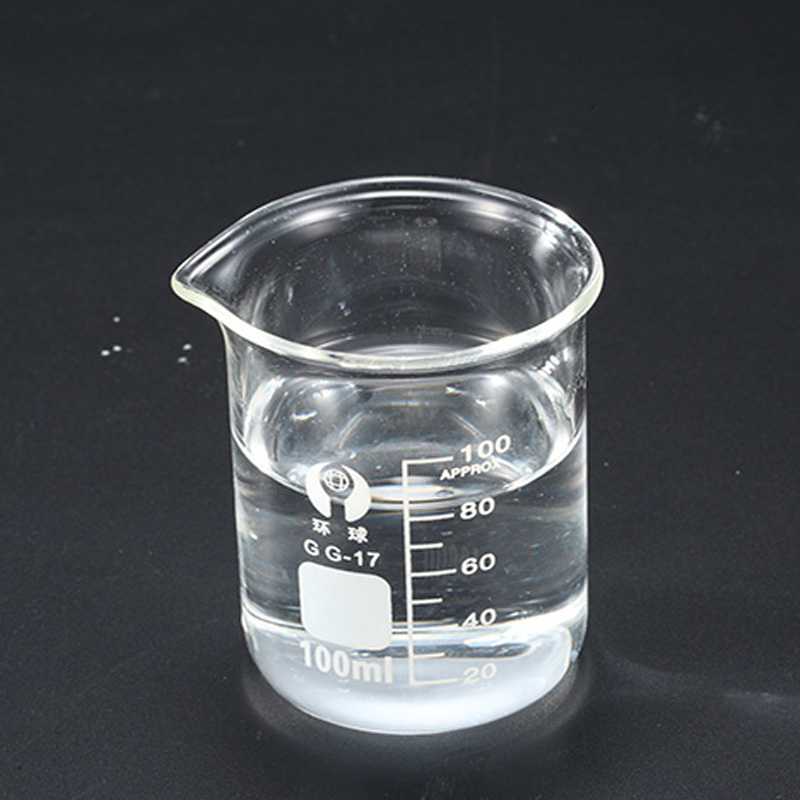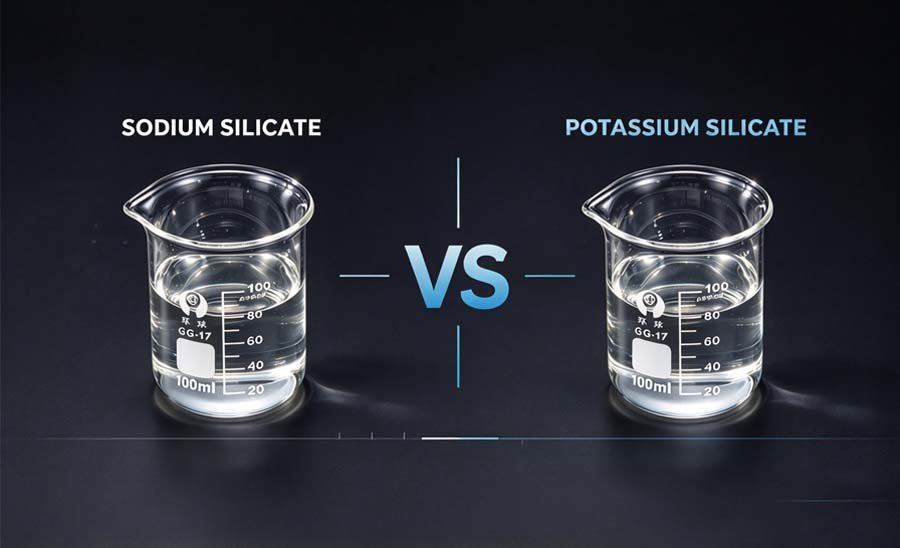
Sodium silicate cement grouting, also known as sodium silicate cement double-liquid grouting, is a composite grouting technology that combines the advantages of sodium silicate solution and cement slurry. It is widely used in geotechnical engineering, tunnel engineering, foundation pit engineering, and other fields.
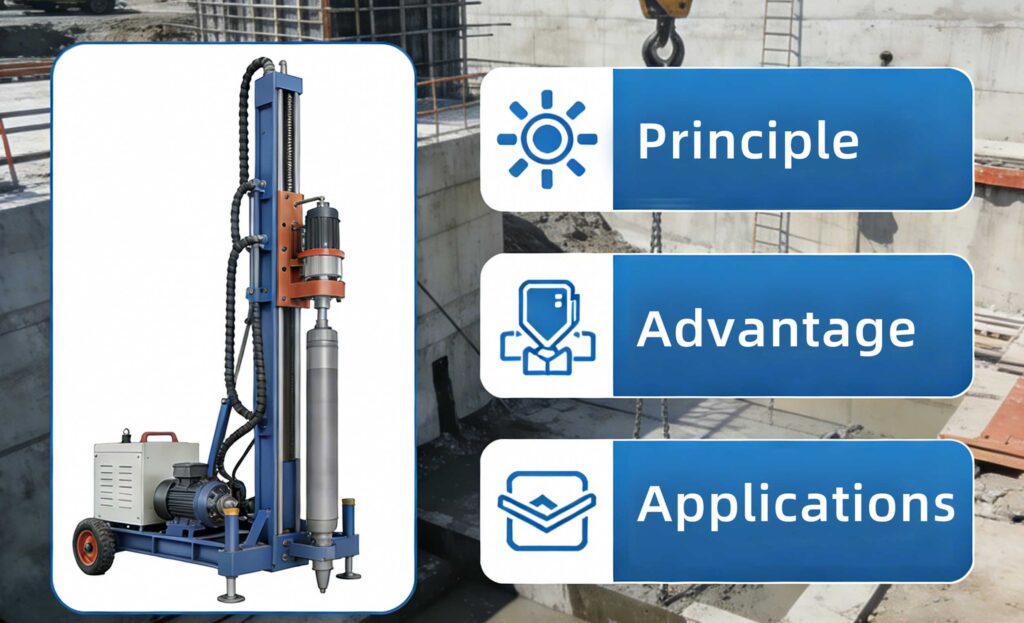
The core logic of this technology is to mix sodium silicate solution and cement slurry in a scientific proportion and inject them into the stratum to be treated. By leveraging the catalytic and enhancing effect of sodium silicate on the hydration reaction of cement, it can achieve rapid reinforcement and efficient water blocking of the stratum, perfectly balancing construction efficiency and engineering quality, making it an ideal grouting solution for complex strata. This article will provide a detailed analysis of the core principles, unique value, and application scenarios of this technology, helping everyone fully understand its engineering value.
1.Core Principles of Sodium Silicate Cement Grouting Technology
The advantages of sodium silicate cement grouting stem from the synergistic effect of the two components, with the core principle being “complementary strengths and enhanced effectiveness”. Cement slurry has good skeleton support capacity and can form a stable structure after being injected into the stratum, but it has a slow setting speed and poor permeability; sodium silicate (sodium silicate) solution, on the other hand, has the characteristics of rapid setting and strong permeability, but its strength is relatively low when used alone.
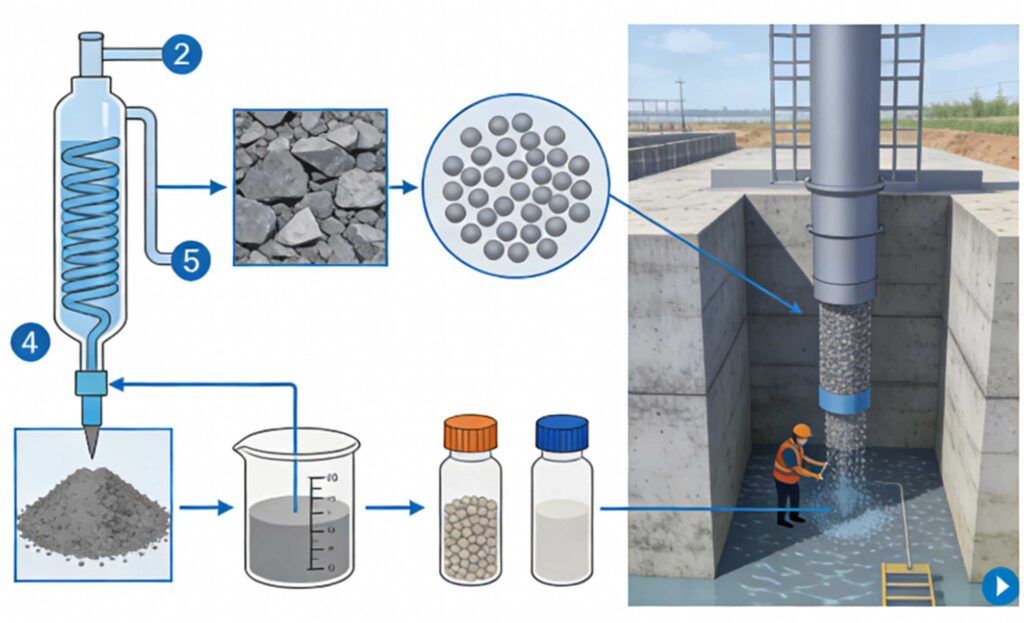
When the two are mixed in proportion, sodium silicate can rapidly catalyze the hydration reaction of cement, and at the same time undergo a secondary reaction with the hydration products of cement. This not only solves the problem of slow setting of cement but also compensates for the low strength of sodium silicate, ultimately forming a solidified body with high strength and high density, achieving the dual effects of stratum reinforcement and water blocking.
2. Three Unique Values of Sodium Silicate Cement Grouting
Compared with single cement grouting or sodium silicate grouting, water glass-cement composite grouting, with its synergistic advantages, demonstrates three irreplaceable core values, precisely meeting the demands of complex projects:
(1) Rapid setting and controllable, suitable for emergency construction
Sodium silicate can significantly accelerate the setting speed of cement slurry, allowing the setting time to be controlled within seconds to minutes, completely solving the problem of slow setting of traditional cement grouting. At the same time, by adjusting the mixing ratio of sodium silicate and cement slurry, the gelation time can be precisely controlled, which can not only meet the “instant water stop” requirements of emergency rescue for tunnel water gushing and foundation pit leakage, but also adapt to the construction rhythm of conventional reinforcement projects, with extremely high flexibility.
(2) Enhance strength to ensure project quality
During the grouting process, sodium silicate will undergo a chemical reaction with calcium hydroxide produced by the hydration of cement, generating high-strength calcium silicate gel. This gel can rapidly fill the voids in the stratum and the gaps between the grout particles, while cementing the surrounding rock and soil particles.
It not only significantly enhances the early strength of the consolidated body, ensuring that it quickly meets the load-bearing requirements after construction, but also improves the ultimate strength and durability of the consolidated body, guaranteeing the long-term stability of the project.
(3) Enhanced Penetration, Adaptation to Complex Formations
This technology combines the skeleton support function of cement particles and the excellent permeability of sodium silicate solution, breaking the limitations of single grouting. Cement particles can form a stable support structure, while sodium silicate solution, due to its strong fluidity and good permeability, can penetrate into the tiny cracks that cement particles cannot reach, achieving all-round reinforcement and water blocking for complex strata (such as loose sand layers and fractured rock masses), and avoiding reinforcement blind spots.
3. Main Engineering Application Scenarios of Sodium Silicate Cement Grouting
Due to its advantages of rapid setting, high strength and high permeability, sodium silicate cement grouting is widely used in various projects with strict requirements for timeliness and quality. The core application scenarios mainly fall into two aspects:
One is rapid water sealing and blocking, which is one of its most core application scenarios. In response to sudden situations such as water gushing at the tunnel face, seepage in foundation pits, and water seepage in underground projects, this technology can instantly seal the water flow by virtue of its rapid setting property, control the spread of the danger, and buy time for subsequent construction. It is the preferred grouting solution for emergency rescue.
The second is stratum reinforcement and quality improvement, which is applicable to the reinforcement of complex strata such as loose sand layers, fractured rock masses, and weak foundations. Through grouting, a high-strength and dense consolidated body can be formed underground, effectively enhancing the bearing capacity and stability of the stratum. It is widely used in projects such as building foundation reinforcement, reinforcement at the starting and arrival points of shield machines, and tunnel surrounding rock reinforcement, ensuring construction safety.
In conclusion, the sodium silicate cement grouting technology ingeniously combines the high strength of cement with the high permeability and rapid setting advantages of sodium silicate, addressing the shortcomings of single grouting techniques. It has become an optimal solution that takes into account both construction efficiency and project quality when dealing with complex strata, and plays an irreplaceable role in various geotechnical engineering projects.
for more information ,please visit our facebook page