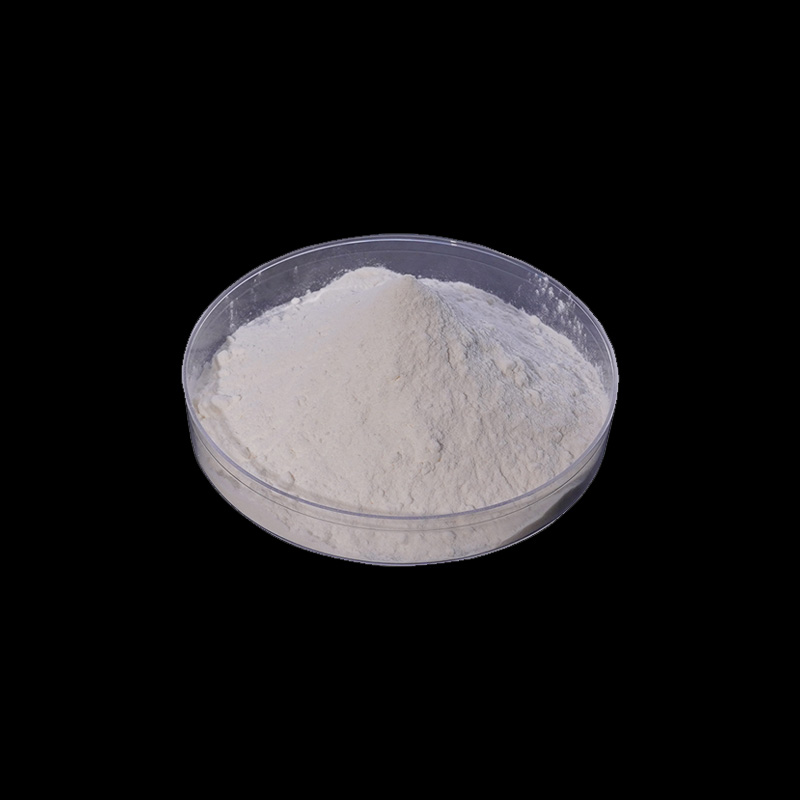
What is Potassium Silicate Powder (Dry Potassium Silicate Powder / Powder Water Glass) Modulus 2.4-2.5?
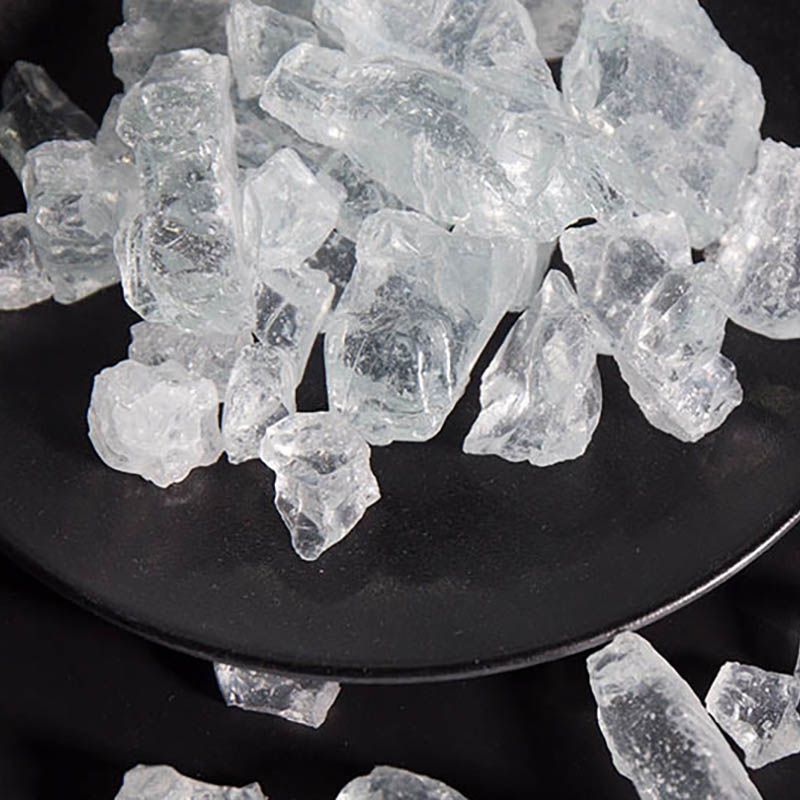
Potassium silicate powder, also called dry potassium silicate powder or powder water glass, is a solid powdery inorganic silicate raw material widely utilized in global fine chemical, agricultural, refractory and industrial manufacturing fields. As a high-performance industrial potassium silicate powder, it features stable chemical properties and versatile functional characteristics, becoming an essential foundational material in multiple industrial scenarios.
Sanlee Chemical is a professional potassium silicate powder manufacturer and reliable potassium silicate powder supplier, specializing in the production and supply of high-purity dry potassium silicate powder with stable and standardized chemical indicators.
Our core modulus 2.4-2.5 potassium silicate powder can support customized specifications to meet diverse large-scale production needs of global manufacturers. We provide high-quality potassium silicate in powder form with strict quality control, serving bulk purchasers and industrial processing clients worldwide.
This powder water glass is produced through rigorous processes including high-temperature fusion, precise dehydration, fine grinding and multi-stage impurity filtration. With uniform ultrafine particle size, ultra-low heavy metal and insoluble impurity content, fast water solubility and long-term stable chemical activity, our industrial potassium silicate stands out as a premium raw material for countless industrial production processes.
Introduction to Potassium Silicate Powder
Potassium silicate powder is a free-flowing solid powdery water glass processed by deep dehydration and ultrafine crushing of liquid potassium silicate. This mature potassium silicate in powder form effectively solves the leakage, transportation and storage pain points of liquid water glass, with higher convenience for long-distance transportation and long-term warehouse storage.
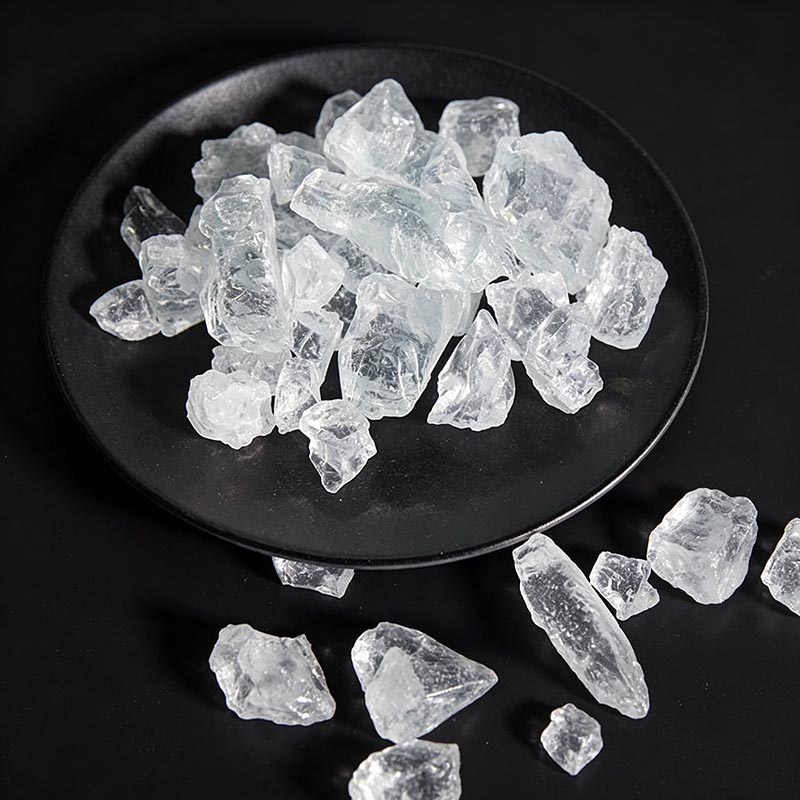
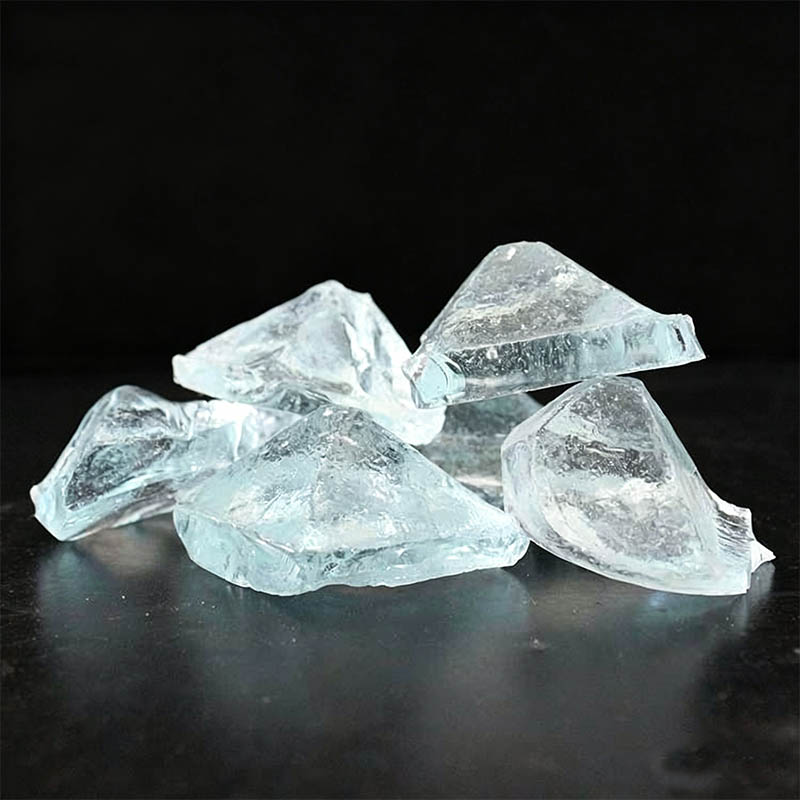
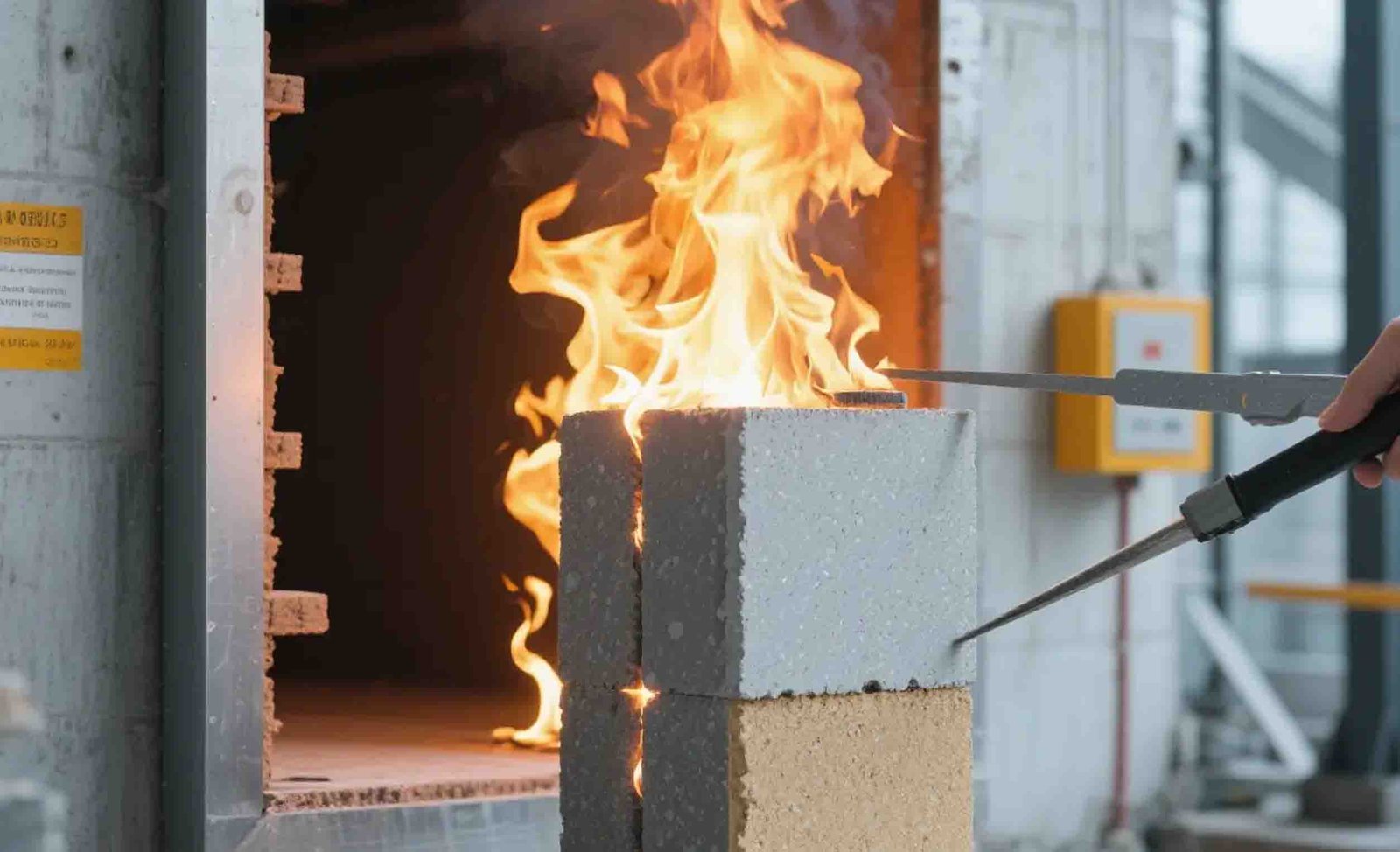
Under standard room temperature and atmospheric pressure, it appears as white or off-white fine free-flowing powder, possessing excellent adhesive strength, rapid hardening performance, superior acid resistance, corrosion resistance and high-temperature stability.
Our flagship modulus 2.4-2.5 industrial potassium silicate features a balanced silica-potassium oxide molar ratio, moderate dissolution rate and excellent chemical reactivity. With stable batch quality, high cost performance and flexible packaging solutions, it covers almost all mainstream application scenarios and has won consistent praise from global clients, making us a trustworthy potassium silicate powder manufacturer and supplier for bulk procurement.
CAS Number
CAS No.: 1312-76-1
Chemical Formula
General chemical formula: K₂O·nSiO₂; Our modulus 2.4-2.5 dry potassium silicate powder adopts a precisely calibrated molar ratio of silicon dioxide and potassium oxide. Every production batch maintains uniform molecular structure and stable chemical indicators, completely avoiding product performance fluctuations that affect downstream industrial production.