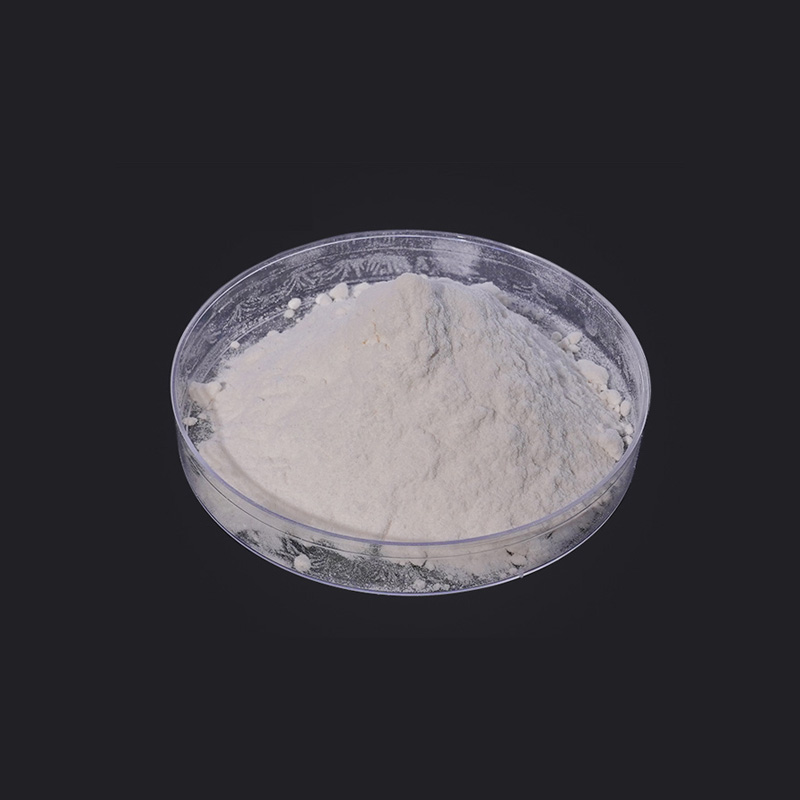
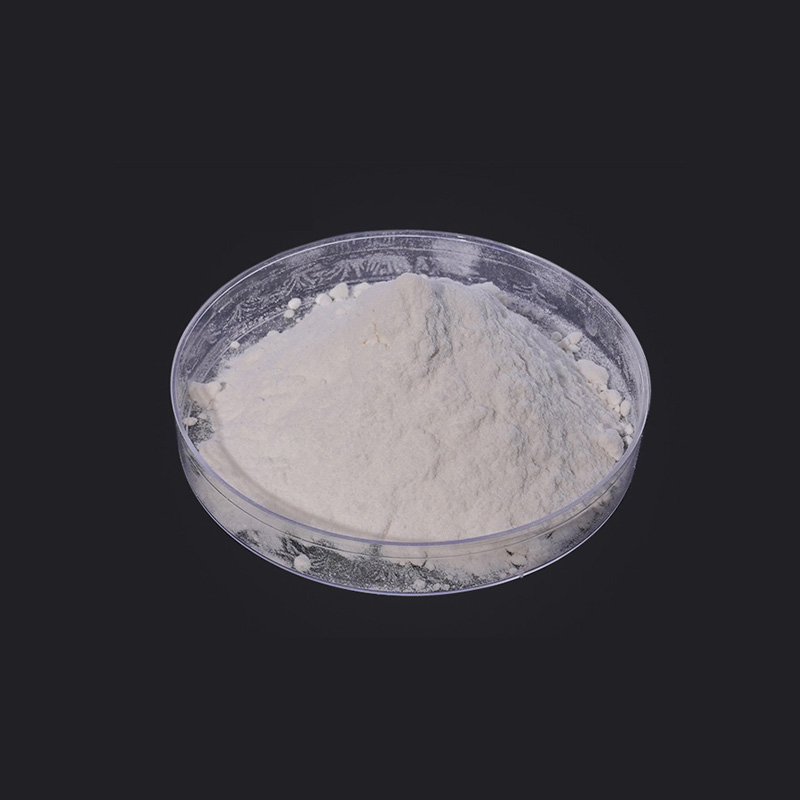
topic: Rapid Dissolution

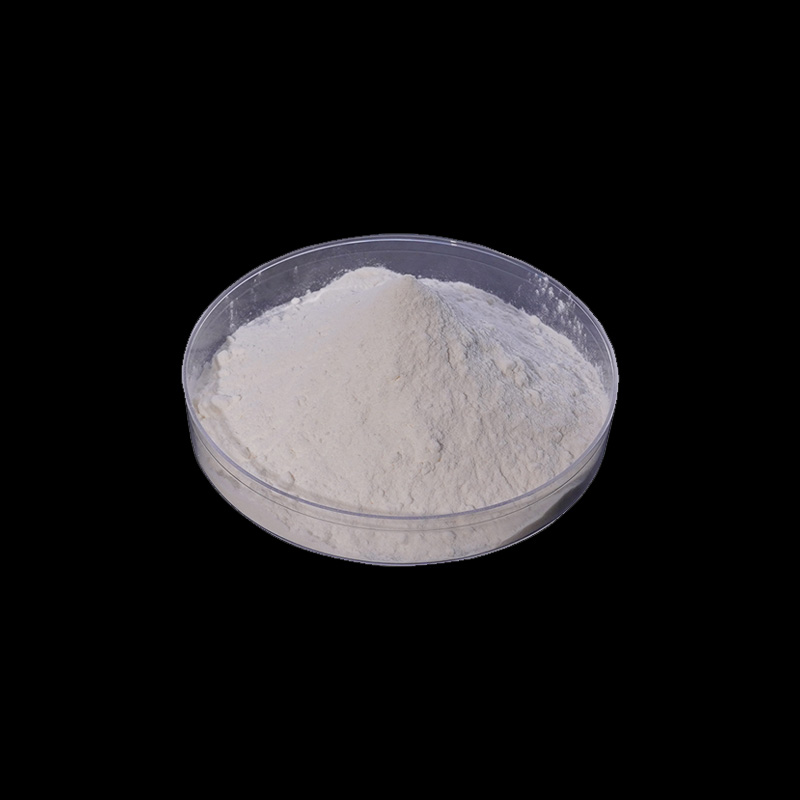
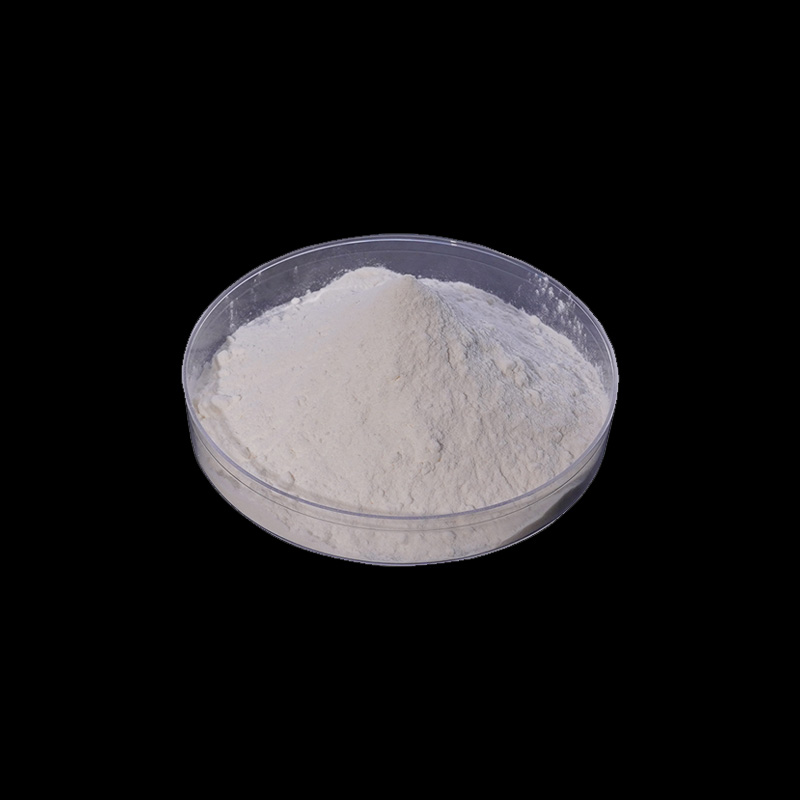
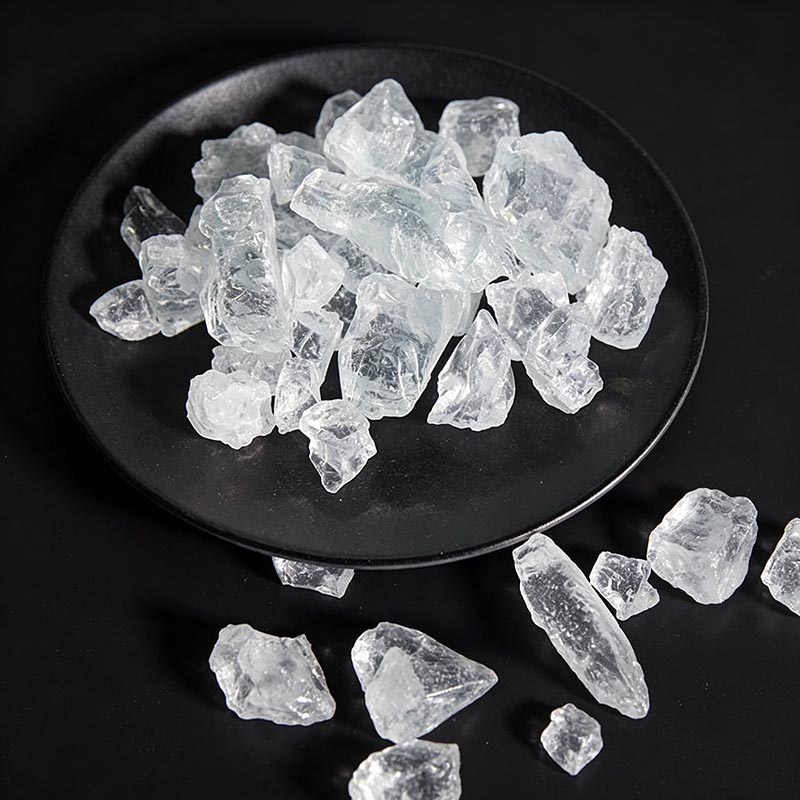
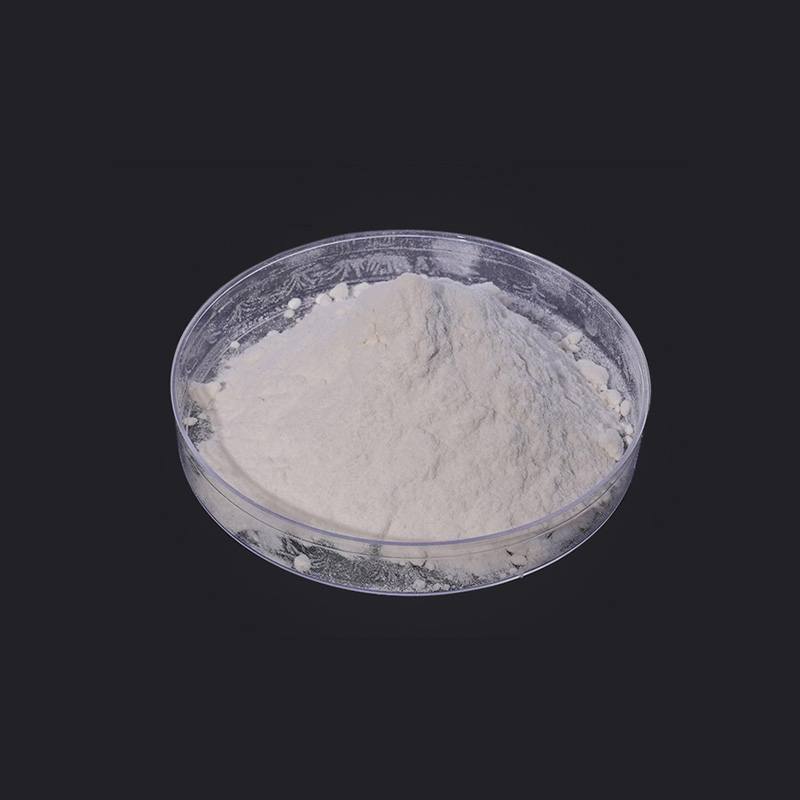
Fast-dissolving silicate products for industrial applications. Our specially formulated sodium silicate and potassium silicate powders dissolve quickly in water, ensuring efficient mixing and consistent performance in your processes.

  • Soluble Silicon Fertilizer for Plants & Agriculture

    Soluble Silicon Fertilizer for Plants & Agriculture

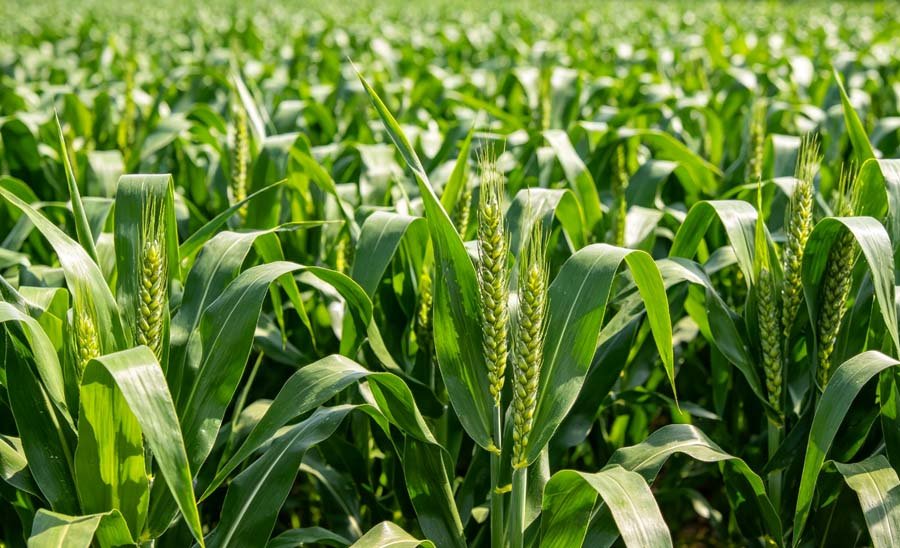
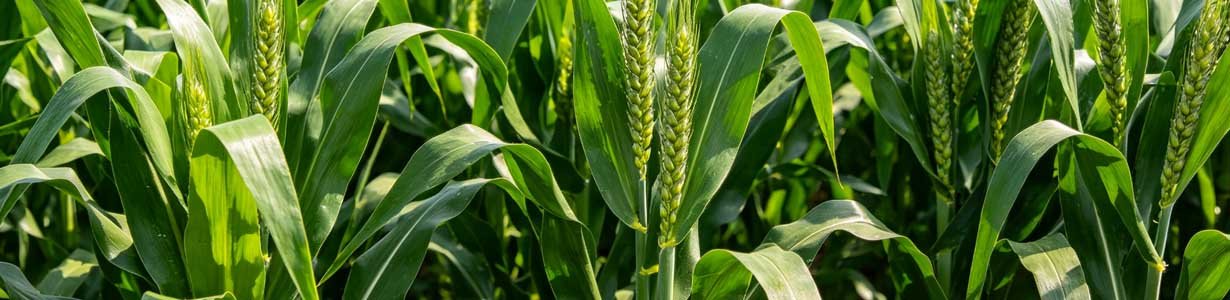
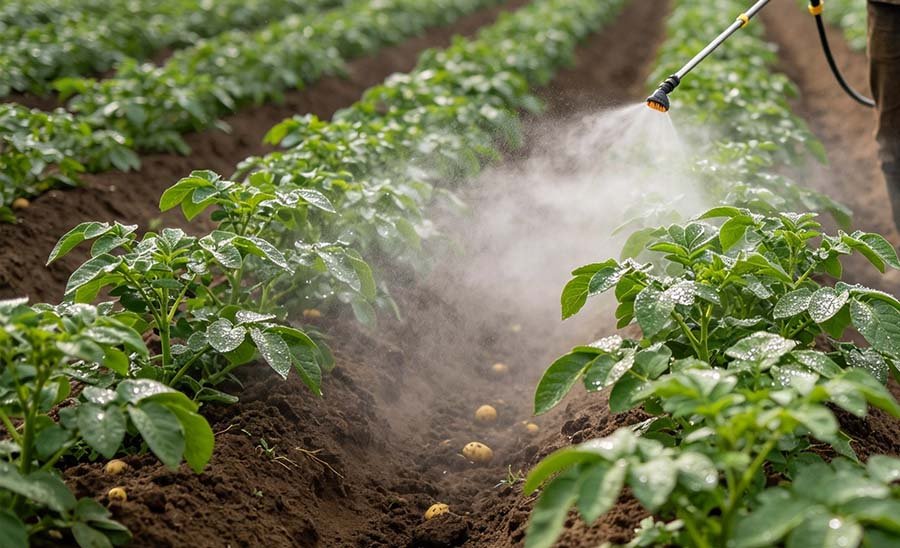
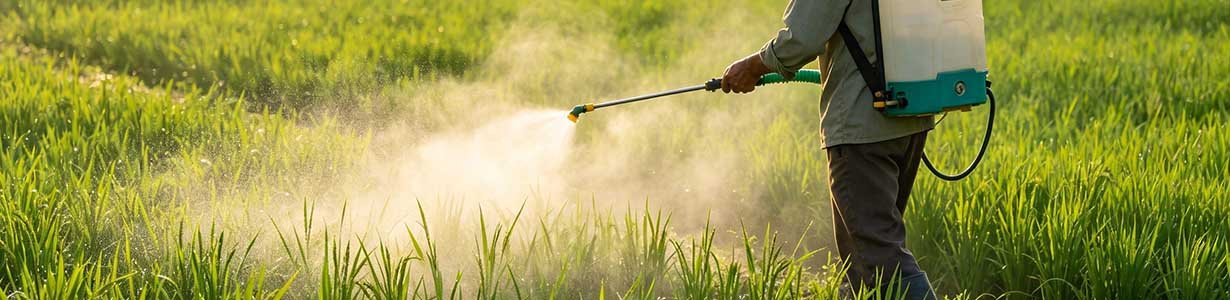
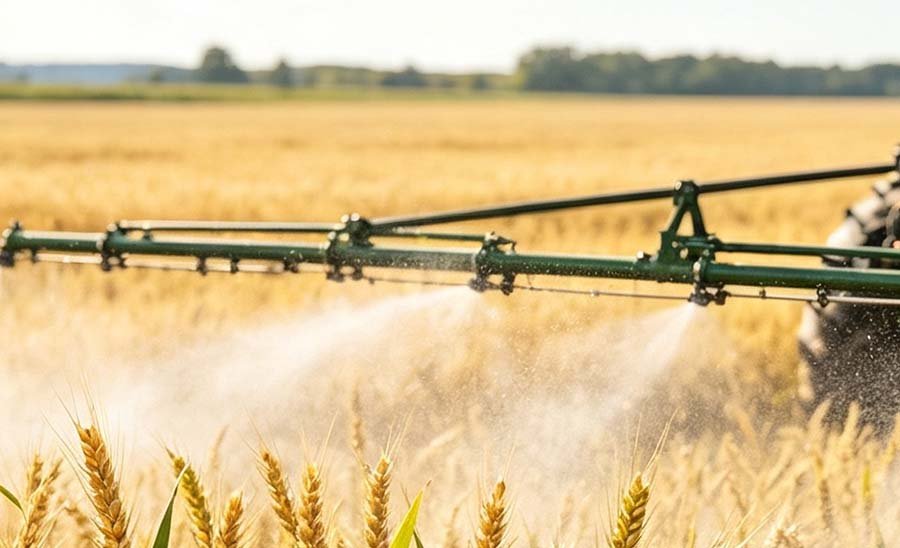
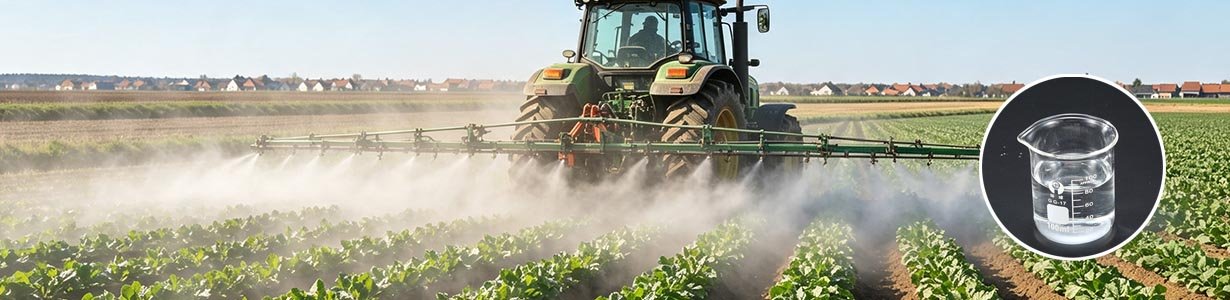
    Soluble silicon fertilizer applications on rice garlic seedlings and ryegrass showing yield increase pest resistance and lodging prevention

    What is soluble silicon fertilizer?


    Soluble silicon fertilizer is a silicon‑based agricultural input that delivers water‑dissolvable silicon forms, releasing plant‑available silicon that crops can actively absorb for nutrition and stress resistance. Not all silicon sources produce usable silicon for plants, and only properly solubilized materials can deliver real agronomic value.

    What Is Soluble Silicon?

    Soluble silicon describes silicon compounds capable of dissolving in water to release forms usable by crops. It is critical to distinguish total silicon content from real plant‑available silicon. Many silicon‑rich raw materials have high total silicon but extremely low bioavailability for plants.
    Key terms include soluble silicon, plant‑available silicon, silicon source, and water‑soluble silicon. Total silicon content alone does not guarantee agronomic performance. Only water‑soluble silicon fractions can turn into plant‑accessible nutrition, which forms the core value of silicon fertilizer for crops.

    Why Is Soluble Silicon Important in Agriculture?

    Soluble silicon directly drives silicon availability within farming systems. It underpins crop nutrition, supports balanced plant development, and strengthens environmental stress management. Without sufficient soluble silicon in soil or foliar inputs, even silicon‑loving crops cannot take advantage of silicon’s protective and nutritional benefits. plant‑available silicon acts as the bridge between silicon raw materials and observable crop improvements.

    Soluble Silicon vs Insoluble Silicon

     Feature Soluble Silicon Insoluble Silicon
     Water solubility High / depending on formulation  Low
     Plant availability More readily available Generally lower
     Agricultural application Foliar / soil / fertigation depending on product Mainly soil‑based sources
     Application flexibility Higher More limited

    Insoluble silicon materials may contain high total silicon, yet their low dissolution rate slows nutrient release and restricts application options. Soluble silicon products unlock fast‑acting silicon nutrition across multiple application modes.


    Soluble silicon fertilizer benefits showing yield increase pest resistance salt tolerance and quality improvement across multiple crops


    Benefits of Soluble Silicon Fertilizer

    Supports Plant Growth

    Soluble silicon supports balanced vegetative development by optimising nutrient uptake and internal plant metabolism. Healthy silicon supply creates favourable internal conditions for steady biomass build‑up across growth phases.

    Provides Plant‑Available Silicon

    The core function of soluble silicon fertilizer is to deliver consistent plant‑available silicon. It bypasses slow soil mineral weathering, supplying ready‑to‑use silicon regardless of native soil silicon reserves.

    Supports Plant Structure

    Silicon absorbed by crops deposits within cell wall tissues, improving stem strength, reducing lodging risk and enhancing plant physical robustness. Well‑structured plants better resist mechanical damage and pest pressure.

    Helps Plants Manage Environmental Stress

    Soluble silicon assists plants manage environmental stress including drought, heat, salinity and other environmental stresses. It supports physiological adjustments that reduce stress‑related damage and stabilise performance under unfavourable growing conditions.

    Supports Crop Quality

    Proper silicon nutrition contributes to better fruit and produce quality parameters including firmness, shelf‑life and visual appearance, supporting higher‑value harvest outcomes.

    Supports Efficient Crop Nutrition

    Soluble silicon improves overall nutrient use efficiency, helping crops make better use of other applied fertilisers. Combined inputs such as potassium and silicon fertilizer deliver dual‑benefit nutrition programmes for high‑value field and protected crops.
     

    Silicon mechanism in plants showing uptake via Lsi1 and Lsi2 transporters cell wall deposition structural defense and stress tolerance enhancement


    How Does Silicon Work in Plants?

    Silicon Uptake

    Plant roots take up soluble silicon primarily in the form of monosilicic acid from soil or nutrient solutions via specialised root transportersOxford Aca…. Only dissolved, bioavailable silicon can cross root cell boundaries; insoluble silicon particles cannot be directly absorbed.

    Silicon Transport in Plants

    Once absorbed by root tissues, silicon moves upward through xylem vessels with the transpiration stream toward shoots, leaves and reproductive organs for further physiological actionPMC. Transport efficiency varies across different crop species.

    Silicon Deposition

    After translocation, soluble silicon concentrates and deposits within plant cell walls as biogenic silica. This deposition reinforces epidermal tissues, creating physical barriers that benefit plant resilience.

    Silicon and Plant Stress Response

    Beyond structural reinforcement, silicon modulates plant stress‑response pathways. It helps crops tolerate abiotic pressure from salt, heat and water shortage. This mechanism explains wide‑ranging field benefits observed when using agricultural potassium silicate and other qualified soluble silicon inputs
     

    Soluble silicon fertilizer applications on rice wheat cucumber sugarcane and dendrobium orchids across field greenhouse and hydroponic systems


    Applications of Soluble Silicon Fertilizer

    Foliar Application

    soluble silicon foliar fertilizer can be applied as a foliar treatment depending on formulation and crop requirements. Foliar delivery offers fast silicon supply during critical stress windows. Relevant search terms include soluble silicon foliar application and silicon foliar fertilizer. Always verify product compatibility before tank mixing with other agrochemicals.

    Soil Application

    soluble silicon soil application introduces bio‑accessible silicon directly into root zones. silicon fertilizer for soil improves soil solution silicon levels for continuous root uptake throughout the growing cycle.

    Fertigation

    soluble silicon fertigation is a high‑efficiency application method. Products can be delivered through irrigation / fertigation systems, though actual suitability depends entirely on formulation and chemical compatibility with other fertigation additives.

    Hydroponic and Soilless Cultivation

    soluble silicon for hydroponics is widely used in soilless growing systems where natural soil silicon is absent. Operators must follow product specifications and crop nutrition plans for correct dosing.

    Greenhouse Agriculture

    Greenhouse crops and protected cultivation (controlled environment agriculture) benefit greatly from soluble silicon inputs. High‑density greenhouse growing often creates elevated abiotic stress conditions that silicon nutrition helps mitigate.


    Soluble silicon fertilizer applications on rice wheat barley corn soybean tomato cucumber and strawberry with crop-specific dosages


    Soluble Silicon Fertilizer for Different Crops

    Soluble Silicon for Rice

    Rice is a classic silicon‑accumulating crop, and soluble silicon fertilizer for rice improves lodging resistance and stress tolerance during tillering and reproductive growth stages.

    Soluble Silicon for Vegetables

    soluble silicon fertilizer for vegetables covers tomato, cucumber, pepper and leafy vegetables. Silicon supports stem strength, reduces physiological disorders and improves marketable yield quality.

    Soluble Silicon for Fruits

    soluble silicon for fruit crops enhances fruit firmness and post‑harvest performance across multiple fruit varieties. Timed applications during fruit development deliver best results.

    Soluble Silicon for Field Crops

    Broad‑acre field crops gain resilience against drought and lodging with well‑timed soluble silicon programmes, supporting stable production under variable climate conditions.

    Soluble Silicon for Horticultural Crops

    Horticultural crops under protected or open‑field conditions respond positively to silicon nutrition, benefiting from improved structure and stress tolerance.
     

    How to Apply Soluble Silicon Fertilizer

    Foliar Application

    Key considerations include dilution ratio, uniform spray coverage, application timing and target crop growth stage. Fine droplet sprays improve leaf surface contact; avoid application under extreme direct sunlight to minimise leaf risk.

    Soil Application

    Available techniques include soil drench, surface irrigation, fertigation and targeted root‑zone application. Product solubility determines practical implementation within existing farm workflows.

    Application Timing

    Prioritise applications during early growth, vegetative growth, reproductive stage, and environmental stress periods. Early season supply establishes silicon reserves ahead of peak stress risk.

    Application Rate

    The recommended application rate depends on the silicon concentration, formulation, crop type, growth stage and application method. Always follow the product technical data and local agricultural recommendations.
     

    Types of soluble silicon fertilizer including potassium silicate sodium silicate stabilized silicic acid and nanosilica for foliar and soil application


    Types of Soluble Silicon Fertilizer

    Potassium Silicate

    Potassium silicate delivers both potassium + soluble silicon, representing a typical potassium and silicon fertilizer. For qualified agricultural grades, see our dedicated Potassium Silicate Fertilizer product page. High‑quality agricultural potassium silicate is widely adopted across foliar, soil and fertigation workflows for commercial crop production Nature.

    Sodium Silicate

    Sodium silicate acts as a soluble silicate source. Important note: industrial‑grade sodium silicate cannot be automatically treated as fertiliser. For agricultural use, materials must meet relevant product specifications and local regulatory requirements, as excess sodium may create soil salinity risks.

    Other Soluble Silicon Sources

    Additional soluble silicon fertilizer formulations exist on the market, varying in silicon concentration, counter‑ions, pH and physical state. Product performance must always be validated for target crops and application systems.


    Potassium Silicate vs Other Soluble Silicon Sources

     Feature Potassium Silicate Other Soluble Silicon Sources
     Soluble silicon Yes Depends on formulation
     Potassium supply Yes Depends on source
     Water solubility Generally high Varies
     Agricultural applications Yes, when formulated for agriculture Depends on product
     Application methods Foliar / soil / fertigation depending on product Depends on formulation
     
    Potassium silicate is one of the commonly used soluble silicate sources when both potassium and soluble silicon are required. It combines essential macronutrient potassium with bio‑accessible silicon, avoiding unwanted ion‑build‑up risks linked to some alternative silicate materials.


    How to Choose a Soluble Silicon Fertilizer

    Soluble Silicon Content

    Focus on guaranteed soluble silicon value instead of only total silicon content. This determines actual supply of plant‑available silicon.

    Potassium or Other Nutrient Content

    Evaluate accompanying nutrients. Products such as agricultural potassium silicate bring extra potassium nutrition, which may reduce additional fertiliser input requirements.

    Solubility

    Confirm complete water solubility to prevent nozzle blockages in fertigation and foliar spray systems. Poor solubility ruins application equipment and reduces nutrient delivery efficiency.

    Concentration

    Higher concentration reduces logistics costs but requires precise dilution on‑site. Match concentration to your existing mixing and handling infrastructure.

    pH and Compatibility

    Silicate‑based products are typically alkaline. Check pH and tank‑mix compatibility before combining with acid‑based fertilisers or agrochemicals.

    Product Consistency

    Select suppliers offering stable batch‑to‑batch consistency in physical properties and guaranteed chemical specifications for bulk agricultural usage.

    Agricultural Grade and Regulatory Requirements

    Prioritise agricultural grade materials complying with local regulatory requirements. Industrial‑grade silicates are not automatically suitable for crop fertilisation, even when chemically similar.


    Why Choose SanLee Soluble Silicon Solutions?

    Consistent Product Quality

    SanLee maintains tight quality control across soluble silicate lines, delivering stable soluble silicon levels trusted by agricultural distributors and large‑scale growers globally.

    Multiple Silicate Formulations

    We offer multiple silicate formulations including liquid and solid potassium silicate for diverse field, greenhouse and hydroponic scenarios.

    Bulk Supply

    We support large‑volume bulk supply for B2B customers, including IBC totes, drums and container‑scale shipments.

    OEM / Customized Specifications

    OEM and customised specifications are available to match client target Si concentration, modulus and formulation needs.

    Technical Support

    Our team provides practical technical support covering product handling, compatibility checks and application guidance.
     

    FAQ

    FAQ 1: What is soluble silicon fertilizer?

    Soluble silicon fertilizer is a water‑dissolvable silicon‑rich agricultural input that releases plant‑available silicon for crop nutrition and stress resistance.
     

    FAQ 2: What does soluble silicon do for plants?

    Soluble silicon strengthens plant cell structure, improves tolerance against drought, heat and salinity stress, supports nutrient uptake and helps enhance overall crop quality.
     

    FAQ 3: What are the benefits of soluble silicon fertilizer?

    Key benefits include stronger plant structure, improved stress resilience, better crop quality and higher nutrient‑use efficiency when using silicon fertilizer for crops.
     

    FAQ 4: Is soluble silicon good for plants?

    Yes. When applied from properly formulated agricultural products, soluble silicon delivers widely proven benefits for most field, vegetable, fruit and horticultural crops.
     

    FAQ 5: How do you apply soluble silicon fertilizer?

    Common application routes include foliar spray, soil drench, fertigation, hydroponic nutrient solutions and greenhouse irrigation systems. Application choices depend on product and crop.
     

    FAQ 6: Can soluble silicon fertilizer be used as a foliar spray?

    Many formulations support foliar application. Confirm product labelling for suitability, dilution guidance and tank‑mix restrictions before field use.
     

    FAQ 7: Can soluble silicon be applied through fertigation?

    Yes, soluble silicon fertigation is a popular method, but you must verify product solubility and compatibility with your existing fertigation stock solutions.
     

    FAQ 8: What crops can benefit from soluble silicon fertilizer?

    Rice, vegetables including tomatoes and cucumbers, fruit crops, field crops and greenhouse horticulture all respond well to soluble silicon nutrition.
     

    FAQ 9: What is the difference between soluble and insoluble silicon fertilizer?

    Soluble silicon dissolves in water to give fast‑access plant‑available silicon and supports foliar, soil and fertigation. Insoluble silicon has low water‑solubility, limited bioavailability and is mostly limited to soil‑only application.
     

    FAQ 10: Is potassium silicate a soluble silicon fertilizer?

    Yes. Qualified agricultural potassium silicate acts as a typical soluble silicon fertilizer. It functions as a potassium and silicon fertilizer, supplying both potassium nutrition and bio‑accessible silicon for plants.
     
    for more information ,please visit our facebook page
  • Potassium Silicate Fertilizer for Agriculture

    Potassium Silicate Fertilizer for Agriculture

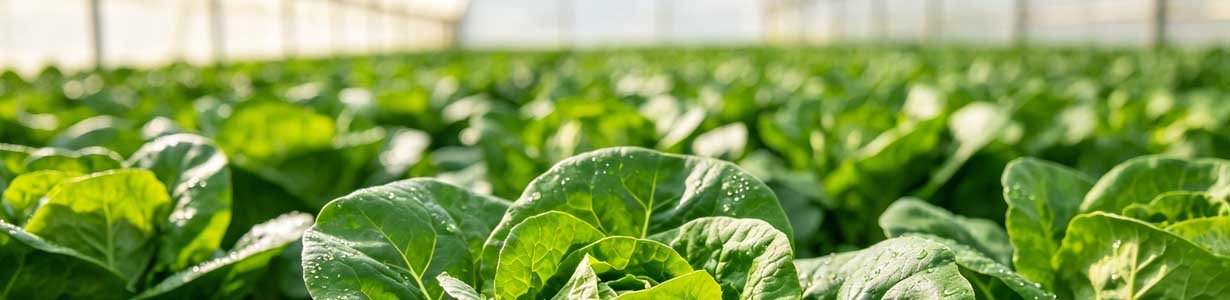
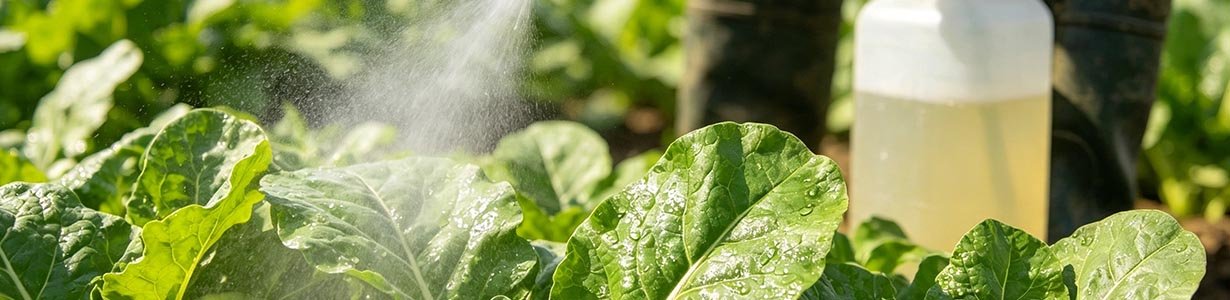
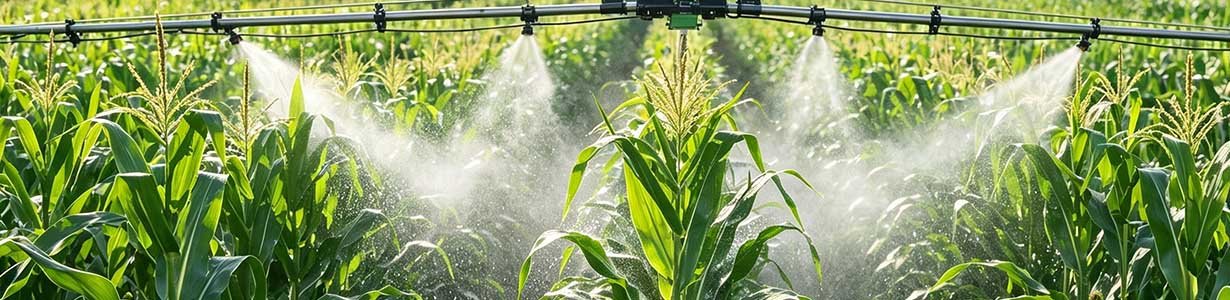
    Soluble silicon fertilizer foliar application on crops showing improved plant health and stress resistance in field and greenhouse

    Potassium silicate combines potassium together with readily‑available soluble silicon, forming a multi‑functional nutrition input widely adopted within modern plant nutrition. Used across many kinds of commercial crops, this material supports plant development via both foliar and soil application pathways. As an experienced manufacturer, SanLee Chemicals supplies high‑quality potassium silicate raw material and fertilizer‑grade solutions tailored for agricultural production.


    What Is Potassium Silicate Fertilizer?


    Potassium silicate is an inorganic compound built from potassium + soluble silicon, two valuable elements for plant nutrition. When formulated and applied for crop feeding, it becomes potassium silicate fertilizer, delivering both nutrients in one input.
    Potassium plays a core role in plant metabolic processes.

    Soluble silicon refers to plant‑available silicon that crops can absorb and utilise.

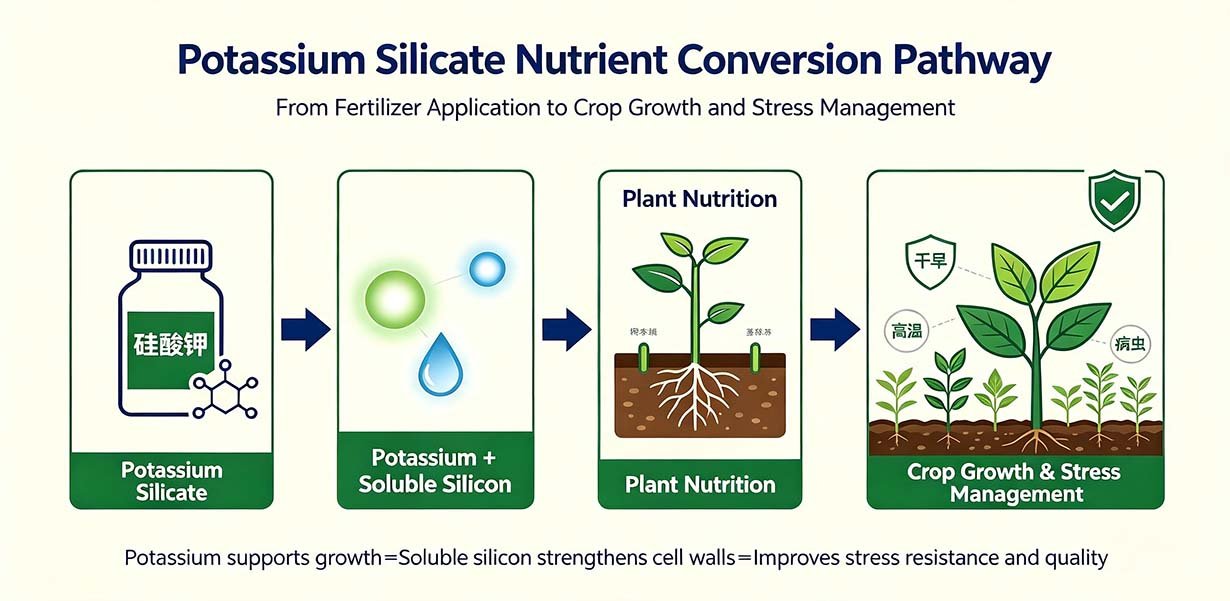
    The underlying logic works as follows:

    Potassium silicate nutrient conversion pathway in plants from foliar absorption to antioxidant defense and secondary metabolism activation

    Potassium Silicate→Potassium + Soluble Silicon→Plant Nutrition→Crop Growth & Stress Management


    Potassium silicate in agriculture works because it does not only bring silicon; it also supplies potassium, removing the need for separate potassium inputs in many nutrition plans. Many growers search for what is potassium silicate used for, and the core answer lies in this dual‑nutrient feature. Growers looking for potassium silicate for plants value this dual‑delivery advantage over single‑element silicon additives.


    How Does Potassium Silicate Benefit Plants?


    Potassium Supply


    Potassium is one of the major macronutrients for plants. It regulates water balance, supports enzyme activity, assists nutrient transportation inside plant tissues and participates in photosynthesis output. Sufficient potassium intake lays a solid foundation for normal vegetative growth and later‑stage crop development when using potassium silicate fertilizer for plants.


    Soluble Silicon Supply


    Only soluble silicon can be taken up by crop tissues. Potassium silicate delivers this plant‑accessible silicon source. Once absorbed, silicon accumulates in plant cells and participates in multiple physiological responses. Many field trials confirm the practical value of potassium silicate for plants by observing silicon‑driven physiological improvements across different growing environments.


    Support for Plant Strength


    Absorbed soluble silicon deposits within cell walls, helping build thicker, more rigid plant tissue structures. Improved tissue strength can reduce physical damage risk and enhance plant standing ability. This structural benefit is a key reason potassium silicate in agriculture keeps gaining adoption among commercial growers.


    Support Under Environmental Stress


    Potassium silicate helps plants better cope with unfavourable growing conditions including drought stress, heat stress and salinity stress. It supports the plant’s natural defence responses against harsh surroundings. Note: this product supports plant resilience and does not cure or eliminate plant diseases.


    Potassium silicate fertilizer benefits improving crop yield stress resistance soil health and post-harvest quality


    Benefits of Potassium Silicate Fertilizer


    Supports Plant Growth


    Balanced supply of potassium and soluble silicon fuels steady plant growth throughout vegetative and reproductive phases. Proper nutrition status helps crops express their natural growth potential. When using potassium silicate fertilizer for plants, growers may observe more uniform development across plant populations.


    Provides Potassium and Soluble Silicon


    One input delivers two essential nutrients instead of separate purchases. Soluble silicon is readily absorbable, alongside potassium for general plant metabolism. This dual‑nutrient feature distinguishes potassium silicate from many standalone silicon additives.


    Supports Stronger Plant Structure


    Soluble silicon strengthens cell wall architecture after uptake. Robust plant tissue improves physical standing capability and reduces susceptibility to mechanical damage. This structural advantage makes potassium silicate for plants popular for high‑density planting systems.


    Helps Plants Manage Environmental Stress


    With potassium silicate nutrition, plants gain better physiological readiness for drought, high temperature and saline growing conditions. It reinforces the plant’s own stress‑resistance mechanisms rather than removing environmental pressure completely.


    Supports Crop Quality


    Well‑nourished plants supported by potassium‑silicon nutrition tend to show improved quality‑related traits. Better nutrient balance can positively influence produce condition during growing and post‑harvest stages for multiple crop types.


    Suitable for Different Agricultural Applications


    This fertilizer fits multiple application workflows including foliar spraying, soil fertigation and hydroponic setups. Versatile usability explains why potassium silicate in agriculture suits open‑field farms as well as protected greenhouse production systems.


    Potassium silicate fertilizer applications on wheat barley rice soybean tomato cucumber and turf across field greenhouse and hydroponic systems


    Applications of Potassium Silicate Fertilizer


    Foliar Fertilization


    Potassium silicate foliar fertilizer can be sprayed directly onto leaf surfaces for quick nutrient uptake via foliar pathways. Potassium silicate foliar application works well when growers want to supplement nutrition without heavy soil modification. Proper leaf coverage is critical when operating foliar potassium silicate programmes for field or greenhouse crops.


    Soil Application


    Potassium silicate soil application introduces potassium and soluble silicon into root zones. It can be delivered through irrigation channels, fertigation systems or soil drench operations. Potassium silicate fertilizer for soil feeds crops via root absorption, building up available nutrient reserves within the growing medium.


    Hydroponic and Soilless Cultivation


    Potassium silicate for hydroponics suits circulating nutrient solution systems and other soilless setups. Potassium silicate hydroponic fertilizer adds soluble silicon and potassium directly into nutrient tanks for continuous root uptake. Ensure full compatibility with other dissolved fertilisers before mixing into hydroponic solutions.


    Greenhouse Crops


    Greenhouse agriculture and controlled environment agriculture create ideal conditions for precise nutrient supplementation. Greenhouse crops respond well to scheduled potassium‑silicon feeding cycles. Protected growing allows flexible switching between foliar sprays and root‑zone delivery according to crop phenology.


    Crop Nutrition Programs


    Potassium silicate works as one component inside complete crop nutrition programs. It complements nitrogen‑phosphorus base fertilisers by adding potassium plus soluble silicon. Agronomists can integrate it into seasonal feeding schedules matching different crop growth cycles.


    Potassium silicate fertilizer applied to barley wheat corn soybean tomato cucumber and strawberry with optimal dosage data


    Potassium Silicate Fertilizer for Different Crops


    Potassium Silicate for Vegetables


    Common vegetable varieties including tomato, cucumber, pepper and leafy vegetables can take advantage of potassium‑silicon nutrition. Many commercial vegetable farms deploy foliar or soil‑based potassium silicate feeding to support plant resilience and produce performance.


    Potassium Silicate for Fruits

     
    Fruit crops such as strawberry, grapes, citrus and various berries benefit from balanced potassium and soluble silicon supply. Nutrition can be applied during key growth windows to support vegetative development and fruit‑setting phases.


    Potassium Silicate for Field Crops

     
    Major field crops covering rice, wheat and corn represent large‑scale application scenarios. Potassium silicate can be integrated into large‑volume fertigation or spraying workflows for broad‑acre agricultural production.


    Potassium Silicate for Ornamental Plants

     
    Ornamental and flower crops gain stronger tissue structure and improved stress tolerance from silicon‑potassium nutrition. Potassium silicate foliar fertilizer is widely used for ornamental plant foliar supplementation in nursery and greenhouse environments.


    Potassium Silicate for Horticultural Crops

     
    Broad‑scope horticultural cropping mixes multiple plant types under one management system. Potassium silicate fits flexible horticulture nutrition plans, adapting across varied plant species and growing media.


    Potassium silicate for plants showing enhanced cell wall strength drought tolerance disease resistance and yield improvement


    How to Apply Potassium Silicate Fertilizer


    Foliar Application

     
    For foliar spraying work, operators need to consider dilution ratios, spray concentration, spray timing and uniform leaf coverage.
     
    Application rate should be determined according to product concentration, crop type, growth stage and local agricultural recommendations.
     
    Different modulus and concentration grades lead to very different mixing parameters. Please consult SanLee technical team for site‑specific guidance before using potassium silicate foliar fertilizer in formal field operations.


    Soil Application

     
    Soil‑oriented delivery includes irrigation feeding, fertigation injection and soil drench treatments. Nutrients go directly into root‑zone areas for root absorption. Match application timing with crop water‑feeding cycles for better nutrient utilisation efficiency.


    Application Timing

     
    Key application windows cover early growth phase, vegetative stage, reproductive stage, and periods of environmental stress. Supplementary feeding during stress periods helps plants maintain physiological performance. Avoid unreasonable high‑dose input without professional agronomy advice.


    Potassium Silicate Fertilizer Application Methods

     
    01 Product Selection

    Pick suitable fertilizer‑grade potassium silicate according to silicon content, potassium content and your target application route.
     
    02 Dilution

    Dilute liquid products following technical guidance. Always confirm modulus and concentration before mixing with other agro‑inputs.
     
    03 Application

    Carry out foliar spray, fertigation, soil drench or hydroponic solution addition based on your farming setup.
     
    04 Monitoring

    Observe crop status after application. Adjust future feeding strategy in combination with local agronomic suggestions.


    Potassium Silicate vs Other Silicon Fertilizers


     Feature Potassium Silicate Other Silicon Fertilizers
     Silicon source Soluble silicon Depends on product
     Potassium supply Yes Depends on product
     Water solubility Generally high Varies
     Foliar application Possible Depends on formulation
     Agricultural use Yes Depends on formulation

    Potassium silicate is particularly useful when both soluble silicon and potassium are required in an agricultural nutrition program. Some silicon‑only fertilisers deliver silicon without potassium; growers then need separate potassium fertilisers to complete nutrition input.


    Choosing Potassium Silicate for Agricultural Use


    Silicon Content

     
    Check plant‑available soluble silicon content, which directly decides nutrition contribution for crops.
     

    Potassium Content

     
    Evaluate K₂O value, as this defines how much potassium nutrition you receive from this material.


    Solubility

     
    High water‑solubility supports foliar spraying, fertigation and hydroponic mixing workflows. Poor solubility will limit usable application methods.


    Concentration

     
    Different liquid and solid grades have large concentration gaps. Concentration determines dilution ratios and total usage volume.


    Compatibility

     
    Test compatibility before tank‑mixing with other fertilisers or agrochemicals to avoid precipitation risk.


    Product Consistency

     
    Stable modulus and chemical composition secure predictable field performance across bulk batches.


    Technical Support

     
    Supplier‑provided technical support helps you select grades and design correct feeding schedules for your farm conditions.


    FAQ


    Q1: What is potassium silicate fertilizer?

    A: Potassium silicate fertilizer is a dual‑nutrient agricultural input, supplying both potassium and plant‑available soluble silicon for plant nutrition. It can be deployed via foliar spray, soil fertigation and hydroponic systems for multiple crop categories.
     

    Q2: What does potassium silicate do for plants?

    A: It delivers macronutrient potassium alongside soluble silicon. Potassium supports metabolism, while silicon strengthens plant tissue and helps plants resist drought, heat and salinity stress. It boosts plant resilience instead of curing plant diseases.
     

    Q3: What are the benefits of potassium silicate fertilizer?

    A: Key benefits include dual potassium‑silicon nutrition supply, stronger plant structure, improved environmental‑stress resilience, support for normal crop growth and flexible usability across foliar, soil and hydroponic agricultural workflows.


    Q4: Is potassium silicate good for plants?

    A: Yes. Potassium silicate for plants provides two valuable plant‑nutrients. When properly dosed following agricultural guidance, it supports physiological performance for vegetables, fruits, field crops and horticultural varieties.
     

    Q5: How do you apply potassium silicate fertilizer?

    A: Common routes contain foliar spraying, soil fertigation, soil drench and hydroponic solution addition. Exact dilution and dosage depend on product modulus, concentration, crop type and growth stage. Consult technical support for custom advice.
     

    Q6: Can potassium silicate be used as a foliar fertilizer?

    A: Yes. Potassium silicate foliar fertilizer is widely used. Uniform leaf coverage is important. Always test mixing compatibility and follow recommended dilution standards before large‑scale foliar operation.
     

    Q7: Can potassium silicate be applied to soil?

    A: Yes. Soil application delivers nutrients through root uptake, via irrigation or fertigation systems. It builds available potassium and soluble silicon inside root‑zone growing media for long‑term crop absorption.
     

    Q8: What crops can benefit from potassium silicate?

    A: Vegetables, fruit crops, field grain crops, ornamental flowers and broad‑range horticultural crops can benefit. Specific performance varies with growing environment, crop variety and application management.
     

    Q9: Can potassium silicate be used in hydroponics?

    A: Yes. Potassium silicate for hydroponics adds soluble silicon and potassium into nutrient solutions. Pre‑test compatibility with other dissolved fertilisers is required to prevent sediment generation.
     

    Q10: How do I choose potassium silicate for agricultural use?

    A: Focus on soluble silicon content, potassium content, water‑solubility, product concentration, mixing compatibility, batch‑to‑batch consistency and supplier‑provided agricultural technical support.


    for more information ,please visit our facebook page

     

  • Potassium Silicate Powder Modulus 3.1-3.3

    Potassium Silicate Powder Modulus 3.1-3.3

    What is Instant Potassium Silicate Powder Modulus 3.1-3.3?


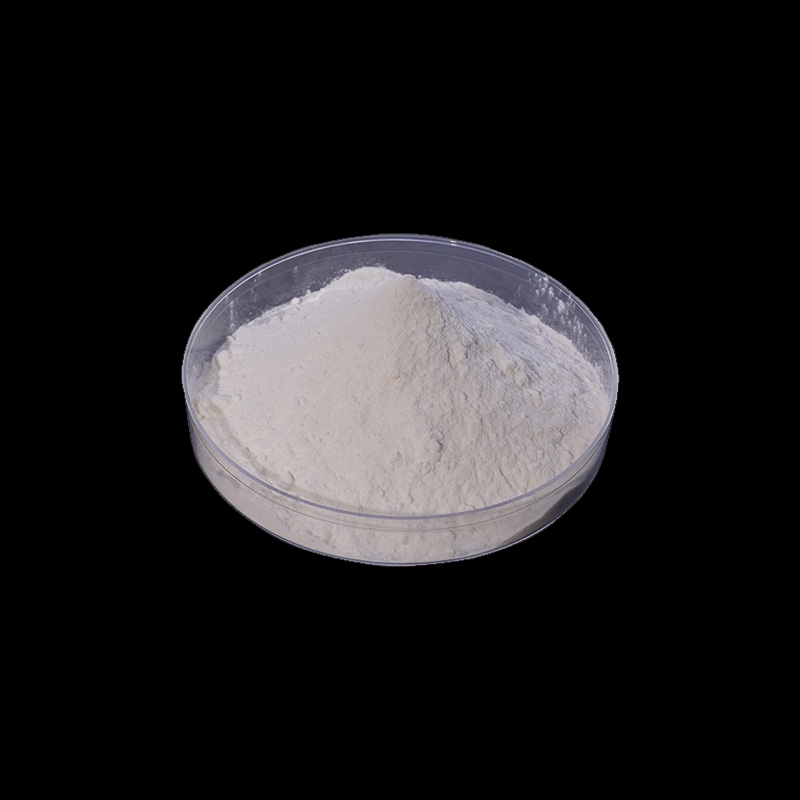
    Potassium silicate powder, also known as instant potassium silicate powder, dry potassium silicate powder or potassium water glass powder, is a high-performance water-soluble inorganic silicate raw material widely utilized in advanced chemical, construction, refractory, agricultural and environmental protection industries worldwide. As a typical water soluble potassium silicate powder, it features ultra-fast dissolution speed and stable chemical properties, serving as a core functional material in multiple high-precision industrial scenarios.

    Sanlee Chemical is a professional potassium silicate powder manufacturer and reliable global supplier, specializing in high-purity dry potassium silicate powder with stable chemical indicators and consistent batch quality. Our customized instant potassium silicate powder supports adjustable modulus specifications, fully meeting large-scale standardized production needs of global purchasers looking for premium potassium silicate powder for concrete, refractory manufacturing and fine chemical processing. We provide strict quality control systems and flexible customization solutions for bulk order clients worldwide.

    This potassium water glass powder is produced through high-temperature fusion, precise dehydration, ultrafine grinding and multi-stage impurity purification processes. It features uniform ultrafine particle size, extremely low insoluble impurities and heavy metal content, excellent water solubility and long-term stable chemical activity. Different from ordinary silicate powder, our water soluble potassium silicate powder can dissolve rapidly in normal-temperature water without heating, no agglomeration, no residual precipitation, making it a high-quality foundational raw material for various industrial production processes.


    Introduction to Potassium Silicate Powder


    Commonly named dry potassium silicate powder, instant potassium silicate powder or potassium water glass powder, potassium silicate powder is a solid powdery inorganic silicate material processed by deep dehydration and ultrafine crushing of liquid potassium silicate. It completely retains the excellent chemical properties of liquid potassium silicate while overcoming the defects of liquid products such as inconvenient transportation, easy leakage and short storage period.

    Under standard room temperature and atmospheric pressure, it appears as white or off-white free-flowing fine powder, with excellent bonding strength, rapid hardening performance, outstanding weather resistance, water resistance and corrosion resistance. Compared with sodium silicate powder, this water soluble potassium silicate powder has better alkali stability, stronger permeability and anti-efflorescence performance, especially suitable for high-standard construction reinforcement and high-temperature resistant material production. Our mainstream instant potassium silicate powder maintains a balanced silica-potassium oxide molar ratio, moderate reaction activity and stable physical and chemical indexes. It covers all mainstream application scenarios of powdered potassium silicate, winning long-term recognition and stable orders from global manufacturers with reliable batch consistency, high cost performance and diversified packaging options for bulk buyers.


    CAS Number


    CAS No.: 1312-76-1


    Chemical Formula


    General chemical formula: K₂O·nSiO₂; Our instant potassium silicate powder and dry potassium silicate powder adopt precisely calibrated silica and potassium oxide molar ratio. The molecular structure of each production batch is uniform and stable, effectively avoiding product performance fluctuations in downstream industrial applications, and ensuring stable reaction efficiency and finished product quality for end users.

  • Potassium Silicate Powder Modulus 2.7-2.9

    Potassium Silicate Powder Modulus 2.7-2.9

    What is powdered potassium silicate?

    Powdered potassium silicate, also called dry potassium silicate powder or instant potassium silicate powder, is a high-performance solid powdery inorganic silicate raw material widely utilized in fine chemical, refractory, agricultural, coating and environmental protection industries worldwide.

    Compared with sodium silicate powder, industrial potassium silicate powder features better thermal stability, stronger weather resistance and non-toxic, soil-friendly properties, making it an upgraded industrial silicate material for high-end manufacturing scenarios.

    As a professional potassium silicate powder factory, we specialize in the R&D, production and supply of high-purity bulk potassium silicate powder and soluble potassium silicate powder with stable chemical indicators and consistent batch quality.

    Our powdered potassium silicate powder supports customized modulus and technical specifications, fully meeting the diversified mass production and high-standard application demands of global clients who seek reliable industrial potassium silicate powder suppliers.

    Our premium potassium silicate powder is produced through strict high-temperature fusion, precise dehydration, ultrafine grinding and multi-stage impurity removal processes. The finished soluble potassium silicate powder boasts uniform fine particle size, ultra-low heavy metal and insoluble impurity content, excellent instant solubility in cold water without heating, and long-term stable chemical activity. With superior gelling, bonding and catalytic properties, it has become an indispensable foundational raw material for high-end industrial and agricultural production.


    Introduction to Potassium Silicate Powder


    Potassium silicate powder is a free-flowing solid powdery silicate material processed by deep dehydration and ultrafine crushing of liquid potassium silicate. Under normal temperature and pressure conditions, it appears as white or off-white fine powder, with outstanding adhesive strength, rapid curing performance, excellent high-temperature resistance and corrosion resistance.

    Different from liquid potassium silicate, our bulk potassium silicate powder features convenient transportation and storage, completely avoiding liquid leakage, deterioration and freezing problems.

    Our mainstream powdered potassium silicate adopts a scientifically balanced silica-potassium oxide molar ratio, with moderate dissolving speed, high chemical activity and strong formula compatibility.

    With stable quality, high cost performance and flexible packaging options, our industrial potassium silicate powder has won wide recognition and consistent positive feedback from global manufacturers and agricultural processing enterprises.


    CAS Number


    CAS No.: 1312-76-1


    Chemical Formula


    General chemical formula: K₂O·nSiO₂; Our customized powdered potassium silicate series features accurately calibrated molar ratios of silicon dioxide and potassium oxide. Each batch of soluble potassium silicate powder maintains uniform molecular structure and stable chemical properties, effectively eliminating performance fluctuations and ensuring stable downstream production effects.

  • Potassium Silicate Powder Modulus 2.4-2.5

    Potassium Silicate Powder Modulus 2.4-2.5

    What is Potassium Silicate Powder (Dry Potassium Silicate Powder / Powder Water Glass) Modulus 2.4-2.5?


    Potassium silicate powder, also called dry potassium silicate powder or powder water glass, is a solid powdery inorganic silicate raw material widely utilized in global fine chemical, agricultural, refractory and industrial manufacturing fields. As a high-performance industrial potassium silicate powder, it features stable chemical properties and versatile functional characteristics, becoming an essential foundational material in multiple industrial scenarios.

    Sanlee Chemical is a professional potassium silicate powder manufacturer and reliable potassium silicate powder supplier, specializing in the production and supply of high-purity dry potassium silicate powder with stable and standardized chemical indicators.

    Our core modulus 2.4-2.5 potassium silicate powder can support customized specifications to meet diverse large-scale production needs of global manufacturers. We provide high-quality potassium silicate in powder form with strict quality control, serving bulk purchasers and industrial processing clients worldwide.

    This powder water glass is produced through rigorous processes including high-temperature fusion, precise dehydration, fine grinding and multi-stage impurity filtration. With uniform ultrafine particle size, ultra-low heavy metal and insoluble impurity content, fast water solubility and long-term stable chemical activity, our industrial potassium silicate stands out as a premium raw material for countless industrial production processes.


    Introduction to Potassium Silicate Powder


    Potassium silicate powder is a free-flowing solid powdery water glass processed by deep dehydration and ultrafine crushing of liquid potassium silicate. This mature potassium silicate in powder form effectively solves the leakage, transportation and storage pain points of liquid water glass, with higher convenience for long-distance transportation and long-term warehouse storage.

    Under standard room temperature and atmospheric pressure, it appears as white or off-white fine free-flowing powder, possessing excellent adhesive strength, rapid hardening performance, superior acid resistance, corrosion resistance and high-temperature stability.

    Our flagship modulus 2.4-2.5 industrial potassium silicate features a balanced silica-potassium oxide molar ratio, moderate dissolution rate and excellent chemical reactivity. With stable batch quality, high cost performance and flexible packaging solutions, it covers almost all mainstream application scenarios  and has won consistent praise from global clients, making us a trustworthy potassium silicate powder manufacturer and supplier for bulk procurement.


    CAS Number


    CAS No.: 1312-76-1


    Chemical Formula


    General chemical formula: K₂O·nSiO₂; Our modulus 2.4-2.5 dry potassium silicate powder adopts a precisely calibrated molar ratio of silicon dioxide and potassium oxide. Every production batch maintains uniform molecular structure and stable chemical indicators, completely avoiding product performance fluctuations that affect downstream industrial production.

  • Solid Potassium Silicate Modulus 3.9-4.0

    Solid Potassium Silicate Modulus 3.9-4.0

    What is Solid Potassium Silicate Modulus 3.9-4.0?


    Solid potassium silicate lumps is a high-modulus anhydrous inorganic silicate material with excellent high-temperature stability and bonding properties, widely used in high-end refractory, inorganic coating and welding electrode industries.

    Sanlee Chemical is a professional and reliable solid potassium silicate supplier, dedicated to providing high-purity Solid Potassium Silicate Modulus 3.9-4.0 with stable and reliable chemical performance.

    Our premium potassium silicate lumps and potassium silicate granules feature high silicon-oxygen ratio and superb physical properties. As a reputable solid potassium silicate supplier, our customized Solid Potassium Silicate Modulus 3.9-4.0 fully meets the strict production standards of high-temperature industrial manufacturing, and our potassium silicate lumps and potassium silicate granules achieve zero difference in batch quality, winning wide recognition from global industrial clients.

    This high-modulus solid silicate material is produced through precise high-temperature fusion, constant-temperature curing and professional crushing processes. It features uniform particle morphology, ultra-low impurity content and stable molecular structure, which is a high-quality essential raw material for refractory binders, fireproof coatings and welding rod manufacturing.


    Introduction to Solid Potassium Silicate Lumps

    Also named solid potassium water glass, potassium silicate lumps is an anhydrous inorganic silicate formed by high-temperature melting and reaction of silica sand and potash without water dilution.

    At room temperature, it appears as white or off-white blocky and granular solid. Different from conventional low-modulus potassium silicate, our Solid Potassium Silicate Modulus 3.9-4.0 boasts ultra-high bonding strength, excellent high-temperature fire resistance and stable chemical inertness, adapting to harsh high-temperature working environments.

    Our mainstream Solid Potassium Silicate Modulus 3.9-4.0 has a high-standard balanced molar ratio of silica to potassium oxide, with outstanding high-temperature resistance and formula compatibility, perfectly matching the production requirements of refractory materials and inorganic functional coatings. Global manufacturers highly approve our high-modulus solid potassium silicate products for stable batch consistency and superior cost performance.


    CAS Number


    CAS No.: 1312-76-1


    Chemical Formula


    General chemical formula: K₂O·nSiO₂; Our Solid Potassium Silicate Modulus 3.9-4.0 adopts precisely calibrated high molar ratio of silicon dioxide to potassium oxide, effectively ensuring stable molecular composition and consistent performance of each production batch of products.


    Core Feature Advantages


    With unique physical and chemical characteristics, high-modulus anhydrous potassium silicate is perfectly suitable for professional high-temperature industrial application scenarios:

    Powerful high-strength bonding capacity: After being dissolved in water, high-modulus solid potassium silicate can form a high-viscosity alkaline binder, which can firmly bond refractory aggregate, mineral powder, inorganic fiber and various industrial fillers, with stronger bonding durability than ordinary low-modulus products.

    Excellent high-temperature fireproof performance: It has an ultra-high softening point, non-combustible and excellent heat insulation effect, which is the core raw material for manufacturing high-grade refractory products and inorganic fire retardant coatings.

    Stable chemical corrosion resistance: Effectively resists erosion of weak acid, alkali and salt mediums, maintains stable structural performance in harsh industrial environments, and greatly extends the service life of finished products.

    Eco-friendly and safe inorganic raw material: No volatile harmful substances, non-toxic and tasteless, harmless to human body and ecological environment, safe for use in building fireproof materials, industrial auxiliary materials and other fields.

  • Powdered Sodium Silicate Modulus 2.8-2.9

    Powdered Sodium Silicate Modulus 2.8-2.9

    What is Easy Dissolving Sodium Silicate Powder Modulus 2.8-2.9?


    Dry sodium silicate powder (CAS 1344-09-8) is a white off-white free-flowing inorganic powder with moderate hygroscopicity that requires sealed moisture-proof storage. As easy dissolving sodium silicate powder, it dissolves rapidly in cold and warm water within minutes without heating, generating homogeneous alkaline aqueous solutions with a pH range of 11.5–12.5. Available as bulk sodium silicate powder for large-scale industrial procurement, this high purity sodium silicate powder gains wide recognition across light industry, construction and water treatment sectors thanks to its convenient dissolution, stable formula and cost-efficient bulk supply.

    Easy dissolving sodium silicate powder modulus 2.8-2.9 is a medium-modulus dry sodium silicate powder refined from traditional solid water glass raw materials. Featuring a moderate molar ratio of silica to sodium oxide, this high purity sodium silicate powder fills the market demand for medium-modulus bulk sodium silicate powder, tailored for general industrial scenarios requiring balanced bonding strength, moderate heat resistance and mild chemical reactivity.

    Though its high-temperature strength and curing hardness are lower than high-modulus 3.1–3.3 grades, modulus 2.8-2.9 dry sodium silicate powder delivers well-balanced comprehensive performance with lower raw material cost. Its mature application system covers daily chemical cleaning, ordinary construction bonding, light foundry and water purification. The mainstream optimization directions include low-dust granulation modification, anti-caking coating treatment for bulk sodium silicate powder, and compound blending with surfactants to expand usage in low-foam detergent formulas.


    Introduction to Dry Sodium Silicate Powder


    Modulus stands for the molar ratio of silicon dioxide to sodium oxide inside sodium silicate, which dominates all core physical and chemical performance indicators of dry sodium silicate powder.

    Distinct from high-modulus 3.1–3.3 instant sodium silicate, easy dissolving sodium silicate powder with modulus 2.8-2.9 carries medium silica content, moderate gel forming speed and mild alkalinity, making it safer and easier to compound with most auxiliary chemical raw materials.

    This high purity sodium silicate powder presents uniform fine white powder under normal temperature with minimal agglomeration. As typical easy dissolving sodium silicate powder, it fully dissolves in room-temperature water without heating and leaves almost no insoluble sediment. When purchased as bulk sodium silicate powder, it greatly cuts down unit procurement cost for mass production manufacturers.

    Modulus 2.8-2.9 dry sodium silicate powder solves prominent drawbacks of liquid water glass including short shelf life, high freight cost and low effective solid content. It combines the merits of easy dissolving performance, moderate bonding force, mild corrosion resistance and stable alkaline buffering capacity. Compared with low-modulus 2.0–2.5 sodium silicate powder, it owns better gelation performance and longer service life after curing, becoming the universal bulk sodium silicate powder choice for medium and conventional industrial production lines.


    Core Advantages & Characteristics of High Purity Sodium Silicate Powder (CAS 1344-09-8)


    Outstanding easy dissolving property


    This dry sodium silicate powder adopts loose porous particle structure, which disperses and dissolves quickly once mixed with water. It shortens solution preparation time drastically, lifts downstream production continuity and efficiency, and perfectly matches automatic bulk feeding equipment when ordered as bulk sodium silicate powder.


    Ultra-high purity & stable formula metering


    The solid content of high purity sodium silicate powder approaches 100%, with trace free water and strictly controlled heavy metal & insoluble impurities. It guarantees precise, consistent formulation of downstream finished goods, eliminates batch-to-batch quality fluctuation triggered by impurity interference, and meets strict raw material standards for daily chemical and fine chemical production.


    Superior cost efficiency & storage convenience


    Supplied as dry sodium silicate powder in solid form, bulk sodium silicate powder saves massive expenditure on liquid packaging, tank transportation and cold storage. It occupies less warehouse space and supports long-distance cross-region transportation and long-term sealed storage, greatly lowering overall logistics and inventory expenses for factories.


    Stable alkaline buffering plus powerful emulsification & dispersion


    High purity sodium silicate powder maintains steady weak-to-medium alkaline environment in aqueous system, equipped with premium emulsifying, dispersing and anti-redeposition functions. In detergent manufacturing, it lifts stain removal efficiency; in industrial blending processes, it disperses solid impurities and stabilizes mixed liquid systems, serving as a versatile multi-functional inorganic additive.


    Operation Guidance for Dry Sodium Silicate Powder


    Dissolution operation: Under continuous stirring, add easy dissolving sodium silicate powder into water slowly to prepare uniform mother liquor. The recommended working concentration for daily production ranges from 30% to 50%.

    Storage requirements: Store bulk sodium silicate powder in cool, dry and ventilated warehouses with fully sealed packaging to avoid moisture absorption and powder caking.

    Raw material compatibility: It features excellent synergistic effects when compounded with anionic surfactants, non-ionic surfactants, soda ash, STPP and other conventional inorganic auxiliary agents.

  • Powdered Sodium Silicate Modulus 2.0-2.1

    Powdered Sodium Silicate Modulus 2.0-2.1

    What is Sodium Silicate Powder Modulus 2.0-2.1?


    Sodium silicate powder is a fast-soluble solid inorganic silicate widely adopted across chemical, construction and daily chemical industries.
    Sanlee Chemical acts as a professional sodium silicate powder manufacturer and trustworthy powder sodium silicate manufacturer, we are a top China sodium silicate powder factory supplying high-purity powdered water glass with consistent stability, especially tailor-made low-modulus sodium silicate powder modulus 2.0-2.1 to satisfy varied mass industrial production demands.
     
    This powdered product is produced via high-temperature melting, spray drying and precise screening procedures, boasting fine uniform particle size, ultra-low impurity levels and steady chemical indexes, making it a top-choice raw material for countless downstream manufacturing sectors.


    Introduction to Sodium Silicate Powder


    Also called solid powdered water glass, sodium silicate powder is spray-dried granule made from liquid water glass raw material.
    It presents white free-flowing instant soluble powder at ambient temperature, featuring powerful alkalinity, fast dissolution rate, outstanding bonding and activation performance.
     
    Our flagship low modulus 2.0-2.1 sodium silicate powder delivers strong alkalinity and rapid solubility, perfectly suited for most powder-formulated industrial formulas. As a professional China sodium silicate powder factory, our goods gain wide recognition from worldwide buyers thanks to steady batch quality and competitive cost efficiency.


    CAS Number


    CAS No.: 1344-09-8


    Chemical Formula


    General chemical formula: Na₂O·nSiO₂; Our sodium silicate powder modulus 2.0-2.1 adopts an accurate molar ratio of silicon dioxide and sodium oxide, maintaining stable molecular structure and uniform performance among different production lots.

  • Powdered Sodium Silicate Modulus 2.4-2.5

    Powdered Sodium Silicate Modulus 2.4-2.5

    What is Sodium Silicate Powder (Dry Sodium Silicate Powder / Powder Water Glass) Modulus 2.4-2.5?


    Sodium silicate powder, also called dry sodium silicate powder or powder water glass, is a solid powdery inorganic silicate raw material extensively adopted across global chemical and heavy industrial sectors.
     
    Sanlee Chemical acts as a professional sodium silicate powder manufacturer and trusted sodium silicate powder supplier, supplying high-purity dry sodium silicate powder with steady chemical indicators. Our core modulus 2.4-2.5 sodium silicate powder can be tailored to bespoke standards, perfectly matching varied mass production demands from factories worldwide for clients who want to buy sodium silicate powder with reliable quality control.
     
    This powder water glass is manufactured via high-temperature fusion, dehydration, grinding and multi-stage impurity filtration procedures. It boasts uniform fine particle size, ultra-low heavy metal and insoluble impurity content, fast water dissolving speed and long-term stable chemical activity, making it a premium foundational raw material for hundreds of industrial production workflows.


    Introduction to Sodium Silicate Powder


    Popularly named powder water glass or dry sodium silicate powder, sodium silicate powder is solid granular/powdery water glass formed by dehydrating liquid sodium silicate and deep crushing treatment.
     
    Under standard room temperature and atmospheric pressure, it presents as white or off-white free-flowing fine powder, featuring powerful adhesive strength, rapid hardening capacity, outstanding acid resistance and corrosion resistance, as well as convenient transportation and storage compared to liquid water glass without liquid leakage risks.
     
    Our flagship modulus 2.4-2.5 sodium silicate powder maintains a balanced molar ratio of silica to sodium oxide, moderate dissolving rate and outstanding chemical reactivity. It covers nearly all mainstream industrial usage scenarios and has earned consistent positive feedback from global manufacturers thanks to stable batch quality, high cost efficiency and flexible packaging options for those who buy sodium silicate powder in bulk.


    CAS Number


    CAS No.: 1344-09-8


    Chemical Formula


    General chemical formula: Na₂O·nSiO₂; Our modulus 2.4-2.5 dry sodium silicate powder adopts an accurately calibrated molar ratio of silicon dioxide and sodium oxide. The molecular structure remains uniform across every production batch, eliminating fluctuations in product performance for downstream processing.

  • Solid Sodium Silicate Modulus 3.1-3.3

    Solid Sodium Silicate Modulus 3.1-3.3

    What is Solid Sodium Silicate?


    Solid sodium silicate, also known as solid water glass, is an inorganic silicate compound with the chemical general formula Na₂O·nSiO₂.

    It is produced by melting quartz sand (SiO₂) and soda ash (Na₂CO₃) at high temperature, then cooling and crushing into solid lumps, flakes or granules.

    Sanlee Chemical as a professional sodium silicate manufacturer and reliable sodium silicate solid supplier, we provide high-purity industrial sodium silicate with stable performance, especially the customized solid sodium silicate modulus 3.1-3.3 that meets diverse industrial production needs.

    The appearance of solid sodium silicate is transparent/translucent glassy solid, colorless, light gray or pale green; hard and brittle. It is not soluble in cold water, but slowly dissolves/hydrolyzes in hot water to form liquid sodium silicate solution (liquid water glass) 


    Introduction to Sodium Silicate Solid


    Solid sodium silicate, widely known as solid water glass, is a versatile inorganic silicate compound with the general chemical formula Na₂O·nSiO₂.

    It is industrially manufactured by fusing high-purity quartz sand and soda ash at extreme temperatures ranging from 1200℃ to 1400℃, followed by rapid cooling and crushing into hard, brittle, glassy solid lumps or flakes. This anhydrous solid product features adjustable modulus, referring to the variable ratio of silicon dioxide to sodium oxide, which directly dictates its physical and chemical performances for diverse industrial scenarios.

    Visually, it appears colorless, translucent or pale gray with stable solid-state properties, boasting longer shelf life and higher concentration compared to liquid sodium silicate. It is insoluble in cold water, ethanol and acidic solutions, but can gradually dissolve and hydrolyze in hot water to form homogeneous alkaline silicate solutions.

    Possessing excellent adhesion, heat resistance, acid resistance and fire-retardant properties, solid sodium silicate serves as a fundamental industrial chemical.

    It is extensively applied as a high-strength binder for foundry sand molds and refractory materials, a sealing and waterproof agent for concrete construction, and a key raw material for producing liquid water glass, ceramic glazes and industrial detergents. Its stable performance and cost-effectiveness make it an indispensable material in construction, metallurgy, chemical and environmental protection industries.


    CAS Number


    CAS No.: 1344-09-8


    Chemical Formula


    General chemical formula: Na₂O·nSiO₂; The specific formula of our solid sodium silicate modulus 3.1-3.3 is matched according to the precise molar ratio of silica and sodium oxide, with stable molecular structure and consistent product batch performance.