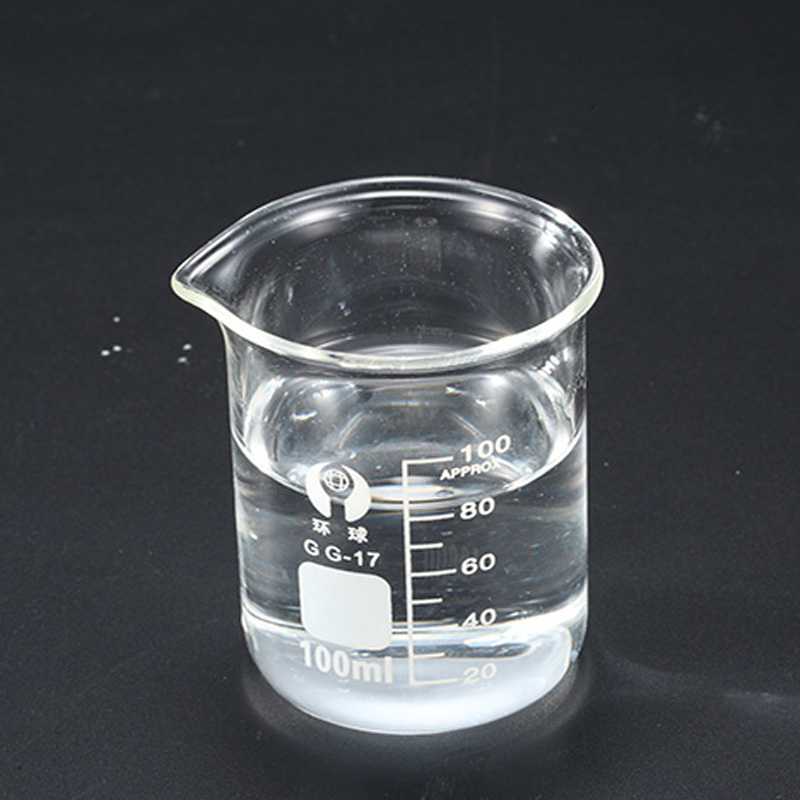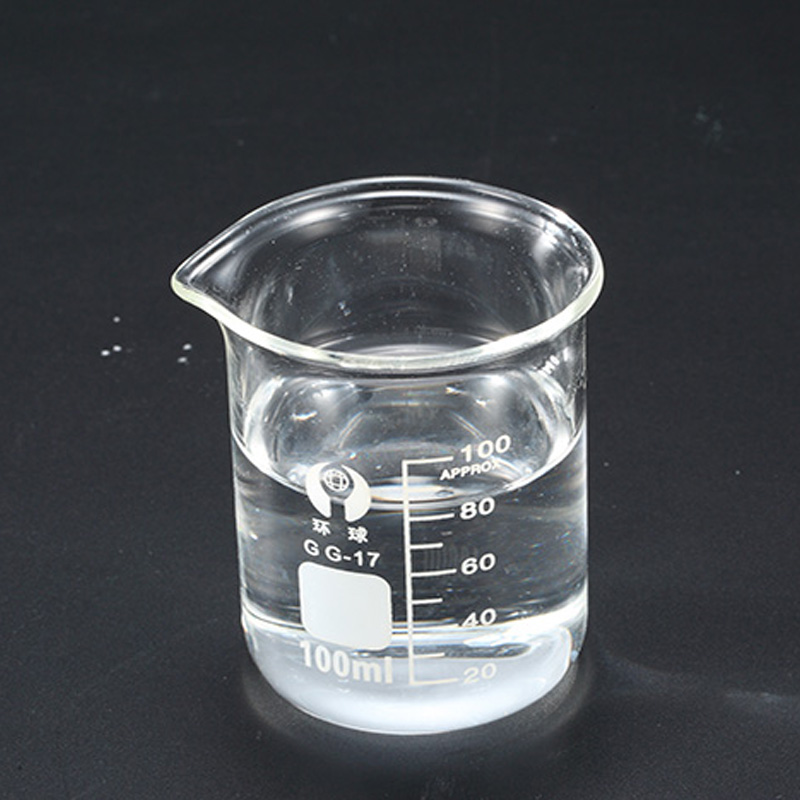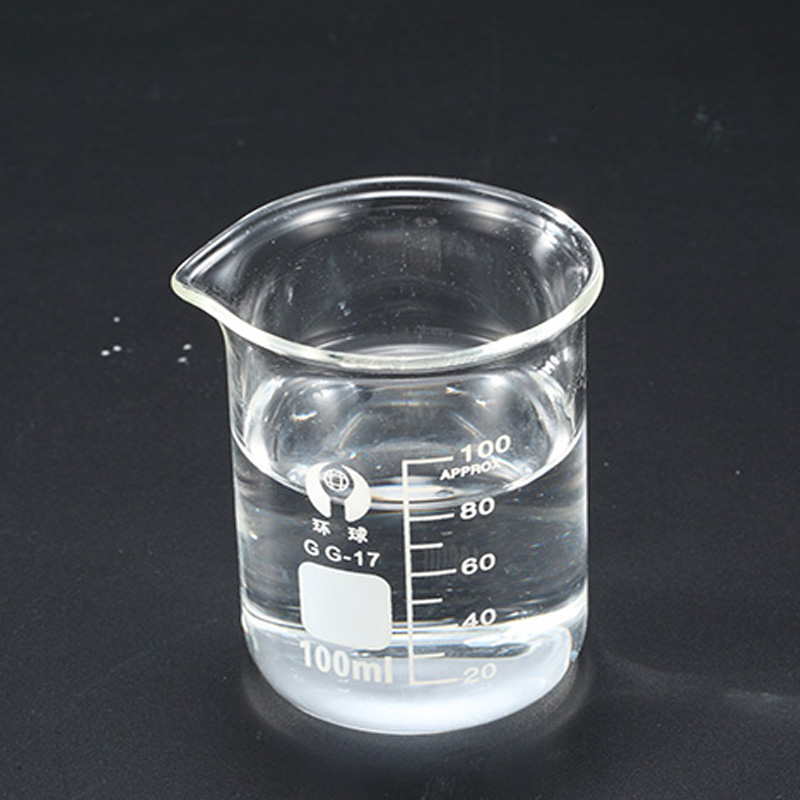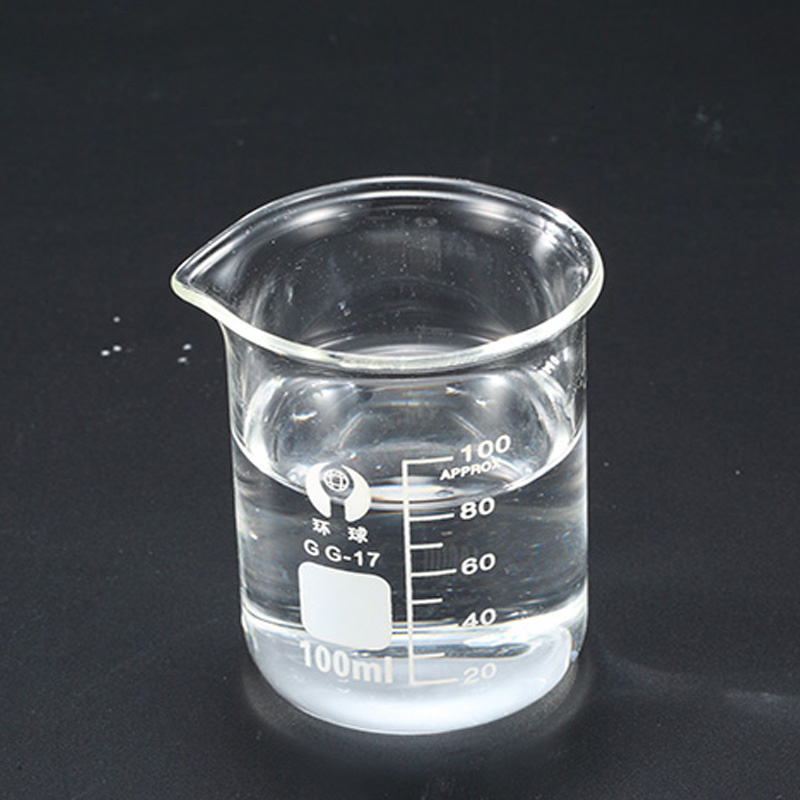
What is silicate sodium?
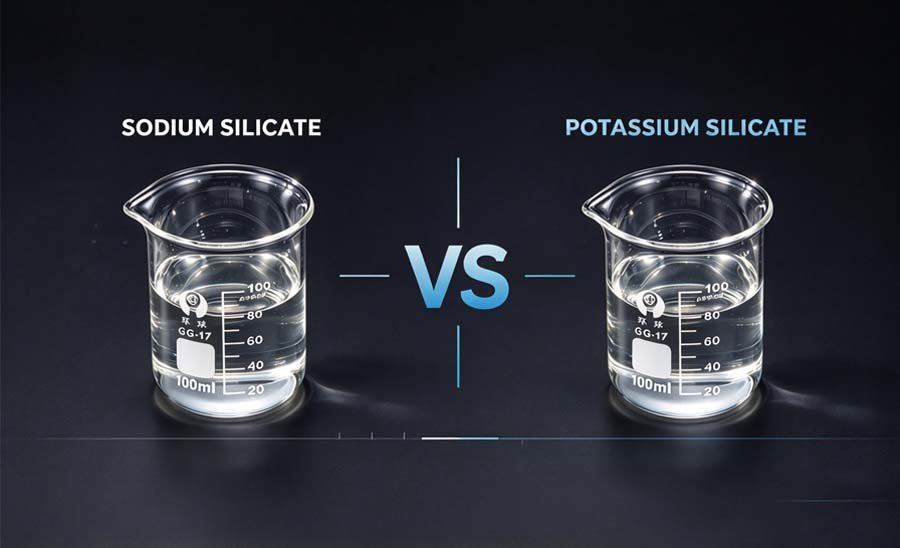
Silicate sodium is a compound composed of silicon dioxide (SiO₂) and sodium oxide (Na₂O) in different proportions. It mainly exists in two forms in industry:
Liquid sodium silicate: A transparent or slightly colored viscous aqueous solution, it is the most common and convenient form to use, ready to use right out of the container.
Solid sodium silicate: Glass-like lumps or powder, convenient for long-distance transportation, and needs to be heated and dissolved when in use.
There are two core parameters for sodium silicate: one is the modulus, which is a key indicator of the performance of sodium silicate and refers to the molar ratio of silicon dioxide to sodium oxide. The other is the Baumé degree, which can be understood as the concentration.
The level of the modulus directly determines the core performance of the product: low modulus: strong alkalinity, fast dissolution. High modulus: high bonding strength, good water resistance.
The level of the Baumé degree determines the specific content of sodium silicate in the aqueous solution, and is manifested in the appearance as the viscosity of the sodium silicate aqueous solution.
In the specific application of sodium silicate, different modulus and different Baumé degrees are used in different industries. The following is a specific parameter comparison table for the use of sodium silicate in different industries. This table is for reference only. In actual production, specific usage specifications should be obtained through laboratory data tests in advance.
In industry, the production of sodium silicate mainly employs two processes: the dry method and the wet method.
Dry process: Pure soda ash and silica sand are mixed in a certain proportion and subjected to a melting reaction at 1300 to 1500℃. The molten material is rapidly cooled in water to form glassy material, which is then dissolved, settled and concentrated to obtain sodium silicate. The dry process includes soda ash method, sodium sulfate method and natural soda ash method.
Wet process: Liquid caustic soda and silica sand are mixed in appropriate proportions and added to a pressure autoclave. Direct steam is introduced for heating, and the reaction is carried out under pressure for several hours. The reaction products are then filtered and concentrated to obtain water glass.
Sodium silicate, as a multifunctional silicate compound, features unique chemical properties such as strong alkalinity, heat resistance, reactivity with acids, and excellent bonding performance, which make it indispensable in numerous industrial sectors. With technological advancements, the application scope of sodium silicate and its deep-processed products will further expand, especially in innovative applications in high-tech and environmental protection fields, which will bring new development opportunities to this traditional chemical material.