
Archives: Technical Articles

  • 3 Key Benefits of High-Performance Lithium Silicate Permeability: Boost Concrete Hardening & Floor Service Life

    3 Key Benefits of High-Performance Lithium Silicate Permeability: Boost Concrete Hardening & Floor Service Life

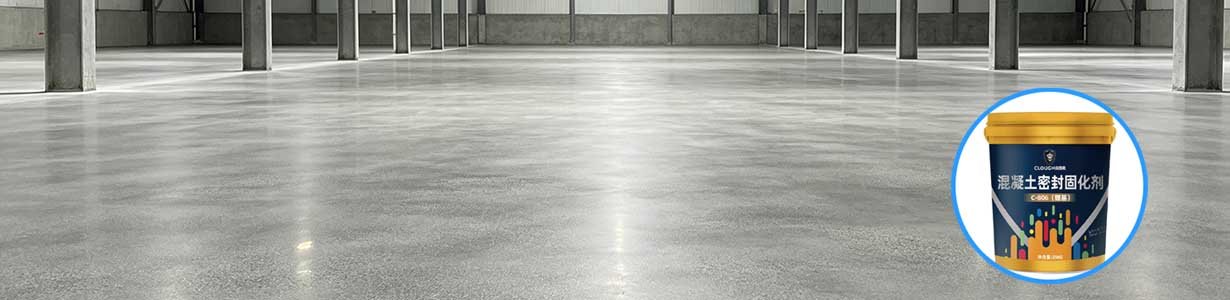
    Lithium silicate permeability in concrete showing deep penetration and gelation controlled by SiO2 to Li2O molar ratio


    What is Lithium Silicate Permeability


    In the concrete curing floor industry, lithium silicate permeability is the core indicator for evaluating the quality of lithium silicate products and plays a vital role in industrial floor reinforcement. In simple terms, it refers to the ability of lithium silicate materials to penetrate deep into concrete interiors, diffuse fully within the base structure, and trigger stable deep chemical reactions. In industrial applications, penetration depth is the most intuitive standard to judge this performance.

    Ordinary low-quality lithium silicate features weak penetration capacity, merely adhering to the concrete surface instead of penetrating into the inner base layer. Such materials deliver only temporary curing effects, easily causing floor sanding, dusting and peeling issues. In contrast,high permeability lithium silicate can rapidly pass through concrete surface pores and permeate deep into the internal base structure, fundamentally optimizing the physical stability of concrete.


    The three core impacts of lithium silicate permeability on concrete floors


    1.Determine the dense effect of concrete reinforcement, prevent sanding and dusting


    As a professional concrete hardener, lithium silicate upgrades concrete structures through internal chemical reactions. After penetrating the concrete interior, the active ingredients react with alkaline substances such as calcium hydroxide to generate stable calcium silicate gel fillers that fill structural gaps. The excellent penetration capability of high permeability lithium silicate ensures deeper infiltration and more sufficient chemical reactions with the concrete matrix.

    Sufficient deep chemical reactions effectively fill concrete capillary pores and fine internal cracks, converting the original loose, porous concrete structure into a compact, integrated and stable whole. This fundamentally eliminates common floor problems including sanding, dusting, looseness and hollowing, greatly improving structural firmness and realizing effective industrial floor reinforcement.


    2.Enhance the overall surface hardness, achieve internal-to-outside hardening


    Most low-end floor curing materials only form a fragile thin hardening film on the concrete surface, resulting in a hard exterior but loose interior structure. Floors treated with these inferior products are prone to delamination, abrasion and scratches in daily use. Different from ordinary coatings, high permeability lithium silicate abandons simple surface film formation and realizes genuine overall hardening from the inside out.

    This premium concrete hardener continuously generates stable hardened crystals from the deep concrete base to the surface layer, synchronously improving the hardness of the entire floor structure. After professional grinding and polishing, the treated floor boasts superior flatness, high glossiness, as well as excellent wear and scratch resistance, completely solving traditional floor defects such as easy surface wear and luster loss.


    3.Significantly extend the service life of the floor and reduce maintenance costs


    Penetration performance directly determines concrete floor wear resistance, weather resistance and concrete floor service life. The dense and stable hardened structure formed by qualified lithium silicate penetration can effectively resist various external damages, including vehicle rolling, heavy object friction, dust corrosion and water vapor infiltration.

    High-quality lithium silicate treatment prevents floors from sanding, dusting, cracking and aging, avoiding frequent grinding, renovation and waxing maintenance. It greatly reduces later maintenance costs and maximizes concrete floor service life for long-term industrial and commercial operation.
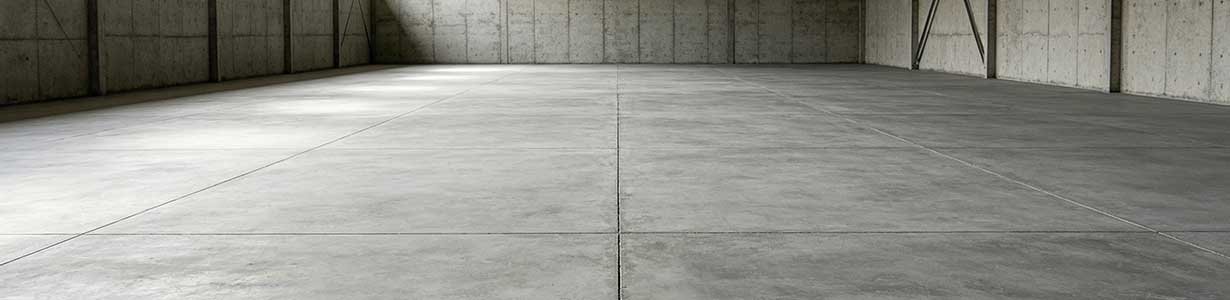
     

    High permeability lithium silicate penetrating dense concrete surface with deep CSH gel formation for permanent hardening


    Main application scenarios of high-permeability lithium silicate


    Benefiting from outstanding deep reinforcement, high hardness and super durability, lithium silicate has become a reliable concrete hardener for high-intensity, high-load and high-frequency used concrete floors.

    Its typical application scenarios cover industrial factory floors, warehouse logistics floors, large commercial parking lots, supermarket heavy-load floors, airport platforms, workshop heavy-duty passages, underground garages and other high-demand sites. These venues feature dense vehicle traffic and severe ground friction, requiring ultra-high floor hardness and wear resistance to support long-term stable operation.

     

    Concrete hardener comparison showing densified dust-free surface after silicate treatment with increased abrasion resistance


    Summary


    In conclusion, lithium silicate permeability is an irreplaceable core performance indicator that directly governs the reinforcement effect, surface hardness and comprehensive performance of concrete floors. Low-permeability lithium silicate only provides superficial and temporary hardening effects with poor stability. In comparison, high-quality lithium silicate deeply penetrates the concrete base layer to optimize the internal structure, creating dense, ultra-hard, wear-resistant and maintenance-free cured floors suitable for various heavy-load and high-strength usage scenarios.
     

    Request a TDS  |  Request a Sample  |  Get a Quote

  • Potassium Silicate Applications: Low-Modulus vs High-Modulus Guide (M=2.5~5.0)

    Potassium Silicate Applications: Low-Modulus vs High-Modulus Guide (M=2.5~5.0)

    Potassium silicate modulus value chart showing how SiO2 to K2O ratio determines optimal applications from detergents to fire resistant glass


    Potassium Silicate Applications: How the Modulus Value (M) Determines the Right Choice


    Potassium silicate is a versatile inorganic binder and coating material, but its performance is not one-size-fits-all. The key factor that determines its properties—is the modulus value (M) , defined as the SiO₂/K₂O molar ratio.

    Understanding the difference between low-modulus and high-modulus potassium silicate is essential for selecting the right product for your project. This guide breaks down the typical modulus ranges, their performance characteristics, and their specific application scenarios.


    What Is the Potassium Silicate Modulus Value (M)?


    The modulus value (M) represents the SiO₂/K₂O molar ratio in the potassium silicate solution. It directly influences:

    ·Water solubility

    ·Film-forming behavior

    ·Cross-linking density

    ·Temperature resistance

    ·Cost and stability

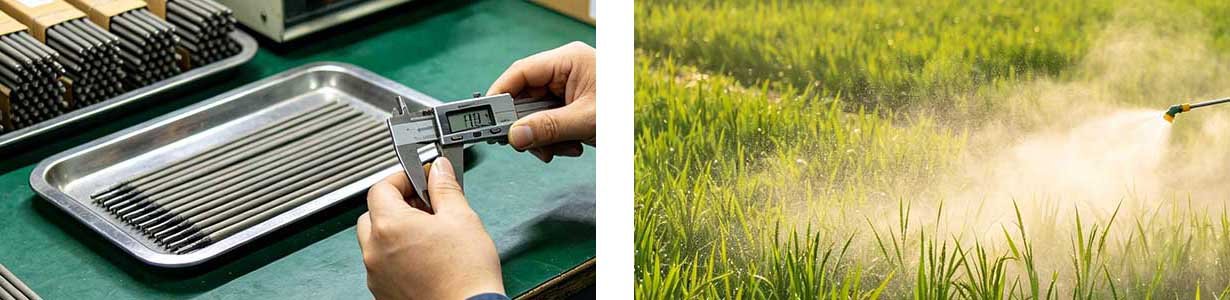
    In general, potassium silicate products fall into two categories: low-modulus (M=2.5~3.5) and high-modulus (M=3.5~5.0) .


    Low modulus potassium silicate with high alkalinity fast dissolution for agricultural fertilizer and rapid reaction applications


    Low-Modulus Potassium Silicate (M=2.5~3.5): Versatile and Cost-Effective


    Key Characteristics


    ·High K₂O content: Improves water solubility and reactivity.

    ·Excellent water solubility: Easy to dilute and apply.

    ·Fast film-forming at low temperatures: Ideal for ambient curing.

    ·Cost-effective: Lower raw material cost compared to high-modulus grades.


    Primary Applications


    1.Room-temperature curing coatings – Used as a binder in architectural and protective coatings that cure at ambient conditions.

    2.Construction adhesives – Provides strong bonding for inorganic substrates such as concrete, stone, and ceramics.

    3.Silicon-potassium fertilizer – Widely used in agriculture as a soluble source of potassium and silicon, enhancing plant strength and disease resistance.

    Low-modulus potassium silicate is the preferred choice when solubility, low-temperature curing, and cost efficiency are priorities. These characteristics make it one of the most accessible potassium silicate applications for everyday industrial and agricultural use.


    High modulus potassium silicate with high polymerization thermal stability for refractory coatings and fire resistant glass


    High-Modulus Potassium Silicate (M=3.5~5.0): High-Performance and Heat-Resistant


    Key Characteristics


    ·High SiO₂ content: Increases cross-linking density and mechanical strength.

    ·Temperature resistance up to 800~1000°C: Suitable for extreme heat environments.

    ·Higher price: Reflects the higher silicon content and processing requirements.

    ·Slightly poorer stability: Requires more careful storage and handling compared to low-modulus products.


    Primary Applications


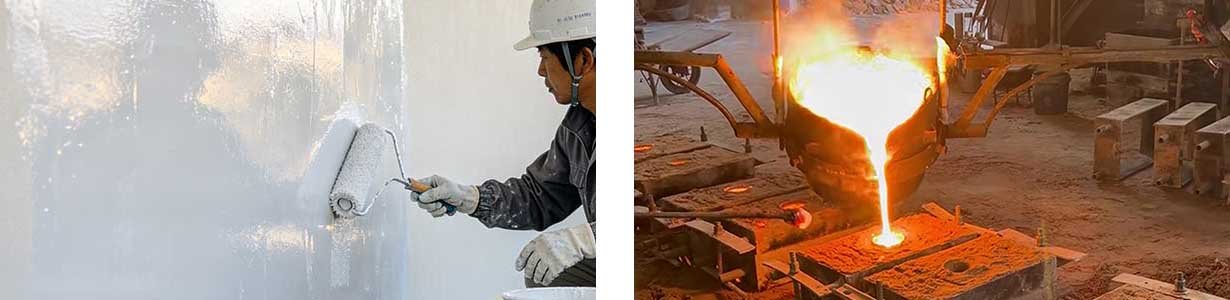
    1.High-temperature resistant coatings – Used in industrial settings where thermal protection is critical, such as exhaust systems and kiln linings.

    2.Precision casting surface coatings – Provides a refractory surface layer for investment casting and mold shells.

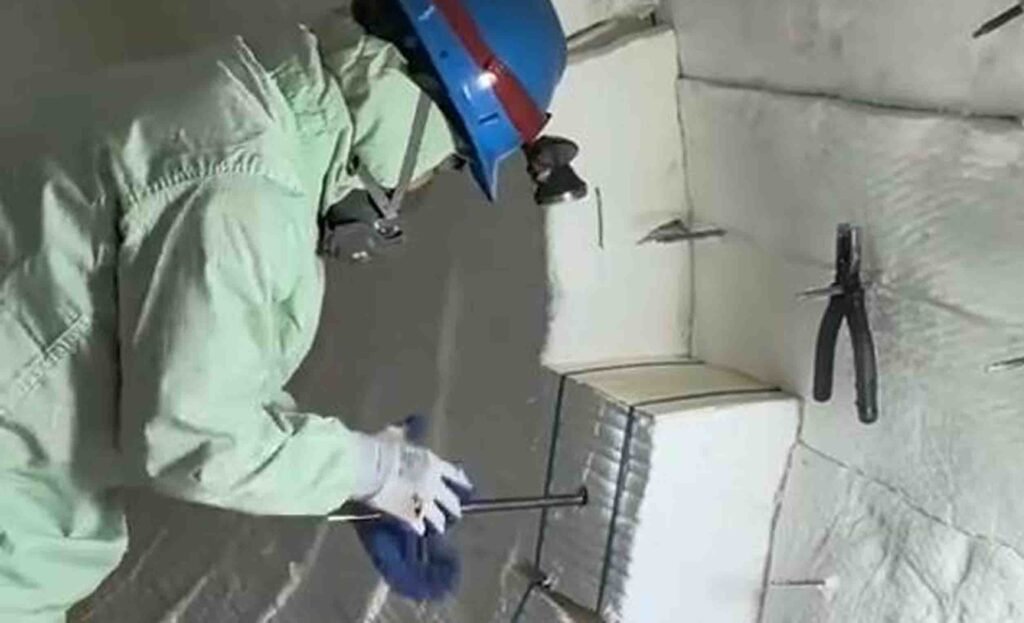
    3.Furnace repair materials – Ideal for patching and lining furnaces, boilers, and other high-heat equipment.

    High-modulus potassium silicate is the material of choice when thermal stability, structural integrity, and refractory performance are essential. In these demanding environments, the modulus plays a decisive role in determining the material’s heat resistance and durability.


    Comparison Table: Low-Modulus vs High-Modulus Potassium Silicate


    PropertyLow-Modulus (M=2.5~3.5)High-Modulus (M=3.5~5.0)
    SiO₂/K₂O RatioLowerHigher
    Water SolubilityExcellentGood
    Film-FormingFast at low temperatureRequires higher temperature
    Temperature ResistanceModerate800~1000°C
    Cross-Linking DensityLowerHigher
    CostLowerHigher
    StabilityBetterSlightly poorer
    Typical ApplicationsCoatings, adhesives, fertilizerRefractory coatings, precision casting, furnace repair


    How to Choose the Right SiO₂/K₂O molar ratio of Potassium Silicate for Your Application


    Selecting the correct grade depends on your specific performance requirements:

    Need ambient curing and cost efficiency? → Choose low-modulus.

    Need high-temperature resistance and structural strength? → Choose high-modulus.

    Working with agricultural formulations? → Low-modulus is typically preferred.

    Working with foundry or furnace applications? → High-modulus is the standard.

    If you are unsure which modulus value is best for your project, technical consultation can save time and reduce trial-and-error costs. Matching the right grade to the right potassium silicate applications ensures optimal performance and cost efficiency.


    Conclusion


    The modulus value (M) of potassium silicate is the single most important parameter for matching the material to its application. Low-modulus potassium silicate (M=2.5~3.5) excels in water solubility, low-temperature curing, and cost-sensitive applications such as coatings, adhesives, and fertilizers. High-modulus potassium silicate (M=3.5~5.0) delivers superior heat resistance and cross-linking density for high-temperature coatings, precision casting, and furnace repair.

    By understanding how the SiO₂/K₂O molar ratio affects performance, you can optimize your formulation, reduce costs, and ensure the success of your project. Whether you are developing agricultural fertilizers or refractory coatings, selecting the correct modulus grade is the foundation of successful potassium silicate applications.


    Looking for the Right Potassium Silicate Supplier?


    If you have application demands for potassium silicate—whether low-modulus or high-modulus—please feel free to leave your contact information for further technical communication and cooperation. Our team can help you select the optimal grade based on your specific performance requirements. From agricultural fertilizers to high-temperature refractory coatings, we support the full range of potassium silicate applications.


    Request a TDS  |  Request a Sample  |  Get a Quote

  • What is the heat resistance of potassium silicate? A detailed analysis of temperature tolerance differences between raw material and finished refractory products

    What is the heat resistance of potassium silicate? A detailed analysis of temperature tolerance differences between raw material and finished refractory products

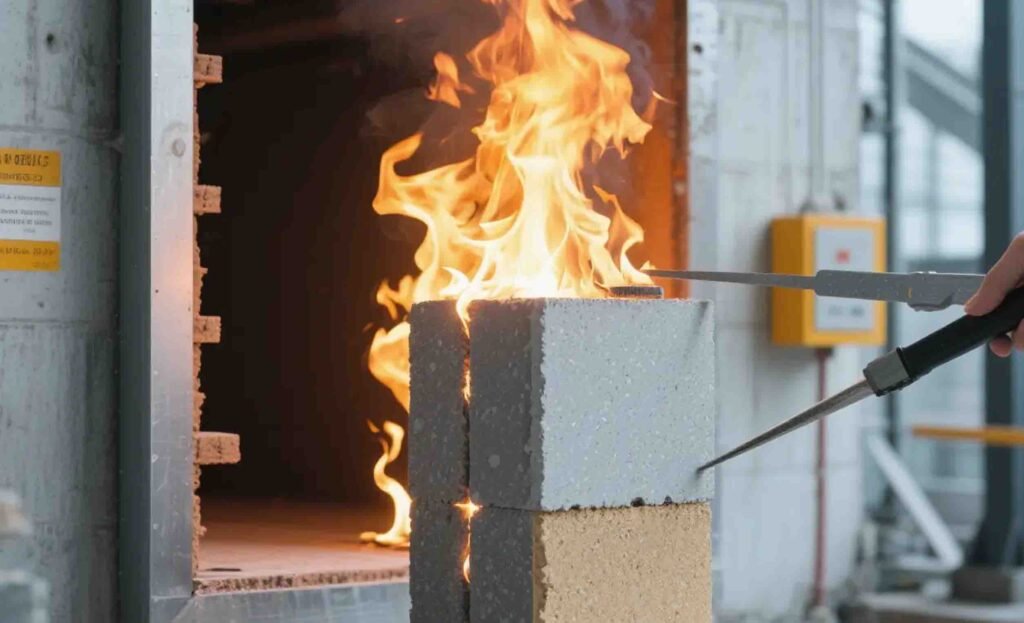
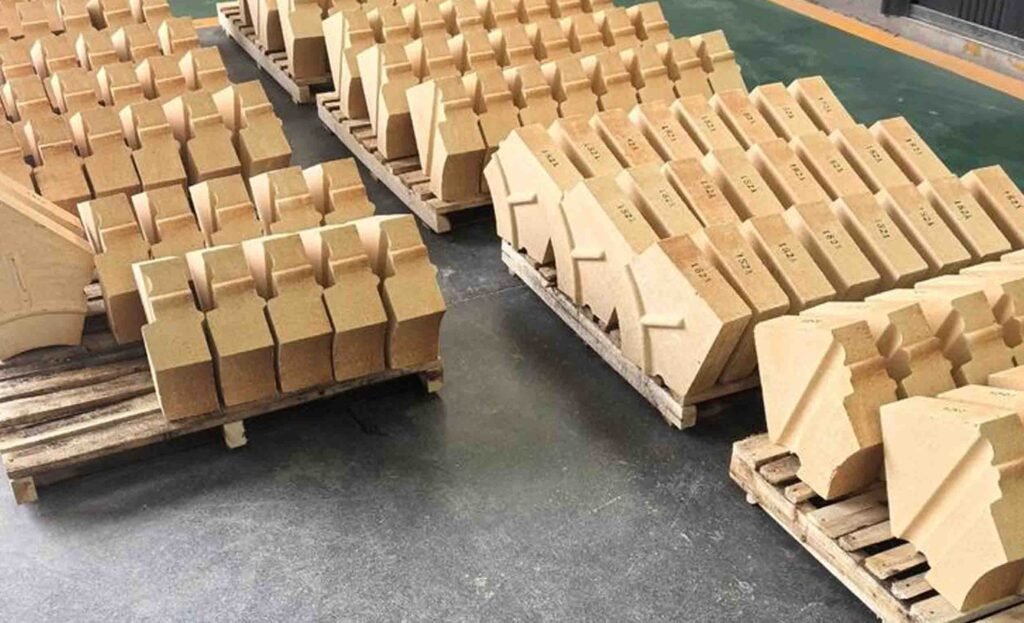
    Refractory materials including fire bricks castables and mortars for high temperature industrial furnaces and kilns

    What is the heat resistance of potassium silicate?

    In industries such as fireproof coatings, refractory materials, and high-temperature corrosion-resistant materials, potassium silicate serves as an essential core ingredient. Thanks to its excellent heat resistance of potassium silicate, non-combustibility, and anti-corrosion properties, it is widely used in manufacturing various protective products for high-temperature applications.

    Many industry professionals frequently ask a key question when purchasing potassium silicate: exactly how high can potassium silicate withstand temperatures?

    The inconsistent industry data on heat resistance of potassium silicate leads to confusion among buyers and difficulty in verifying the authenticity of these claims. Today, we will thoroughly analyze the actual thermal tolerance parameters and the true heat resistance of potassium silicate, clarify the difference in heat resistance between pure raw material and finished refractory products, and address common misconceptions within the industry.

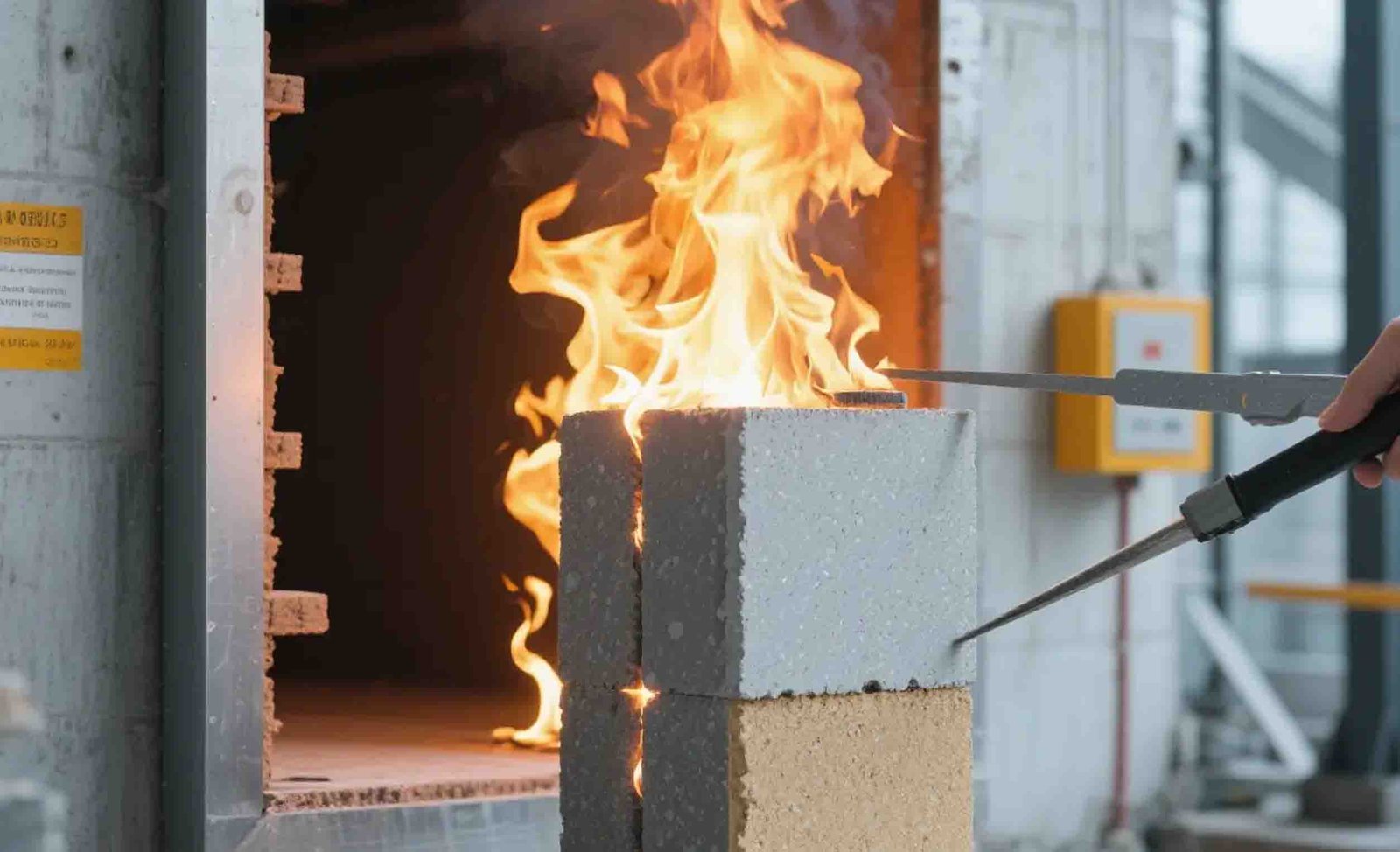
    Heat resistance of potassium silicate test showing coated steel plate intact after high temperature flame exposure with no damage or peeling

    I. Common Industry Controversy: The Difference Between 800°C and 1000°C Heat Resistance

    Many professionals in fireproof coatings and refractory materials often wonder why their factory labels potassium silicate with a maximum temperature of 800°C, while other manufacturers claim their products can withstand over 1000°C.

    In fact, many customers have observed during production that refractory end products containing potassium silicate can indeed stably endure temperatures exceeding 1000°C. This leads to misunderstandings about the fundamental heat resistance of potassium silicate itself.

    The root cause of this controversy lies in the confusion between the performance characteristics of pure potassium silicate raw material and those of composite refractory products incorporating potassium silicate. These two are fundamentally different in terms of heat resistance and should not be conflated.

    II. Actual High-Temperature Performance of Pure Potassium Silicate Raw Material

    From chemical and physical data, the standard melting point of solid potassium silicate is 976°C—a fixed physical property of pure potassium silicate.

    Under normal conditions, pure potassium silicate remains highly stable at temperatures below 800°C, without melting, cracking, failure, or powdering. Its structure remains intact, and protective performance stays consistent, which defines the reliable heat resistance of potassium silicate raw material. This is precisely why we conservatively label its maximum usable temperature at 800°C.

    When ambient temperature exceeds 800°C and approaches the melting point of 976°C, the performance of pure potassium silicate begins to degrade significantly, and stability drops sharply.

    Additionally, the high-temperature decomposition temperature of potassium silicate varies slightly depending on its modulus, causing minor fluctuations in the upper temperature limit across different grades. However, overall, the practical upper limit of heat resistance of potassium silicate remains around 800°C. Therefore, 800°C represents the true, reliable, and long-term stable upper limit for pure potassium silicate raw material, serving as the most trustworthy baseline reference in the industry.

    Heat resistance of potassium silicate microstructure transformation from hydrated amorphous to dense ceramic-like Si-O-Si network at high temperature

    III. Why Finished Refractory Products Can Withstand Over 1000°C

    If pure potassium silicate only reliably withstands up to 800°C, why can fireproof coatings, refractory materials, and high-temperature anti-corrosion coatings containing potassium silicate endure temperatures of 1000°C or higher?

    The answer lies in formula modification. In industrial production, pure potassium silicate is never used alone to make refractory products. Instead, it acts as a binding agent combined with various high-temperature-resistant additives, significantly optimizing the overall heat resistance of potassium silicate composite products.

    Commonly used high-temperature additives include alumina, magnesium oxide, aluminum powder, and wollastonite—high-performance refractory powders with melting points far exceeding 1000°C. When scientifically blended with potassium silicate, these materials effectively compensate for the poor high-temperature stability of pure potassium silicate, improving the final product’s heat resistance, thermal shock resistance, and crack prevention.

    After formulation modification, the composite material achieves greatly enhanced thermal performance, easily surpassing the 1000°C threshold and meeting the demands of high-temperature furnaces, industrial equipment, and fire protection projects.

    IV. Summary of Key Misconceptions in Procurement and Production

    In summary, one crucial point must be clearly understood: 800°C represents the stable high-temperature performance of pure potassium silicate raw material and reflects its inherent base properties of heat resistance of potassium silicate.

    The temperature resistance rating above 1000°C reflects the overall performance of potassium silicate-based composite refractory products, achieved through scientific formulations and modified processing techniques, rather than being an inherent property of potassium silicate as a single raw material.

    This is why we specify 800°C—adhering to truthful labeling of actual raw material parameters without exaggeration or misguidance, enabling customers to precisely control formulation ratios and design appropriate production plans based on their own additive systems, thereby avoiding substandard refractory performance due to parameter misjudgment.

    For manufacturers of fireproof coatings and refractory materials, clearly distinguishing between raw material and finished product performance of heat resistance of potassium silicate is crucial for ensuring product quality and mitigating production risks.

    for more information ,please visit our facebook page