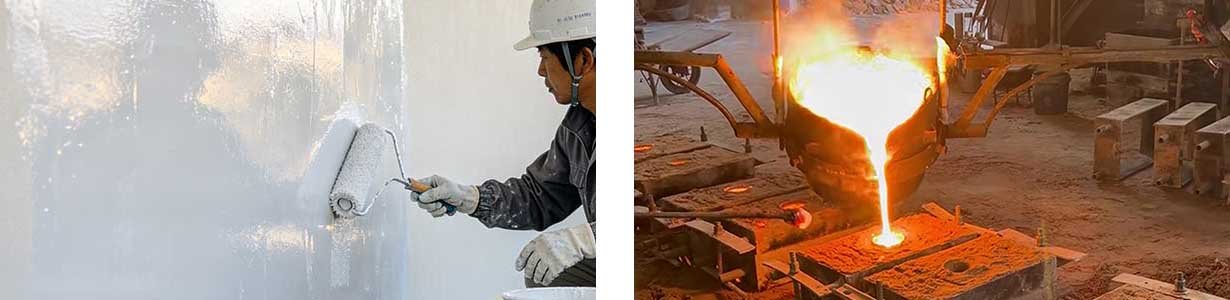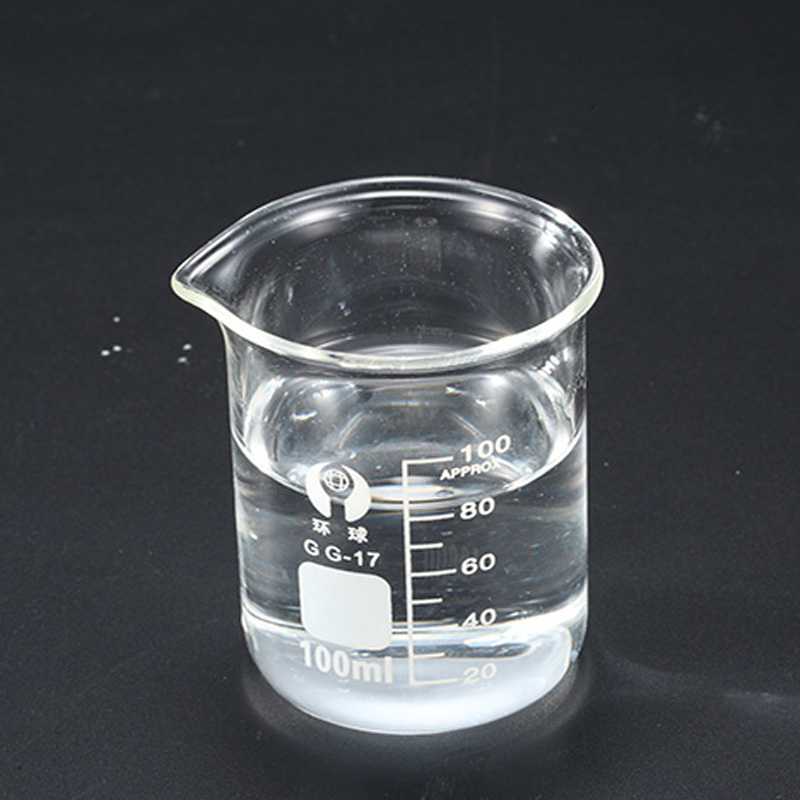
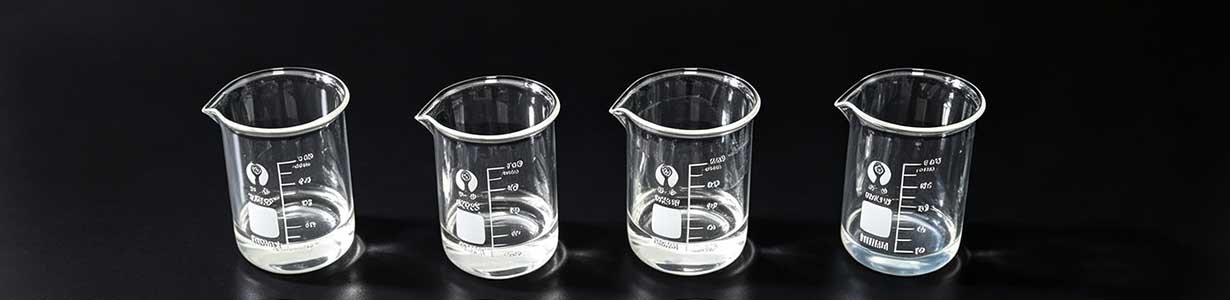
Potassium silicate is an inorganic binder widely used in mineral and silicate‑based coatings, providing a suitable foundation for breathable, durable and mineral‑compatible coating systems.
What Is Potassium Silicate Coating?
Potassium silicate coating refers to coating systems that use potassium silicate as the core inorganic binder. Potassium silicate coatings deliver unique performance advantages that organic alternatives cannot replicate for mineral building substrates. Potassium silicate is a soluble inorganic silicate formed by silica and potassium oxide, also known as potassium water glass, well‑known for its mineral‑reaction bonding characteristics.
It is selected for coating formulations because it bonds well with mineral‑rich substrates and forms stable inorganic films without relying on organic polymer resins. Within coating systems, potassium silicate binder for coatings mainly works as an inorganic binder, holding pigments and mineral fillers together to build solid coating layers.
One of its core strengths lies in high compatibility with mineral substrates. Instead of simply sitting on top of surfaces, it can develop chemical affinity with cementitious and mineral materials, delivering stable adhesion for silicate paint, inorganic silicate coating and mineral‑focused coating solutions.

How Potassium Silicate Works in Coatings
This section explains the practical working principle of potassium silicate inside coating formulations without over‑complex chemical theory.
Potassium Silicate as an Inorganic Binder
As the primary potassium silicate binder for coatings in silicate‑based coatings, potassium silicate physically locks mineral pigments, extenders and fillers into a unified coating matrix. It replaces part or all of organic resin binders, enabling fully or partially inorganic coating designs. All solid granular components in the wet coating system stay coherently integrated thanks to the binding effect of liquid potassium silicate, preparing for later film formation after application and curing.
Interaction with Mineral Substrates
Potassium silicate shows outstanding compatibility with alkaline mineral surfaces. When applied onto concrete, cement, masonry and other mineral surfaces, it creates interfacial bonding with substrate components. This mineral‑to‑mineral interaction improves coating anchorage, reduces peeling risk and supports long‑term performance for potassium silicate coatings on cement‑based building materials.
Mineral‑Based Film Formation
After coating application, water evaporates from the wet layer, and potassium silicate gradually cures to build a hard, mineral‑nature coating film. The final film carries mineral‑like properties rather than flexible organic polymer characteristics. This mineral‑type film structure delivers breathability and surface stability typical for inorganic silicate coating systems.

Key Properties of Potassium Silicate Coatings
Inorganic Binder System
Potassium silicate provides an inorganic binder for mineral‑based coating formulations, forming the backbone for fully or hybrid inorganic coating designs.
High Breathability
Potassium silicate‑based coatings feature excellent vapor permeability. As a breathable coating, it supports moisture vapor transmission, allowing internal moisture inside mineral substrates to escape outward rather than being trapped beneath the coating layer.
Mineral Compatibility
The coating system demonstrates high mineral compatibility, performing reliably on mineral substrates including cement‑based surfaces, masonry and concrete. It matches the chemical nature of inorganic building substrates.
Durable Surface
Under properly adjusted formulations, potassium silicate coatings deliver good durability, weather resistance and surface stability for exterior and interior mineral‑surface projects.
Mineral Appearance
It creates a natural matte mineral appearance, widely preferred for architectural and decorative mineral coating applications.
Low‑Organic / Inorganic Formulation
Potassium silicate enables low‑organic coating concepts. Please note: zero‑VOC or VOC‑free claims must be verified against exact formulation ingredients and local regulatory requirements before public use.

Potassium Silicate Coating Applications
Understanding potassium silicate coating applications helps formulators select the right system for different building and industrial projects. Below are 6 core scenarios where these inorganic coating materials perform best.
Mineral & Silicate Paints
Potassium silicate acts as the core inorganic binder for mineral paint and silicate paint products. Mixed with inorganic pigments and mineral fillers, it forms classic mineral coating systems widely used in decorative and protective building coating projects.
Architectural Coatings
In architectural coating and building coating projects, potassium silicate coatings serve as wall coating and exterior coating options. They fit well onto mineral substrates such as masonry, concrete and cement render for modern and heritage building facades.
Concrete & Cement‑Based Surfaces
Potassium silicate coating for concrete is specified for concrete surface coating and cement coating works. It provides decorative and protective finishes for concrete walls, floors and cement‑cast components, leveraging good substrate affinity with cementitious materials.
Masonry Coatings
The coating works for masonry walls covering brick, cement render and mineral plaster. It delivers durable finishes for porous masonry substrates, supporting breathability while offering surface protection.
Inorganic Protective Coatings
As inorganic protective coating, potassium silicate‑based systems provide mineral‑type surface protection without organic resin dependency. These inorganic coating products are selected for projects requiring mineral‑grade protective coatings.
Industrial & Specialty Coatings
Potassium silicate coating applications also extend into selected industrial & specialty coatings for non‑building use cases. Formulators may adapt grades for targeted industrial scenarios based on real‑world test results; avoid applying for industries outside proven application scope.
Benefits of Potassium Silicate Coatings
| Benefit | Description |
| Inorganic binder | Suitable for mineral‑based coating systems |
| Breathability | Allows moisture vapor to pass through suitable coating systems |
| Mineral compatibility | Works well with mineral and cement‑based substrates |
| Durability | Supports durable coating formulations |
| Weather resistance | Suitable for selected exterior applications |
| Mineral appearance | Creates a natural mineral coating finish |
Potassium Silicate Coating Formulation Considerations
Silicate Modulus
The modulus of potassium silicate can influence formulation behavior and should be selected according to the coating system and processing requirements. Modulus reflects the SiO₂/K₂O ratio and directly impacts binder reactivity, curing speed and final film performance within silicate coatings.
Potassium Silicate Concentration
Formulators need to control the proper binder level and solid content of potassium silicate. Too low solid content may weaken binding capacity, while excessively high concentration can affect coating workability, matching should follow actual formulation requirements.
Pigments and Mineral Fillers
Formulations typically pair potassium silicate with mineral pigments, inorganic pigments and mineral fillers. Compatibility testing between silicate liquid and selected pigments/fillers is strongly recommended to prevent flocculation or sedimentation inside finished coatings.
Substrate Compatibility
Before finalising formulas, evaluate substrate compatibility for target surfaces including concrete, masonry, cement and mineral surfaces. Different porosity and alkalinity levels of mineral substrates will influence final coating performance.
Storage and Stability
Pay close attention to viscosity change, sedimentation risk, additive compatibility and overall storage stability of finished coatings. Improper matching with additives may trigger viscosity shift or gelation during shelf life.
How to Apply Potassium Silicate Coating

Below is a general 4‑step application guide for potassium silicate coating. Note these instructions apply to finished silicate coatings, not potassium silicate concrete densifier products.
Step 1 — Surface Preparation
Thoroughly clean target surfaces. Remove dust, oil, loose particles and other surface contaminants. Substrates must be sound, solid and free of weak peeling layers before coating work starts.
Step 2 — Primer / First Coat
Apply a suitable primer or first coat matched to your specific coating system and substrate condition. Primer selection should consider substrate absorbency to optimise final coating performance.
Step 3 — Apply Potassium Silicate Coating
Apply the potassium silicate top coating by brush, roller or spray method. Select application technique based on your exact formulation characteristics and substrate type. Follow coating manufacturer’s technical sheets for wet film thickness guidance.
Step 4 — Drying and Curing
Allow sufficient drying and curing time. Monitor environmental conditions including ambient temperature and humidity during curing phase. Avoid extreme temperature or rapid wind‑drying that may negatively impact film forming quality.
Potassium Silicate vs Other Coating Binders
This comparison illustrates application fit instead of claiming universal superiority for potassium silicate.
| Binder | Type | Typical Applications |
| Potassium Silicate | Inorganic | Mineral & silicate coatings |
| Sodium Silicate | Inorganic | Industrial & specialty applications |
| Acrylic | Organic | Architectural & decorative coatings |
| Silicone | Hybrid / organic | Selected exterior coatings |
Potassium silicate excels when you need an inorganic binder for mineral substrates and breathable mineral‑style coatings. Sodium silicate often sees wider industrial use but carries higher risk of efflorescence in decorative mineral coatings. Acrylic binders deliver flexible organic film performance with rich colour options yet lack mineral‑substrate chemical bonding. Silicone hybrid systems offer good water repellency but belong to hybrid or organic categories.
How to Choose Potassium Silicate for Coating Applications
1.Modulus: SiO₂/K₂O ratio determining reactivity and curing behaviour
2.SiO₂/K₂O Ratio: Core chemical parameter matching coating design
3.Solid Content: Directly affects binder dosage and film build‑up
4.Viscosity: Influences mixing handling and finished coating rheology
5.Purity / Impurity Level: Impurity control supports colour stability and storage life
The appropriate potassium silicate grade depends on the coating formulation, substrate, application method and required performance. Matching the correct raw‑material grade lays a solid foundation for stable finished coating quality.
Why Choose SanLee Chemicals Potassium Silicate for Coating Applications?
Manufacturer Direct Supply
SanLee Chemicals is a direct manufacturer of potassium silicate, supplying high‑quality liquid potassium silicate raw material for coating producers worldwide. We skip intermediate traders to deliver stable quality and competitive supply capacity.
Multiple Potassium Silicate Grades
We provide multiple potassium silicate grades covering different modulus, solid content and viscosity options, supporting diverse mineral and silicate coating formulation needs.
Technical Support for Formulation
Our technical team offers formulation‑oriented support for coating formulators. We share raw‑material technical guidance to help you screen suitable grades for your silicate coating projects.
Bulk & OEM Supply
SanLee Chemicals supports bulk tank shipment, IBC tote and drum packaging. Customised OEM supply solutions are available for large‑volume coating manufacturers.
Customized Specifications
Upon technical feasibility assessment, we support customized specifications to match special coating formulation requirements.
Frequently Asked Questions About Potassium Silicate Coating
What is potassium silicate coating used for?
Potassium silicate coating is mainly used for mineral‑based architectural finishes, masonry protection, concrete surface coating and inorganic protective coatings. It is widely adopted for exterior facades, heritage restoration projects and mineral paint systems requiring high breathability and mineral‑substrate compatibility.
What is potassium silicate paint?
Potassium silicate paint is a type of mineral paint that uses potassium silicate as its primary inorganic binder. Combined with inorganic pigments and mineral fillers, it creates breathable, mineral‑looking architectural finishes for mineral building substrates.
Is potassium silicate suitable for mineral coatings?
Yes. Potassium silicate is one of the most widely used binders for mineral coatings. Its inorganic nature enables good compatibility with mineral pigments, fillers and cement‑containing substrates, which is the core reason for its broad adoption in silicate‑based mineral coating products.
Can potassium silicate coating be used on concrete?
Yes. Potassium silicate coating can be applied onto sound, clean concrete surfaces. It develops good interfacial compatibility with cementitious concrete substrates, delivering decorative and protective finishes for concrete walls and components. Proper surface preparation is essential before application.
Is potassium silicate coating breathable?
Yes. Potassium silicate‑based coatings possess high vapor permeability. The inorganic mineral‑type film allows moisture vapor inside mineral substrates to pass outward, reducing risks caused by trapped moisture beneath the coating layer.
What is the difference between potassium silicate and sodium silicate coatings?
Both are inorganic silicate binders. Potassium silicate is more commonly used for decorative mineral architectural coatings with lower efflorescence tendency. Sodium silicate is more frequently deployed in heavy‑duty industrial applications. Coating formulators select grades based on target performance, substrate and end‑use scenarios.
How do you apply potassium silicate coating?
General workflow includes surface cleaning and preparation, applying suitable primer, top‑coating via brush, roller or spray, followed by controlled drying and curing. Always follow the finished coating manufacturer’s technical instructions. Do not confuse coating application steps with concrete densifier operations.
How do I choose potassium silicate for coating formulations?
Focus on key parameters: modulus (SiO₂/K₂O ratio), solid content, viscosity and purity. Your selection should align with your coating formula design, target substrate, application method and expected final performance. Working with a reliable silicate raw‑material supplier helps you select or identify the most suitable grade.