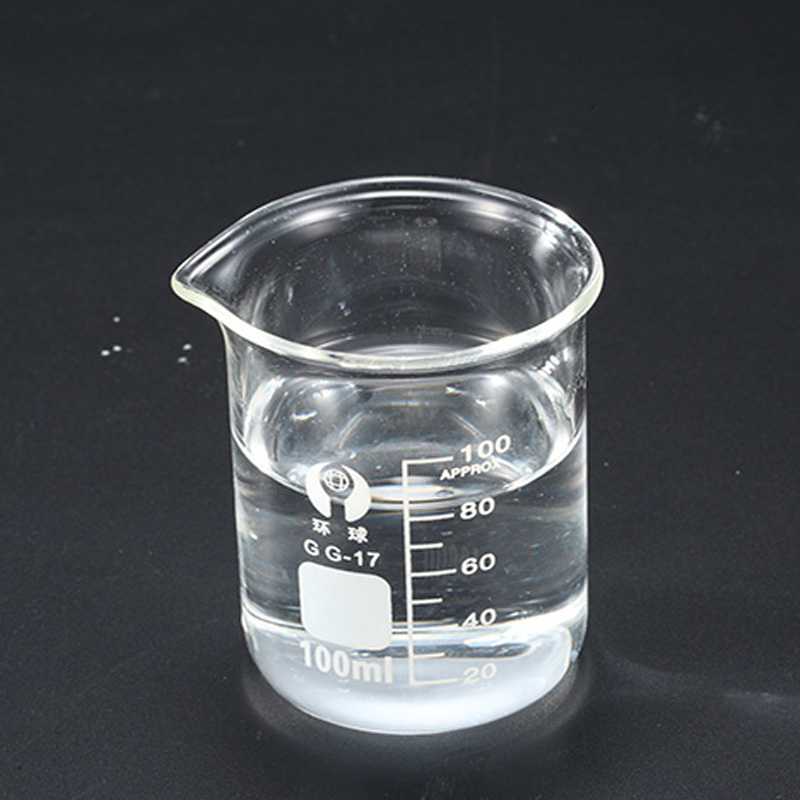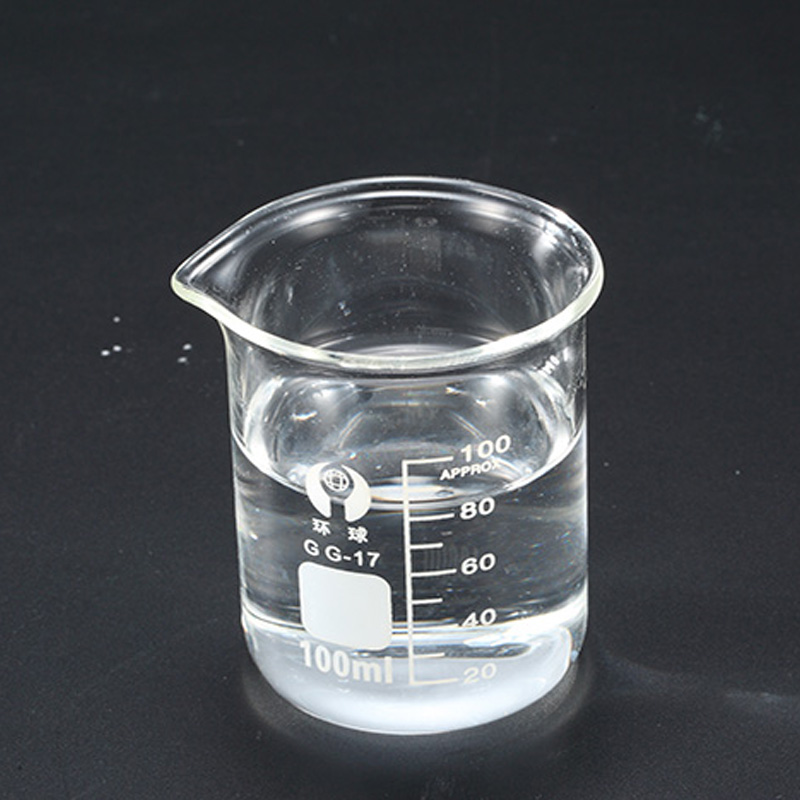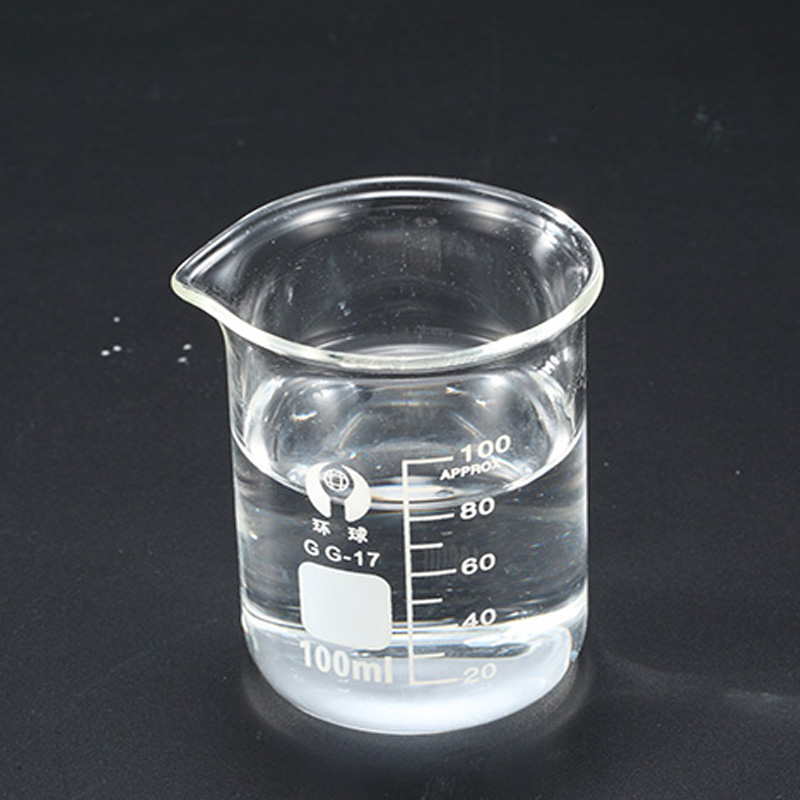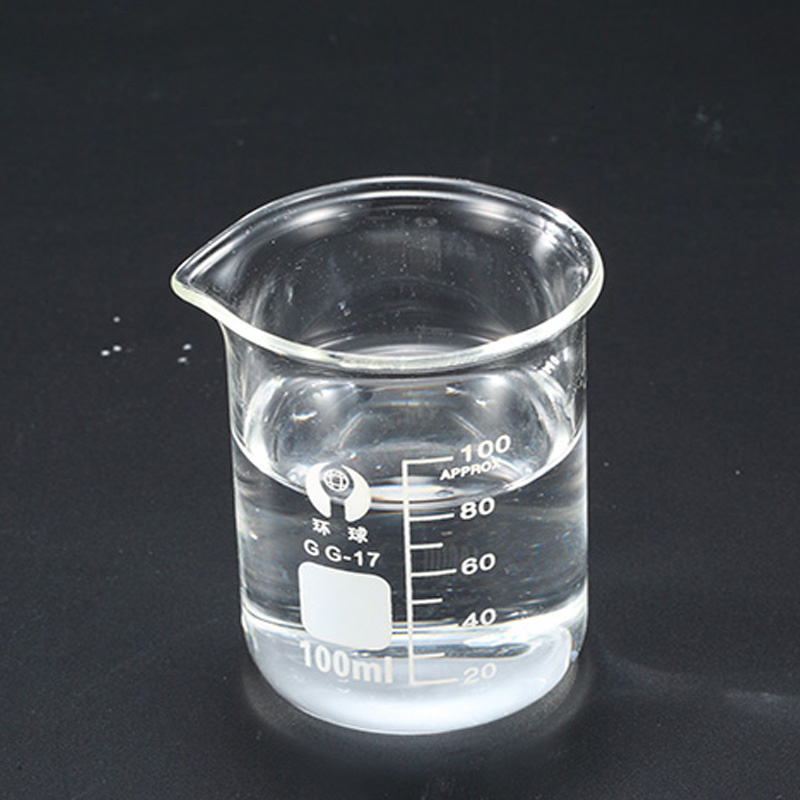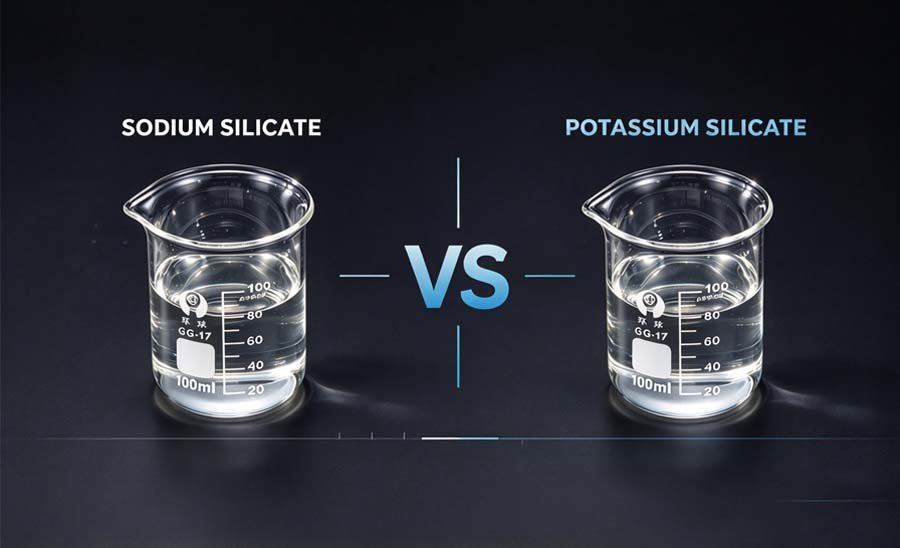
Sodium silicate, commonly known as water glass, is a cost-effective and functionally unique inorganic adhesive that is widely used in the paper tube production industry, especially for the mass production of various industrial paper tubes. With its strong adhesive force, high-temperature resistance, fire resistance, and low cost, it has become one of the preferred Paper Tubes Adhesive for industrial paper tubes.
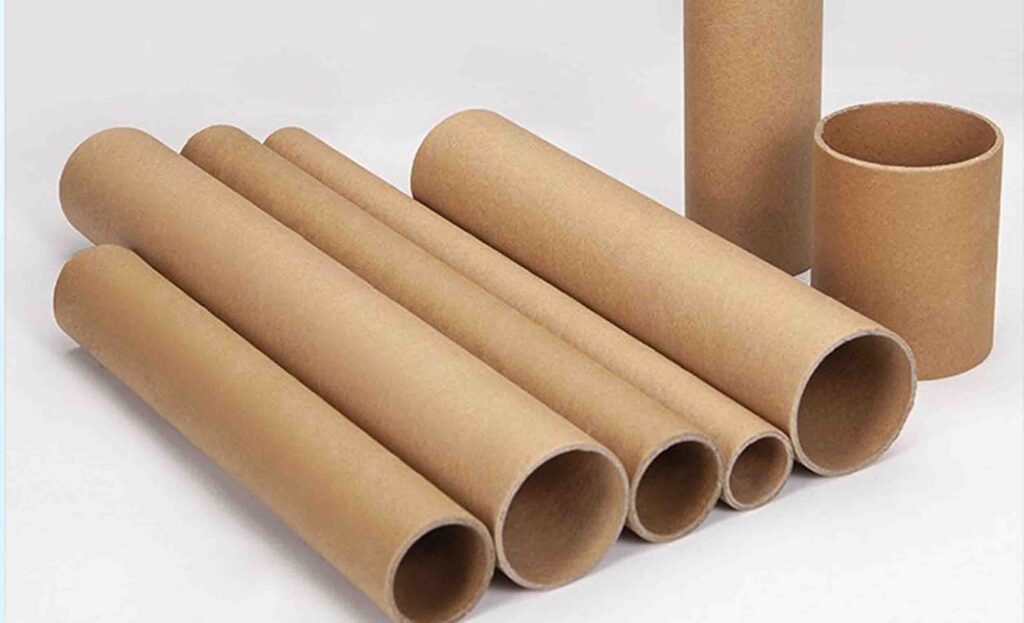
However, it also has inherent drawbacks such as brittleness and susceptibility to moisture, which limit its application in certain scenarios. This article will provide a detailed analysis of the advantages and disadvantages of sodium silicate (water glass) as a Paper Tubes Adhesive, suitable and unsuitable scenarios, as well as alternative solutions, to help practitioners make precise choices and meet Google’s indexing requirements, and fully understand its application value.
1. Core Advantages of Sodium Silicate (Water Glass) as a Paper Tubes Adhesive
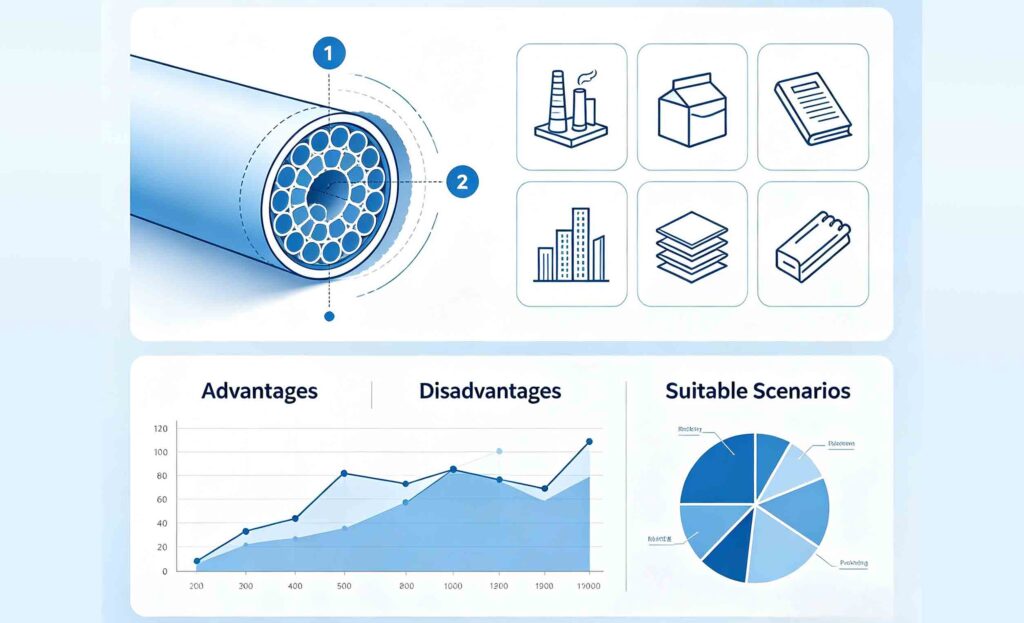
Sodium silicate can become a commonly used Paper Tubes Adhesive in the production of industrial paper tubes, and the core lies in its four prominent advantages, which perfectly meet the demands of industrial batch production:
(1) Strong adhesive force and high initial strength
Sodium silicate, as an inorganic Paper Tubes Adhesive, can form a strong bonding layer after curing, with extremely high adhesive force and high initial strength. It can quickly fix the interlayer structure of paper tubes without the need for long waiting times for curing. It is suitable for the production of paper tubes that require rapid molding and quick fixation, effectively improving production efficiency and is suitable for batch production scenarios.
(2) Excellent high-temperature resistance performance
One of the most prominent advantages of sodium silicate as a Paper Tubes Adhesive is that after curing, it can withstand high temperatures of over 500°C. It will not soften or fall off in high-temperature environments and will not produce harmful substances. Therefore, it is particularly suitable for use in paper tubes such as firework tubes and industrial high-temperature packaging tubes that need to be used in high-temperature environments, ensuring the structural stability of the paper tubes under extreme temperatures.
(3) Low cost and suitable for mass production
Sodium silicate has a wide range of raw material sources, a mature production process, and a price far lower than that of organic adhesives such as PVA glue and hot melt glue. As a Paper Tubes Adhesive, it can significantly reduce the raw material cost of paper tube production, making it highly suitable for large-scale, low-cost industrial paper tube production. This helps enterprises control production costs and enhance product competitiveness.
(4) Natural fire resistance and high safety.
Sodium silicate is an inorganic material that is non-flammable and naturally flame-retardant. As a Paper Tubes Adhesive, the paper tubes produced with it can have certain fire-resistant properties, effectively reducing the fire hazard of paper tubes during use. It is particularly suitable for scenarios with fire protection requirements such as firework tubes and industrial fireproof packaging.
2. Main Disadvantages of Sodium Silicate (Water Glass) as a Paper Tubes Adhesive
Although sodium silicate has obvious advantages as a Paper Tubes Adhesive, it still has four inherent disadvantages due to its inorganic material characteristics, which limit its application range:
(1) High brittleness and poor impact resistance
Sodium silicate is brittle after curing. Paper tubes bonded with this Paper Tubes Adhesive tend to crack or delaminate when bent or impacted, and cannot withstand external force collisions. Therefore, it is not suitable for paper tube products that require flexibility.
(2) It has strong hygroscopicity and is afraid of damp environments.
Sodium silicate has a strong hygroscopic property. If the paper tube bonded with this Paper Tubes Adhesive is in a humid environment for a long time, it will absorb moisture from the air, causing the adhesive layer to soften, the adhesive force to decline, and even leading to the loosening and deformation of the paper tube, which affects the service life of the paper tube.
(3) Strongly alkaline, affecting the quality of paper.
Sodium silicate aqueous solution is strongly alkaline. As a Paper Tubes Adhesive, if it comes into contact with paper for a long time, it will corrode the paper fibers, causing the paper to gradually turn yellow and become brittle, reducing the toughness and durability of the paper tube. Therefore, it is not suitable for scenarios where the appearance and durability of the paper are required.
(4) Slow curing speed, requiring additional treatment
The natural curing speed of sodium silicate as a Paper Tubes Adhesive is relatively slow. Usually, it needs to be dried at high temperature or exposed to the sun for a long time to complete the curing process, which increases the production procedures and energy consumption of paper tubes and also prolongs the production cycle.
3. Applicable and Inappropriate Scenarios for Sodium Silicate (Water Glass) Paper Tubes
Considering its advantages and disadvantages as a Paper Tubes Adhesive, the application scenarios of sodium silicate (water glass) adhesive have clear target orientation. It is necessary to make a reasonable choice based on the usage environment and requirements.
(1) Applicable Scenarios
The paper tubes mainly adapted for industrial use include: textile tubes for the textile industry, packaging tubes for metal coils (steel, aluminum foil, etc.); high-temperature resistant paper tubes for firework tubes, high-temperature resistant industrial packaging, etc.; industrial paper tubes for short-term use in dry environments. These scenarios can maximize their advantages as a Paper Tubes Adhesive and avoid their disadvantages to the greatest extent.
(2) Unsuitable Scenarios
It is not suitable for high-humidity environments (such as marine packaging or paper tubes used in humid areas), as this Paper Tubes Adhesive may soften due to moisture absorption; it is also not suitable for paper tubes that require flexibility (such as toilet paper cores or packaging tubes that need to be bent), as it may crack; it is even less suitable for food packaging paper tubes, as its strong alkalinity and potential safety issues may affect food safety.
4. Alternatives to Sodium Silicate (Water Glass)
If the drawbacks of sodium silicate as a Paper Tubes Adhesive affect the use of paper tubes, suitable alternative adhesives can be selected based on requirements, each with its own advantages: PVA glue (polyvinyl alcohol glue) has good flexibility and stable adhesion, making it suitable for paper tubes that require flexibility; hot melt adhesive has a fast curing speed and strong bonding force, suitable for high-efficiency production, and has better moisture resistance; starch glue is a natural and environmentally friendly material with high safety, suitable for scenarios with requirements for environmental protection and safety (not in direct contact with food).
In conclusion, sodium silicate (water glass) as a Paper Tubes Adhesive, with its advantages of strong adhesion, high temperature resistance, low cost and fire resistance, is an ideal choice for low-cost, high-strength and high-temperature resistant industrial paper tubes. However, if the paper tube requires flexibility, moisture resistance or long-term durability, it is recommended to choose alternative solutions such as PVA glue or hot melt glue, and combine with its own needs to play to its strengths and avoid its weaknesses, so as to produce paper tube products that meet the requirements
for more information ,please visit our facebook page