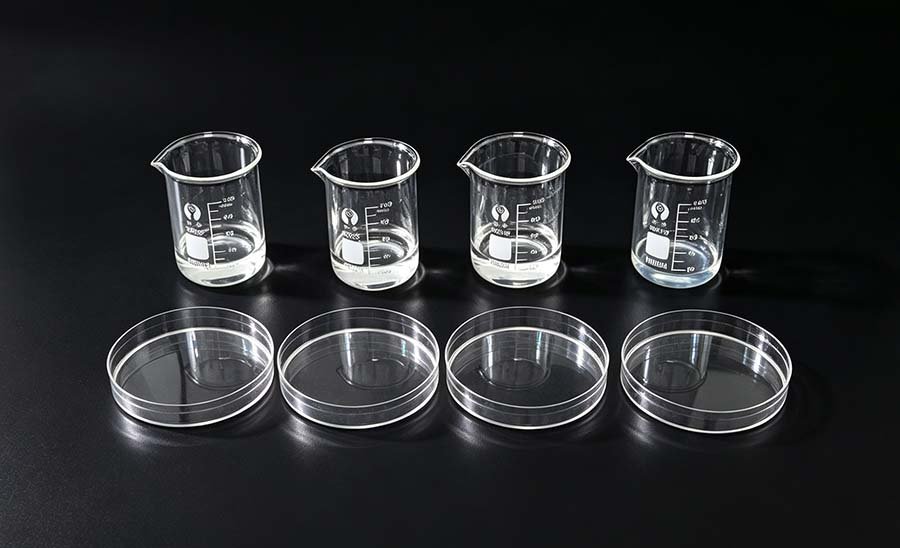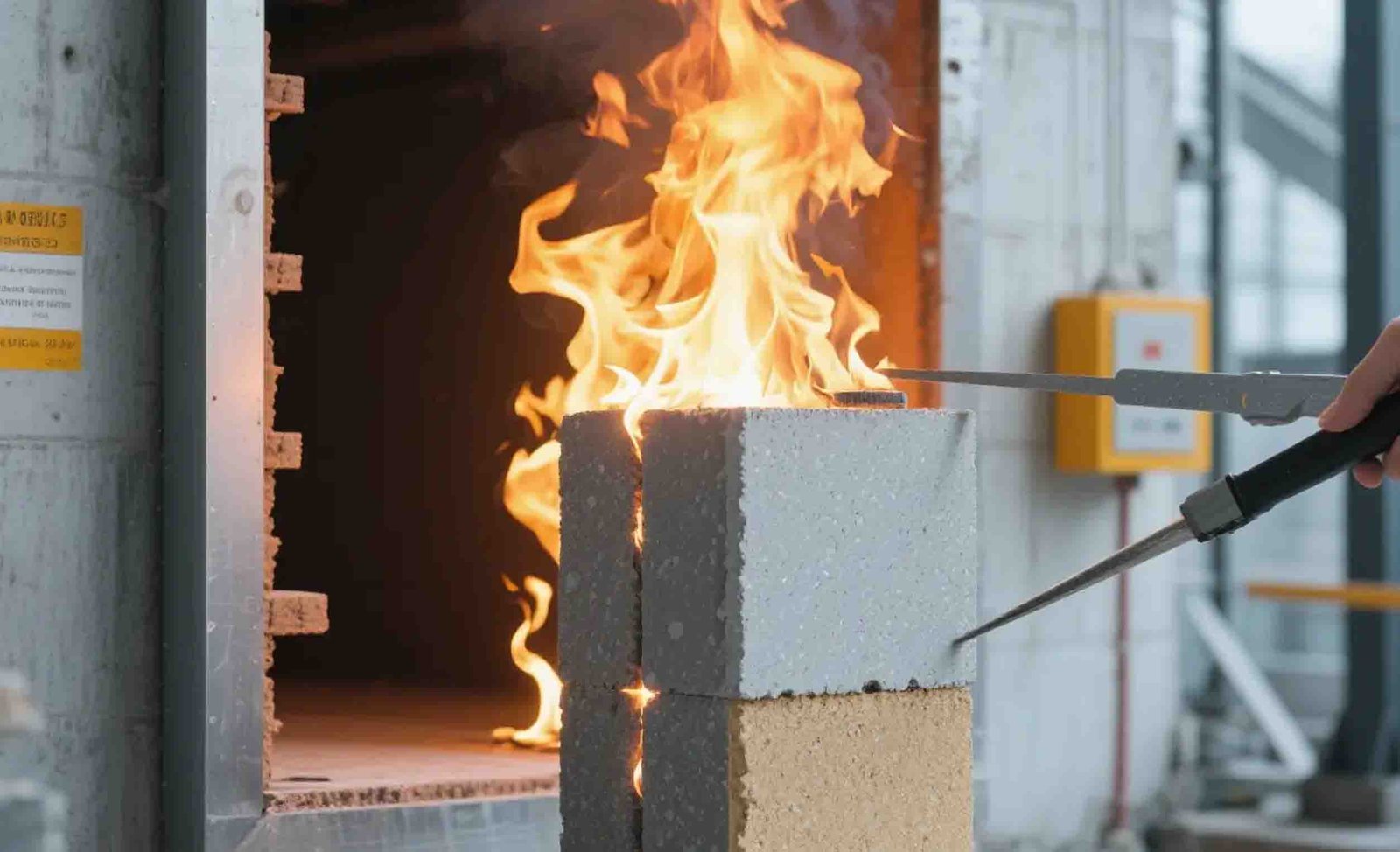

What is the heat resistance of potassium silicate?
In industries such as fireproof coatings, refractory materials, and high-temperature corrosion-resistant materials, potassium silicate serves as an essential core ingredient. Thanks to its excellent heat resistance of potassium silicate, non-combustibility, and anti-corrosion properties, it is widely used in manufacturing various protective products for high-temperature applications.
Many industry professionals frequently ask a key question when purchasing potassium silicate: exactly how high can potassium silicate withstand temperatures?
The inconsistent industry data on heat resistance of potassium silicate leads to confusion among buyers and difficulty in verifying the authenticity of these claims. Today, we will thoroughly analyze the actual thermal tolerance parameters and the true heat resistance of potassium silicate, clarify the difference in heat resistance between pure raw material and finished refractory products, and address common misconceptions within the industry.
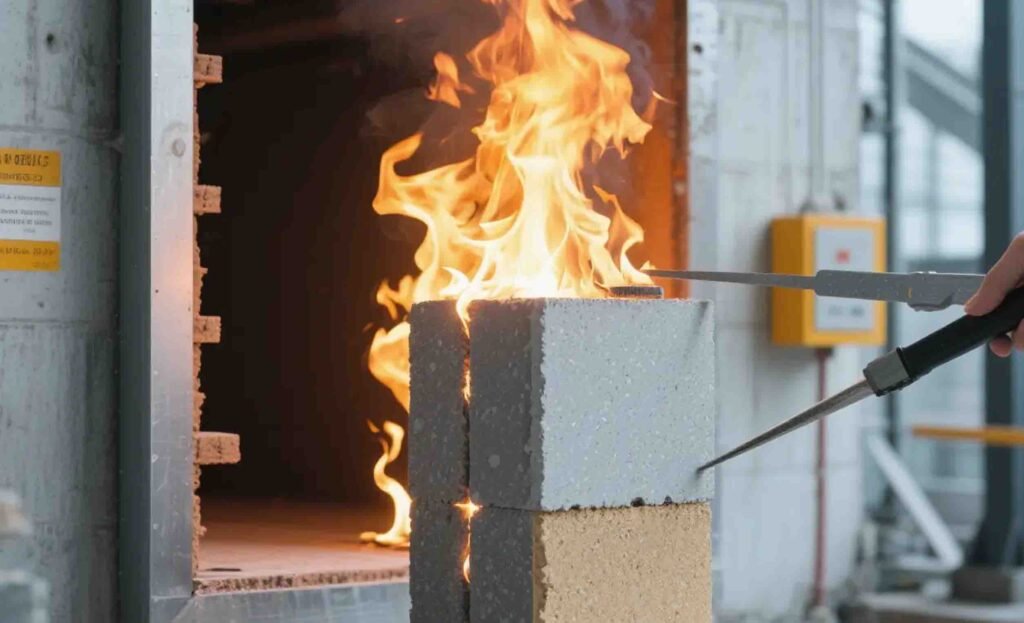
I. Common Industry Controversy: The Difference Between 800°C and 1000°C Heat Resistance
Many professionals in fireproof coatings and refractory materials often wonder why their factory labels potassium silicate with a maximum temperature of 800°C, while other manufacturers claim their products can withstand over 1000°C.
In fact, many customers have observed during production that refractory end products containing potassium silicate can indeed stably endure temperatures exceeding 1000°C. This leads to misunderstandings about the fundamental heat resistance of potassium silicate itself.
The root cause of this controversy lies in the confusion between the performance characteristics of pure potassium silicate raw material and those of composite refractory products incorporating potassium silicate. These two are fundamentally different in terms of heat resistance and should not be conflated.
II. Actual High-Temperature Performance of Pure Potassium Silicate Raw Material
From chemical and physical data, the standard melting point of solid potassium silicate is 976°C—a fixed physical property of pure potassium silicate.
Under normal conditions, pure potassium silicate remains highly stable at temperatures below 800°C, without melting, cracking, failure, or powdering. Its structure remains intact, and protective performance stays consistent, which defines the reliable heat resistance of potassium silicate raw material. This is precisely why we conservatively label its maximum usable temperature at 800°C.
When ambient temperature exceeds 800°C and approaches the melting point of 976°C, the performance of pure potassium silicate begins to degrade significantly, and stability drops sharply.
Additionally, the high-temperature decomposition temperature of potassium silicate varies slightly depending on its modulus, causing minor fluctuations in the upper temperature limit across different grades. However, overall, the practical upper limit of heat resistance of potassium silicate remains around 800°C. Therefore, 800°C represents the true, reliable, and long-term stable upper limit for pure potassium silicate raw material, serving as the most trustworthy baseline reference in the industry.
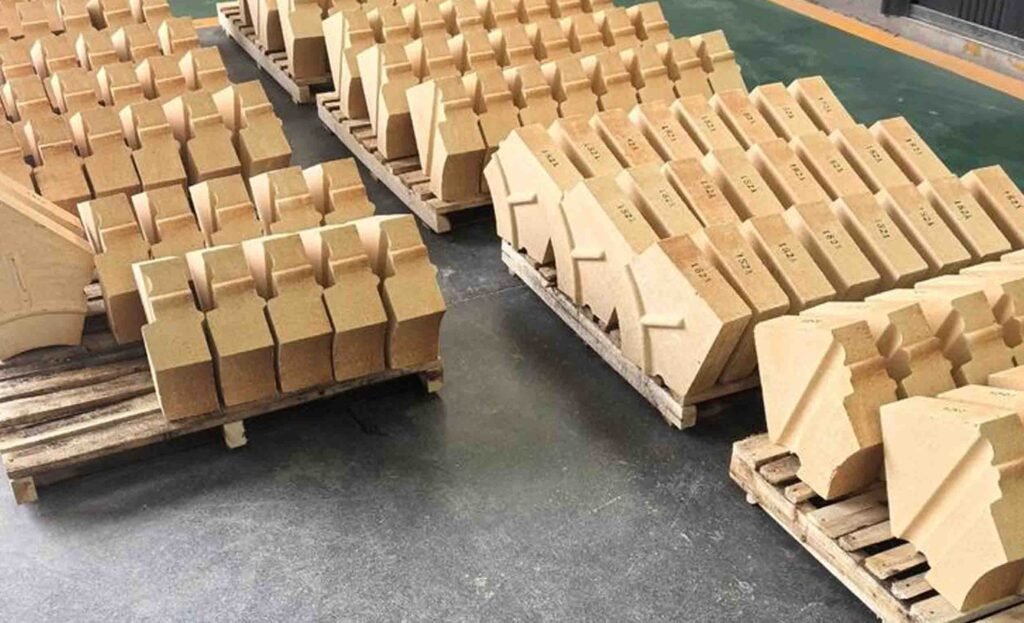
III. Why Finished Refractory Products Can Withstand Over 1000°C
If pure potassium silicate only reliably withstands up to 800°C, why can fireproof coatings, refractory materials, and high-temperature anti-corrosion coatings containing potassium silicate endure temperatures of 1000°C or higher?
The answer lies in formula modification. In industrial production, pure potassium silicate is never used alone to make refractory products. Instead, it acts as a binding agent combined with various high-temperature-resistant additives, significantly optimizing the overall heat resistance of potassium silicate composite products.
Commonly used high-temperature additives include alumina, magnesium oxide, aluminum powder, and wollastonite—high-performance refractory powders with melting points far exceeding 1000°C. When scientifically blended with potassium silicate, these materials effectively compensate for the poor high-temperature stability of pure potassium silicate, improving the final product’s heat resistance, thermal shock resistance, and crack prevention.
After formulation modification, the composite material achieves greatly enhanced thermal performance, easily surpassing the 1000°C threshold and meeting the demands of high-temperature furnaces, industrial equipment, and fire protection projects.
IV. Summary of Key Misconceptions in Procurement and Production
In summary, one crucial point must be clearly understood: 800°C represents the stable high-temperature performance of pure potassium silicate raw material and reflects its inherent base properties of heat resistance of potassium silicate.
The temperature resistance rating above 1000°C reflects the overall performance of potassium silicate-based composite refractory products, achieved through scientific formulations and modified processing techniques, rather than being an inherent property of potassium silicate as a single raw material.
This is why we specify 800°C—adhering to truthful labeling of actual raw material parameters without exaggeration or misguidance, enabling customers to precisely control formulation ratios and design appropriate production plans based on their own additive systems, thereby avoiding substandard refractory performance due to parameter misjudgment.
For manufacturers of fireproof coatings and refractory materials, clearly distinguishing between raw material and finished product performance of heat resistance of potassium silicate is crucial for ensuring product quality and mitigating production risks.
for more information ,please visit our facebook page