What is Acid-resistant Mortar
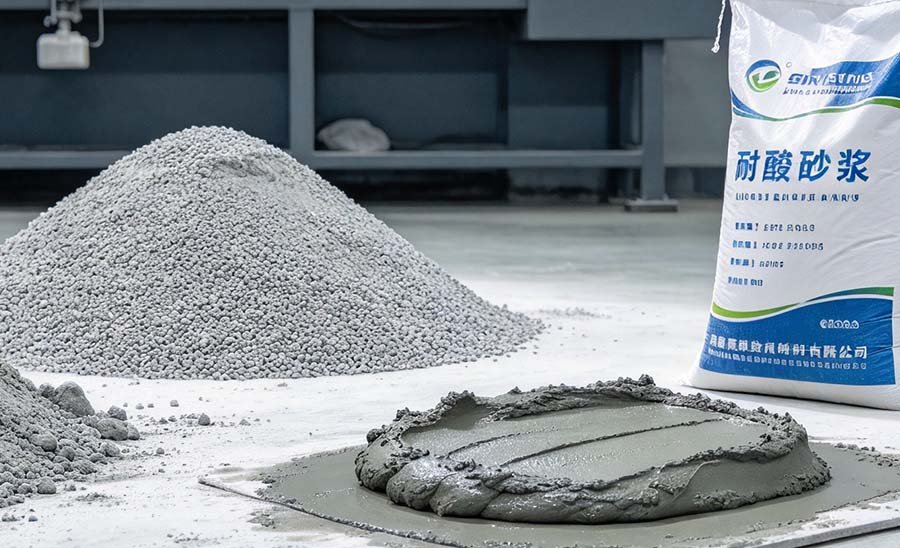
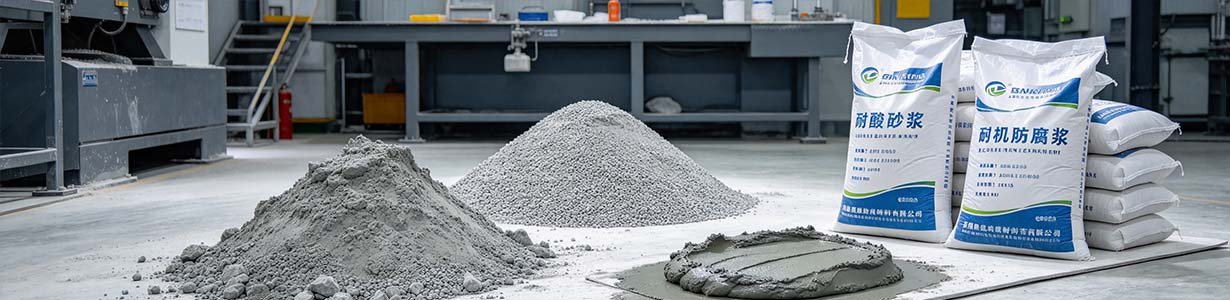
Acid-resistant mortar is a special type of mortar designed to resist the erosion of acidic media. It is made by mixing acid-resistant cementitious materials, acid-resistant aggregates, and curing agents in a specific ratio. The biggest difference between it and ordinary cement mortar lies in the completely different cementitious system.
When ordinary Portland cement hydrates, it forms alkaline substances such as calcium hydroxide. Once it comes into contact with acid, it easily undergoes a neutralization reaction, causing the structure to gradually become looser and the strength to decline, making it impossible to be used in an acidic environment for a long time. Acid-resistant mortar relies on the cementing network formed by silicon dioxide. Even if it is soaked in acid or continuously exposed to acid mist, it can still maintain its structure and retain the necessary mechanical strength.
In terms of corrosion resistance, this mortar can withstand most inorganic and organic acids, but there are two exceptions: hydrofluoric acid and hot phosphoric acid. Hydrofluoric acid will directly dissolve silicon dioxide, completely destroying the mortar framework; hot phosphoric acid, under high-temperature conditions, will also erode the silicate structure. In such cases, other anti-corrosion materials must be used.
From the perspective of ingredients, acid-resistant mortar mainly consists of three core components: cementitious materials (sodium silicate), acid-resistant aggregates (quartz sand, quartz powder, cast stone powder, basalt powder, etc.), and curing agents (sodium silicate is the most commonly used). Among them, sodium silicate is the most crucial and widely used cementitious raw material for acid-resistant mortar. The acid resistance, strength increase rate, and temperature resistance of the mortar are largely related to it.
Sodium Silicate: The Cementing Core of Acid-resistant Mortar
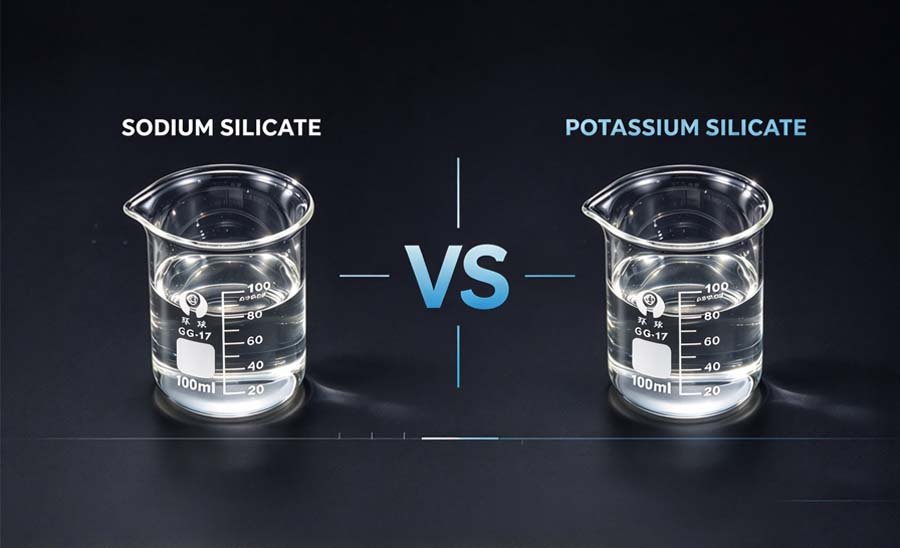
Sodium silicate is also commonly known as sodium silicate hydrate. Its chemical formula can be written as R₂O·nSiO₂. Depending on the different alkaline metal oxides, it is mainly divided into sodium silicate and potassium silicate. Sodium silicate itself has alkalinity and is completely different from cement. It will not hydrate and harden by itself when placed in water; it must undergo a chemical reaction with a curing agent to slowly form strength.
The sodium silicate used for acid-resistant mortar is generally controlled within the range of 2.6 to 2.8. The modulus refers to the molar ratio of silicon dioxide and alkaline metal oxides and is the most important indicator when selecting sodium silicate.
A low modulus leads to a slower curing speed, resulting in insufficient strength in the later stage, and greatly reduces the acid resistance of the mortar; a high modulus causes the sodium silicate to have too high viscosity, making the mixing very difficult and prone to crystal precipitation, which also affects the construction quality. Therefore, when selecting materials, the modulus must be kept within this range, and an appropriate specific gravity, that is, an appropriate concentration of the product, must be selected to balance both good construction and the final formed strength.
In actual construction sites, sodium silicate is abundantly available and relatively inexpensive, making it the main material for preparing acid-resistant mortar. If the project requires higher resistance to high temperatures and anti-permeability, potassium silicate system is preferred, as the hardened mortar has fewer pores and a more compact structure.
Curing Mechanism: How Does Acid Hardening Form the Acid-resistant Skeleton
Sodium silicate cannot harden into a solid with strength on its own; it must react with a curing agent. This reaction process is commonly referred to as “acid hardening” in the industry. The most commonly used curing agent is sodium silicate monohydrate. After mixing, the following reaction occurs:
Na₂O·nSiO₂ + Na₂SiF₆ + H₂O → mSiO₂·nH₂O (silicon acid gel) + NaF
The newly formed silicic acid gel is in a hydrated colloidal state. As the curing time increases, the gel continuously dehydrates and polymerizes, eventually forming a continuous and stable silicon dioxide (SiO₂) network structure.
This network is the fundamental of the mortar’s acid resistance. Silicon dioxide has stable chemical properties. Most common inorganic acids and organic acids are difficult to react with it, and the acid solution cannot penetrate, so the internal structure of the mortar is less likely to be corroded. It can maintain its strength and not crack or loosen even in acidic media for a long time.
The addition amount of sodium silicofluoride is generally 12% to 15% of the mass of sodium silicate, and it needs to be adjusted slightly according to the on-site temperature: add a little more when the temperature is low, and less when the temperature is high, to ensure the curing speed is just right, leaving workers enough mixing and spreading time, so that the work does not get stuck before completion and does not become ruined due to solidification.
Performance Characteristics: Both Advantages and Weaknesses Must Be Clear
The advantages of acid-resistant mortar are very prominent, mainly including four points.
First, it has excellent acid resistance, except for hydrofluoric acid and hot phosphoric acid, most inorganic acids and organic acids can resist it; second, it has good heat resistance, sodium silicate acid-resistant mortar can usually withstand working conditions of around 300℃, and potassium silicate version has better high-temperature performance, suitable for higher corrosion environments; third, it bonds well with acid-resistant aggregates, and the overall strength after hardening is good; fourth, the raw materials are easy to find, and the cost is not high, and it is convenient to directly mix and construct on-site.
However, its limitations cannot be ignored. Firstly, it is afraid of alkali, alkaline media will damage the silicon dioxide network, causing structural damage; secondly, it still cannot withstand hydrofluoric acid and high-temperature hot phosphoric acid; thirdly, the mortar has a high porosity, and the anti-seepage ability is average.
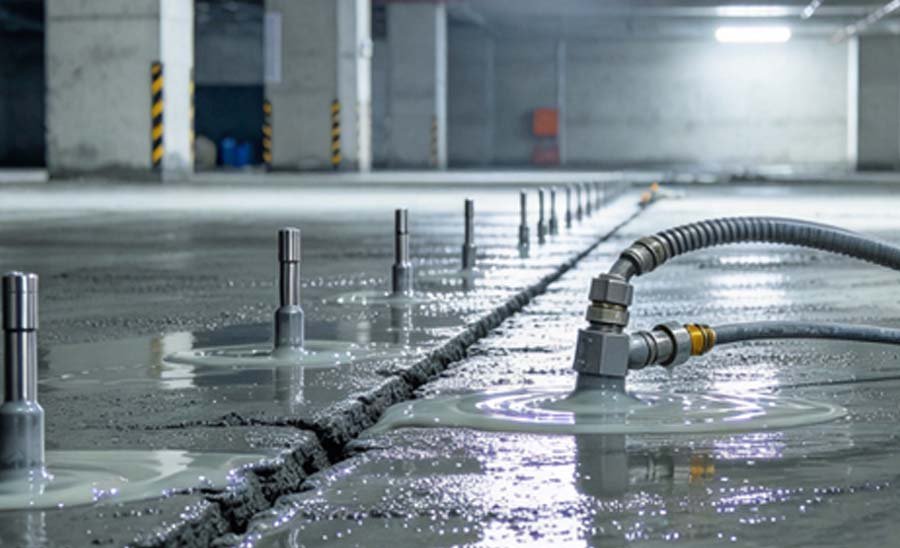
If it is used to store liquids or in positions with high-seepage requirements, it is best to add an additional sealing or isolation surface layer; fourthly, the shrinkage during the curing process is relatively obvious, and for large-scale construction, it must be treated with grouting to prevent cracking in the later stage; finally, its water resistance is weak. When it is soaked in water or in a continuous high-humidity environment for a long time, its strength will gradually decrease, so it is more suitable for acid-containing, acid-vapor-dominated, and relatively dry corrosive conditions.
Typical Application Scenarios
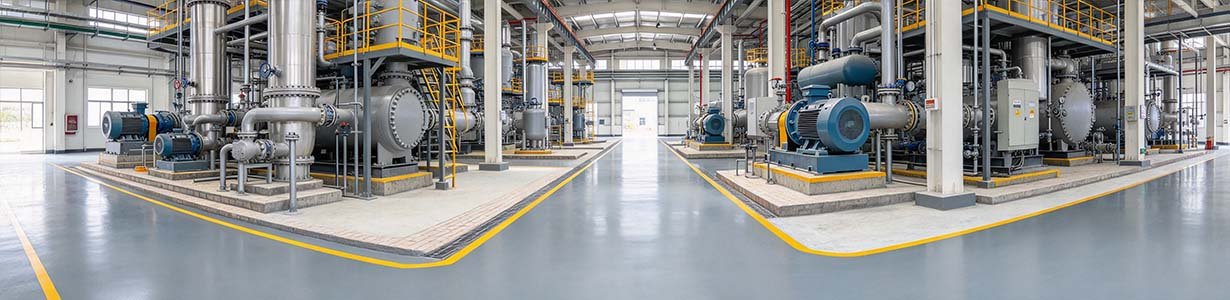
With stable and reliable acid resistance, sodium silicate acid-resistant mortar is used in many acid-containing corrosion industrial anti-corrosion projects:
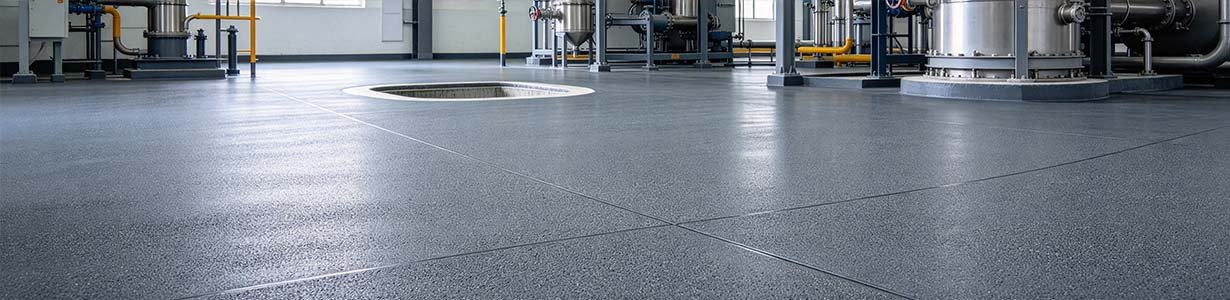
The chemical industry is its main and most mature application scenario, and the ground and inner walls of acid washing tanks, acid storage tanks, reaction towers, electrolytic tanks, etc., can basically be seen. If it is used for anti-corrosion on steel equipment, the base must be descaled, and a isolation layer must be made first, and then the mortar lining is applied in layers to extend the service life of the entire equipment;
The metallurgical industry is mostly used for anti-corrosion floors, drainage ditches, and inner linings of desulfurization and exhaust gas treatment devices, resisting condensation acid liquid and sulfur-containing wastewater corrosion;
The food industry, such as fermentation tanks and brewing pools, facilities that produce weak acid corrosion, will also choose it to ensure the long-term stable operation of the equipment;
Other scenarios include anti-corrosion construction of electroplating workshop floors, battery rooms, paper and dyeing workshops, etc.
Construction and Maintenance Key Points
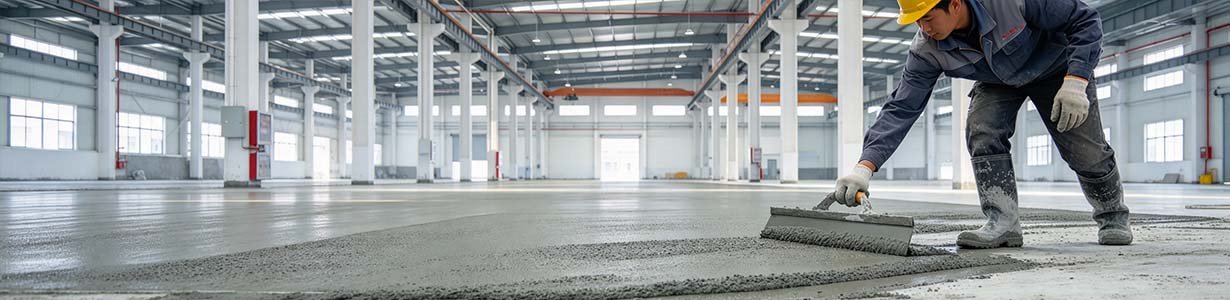
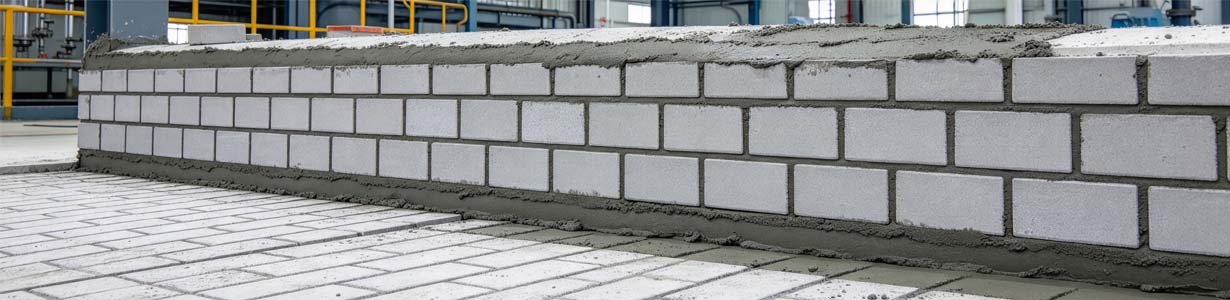
To fully utilize the performance of acid-resistant mortar, the construction and maintenance stages must not be careless. The base must be cleaned first, removing all floating dust, oil stains, and loose surface layers, and keeping the base dry and clean; during the mixing process, strictly control the modulus of sodium silicate, the amount of sodium silicofluoride, and the grading of powder and aggregates, use the amount mixed, and make sure to use it within the operable time.
The construction environment temperature is preferably controlled at 15-30℃. When the temperature is too low, the curing is too slow, and the strength cannot be achieved.
Curing is a step that many people easily overlook. In the early stage of the mortar’s hardening, water must not be applied, nor should it come into contact with water vapor.
It should be placed in a dry environment for natural curing. After the mortar hardens and takes shape, a surface acidification treatment with a suitable amount of hydrochloric acid or sulfuric acid should be done to convert the residual alkaline substances on the surface into salt precipitation, and at the same time, form a dense silical membrane on the surface to enhance the surface strength and acid resistance. Generally, this step is repeated two to three times. This step directly determines how long the surface layer can be used and the difference in anti-corrosion life.
Conclusion
Silicic acid mortar has excellent acid resistance and acceptable heat resistance, and its overall cost is also appropriate. It has always been a very practical type of material in industrial anti-corrosion engineering. To understand the acid hardening logic of “water glass + curing agent → silicic acid gel → silica network”, one can select the right material, prepare the right formula, and carry out construction in accordance with the specifications.
When actually conducting the project, one needs to select the water glass system and the corresponding aggregates based on the type of corrosive medium, the usage temperature, and the requirements for anti-seepage. The modulus, the amount of curing agent, and the curing process must all be controlled well to truly exert the long-term anti-corrosion effect of the silicic acid mortar.