Tel: +86-13630079025 Wechat/Whatsapp:+86-13630079025 Email Address: sales@sanleechem.com

Silicate Waterproofing Solutions for Concrete and Industrial Applications
As a reliable inorganic waterproofing solution, silicate‑based systems penetrate concrete pores and react chemically with cement hydrates to form compact insoluble gel, blocking capillary water ingress without relying on surface‑wearing coatings.
Sodium silicate waterproofing delivers cost‑efficient sealing for general‑grade concrete structures, while waterproofing with sodium silicate works well for both new pouring and renovation of aged porous substrates. For projects demanding reduced efflorescence and enhanced chemical stability, potassium silicate waterproofing offers upgraded performance for high‑end industrial environments.
Beyond building waterproofing, broad silicate applications extend to mining, casting and material consolidation, meeting diverse industrial anti‑moisture requirements. Durable, non‑toxic and long‑lasting, these silicate waterproofing systems resist freeze‑thaw cycles and chemical erosion, extending concrete service life for infrastructure and manufacturing sites.
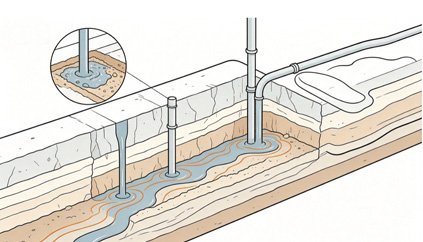
What Is Silicate Waterproofing?
Silicate waterproofing is a professional inorganic waterproofing technology designed for concrete, cement-based materials and various mineral surfaces, widely adopted in construction and industrial protection fields. It mainly utilizes high-performance soluble silicate materials, including sodium silicate and potassium silicate, to fundamentally enhance the water resistance, structural compactness and long-term durability of porous building substrates. As a core type of mineral waterproofing, it perfectly matches the structural characteristics of mineral-based building materials with superior compatibility and stability.
Unlike traditional organic waterproofing coatings that only form a protective film on the material surface, silicate-based waterproofing features excellent permeability. It can deeply penetrate into the tiny pores and capillary gaps of porous surfaces, and trigger a stable chemical reaction with internal calcium compounds to form dense, insoluble silica gel structures. This permanent waterproof layer effectively blocks water penetration channels, avoids peeling, aging and failure issues common to organic coatings. As a eco-friendly, high-stability inorganic waterproofing method, it delivers long-lasting waterproof and anti-corrosion effects, greatly extending the service life of cement and mineral infrastructure.
01
Permanent Penetrating Waterproofing Effect
Different from organic surface coatings that are prone to damage and aging, silicate waterproofing penetrates deep into the internal pores of concrete and cement materials. It undergoes irreversible chemical reactions with mineral components inside the substrate to generate stable insoluble silica gel. The formed waterproof structure integrates with the base material as a whole, avoiding peeling, blistering and failure problems, and realizes long-term and even permanent waterproof protection.
02
Excellent Substrate Compatibility and Breathability
As a typical inorganic waterproofing and mineral waterproofing product, silicate waterproofing has highly consistent material properties with cement-based and mineral substrates. It will not affect the original structural characteristics of the building. Meanwhile, its unique microporous structure allows the substrate to retain air permeability, effectively discharging internal moisture and avoiding hollowing or mildew caused by moisture accumulation inside the concrete, which is incomparable to fully closed organic coatings.
03
Superior Environmental and Chemical Stability
Silicate waterproofing adopts natural inorganic silicate raw materials including sodium silicate and potassium silicate, which are non-toxic, odorless and environmentally friendly, with no pollution to the environment and construction personnel. It also features strong resistance to acid and alkali corrosion, weathering and freeze-thaw cycles. It can maintain stable waterproof performance in harsh industrial environments and outdoor infrastructure scenarios, resisting erosion of various chemical substances.
04
Improved Structural Durability
While achieving waterproof sealing, silicate waterproofing can effectively fill and compact the internal capillary pores and tiny cracks of the substrate, significantly improving the compactness and mechanical strength of concrete and cement-based materials. It effectively inhibits carbonization and corrosion of steel bars inside the structure, comprehensively optimizes the overall performance of building and industrial substrates, and greatly prolongs the service life of engineering facilities.
Silicate Materials Used for Waterproofing
Three mainstream silicate materials are widely applied in inorganic waterproofing systems: sodium silicate, potassium silicate, and lithium silicate.
Sodium silicate serves as a cost-effective and conventional waterproofing material, ideal for general concrete waterproofing projects. Potassium silicate features lower efflorescence and better chemical stability, suitable for high-standard industrial scenarios. Lithium silicate, as a high-end option, delivers ultra-fine penetration, exceptional durability and strong crack resistance.
Combined or individually used, these soluble silicates form compact silica gel layers, providing reliable customized waterproofing protection for diverse mineral and cement-based substrates.
Sodium Silicate Waterproofing
Sodium silicate is one of the most widely used inorganic waterproofing chemicals. It penetrates concrete pores and reacts with cement components to improve surface density and water resistance.
Potassium Silicate Waterproofing
Potassium silicate provides excellent binding properties and is commonly used in mineral coatings, inorganic paints, and waterproof protective layers.
Lithium Silicate Waterproofing
Lithium silicate is commonly applied in concrete densification and polishing systems where improved hardness and reduced water absorption are required.
How Silicate Waterproofing Works
Sodium silicate waterproofing is a mature concrete waterproofing chemical that relies on penetrating chemical reactions to achieve permanent concrete waterproofing, serving as a core sodium silicate concrete treatment technology for cement-based structures. Its working mechanism follows a complete and intuitive reaction flow, fundamentally changing the porous structure of concrete.
Application and Surface Penetration
As a professional concrete waterproofing chemical, the diluted sodium silicate waterproofing solution is evenly applied onto clean concrete surfaces. With ultra-low surface tension and fine molecular particles, the solution quickly and deeply penetrates the concrete’s natural micropores, capillary tubes and tiny internal cracks. This step fully saturates the porous substrate, laying a solid foundation for subsequent chemical reactions and thorough waterproof sealing in sodium silicate concrete treatment.
Chemical Reaction with Cement Hydrates
After penetrating the concrete interior, the sodium silicate solution fully contacts and reacts with calcium hydroxide, the main hydration product of cement. This is a stable, irreversible chemical reaction that occurs in normal temperature environments without extra heating or complex construction. It completely differs from physical surface coating, realizing deep modification of concrete internal structure rather than superficial protection.
Formation of Stable Calcium Silicate Gel
The chemical reaction between sodium silicate and calcium hydroxide continuously generates dense, water-insoluble calcium silicate gel. The colloidal substance features high compactness and structural stability, which can tightly fill all penetrated capillary channels and micro voids inside the concrete. The gel will not peel or age easily, forming an integrated inorganic waterproof structure fused with the concrete substrate.
Permanent Water Resistance Enhancement
With the pores and cracks completely sealed by calcium silicate gel, the concrete loses its capillary water absorption capacity. This fundamentally cuts off the penetration and transmission channels of external water and moisture, greatly reducing water penetration into the structure. This core mechanism endows sodium silicate waterproofing with long-lasting waterproof performance and effectively improves concrete’s overall durability.
Applications of Silicate Waterproofing Solutions
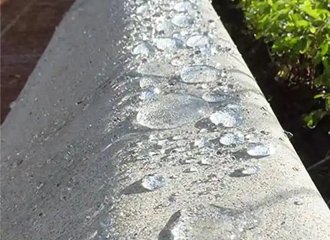
Concrete Waterproofing
As a reliable concrete waterproofing chemical and professional concrete waterproofing solution, silicate waterproofing agents effectively improve concrete surface density, seal internal capillary pores, reduce water penetration and resist moisture erosion. It comprehensively enhances the structural durability of concrete floors, walls and various building structures, solving common problems such as concrete efflorescence, peeling and water seepage in long-term use.
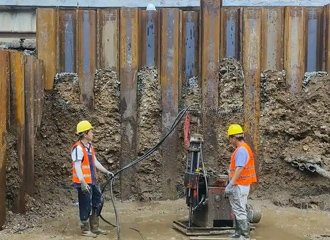
Cement-Based Waterproofing
Serving as a high-efficiency cement waterproofing chemical, silicate waterproofing is widely applicable to cement mortar, all kinds of concrete structures and large-scale underground engineering projects. It penetrates and reacts with cement-based substrates to form dense waterproof layers, improving the compactness and waterproof performance of cement materials, and effectively preventing structural water leakage and aging damage in cement-based engineering scenarios.

Underground Structures
Featuring stable underground waterproofing performance, this professional basement waterproofing chemical is specially designed for underground infrastructure including basements, tunnels and building foundations. It adapts to high-humidity and high-water-pressure underground environments, permanently seals substrate pores and micro cracks, and provides stable anti-seepage and waterproof protection for long-term buried building structures.
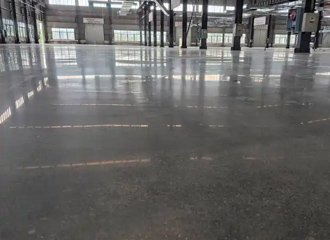
Industrial Floors
Dedicated to industrial floor waterproofing and concrete floor protection, silicate waterproofing solutions are perfectly suitable for warehouse floors, factory floors and parking areas. It strengthens the hardness and compactness of industrial concrete floors, resists water soaking, abrasion and chemical erosion, avoids floor dusting, cracking and water seepage, and meets the long-term heavy-duty use needs of industrial and public floor facilities.
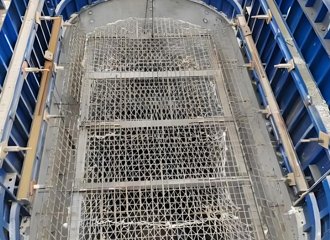
Silicate Mineral Coatings
As a high-performance silicate waterproof coating and upgraded potassium silicate coating product, it belongs to eco-friendly inorganic coatings and mineral paints. It forms a tough, breathable and weather-resistant mineral protective film on building surfaces, with excellent waterproof, anti-corrosion and anti-aging properties, widely used in surface protection and waterproof finishing of various mineral and building substrates.
Recommended Reading

7 Proven & Effective Sodium Silicate Waterproofing for Concrete & Masonry
Pure sodium silicate dissolves in water — so why do people use it for waterproofing? This article reveals the curing chemistry that transforms soluble water glass into an insoluble, permanent waterproof layer. Learn 3 critical methods (including acid-based curing agents) to achieve true sodium silicate waterproofing that lasts.

Low Strength and Poor Durability of Water Glass Grouting Mass: 3 Causes and Improvement Solutions Explained
Defects and Improvement Strategies of Water Glass Grouting in Geotechnical Engineering Water glass grouting is a widely used chemical grouting technique in geotechnical engineering, commonly applied in foundation reinforcement, soil improvement, tunnel waterproofing, and pit leakage sealing. This water glass grouting method offers advantages such as low slurry viscosity, strong permeability, adjustable gelation time, ease…
The correct usage method of sodium silicate grouting and the adjustment skills of solidification time
Common Problems and Solutions of Sodium Silicate Grouting Sodium silicate, also known as water glass, is an indispensable core material in engineering grouting, widely used in scenarios such as foundation reinforcement, waterproofing and leakage control, and mine sealing. Its rapid setting property can effectively enhance grouting efficiency and ensure construction quality. However, many engineering practitioners…
How to Use Sodium Silicate with Cement: 3 Grouting Ratio Experiment and Practical Tips
How to Use Sodium Silicate with Cement: Grouting Ratio Experiment and Practical Tips Sodium silicate, as the core accelerator in cement grouting, directly affects the setting time of cement slurry and thus determines the efficiency and effectiveness of grouting operations. Many engineering practitioners have a misconception when using cement-sodium silicate double liquid slurry: the more…
Analysis of Sodium Silicate Cement Grouting Technology: Principles, 3 Core Advantages and Engineering Applications
Sodium silicate cement grouting, also known as sodium silicate cement double-liquid grouting, is a composite grouting technology that combines the advantages of sodium silicate solution and cement slurry. It is widely used in geotechnical engineering, tunnel engineering, foundation pit engineering, and other fields. The core logic of this technology is to mix sodium silicate solution…

Silicate Waterproofing vs Traditional Waterproofing
| Feature | Silicate Waterproofing | Organic Waterproof Coating |
| Material | Inorganic silicate | Polymer |
| Penetration | Deep penetration | Surface film |
| Durability | Long-lasting | Depends on coating life |
| Compatibility | Excellent with concrete | Limited |
| Environmental impact | Low VOC | May contain chemicals |
Frequently Asked Questions About Silicate Waterproofing
Does sodium silicate waterproof concrete?
Yes, sodium silicate effectively waterproofs concrete as a proven concrete waterproofing chemical. Sodium silicate waterproofing penetrates porous concrete substrates, reacts with cement hydration products, and forms insoluble calcium silicate gel inside capillaries. This permanent pore-sealing mechanism blocks water infiltration from inside out, achieving reliable concrete waterproofing and improving overall structural compactness.
How long does sodium silicate waterproofing last?
Under standard construction and normal environmental conditions, sodium silicate waterproofing can deliver long-term service life of 10–20 years. Unlike organic coatings that age, peel or degrade under UV and moisture, the silicate gel integrates chemically with concrete. It will not delaminate or fail easily, maintaining stable waterproof performance as long as the concrete structure remains intact.
Is silicate waterproofing better than acrylic waterproof coating?
Silicate inorganic waterproofing outperforms conventional acrylic organic coatings in durability, substrate integration and breathability. Acrylic coatings only provide surface film protection and are prone to aging, blistering and peeling. In contrast, silicate solutions penetrate and chemically bond with concrete, offering permanent waterproofing, superior weather resistance, and vapor permeability without trapping substrate moisture.
Can potassium silicate be used for waterproof coatings?
Absolutely. Potassium silicate is a premium raw material for high-quality inorganic waterproof coatings. Compared with sodium silicate waterproofing, potassium silicate coating features lower efflorescence, better chemical stability and stronger weather resistance. It is widely used in high-standard mineral paints and architectural inorganic coating systems for industrial and exterior waterproof protection.
What is the difference between sodium silicate, potassium silicate and lithium silicate waterproofing?
Sodium silicate is cost-effective and ideal for general concrete waterproofing projects. Potassium silicate provides cleaner finishes with less efflorescence for high-grade buildings. Lithium silicate offers ultra-fine penetration, superior crack resistance and maximum durability, making it the optimal choice for heavy-duty industrial floors and high-end infrastructure protection.
Is silicate waterproofing breathable?
Yes. As a typical inorganic waterproofing solution, silicate waterproofing forms a dense yet vapor-permeable structure. It blocks liquid water penetration while allowing internal moisture vapor to escape freely. This unique breathability prevents blistering, hollowing and mildew growth, solving the common moisture accumulation problems of fully sealed organic waterproof systems.
Can silicate waterproofing be applied on damp concrete?
Silicate waterproofing is highly adaptable to slightly damp concrete surfaces, unlike organic coatings that require completely dry substrates. Its penetrating chemical reaction still works effectively on humid cement-based and mineral substrates. It can seal damp pores and consolidate loose concrete layers, making it suitable for basement, tunnel and underground renovation projects.
Get a Free Quote For Silicate Waterproofing Solutions!
We believe Sanlee will be your best partner!
Please fill out the form with your contact details or give us a call, and we will get back to you within 24 hours.
For more about Sanlee, please visit our facebook page, Instagram page, and youtube page.